

10 Best Weighted Hanging Leg-hip Raise Alternatives for Hip Pain
If you can’t perform a weighted hanging leg‑hip raise, use alternatives that still load the rectus abdominis and hip flexors while reducing shoulder or grip strain. Effective swaps include captain’s chair knee raises, decline weighted leg raises, cable crunches, hanging knee-to-chest progressions, and weighted decline toe touches. Focus on posterior pelvic tilt and controlled hip flexion.
Original Exercise: Weighted Hanging Leg-hip Raise
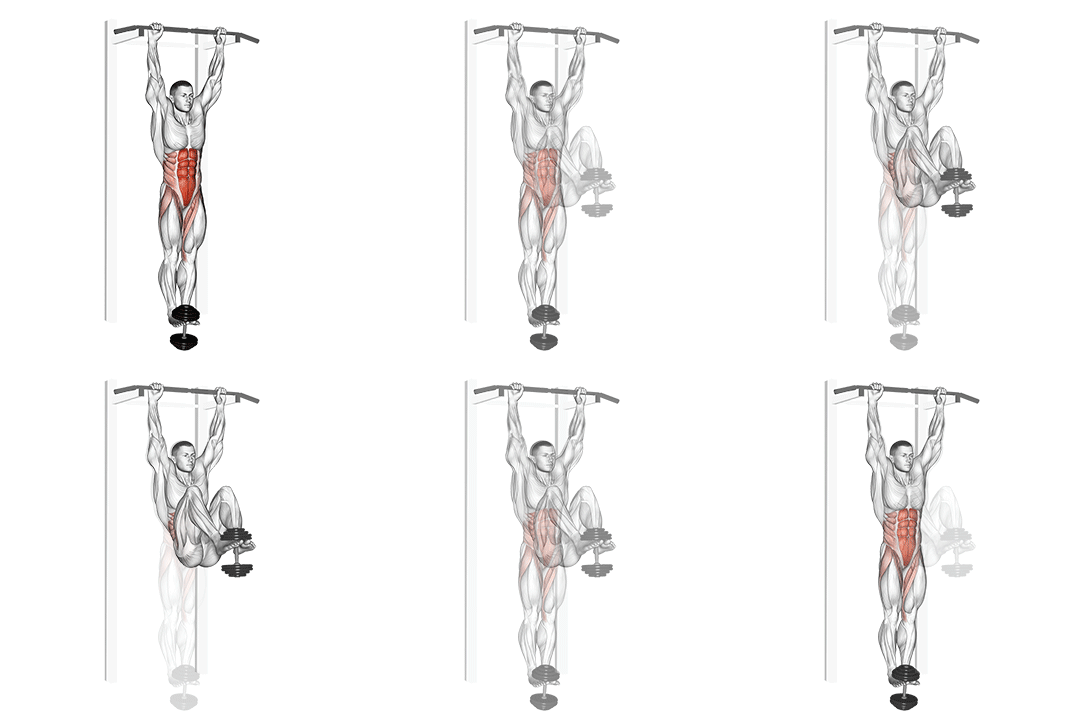
How to Perform Weighted Hanging Leg-hip Raise
- Hang from a pull-up bar with your arms fully extended and your palms facing away from you.
- Engage your core and lift your legs up in front of you, keeping them straight.
- Continue lifting until your legs are parallel to the ground or slightly higher.
- Pause for a moment at the top, then slowly lower your legs back down to the starting position.
- Repeat for the desired number of repetitions.
Best Weighted Hanging Leg-hip Raise Alternatives
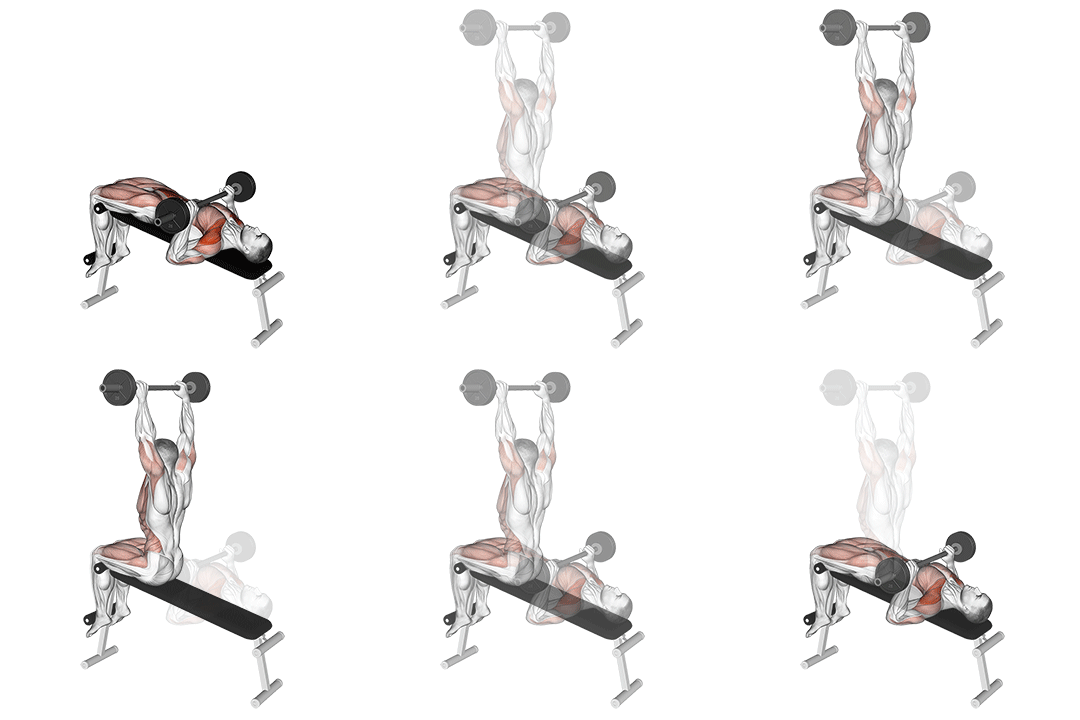
1. Barbell Press Sit-up
86.4% MatchHow to perform this exercise
- Lie flat on your back on a mat with your knees bent and feet flat on the ground.
- Hold the barbell with an overhand grip, resting it on your chest.
- Engaging your abs, slowly lift your upper body off the ground, curling forward until your torso is at a 45-degree angle.
- Pause for a moment at the top, then slowly lower your upper body back down to the starting position.
- Repeat for the desired number of repetitions.
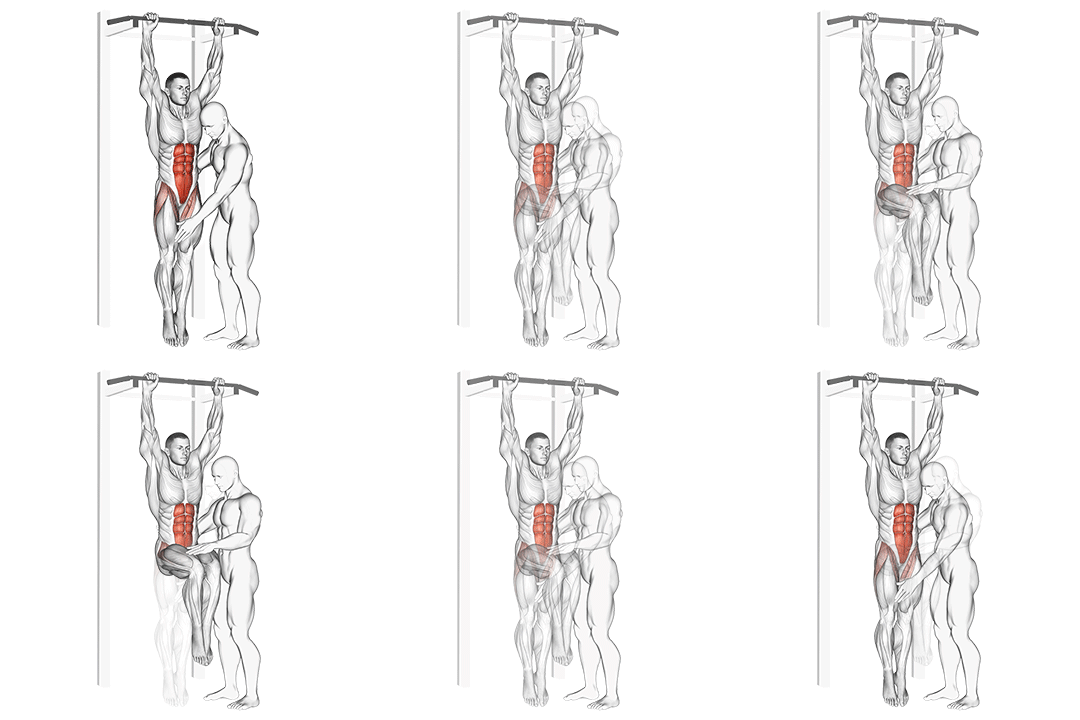
2. Assisted Hanging Knee Raise
85.2% MatchHow to perform this exercise
- Hang from a pull-up bar with your arms fully extended and your palms facing away from you.
- Engage your core muscles and lift your knees towards your chest, bending at the hips and knees.
- Pause for a moment at the top of the movement, squeezing your abs.
- Slowly lower your legs back down to the starting position.
- Repeat for the desired number of repetitions.
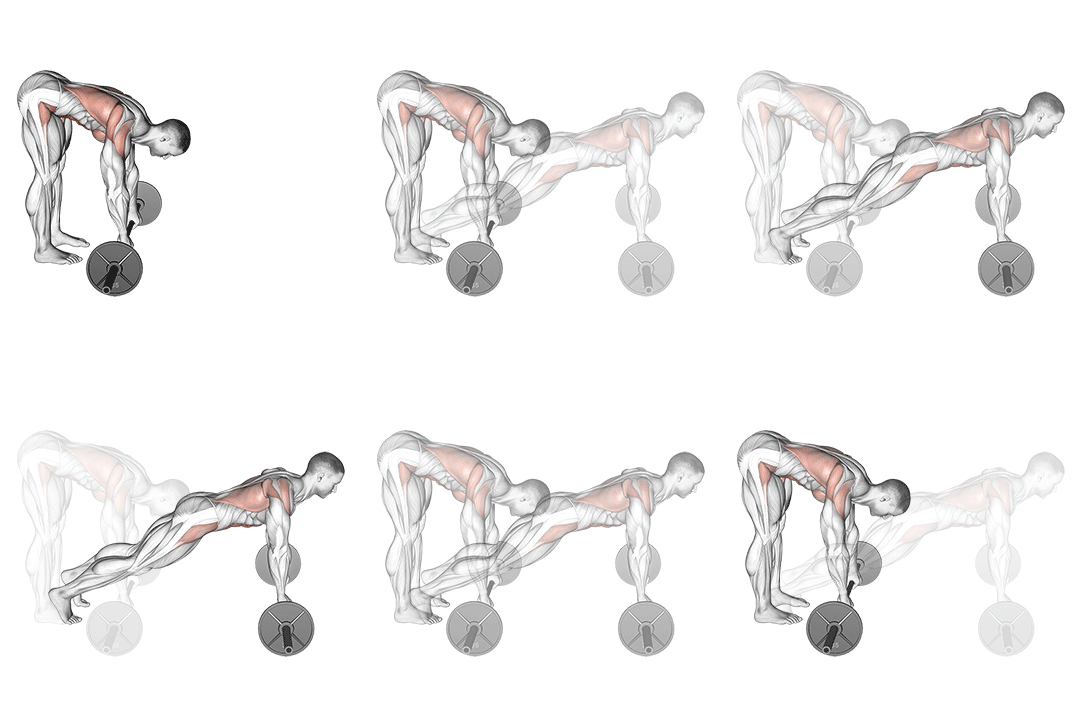
3. Barbell Standing Ab Rollerout
85.1% MatchHow to perform this exercise
- Stand upright with your feet shoulder-width apart and hold the barbell with both hands in front of your thighs.
- Engage your core and slowly roll the barbell down towards the ground, keeping your back straight and your arms extended.
- Continue rolling the barbell forward until your body is fully extended and your hands are directly above your head.
- Pause for a moment, then slowly roll the barbell back towards your thighs, maintaining control and keeping your core engaged.
- Repeat for the desired number of repetitions.
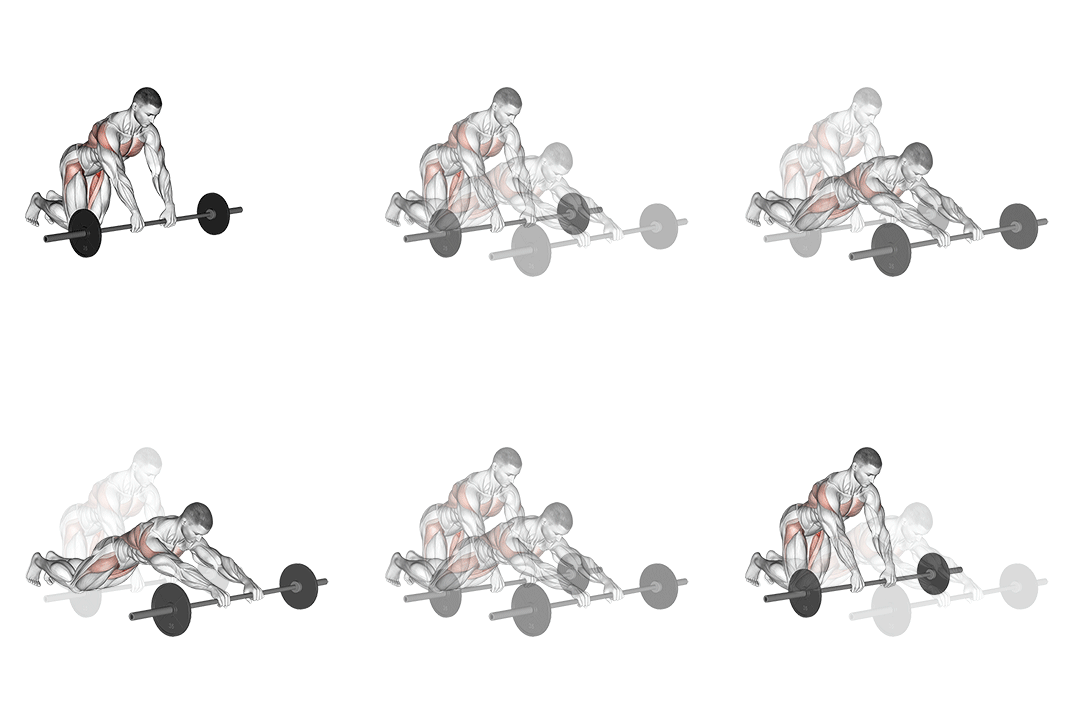
4. Barbell Rollerout
82.4% MatchHow to perform this exercise
- Kneel on the floor and hold a barbell with both hands, shoulder-width apart.
- Roll the barbell forward, extending your arms and keeping your core engaged.
- Continue rolling forward until your body is fully extended and your arms are overhead.
- Pause for a moment, then slowly roll the barbell back towards your knees, maintaining control.
- Repeat for the desired number of repetitions.
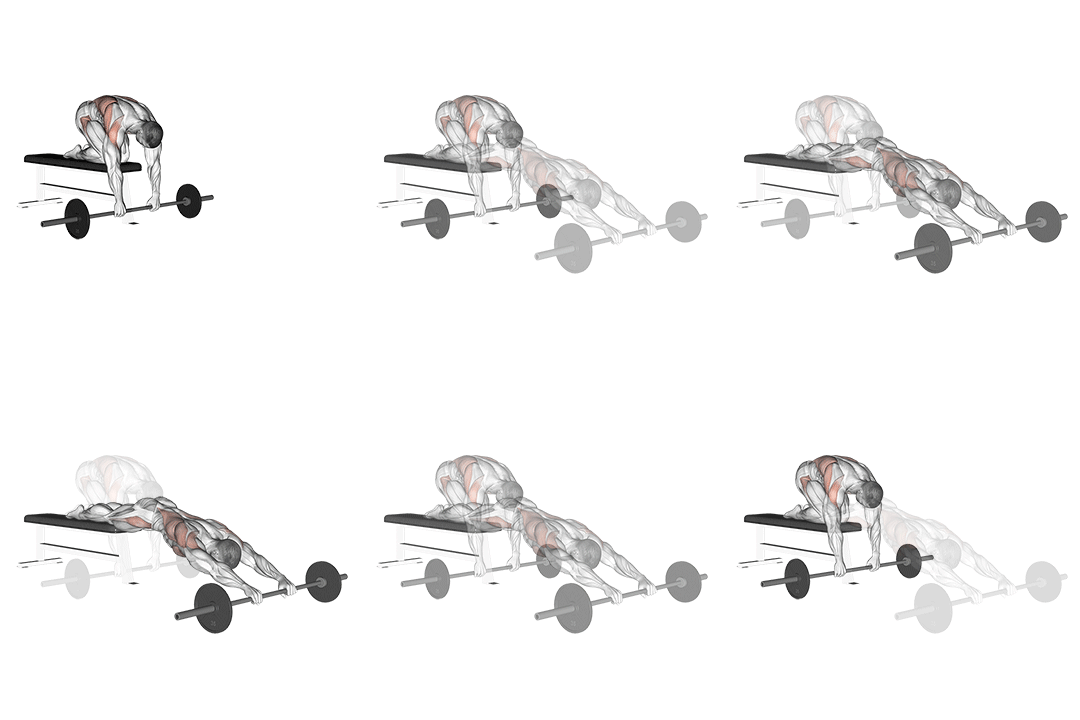
5. Barbell Rollerout From Bench
82.4% MatchHow to perform this exercise
- Start by kneeling on the floor with a barbell placed on a bench in front of you.
- Grasp the barbell with an overhand grip, slightly wider than shoulder-width apart.
- Keeping your core engaged and your back straight, slowly roll the barbell forward, extending your arms in front of you.
- Continue rolling the barbell forward until your body is fully extended and your arms are overhead.
- Pause for a moment at the fully extended position, then slowly roll the barbell back towards your body, returning to the starting position.
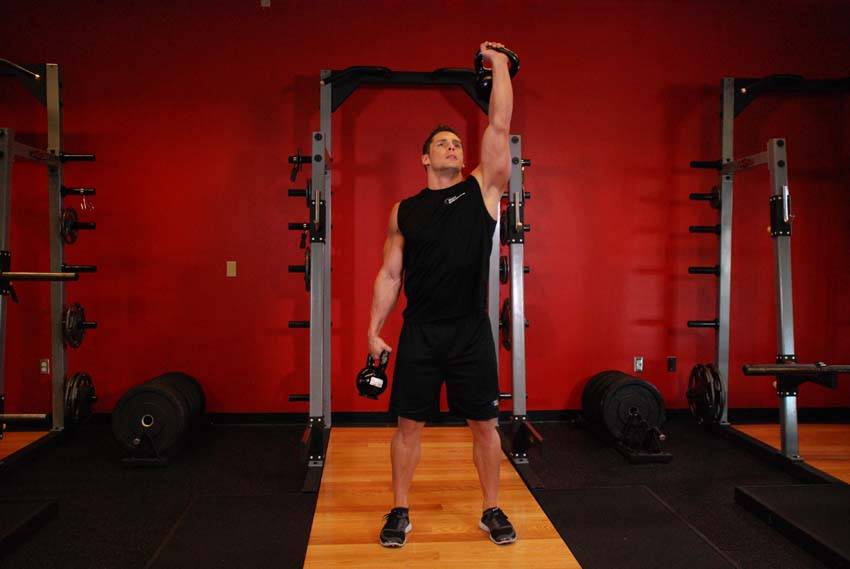
6. Double Kettlebell Windmill
77.9% MatchHow to perform this exercise
- Place a kettlebell in front of your front foot and clean and press a kettlebell overhead with your opposite arm. Clean the kettlebell to your shoulder by extending through the legs and hips as you pull the kettlebell towards your shoulders. Rotate your wrist as you do so, so that the palm faces forward.
- Keeping the kettlebell locked out at all times, push your butt out in the direction of the locked out kettlebell. Turn your feet out at a forty-five degree angle from the arm with the locked out kettlebell.
- Bending at the hip to one side, sticking your butt out, slowly lean until you can retrieve the kettlebell from the floor. Keep your eyes on the kettlebell that you hold over your head at all times.
- Pause for a second after retrieving the kettlebell from the ground and reverse the motion back to the starting position.
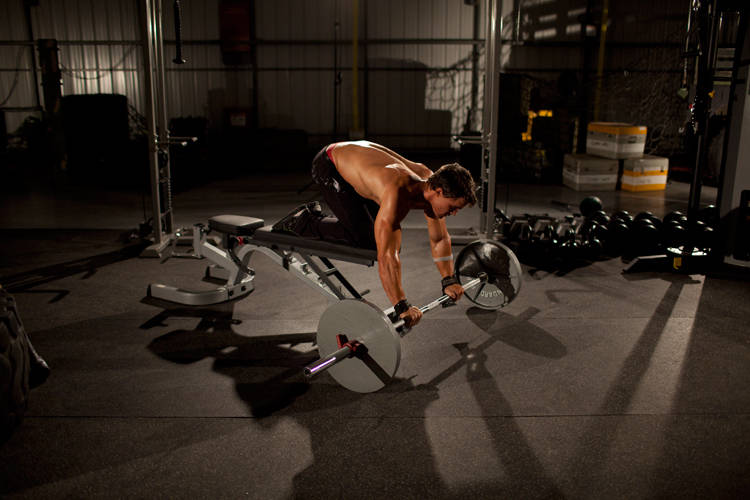
7. Barbell Rollout From Bench
77% MatchHow to perform this exercise
- Place a loaded barbell on the ground, near the end of a bench. Kneel with both legs on the bench, and take a medium to narrow grip on the barbell. This will be your starting position.
- To begin, extend through the hips to slowly roll the bar forward. As you roll out, flex the shoulder to roll the bar above your head. Ensure that your arms remain extended throughout the movement.
- When the bar has been moved as far forward as possible, return to the starting position.
8. Ab Roller
76.2% MatchHow to perform this exercise
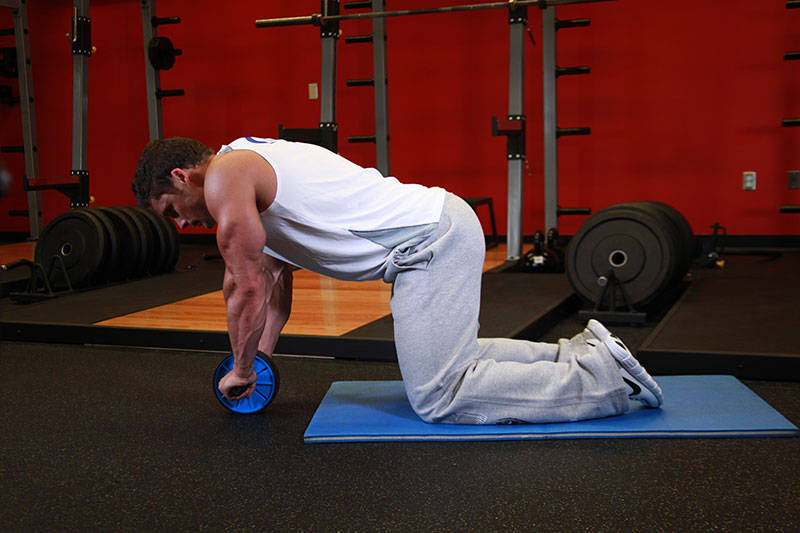
- Hold the Ab Roller with both hands and kneel on the floor.
- Now place the ab roller on the floor in front of you so that you are on all your hands and knees (as in a kneeling push up position). This will be your starting position.
- Slowly roll the ab roller straight forward, stretching your body into a straight position. Tip: Go down as far as you can without touching the floor with your body. Breathe in during this portion of the movement.
- After a pause at the stretched position, start pulling yourself back to the starting position as you breathe out. Tip: Go slowly and keep your abs tight at all times.
9. Barbell Ab Rollout - On Knees
75.7% MatchHow to perform this exercise
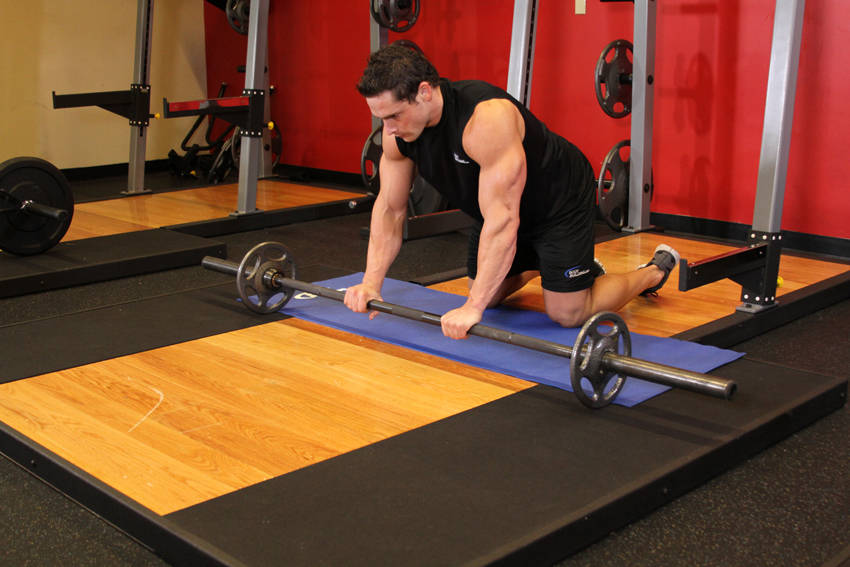
- Hold an Olympic barbell loaded with 5-10lbs on each side and kneel on the floor.
- Now place the barbell on the floor in front of you so that you are on all your hands and knees (as in a kneeling push up position). This will be your starting position.
- Slowly roll the barbell straight forward, stretching your body into a straight position. Tip: Go down as far as you can without touching the floor with your body. Breathe in during this portion of the movement.
- After a second pause at the stretched position, start pulling yourself back to the starting position as you breathe out. Tip: Go slowly and keep your abs tight at all times.
10. Barbell Ab Rollout
75.7% MatchHow to perform this exercise
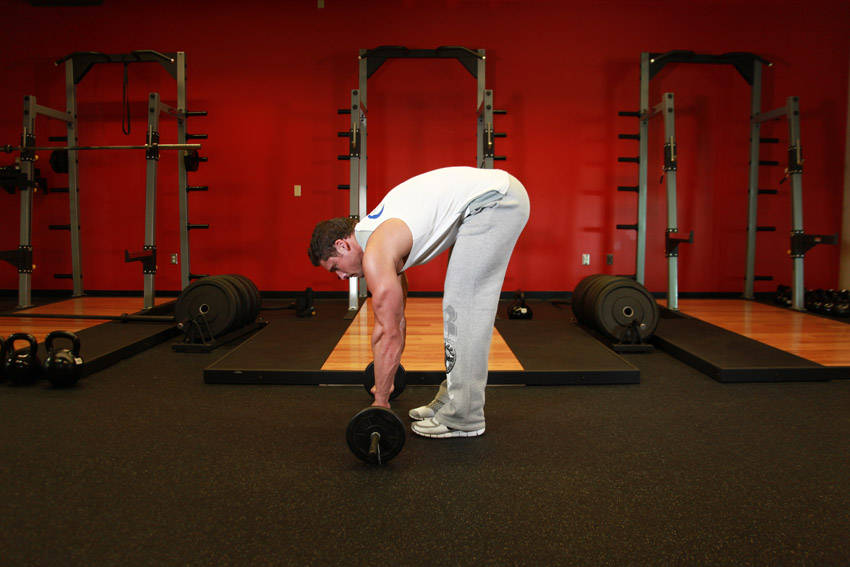
- For this exercise you will need to get into a pushup position, but instead of having your hands of the floor, you will be grabbing on to an Olympic barbell (loaded with 5-10 lbs on each side) instead. This will be your starting position.
- While keeping a slight arch on your back, lift your hips and roll the barbell towards your feet as you exhale. Tip: As you perform the movement, your glutes should be coming up, you should be keeping the abs tight and should maintain your back posture at all times. Also your arms should be staying perpendicular to the floor throughout the movement. If you don't, you will work out your shoulders and back more than the abs.
- After a second contraction at the top, start to roll the barbell back forward to the starting position slowly as you inhale.
- Repeat for the recommended amount of repetitions.
Why You Might Need a Weighted Hanging Leg-hip Raise Alternative
You may need a substitute due to limited equipment, grip or shoulder pain, poor hanging tolerance, or a desire to bias spinal flexion over hip flexion. Substitutes let you target the rectus abdominis and obliques while limiting iliopsoas dominance or lumbar shear. For example, decline weighted leg raises place more emphasis on spinal flexion; cue a posterior pelvic tilt and a 2–3 second eccentric to maximize rectus abdominis activation. Captain’s chair variations eliminate hanging grip demands and keep tension on the abs. Swap exercises to preserve progress while respecting joint or mobility limits.
How to Choose the Right Substitute
Decide based on your limiting factor: if grip or shoulder strength fails first, choose a floor, bench, or captain’s chair variant to remove overhead load. If hip-flexor dominance causes discomfort, bend the knees or use cable crunches to isolate spinal flexion; cue a posterior pelvic tilt and pull the ribs toward the pelvis. For hypertrophy, prioritize progressive overload—add weight, slow eccentrics, and top‑range holds. If low back pain occurs, select exercises that limit lumbar extension and avoid rapid swinging. Match the substitute’s movement pattern (hip flexion vs spinal flexion) to your training goal.
Frequently Asked Questions
What muscles does Weighted Hanging Leg-hip Raise work?
Weighted hanging leg-hip raises primarily target the rectus abdominis and hip flexors (iliopsoas and rectus femoris), with obliques stabilizing. The shoulders and grip assist by maintaining the hanging position while the lumbar spine and hip joint undergo combined flexion.
What is the best bodyweight alternative to Weighted Hanging Leg-hip Raise?
A captain’s chair knee raise is the top bodyweight alternative because it removes grip and shoulder demand while preserving hip flexion and core loading. Cue a strong posterior pelvic tilt, drive the knees up under control, and pause briefly at the top to increase rectus abdominis engagement.
Can I build muscle without doing Weighted Hanging Leg-hip Raise?
Yes. You can build abdominal muscle with alternatives that allow progressive overload and full range of motion, such as weighted decline leg raises, cable crunches, and loaded knee tucks. Emphasize slow eccentrics, add external load or tempo variations, and maintain posterior pelvic tilt to maximize abdominal activation.
More Exercise Alternatives
Find Alternatives for Any Exercise
Use our free tool to discover the best substitute exercises based on your available equipment and goals.
Try the Exercise Substitution Finder →