

10 Best Weighted Standing Curl Alternatives for Any Setup
If you can’t do the Weighted Standing Curl, use movements that load elbow flexion and biceps supination. Good options are dumbbell alternating curls, barbell curls, preacher curls, incline dumbbell curls, and supinated chin-ups. Cue: keep elbows pinned to your sides and fully supinate the wrist to maximize biceps brachii activation.
Original Exercise: Weighted Standing Curl
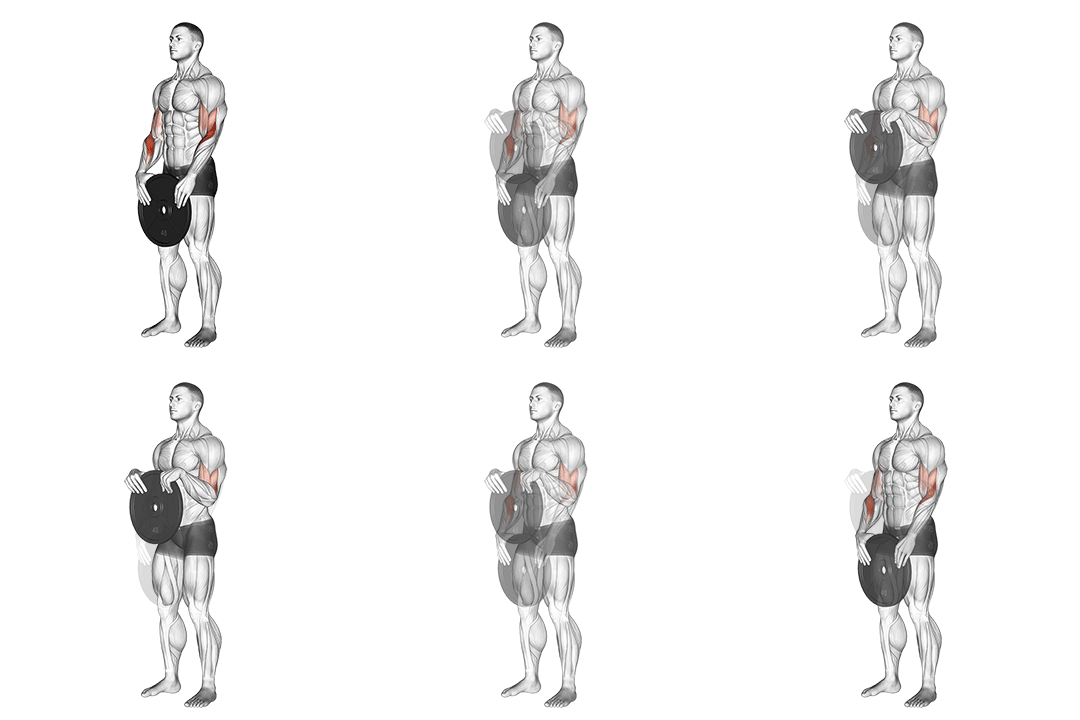
How to Perform Weighted Standing Curl
- Stand with your feet shoulder-width apart and hold a dumbbell in each hand, palms facing forward.
- Keep your elbows close to your torso and exhale as you curl the weights up to shoulder level.
- Pause for a moment at the top, then inhale as you slowly lower the weights back down to the starting position.
- Repeat for the desired number of repetitions.
Best Weighted Standing Curl Alternatives
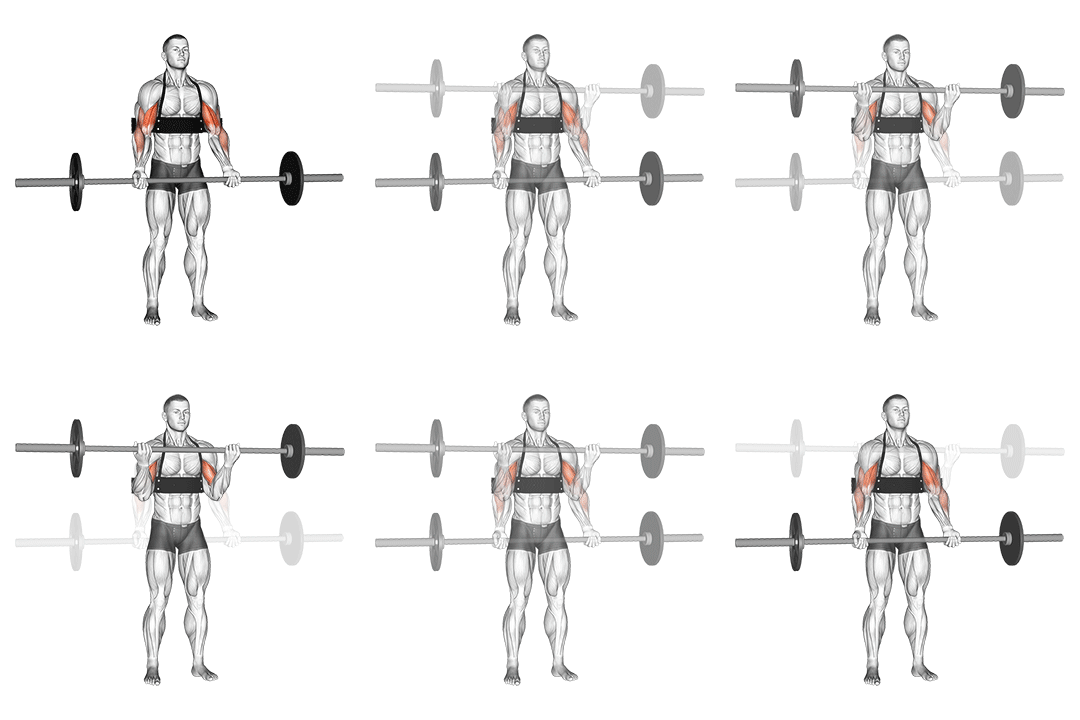
1. Barbell Biceps Curl (with Arm Blaster)
99.9% MatchHow to perform this exercise
- Stand up straight with your feet shoulder-width apart and hold a barbell with an underhand grip, palms facing up.
- Place your upper arms against the arm blaster, keeping your elbows close to your torso.
- Keeping your upper arms stationary, exhale and curl the weights while contracting your biceps.
- Continue to raise the barbell until your biceps are fully contracted and the bar is at shoulder level.
- Hold the contracted position for a brief pause as you squeeze your biceps.
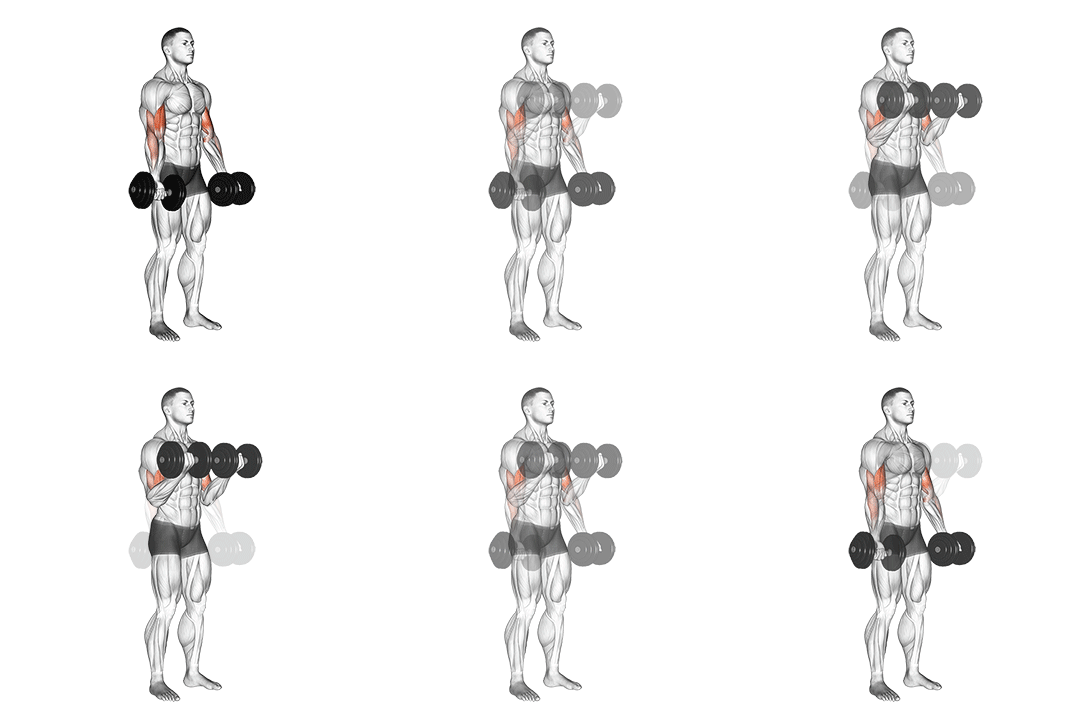
2. Dumbbell Biceps Curl
99.9% MatchHow to perform this exercise
- Stand up straight with a dumbbell in each hand, palms facing forward and arms fully extended.
- Keeping your upper arms stationary, exhale and curl the weights while contracting your biceps.
- Continue to raise the weights until your biceps are fully contracted and the dumbbells are at shoulder level.
- Hold the contracted position for a brief pause as you squeeze your biceps.
- Inhale and slowly begin to lower the dumbbells back to the starting position.
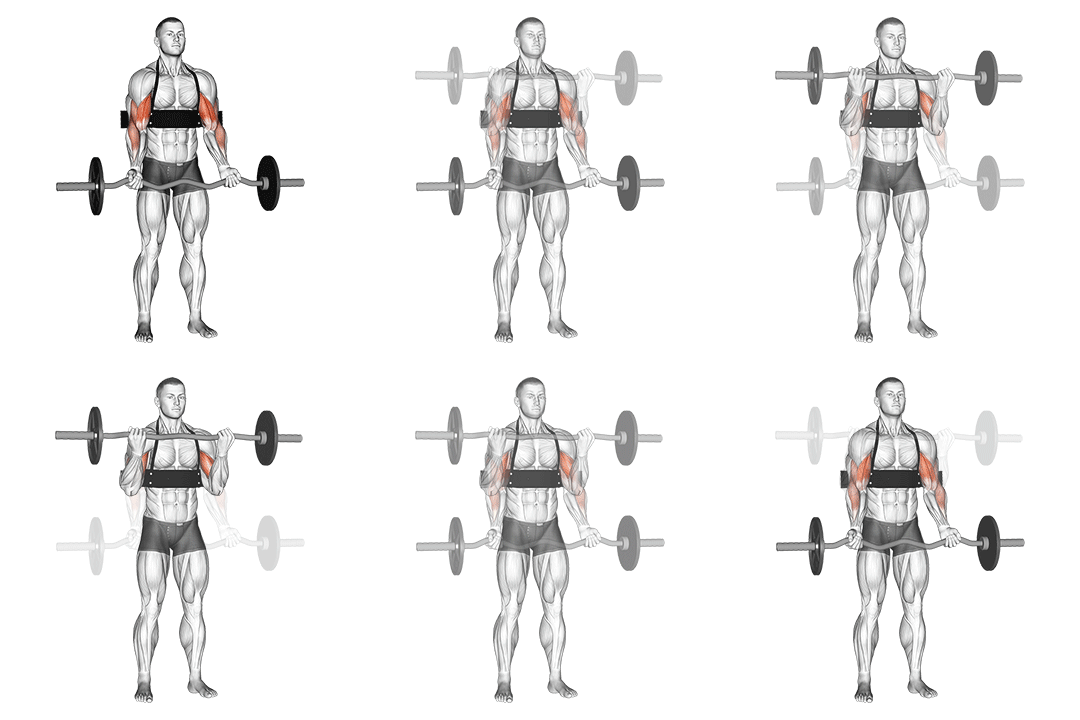
3. Ez-bar Biceps Curl (with Arm Blaster)
99.9% MatchHow to perform this exercise
- Stand up straight with your feet shoulder-width apart and hold the ez barbell with an underhand grip, palms facing up.
- Place your upper arms against the arm blaster, keeping them stationary throughout the exercise.
- Keeping your elbows close to your body, exhale and curl the barbell up towards your shoulders.
- Pause for a moment at the top, squeezing your biceps.
- Inhale and slowly lower the barbell back to the starting position, fully extending your arms.
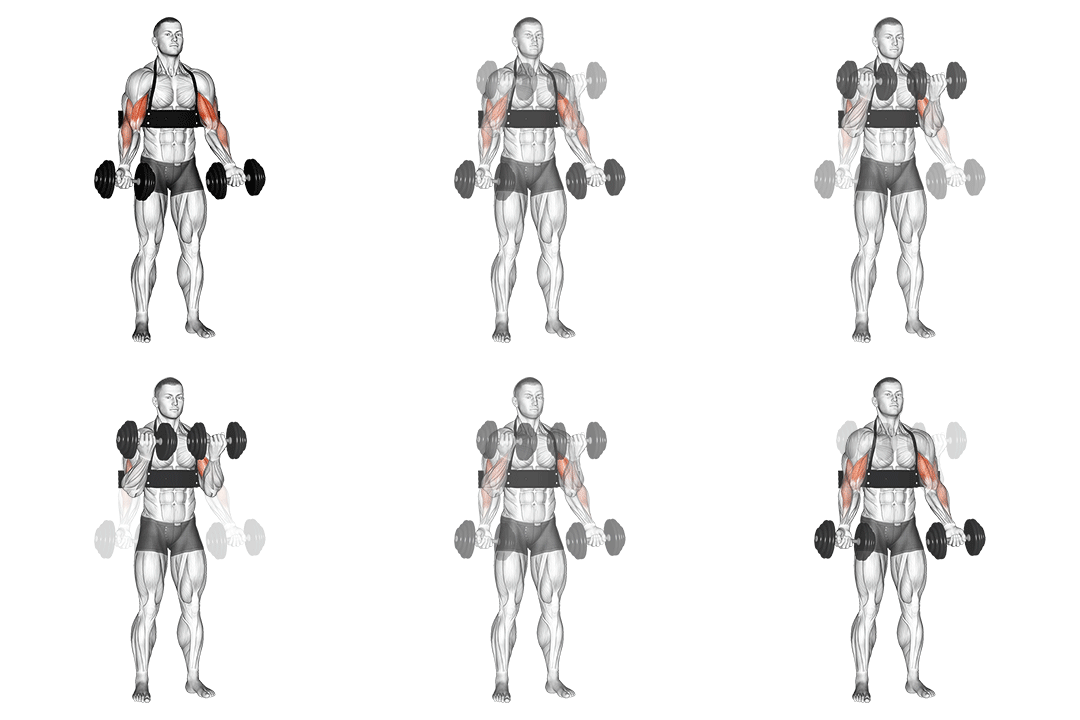
4. Dumbbell Biceps Curl (with Arm Blaster)
99.9% MatchHow to perform this exercise
- Stand up straight with a dumbbell in each hand, palms facing forward.
- Keep your elbows close to your torso and your upper arms stationary.
- Exhale and curl the weights while contracting your biceps.
- Continue to raise the weights until your biceps are fully contracted and the dumbbells are at shoulder level.
- Hold the contracted position for a brief pause as you squeeze your biceps.
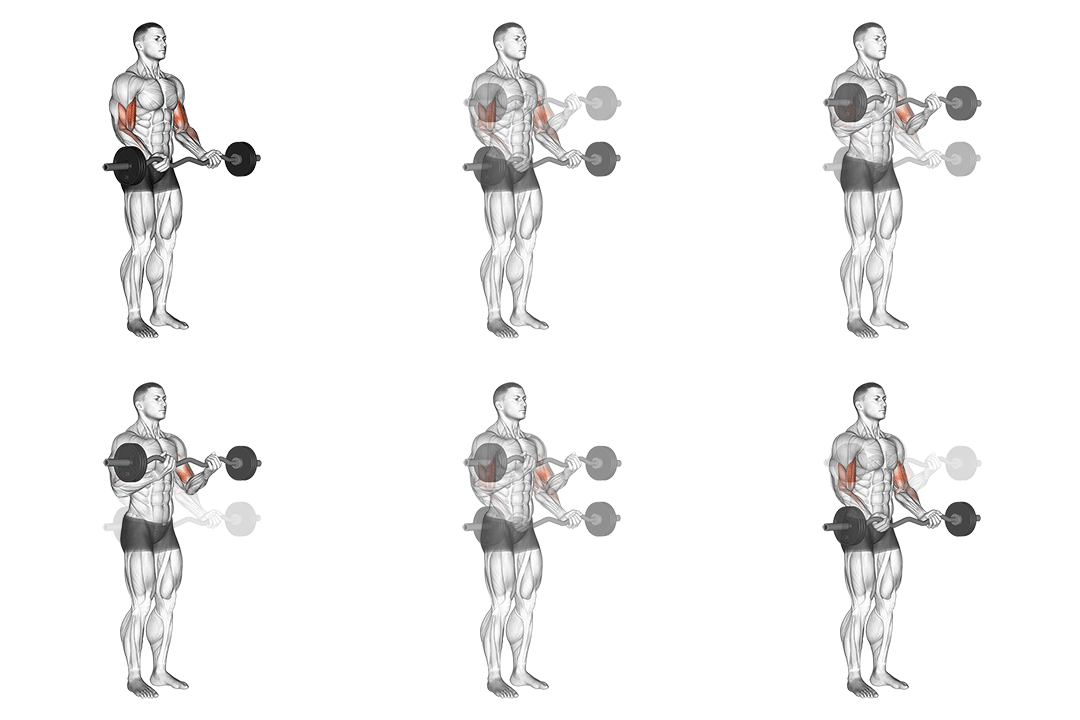
5. Ez Barbell Curl
99.9% MatchHow to perform this exercise
- Stand up straight with your feet shoulder-width apart and hold the ez barbell with an underhand grip, palms facing up.
- Keep your elbows close to your torso and your upper arms stationary throughout the movement.
- Exhale as you curl the barbell up towards your shoulders, contracting your biceps.
- Pause for a moment at the top, then inhale as you slowly lower the barbell back down to the starting position.
- Repeat for the desired number of repetitions.
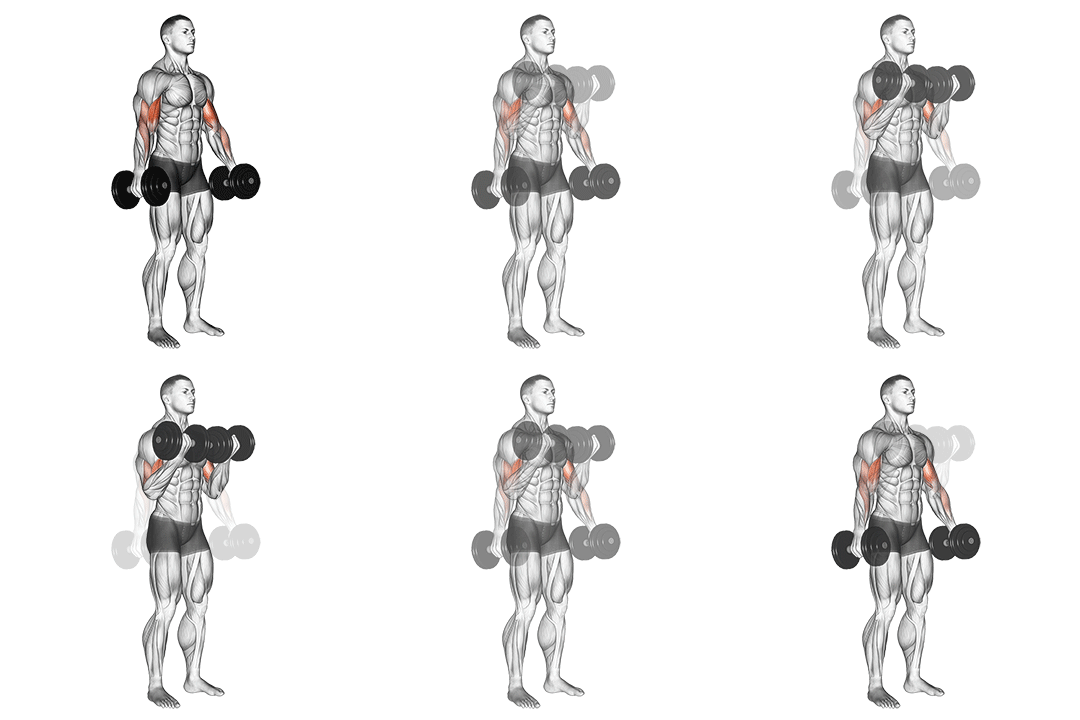
6. Dumbbell Standing Biceps Curl
99.4% MatchHow to perform this exercise
- Stand up straight with a dumbbell in each hand, palms facing forward and arms fully extended.
- Keeping your upper arms stationary, exhale and curl the weights while contracting your biceps.
- Continue to raise the dumbbells until your biceps are fully contracted and the dumbbells are at shoulder level.
- Hold the contracted position for a brief pause as you squeeze your biceps.
- Inhale and slowly begin to lower the dumbbells back to the starting position.
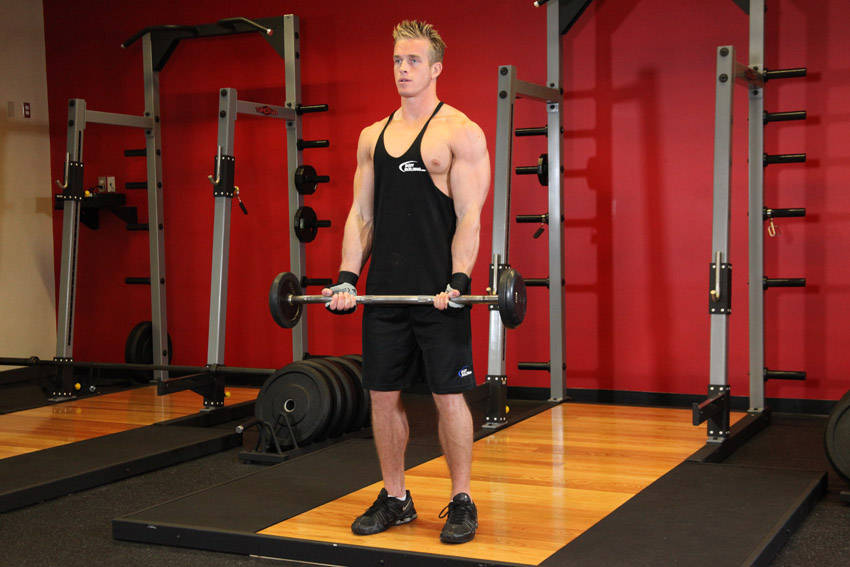
7. EZ-Bar Curl
99.4% MatchHow to perform this exercise
- Stand up straight while holding an EZ curl bar at the wide outer handle. The palms of your hands should be facing forward and slightly tilted inward due to the shape of the bar. Keep your elbows close to your torso. This will be your starting position.
- Now, while keeping your upper arms stationary, exhale and curl the weights forward while contracting the biceps. Focus on only moving your forearms.
- Continue to raise the weight until your biceps are fully contracted and the bar is at shoulder level. Hold the top contracted position for a moment and squeeze the biceps.
- Then inhale and slowly lower the bar back to the starting position.
- Repeat for the recommended amount of repetitions.
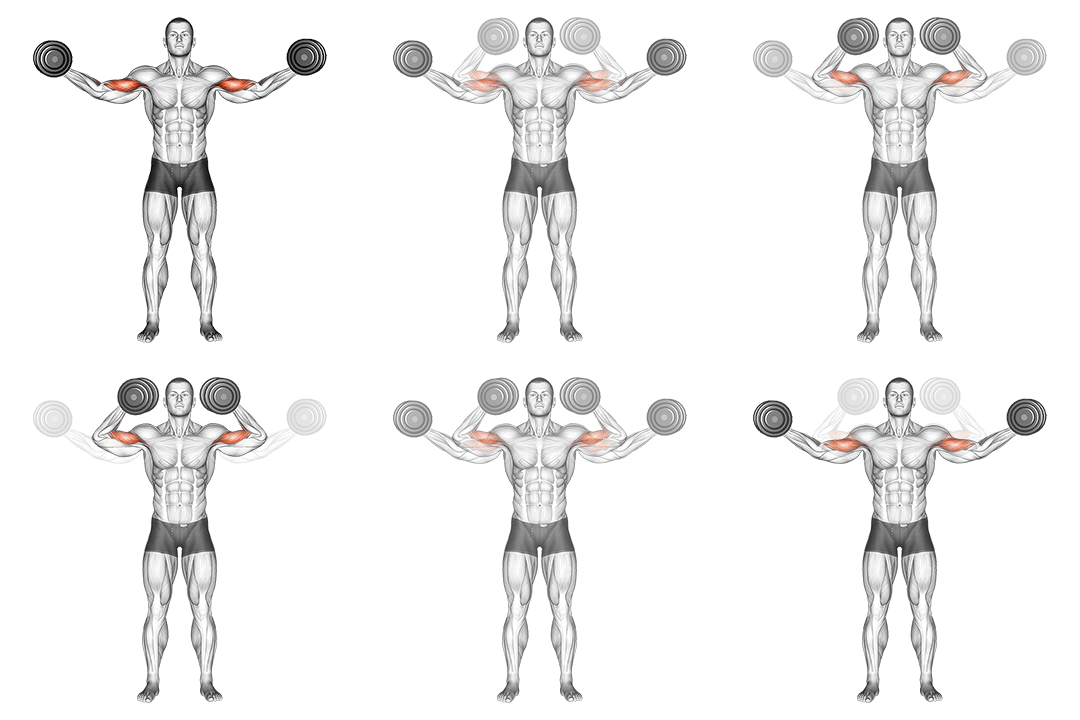
8. Dumbbell High Curl
99.4% MatchHow to perform this exercise
- Stand up straight with a dumbbell in each hand, palms facing forward.
- Keep your upper arms stationary and curl the dumbbells as high as possible while contracting your biceps.
- Pause for a moment at the top, then slowly lower the dumbbells back to the starting position.
- Repeat for the desired number of repetitions.
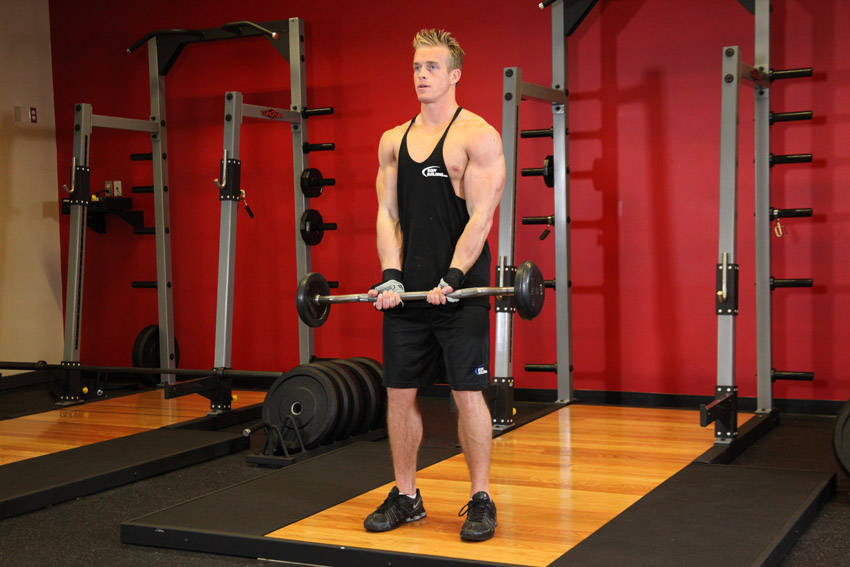
9. Close-Grip EZ Bar Curl
99.2% MatchHow to perform this exercise
- Stand up with your torso upright while holding an E-Z Curl Bar at the closer inner handle. The palm of your hands should be facing forward and they should be slightly tilted inwards due to the shape of the bar. The elbows should be close to the torso. This will be your starting position.
- While holding the upper arms stationary, curl the weights forward while contracting the biceps as you breathe out. Tip: Only the forearms should move.
- Continue the movement until your biceps are fully contracted and the bar is at shoulder level. Hold the contracted position for a second and squeeze the biceps hard.
- Slowly begin to bring the bar back to starting position as your breathe in.
- Repeat for the recommended amount of repetitions.
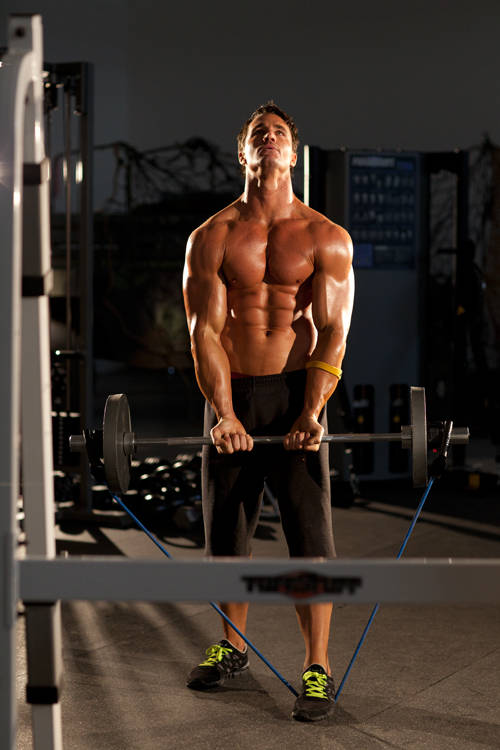
10. Close-Grip EZ-Bar Curl With Band
99.2% MatchHow to perform this exercise
- Attach a band to each end of the bar. Take the bar, placing a foot on the middle of the band. Stand upright with a narrow, supinated grip on the EZ bar. The elbows should be close to the torso. This will be your starting position.
- While keeping the upper arms in place, flex the elbows to execute the curl. Exhale as the weight is lifted.
- Continue the movement until your biceps are fully contracted and the bar is at shoulder level. Hold the contracted position for a second and squeeze the biceps hard.
- Slowly begin to bring the bar back to starting position as your breathe in.
- Repeat for the recommended amount of repetitions.
Why You Might Need a Weighted Standing Curl Alternative
You might substitute the Weighted Standing Curl because of equipment limits, elbow or wrist pain, or a need for variety to break plateaus. Swapping exercises can shift stress between the biceps long head, short head, and brachialis through changes in elbow angle and shoulder position. For example, incline curls lengthen the biceps at start-of-range, increasing stretch-mediated tension, while preacher curls reduce shoulder involvement and isolate elbow flexion. Use cues such as 'control the eccentric for 2–3 seconds' and 'keep elbows fixed' to maintain targeted biceps activation and protect the joint when you change exercises.
How to Choose the Right Substitute
Choose a substitute based on equipment, pain history, and the desired muscle emphasis. If you have only dumbbells, pick alternating or incline dumbbell curls and cue 'turn the pinky up' to bias the short head via increased supination. If you need less wrist strain, use hammer curls to shift load to the brachialis; cue 'keep a neutral thumb-up grip.' For maximal overload use barbell curls and focus on vertical forearm path and tight core to avoid shoulder swing. Prioritize exercises that let you control the eccentric and maintain elbow position to target elbow flexors efficiently.
Frequently Asked Questions
What muscles does Weighted Standing Curl work?
The Weighted Standing Curl primarily targets the biceps brachii (long and short head) and the brachialis. When you supinate the wrist and flex the elbow, the long head contributes to peak contraction while the brachialis assists in pure elbow flexion.
What is the best bodyweight alternative to Weighted Standing Curl?
A supinated (underhand) chin-up is the best bodyweight option because it loads elbow flexion and biceps supination under full-body tension. Cue: lead with the chest, pull the elbows down and back, and squeeze the biceps at the top to maximize concentric activation.
Can I build muscle without doing Weighted Standing Curl?
Yes. You can build biceps using any exercises that produce progressive overload on elbow flexion, such as barbell curls, preacher curls, incline dumbbell curls, and chin-ups. Focus on controlled eccentrics, full range of motion, and incremental weight or volume increases to drive hypertrophy.
More Exercise Alternatives
Find Alternatives for Any Exercise
Use our free tool to discover the best substitute exercises based on your available equipment and goals.
Try the Exercise Substitution Finder →