
Getting and staying lean is a universal fitness aspiration. Whether you aim to shed a few pounds for a slimmer look, achieve the chiseled physique of a bodybuilder, or simply maintain your current lean state, it’s all about managing your approach effectively.
It’s all a matter of degrees.
Ultimately, controlling your body fat percentage or body composition involves managing your calorie intake. Consume too many calories, and you’ll gain fat. But, consume too few, and hunger will make maintaining a healthy diet much harder than it needs to be.
Because of this, many exercisers weigh and measure their food meticulously to track calorie and macronutrient intake. This precise approach allows for adjustments that reflect specific needs and goals.
However, counting calories and macros is not always easy, and some people find it restrictive and impractical.
The good news? You can achieve your body composition goals without counting calories or weighing your food.
In this article, we reveal some tips and strategies for getting and staying lean that do not involve calorie counting or food weighing.
The Problem with Calorie Counting and Macro Tracking
While some people thrive on tracking macros and counting calories, there are disadvantages that may make it impractical for others. Common difficulties associated with counting and tracking calories and macros include:
Time and effort
There’s no escaping the fact that tracking calories and macros demands significant time and effort. You’ll need to weigh your food, consult food tracking apps, and meticulously record each meal to ensure you hit your nutritional targets by day’s end.
This constant weighing and measuring can be labor-intensive, turning every meal into a mini-project rather than a simple act of nourishment. While some find this effort worthwhile, for others, it may be overwhelming.
Food obsession
Food is one of life’s great pleasures. We eat not only to satisfy our body’s need for calories and macros but because food tastes good and brings joy.
Tracking your food intake can distort your relationship with food, transforming eating from a pleasurable experience into a chore. Instead of savoring a meal for its taste and enjoyment, it’s possible to become obsessed with calories and macros. You may even experience guilt or shame if you fail to hit your macro and calorie targets.
Eating disorders have become increasingly common among exercisers, both female and male. Obsessive food tracking could be contributing to this troubling trend.

Social impact
Food often plays a central role in social gatherings, from family dinners to celebratory meals to sharing a snack with a friend or colleague.
Rigorous calorie and macro tracking may lead you to feel that you cannot fully enjoy food in social settings because it won’t fit your macros, or you may not be able to control your caloric intake precisely.
In some instances, this could result in turning down social engagements where food will be served, potentially impacting your social life and relationships.
If you’re a competitive bodybuilder or fitness model preparing for a photo shoot, this level of commitment might be necessary. But for the average exerciser who simply wants to get and stay lean, such significant sacrifices may outweigh the perceived benefits.
Losing touch with your hunger signals
Before diet tracking became prevalent, people controlled their food intake primarily by listening to their hunger signals. They ate until they felt satisfied but not overly full and ate less when they weren’t particularly hungry.
Becoming over-reliant on food tracking may lead you to eat when you aren’t hungry just to meet your macro or calorie goal for the day. Conversely, you might have to eat less than you want to avoid consuming more calories than your tracking app dictates.
Either way, relying heavily on calorie tracking to determine your food intake could mean losing touch with your natural appetite and hunger signals. This disconnect could prove problematic if you ever stop tracking your food intake and return to a more intuitive approach to eating, as your appetite may no longer be a reliable guide for controlling your food intake.
While food tracking can be helpful for some, it may not suit everyone. The good news is that most people can get and stay lean without obsessively counting macros and calories.
8 Tips for Staying Lean Without Tracking Calories or Macros
Tired of counting calories or tracking macros? Does it seem like more trouble than it’s worth? No worries! Use these strategies to get and stay lean without all the measuring and number-crunching.
1. Eat pre-portioned foods
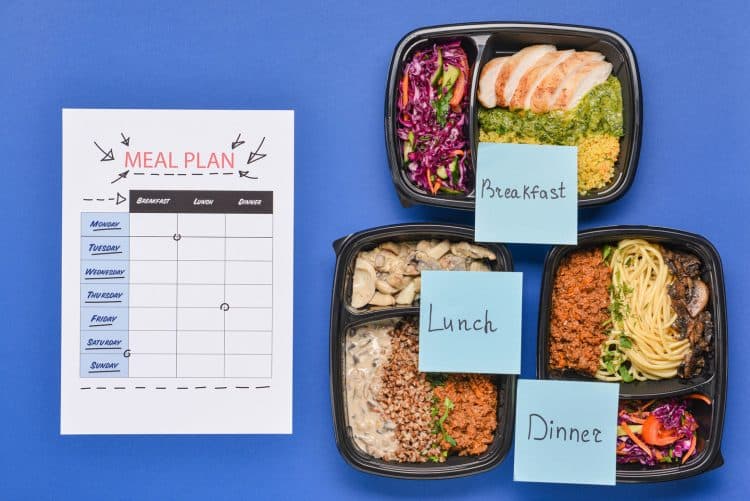
A wide variety of foods are available in pre-portioned packages, and all food labels provide a calorie and macro breakdown per serving. Seek out these foods and use them to create meals that meet your nutritional needs without having to weigh or measure anything.
This approach simplifies portion control while still allowing you to be mindful of your intake. Pre-portioned foods can serve as a bridge between strict tracking and more intuitive eating.
2. Fill up on “free foods”
While there’s no such thing as a negative-calorie food, some foods are so low in calories that you don’t need to worry about how much of them you eat. For example, most vegetables are so low in calories that even if you have a huge portion, you’ll still only end up consuming a small number of calories.
Good examples of very low-calorie foods you can eat in abundance include:
- Apples
- Arugula
- Asparagus
- Beets
- Berries
- Broccoli
- Brussels sprouts
- Cabbage
- Cauliflower
- Celery
- Chard
- Cucumbers
- Fennel
- Grapefruit
- Kale
- Lettuce
- Mushrooms
- Onions
- Papaya
- Peas
- Peppers
- Radishes
- Rutabaga
- Spinach
- Strawberries
- Tomatoes
- Turnips
- Watercress
- Watermelon
- Zucchini
All these foods are so low in calories that there’s no need to count or track them. You can eat them abundantly without derailing your diet, adding volume and nutrients to your meals while keeping calorie intake in check.
3. Eat the same meal more often
The most time-consuming part of counting calories and macros is calculating the nutritional content of new meals. You need to weigh and measure every ingredient to get accurate figures for protein, carbs, fats, and calories.
What a drag!
You can save considerable time and effort by eating the same meal in the same quantities a couple of times per week. This way, you already know the nutritional values of your meal and don’t need to recalculate them each time.

For example, you could eat this bodybuilding classic several times per week:
- 1 medium-sized grilled chicken breast
- 1 cup of cooked brown rice
- Large serving of broccoli and carrots
Add different herbs and spices to liven up the meal, but nutritionally, even if you pile on the veggies, the macros and calories for each serving will remain very similar.
You can then create several more meals that match your macros and calorie needs. Rotate these meals, knowing that each one will provide you with what you need without weighing or tracking anything.
4. Eat smaller portions
Most people tend to eat larger portions than they should, especially when aiming for weight management. Food is often sold in larger quantities to make it more appealing, e.g., big bags of potato chips and candy, XXL pizzas, and super-sized takeout meals.
Knowing this, you can easily consume fewer calories by simply reducing portion sizes of foods you know are high in calories.
For example, you can eat one slice of pizza with a huge salad instead of eating the whole pie. This simple change could save you thousands of calories without weighing or measuring anything.
Apply this methodology to almost everything you eat, especially calorie-dense foods like bread, rice, pasta, potatoes, and cereals. While this requires some self-control and discipline, it’s far less time-consuming and labor-intensive than weighing your food.
Serve smaller portions on smaller plates to make them look bigger than they are. As the saying goes, you eat with your eyes, and making a meal look larger and more satisfying can help trick you into feeling more content with less food.
5. Cut out soda and other caloric beverages from your diet
Soda and other caloric beverages can add a significant number of calories to your diet. However, liquid calories are usually not very filling. As a result, even a couple of sodas or energy drinks per day can make it much harder to lose or control your weight and body composition.
Eliminate drinking calories to reduce your overall caloric intake and leave more room for satisfying, filling foods in your diet.
If you can’t quit soda entirely, switch to calorie-free diet varieties. While some people have concerns about the healthfulness of artificial sweeteners, studies suggest that they should be safe when consumed in moderate amounts (1).
6. Include protein in every meal and snack
As every bodybuilder knows, protein is critical for muscle growth and post-training recovery. It’s also very satiating, helps preserve muscle mass during a calorie-restricted diet, and speeds up your metabolic rate due to its high thermic effect. It’s widely accepted that most lifters need about one gram of protein per pound of body weight.
But how do you ensure you’re getting enough protein if you aren’t tracking your macros?
The simplest solution is to include a source of high-quality protein at every meal and snack you eat each day. Assuming you eat three meals and have two snacks, this should allow you to hit your daily protein requirements easily without tracking or measuring anything.
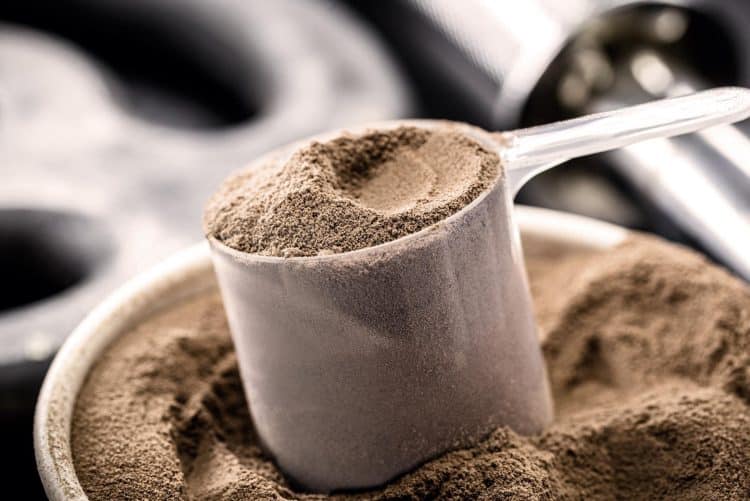
A “good-sized” serving of protein will contain between 20-30 grams of protein. Eat five servings per day, and you should be able to hit 120-180 grams of protein without trying too hard.
For example:
- 1 scoop whey protein – 24 grams
- 1 average cooked chicken breast – 54 grams
- 4 eggs – 24 grams
- 8 ounces of natural yogurt – 15 grams
- 1 can of tuna – 24 grams
- 2 ounces beef jerky – 18 grams
- 2 cups of non-fat milk – 18 grams
- 3 ounces of sliced turkey – 24 grams
Mix and match your protein sources to avoid boredom and ensure you get a broad spectrum of amino acids. Consuming protein at every meal and snack should make getting enough protein very straightforward and achievable.
7. Skip a meal
Do you feel like you are overeating? Have you been overindulging – maybe over the weekend? Perhaps you had an unexpected treat or just felt hungry and ate more than you meant to. These are common problems that many of us face from time to time.
You can offset unplanned overeating by simply skipping your next meal. Meal skipping will save you a lot of calories, mitigating the potential impact of any overindulgences.
This is a sort of informal, unstructured intermittent fast, known as IF for short.
IF is a diet where you restrict your meals to predetermined eating windows. For example, you may fast for 18 hours and only allow yourself to eat for six.
While structured IF can work, it’s also quite limiting and may not appeal to everyone, especially for long-term use. Unstructured IF means you can skip a meal whenever you need to, keeping your diet on track without rigid scheduling.
Think of this as your “get out of jail free” card if you have accidentally consumed more food than intended.
8. Make your home a temptation-free zone
If you want to get lean and stay lean, you need to cut down on junk food and high-calorie treats, such as candy, cookies, snack cakes, and other “diet killers.” However, it’s also common to have these items in your home.
After all, you don’t have to give up these foods forever, right? You may even be saving them for a planned cheat meal.
The problem is that if you have these foods in your home, at some point, you will eat them. Easy access to high-calorie goods means that you can have them anytime your willpower wavers.
Take the pressure off your willpower by removing junk food from your home. This doesn’t mean you have to give up these foods for good. Instead, it just means you won’t be able to eat them anytime you like. Eating high-calorie junk food less often is an easy way to lower your average calorie intake.
Closing Thoughts
If you are happy weighing your meals and tracking calories and macros, you should continue doing so. For some people, any potential drawbacks are far outweighed by the benefits.
But if you find calorie and macro tracking a drag, you don’t have to do it. While your dietary intake won’t be quite so controlled, you can get and stay lean without having to weigh and measure everything you eat.
Simply adjust the quantity of food you’re eating based on your progress. Just use the tips and strategies in this article and eat a little less if you aren’t losing weight.
Plus, you don’t need to hit your macro and calorie goals with laser-like precision to get or stay leaner. Averages over weeks and months matter more. Your success depends more on consistency and sustainability than accuracy.
People have been managing their weight for centuries without tracking calories or macros, and you can do it too. It does require a little practice, as it’s up to you to determine your food intake. But as you become more experienced, you should find that you can control your body composition by relying solely on your appetite and common sense and making good food choices.
References:
- Mayo Clinic: Artificial sweeteners and other sugar substitutes https://www.mayoclinic.org