Fitness Volt
  • News
    • Bodybuilding
    • Strongman
    • Powerlifting
    • Armwrestling
    • CrossFit
    • Results
    • Arnold Classic
    • Mr. Olympia
    • 2025 WSM
  • Workouts
    • Training
    • Workout Plans
    • Celebrity Workouts
    • Training Programs
    • Mastering The Deadlift
  • Exercise Guides
    • Muscle Groups
    • Arms
    • Back
    • Chest
    • Core
    • Legs and Glutes
    • Mobility & Stretching
    • Shoulders
    • Yoga
  • Nutrition
    • Diet
    • Fasting
    • Diet Plans
    • Nutrition Tips
    • Supplements
    • Reviews
    • Food Facts
  • Calculators
  • More
    • Forum
    • Strength Standards
    • DIY
    • Profiles
    • Motivation
    • Videos
    • MMA
No Result
View All Result
Fitness Volt
  • News
    • Bodybuilding
    • Strongman
    • Powerlifting
    • Armwrestling
    • CrossFit
    • Results
    • Arnold Classic
    • Mr. Olympia
    • 2025 WSM
  • Workouts
    • Training
    • Workout Plans
    • Celebrity Workouts
    • Training Programs
    • Mastering The Deadlift
  • Exercise Guides
    • Muscle Groups
    • Arms
    • Back
    • Chest
    • Core
    • Legs and Glutes
    • Mobility & Stretching
    • Shoulders
    • Yoga
  • Nutrition
    • Diet
    • Fasting
    • Diet Plans
    • Nutrition Tips
    • Supplements
    • Reviews
    • Food Facts
  • Calculators
  • More
    • Forum
    • Strength Standards
    • DIY
    • Profiles
    • Motivation
    • Videos
    • MMA
No Result
View All Result
Fitness Volt
No Result
View All Result
Home » Training » Running
Fact Checked
Fact Checked
This article was written by one of our team of experienced writers, and fact-checked by our experts or our editors. The numbers in parentheses (e.g., 1, 2, 3, etc.) throughout the article are reference links to peer-reviewed studies.
Our team of experts includes a board-certified physician, nutritionists, dietitians, certified personal trainers, strength training experts, and exercise specialists.
Read Our Editorial Process

Average 400m Time By Age and Gender (And Tips to Outrun the Clock)

The ultimate guide to how runners can shave time off their 400-meter personal bests. 

Written by Vidur Saini

Fact checked by Dr. Malik

Last Updated on30 December, 2023 | 1:23 AM EDT

Add us on Google

The 400-meter is one of the most popular events in a track and field competition. Considered a long sprint event, this race involves running one lap of the 400-meter track.

Although the 100-meter and 200-meter races are popular in the athletics community, the 400-meter race has a cult following. An athlete needs a unique blend of speed, endurance, and explosiveness, and maintaining near-maximal speeds to succeed in this one-lap race.

In a 400-meter race, the explosiveness of sprinters meets the endurance of middle-distance runners.

Competitive runners must know the average 400-meter times to assess how they stack up against their peers. Knowing where you stand can be humbling and motivating.

In this article, we delve into the average 400-meter times by age, gender, experience level, the factors influencing the 400-meter performance, the current world records, training strategies to improve your 400-meter times, and so much more.

Breaking Down Average Times by Age and Gender

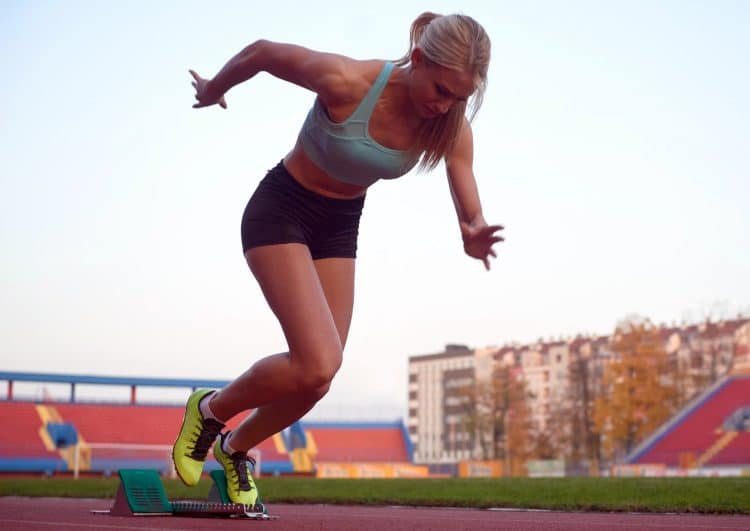
Woman Sprinter Leaving Starting Blocks

Get Fitter, Faster

Level Up Your Fitness: Join our 💪 strong community in Fitness Volt Newsletter. Get daily inspiration, expert-backed workouts, nutrition tips, the latest in strength sports, and the support you need to reach your goals. Subscribe for free!

Please wait...
You're In! Let's Crush Your Fitness Goals Together

Expect expert-backed workouts, nutrition advice, the latest in strength sports, and a whole lot of motivation heading your way.

A 400-meter race requires an athlete to start strong and maintain their pace through the entire quarter-mile.

The current men’s world record in 400 meters is held by Wayde van Niekerk of South Africa, with a time of 43.03 seconds, which he set in Rio de Janeiro, Brazil, in 2016. (1)

Meanwhile, the women’s record of 47.60 seconds set by German athlete Marita Koch at the Bruce Stadium in Australia has been standing since 1985.

Use this calculator to determine your running pace.

Average 400-Meter Running Time For Men

To aptly analyze the average 400-meter time, we must segment the performance by gender, age, and experience level.

Segmenting by age allows for a more realistic assessment of one’s performance against the benchmarks. Plus, it is the more reliable and effective data for setting goals.

For example, without age-based segmentation, a 40-year-old male beginner might aim for a 400-meter time of 1:29 minutes, a target more appropriate for intermediate athletes who are ten years his junior.

According to Running Level, a website dedicated to calculating and recording male and female running performance for all distances, here are the average male 400-meter times by age:

Age Beginner Novice Intermediate Advanced Elite
15 02:09 01:47 01:32 01:20 01:12
20 02:04 01:44 01:29 01:18 01:10
25 02:04 01:44 01:29 01:18 01:10
30 02:04 01:44 01:29 01:18 01:10
35 02:06 01:45 01:30 01:19 01:11
40 02:11 01:49 01:33 01:22 01:13

The average sprinting time for men peaks at the age of 20 and remains constant until 30. Remember, these averages are not static and will fluctuate based on factors like training intensity, nutrition, and genetic predispositions.

Average 400-Meter Running Time For Women

Here are the 400-meter running time for women across different ages and experience levels:

Age Beginner Novice Intermediate Advanced Elite
15 02:28 02:05 01:48 01:35 01:26
20 02:21 01:59 01:43 01:31 01:22
25 02:21 01:59 01:43 01:31 01:22
30 02:21 01:59 01:43 01:31 01:22
35 02:21 02:00 01:43 01:31 01:22
40 02:24 02:02 01:46 01:33 01:24

Like men, women, on average, hit their peak 400-meter time at 20. However, they can sustain their performance until 35, five more years than their male counterparts.

Check Out: 8-Minute Mile (Proven Strategies for Every Runner Dreaming of Breaking the Barrier)

Breaking Down the Different Experience Levels

Experience levels can often be confusing. Here is a brief overview of each level to help you determine the most appropriate segment for yourself:

  • Beginner: To be a beginner runner, you must be faster than five percent of the other runners and have run for at least a month.
  • Novice: This category is faster than 20 percent of runners and has been running regularly for at least six months.
  • Intermediate: They are faster than 50 percent of runners and have been running regularly for at least two years.
  • Advanced: This category is faster than 80 percent of runners and has run for over five years.
  • Elite: These competitive runners are faster than 95 percent of other athletes and have over five years of running experience.

Calories Burned Running 400 Meters

Calories Burned Running

A 400-meter race is a highly demanding event.

Going all out on a 400-meter dash often results in breathlessness and complete exhaustion. This raises many questions about the calorie expenditure involved in such a short, intense race.

The amount of calories someone burns while running can differ based on various elements such as age, weight, overall fitness condition, and the intensity of their run.

On average, going all-out during a 400-meter lap can burn 30 to 60 calories.

This is a significant amount of calories, considering it takes most people less than two and a half minutes to run 400 meters.

That said, heavier individuals tend to burn more calories due to the increased energy required to move their body over the distance.

Similarly, running faster can lead to a higher calorie burn owing to the extra effort.

As a rule of thumb, go as hard as possible whenever you want to maximize your calorie expenditure during a workout.

Make sure, however, that you don’t compromise training form, as it can significantly increase your injury risk.

What’s even better about running a 400-meter dash is that it enhances overall metabolic rate.

The higher intensity of the run triggers the excess post-exercise oxygen consumption (EPOC), also known as the afterburn effect.

EPOC heightens your body’s energy demands for multiple hours after you’ve completed the 400-meter run, helping you burn calories even when you’re not physically active.

A scientific review published in Obesity Reviews concluded that energy expenditure from EPOC tends to be higher after high-intensity interval exercise and sprint interval exercise than moderate-intensity continuous exercise. (2)

So, when running a short distance, it pays to go all out.

Use this calculator to determine your calories burned by running 400 meters.

Factors Influencing 400-Meter Performance

After training multiple clients, I’ve gained deep insights into the multifaceted factors influencing 400m sprints.

These factors range from the tangible, like age, gender, and training, to the more nuanced aspects, such as technique and environmental conditions.

Here is a look into each:

Age

The performance of an individual in a 400-meter race depicts the progression of human performance across different life stages.

Young runners burst onto the track with raw speed, whereas seasoned athletes must fine-tune their technique and endurance to maintain and peak their speeds.

Men and women reach peak performance in their 20s. While men can maintain their 400-meter sprinting speed up to the age of 30, women can hold onto it until 35.

Individuals in their 20s and 30s usually perform better at sprinting 400 meters because they can recover faster after their workout.

Gender

Men are usually faster at running 400 meters than women because of longer limbs and a higher amount of muscle mass, which helps produce more power and explosiveness. That said, this can vary for each individual.

Get Fitter, Faster

Level Up Your Fitness: Join our 💪 strong community in Fitness Volt Newsletter. Get daily inspiration, expert-backed workouts, nutrition tips, the latest in strength sports, and the support you need to reach your goals. Subscribe for free!

Please wait...
You're In! Let's Crush Your Fitness Goals Together

Expect expert-backed workouts, nutrition advice, the latest in strength sports, and a whole lot of motivation heading your way.

Training

To achieve great results in 400 meters, you must train for it. You cannot expect to excel in the quarter-miler by training exclusively for 100 meters. Although both are sprinting events, they require different levels of strength, explosiveness, endurance, and stamina.

Your 400-meter training program must balance speed work, endurance training, and strength conditioning for optimal results.

Technique

With age, the natural decline in muscle mass and bone density can lead to a slight decline in sprinting performance. However, trained sprinters can make up for the changes in muscle composition by improving their technique and strategy.

Runners must focus on their stride length, breathing technique, and starting and finishing tactics to shave crucial seconds off their 400-meter time.

Being in tune with the body is extremely important for athletes to maximize their performance at each point in their career.

Environmental Conditions

Environmental factors like altitude, track surface, and weather can significantly impact performance.

Since high altitudes have a lower oxygen availability, it can affect an athlete’s endurance, leading to slower 400-meter times.

Also, running on a dedicated track can improve traction and speed, leading to faster 400-meter times.

Terrain

Contrary to what most people think, a 400-meter sprint is not limited to a race track. People practice 400-meter sprints on all types of terrain, including mountains and treks.

Your average 400-meter time can vary depending on the terrain. For example, people running on a race track will usually have a faster time than those running on an incline or uneven terrain.

Psychological Factors

Although as important as the physical, the mental aspect is often neglected while training for a 400-meter race.

Sprinting for 400 meters requires mental toughness, focus, and the ability to endure discomfort. Work on the mental side along with the physical to achieve the best results.

Next Read: Average Human Sprint Speed (Guide to Understanding and Enhancing Your Running Pace)

Training Strategies for Different Age Groups

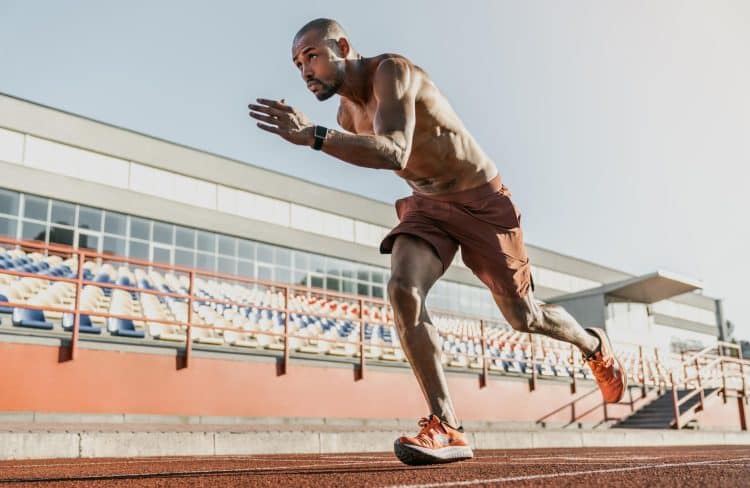
Athlete starting his sprint on running track

In my extensive experience as a personal trainer and a seasoned athletics writer, I’ve seen the profound impact of age-specific training in optimizing 400-meter performance.

To boost performance, serious athletes must follow customized training programs that cater to their unique physiological and developmental needs according to their age.

Athletes Under 20

Athletes in their teens must focus on building a strong athletic foundation. Prioritize developing general fitness, agility, and basic sprinting techniques. 

Training with a running coach at this stage can help significantly improve performance (and results).

Furthermore, a diverse range of activities and sports should be encouraged at this age to avoid burnout and injury. This will also keep the training interesting while boosting speed and endurance.

Athletes in Their 20s & 30s

This is where most sprinters find their footing. An athlete must step on the gas in this age bracket and follow a more intense and specialized training program.

Considering the runner has a strong foundation, the emphasis here should shift to sprinting techniques, increasing muscle strength, and developing race strategies.

The athlete must also consciously decide to pick their main event in a track and field event and train to specialize in it.

Nutrition and recovery are as important as training when you’re training to become the best at any sport.

Follow a customized recovery program to ensure your body bounces back quickly after a workout so you can give your 100 percent in each training session.

Athletes Above 30

Runners over 30 must focus on maintaining their flexibility, joint health, and muscle mass. They must also adjust their training program to allow their body enough time to recover and lower the risk of injury.

However, the training programs should be intense enough to provide enough stimulus to maintain speed and endurance.

Going for regular massages, self-myofascial release, and exploring other recovery programs that improve recovery is incredibly important at this stage.

Also Read: Average Human Running Speed: How Fast Should You Be Running?

Youth Sprinting: Fostering Talent from a Young Age

Guiding young athletes in the 400-meter sprints is critical for honing future champions. It also instills values like discipline, resilience, and sportsmanship in them.

The early stages of a young sprinter’s development should emphasize fun and engagement over intense competition. This approach builds a solid foundation in athleticism, including coordination, agility, and basic running mechanics.

Remember, young athletes should be trained in a positive environment that encourages personal growth and healthy competition.

As young athletes mature, they must be put on a more structured training and competition schedule. This must be balanced to avoid overtraining, burnout, and injury.

Setting specific, measurable, attainable, relevant, and time-bound goals is a must to ensure overall development.

Nutrition and Recovery for Optimal Performance

Here are a few recovery and nutrition tips to ensure optimal performance and an improvement in average 400-meter times:

Younger Athletes

Nutrition is pivotal in fostering growth and development and providing the necessary energy for training. A well-rounded diet, abundant in proteins, complex carbs, healthy fats, and various fruits and vegetables, is essential.

Younger athletes must get adequate sleep and alternate with lower-intensity activities to allow the body enough time to recuperate.

Athletes in their 20s and 30s

Athletes in their prime should focus on eating a high-protein diet for optimal muscle repair and recovery. They must also eat a healthy amount of carbs to fuel their workouts.

Their recovery program will include active recovery, stretching, and more advanced techniques like ice baths or compression therapy to reduce muscle soreness.

Athletes Over 30

Athletes in this group should eat lean protein for muscle maintenance and antioxidants to combat increased inflammation.

Focusing on recovery is of paramount importance for this group. Folks in this group should incorporate more rest days in their training program and opt for gentler recovery methods like yoga and swimming.

Conclusion

Studying the average 400-meter time by age can offer valuable insights into your own running performance. You can use this data to design age-appropriate training strategies and maximize your running potential.

Remember, the numbers presented in this article aren’t meant to overwhelm you, and you shouldn’t compare yourself with others. Use this data as a standard to evaluate your performance and evolve over time.

If you have any questions about the average 400-meter time, drop them in the comments below, and I’ll be happy to help!

References

Fitness Volt is committed to providing our readers with science-based information. We use only credible and peer-reviewed sources to support the information we share in our articles.
  1. 400 metres. (2023, December 22). In Wikipedia. https://en.wikipedia.org/wiki/400_metres
  2. Panissa VLG, Fukuda DH, Staibano V, Marques M, Franchini E. Magnitude and duration of excess of post-exercise oxygen consumption between high-intensity interval and moderate-intensity continuous exercise: A systematic review. Obes Rev. 2021 Jan;22(1):e13099. doi: 10.1111/obr.13099. Epub 2020 Jul 12. PMID: 32656951.

If you have any questions or need further clarification about this article, please leave a comment below, and Vidur will get back to you as soon as possible.

Stay on top of the latest fitness news and updates by adding Fitness Volt to your Google News feed: Follow us on Google News You can also follow us on Twitter, Facebook, Instagram, and YouTube for even more content.
Facebook Twitter Reddit Flipboard LinkedIn Pinterest
Categories: Running Training
Previous Post

Bodybuilding Legend Jay Cutler Shares His ‘Top Exercises For Each Body Part’ 

Next Post

Dr. Peter Attia Reveals Longevity-Inspired Sleep, Supplement, and Training Routine

Vidur Saini

Vidur Saini

Vidur is an ACE-certified personal trainer, writer, and editor at FitnessVolt.com. He has been lifting since 2007 and loves sharing his hard-earned knowledge and passion for strength sports with anyone who lends him an ear. An expert at giving unsolicited advice, his writings benefit the readers and infuriate the bros. Vidur's work has appeared in leading publications such as BarBend and Generation Iron.

Related

Burn 1000 Calories A Day
Muscle Science

Burn 1000 Calories a Day Without Feeling Exhausted—Here’s How

Imane Khelif Faces Controversy Following Leaked Information
Boxing

Olympic Boxing Champion Imane Khelif Faces Scrutiny After Leaked Lab Results Suggest Biological Sex Mismatch

Average Muscle Gain Per Month
Muscle-Building

Unlock Your Gains: What’s the Average Muscle Gain Per Month?

Losing Belly Fat
Diet

On Average, How Long Does It Take to Lose Belly Fat?

Arnold Schwarzenegger Reveals How Protein Can Help With Aging Better
Bodybuilding

Arnold Schwarzenegger Reveals How Eating More Protein from Legumes, Nuts, and Seeds Can Help You Age 46% Better

Bench Press By Age
Tools

Bench Press Averages for 2025: The Latest Data by Age, Weight, Gender, and Experience

Comments 1

  1. Avatar Giuliana Rocco says:
    6 months ago

    Hi! So as a 13 year old after I read this I noticed that the average times seemed a bit high, as someone who runs a 1:04 and on average places 5th at county meets with most people also my age running a 1:15 I think the times should be lowered.

    Reply

Leave a Reply Cancel reply

Your email address will not be published. Required fields are marked *

Latest

25-Minute Bodyweight Leg Workout That Leaves You Shaking

‘Godfather of Bodybuilding’ Charles Glass Gives Tip To Maximize Bent-Over Row Gains

Jay Cutler Weighs In on Shaun Clarida’s Bid to Compete in Two Divisions at the 2026 Mr. Olympia

Farhanna Farid (U52KG) Sets 217.5-kg (479.5-lb) Raw Deadlift IPF World Record at 2025 Asian Open Powerlifting Championships

Terrick El Guindy Says If Andrew Jacked Adds 5 Lbs of Muscle and Comes in Peeled, ‘It’s Over’ at 2026 Mr. Olympia

Tom Platz Reveals How to Break Training Plateaus

Fitness Volt

At Fitness Volt, our mission is to empower every individual on their fitness journey by providing expert advice, the latest research, and comprehensive resources. Whether you are a beginner or an elite athlete, we are here to support your goals with trustworthy and up-to-date information in strength, fitness, and nutrition. Read more.

For inquiries, please contact us at:
Email: [email protected]

About Us | Careers | Contact Form

Topics

  • Mr. Olympia
  • Bodybuilding
  • Strongman
  • WSM
  • Powerlifting
  • CrossFit
  • Workouts
  • Exercises
  • Training
  • Reviews
  • Nutrition
  • Discussion Forum

More

  • Calculators
  • Fasting
  • Mastering The Deadlift
  • Workout Plans
  • At-Home Workouts
  • Programs
  • Supplements
  • Newsletter
  • Review Process
  • Accessibility
  • Advertise
  • Syndication
  • Sitemap
  • DMCA
  • Copyrights
  • Terms
  • Privacy
  • Cookies
  • Disclaimer

© Copyright 2010 - 2024 Fitness Volt IBC. All Rights Reserved.

No Result
View All Result
  • News
    • Bodybuilding
    • Powerlifting
    • Strongman
    • Armwrestling
    • CrossFit
    • Results
    • Arnold Classic
    • Mr. Olympia
    • 2025 WSM
  • Forum
  • Workouts
    • Training
    • Workout Plans
    • Muscle Groups
    • Celebrity Workouts
    • Programs
    • Mastering The Deadlift
  • Exercise Guides
    • Arms
    • Back
    • Chest
    • Core
    • Legs and Glutes
    • Shoulders
    • Yoga
  • Nutrition
    • Diet
    • Fasting
    • Diet Plans
    • Supplements
    • Nutrition Tips
    • Reviews
    • Food Facts
  • Fitness Calculator
  • More
    • DIY
    • Strength Standards
    • Motivation
    • Videos

© Copyright 2010 - 2024 Fitness Volt IBC. All Rights Reserved.