
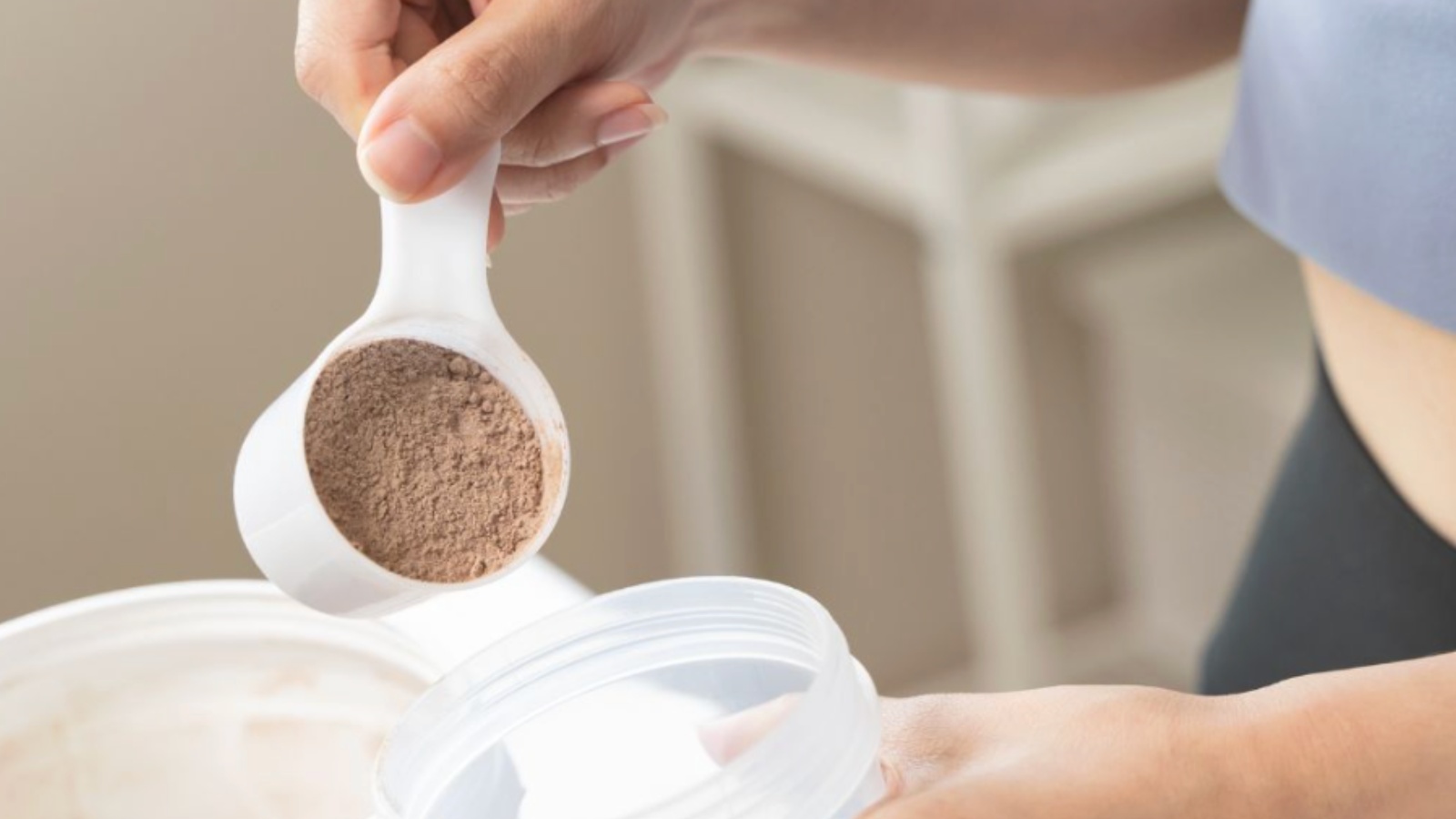
With protein powders and shakes more popular than ever, questions about their safety have surfaced. A recent Consumer Reports from Oct. 14 indicated that 23 popular protein powders and shakes contained high levels of lead, sparking concerns within the fitness community.
Protein powders are a great way to ensure you meet your daily protein requirements, which have a significant impact on muscle growth, exercise performance, and recovery. The Consumer Reports organization collected samples starting in November 2024 to examine their lead levels.
Upon reviewing the findings, they discovered that two-thirds of these protein products contained more lead than health officials recommend daily, with some going over the limit by tenfold. They pointed out two protein powders that they recommended skipping altogether due to their high levels of lead.
Health Risks of Consuming Lead
Consuming lead can be harmful, even if it’s taken in slowly over a long period of time. Its effects depend on the level of duration and exposure, but in the short term, it could cause fatigue, weakness, stomach pain, headaches, irritability, and difficulty concentrating. For those consuming it over a longer period, nervous system damage, kidney problems, cardiovascular issues, and reproductive harm can occur.
Pregnant women and children are most at risk of lead poisoning, as it can cause neurological issues, learning delays, and behavioral problems. It’s just about impossible to avoid lead; it’s found in food from farming conditions and can come from natural resources.
“It’s concerning that these results are even worse than the last time we tested,” Tunde Akinleye, the CR food safety researcher, said.
Consumer Reports Reveal Lead Has Been Found in Popular Protein Powders
Based on the Consumer Reports, you can find a list of all the protein powders tested below, along with guidance on how often to ingest them:
Products to Avoid:
- Naked Nutrition Vegan Mass Gainer – 315 g (6 scoops per serving)
- Huel Black Edition – 90 g (2 scoops per serving)
Use Sparingly (Limit to About Once a Week):
- Garden of Life Sport – Organic Plant-Based Protein – 45 g (2 scoops)
- Momentous 100% Plant Protein – 37.7 g (1 scoop)
Occasional Use (Okay to Eat/Drink Sometimes):
- MuscleMeds Carnivor Mass – 191 g (4 scoops)
- Optimum Nutrition Serious Mass – 340 g (2 scoops)
- Jocko Fuel Mölk Protein Shake – 355 ml (1 carton)
- Vega Premium Sport Plant-Based Protein – 44 g (1 scoop)
- Quest Protein Shake – 325 ml (1 carton)
- Orgain Organic Plant-Based Protein Powder – 46 g (2 scoops)
- Optimum Nutrition Gold Standard Protein Shake – 325 ml (1 carton)
- Equip Foods Prime Protein – 25.7 g (1 scoop)
- PlantFusion Complete Protein – 30 g (1 scoop)
- Ensure Plant-Based Protein Nutrition Shake – 330 ml (1 carton)
- Muscle Milk Pro Advanced Nutrition Protein Shake – 330 ml (1 carton)
- KOS Organic Superfood Plant Protein – 37 g (2 scoops)
Better Choices for Regular/Daily Consumption:
- Owyn Pro Elite High Protein Shake – 330 ml (1 carton)
- Transparent Labs Mass Gainer – 194 g (2 scoops)
- Optimum Nutrition Gold Standard 100% Whey – 30.5 g (1 scoop)
- BSN Syntha-6 Protein Powder – 47 g (1 scoop)
- Momentous Whey Protein Isolate – 26.5 g (1 scoop)
- Dymatize Super Mass Gainer – 333 g (2.5 scoops)
- Muscle Tech 100% Mass Gainer – 357 g (6 scoops)
Some numbers that stood out included the Naked Nutrition’s Mass Gainer powder, which contained 7.7 micrograms of lead per serving. This means it has approximately 1,570% more than what Consumer Reports deems appropriate. A serving of Huel’s Black Edition powder has 6.3 micrograms, or 1,290% above the daily lead limit. Officials recommend avoiding these protein powders.
Garden of Life’s Sport Organic Plant-Based Protein and Momentous’ 100% Plant Protein were highlighted for having high levels. Additionally, one non-plant-based protein powder was flagged for having 200% more lead than what they deem safe. It appears that plant-based protein powders have the most lead and are more likely to contain harmful heavy metals, like arsenic, cadmium, and mercury.
Protein powders are regulated by the US Food and Drug Administration and are considered dietary supplements. They are not tested before hitting the market. Instead, manufacturers are responsible for ensuring the safety of their products.
Protein powders and shakes have become essential tools for fitness enthusiasts and bodybuilders alike, but officials warn that it’s best to research the brand you’re using to determine its safety.
RELATED: Dr. Rhonda Patrick Explains Why You Need More Protein In Your Diet