Whatever your fitness goal, your decisions matter, and exercisers are faced with a LOT of decisions to make!
For example, should you follow a split or full-body routine, do high-intensity intervals or steady state cardio, eat 4-6 meals per day or fast intermittently, or do compound or isolation lifts?
Part of the problem is that most seemingly opposing methods actually produce similar results, and when there are advantages or benefits, they’re often pretty small. Consequently, what really matters is consistency, so it pays to use the method you can stick with. Not just for a week or a month, but for as long as necessary.
I’m a veteran personal trainer and nutrition coach with more than 30 years of experience, and it’s my job to help my clients weigh up all their options so they can choose the best one for their needs. The good news is that, once we find the best fit, progress usually comes thick and fast.
That’s the power of consistency!
In this article, I explain how to choose between pre- and post-workout protein for exercisers who are only able to do one or the other. So, if you’re unsure about the best time to consume your protein, this is the article for you!
The Most Important Thing About Protein
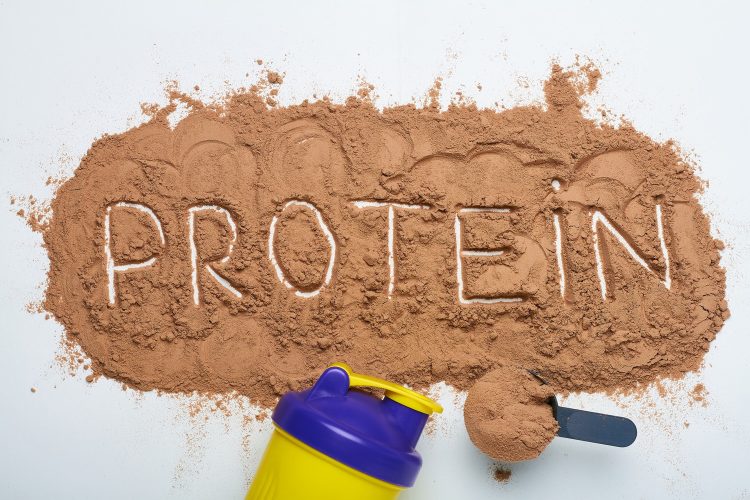
Before diving into pre- and post-workout protein options, I first want to discuss what really matters—total daily protein intake. Getting this right is absolutely essential for your muscle-building progress.
Experts generally agree that exercisers should consume 1.6 to 2.2 grams of protein per kilogram of body weight per day (1). The low end of the scale is perfect for recreational lifters and endurance athletes. In contrast, those looking to maximize muscle gains or trying to preserve muscle mass during a diet should aim for the higher end of the range.
Ideally, protein should be consumed in 3-5 servings per day, with 0.4 to 0.55 grams per kilogram of body weight per meal being the standard recommendation (2). This means most exercisers need to consume 30-40 grams of protein per meal plus 1-2 protein-based snacks.
These frequent “protein pulses” ensure that your body receives a steady supply of amino acids while optimizing muscle protein synthesis (MPS). MPS is the process through which muscle is repaired and built, and more MPS activity means faster progress and better gains.
This protein can come from animal sources, e.g., meat, poultry, eggs, or dairy, or plant-based sources such as soy and tofu. It’s also okay to combine animal and plant-based protein in your diet. Studies indicate that plant and animal proteins are similarly effective for building muscle (3).
Check out our list of 40 Great Protein Sources to ensure getting your protein is never repetitive or boring.
So, before you get too hung up on pre- vs. post-workout protein timing, make sure you are getting enough of what you need to fuel muscle gains. Use this protein calculator to determine your daily needs or use the guidelines above.
Pre- vs. Post-Workout Protein: Which is Right For You?

Assuming you’re getting enough protein each and every day, the next thing you need to know is when you should consume your protein in relation to your workouts.
Is before exercise best, or should you wait until you’ve finished training?
In an ideal world, you should do both—eat a high-protein meal 2-3 hours before training and consume a high-protein snack or shake shortly after. This “belt and suspenders” approach covers all your bases.
But what if that’s not practical, and you really can only do one or the other?
When to Focus on Pre-Workout Protein
If you train early in the day or haven’t eaten for several hours, pre-workout protein becomes especially important. Having 20–40 grams within about an hour of training helps minimize muscle breakdown and jumpstarts recovery before you’ve even finished your last rep.
You don’t need a big sit-down meal, either. A fast-digesting protein shake, bar, or something simple like Greek yogurt or cottage cheese will do the job nicely. Anything that delivers high-quality protein without weighing you down will work fine.
Bottom line: If it’s been 3–4 hours since your last meal, fuel up with protein before you train to protect your muscles and prime your recovery.
When to Focus on Post-Workout Protein

If you’ve eaten a protein-rich meal a couple of hours before training, you’ve already got a steady flow of amino acids coursing around your system. In this case, it makes sense to focus on refueling after your workout. Aim for 20–40 grams of high-quality protein soon after training to support muscle repair and kickstart recovery.
Whether that’s a full meal or a quick shake depends on your schedule, and both work equally well. The old idea of a narrow “anabolic window” isn’t quite true anymore. You’ve actually got a few hours post-workout to get that protein in and still see the same benefits.
Bottom line: If you trained after eating a recent meal, your best move is to focus on protein soon after you finish to maximize repair and recovery.
Pre- vs. Post-Workout: Similar Outcomes When Total Protein is Met
Research comparing pre- and post-workout protein shows that both can deliver similar gains in strength and muscle size. The caveat, of course, is that your total daily protein intake is on point.
In other words, timing fine-tunes your results, but it won’t make or break them.
That’s good news for anyone with a busy schedule. You can plan your protein around what fits best. Whether that’s before, after, or even a mix of both, whatever you choose won’t affect your progress.
Bottom line: Pre- or post-training protein doesn’t matter nearly as much as getting enough throughout the day. It’s consistently consuming enough protein that really counts.
The Quick Takeaway
- If you train fasted or it’s been 3–4 hours since your last meal, go for 20–40 grams of protein within an hour before training. This keeps muscle breakdown low and primes you for better post-workout recovery.
- If you’ve eaten protein within the past 2–3 hours, focus instead on 20–40 grams soon after your workout to kickstart repair and growth.
Either approach works—it just depends on when you last ate.
Convenient Protein Sources for Busy Lifters
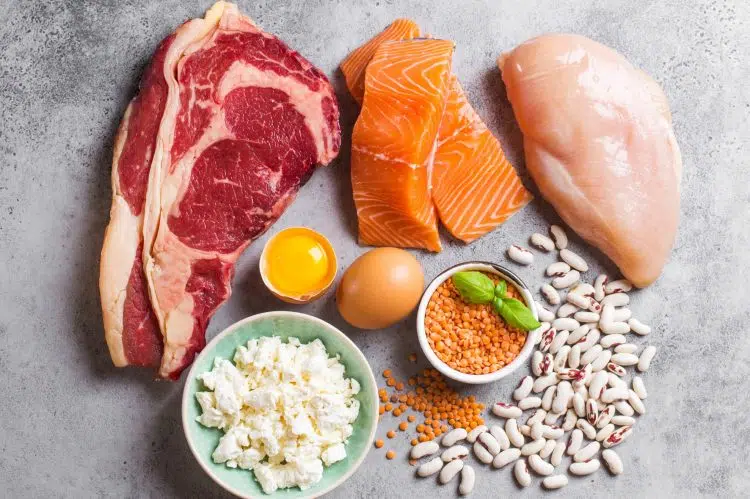
Let’s get something straight; timing only matters if you actually have protein to eat. Whether it’s before or after your workout, having practical, ready-to-go options makes all the difference.
Here are 10 grab-and-go protein sources that fit into any schedule, with simple guidelines on how much to eat and when they work best.
1. Whey Protein Shake
This is a classic option for a reason! Whey digests quickly and delivers around 25–30 grams of complete protein per scoop. Mix with water or low-fat milk for convenience. It’s ideal for pre- or post-workout, especially when you’re short on time or don’t feel like eating a full meal.
2. Greek Yogurt (200–250 g)
Rich in casein and whey, Greek yogurt provides 18–20 grams of protein per serving with a mix of slow and fast-digesting types. Add fruit or oats for carbs if you need extra energy for training. Best for pre-workout when you’ve got an hour or more before hitting the gym.
3. Protein Bar
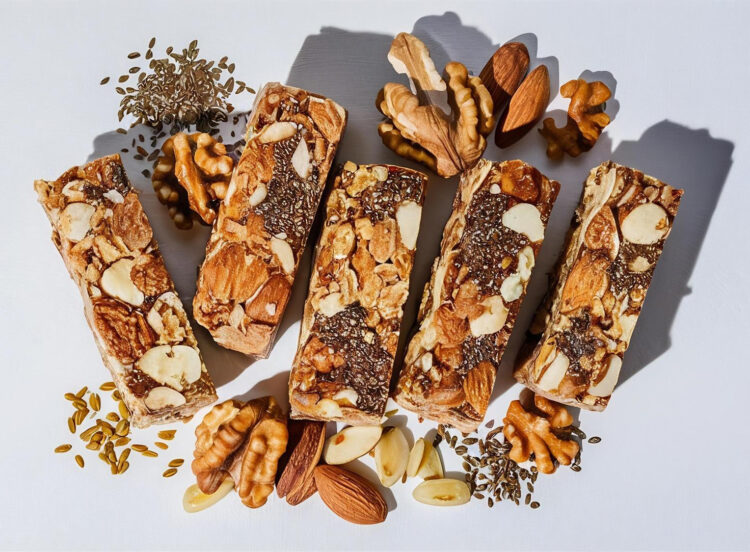
Portable with a long shelf-life, protein bars typically contain 20–25 grams of protein per bar. Look for low-sugar options with a short ingredient list. Excellent for either pre- or post-workout when you’re on the go.
Related: Are Protein Bars Really Healthy? Here’s What the Experts Say
4. Cottage Cheese (200 g)
Cottage cheese is a slow-digesting protein powerhouse with 22–25 grams per serving. It works well as a pre-bed snack or pre-workout if you’ve got a couple of hours before training. Pair with fruit or a drizzle of honey for added carbs and flavor.
5. Chicken Breast (100–120 g cooked)
Lean, high-quality chicken breast provides around 30–35 grams of protein per serving. It’s ideal for post-workout meals when combined with rice, potatoes, or other carb sources to replenish glycogen. It’s the perfect choice if you prefer whole foods over supplements.
6. Canned/Pouched Tuna or Salmon (100 g)
Tuna and salmon pouches and tins contain about 22–25 grams of protein per standard serving. They’re great for post-workout when mixed with whole-grain crackers, rice cakes, or a light salad. Keep a few tins/pouches handy so you’re never far from your next shot of protein.
7. Eggs (3 large)
Three eggs deliver around 18–20 grams of high-quality protein as well as essential nutrients like choline and healthy fats. Best eaten pre-workout when you have at least 90 minutes before training, or post-workout when paired with toast or fruit for extra carbs.

8. Ready-to-Drink (RTD) Protein Shakes
Most RTDs contain 25–40 grams of protein. With no prep time, they’re very convenient and suitable for both pre- and post-workout. However, make sure you read the ingredients list, as some contain a whole lot of unwanted sugar.
9. Tofu or Tempeh (100 g)
Both are excellent plant-based options that deliver 15–20 grams of protein per 100 g. Combine them with rice or noodles for a balanced post-workout meal or use smaller portions pre-workout to keep things light.
10. Protein Oats
Combine oats, protein powder, and milk for a customizable, filling option that provides 30–35 grams of protein depending on ingredients. This one works well pre- or post-workout. Add fruit for carbs and flavor or nut butter for healthy fats.
Bottom line: Don’t overthink timing if you’re underprepared. Keep high-protein foods and supplements handy so you can hit your target consistently—because missing meals, not mistiming them, is what really slows your progress.
Related: 25 Awesome Protein-Jammed Snacks That Are Healthy for You
Closing Thoughts
When it comes to building muscle and recovering from tough workouts, total daily protein intake is what matters most. Pre- and post-workout timing can help fine-tune your results, but it’s the icing on the cake and not the cake itself.
What matters most is hitting your protein target consistently, day after day, week after week, and month after month.
That said, if you really want to optimize your training and performance, choosing between pre- and post-workout protein could give you an edge, albeit a very small one.
So, if you can’t do both, pick the one that matches your nutritional state prior to training.
In short: if you are training fasted or it’s been hours since your last meal, take 20–40 grams of protein before your workout. But, if you’ve eaten protein recently, save 20–40 grams for after training.
Either way, focus on daily protein first, and timing second.
References:
- Stokes T, Hector AJ, Morton RW, McGlory C, Phillips SM. Recent Perspectives Regarding the Role of Dietary Protein for the Promotion of Muscle Hypertrophy with Resistance Exercise Training. Nutrients. 2018 Feb 7;10(2):180. doi: 10.3390/nu10020180. PMID: 29414855; PMCID: PMC5852756.
- Schoenfeld BJ, Aragon AA. How much protein can the body use in a single meal for muscle-building? Implications for daily protein distribution. J Int Soc Sports Nutr. 2018 Feb 27;15:10. doi: 10.1186/s12970-018-0215-1. PMID: 29497353; PMCID: PMC5828430.
- Monteyne AJ, Coelho MOC, Murton AJ, Abdelrahman DR, Blackwell JR, Koscien CP, Knapp KM, Fulford J, Finnigan TJA, Dirks ML, Stephens FB, Wall BT. Vegan and Omnivorous High Protein Diets Support Comparable Daily Myofibrillar Protein Synthesis Rates and Skeletal Muscle Hypertrophy in Young Adults. J Nutr. 2023 Jun;153(6):1680-1695. doi: 10.1016/j.tjnut.2023.02.023. Epub 2023 Feb 22. PMID: 36822394; PMCID: PMC10308267.