
Standing in the supplement aisle of a grocery store is the ‘Charlie and the Chocolate Factory’ moment for most lifters.
Protein powders are the most popular supplement in the sports nutrition segment.
And why wouldn’t they be? They promise bigger muscles, faster recovery, and better performance within a few weeks. There is virtually no other supplement that can deliver this holy trifecta.
However, choosing a protein supp can be overwhelming, as you can choose between a concentrate, isolate, and casein option. As a personal trainer with over 17 years of hands-on experience, I see this confusion daily.
In this article, I’ll break down the protein-picking dilemma into an easy step-by-step decision-making process by comparing concentrate, isolate, and casein head-to-head. You will also learn how to tailor choices to goals and the optimal dosing strategy.
Basics of Protein and Its Role in Your Body
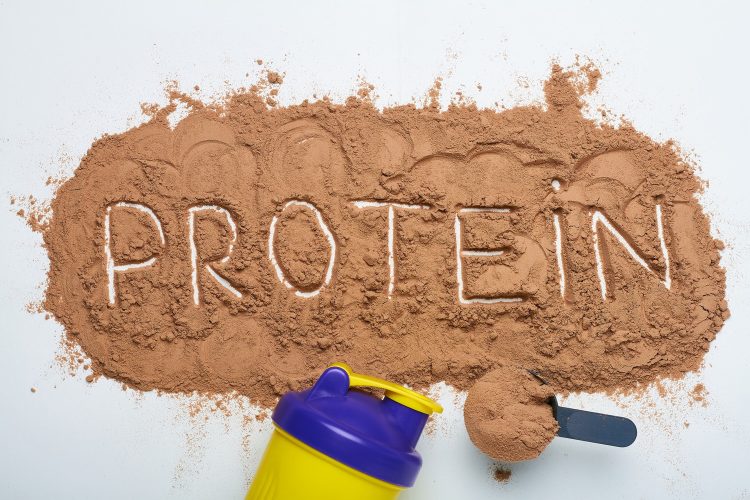
Protein is the darling of the fitness world as it is the building block of muscle. Supplementing with protein can help build and repair muscles after tough sessions, boost metabolism, and support overall health.
Your body breaks down protein into amino acids. Among these, branched-chain amino acids, or BCAAs, are the most important.
Leucine is the star ingredient in BCAA that triggers muscle protein synthesis, the process responsible for hypertrophy. Without enough leucine, your efforts stall (1). An effective whey protein powder should have at least 2.5–3 grams of leucine per serving.
These compounds mainly work by mending micro-tears in muscle fibers. Furthermore, they build enzymes, hormones, and immune cells.
As veteran trainer Marcus Hale puts it, “Protein isn’t just fuel – it’s the architect of your unbreakable frame.”
Research shows that active people need 1.6 to 2.2 grams per kilogram of body weight daily for best results. (2)
Contrary to what most people think, every protein powder is not the same. Each brand uses a unique blend of ingredients, which can have a significant impact on your results because of their purity and digestibility.
For instance, whey digests fast for quick refuels, while casein releases slowly for lasting support.
Whey Protein Concentrate: The Budget-Friendly Foundation

Whey protein concentrate is arguably the most popular form of this supp. Most newbies start their journey with a tub of this powder, and you’ll see gym rats downing a whey protein shake as soon as their workout ends.
Milk splits into cheese and whey during curd making. The liquid whey is filtered to get the concentrate form.
This less-refined form retains milk’s natural goodies, clocking in at 70 to 80 percent protein by weight. Unlike stripped-down isolates, this form holds on to fats, carbs, and a few good bioactives that can help with digestion. (3)
Think of whey concentrate as a whole food protein in powder form. Here is a quick overview:
| Component | What it provides | Why it matters |
| Protein | 20 to 25 grams per scoop | Leucine supports muscle signaling and helps drive protein synthesis |
| Fats and carbs | 1 to 3 grams each | Adds extra calories for bulking without junk overload |
| Bioactives | Immunoglobulins and lactoferrin | Aids immune defense, supports iron transport, and gut health |
On top of all this, whey concentrate is also the most cost-effective supplement in the segment, significantly widening its appeal.
Trainer Alex Rivera notes, “Concentrate isn’t just cheap – it’s the smart stack that builds chiseled physiques on a budget.”
However, whey concentrate might not be the right choice for you if you are lactose intolerant, as it contains 2-5% lactose, which can spark gas or cramps in sensitive cuts. Plus, it might not be the right choice if you are cutting calories to achieve crisp conditioning.
Coach Tip: Whey concentrate comes in several shapes and sizes, and you might find a low-calorie variant with just the right amount of nutrients if you look hard enough.
Whey Protein Isolate: The Lean and Pure Option
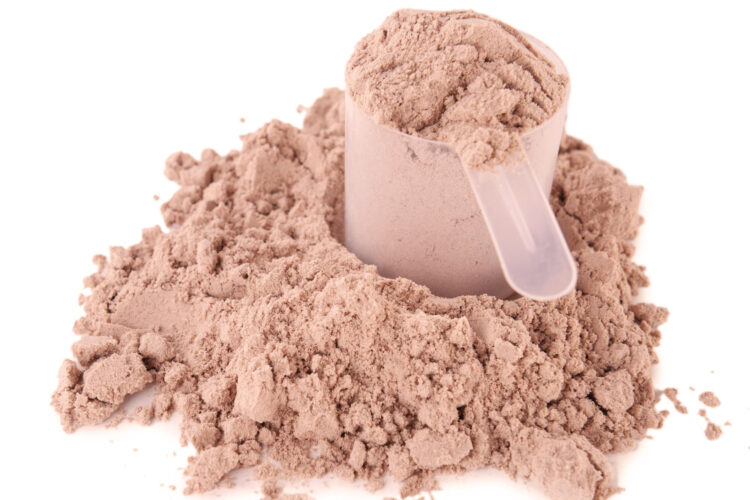
Think of whey isolate as a refined version of the concentrate form. It goes through extra filtration, delivering 90% or more protein while ditching most fats, carbs, and lactose. Processors start with liquid whey from milk, then microfilter or ion-exchange it to purity.
This strips away extras, leaving a lean powder that mixes clear and absorbs quickly. These properties make it the go-to version for athletes cutting for a show or those who cannot handle a big dose of lactose.
Most isolate protein powders offer this:
- Protein purity: Boasts 25-30 grams per serving, depending on the serving size, which is loaded with BCAAs, including a healthy dose of leucine.
- Minimal macros: Often under 1 gram of fats and carbs, plus trace lactose, which is ideal for clean eating.
- Fast uptake: Digest in 30-60 minutes. Flooding muscles with amino acids that promote protein synthesis and subsequent adaptations.
A randomized controlled trial concludes that whey isolate spikes muscle protein synthesis more than slower proteins, with one trial noting a 20% boost in post-exercise recovery. (4)
That said, all these benefits come at a cost – literally.
When you filter whey to the point where all you have left is an isolate, the volume you can extract from a liter of milk drops significantly. Each whey isolate tub requires more milk to produce, and the sports nutrition companies charge you accordingly.
I have hardly ever seen someone buying whey isolate protein powders in bulk. It does not end here. All this process also zaps some bioactives, which lower the immunity perks of this supplement.
Many people also are not a fan of the thinner taste of isolate proteins and usually flavor them up with fruits or nut butters.
Casein Protein: The Slow-Digesting Sustainer

Your muscles rebuild when you are sleeping. However, many people forget a very important factor here: nutrition.
Casein is the exact opposite of whey isolate protein. It digests slowly, delivering a steady supply of nutrients to your muscles for an extended period, ensuring they have all the raw materials they need to maximize muscle gain.
Casein forms 80% of milk’s protein. Milk is curdled to separate casein, the solid curd from liquid whey. This yields a powder with a micellar structure, which is a cluster of molecules that gel in your stomach acid.
This might sound like a lot to digest – pun intended – but that is the whole point. Casein clumps like a sponge in your stomach, releasing amino acids over 6-8 hours.
As trainer Liam Brooks observes, “Casein isn’t flashy – it’s the quiet force that sustains gains when the lights go out.”
Casein is an easy recommendation for people who are having recovery issues, as the slow-pace formula prevents catabolism, where muscles erode without nutrients.
| Strength | Why | How |
| Protein density | A complete protein source for full-spectrum recovery support | 20-25 grams of protein per scoop |
| Micellar magic | Fuels your muscles for extended periods | Forms a gel in your stomach |
| Additional nutrients | Aids blood pressure and immunity | Contains calcium and other milk-derived nutrients |
Besides taking casein protein before bed, you could also take it before you go out with friends or family to avoid cravings and unintended indulgences.
Casein Cons
Casein has a few drawbacks that you should know about before adding it to your cart:
- Thick texture: Most newbies underestimate the thickness of casein protein, and I say this from experience. Personally, I’m not a fan of casein protein because of how it tastes. Think a thick smoothie times two.
- Speed lag: The slow-digesting nature of this protein makes it unsuitable for post-workout nutrition, as you won’t be able to make the most out of the two-hour refeeding window.
- Dairy downside: Since casein has the highest lactose content of these three protein powder variants, it may trigger allergies or bloating in folks with sensitivities.
Choosing the Right Protein Based on Your Fitness Goals
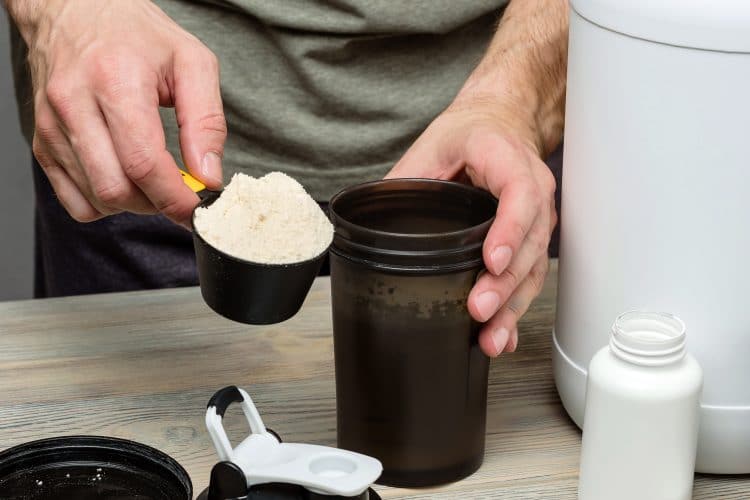
Picking the correct protein supplement is very critical for your fitness progress. Sticking with the wrong source for an extended period can hamper your gains, whereas choosing the right one will magnify your results.
Always start with your goal when it comes to making nutritional decisions. Here is how you should decide which protein source is the right one for you:
Weight Loss or Cutting Phases: Isolate Shakes Rule
Whey isolate is the undisputed champ if you’re aiming to cut a few kilos and get in peak shape. Its low-calorie and fat content will help improve muscle conditioning without making you feel bloated.
Some people also feel uncomfortable after drinking a very concentrated shake after their workout. Switching to an isolate in this case can be a game-changer.
Muscle Gain or Bulking Season: Concentrate Takes the Crown
A whey concentrate powder is the right choice for 90% of the lifting population. It is affordable and packs extra carbs, which can help you hit your daily macro goals. Many whey concentrate supplements also contain other additives like digestive enzymes or immunity boosters, which can help improve your overall health.
However, you must get in the habit of reading each supplement’s nutrient info before making a final decision. Avoid anything that is not third-party tested or has questionable ingredients, or if the most important information is hidden behind a proprietary label.
Endurance or Deep Recovery Demands: Casein is King
Go with casein if you want a slow-releasing formula that sustains amino acids through long hauls. This can help curb muscle breakdown and power your strength and muscle gains. This form is also a hit amongst endurance runners and cyclists, as it delays hunger.
Hybrid Approaches For Versatility
If you are an elite athlete with no budget constraints, I recommend blending them all into your daily routine. For instance, you can consume a whey isolate shake post-workout, drink a concentrate smoothie in the morning, and have casein before going to sleep.
This might be overkill for 99% of the people, but this is an option.
I must add that protein supplements aren’t mandatory for building muscle. In fact, you should look at them as a tool to fill the gaps in your whole food, balanced diet.
Conclusion
There you have it, folks! Opt for isolated proteins if you’re cutting or lactose sensitive, concentrate if you’re on a budget or bulking, or casein if you want to improve your overnight recovery or control your appetite.
Irrespective of which protein source you choose, you should consume anywhere between 20-40 grams of protein per serving to hit the anabolic threshold. And remember, your protein powder should have at least 2.5 grams of leucine for optimal recovery. Best of luck!
References:
- Campbell B, Kreider RB, Ziegenfuss T, La Bounty P, Roberts M, Burke D, Landis J, Lopez H, Antonio J. International Society of Sports Nutrition position stand: protein and exercise. J Int Soc Sports Nutr. 2007 Sep 26;4:8. doi: 10.1186/1550-2783-4-8. PMID: 17908291; PMCID: PMC2117006.
- Schoenfeld BJ, Aragon AA. How much protein can the body use in a single meal for muscle-building? Implications for daily protein distribution. J Int Soc Sports Nutr. 2018 Feb 27;15:10. doi: 10.1186/s12970-018-0215-1. PMID: 29497353; PMCID: PMC5828430.
- Ha DJ, Kim J, Kim S, Go GW, Whang KY. Dietary Whey Protein Supplementation Increases Immunoglobulin G Production by Affecting Helper T Cell Populations after Antigen Exposure. Foods. 2021 Jan 19;10(1):194. doi: 10.3390/foods10010194. PMID: 33477967; PMCID: PMC7835905.
- Duarte NM, Cruz AL, Silva DC, Cruz GM. Intake of whey isolate supplement and muscle mass gains in young healthy adults when combined with resistance training: a blinded randomized clinical trial (pilot study). J Sports Med Phys Fitness. 2020 Jan;60(1):75-84. doi: 10.23736/S0022-4707.19.09741-X. Epub 2019 Sep 23. PMID: 31565912.