
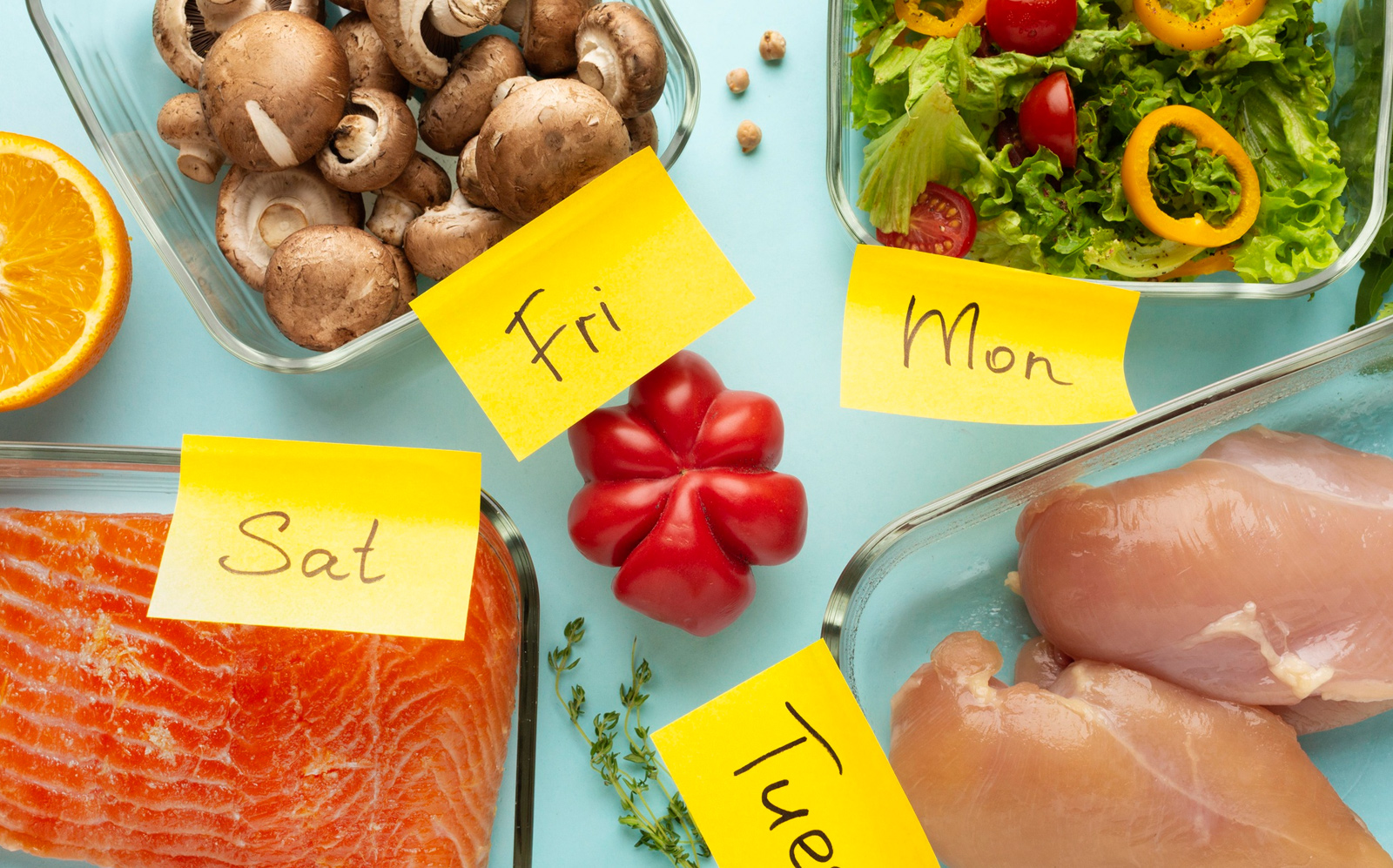
After 12 weeks of hard dieting, I was leaner than I’d ever been before. According to both my biometric scales and skinfold measurements, my body fat percentage was down to about eight percent.
My muscles were defined and separated, and you could see striations—the stripes in the muscle fibers—when I flexed. I had a solid six-pack and my obliques and “Adonis belt” were very prominent, too.
And yet, despite these achievements, I was not happy.
Why?
While I looked lean from the front, the side view was a different story; my stomach was still rounded, and I looked like I’d swallowed a soccer ball!
This was no bodybuilder “growth hormone gut.” Rather, I was bloated, and my abs were distended. This was not only aesthetically unappealing, but it was really uncomfortable, too.
As a 35-year veteran personal trainer with a background in nutrition, I knew that my diet was probably to blame, and something I was eating was responsible for my bloating.
But what was it?
This question perplexed me because I thought that my diet was very healthy. But, after some further investigation, I discovered that there are plenty of healthy foods linked to bloating. In fact, there is an entire eating plan designed to identify and eliminate foods that can cause bloating—the low FODMAP diet.
Suitably intrigued, I adopted the low FODMAP diet, and within a week, my bloating had vanished.
In this article, I explain what the low FODMAP diet is and how you can use it to reset your digestive system and fix your bloated stomach in just seven days!
FODMAPs—The Reason Even Some Fit People Have Bloated Abs

While bloating is often viewed as a problem for overweight people who habitually eat too much, a small but significant number of fitness folk also suffer from the gas, stomach distension, and discomfort of bloating.
In fact, the leaner you are, the more likely you are to see and even feel the effect of bloated abs.
Ironically, in many cases, it’s the foods that fit and lean people eat that cause bloating, which was what happened to me and what led me to try the low FODMAP diet.
But, before I dig into this amazing eating plan, it’s important to understand what FODMAPs actually are.
Firstly, FODMAP is an acronym for several groups of foods commonly believed to cause gas and bloating:
- Fermentable oligosaccharides
- Disaccharides
- Monosaccharides and
- Polyols
These foods are all types of digestive-resistant carbohydrate, meaning some people have a harder time breaking them down than others. If FODMAP foods are not digested properly, they ferment and produce gas, which results in inflammation and bloating. In addition, high FODMAP foods draw fluids into your intestines, making any bloating even worse.
A surprising number of so-called healthy foods are high in FODMAPs, including apples, mushrooms, and beans. Reducing your intake or eliminating high-FODMAP foods is a proven way to reduce gas and bloating (1).
What is the Low FODMAP Diet?
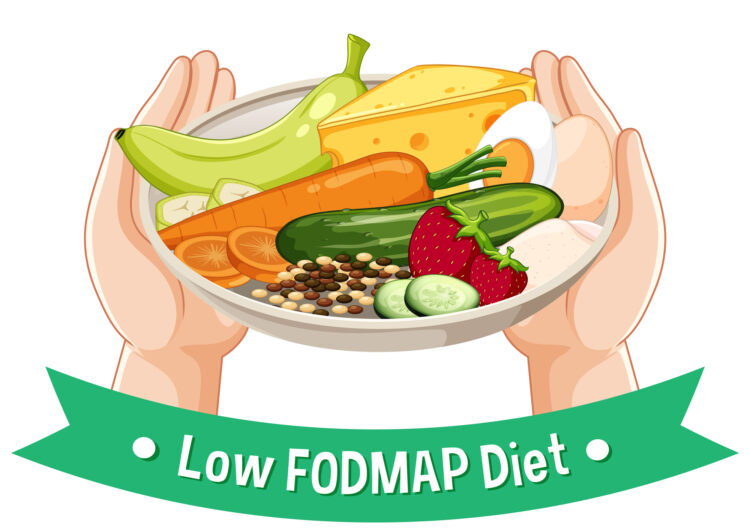
While the low FODMAP diet could help you eliminate bloated abs, it was originally developed to help ease the symptoms of IBS, or Irritable Bowel Syndrome.
It was invented in the early 2000s by researchers at Monash University, Australia, most notably dietitian Sue Shepherd and gastroenterologist Dr. Peter Gibson. It’s based on the results of their original findings, published as the FODMAP Hypothesis (2).
Broadly speaking, the “classic” low FODMAP diet comprises three phases:
Phase 1: Elimination
During this phase, all known high FODMAP foods are removed from the diet for one week. This should result in a significant reduction in bloating, abdominal distension, gas, and discomfort. This period is designed to reset your digestive system so that you start the next period with a clean slate, so to speak.
Foods that are to be avoided during the elimination phase include:
- Fruits: Common culprits include apples, pears, peaches, nectarines, plums, apricots, cherries, figs, dates, grapes, watermelon, raspberries, and blackberries. Even applesauce and other fruit-based snacks can be problematic.
- Sweeteners: Many sugar substitutes trigger symptoms—think honey, agave syrup, high-fructose corn syrup, molasses, malt extract, and sugar alcohols such as sorbitol, mannitol, maltitol, and xylitol.
- Vegetables: Certain veggies are harder to digest, such as onions, garlic, leeks, mushrooms, cauliflower, cabbage, Brussels sprouts, artichokes, asparagus, okra, peas, fennel, beetroot, karela, and winter squash varieties like butternut.
- Dairy products: Standard ice cream, sour cream, most yogurts, soft or fresh cheeses (e.g., ricotta, cottage cheese), and whey protein blends that aren’t isolate-based are best avoided.
- Legumes: Many beans and pulses are high in FODMAPs, including baked beans, lentils, chickpeas, soybeans, broad beans, black-eyed peas, red kidney beans, fava beans, and pinto beans.
- Wheat-based foods: Bread, pasta, cereals, crackers, cookies, tortillas, waffles, and pancakes made with wheat flour are common triggers.
- Other grains: Rye, barley, and amaranth can all contribute to bloating.
- Drinks: Problematic beverages include fruit juices, coconut water, kombucha, oat milk, soy milk, fortified wines, rum, sodas sweetened with high-fructose corn syrup, and certain teas (such as chamomile, fennel, and chai).
Phase 2: Reintroduction Phase
During this phase, high FODMAP foods are gradually reintroduced to identify triggers. Ideally, serving sizes should be small to prevent overloading your digestive system. Foods that trigger bloating, gas, etc., should be noted and avoided in the future.
Phase two may take several weeks, and it’s important not to reintroduce too many things at once, or you may not be able to identify the specific foods you don’t tolerate well.
Phase 3: Maintenance Phase
Once you have identified your most common triggers, you can then avoid them or, at least, know which foods are responsible for your bloated abs and eat them at your discretion. That said, you may encounter new triggers and should be prepared to revisit phase one as necessary.
It’s also important to stress that it’s almost impossible to eliminate all FODMAP foods, so rather than being a NO FODMAP diet, this is the blueprint for a LOW FODMAP diet. Except for those with extreme sensitivities to FODMAPs, minimizing your intake to reasonable levels should be enough to prevent bloating, gas, and abdominal distension.
Foods that most people can eat freely on the low-FODMAP diet include:
- Proteins: Most animal proteins are naturally low in FODMAPs, so feel free to build meals around fresh meat, poultry, fish, and eggs.
- Nuts and seeds: Most are fine, except for cashews, pistachios, and large servings of almonds. Pumpkin seeds, walnuts, chia, and sunflower seeds are good options.
- Fruit choices: Safer picks include unripe bananas, citrus fruits (oranges, limes, lemons, mandarins, grapefruit), strawberries, cantaloupe, passionfruit, and kiwi. Melons other than watermelon are usually well-tolerated.
- Vegetables: A wide range are allowed, such as zucchini, carrots, cucumbers, spinach, lettuce, kale, bell peppers, tomatoes, parsnips, radishes, potatoes, sweet potatoes, bok choy, eggplant, turnips, water chestnuts, and olives. Spring onions (green tops only) and fresh herbs are also excellent.
- Grains and starches: Rice, oats, quinoa, corn, sorghum, tapioca, and gluten-free products form a solid carbohydrate base.
- Dairy (lactose-free): Hard cheeses (like cheddar, Parmesan, Brie, and Camembert) plus lactose-free milk, yogurt, and cottage cheese are typically well tolerated.
- Fats, flavorings, and drinks: All pure oils and fats are safe. Sweeteners like maple syrup or stevia are fine. Beverages such as water, coffee, and green, black, or white tea work well.
7-Day Low FODMAP Reset Diet Plan
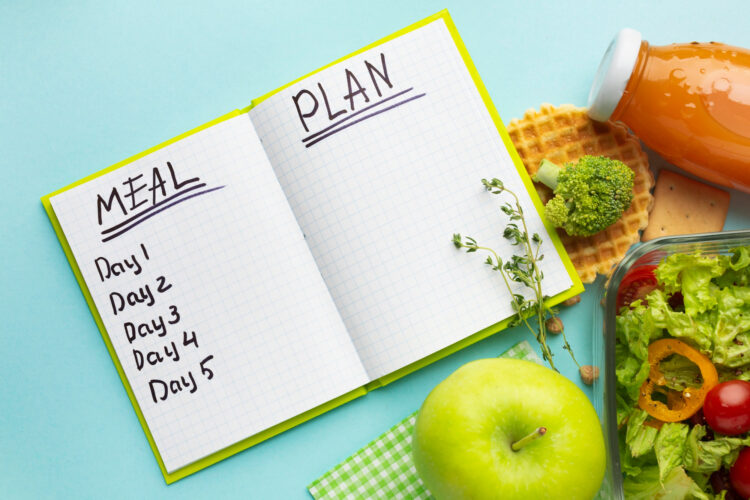
You now have all the information you need to create a low FODMAP diet plan. Just build your meals around low FODMAP foods while avoiding known high FODMAP triggers—simple!
But I get it, you’re too busy to write a one-week menu and would really appreciate it if I could write one for you. No problem—I’m happy to do it!
Just remember, my tastes and food preferences may be different from yours, so you might need to modify this plan to match your needs and goals. That said, I’ve designed it for exercisers who want to train hard, recover well, get lean, and build muscle. Just adjust the quantities based on your personal requirements.
Day 1
- Breakfast: Rolled oats with lactose-free milk, whey protein isolate, blueberries, walnuts
- Snack 1: Rice cakes with natural peanut butter
- Lunch: Grilled chicken breast, quinoa, steamed carrots, and spinach
- Snack 2: Lactose-free yogurt with strawberries
- Dinner: Baked salmon, roasted zucchini, brown rice
Day 2
- Breakfast: Spinach and tomato omelet, gluten-free toast
- Snack 1: Hard-boiled eggs
- Lunch: Turkey breast salad with mixed greens, cucumber, bell peppers, olive oil dressing
- Snack 2: Banana and almonds
- Dinner: Grilled lean beef steak, sautéed green beans, mashed potatoes
Day 3
- Breakfast: Smoothie with lactose-free milk, whey protein isolate, kiwi, chia seeds
- Snack 1: Gluten-free rice crackers with lactose-free cheddar cheese
- Lunch: Tuna salad with lettuce, cherry tomatoes, cucumber, olive oil, lemon
- Snack 2: Carrot sticks with low-FODMAP hummus
- Dinner: Roasted chicken thighs, roasted parsnip and carrot, polenta
Day 4
- Breakfast: Buckwheat pancakes with peanut butter and strawberries
- Snack 1: Lactose-free cottage cheese with blueberries
- Lunch: Grilled shrimp quinoa salad with cucumber, tomato, parsley
- Snack 2: Pumpkin seeds and an orange
- Dinner: Turkey meatballs, gluten-free pasta with onion- and garlic-free tomato sauce
Day 5
- Breakfast: Scrambled eggs with chives, sautéed zucchini, gluten-free toast
- Snack 1: Lactose-free yogurt with kiwi slices
- Lunch: Grilled tofu with stir-fried bok choy and carrots, jasmine rice
- Snack 2: Rice cakes with smoked salmon
- Dinner: Pan-seared cod, mashed sweet potato, steamed green beans
Day 6
- Breakfast: Chia pudding made with almond milk, and topped with raspberries and walnuts
- Snack 1: Hard-boiled eggs
- Lunch: Chicken salad with mixed greens, cherry tomatoes, cucumber, olive oil dressing
- Snack 2: Banana and natural peanut butter
- Dinner: Beef stir-fry with bell peppers and bok choy, served with brown rice
Day 7
- Breakfast: Oatmeal with lactose-free milk, whey protein isolate, strawberries, and chia seeds
- Snack 1: Lactose-free cottage cheese and pumpkin seeds
- Lunch: Grilled salmon with quinoa and steamed zucchini
- Snack 2: Carrot sticks with low-FODMAP hummus
- Dinner: Baked chicken breast, roasted carrots and parsnips, gluten-free couscous
Additional Steps to Reduce Bloating

As well as following this low FODMAP 7-day meal plan, there are a few additional things you can do that will help reduce bloating more quickly. Combine them with your low FODMAP diet, and your stomach will soon be flat and free from gas.
- Increase daily water intake to support digestion and reduce water retention.
- Include prebiotic and probiotic foods or supplements to balance gut bacteria.
- Get 7-9 hours of sleep to enhance digestion and reduce inflammation.
- Limit and manage stress, which is a leading cause of disrupted digestion.
- Avoid sugar-free chewing gum, which contains high FODMAP sweeteners and can increase swallowed air.
- Eat slowly and mindfully to avoid swallowing air and to improve digestion.
- Reduce your salt (sodium) intake to prevent water retention and abdominal swelling.
- Go for a short walk after eating to improve digestion.
- Avoid carbonated drinks, e.g., soda and energy drinks, which can contribute to gas and bloating.
- Drink peppermint tea to calm digestion and ease bloating.
- Avoid lying down immediately after meals to support natural digestion processes.
- Keep a food and symptom diary to identify additional triggers.
Closing Thoughts
Bloating can make even the leanest physique look less defined than it truly is, and that can be frustrating when you’ve worked so hard to get in shape. The good news is that it doesn’t have to be that way.
By following a low FODMAP reset, you can uncover the hidden food triggers that cause bloating, improve digestion, and finally reveal the results you’ve trained so hard to achieve.
This approach isn’t a crash diet or a gimmick. Instead, it’s a practical method that helps you eat in a way that supports your body, reduces digestive stress, and enhances your overall well-being. Within just a week, you’ll likely notice a flatter midsection, lighter digestion, and a welcome boost in energy and confidence.
So don’t wait. Put this 7-day plan into action, track your progress, and give your gut the reset it deserves—you’ll be glad you did.
References:
1 – Staudacher HM, Irving PM, Lomer MC, Whelan K. Mechanisms and efficacy of dietary FODMAP restriction in IBS. Nat Rev Gastroenterol Hepatol. 2014 Apr;11(4):256-66. doi: 10.1038/nrgastro.2013.259. Epub 2014 Jan 21. PMID: 24445613.
2 – Gibson, P. R. (2017) History of the low FODMAP diet. Journal of Gastroenterology and Hepatology, 32: 5–7. doi: 10.1111/jgh.13685.
 You can also follow us on Twitter, Facebook, Instagram, and
YouTube for even more content.
You can also follow us on Twitter, Facebook, Instagram, and
YouTube for even more content.Tip: If you're signed in to Google, tap Follow.