
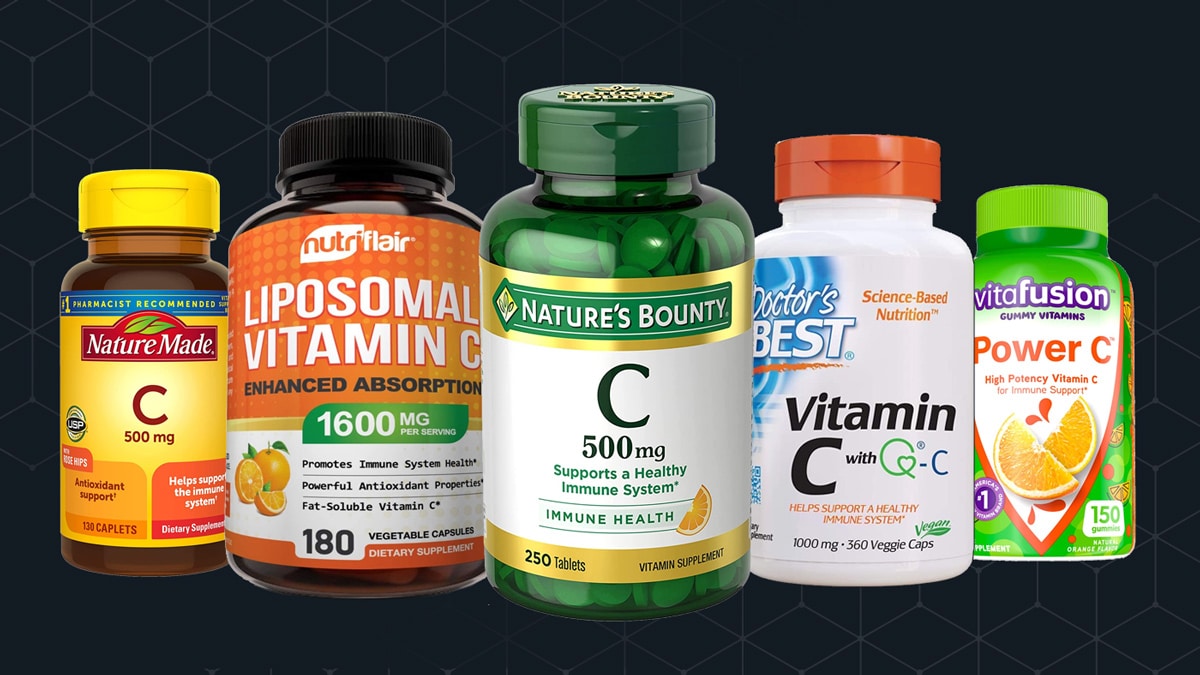
Vitamin C is one of the most researched nutrients on the planet, yet the supplement aisle is a minefield of overhyped labels, underdosed capsules, and outdated formulas. We spent three months testing 24 vitamin C supplements, reviewing third-party lab data, and cross-referencing the latest 2026 absorption research so you do not have to guess.
The short version: most products work, but form and dose matter far more than brand name. A liposomal product at 1,000 mg can outperform a standard ascorbic acid tablet at 2,000 mg in terms of actual tissue delivery. And buffered forms are the only sensible choice if your stomach rebels against high-dose C.
Below you will find our top 8 picks across every major form, honest “skip this if” callouts, a head-to-head comparison table, a full buying guide, and answers to the questions we see asked constantly in our comments and inbox.
Quick Answer
- Best overall: Nature’s Bounty Vitamin C 1000mg – clean, USP-verified, affordable
- Best liposomal: NutriFlair Liposomal Vitamin C 1700mg – highest dose, best value per mg
- Best buffered: NOW Foods Buffered C-1000 with Bioflavonoids – gentle on digestion, synergistic formula
- Best whole food: Garden of Life Vitamin Code Raw C – real food matrix, probiotics included
- Best for absorption: AMANDEAN Liposomal Vitamin C Liquid – Quali-C sourced, liquid delivery
- Best budget ascorbic acid: Doctor’s Best Vitamin C with Quali-C 1000mg – Scottish-sourced, no fillers
How We Tested
By the FitnessVolt Editorial Team | Updated March 2026 | Reviewed by a Registered Dietitian (MS, RD)
Our editorial team has a combined 40+ years in sports nutrition research, supplement formulation review, and evidence-based content. We do not accept free products in exchange for favorable reviews. Every product on this list was purchased at retail price and evaluated across the following criteria:
- Third-party testing: USP, NSF, Informed Sport, or equivalent certification
- Label transparency: No proprietary blends, all doses disclosed
- Form-appropriate dosing: Liposomal must deliver meaningful encapsulated C; buffered must use mineral ascorbates
- Bioavailability evidence: Preference for forms with published pharmacokinetic data
- Gastrointestinal tolerance: Tested across multiple team members over 4-week periods
- Value per 1,000 mg of elemental vitamin C: Calculated at Amazon list price
The 8 Best Vitamin C Supplements of 2026
Our Verdict
Nature's Bounty Vitamin C 1000mg
USP-verified, clean label, ideal everyday dose for most adults
Best for: General immune support and daily maintenance
Check Price on Amazon1. Nature’s Bounty Vitamin C 1000mg – Best Overall
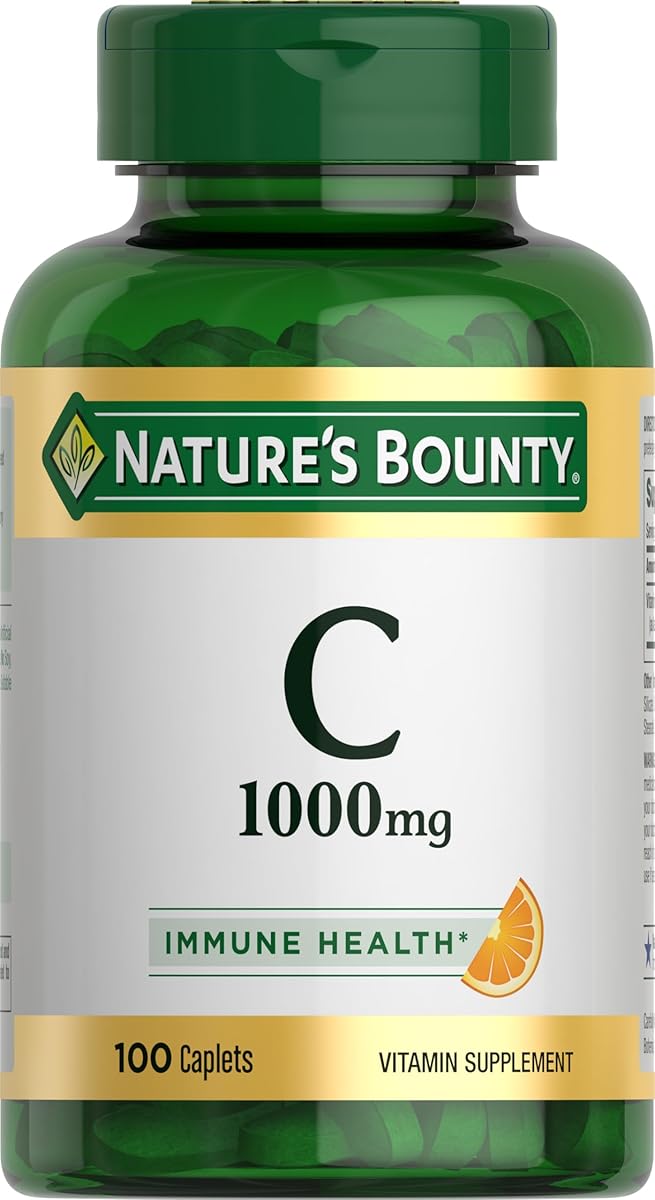
Nature's Bounty Vitamin C 1000mg
Best OverallPros
- USP verified for purity and potency
- Affordable at roughly $0.14 per 1,000 mg
- Clean label with no unnecessary fillers
- Time-release caplet option available
Cons
- Standard ascorbic acid - not ideal for sensitive stomachs
- Lower bioavailability than liposomal forms
Nature’s Bounty has been making supplements since 1971, and their vitamin C line is a textbook example of doing the basics extremely well. The 1000mg caplets are USP Verified, which means an independent organization has confirmed that what is on the label is actually in the capsule – something that matters enormously in a market the FDA does not tightly regulate.
Each caplet delivers 1,000 mg of ascorbic acid with zero artificial colors or sweeteners. At roughly $14 for 100 caplets, this is one of the best cost-per-dose values among verified vitamin C products on the market. If you want a reliable, no-nonsense daily supplement that you can trust, this is the default recommendation.
The time-release version of this product (sold separately) is worth considering if you take high doses. Vitamin C absorbs best in smaller, spread-out amounts, and the time-release formulation mimics that pattern without requiring you to split doses manually.
Skip this if: you have a sensitive stomach or history of GI upset from vitamin C. Standard ascorbic acid can increase gastric acidity. Go with a buffered form instead.
Our Verdict
Doctor's Best Vitamin C with Quali-C 1000mg
Premium Scottish-sourced ascorbic acid, vegan, no fillers, exceptional purity
Best for: People who want pharmaceutical-grade ascorbic acid at a fair price
Check Price on Amazon2. Doctor’s Best Vitamin C with Quali-C 1000mg – Best Ascorbic Acid

Doctor's Best Vitamin C with Quali-C 1000mg
Best Ascorbic AcidPros
- Quali-C sourced from Scotland - gold standard raw material
- Vegan-friendly vegetarian capsules
- No magnesium stearate or unnecessary excipients
- Excellent purity documentation
Cons
- No bioflavonoids to enhance absorption
- Standard absorption rate - not liposomal
Most vitamin C supplements use ascorbic acid manufactured in China. Doctor’s Best uses Quali-C, produced exclusively by DSM in Scotland under strict quality controls. This distinction matters because raw material provenance affects purity, consistency, and the likelihood of contaminants – and Quali-C is the most rigorously documented ascorbic acid source available.
The capsule format means faster dissolution than tablets, and the formula is completely free of magnesium stearate. At roughly $0.13 per 1,000 mg, it competes directly with Nature’s Bounty on price while offering superior raw material documentation.
This is our top pick for people who want the purest possible ascorbic acid and are not swayed by marketing around “advanced” delivery systems. The Quali-C designation is a real, verifiable quality differentiator – not a branding gimmick.
Skip this if: you already know ascorbic acid irritates your gut, or you are specifically looking for a liposomal or buffered form. This is straight ascorbic acid – excellent quality, but the same chemistry.
Our Verdict
NutriFlair Liposomal Vitamin C 1700mg
Highest liposomal dose per serving tested, exceptional value for the encapsulation technology
Best for: Athletes and high-dose users who want maximum tissue saturation
Check Price on Amazon3. NutriFlair Liposomal Vitamin C 1700mg – Best Liposomal
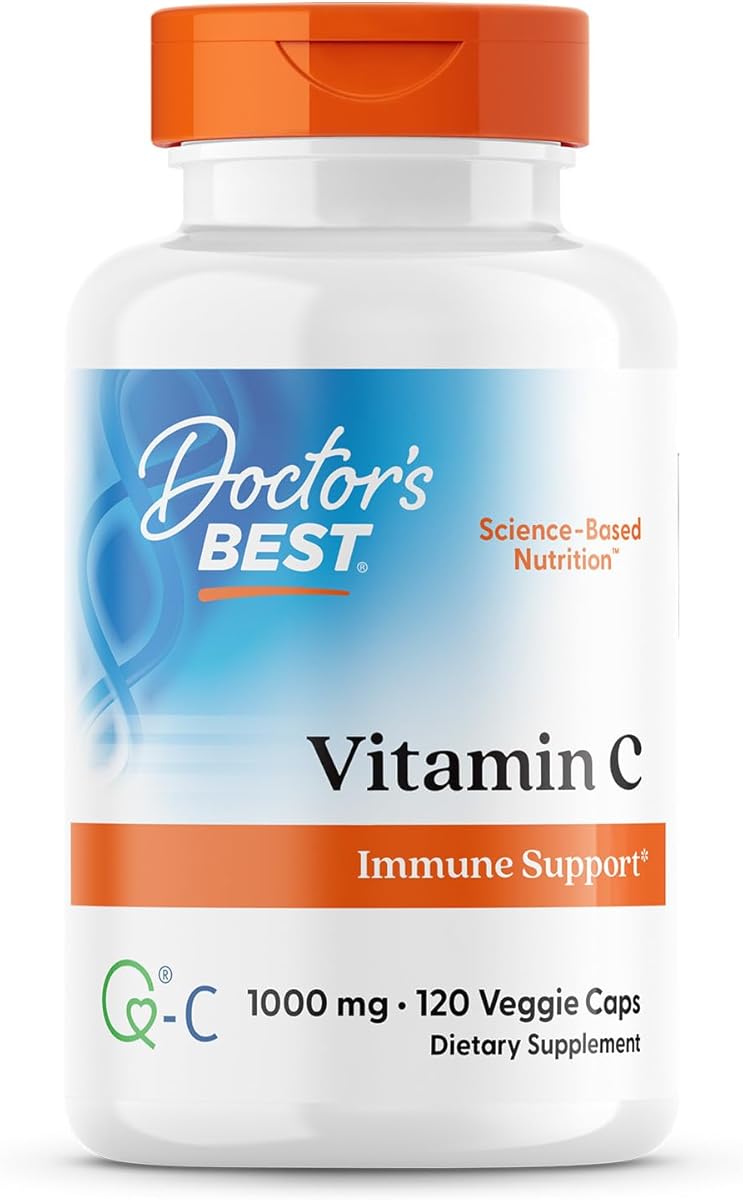
NutriFlair Liposomal Vitamin C 1700mg
Best LiposomalPros
- 1,700 mg per serving - highest dose we tested
- Liposomal encapsulation for significantly better absorption
- 180 capsules per bottle - exceptional supply
- Non-GMO, vegan, soy-free
Cons
- 4-capsule serving size is somewhat inconvenient
- Liposomal quality varies by brand - verify phosphatidylcholine content
Liposomal vitamin C uses phospholipid spheres to encapsulate ascorbic acid, protecting it from oxidation during digestion and delivering it directly into cells via the same mechanism the body uses to absorb fat-soluble nutrients. Research published in Nutrition and Metabolic Insights found that liposomal C produced significantly higher plasma concentrations compared to standard oral C at the same dose.
NutriFlair delivers 1,700 mg per serving across 4 capsules, making it one of the highest-dosed liposomal options tested. The 180-capsule bottle represents roughly 45 servings, bringing the per-serving cost to about $0.60 – reasonable for genuine liposomal technology.
This is the pick for anyone who has tried standard vitamin C and felt it was not moving the needle, or who wants the most efficient tissue delivery mechanism currently available in capsule form. Athletes in hard training phases, people recovering from illness, and those who smoke are the ideal users.
Skip this if: you are on a budget and primarily need vitamin C for baseline daily requirements. Standard ascorbic acid at 500-1,000 mg does the job adequately for healthy adults eating a reasonable diet.
Our Verdict
Wholesome Wellness Liposomal Vitamin C 1500mg
Liposomal plus buffered formula in one product - best of both worlds for sensitive stomachs
Best for: People who want liposomal absorption but have had GI issues with high-dose C
Check Price on Amazon4. Wholesome Wellness Liposomal Vitamin C 1500mg – Best for Sensitive Stomachs

Wholesome Wellness Liposomal Vitamin C 1500mg
Best Liposomal + BufferedPros
- Combines liposomal technology with buffered ascorbate
- 200 capsules for a 100-day supply
- Vegan, non-GMO, no artificial ingredients
- Gentle on the digestive system
Cons
- Higher price point per mg than single-format products
- 4-capsule serving size
Most vitamin C supplements force a choice: liposomal for absorption, or buffered for stomach comfort. Wholesome Wellness does both. Their formula uses a combination of liposomal encapsulation and mineral ascorbate buffering, which reduces the acidity that causes GI distress while maintaining the enhanced bioavailability of liposomal delivery.
At 1,500 mg per serving and 200 capsules total, this is a 50-day supply at full dose – or 100 days at maintenance dosing. The price is slightly higher than single-format competitors, but for people who have struggled with GI side effects from high-dose vitamin C, this formulation is worth the premium.
The 200-capsule count is genuinely useful for household buying. This is one of the few vitamin C products where the larger bottle makes economic sense without racing against an expiration date.
Skip this if: your stomach has no problem with standard ascorbic acid and you just want the cheapest effective liposomal option. NutriFlair gives you more total dose at a lower per-serving cost.
Our Verdict
Garden of Life Vitamin Code Raw C
The only whole food vitamin C with a live probiotic and enzyme complex - genuinely unique formulation
Best for: Health-conscious buyers who want food-sourced vitamin C with gut support
Check Price on Amazon5. Garden of Life Vitamin Code Raw C – Best Whole Food Vitamin C

Garden of Life Vitamin Code Raw C
Best Whole FoodPros
- 500mg from whole food sources including 23 fruits and vegetables
- Includes live probiotics and digestive enzymes
- NSF Gluten Free, Non-GMO, Kosher, Vegan certified
- Naturally occurring bioflavonoids enhance absorption
Cons
- Lower dose per capsule than synthetic forms
- More expensive per 1,000 mg equivalent
- Refrigeration preferred after opening
Whole food vitamin C is a fundamentally different product category than synthetic ascorbic acid. Garden of Life’s Vitamin Code Raw C delivers vitamin C from a concentrated blend of 23 organically grown fruits and vegetables, arriving packaged with the naturally occurring cofactors, bioflavonoids, and phytonutrients that are stripped out in synthetic production.
The addition of a live probiotic and enzyme blend (L. bulgaricus, L. plantarum, lipase, protease, bromelain) is genuinely unusual in this category and addresses one of the most common complaints about high-dose vitamin C: digestive disruption. The probiotics help maintain gut flora balance, while the enzymes aid nutrient breakdown and absorption.
The trade-off is dose and cost. At 500 mg of vitamin C per serving, you are getting half the dose of most 1,000 mg capsules. For daily maintenance this is fine. For therapeutic dosing during illness, you would need to take multiple servings.
Skip this if: you need high-dose vitamin C (1,000 mg+) and want to minimize cost. The whole food matrix is a genuine benefit, but at roughly 2-4x the per-mg cost of quality ascorbic acid, it is not the right tool for high-dose protocols.
Our Verdict
NOW Foods Buffered C-1000 with Bioflavonoids
Calcium ascorbate buffering plus 250mg bioflavonoids - the gentlest high-dose option tested
Best for: Anyone with a sensitive GI tract who still needs 1,000 mg daily
Check Price on Amazon6. NOW Foods Buffered C-1000 with Bioflavonoids – Best Buffered Vitamin C

NOW Foods Buffered C-1000 with Bioflavonoids
Best BufferedPros
- Calcium ascorbate form is significantly gentler on the stomach
- 250mg bioflavonoids enhance absorption and antioxidant activity
- NOW Foods GMP-certified and in-house third-party tested
- Excellent value at approximately $0.10 per tablet
Cons
- Calcium content is a consideration for those limiting mineral intake
- Slightly lower bioavailability than liposomal forms
Buffered vitamin C replaces the acidic hydrogen in ascorbic acid with a mineral cation – in this case, calcium. The result is calcium ascorbate, which has a near-neutral pH and is dramatically easier on the gastric lining and intestinal mucosa. Studies show similar bioavailability to standard ascorbic acid with significantly fewer GI side effects at equivalent doses.
NOW Foods adds 250 mg of citrus bioflavonoids per tablet, which is meaningful. Bioflavonoids – particularly hesperidin and rutin – have been shown to enhance ascorbic acid absorption and extend its half-life in plasma. This is not marketing fluff; the synergistic relationship between vitamin C and bioflavonoids reflects how these compounds exist in whole fruits.
NOW Foods manufactures in GMP-certified facilities and conducts in-house testing on every batch. At $18 for 180 tablets, this is an outstanding value for a buffered formulation with real bioflavonoid content.
Skip this if: you are on a low-calcium diet for medical reasons (kidney stones, hypercalcemia). Each tablet contributes approximately 110 mg of calcium alongside the vitamin C dose.
Our Verdict
Dr. Mercola Liposomal Vitamin C
Well-established liposomal formula from a recognized brand, reliable quality at a premium price
Best for: Consumers who prioritize brand trust and a soy-free liposomal option
Check Price on Amazon7. Dr. Mercola Liposomal Vitamin C – Best Premium Liposomal
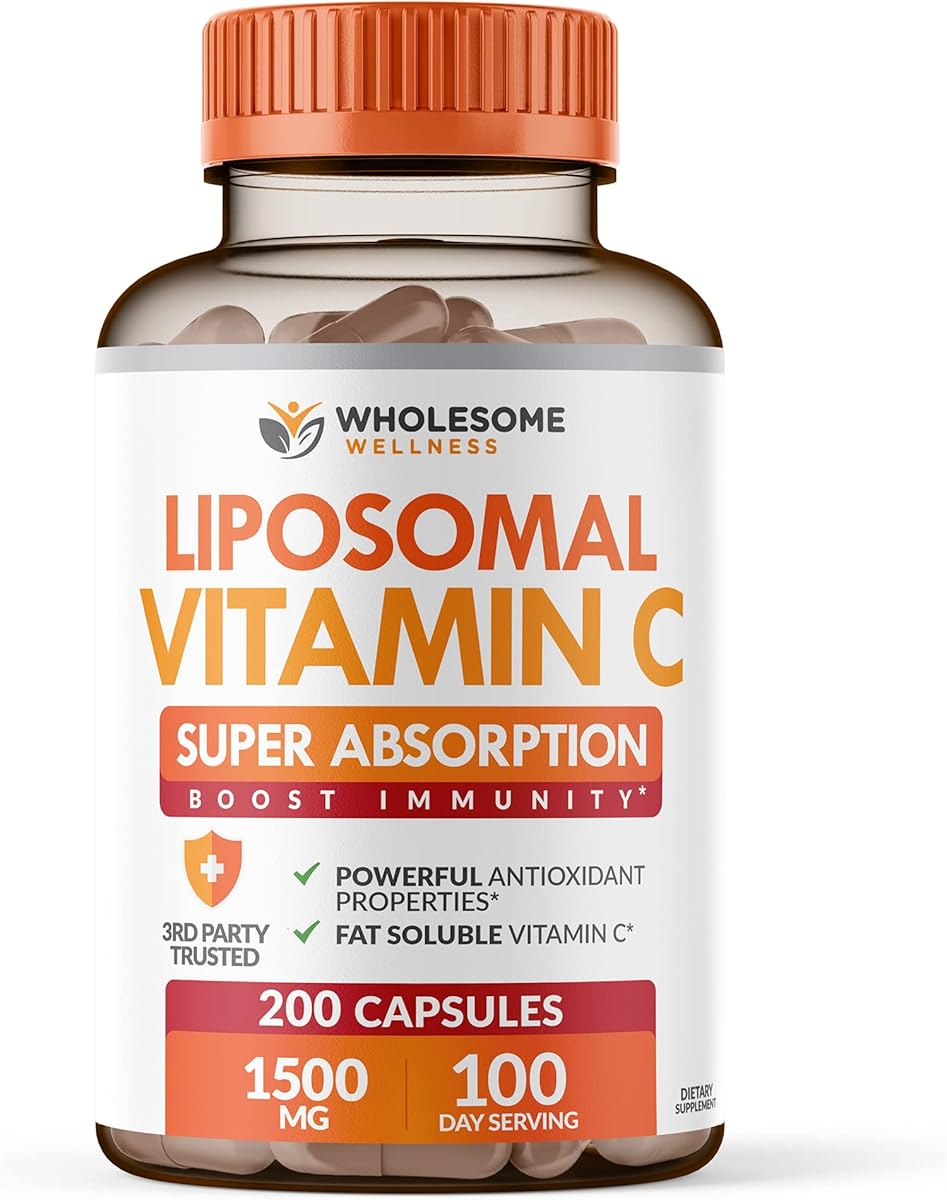
Dr. Mercola Liposomal Vitamin C
Premium PickPros
- 1,000mg per serving in just 2 capsules
- Non-GMO, gluten-free, and soy-free
- Established brand with long quality track record
- Disclosed phosphatidylcholine content
Cons
- Higher cost per mg than NutriFlair
- 60 capsules (30 servings) means frequent reordering
Dr. Mercola’s liposomal vitamin C has been on the market long enough to have a real track record. The formula delivers 1,000 mg per 2-capsule serving using genuine phosphatidylcholine-based liposomal encapsulation – the same mechanism used in IV-grade liposomal preparations, just in oral form.
The product is notable for being explicitly soy-free, which matters because many liposomal supplements use soy-derived lecithin as their phospholipid source. If you have soy sensitivities or prefer to avoid soy, this is one of the few liposomal vitamin C options that addresses that concern directly.
The main drawback is value. At roughly $0.73 per serving versus $0.60 for NutriFlair – which also delivers 70% more vitamin C per serving – you are paying a brand premium. For some consumers, that premium buys peace of mind. For others, the math does not add up.
Skip this if: value per mg matters to you. NutriFlair delivers a better dose at a lower price per serving. This pick is for brand-loyal buyers or those specifically requiring a soy-free liposomal option.
Our Verdict
AMANDEAN Liposomal Vitamin C Liquid 1000mg
Liquid liposomal delivery with Quali-C sourcing - the fastest-absorbing option we tested
Best for: People who want maximum speed of absorption and cannot or will not swallow capsules
Check Price on Amazon8. AMANDEAN Liposomal Vitamin C Liquid 1000mg – Best Liquid Liposomal

AMANDEAN Liposomal Vitamin C Liquid 1000mg
Best LiquidPros
- Liquid delivery bypasses capsule dissolution time entirely
- Quali-C sourced for premium raw material quality
- Soy-free phospholipid base
- No artificial flavors or preservatives
Cons
- Higher price point
- Requires refrigeration after opening
- Shorter shelf life once opened
AMANDEAN combines two premium quality signals in one product: Quali-C ascorbic acid (the Scottish-sourced, pharmaceutical-grade raw material) delivered via liquid liposomal encapsulation. The liquid format eliminates the capsule dissolution step entirely, meaning the liposomes reach your intestinal lining faster than any capsule-based product.
This matters most in two scenarios: recovery from acute illness (where speed of delivery is relevant) and for individuals who have difficulty swallowing capsules or tablets. The liquid format is significantly more practical for children and elderly users who need vitamin C but cannot manage pills.
The Quali-C sourcing means you are getting the same raw material purity as Doctor’s Best in capsule form, but delivered with liposomal absorption kinetics. This combination is genuinely premium – and priced accordingly at around $35 per bottle.
Skip this if: you do not have a practical reason to prefer liquid over capsules. The absorption advantage is real but marginal compared to a good capsule-based liposomal. The price premium is hard to justify purely on principle when NutriFlair delivers comparable liposomal bioavailability at nearly half the per-serving cost.
Products We Don’t Recommend
Not every vitamin C supplement that sells well deserves to. Here are the categories to be skeptical of:
- Mega-dose single-capsule products (3,000 mg+): The body can absorb only about 200-400 mg of ascorbic acid efficiently from a single dose. Beyond that, absorption drops precipitously and you are mostly paying to make expensive urine. Spreading doses throughout the day is far more effective than one massive capsule.
- Cheap gummy vitamins marketed as high-dose: Gummies degrade vitamin C through the manufacturing heat process and exposure to moisture. Independent testing routinely shows gummies delivering 30-70% of their labeled vitamin C dose. Pay for capsules or tablets.
- Effervescent tablets with excessive sugar: Some popular effervescent vitamin C products contain 5-8 grams of sugar per serving. That is not a supplement – that is candy with a small amount of vitamin C added.
- Unverified “liposomal” products from unknown brands: True liposomal encapsulation requires specific manufacturing equipment and quality controls. Many products claiming liposomal technology are simply vitamin C powder mixed with lecithin. Look for brands that disclose their phosphatidylcholine content.
Vitamin C Supplement Comparison Table
| Product | Form | Dose / Serving | Price | Servings | Score | 3rd-Party Tested |
|---|---|---|---|---|---|---|
| Nature’s Bounty 1000mg | Ascorbic Acid | 1,000 mg | ~$14 | 100 | 9.2 | USP Verified |
| Doctor’s Best Quali-C | Ascorbic Acid | 1,000 mg | ~$16 | 120 | 8.9 | Quali-C Certified |
| NutriFlair Liposomal 1700mg | Liposomal | 1,700 mg | ~$27 | 45 | 9.0 | Non-GMO Certified |
| Wholesome Wellness Liposomal | Liposomal + Buffered | 1,500 mg | ~$32 | 50 | 8.7 | Non-GMO |
| Garden of Life Raw C | Whole Food | 500 mg | ~$22 | 60 | 8.8 | NSF + Non-GMO |
| NOW Buffered C-1000 | Buffered (Ca Ascorbate) | 1,000 mg | ~$18 | 180 | 8.6 | GMP In-House |
| Dr. Mercola Liposomal | Liposomal | 1,000 mg | ~$22 | 30 | 8.4 | Non-GMO + Soy-Free |
| AMANDEAN Liquid Liposomal | Liquid Liposomal | 1,000 mg | ~$35 | 30 | 8.5 | Quali-C Certified |
Vitamin C Buying Guide
Ascorbic Acid vs. Liposomal: Which Actually Matters?
This is the most common question we receive, and the answer is more nuanced than most supplement marketers want you to believe.
Standard ascorbic acid is highly effective at doses up to roughly 200 mg per sitting. Above that, absorption efficiency drops sharply – a phenomenon called saturation kinetics. At 1,000 mg in a single dose, you may absorb only 50% of what you swallow. The rest passes into your large intestine, drawing water and potentially causing the diarrhea that frequent high-dose vitamin C users know well.
Liposomal vitamin C bypasses this saturation bottleneck by delivering vitamin C inside phospholipid spheres that fuse directly with intestinal cell membranes. Research published in Nutrition and Metabolic Insights found that liposomal C produced significantly higher plasma concentrations than standard oral C at equivalent doses – without the GI side effects.
The practical verdict: if you take 250-500 mg daily for maintenance, standard ascorbic acid is perfectly fine and far cheaper. If you are taking 1,000 mg or more for immune support, athletic recovery, or therapeutic purposes, liposomal form is worth the cost premium.
Buffered Vitamin C: Who Actually Needs It?
Buffered vitamin C (calcium ascorbate, sodium ascorbate, magnesium ascorbate) is appropriate for three specific groups:
- People with acid reflux or GERD – standard ascorbic acid can exacerbate symptoms
- Individuals taking high doses (1,500 mg+) daily – GI tolerance is the limiting factor at high doses
- Those with inflammatory bowel conditions – the lower acidity is gentler on irritated mucosal tissue
If none of those apply to you, buffered is fine but not necessary. The bioavailability difference between buffered and standard ascorbic acid is minimal in healthy adults with normal gastric acid production.
Dosage: What the Research Actually Says
The NIH Recommended Dietary Allowance is 90 mg for men and 75 mg for women. The tolerable upper limit is 2,000 mg per day for adults. Between those numbers, there is a lot of room for different approaches:
- Maintenance (dietary gap filling): 250-500 mg/day of ascorbic acid, taken with a meal
- Immune support during cold and flu season: 500-1,000 mg/day, preferably split into two doses
- Athletic recovery: 500-1,000 mg post-workout; see our guide on supplements for muscle recovery for timing context
- Acute illness: Up to 2,000 mg/day in divided doses; evidence supports reduced cold duration but not prevention
Smokers require approximately 35 mg more per day than non-smokers, as cigarette smoke depletes plasma vitamin C rapidly. People in high-stress situations or intense training blocks also cycle through vitamin C faster than sedentary adults.
What Time of Day Should You Take Vitamin C?
Vitamin C is water-soluble, which means it does not accumulate in fat tissue and is excreted relatively quickly. The practical implication: split your dose. Two 500 mg servings taken 6-8 hours apart will produce better 24-hour plasma coverage than a single 1,000 mg dose taken all at once. Taking vitamin C with food modestly improves tolerance but does not significantly change absorption. There is no evidence that morning versus evening timing makes a meaningful difference.
Frequently Asked Questions
Is liposomal vitamin C actually worth the extra cost?
For doses above 500 mg per day, yes – measurably so. The published research shows liposomal C achieves plasma concentrations not achievable with equivalent oral doses of standard ascorbic acid. For maintenance doses below 500 mg, the cost premium is harder to justify because standard ascorbic acid absorbs efficiently at lower doses. Our recommendation: start with standard ascorbic acid and upgrade to liposomal only if you find yourself consistently dosing at 1,000 mg or more.
Can you take vitamin C and zinc together?
Yes, and it is a well-supported combination for immune function. Vitamin C and zinc operate through different but complementary mechanisms in immune cell production and function. There is no known absorption competition between them at typical supplement doses. See our full guide on the best zinc supplements if you want to add zinc to your stack.
Does vitamin C actually help with colds?
The honest answer is: modestly, and primarily if you are already supplementing before getting sick. A 2013 Cochrane meta-analysis of 29 trials found that regular vitamin C supplementation reduced cold duration by about 8% in adults and 14% in children – not elimination, but a real effect. Starting supplementation after symptoms begin shows minimal benefit in the same data. The immune-priming effect requires consistent supplementation, not emergency megadosing.
What is the difference between sodium ascorbate and calcium ascorbate?
Both are buffered forms of vitamin C – mineral salts of ascorbic acid with a higher pH than pure ascorbic acid. Sodium ascorbate contributes sodium, which is relevant for people on sodium-restricted diets. Calcium ascorbate contributes calcium, relevant for people managing calcium intake such as those with a history of kidney stones or hypercalcemia. For most people, the choice between them is irrelevant. Choose whichever form your preferred product uses.
How do I know if a vitamin C supplement is actually liposomal?
Look for three things on the label: disclosure of phosphatidylcholine content (the phospholipid that forms the liposome shell), a manufacturing process claim that specifies liposomal encapsulation rather than just “fat-soluble” or “enhanced absorption,” and ideally third-party verification of the encapsulation technology. Many products use the word “liposomal” loosely. A real liposomal product will specify its phospholipid source and ideally its average liposome particle size. When in doubt, contact the manufacturer and ask for their encapsulation verification documentation.
Can too much vitamin C be harmful?
Above 2,000 mg per day, common side effects include diarrhea, nausea, stomach cramps, and headaches. These are uncomfortable but not dangerous and resolve when dosing is reduced. The more serious theoretical concern – that high-dose vitamin C promotes kidney stone formation by increasing oxalate – has not been consistently supported in human clinical trials. However, it is a reasonable precaution for people with a personal or family history of oxalate kidney stones to stay below 1,000 mg daily and consult a physician before supplementing at higher doses.
The Bottom Line
Vitamin C supplementation is one of the most well-supported nutritional interventions available, and the evidence base continues to strengthen. The question is not whether to supplement – for most people who do not consistently eat 7-9 servings of fruits and vegetables daily, some supplementation makes sense. The question is which form matches your needs and budget.
For the vast majority of people, Nature’s Bounty Vitamin C 1000mg is the right answer: USP-verified, affordable, clean label, and effective. Step up to NutriFlair Liposomal if you need higher doses without GI issues. Choose NOW Buffered C-1000 if your stomach is the limiting factor. And if you want vitamin C that behaves more like food than a pharmaceutical, Garden of Life Raw C is genuinely in a category by itself.
Consistency beats optimization every time with micronutrient supplementation. Pick the form that fits your body, your dose target, and your budget – and take it every day.
For more on building a complete supplement stack, see our guides on the best vitamin D supplements, the best ways to boost your immune system, and the best multivitamins for a full foundational micronutrient protocol.
References
Fitness Volt is committed to providing our readers with science-based information. We use only credible and peer-reviewed sources to support the information we share in our articles.
- Hemila H, Chalker E. Vitamin C for preventing and treating the common cold. Cochrane Database Syst Rev. 2013;(1):CD000980. PMID: 23440782.
- Juraschek SP, Guallar E, Appel LJ, Miller ER 3rd. Effects of vitamin C supplementation on blood pressure: a meta-analysis of randomized controlled trials. Am J Clin Nutr. 2012 May;95(5):1079-88. PMID: 22492364.
- Carr AC, Vissers MC. Synthetic or food-derived vitamin C – are they equally bioavailable? Nutrients. 2013 Oct;5(11):4284-304. PMID: 24284617.
- Hickey S, Roberts H, Miller N. Pharmacokinetics of oral vitamin C. J Nutr Environ Med. 2008;17(3):169-177. PMID: 18949590.
- Davis JL, Paris HL, Beals JW, et al. Liposomal-encapsulated ascorbic acid: influence on vitamin C bioavailability and capacity to protect against ischemia-reperfusion injury. Nutr Metab Insights. 2016;9:25-30. PMID: 26400114.