

You might want to sit down before you read the next line.
Your muscles don’t grow when you are training them in the gym. They get bigger and stronger while you’re resting, especially at night. You break down muscle tissue during exercise, creating microtears that trigger inflammation.
As a personal trainer who has helped hundreds of clients achieve their transformation objectives, I’ve seen countless clients miss this truth.
A balanced recovery program, comprising a personalized diet and sleeping schedule, is key for optimizing muscle tissue recovery and growth. I interviewed several experts about the most important meal of the day, and their answer was almost unanimous: dinner.
Most of us have a very hectic daily schedule with little to no rest during the day. The only meaningful rest we get is when we hit the sack.
But here lies the problem. Some people skimp on their bedtime meal, as they think they can’t burn the additional calories. Things get even worse during rest days when physical activity dips compared to regular days.
In this article, you’ll learn how a strategic bedtime meal, rich in protein and slow-digesting carbs, feeds your muscles while you sleep. I’ll also share five dinner recipes that’ll help boost recovery and unlock your maximum potential. We have a lot to unpack, so sit tight and read on.
Why Muscle Building Doesn’t Stop on Rest Days

Although many lifters are in the habit of downing a protein shake right after their workouts, they overlook the importance of a calculated bedtime meal.
There shouldn’t be an iota of doubt in your mind about the importance of a balanced dinner in your recovery process. It keeps muscle protein synthesis going while you’re physically inactive. MSP is the process by which the body builds new muscle proteins, which are crucial for muscle growth and repair, especially after exercise. (1)
Your muscles don’t clock out when you do. They need a steady supply of nutrients to keep the recovery process going. A well-timed meal can make or break your gains.
With the growing popularity of the sport of bodybuilding, more people are becoming aware of the importance of rest days in achieving their fitness goals.
While gym bros might have embraced the idea of taking a weekly rest day, they often slack on their nutrition. I see many people falling short of their daily calorie targets on rest days, which can have a significant impact on their long-term progress.
On rest days, your muscles repair microtears from training and develop stronger fibers for your next session.
The Science Behind the Bedtime Meal

Nighttime is critical, as your body might enter a fasting state during sleep. Things might take a turn for the worse if you don’t have enough calories in your system, as your body might enter a catabolic state, burning muscle tissue to sustain essential bodily functions.
The perfect dinner meal should balance protein and carbohydrates. Slow-digesting protein (casein) provides the amino acids required for muscle protein synthesis, while complex carbs (oats) replenish glycogen stores, giving your body energy to rebuild while you are fast asleep.
Whey protein might be an excellent choice for pre- and post-workout recovery. Casein is a better choice for dinner as it releases amino acids over multiple hours, feeding your muscles steadily through the night while avoiding starvation.
Casein has a thicker texture and forms a gel-like structure in your stomach, slowing down digestion. A single scoop of casein protein powder can make you feel full and satisfied.
A study published in the Physical Activity and Nutrition journal found that 40 grams of casein pre-sleep increased muscle recovery rates in resistance-trained athletes. (2)
I am a regular casein user, and I can attest that my recovery is significantly better whenever I start supplementing with this compound. My clients have also been successful in replicating these results.
Clear the Air on Carbs
Contrary to what most people think, carbs aren’t your enemy when it comes to losing weight while building muscle.
Slow-digesting carbs like oats or sweet potatoes release energy gradually, preventing blood sugar spikes that could disrupt your sleep and hamper recovery.
Your body needs an adequate amount of carbs daily to replenish its glycogen reserves, which are its primary energy source. It is just as important on rest days, when your body rebuilds for your next session.
Skipping carbs can make you feel sluggish. On the flip side, combining carbs with protein before bed can enhance glycogen stores and muscle recovery in athletes, boosting overall work capacity and productivity.
Role of Hormones
Hormones, like testosterone and human growth hormone (HGH), play a crucial role in hypertrophy and strength gains. Your body rebalances its hormone levels while you are in deep sleep. These can also support muscle repair and fat metabolism.
Eating protein and carbs before bed triggers a small insulin spike, shuttling amino acids into your muscles and promoting growth.
What Makes the Perfect Bedtime Meal
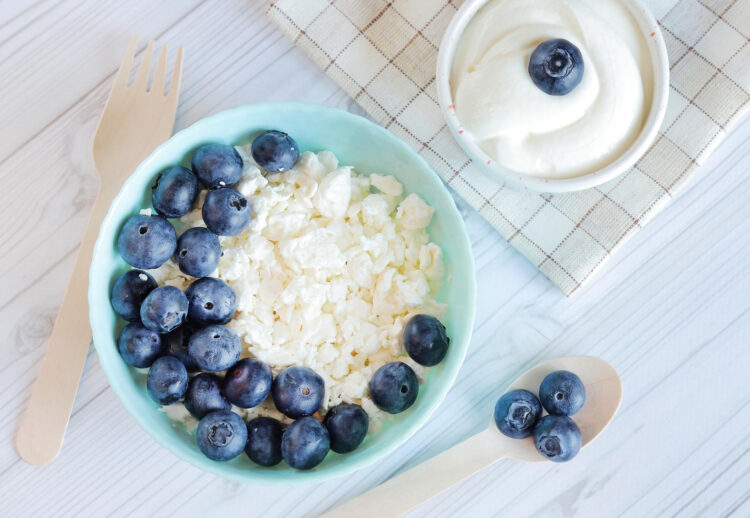
Stop thinking of your bedtime meals as snacks. They are essential for achieving your fitness goals and feeling and looking your best.
Aim for a meal that is high in protein, low in fats, and contains moderate amounts of carbs.
Your exact carb and protein requirements will vary depending on unique factors, like age, gender, weight, activity level, and goals. Use this TDEE calculator to find the targets that match your body and lifestyle.
That said, here are some of my go-to protein and carb sources. You can whip up countless recipes using these ingredients and are literally limited by your own imagination:
Slow-Digesting Proteins
Not all proteins are created equal. You must pick the ones that deliver a consistent supply of amino acids for optimal recovery.
- Casein protein powder
- Cottage cheese
- Greek Yogurt
- Egg whites
- Chicken breast
While casein protein is a convenient option, you shouldn’t overly rely on it. Nutrient-dense whole foods should be your primary food source. Only use supplements to plug the gaps in your diet. Design a meal plan that ensures you hit your calorie goals with real foods.
Complex Carbs

Favor carb sources that ensure a steady energy level without spiking blood sugar, as this can disrupt sleep and hamper your recovery.
- Oats
- Sweet potatoes
- Quinoa
- Brown rice
- Lentils
Remember, meal timing matters just as much as content. Eat your bedtime meal 30-60 minutes before hitting the bed to allow the digestion process to start. Eating too close to your bedtime or a heavy meal can cause stomach discomfort, which can hamper your sleep quality.
While your exact portion size will depend on your lifestyle, expert recommends eating between 30-40 grams of protein (about 1.5 scoops of casein or a cup of cottage cheese) and 20-40 grams of carbs (a half-cup of oats or one small sweet potato) to maximize digestion.
I have coached hundreds of lifters, and those who nail this timing and portioning see measurable gains within weeks.
5 Sample Bedtime Meal Ideas
Now that you know about the best carb and protein ingredients to include in your meals, it is time to put this knowledge to work. I’ve listed five different recipes that you can try today with minimal prep. These will also make your rest days even more flavorful.
The best part about healthy bedtime meals is that they are incredibly simple to prep, ensuring that you can always stay on track with your goals, even if you can’t spend hours in the kitchen. Plus, switching between these bedtime meals will keep your diet exciting and minimize the risk of falling off track.
Recipe 1: Greek Yogurt Parfait

This recipe packs casein protein, ensuring slow-release amino acids, whereas oats deliver steady carbs throughout the night.
Add one cup of plain Greek yogurt into a bowl. Mix in a quarter cup of rolled oats and one tablespoon of honey, and top with a half cup of mixed berries for flavor and antioxidants. Stir gently and refrigerate for 10 minutes if you want it chilled.
This meal contains around 35 grams of protein, 40 grams of carbs, and 350 calories.
You could also prep this in a mason jar for a grab-and-go option.
Recipe 2: Cottage Cheese Power Bowl

We will mix quinoa into the cottage cheese to add complex carbs for glycogen. Begin by adding one cup of low-fat cottage cheese into a bowl. Then, pour in half a cup of cooked quinoa and one tablespoon of chia seeds.
Top with apple slices to satisfy your dinner sweet tooth.
30 grams of protein, 35 grams of carbs, and 320 calories.
Recipe 3: Casein Protein Shake
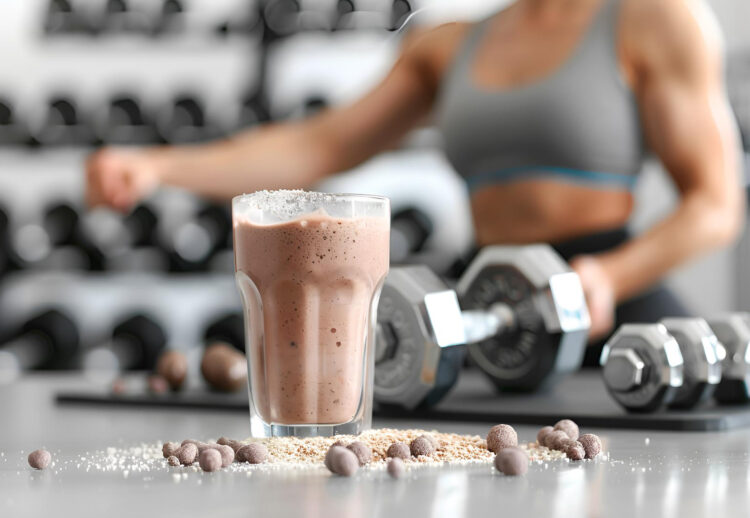
This meal idea is perfect for days when you don’t have the time to step into your kitchen. Plus, casein protein shakes are incredibly satiating. Add a few ingredients, and you might end up eating this with a spoon.
Steps:
- Blend casein powder with almond milk until smooth.
- Add oats and peanut butter, then blend again until the ingredients are consistent.
- Alternatively, you could also use a shaker bottle, but it usually takes more time to prep.
- Pour into a glass and enjoy.
This quick meal recipe delivers 30 grams of protein, 25 grams of carbs, and 300 calories.
Recipe 4: Sweet Potato Protein Mash
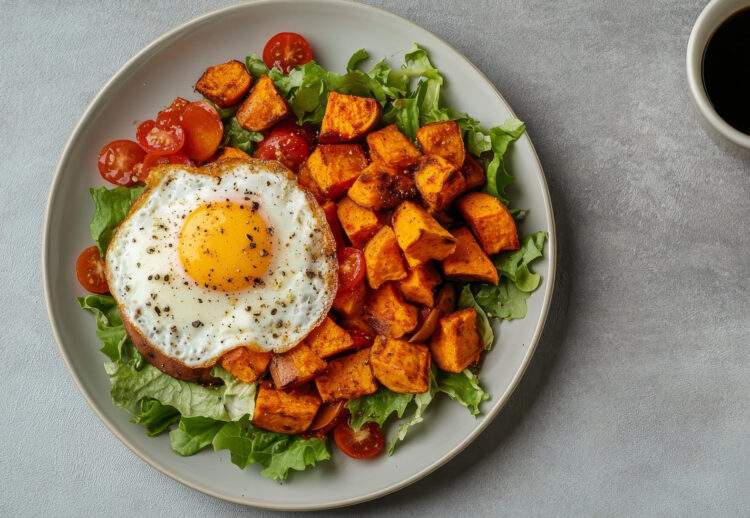
Sweet potatoes are an excellent source of slow-digesting carbs. Adding egg whites to this mix spikes its protein content.
Mash one small baked sweet potato in a bowl. Cook half a cup of egg whites in a pan until set, and then chop finely. Mix the egg whites and a tablespoon of Greek yogurt into the mash and sprinkle cinnamon for flavor.
Tip: Bake sweet potatoes ahead for quick assembly.
This meal delivers 25 grams of protein, 30 grams of carbs, and 280 calories.
Recipe 5: Lentil and Chicken Salad

This is a match made in heaven. Lentils provide fiber and carbs, while chicken breast delivers slow-digesting protein.
- Ingredients: ½ cup cooked lentils, 4 oz grilled chicken breast (diced), 1 cup spinach, 1 tbsp olive oil.
- Steps:
- Toss lentils and chicken in a bowl.
- Add spinach and drizzle with olive oil.
- Mix well to coat and serve fresh.
This meal delivers around 35 grams of protein, 25 grams of carbs, and 340 calories.
Things To Consider
These bedtime meals aren’t reserved for people seeking radical results. These high-protein, low-carb meals can benefit people across the spectrum, including athletes, casual gym-goers, and seniors.
Although a dialed-in diet is essential for every individual, they are even more valuable for folks engaging in high-volume and intensity workouts. People dealing with a lacklister recovery should definitely give these a shot.
Tweak your portion sizes to adapt these meals according to your unique goals, whether you are aiming for hypertrophy, maintenance, or weight loss.
Conclusion
Bedtime meals can be the difference between quitting and crushing your transformation goals. The five meals detailed in this article are high in protein and low in carbs, making them ideal for maximizing recovery, even on your recovery days.
Feel free to tweak these recipes according to your preferences, but make these meals a non-negotiable part of your routine to achieve your true potential. Start by adding one of these meals to your diet and slowly increase the frequency as you get comfortable. Best of luck!
References:
- Atherton PJ, Smith K. Muscle protein synthesis in response to nutrition and exercise. J Physiol. 2012 Mar 1;590(5):1049-57. doi: 10.1113/jphysiol.2011.225003. Epub 2012 Jan 30. PMID: 22289911; PMCID: PMC3381813.
- Kim J. Pre-sleep casein protein ingestion: new paradigm in post-exercise recovery nutrition. Phys Act Nutr. 2020 Jun 30;24(2):6-10. doi: 10.20463/pan.2020.0009. PMID: 32698256; PMCID: PMC7451833.