

Arm Circles vs Left Hook. Boxing: Complete Comparison Guide
Arm Circles vs Left Hook. Boxing is a practical head-to-head to help you pick the right shoulder work for your goals. You’ll get clear differences in muscle targeting, movement mechanics, equipment needs, and risk so you can choose or combine them effectively. I’ll cover which deltoid heads each hits, how the movement vectors and length-tension relationships change activation, simple technique cues, rep ranges for endurance, hypertrophy, and strength, plus recommendations for beginners and home training.
Exercise Comparison
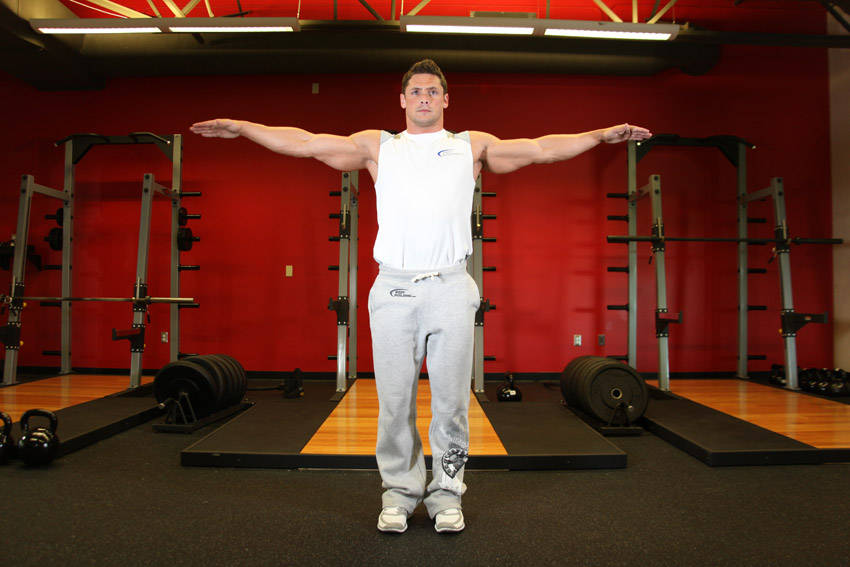
Arm Circles
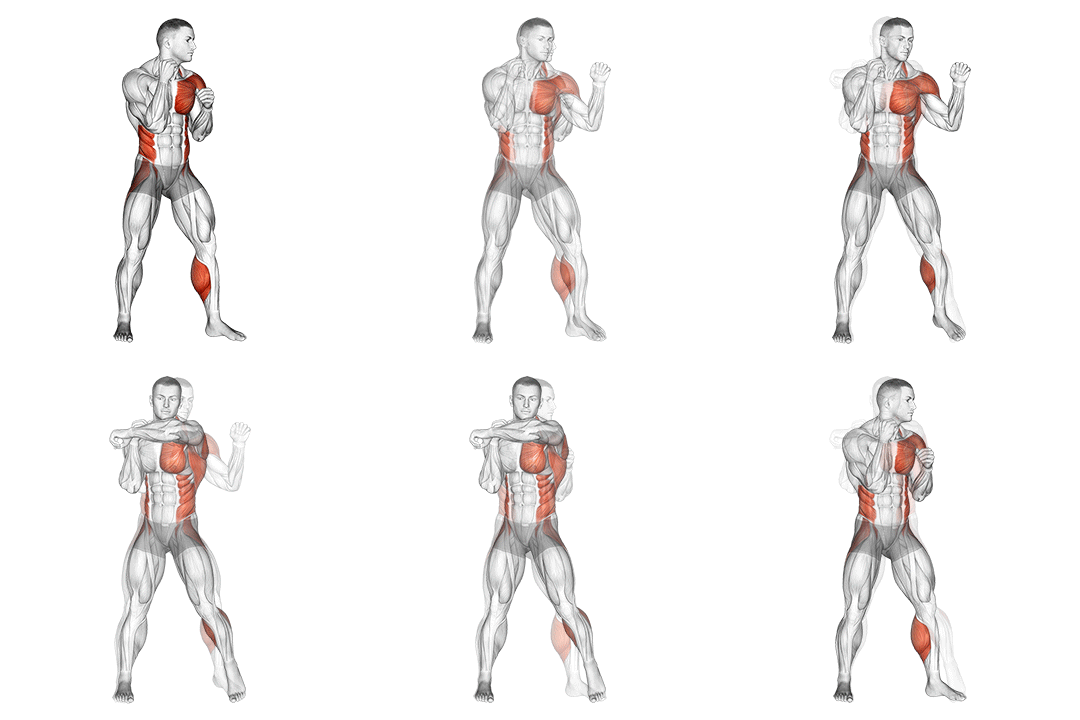
Left Hook. Boxing
Head-to-Head Comparison
| Attribute | Arm Circles | Left Hook. Boxing |
|---|---|---|
| Target Muscle |
Delts
|
Delts
|
| Body Part |
Shoulders
|
Shoulders
|
| Equipment |
Body-weight
|
Body-weight
|
| Difficulty |
Beginner
|
Intermediate
|
| Movement Type |
Isolation
|
Compound
|
| Secondary Muscles |
1
|
3
|
Secondary Muscles Activated
Arm Circles
Left Hook. Boxing
Visual Comparison
Overview
Arm Circles vs Left Hook. Boxing is a practical head-to-head to help you pick the right shoulder work for your goals. You’ll get clear differences in muscle targeting, movement mechanics, equipment needs, and risk so you can choose or combine them effectively. I’ll cover which deltoid heads each hits, how the movement vectors and length-tension relationships change activation, simple technique cues, rep ranges for endurance, hypertrophy, and strength, plus recommendations for beginners and home training.
Key Differences
- Arm Circles is an isolation exercise, while Left Hook. Boxing is a compound movement.
- Difficulty levels differ: Arm Circles is beginner, while Left Hook. Boxing is intermediate.
- Both exercises target the Delts using Body-weight. The main differences are in their movement patterns and muscle activation angles.
Pros & Cons
Arm Circles
+ Pros
- Zero equipment and minimal space required
- Great for warm-ups, scapular control, and shoulder endurance
- Low injury risk when performed with good posture
- Targets deltoids and traps predictably for isolation work
− Cons
- Limited progression for strength or muscle growth
- Low peak force — not ideal for explosive or power development
- Can be less engaging for advanced trainees
Left Hook. Boxing
+ Pros
- High peak deltoid activation for muscle growth and strength
- Develops power by combining hip rotation, core torque, and shoulder drive
- Conditions forearms and elbow flexors/extensors through impact and stabilization
- Easily progressed with bags, mitts, bands, and speed work
− Cons
- Higher technical demand and learning curve
- Greater injury risk if mechanics or protective gear are poor
- Requires more space and often equipment for safe overload
When Each Exercise Wins
Left Hook. Boxing produces higher peak deltoid activation through ballistic horizontal adduction and permits progressive overload (bag or resistance), making it superior for stimulating muscle growth in the anterior and lateral delts. Use controlled heavy bag rounds and 3–5 sets of 6–12 measured strikes to create meaningful mechanical tension.
The compound chain movement of the left hook generates larger force vectors via hip and trunk rotation, allowing you to build functional shoulder strength under load. Implement weighted/ resisted strikes or heavy bag work and train in lower rep ranges (4–8 explosive reps) for strength adaptations.
Arm Circles are simple to learn and reinforce scapular stability and deltoid endurance without high joint torque, so beginners can safely build capacity and correct posture. Start with 2–4 sets of 30–60 seconds focusing on small-to-medium circles and neutral scapula positioning.
Arm Circles require no gear, minimal space, and deliver immediate mobility and endurance benefits, making them ideal for home sessions. They function well as a warm-up or for maintenance programming when you don’t have a bag or training partner.
Frequently Asked Questions
Can I do both Arm Circles and Left Hook. Boxing in the same workout?
Yes. Use Arm Circles as a low-load activation and mobility primer (2–4 sets of 30–60 seconds) before performing Left Hook drills to improve shoulder control and reduce injury risk. Follow with 3–5 sets of controlled strikes or bag rounds, ensuring adequate rest between explosive sets.
Which exercise is better for beginners?
Arm Circles are better for beginners because they teach scapular stability and deltoid endurance with minimal technical demand. Begin with small circles and neutral scapula, then progress to larger arcs or light wrist weights as control improves.
How do the muscle activation patterns differ?
Arm Circles create sustained, low-intensity cyclic activation focusing on time-under-tension and scapular stabilization, while Left Hook. Boxing produces high-velocity, high-peak activation with a brief concentric burst and a stretch-shortening cycle driven by hip and trunk rotation. The hook recruits elbow flexors/extensors and forearms as part of the kinetic chain.
Can Left Hook. Boxing replace Arm Circles?
Left Hook. Boxing can replace Arm Circles for power and hypertrophy goals but not for scapular endurance and gentle mobility work. If you skip Arm Circles, add specific scapular and rotator cuff drills to maintain shoulder health and control before heavy or high-speed striking.
Expert Verdict
Use Arm Circles when your goal is shoulder mobility, scapular control, or conditioning without equipment — they’re low risk and ideal for warm-ups, rehab, and endurance sets (2–4 rounds of 30–60 seconds). Choose Left Hook. Boxing when you want higher peak deltoid loading, power, or sport-specific skill; it uses hip rotation and trunk torque to produce stronger horizontal force vectors and offers clear progression options via bags, bands, or mitts. For balanced development, pair them: start sessions with Arm Circles to prime the shoulder complex, then add controlled Left Hook drills for power and hypertrophy.
Also Compare
More comparisons with Arm Circles
Compare More Exercises
Use our free comparison tool to analyze any two exercises head-to-head.
Compare Exercises