Barbell Decline Close Grip To Skull Press vs Jm Press
Compare target muscles, equipment, difficulty, movement type, and secondary muscles for Barbell Decline Close Grip To Skull Press and Jm Press.
Change comparison Share

Get comparison link

Select the link and use your device's Copy command.

Comparison overview

AI-generated
Barbell Decline Close Grip To Skull Press vs JM Press — two heavy barbell variations aimed at blasting the triceps. You’ll get direct, practical guidance on how each moves the elbow and shoulder, which triceps head each emphasizes, rep ranges and loading cues, and how to program them for hypertrophy or strength. I’ll cover biomechanics (force vectors, length-tension), equipment and setup differences, progressions, and injury risk so you can pick the exercise that matches your goals and training level.
Exercise Comparison

Exercise A
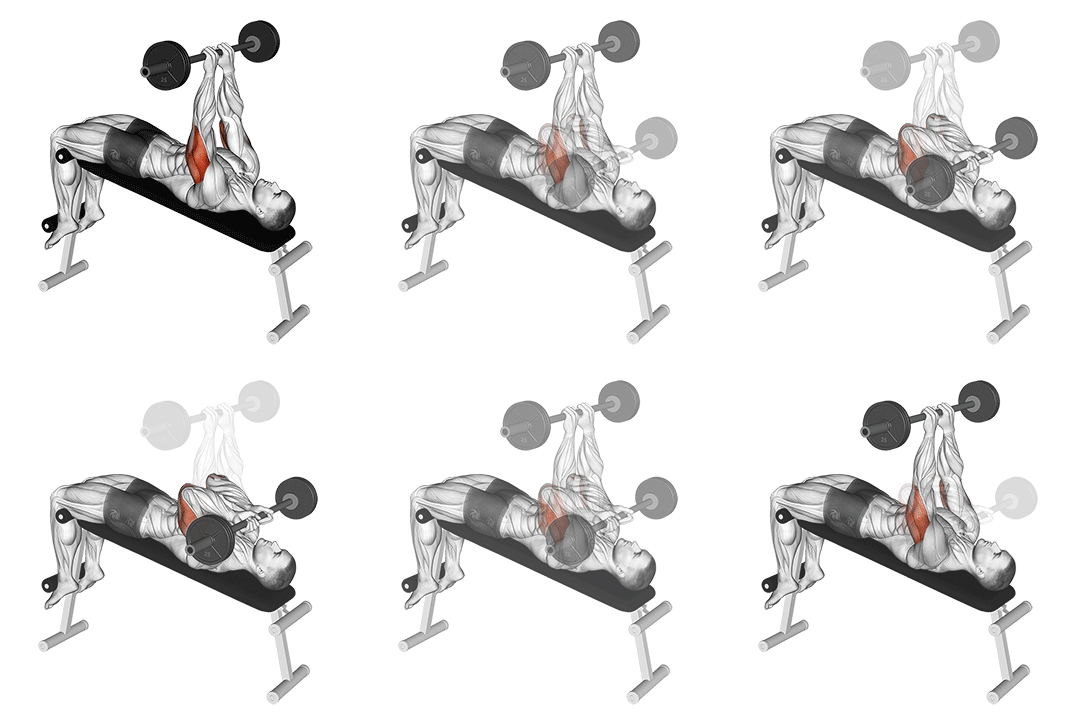
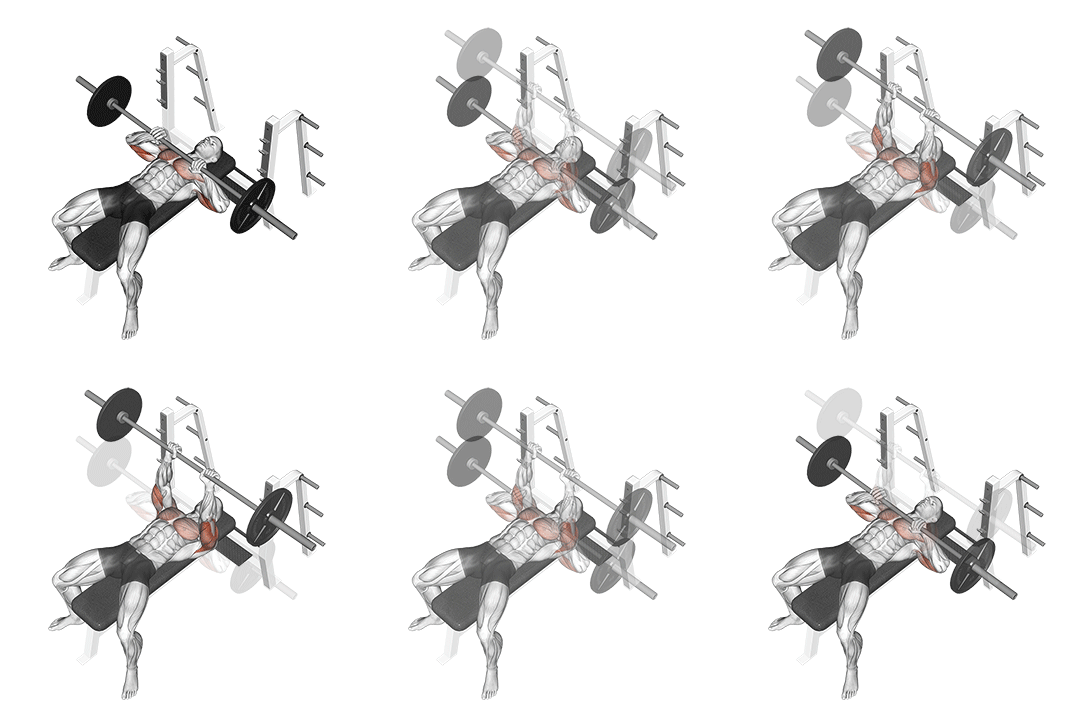
Barbell Decline Close Grip To Skull Press demonstration
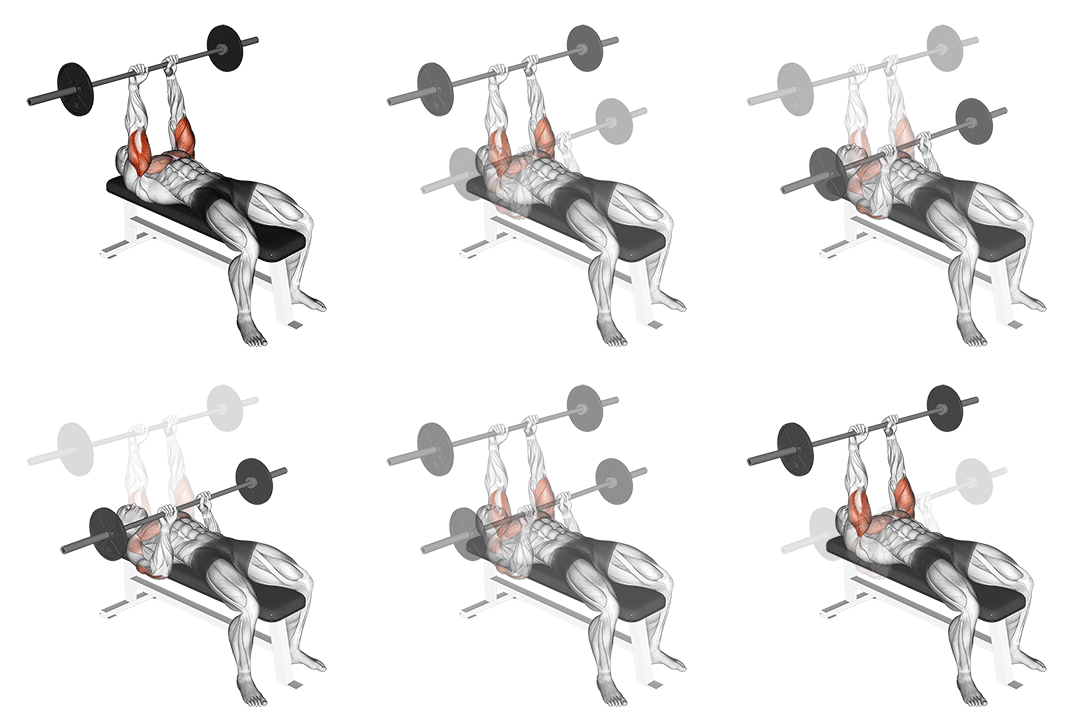
Barbell Decline Close Grip To Skull Press
Target Triceps
Equipment Barbell
Body Part Upper-arms
Difficulty Intermediate
Movement Compound
Secondary Muscles
Chest Shoulders
VS
Exercise B
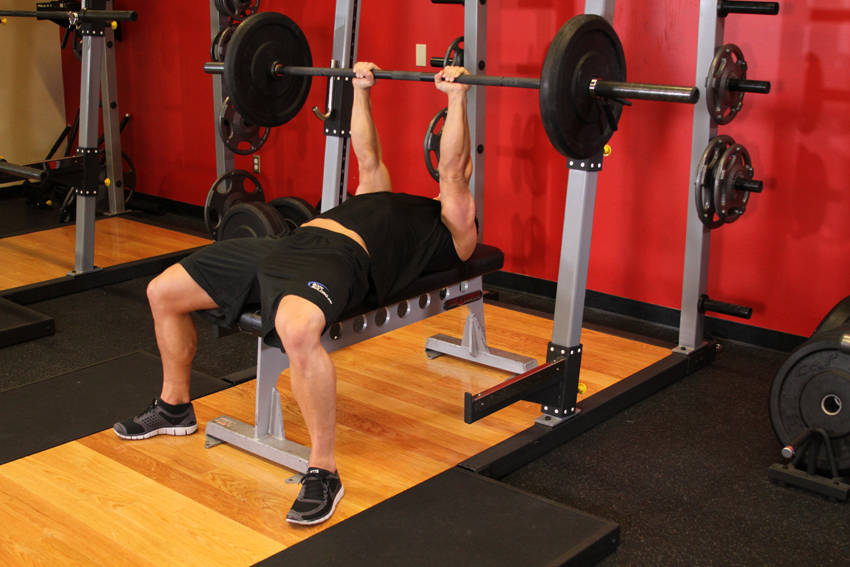
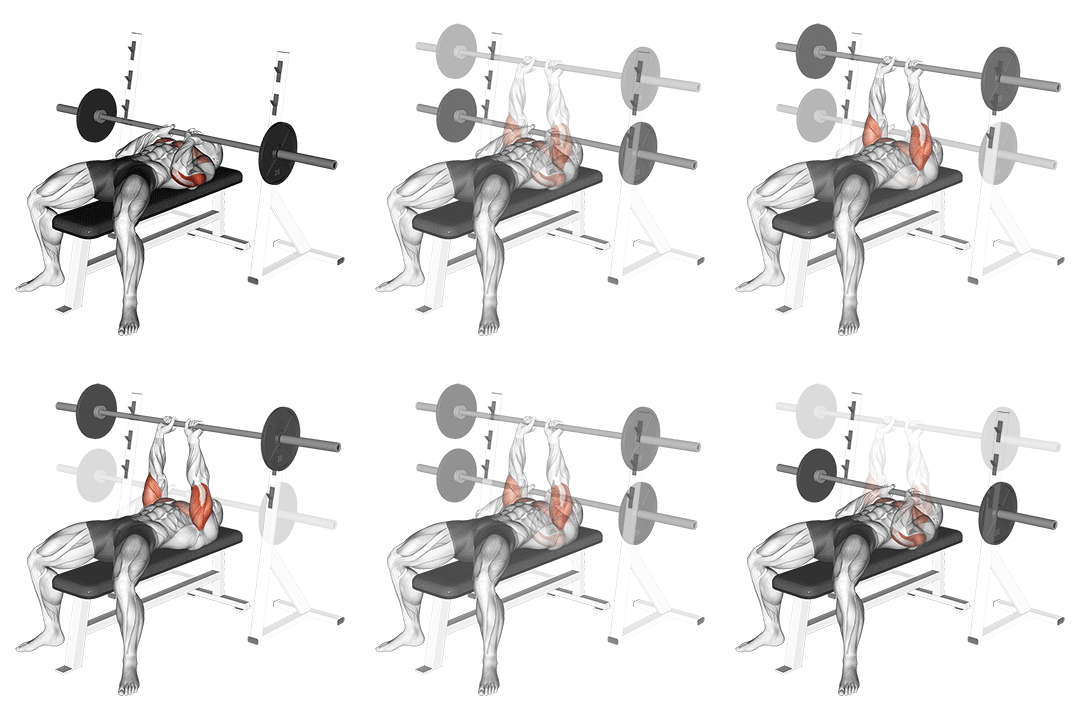
Jm Press demonstration

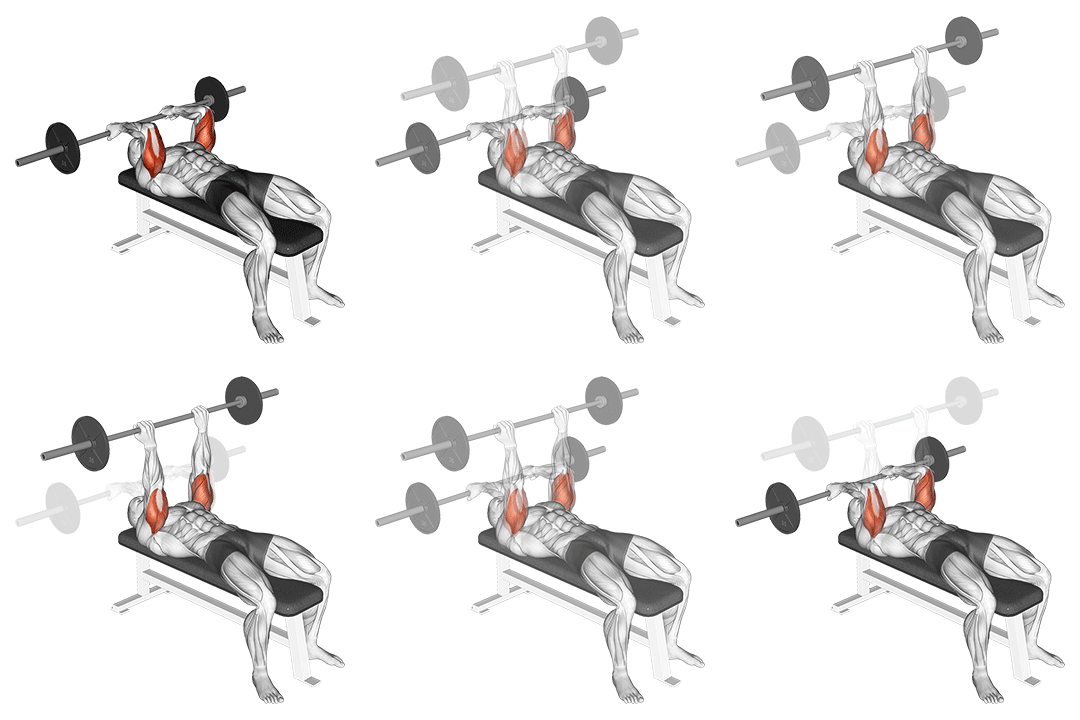
Jm Press

Target Triceps
Equipment Barbell
Body Part Upper-arms
Difficulty Advanced
Movement Compound
Secondary Muscles
Chest Shoulders

Head-to-Head Comparison

Different values are marked. These are catalogue attributes, not performance scores.

Muscles used

Listed target and secondary muscles, shown on the body. Locations, not activation or strength scores.

  • Target
  • Secondary
  • Not highlighted

Barbell Decline Close Grip To Skull Press

Front
Barbell Decline Close Grip To Skull Press: front muscle locationsSolid: listed target. Striped: listed secondary. Grey: not highlighted. Locations, not activation or strength scores. See the muscle names below.
Back
Barbell Decline Close Grip To Skull Press: back muscle locationsSolid: listed target. Striped: listed secondary. Grey: not highlighted. Locations, not activation or strength scores. See the muscle names below.
Target
Triceps
Secondary
Chest, Shoulders

Not shown on diagram: Shoulders. These labels do not identify a precise region on this map.

Jm Press

Front
Jm Press: front muscle locationsSolid: listed target. Striped: listed secondary. Grey: not highlighted. Locations, not activation or strength scores. See the muscle names below.
Back
Jm Press: back muscle locationsSolid: listed target. Striped: listed secondary. Grey: not highlighted. Locations, not activation or strength scores. See the muscle names below.
Target
Triceps
Secondary
Chest, Shoulders

Not shown on diagram: Shoulders. These labels do not identify a precise region on this map.

Grey does not mean a muscle is unused. The diagrams show only the mapped catalogue labels.

Attribute Barbell Decline Close Grip To Skull Press Jm Press
Target Muscle
Triceps
Triceps
Body Part
Upper-arms
Upper-arms
Equipment
Barbell
Barbell
Difficulty Different
Intermediate
Advanced
Movement Type
Compound
Compound
Secondary Muscles
Chest, Shoulders
Chest, Shoulders

Visual Comparison

An illustrative 1–10 profile derived from catalog difficulty, equipment, and listed-muscle fields—not measured performance or muscle activation.

Key Differences

  • Difficulty levels differ: Barbell Decline Close Grip To Skull Press is intermediate, while Jm Press is advanced.
  • Both exercises target the Triceps using Barbell. The catalogue does not establish which exercise is better for an individual goal.

Muscle comparison

Shared target muscles

Both exercises primarily load the triceps brachii through elbow extension under load. The main overlap is high long- and lateral-head recruitment during the concentric phase, with peak tension around mid-range (approximately 30–60° of elbow extension). Both place the bulk of the force on the triceps rather than the chest or deltoids when performed with a true close grip and controlled bar path.

Secondary muscle differences

Barbell Decline Close Grip To Skull Press shifts some load into the lower chest and anterior deltoids because the decline bench changes the torso angle and bar path, producing a slightly more horizontal force vector. The JM Press produces more shoulder stabilization demand and a steeper bar path toward the forehead, increasing shear at the elbow and engaging pecs and anterior delts to a lesser but still meaningful degree.

Muscle involvement analysis

On the decline close-grip skull press the bar travels on a flatter arc, so the triceps operate at slightly shorter muscle lengths at lockout and experience higher force when the shoulder is briefly extended on the decline (length-tension favors mid-range). The JM Press uses a hybrid bench-to-skull crusher path: greater elbow flexion with the shoulder fixed, so the long head works through a longer length at the bottom and experiences higher shear at the elbow joint during the eccentric portion.

Equipment and setup

Barbell Decline Close Grip To Skull Press: setup

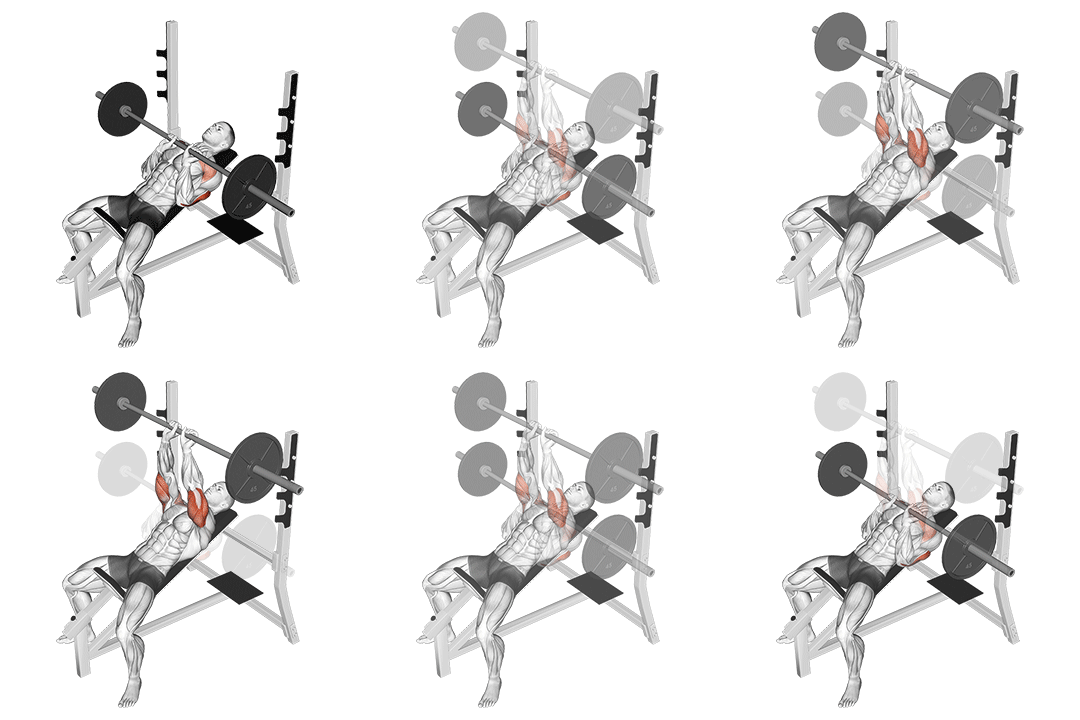
Barbell Decline Close Grip To Skull Press requires a decline bench, barbell with collars, and a spotter or safety pins. Decline angle typically 15–30° gives the intended force vector.

Jm Press: setup

JM Press requires only a flat bench, barbell and collars. You need solid elbow health and, ideally, a spotter or light safety pins due to the bar path bringing weight close to the face.

Access and practicality

JM Press — it needs less specialized equipment (no decline bench) and is easier to set up in most gyms. That said, it demands better elbow control, so accessibility depends on your joint health.

Learning and progression

Learning the movements

Barbell Decline Close Grip To Skull Press is intermediate: learning the decline setup and bar path takes a few sessions, but it’s mechanically more forgiving. The JM Press is advanced: the angled bar path and elbow stress require practiced form and incremental loading.

Progression considerations

Both scale with load and volume, but the JM Press offers finer progression for heavy triceps strength work because you can load closer to heavy bench weights and use low-rep sets (3–6). The decline close-grip variation is excellent for hypertrophy blocks (6–12 reps) and higher-volume accumulation.

Limitations and precautions

JM Press carries higher elbow joint shear and therefore higher injury risk for lifters with prior UCL or distal biceps issues. The decline close-grip can stress the shoulders if the decline angle is too steep or the bar path drifts too far back, but overall has lower elbow shear.

Pros & Cons

Barbell Decline Close Grip To Skull Press

+ Pros

  • Strong mid-range triceps tension with decline bench force vector
  • Good for hypertrophy: clean 6–12 rep range and higher time under tension
  • Reduced elbow shear compared with JM Press
  • Easier to keep bar path controlled on the decline bench (15–30°)

− Cons

  • Requires a decline bench and spotter or safety setup
  • Can load the lower chest and anterior delts, reducing pure triceps isolation
  • Decline setup may be awkward for some lifters and limits rack compatibility

Jm Press

+ Pros

  • High potential for heavy triceps strength work and low-rep loading
  • Minimal equipment: flat bench and barbell
  • Hybrid movement that targets long head via increased elbow flexion range
  • Compact bar path works well as a finishing movement or heavy triceps day staple

− Cons

  • Higher elbow shear and risk for tendon irritation
  • Steep technical learning curve—requires precise wrist/elbow alignment
  • Less chest involvement may limit overall pressing transfer for some lifters

When Each Exercise Wins

1
For muscle hypertrophy: Barbell Decline Close Grip To Skull Press

The decline setup produces a flatter force vector and allows safer higher-volume sets in the 6–12 rep range. Mid-range tension and lower elbow shear make it better for repeated hypertrophy-focused sessions.

2
For strength gains: JM Press

JM Press lets you target heavy loads and low reps (3–6) with a bar path that transfers well to heavy close-grip benching and lockout strength, making it superior for pure triceps force development.

3
For beginners: Barbell Decline Close Grip To Skull Press

Its movement pattern is more forgiving to learn, and the decline bench reduces extreme elbow shear. Beginners can learn bar path and tempo without the fine motor control JM Press requires.

4
For home workouts: JM Press

The JM Press only needs a flat bench and barbell, which are more likely to be available at home than a decline bench. It’s efficient for compact programming when equipment is limited.

Frequently Asked Questions

Can I do both Barbell Decline Close Grip To Skull Press and JM Press in the same workout?

Yes — pair them strategically: use the JM Press for your heavy working sets early (3–6 reps) and finish with the decline close-grip variation for higher-volume pumps (8–12 reps). Keep total weekly volume and load progression in check to avoid elbow overuse.

Which exercise is better for beginners?

Barbell Decline Close Grip To Skull Press is better for beginners because the decline bench constrains the bar path and reduces excessive elbow shear. Beginners can focus on tempo and range of motion in the 6–12 rep range while building joint resilience.

How do the muscle activation patterns differ?

The decline close-grip variation shifts some horizontal pressing load to the lower chest and anterior deltoid while keeping triceps mid-range tension. The JM Press increases elbow flexion range and long-head stretch during the eccentric phase, creating higher long‑head stimulus but also greater elbow shear.

Can JM Press replace Barbell Decline Close Grip To Skull Press?

JM Press can replace it for triceps strength-focused phases, but it shouldn’t wholly replace the decline close-grip in hypertrophy cycles or for lifters with elbow sensitivity. Use JM Press when you need heavy, low-rep triceps overload and the decline variation for volume and lower joint stress.

Comparison Summary

Choose the Barbell Decline Close Grip To Skull Press when your priority is safe, repeatable hypertrophy and you have access to a decline bench and spotter. Its force vector and mid-range tension make it ideal for volume blocks (6–12 reps) with lower elbow shear. Pick the JM Press when you want to build raw triceps strength and can manage a steeper learning curve; use it for low-rep strength phases (3–6 reps) and careful loading progression. If you have elbow irritation, favor the decline close-grip variant. Alternate them across blocks to combine hypertrophy and strength benefits.

Exercise instructions

Steps from the exercise catalogue. Read the full sequence before starting.

Barbell Decline Close Grip To Skull Press

  1. Lie on a decline bench with your head lower than your feet and hold a barbell with a close grip.
  2. Lower the barbell towards your forehead by bending your elbows, keeping your upper arms stationary.
  3. Pause for a moment, then extend your arms to press the barbell back up to the starting position.
Read remaining steps for Barbell Decline Close Grip To Skull Press
  1. Repeat for the desired number of repetitions.

Jm Press

  1. Start the exercise the same way you would a close grip bench press. You will lie on a flat bench while holding a barbell at arms length (fully extended) with the elbows in. However, instead of having the arms perpendicular to the torso, make sure the bar is set in a direct line above the upper chest. This will be your starting position.
  2. Now beginning from a fully extended position lower the bar down as if performing a lying triceps extension. Inhale as you perform this movement. When you reach the half way point, let the bar roll back about one inch by moving the upper arms towards your legs until they are perpendicular to the torso. Tip: Keep the bend at the elbows constant as you bring the upper arms forward.
  3. As you exhale, press the bar back up by using the triceps to perform a close grip bench press.
Read remaining steps for Jm Press
  1. Now go back to the starting position and start over.
  2. Repeat for the recommended amount of repetitions.

Also Compare

Compare another pair

Choose two exercises to see their differences side by side.

Compare Exercises