

Barbell Floor Calf Raise vs Barbell Seated Calf Raise: Complete Comparison Guide
Barbell Floor Calf Raise vs Barbell Seated Calf Raise — if you want stronger, thicker lower-legs, you need to pick the right variation for your goals. In this guide you’ll get clear technique cues, biomechanical reasons why knee angle changes muscle length-tension, rep ranges for hypertrophy and strength, equipment lists, and programming tips. I’ll compare which exercise stresses the gastrocnemius versus the soleus-dominant pattern, how secondary muscles like hamstrings and quads are involved, and give actionable progressions so you can choose the move that best fits your training plan.
Exercise Comparison
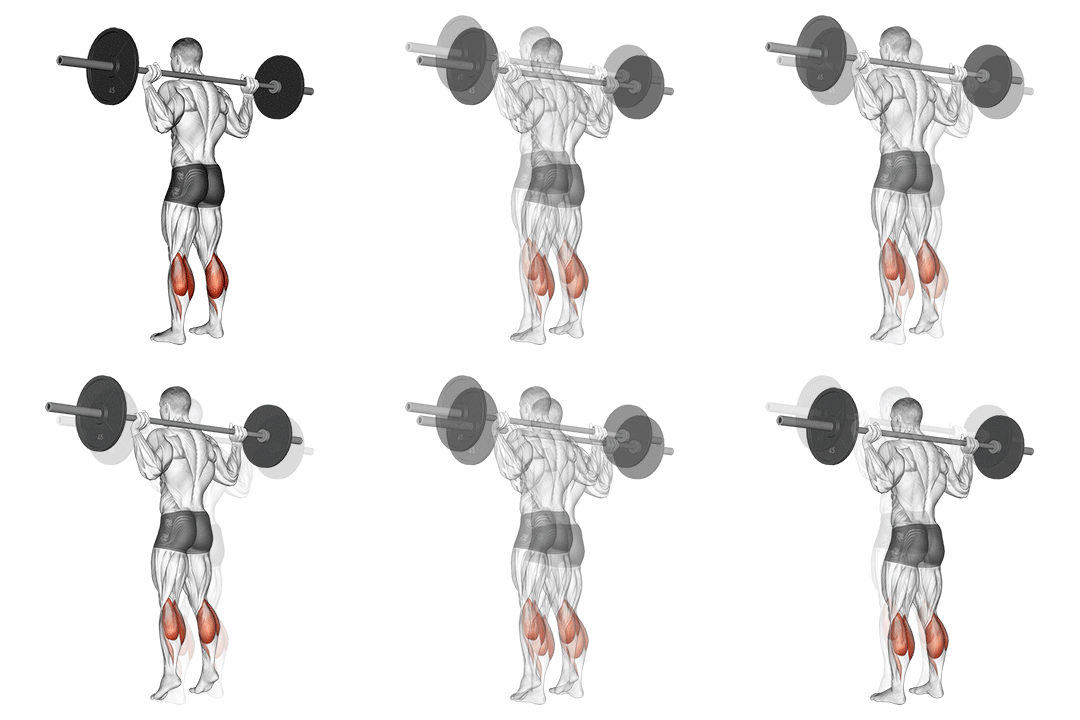
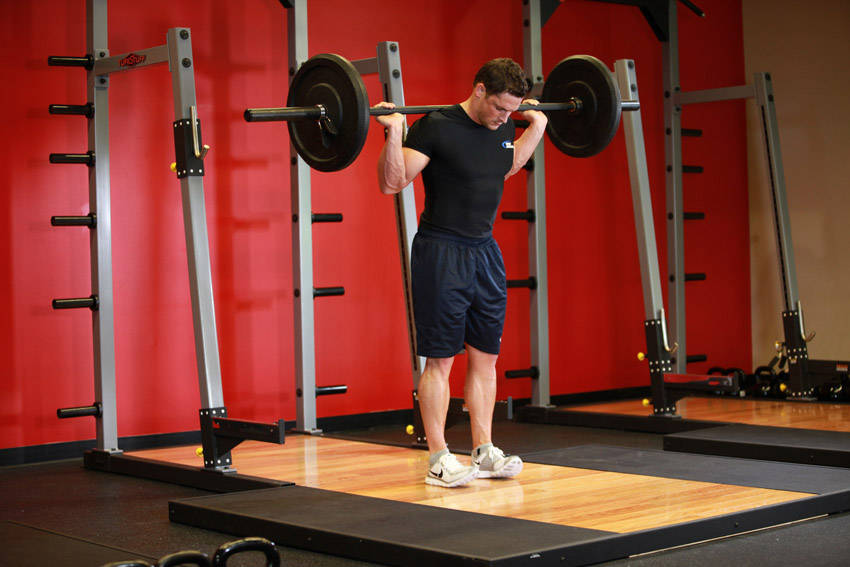
Barbell Floor Calf Raise
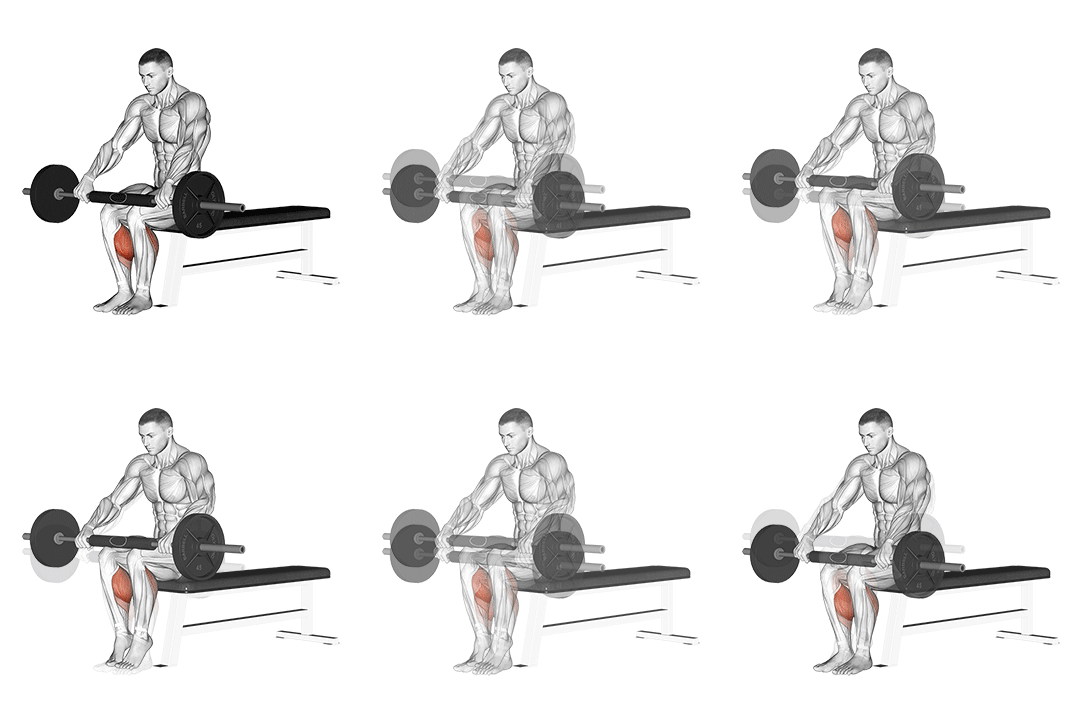
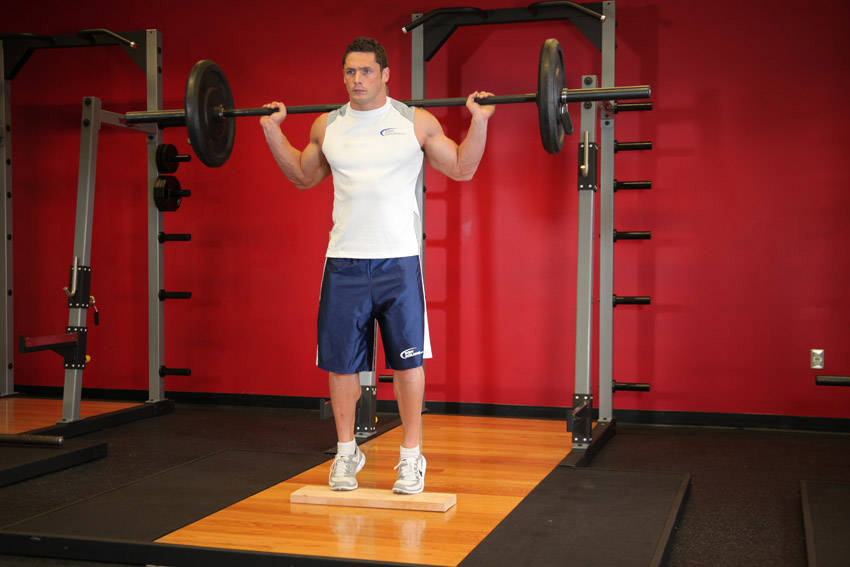
Barbell Seated Calf Raise
Head-to-Head Comparison
| Attribute | Barbell Floor Calf Raise | Barbell Seated Calf Raise |
|---|---|---|
| Target Muscle |
Calves
|
Calves
|
| Body Part |
Lower-legs
|
Lower-legs
|
| Equipment |
Barbell
|
Barbell
|
| Difficulty |
Beginner
|
Beginner
|
| Movement Type |
Isolation
|
Isolation
|
| Secondary Muscles |
1
|
2
|
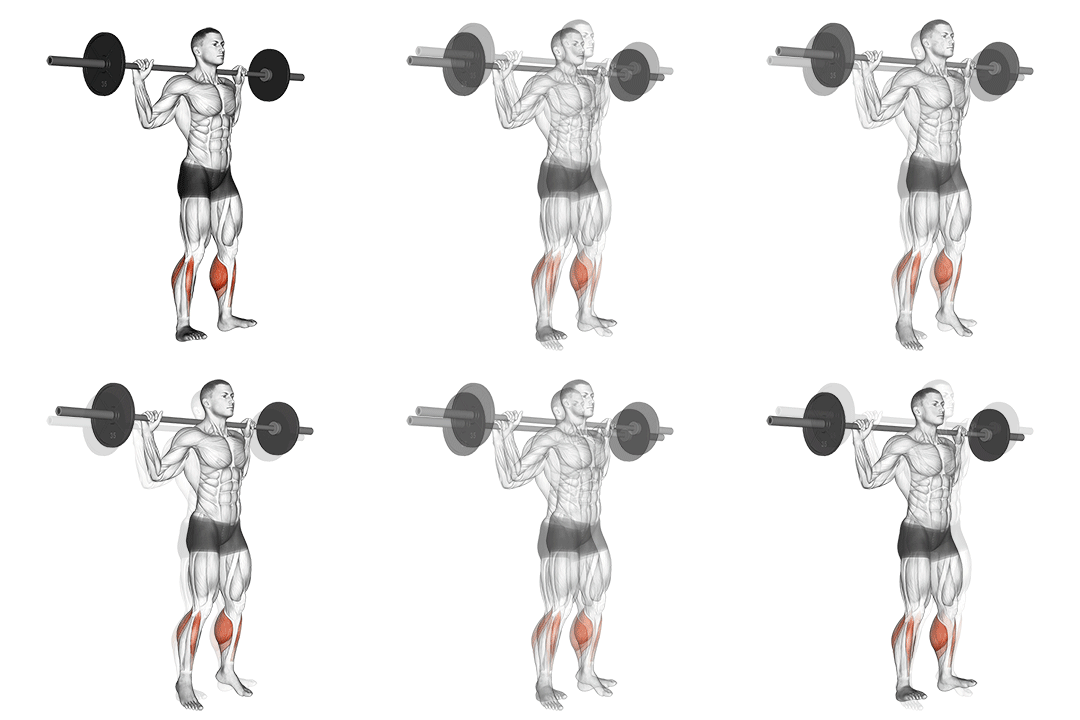
Secondary Muscles Activated
Barbell Floor Calf Raise
Barbell Seated Calf Raise
Visual Comparison
Overview
Barbell Floor Calf Raise vs Barbell Seated Calf Raise — if you want stronger, thicker lower-legs, you need to pick the right variation for your goals. In this guide you’ll get clear technique cues, biomechanical reasons why knee angle changes muscle length-tension, rep ranges for hypertrophy and strength, equipment lists, and programming tips. I’ll compare which exercise stresses the gastrocnemius versus the soleus-dominant pattern, how secondary muscles like hamstrings and quads are involved, and give actionable progressions so you can choose the move that best fits your training plan.
Key Differences
- Both exercises target the Calves using Barbell. The main differences are in their movement patterns and muscle activation angles.
Pros & Cons
Barbell Floor Calf Raise
+ Pros
- Stronger gastrocnemius recruitment when knee is extended
- Simpler setup — just a barbell and floor
- Allows heavier absolute loading for strength work
- Easier to perform single-leg variations for unilateral balance
− Cons
- Higher spinal and posterior chain stabilization demand with heavy loads
- Less isolated soleus emphasis
- Limited seated-style stretch on the soleus when knee is flexed
Barbell Seated Calf Raise
+ Pros
- Shifts emphasis to the soleus by flexing the knee
- Lower lumbar load compared with standing barbell variations
- Better for high-rep, long time-under-tension sets (12–25 reps)
- Comfortable for lifters with limited ankle dorsiflexion when adapted
− Cons
- Requires a bench/box and proper thigh support for consistent loading
- Generally lower absolute loading capacity than standing variations
- Gastrocnemius contribution is reduced, limiting overall calf thickness stimulus if used alone
When Each Exercise Wins
Seated raises load the soleus, a high-endurance, largely slow-twitch muscle best stimulated with 12–25 reps and long time under tension. Use controlled 2–3s eccentrics and 8–15 sets per week per muscle for robust muscle growth.
Floor raises let you use heavier absolute loads and a more favorable gastrocnemius length-tension with the knee extended, which translates better to maximal plantarflexion strength under load.
Simpler setup and a straightforward movement pattern make the floor raise easier to learn. Start with bodyweight or light barbell, focus on full ROM and 8–15 reps before adding weight.
Requires minimal equipment — just a barbell and space — whereas seated raises need a stable bench or elevated surface and precise bar placement on the thighs.
Frequently Asked Questions
Can I do both Barbell Floor Calf Raise and Barbell Seated Calf Raise in the same workout?
Yes — pairing them is effective because they bias different parts of the calf complex. Do a heavy standing variant first (6–12 reps) when fresh, then follow with seated sets (12–20 reps) to target the soleus and increase total time under tension.
Which exercise is better for beginners?
Barbell Floor Calf Raise is typically better for beginners due to its simpler movement and minimal setup. Start light, focus on a controlled 2–3 second eccentric and a full concentric squeeze, and keep knee tracking neutral.
How do the muscle activation patterns differ?
Knee angle drives activation: an extended knee during floor raises places gastrocnemius closer to optimal length for force production, while a ~90° knee in seated raises shortens the gastrocnemius and increases soleus contribution. Control ankle dorsiflexion to load the stretch portion of the curve.
Can Barbell Seated Calf Raise replace Barbell Floor Calf Raise?
Seated raises can replace floor raises if your goal is soleus hypertrophy or you need lower spinal loading, but they won’t match the heavy-loading potential and gastrocnemius emphasis of the standing floor variation. For complete calf development rotate both across weeks.
Expert Verdict
Use the Barbell Floor Calf Raise when you want heavier loading, stronger gastrocnemius development, and a simple setup for strength-focused work. Pick the Barbell Seated Calf Raise when your goal is to target the soleus with higher reps and longer time under tension or when you need to reduce lumbar loading. For balanced calf development include both across a training week: 1–2 heavy standing sessions (6–12 reps) and 1–2 seated sessions emphasizing 12–20+ reps and slow eccentrics. Progress by adding 2.5–5% load, increasing ROM, and employing single-leg variations once your form is consistent.
Also Compare
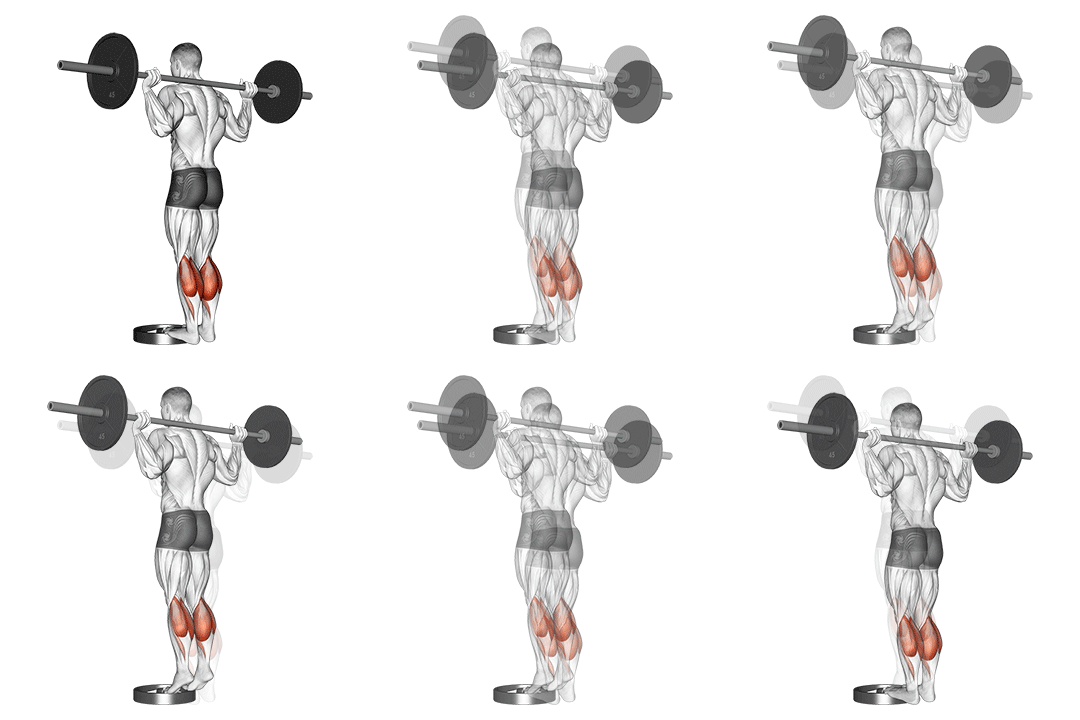
More comparisons with Barbell Floor Calf Raise
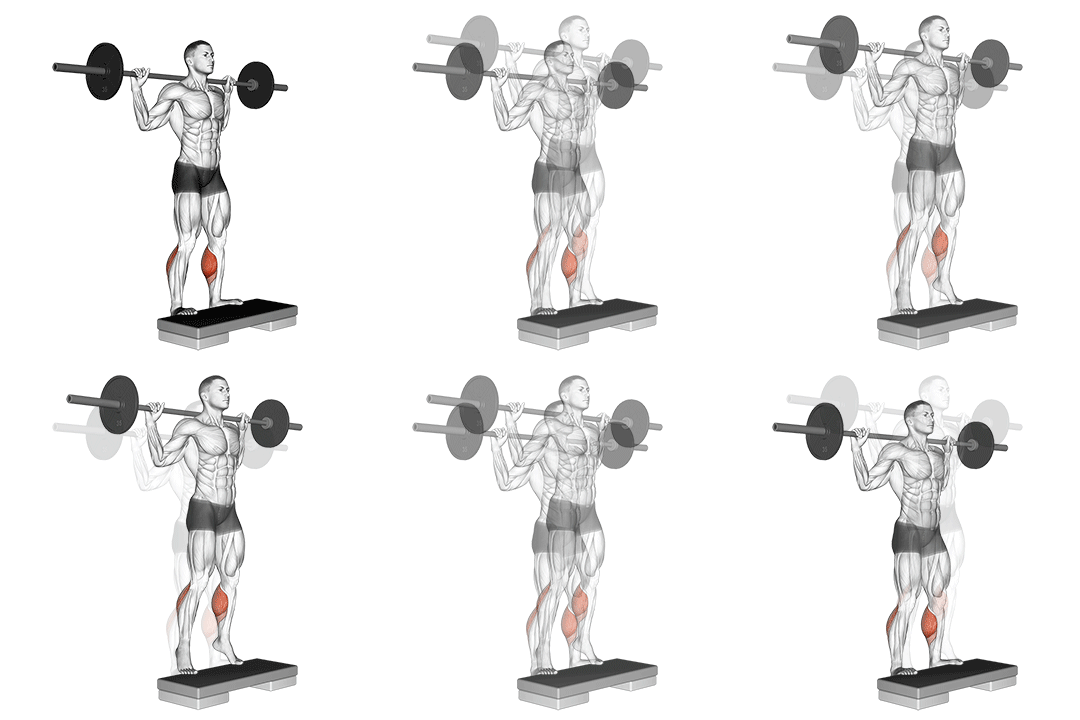
More comparisons with Barbell Seated Calf Raise
Compare More Exercises
Use our free comparison tool to analyze any two exercises head-to-head.
Compare Exercises