

Barbell Seated Calf Raise vs Barbell Standing Rocking Leg Calf Raise: Complete Comparison Guide
Barbell Seated Calf Raise vs Barbell Standing Rocking Leg Calf Raise — two barbell-based isolation moves that hit your calves differently. If you want clearer direction for building thicker lower-legs, improving single-leg strength, or picking the safest option while training, this comparison lays it out. I’ll cover muscle emphasis, biomechanics (knee angle, length-tension, force vectors), equipment needs, learning curve, and concrete rep/load cues so you can pick the best exercise for your goals and program.
Exercise Comparison
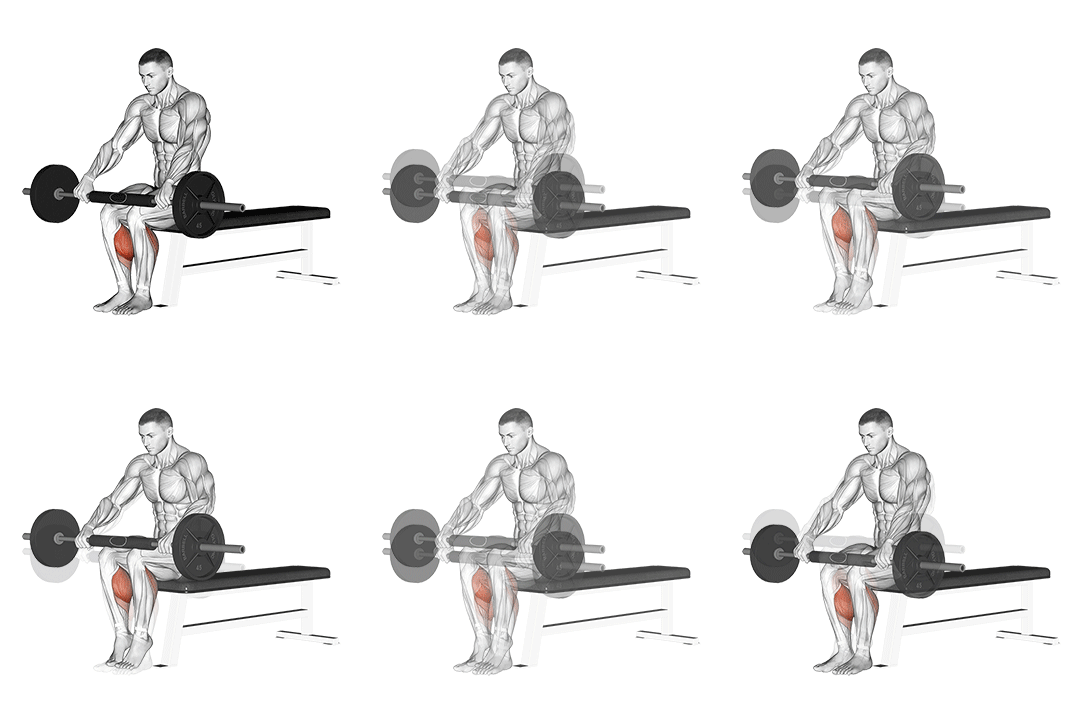
Barbell Seated Calf Raise
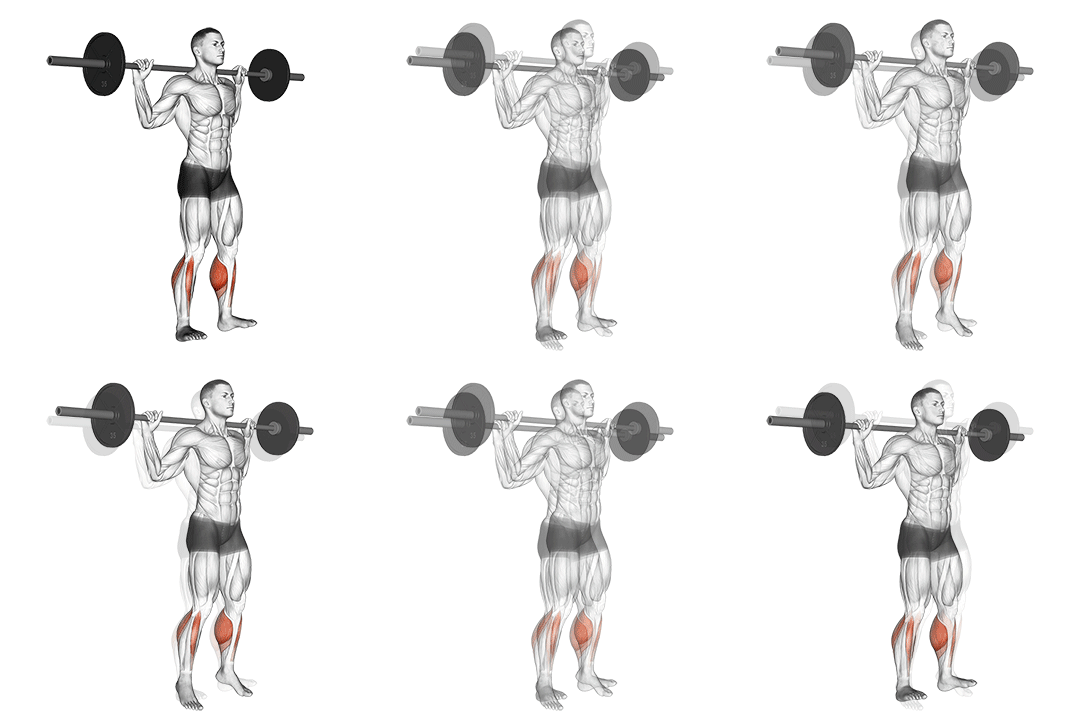
Barbell Standing Rocking Leg Calf Raise
Head-to-Head Comparison
| Attribute | Barbell Seated Calf Raise | Barbell Standing Rocking Leg Calf Raise |
|---|---|---|
| Target Muscle |
Calves
|
Calves
|
| Body Part |
Lower-legs
|
Lower-legs
|
| Equipment |
Barbell
|
Barbell
|
| Difficulty |
Beginner
|
Intermediate
|
| Movement Type |
Isolation
|
Isolation
|
| Secondary Muscles |
2
|
2
|
Secondary Muscles Activated
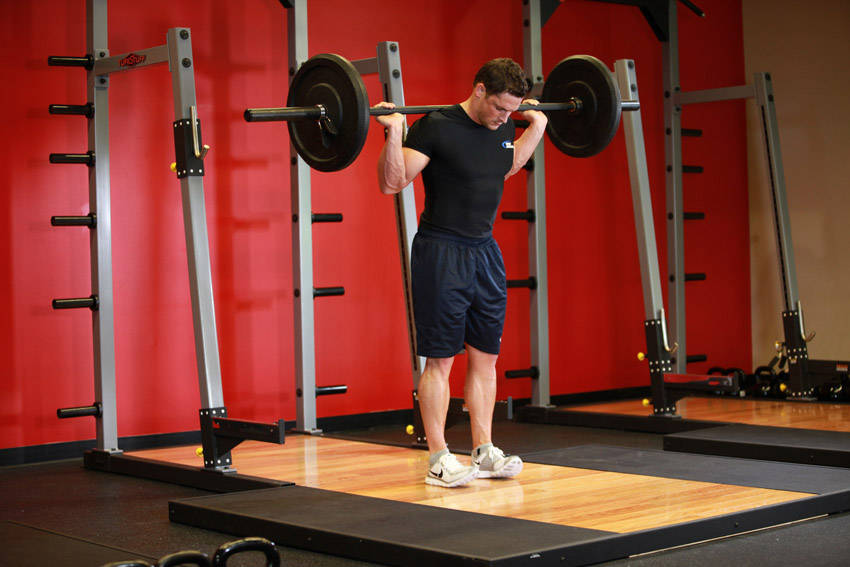
Barbell Seated Calf Raise
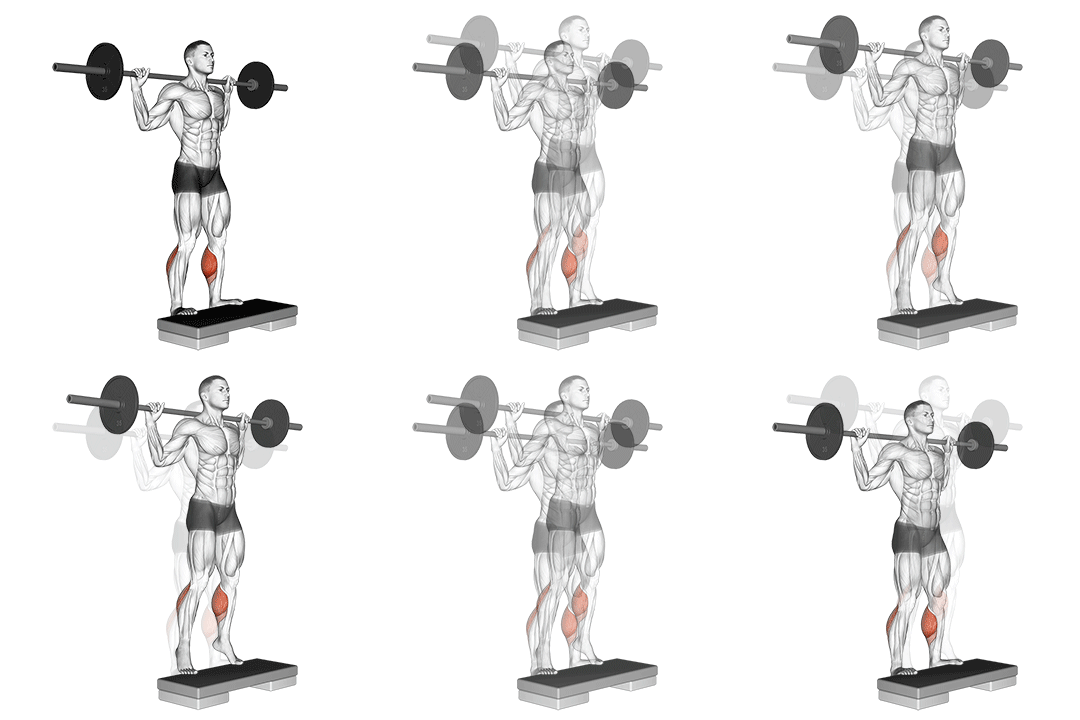
Barbell Standing Rocking Leg Calf Raise
Visual Comparison
Overview
Barbell Seated Calf Raise vs Barbell Standing Rocking Leg Calf Raise — two barbell-based isolation moves that hit your calves differently. If you want clearer direction for building thicker lower-legs, improving single-leg strength, or picking the safest option while training, this comparison lays it out. I’ll cover muscle emphasis, biomechanics (knee angle, length-tension, force vectors), equipment needs, learning curve, and concrete rep/load cues so you can pick the best exercise for your goals and program.
Key Differences
- Difficulty levels differ: Barbell Seated Calf Raise is beginner, while Barbell Standing Rocking Leg Calf Raise is intermediate.
- Both exercises target the Calves using Barbell. The main differences are in their movement patterns and muscle activation angles.
Pros & Cons
Barbell Seated Calf Raise
+ Pros
- Strong soleus emphasis — ideal for high-rep hypertrophy (12–25 reps)
- Stable seated base reduces balance demands and spinal shear
- Easier to teach and cue — good for beginners
- Allows consistent time-under-tension and controlled eccentrics
− Cons
- Requires a bench/box and thigh padding for comfort
- Less carryover to single-leg balance and athletic tasks
- Reduces gastrocnemius contribution due to knee flexion
Barbell Standing Rocking Leg Calf Raise
+ Pros
- Greater gastrocnemius activation and functional single-leg strength
- Requires minimal dedicated equipment (step + barbell)
- Offers wide progression options via unilateral overload and tempo
- Improves ankle stability, proprioception, and coordination
− Cons
- Higher balance and coordination demand — steeper learning curve
- Greater spinal and ankle loading if technique breaks down
- Harder to maintain strict tempo and consistent ROM under heavy load
When Each Exercise Wins
Seated raises bias the soleus and let you sustain higher reps (12–25) with steady time under tension, which suits hypertrophy. The stable position lets you focus on long controlled eccentrics and full plantarflexion without balance loss.
Unilateral standing rocking raises produce higher peak gastrocnemius torque and force-vector specificity for single-leg strength. You can progressively overload with heavier unilateral loads and explosive concentric actions for strength transfer.
Seated raises have a low technical barrier, stable support, and straightforward ankle-driven movement, making them the safest starting point to build calf endurance and teach the plantarflexion pattern.
You often have a barbell and a sturdy step at home but not a bench set up for thigh-loaded seated raises. The standing rocking version requires less gear and delivers functional unilateral work in limited space.
Frequently Asked Questions
Can I do both Barbell Seated Calf Raise and Barbell Standing Rocking Leg Calf Raise in the same workout?
Yes — pairing them is effective. Do seated raises first for volume (12–20 reps) to target the soleus, then add 2–4 sets of standing rocking-leg raises for unilateral strength and gastrocnemius recruitment.
Which exercise is better for beginners?
Barbell Seated Calf Raise is better for beginners because the seated position reduces balance demands and isolates the ankle joint, making it easier to learn proper plantarflexion mechanics.
How do the muscle activation patterns differ?
Seated raises shift length-tension toward the soleus (knee ~90°), giving sustained low-velocity activation; standing rocking-leg raises keep the gastrocnemius long and active (knee extended), producing higher peak forces and a pronounced stretch-shortening cycle.
Can Barbell Standing Rocking Leg Calf Raise replace Barbell Seated Calf Raise?
It can for strength and functional carryover, but it won’t replace soleus-focused volume. If your program lacks seated work, include higher-rep unilateral or bent-knee variations to ensure balanced calf development.
Expert Verdict
Use the Barbell Seated Calf Raise when your goal is reliable hypertrophy of the soleus, tight tempo control, and a low-skill option for higher rep sets (12–25 reps). Pick the Barbell Standing Rocking Leg Calf Raise when you need single-leg strength, gastrocnemius emphasis, and functional carryover—progress via heavier unilateral loading, pauses, or explosive reps (6–12 heavy reps or controlled 8–15 reps with tempo). For well-rounded calf development, alternate both: prioritize seated work for volume blocks and standing rocking-leg work in strength or sport-specific phases.
Also Compare
More comparisons with Barbell Seated Calf Raise
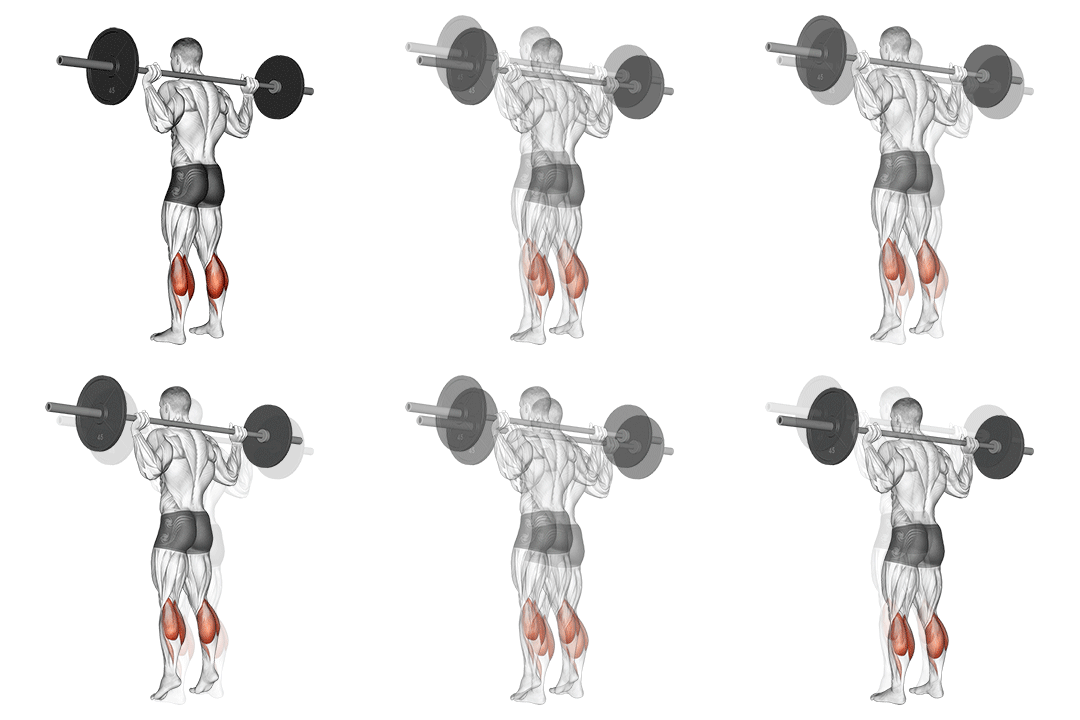
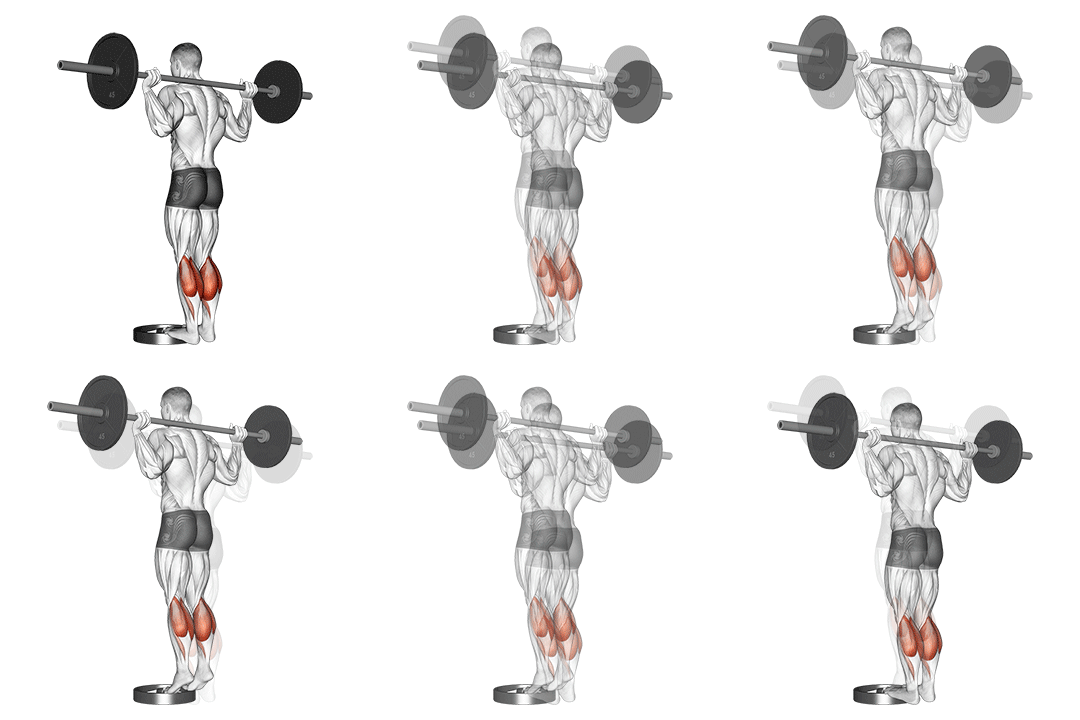
More comparisons with Barbell Standing Rocking Leg Calf Raise
Compare More Exercises
Use our free comparison tool to analyze any two exercises head-to-head.
Compare Exercises