

Barbell Floor Calf Raise vs Standing Barbell Calf Raise: Complete Comparison Guide
Barbell Floor Calf Raise vs Standing Barbell Calf Raise — if you want bigger, stronger calves you need to pick the right tool. You’ll get a clear breakdown of how each move loads the gastrocnemius and soleus, which one gives more range of motion, and practical cues so you can perform each safely. I’ll cover biomechanics (knee angle, ankle ROM, length-tension), equipment needs, progression options, and quick programming tips including rep ranges and set recommendations so you can choose the best option for your goals.
Exercise Comparison
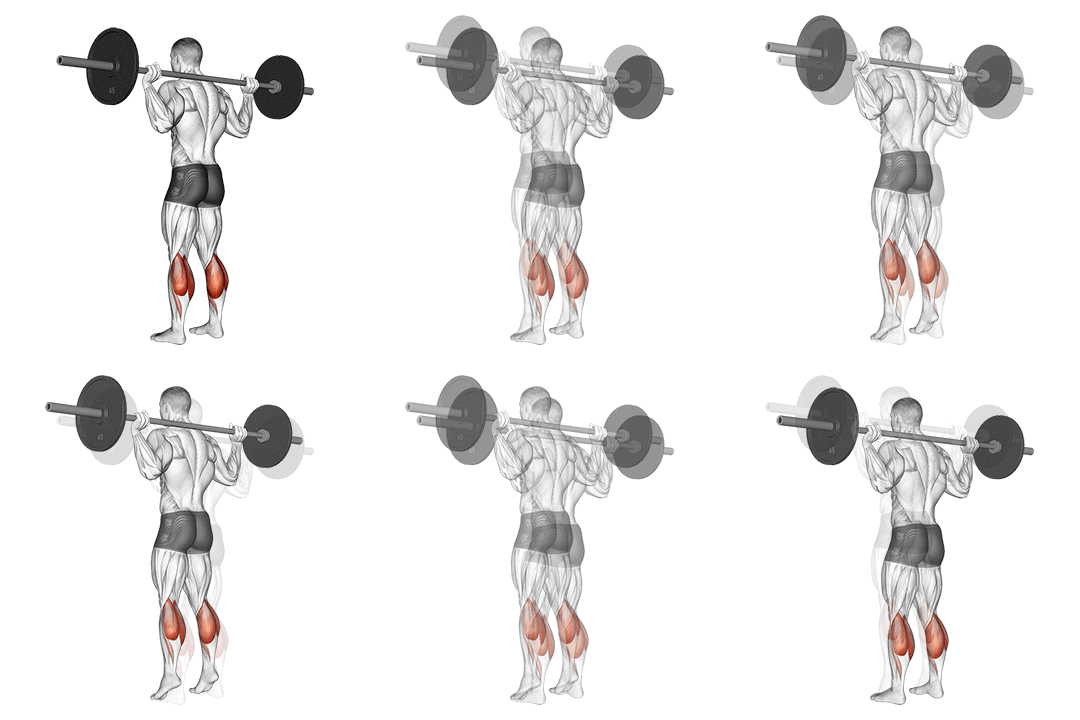
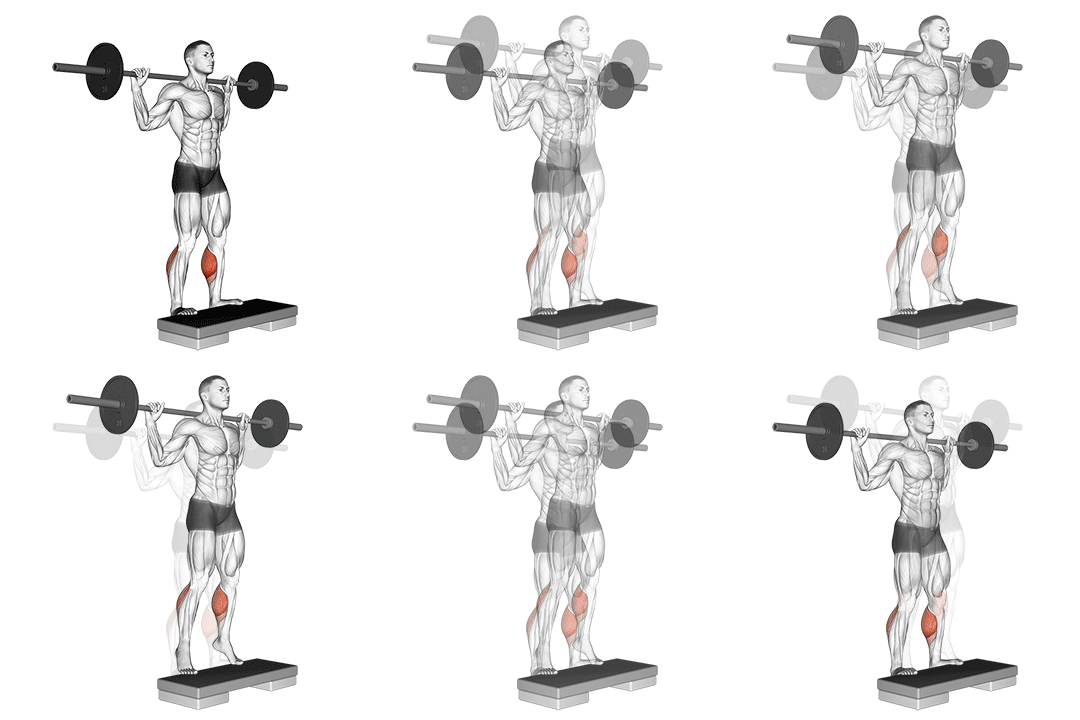
Barbell Floor Calf Raise
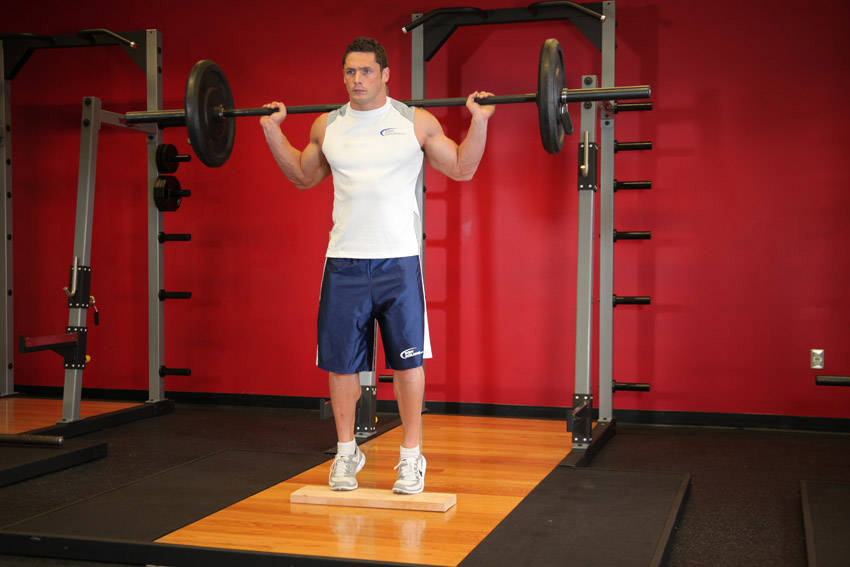
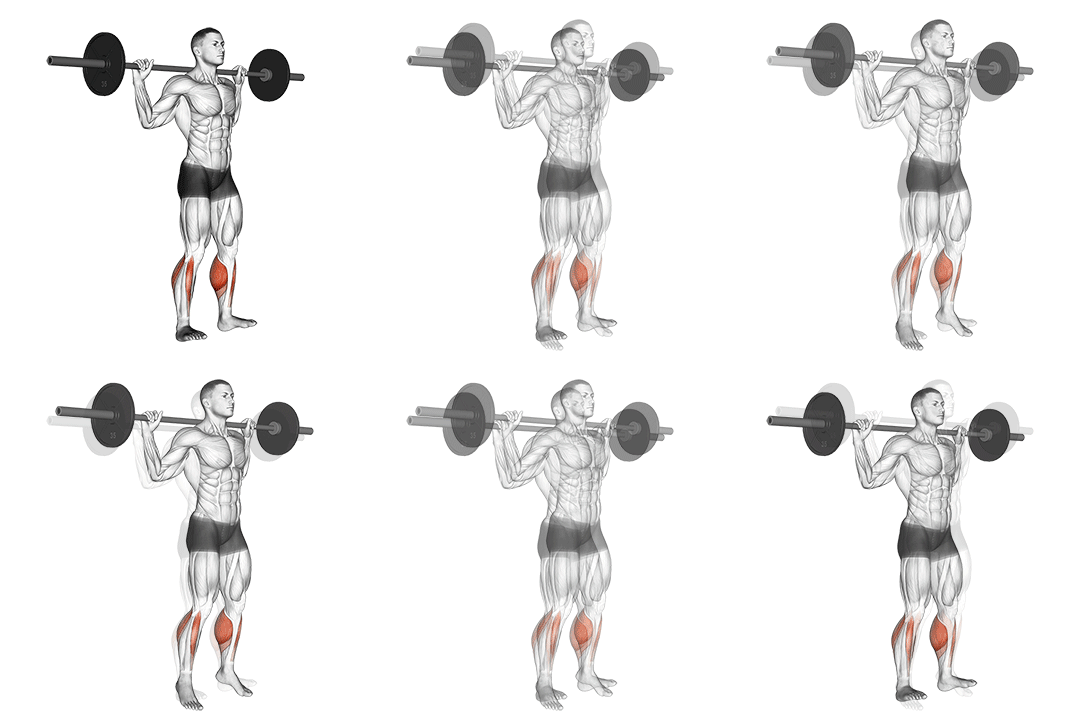
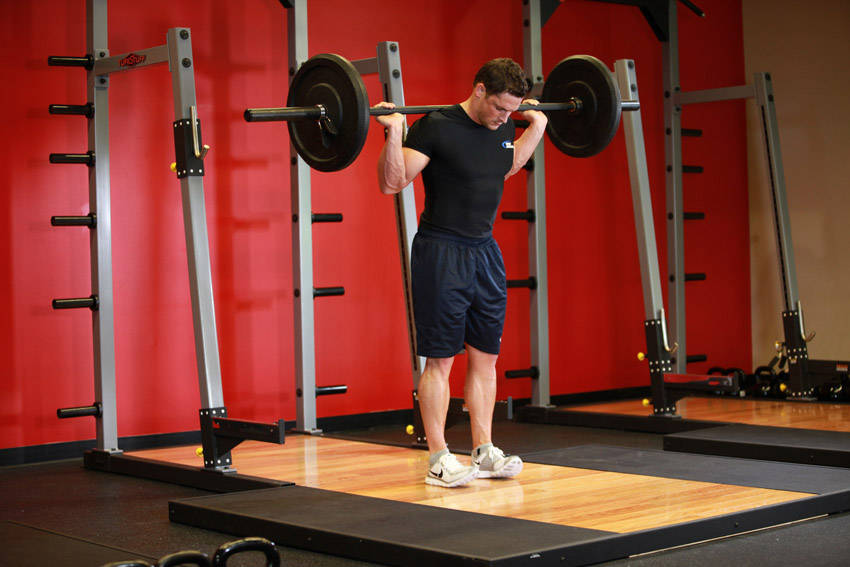
Standing Barbell Calf Raise
Head-to-Head Comparison
| Attribute | Barbell Floor Calf Raise | Standing Barbell Calf Raise |
|---|---|---|
| Target Muscle |
Calves
|
Calves
|
| Body Part |
Lower-legs
|
Lower-legs
|
| Equipment |
Barbell
|
Barbell
|
| Difficulty |
Beginner
|
Beginner
|
| Movement Type |
Isolation
|
Isolation
|
| Secondary Muscles |
1
|
0
|
Secondary Muscles Activated
Barbell Floor Calf Raise
Standing Barbell Calf Raise
Visual Comparison
Overview
Barbell Floor Calf Raise vs Standing Barbell Calf Raise — if you want bigger, stronger calves you need to pick the right tool. You’ll get a clear breakdown of how each move loads the gastrocnemius and soleus, which one gives more range of motion, and practical cues so you can perform each safely. I’ll cover biomechanics (knee angle, ankle ROM, length-tension), equipment needs, progression options, and quick programming tips including rep ranges and set recommendations so you can choose the best option for your goals.
Key Differences
- Both exercises target the Calves using Barbell. The main differences are in their movement patterns and muscle activation angles.
Pros & Cons
Barbell Floor Calf Raise
+ Pros
- Stable foot contact makes it easy for beginners to learn
- Requires minimal equipment — barbell and flat floor
- Lower acute stress on Achilles due to limited dorsiflexion
- Good for high-volume sets (12–20+ reps) with controlled tempo
− Cons
- Limited ankle ROM reduces stretch-mediated tension
- Less isolated gastrocnemius stretch compared to elevated variations
- Harder to progressively increase ROM without a platform
Standing Barbell Calf Raise
+ Pros
- Greater ankle dorsiflexion on a block increases stretch and time under tension
- Better for emphasizing gastrocnemius due to extended-knee position
- More options for progressive overload (heavier loads, deeper range)
- Transfers well to athletic tasks requiring large plantarflexion force
− Cons
- Requires a raised surface or platform for best ROM
- Higher demand on balance and ankle stability
- Greater Achilles and ankle stress if loaded improperly
When Each Exercise Wins
The elevated ROM on a block increases stretch-mediated tension and time under load, which boosts hypertrophy stimulus. Use 8–20 reps and 3–5 sets with slow eccentrics to maximize muscle growth.
Standing raises allow heavier loading and a longer force application window for the gastrocnemius when the knee is extended, improving maximal plantarflexion strength. Focus on 4–8 reps with heavier weight and full control through the range.
Floor raises provide a more stable base and simpler technique, letting you learn plantarflexion mechanics safely. Start with 12–20 reps and moderate load to build tolerance and motor control.
You usually only need a barbell and flat surface, no block or rack, so floor raises fit limited spaces better. They also reduce balance demands when training alone.
Frequently Asked Questions
Can I do both Barbell Floor Calf Raise and Standing Barbell Calf Raise in the same workout?
Yes — pairing them works well: start with Standing Barbell Calf Raise on a block for heavier, deeper reps then finish with Barbell Floor Calf Raise for higher-rep volume. This sequence exploits heavy loading and then metabolic fatigue for muscle growth.
Which exercise is better for beginners?
Barbell Floor Calf Raise is better for beginners because full foot contact reduces balance demands and simplifies cues. It builds strength and tolerance before you add the extra ROM and instability of elevated standing raises.
How do the muscle activation patterns differ?
With knees near full extension (standing raise) the gastrocnemius operates at a longer length and provides more of the plantarflexion force, increasing its activation. Floor raises limit dorsiflexion and tend to reduce peak gastrocnemius stretch, shifting demand slightly but still loading the calf complex through concentric force.
Can Standing Barbell Calf Raise replace Barbell Floor Calf Raise?
Yes for many lifters — standing raises on a block can replace floor raises if you prioritize gastrocnemius development and have good ankle mobility. Keep floor raises in rotation if you need a more stable option, lower Achilles stress, or have limited equipment.
Expert Verdict
Use the Barbell Floor Calf Raise when you want a safe, accessible way to build baseline calf strength and volume — it’s ideal for beginners, high-rep conditioning, and limited-equipment settings. Choose the Standing Barbell Calf Raise when your goal is focused gastrocnemius development, strength, or when you want greater stretch and time under tension; perform it on a block, keep knees extended, and use controlled eccentrics. Program both intelligently: 3–5 sets per exercise, 8–20 reps depending on the goal, and prioritize ankle mobility and progressive overload. Rotate or combine them across cycles to keep stimulus varied and promote balanced muscle growth and resilience.
Also Compare
More comparisons with Barbell Floor Calf Raise
More comparisons with Standing Barbell Calf Raise
Compare More Exercises
Use our free comparison tool to analyze any two exercises head-to-head.
Compare Exercises