

Barbell Good Morning vs Good Morning: Complete Comparison Guide
Barbell Good Morning vs Good Morning is the exact matchup you need if you want to target your hamstrings and posterior chain more effectively. You’ll get a clear breakdown of how each variation loads the hamstrings, what secondary muscles pick up the work, and which is easier to learn or safer to program. I’ll cover biomechanics (hip hinge mechanics, length-tension, torque), specific technique cues, rep ranges for strength and hypertrophy, and practical programming tips so you can pick the right movement for your goals.
Exercise Comparison
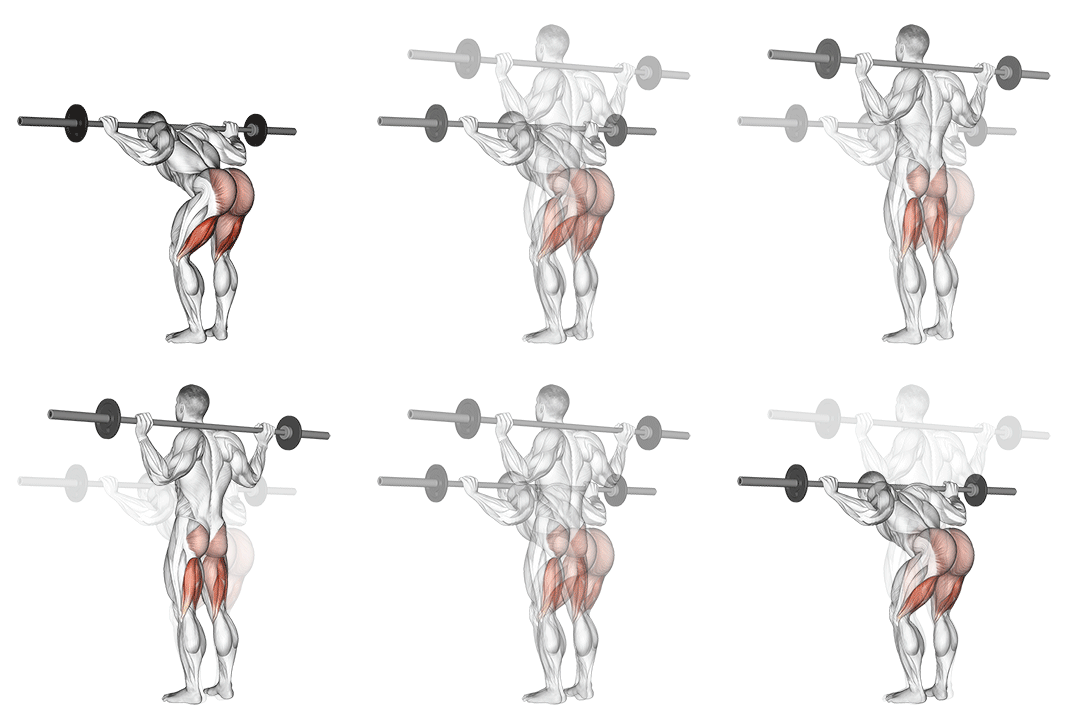
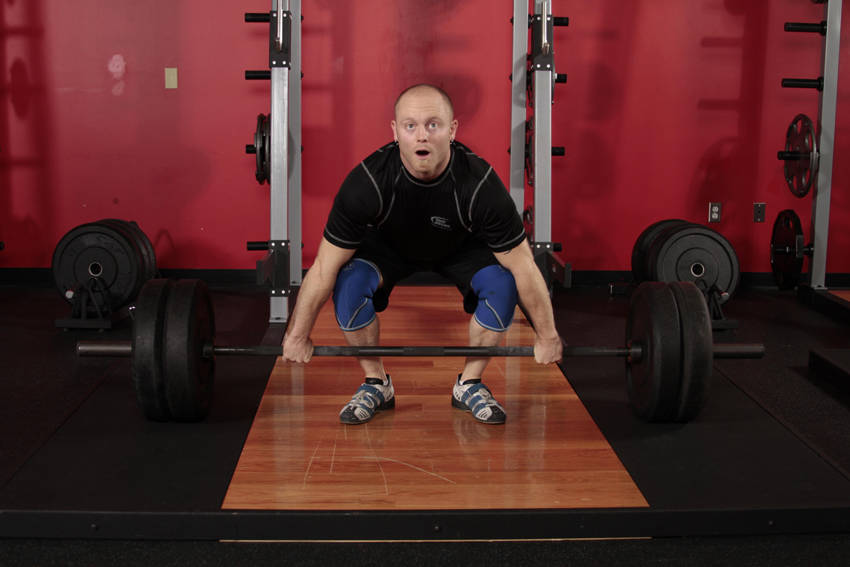
Barbell Good Morning
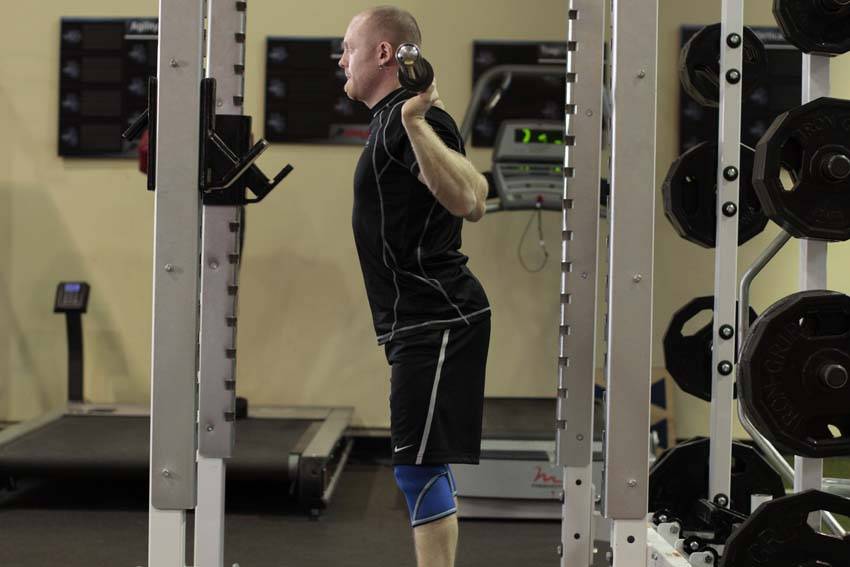
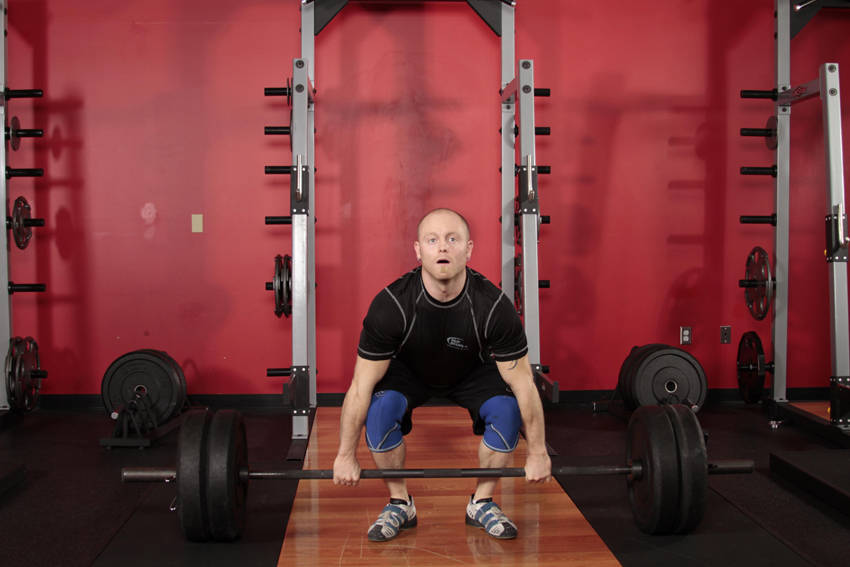
Good Morning
Head-to-Head Comparison
| Attribute | Barbell Good Morning | Good Morning |
|---|---|---|
| Target Muscle |
Hamstrings
|
Hamstrings
|
| Body Part |
Upper-legs
|
Upper-legs
|
| Equipment |
Barbell
|
Barbell
|
| Difficulty |
Advanced
|
Intermediate
|
| Movement Type |
Compound
|
Compound
|
| Secondary Muscles |
1
|
3
|
Secondary Muscles Activated
Barbell Good Morning
Good Morning
Visual Comparison
Overview
Barbell Good Morning vs Good Morning is the exact matchup you need if you want to target your hamstrings and posterior chain more effectively. You’ll get a clear breakdown of how each variation loads the hamstrings, what secondary muscles pick up the work, and which is easier to learn or safer to program. I’ll cover biomechanics (hip hinge mechanics, length-tension, torque), specific technique cues, rep ranges for strength and hypertrophy, and practical programming tips so you can pick the right movement for your goals.
Key Differences
- Difficulty levels differ: Barbell Good Morning is advanced, while Good Morning is intermediate.
- Both exercises target the Hamstrings using Barbell. The main differences are in their movement patterns and muscle activation angles.
Pros & Cons
Barbell Good Morning
+ Pros
- Allows heavy loading for posterior-chain strength (suitable for 3–6 rep strength blocks)
- Strong carryover to deadlift lockout and posterior chain resilience
- Targets hamstrings under long eccentric tension for hypertrophy
- Simple bar placement for experienced lifters who can control spinal position
− Cons
- Higher lumbar erector demand increases risk if technique slips
- Requires a rack and confident heavy-loading technique
- Not ideal for lifters lacking thoracic mobility or bracing capacity
Good Morning
+ Pros
- Easier to teach and scale with lighter loads or regressions
- Better at recruiting abdominals and glutes for trunk stability
- Safer for most lifters when practiced with core bracing and moderate load
- Versatile—works with safety bar, bands, or light barbells for progressive overload
− Cons
- Limited heavy-loading ceiling compared to the advanced barbell variant
- Can still stress the lower back if performed with poor bracing
- Less direct carryover for maximal deadlift strength when compared to heavy Barbell Good Mornings
When Each Exercise Wins
Barbell Good Morning lets you apply heavier eccentric and concentric loads that increase time under tension and mechanical stress on the hamstrings. Use 6–10 reps and controlled 2–3 second eccentrics to maximize hypertrophy of upper-leg hamstrings and spinal erectors.
The advanced barbell variant accepts heavier weights and produces larger hip and spinal torques, providing better overload for posterior-chain strength. Program 3–5 sets of 3–6 reps and emphasize tight bracing and neutral spine.
Good Morning is easier to scale and teaches hip-hinge mechanics while recruiting abdominals and glutes for stability. Start with an empty bar or light load and focus on 8–12 reps with a tall chest and controlled hinge.
Good Morning can be performed with minimal load or alternative implements (light barbell, safety bar, bands), making it practical at home. It lets you train the hamstrings effectively without the rack demands of heavy Barbell Good Mornings.
Frequently Asked Questions
Can I do both Barbell Good Morning and Good Morning in the same workout?
Yes — but be strategic. Use Good Mornings earlier as a technique or volume movement with 3–4 sets of 8–12 reps, then perform Barbell Good Mornings only if you can maintain perfect spinal position and have the recovery capacity. Avoid heavy top sets of both to limit excessive lumbar fatigue.
Which exercise is better for beginners?
Good Morning is better for beginners because it allows lighter loading and emphasizes hip-hinge mechanics and core stability. Start with an empty bar or light resistance and aim for 8–12 reps while maintaining a braced, neutral spine.
How do the muscle activation patterns differ?
Both place the hamstrings under long eccentric strain during hip flexion, but Good Mornings show greater abdominal and glute co-contraction for trunk stability while Barbell Good Mornings increase erector spinae activation due to greater torso lean and external torque. Timing shifts toward more glute drive on the concentric in the intermediate variation.
Can Good Morning replace Barbell Good Morning?
Yes, for most lifters Good Morning can replace Barbell Good Morning when the goal is posterior-chain development with lower spinal risk. If your primary goal is maximal posterior-chain strength under heavy load, keep Barbell Good Mornings in your program once your technique and core control are proven.
Expert Verdict
Choose the Barbell Good Morning when you are an experienced lifter seeking raw posterior-chain strength or targeted hamstring hypertrophy and you can maintain a neutral spine under heavier loads. Program it for low-rep strength blocks (3–6 reps) or moderate hypertrophy sets (6–10 reps) with emphasis on controlled eccentric tempo and tight bracing. Use the Good Morning if you’re building hinge mechanics, want more glute and abdominal co-contraction, or need a safer progression for beginners and home training. For most lifters, start with Good Mornings to build technique, then progress to heavier Barbell Good Mornings once thoracic mobility and core bracing are solid.
Also Compare
More comparisons with Barbell Good Morning
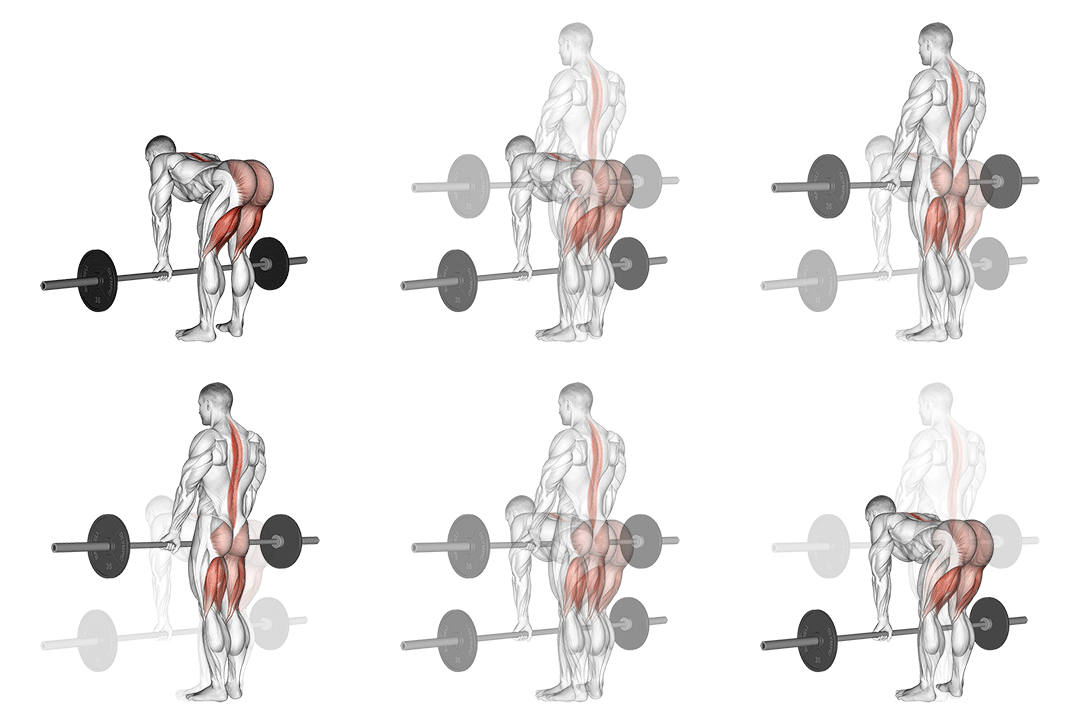
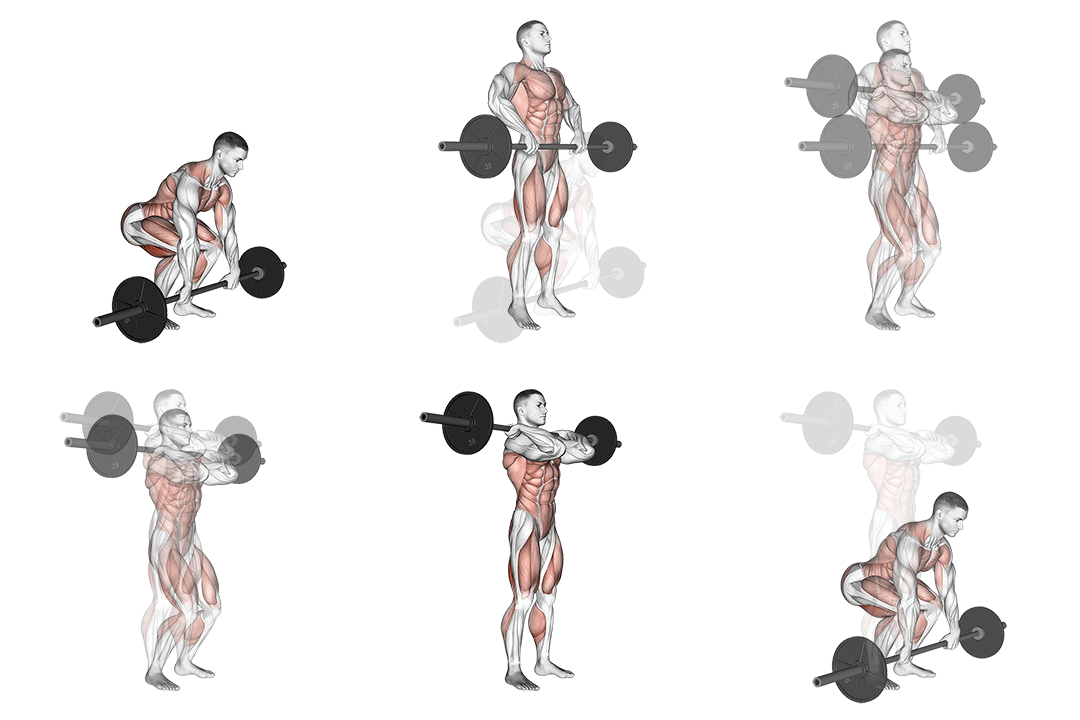
Compare More Exercises
Use our free comparison tool to analyze any two exercises head-to-head.
Compare Exercises