

Barbell Incline Close Grip Bench Press vs Barbell Jm Bench Press: Complete Comparison Guide
Barbell Incline Close Grip Bench Press vs Barbell Jm Bench Press — both are compound barbell moves that prioritize your triceps while loading the chest and shoulders. You’ll get a clear, practical comparison of muscle emphasis, joint mechanics, equipment needs, learning curve, and when to choose each lift. I’ll give exact technique cues (incline angle, grip width, elbow path), rep ranges for hypertrophy and strength, and straightforward recommendations so you can pick the right option for triceps size, pressing strength, or safer elbow mechanics.
Exercise Comparison
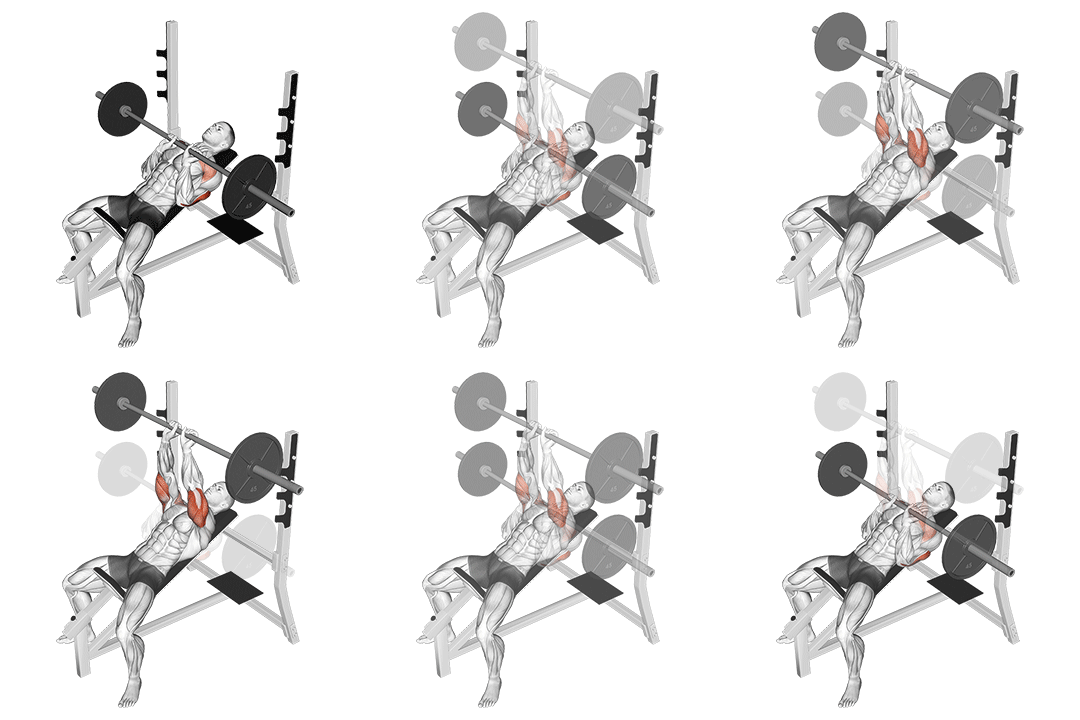
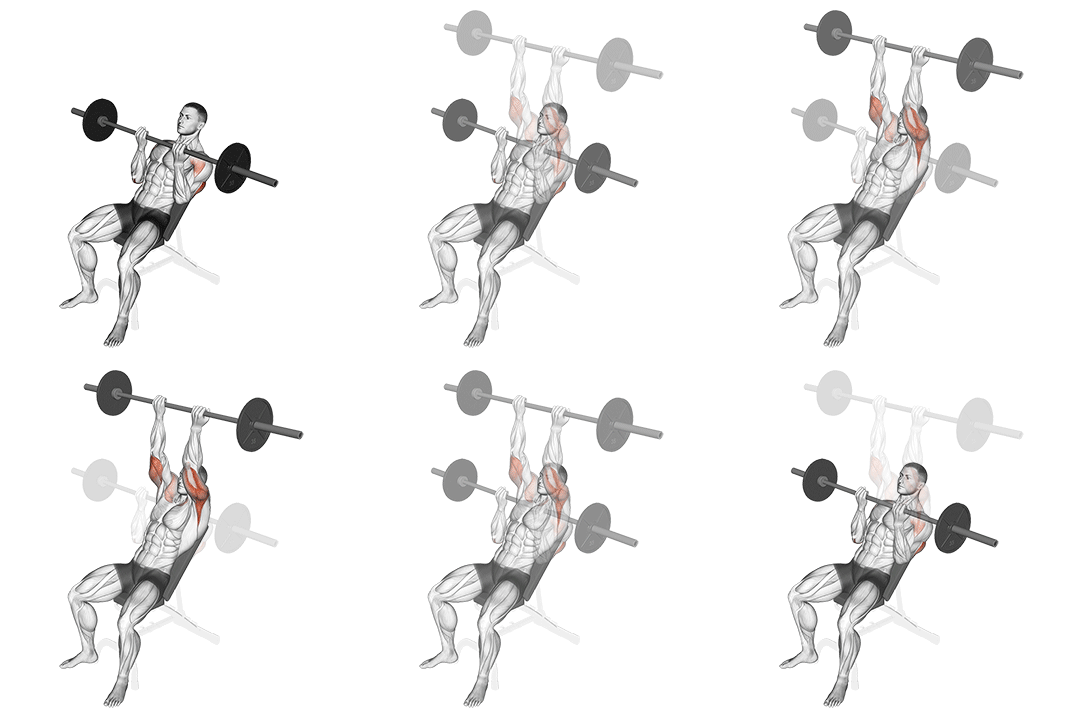
Barbell Incline Close Grip Bench Press
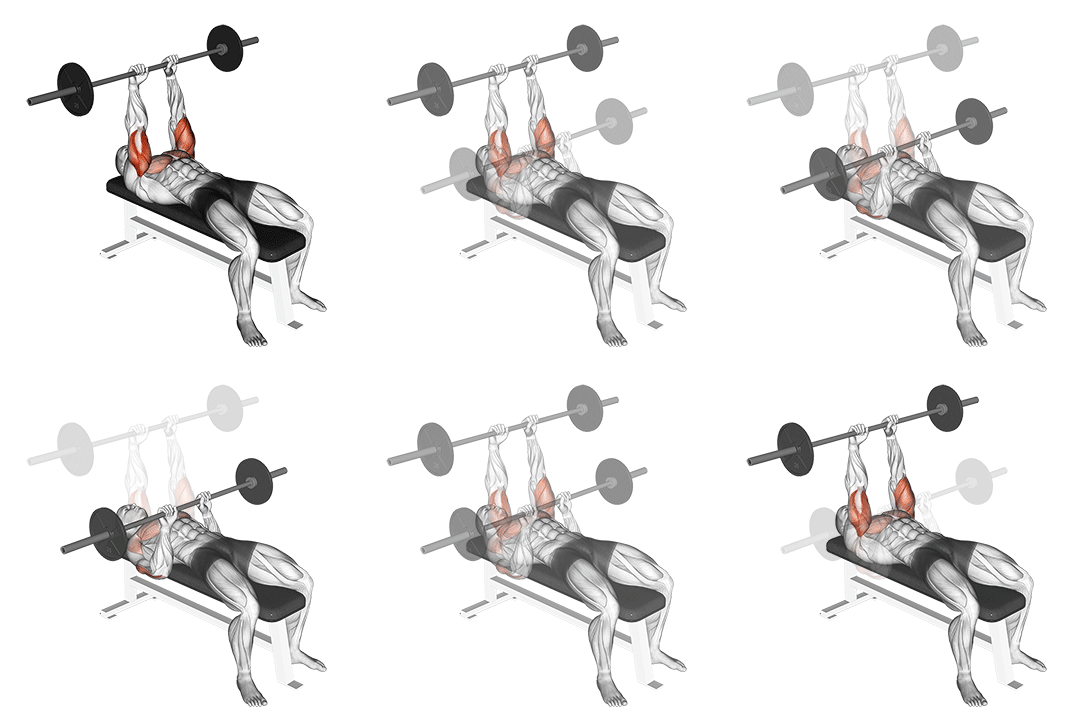
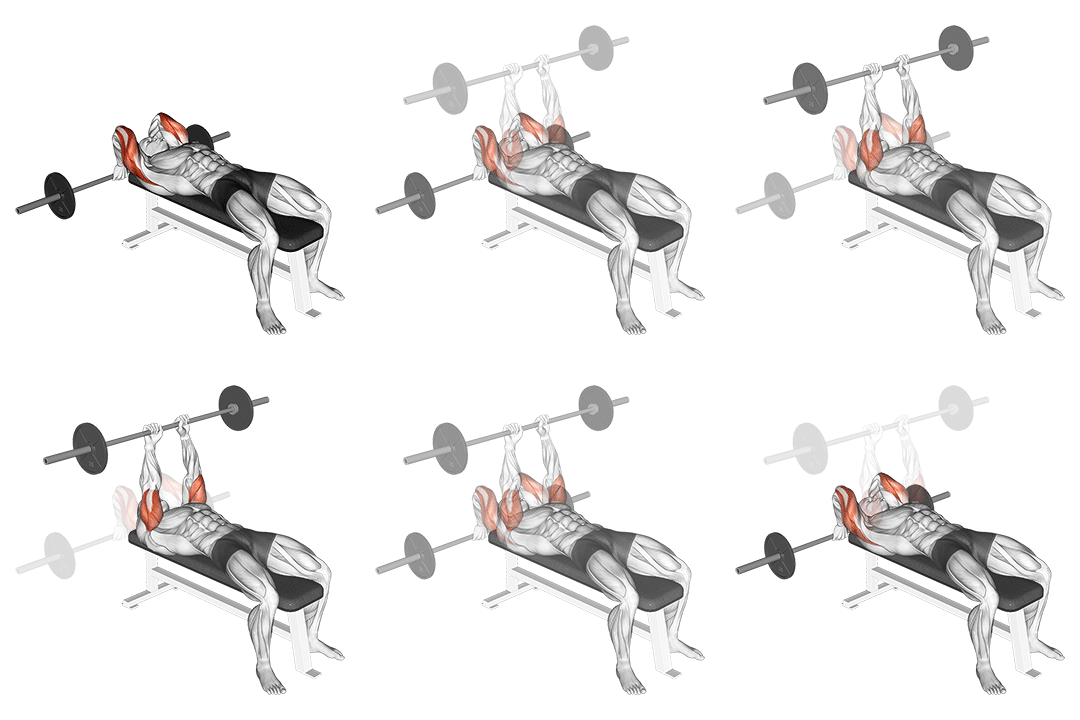
Barbell JM Bench Press
Head-to-Head Comparison
| Attribute | Barbell Incline Close Grip Bench Press | Barbell JM Bench Press |
|---|---|---|
| Target Muscle |
Triceps
|
Triceps
|
| Body Part |
Upper-arms
|
Upper-arms
|
| Equipment |
Barbell
|
Barbell
|
| Difficulty |
Intermediate
|
Intermediate
|
| Movement Type |
Compound
|
Compound
|
| Secondary Muscles |
2
|
2
|
Secondary Muscles Activated
Barbell Incline Close Grip Bench Press
Barbell JM Bench Press
Visual Comparison
Overview
Barbell Incline Close Grip Bench Press vs Barbell Jm Bench Press — both are compound barbell moves that prioritize your triceps while loading the chest and shoulders. You’ll get a clear, practical comparison of muscle emphasis, joint mechanics, equipment needs, learning curve, and when to choose each lift. I’ll give exact technique cues (incline angle, grip width, elbow path), rep ranges for hypertrophy and strength, and straightforward recommendations so you can pick the right option for triceps size, pressing strength, or safer elbow mechanics.
Key Differences
- Both exercises target the Triceps using Barbell. The main differences are in their movement patterns and muscle activation angles.
Pros & Cons
Barbell Incline Close Grip Bench Press
+ Pros
- Better upper-chest and anterior deltoid recruitment (30°–45° incline)
- More familiar bench press mechanics — easier to coach and scale
- Lower isolated elbow shear compared with JM press
- Allows heavier loads because chest and delts share the force
− Cons
- Less pure triceps isolation compared with JM press
- Requires an adjustable bench set to the correct angle
- Can aggravate anterior shoulder issues if the angle or grip is poor
Barbell JM Bench Press
+ Pros
- High triceps emphasis—acts like a hybrid triceps extension and bench press
- Great for improving lockout strength and elbow extension torque
- Compact movement—can be used as a heavy assistance lift
- Requires only flat bench and barbell—simple setup
− Cons
- Higher elbow and wrist stress due to angled bar path
- Technically demanding—needs precise elbow tracking and wrist control
- Less chest development compared with incline close-grip
When Each Exercise Wins
Use the incline close-grip when you want balanced upper-arm and upper-chest hypertrophy. The 30°–45° angle increases clavicular-pec and anterior deltoid contribution, allowing you to handle heavier loads for 6–12 reps and stimulate multiple muscles for overall upper-arm size.
The JM press produces greater elbow-extension torque and is excellent for building lockout strength. Its triceps-focused loading makes it ideal for low-rep strength blocks (3–6 reps) and as an assistance lift to improve heavier bench variants.
Beginners benefit from the familiar bench mechanics and shared load across chest and shoulders; coaching cues transfer easily and the risk of elbow overload is lower. Start with 8–12 reps at a controlled tempo and a 30° incline.
If you only have a flat bench and barbell, the JM press requires minimal setup and targets the triceps efficiently. Just prioritize light load, perfect technique, and safety (use spotter arms or pins) because joint stress can accumulate.
Frequently Asked Questions
Can I do both Barbell Incline Close Grip Bench Press and Barbell Jm Bench Press in the same workout?
Yes. Use one as a primary compound (e.g., incline close-grip for 6–10 reps) and the other as an assistance lift (JM press for 3–6 heavy sets). Put the compound first, and keep the JM press lighter or lower volume if your elbows feel sore.
Which exercise is better for beginners?
Barbell Incline Close Grip Bench Press is better for most beginners because it uses familiar bench mechanics and spreads load across chest and shoulders, making it easier to learn and safer for novice joints. Start with moderate weight and focus on elbow tuck and controlled tempo.
How do the muscle activation patterns differ?
The incline close-grip shifts the force vector upward, increasing upper-pec and anterior deltoid contribution and producing earlier overlap of chest and triceps activation. The JM press shifts peak torque toward elbow extension later in the concentric, increasing pure triceps activation while reducing shoulder involvement.
Can Barbell Jm Bench Press replace Barbell Incline Close Grip Bench Press?
It can replace it if your sole goal is triceps strength or lockout work, but you’ll lose upper-chest stimulus. For balanced muscle growth and shared joint loading, keep the incline close-grip in your program or alternate the two across phases.
Expert Verdict
Pick the Barbell Incline Close Grip Bench Press if your goal is balanced upper-arm size plus upper-chest development and you want an easier-to-teach movement with lower isolated elbow stress. Use a 30°–45° bench, grip slightly narrower than shoulder width (hands about 4–6 in inside shoulders), and train in 6–12 rep ranges for hypertrophy. Choose the Barbell Jm Bench Press when your priority is triceps strength and lockout power—load it heavier for 3–6 reps but focus on tight wrist alignment and controlled bar path to protect the elbow. Rotate both lifts across a training cycle to combine size and strength benefits.
Also Compare
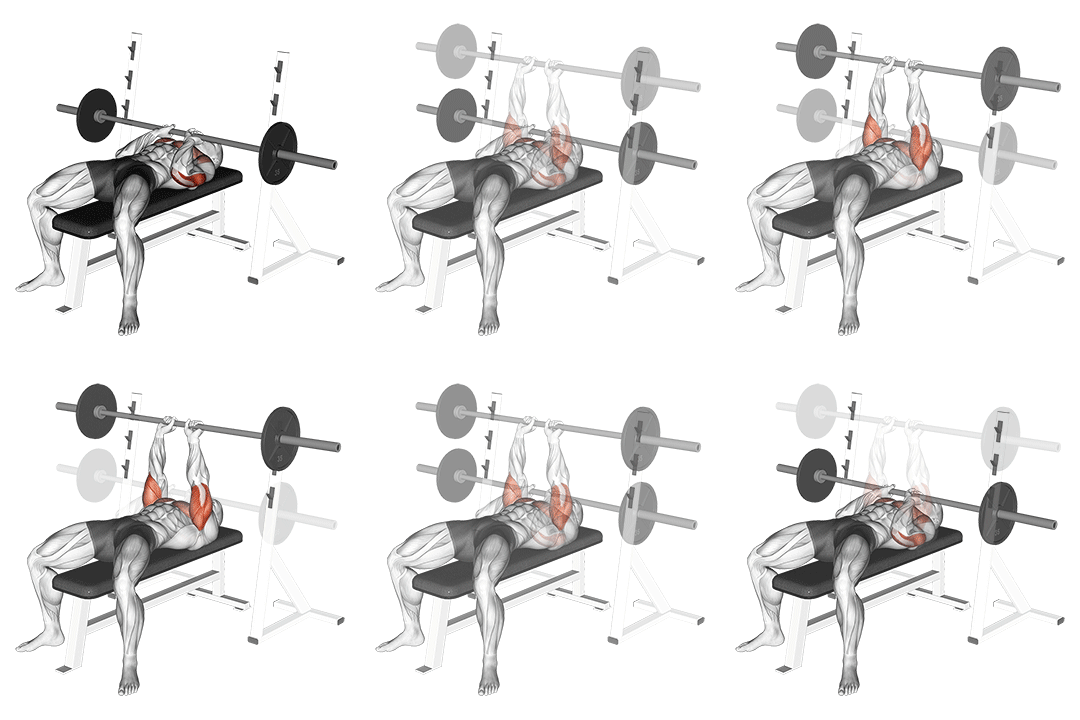
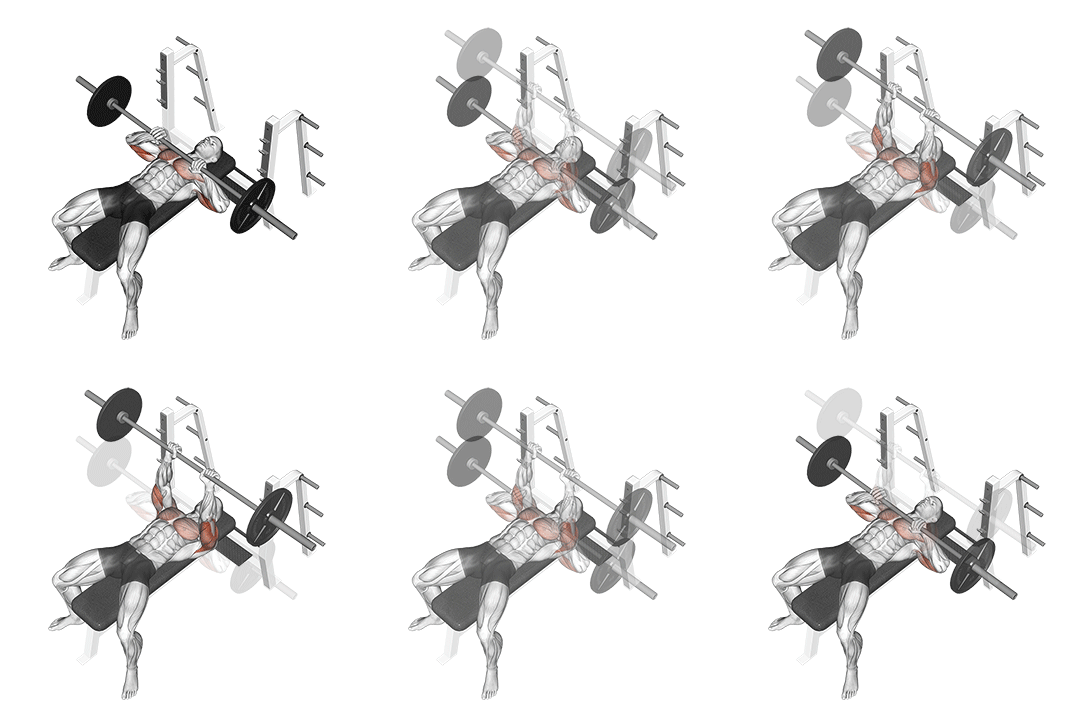
More comparisons with Barbell Incline Close Grip Bench Press
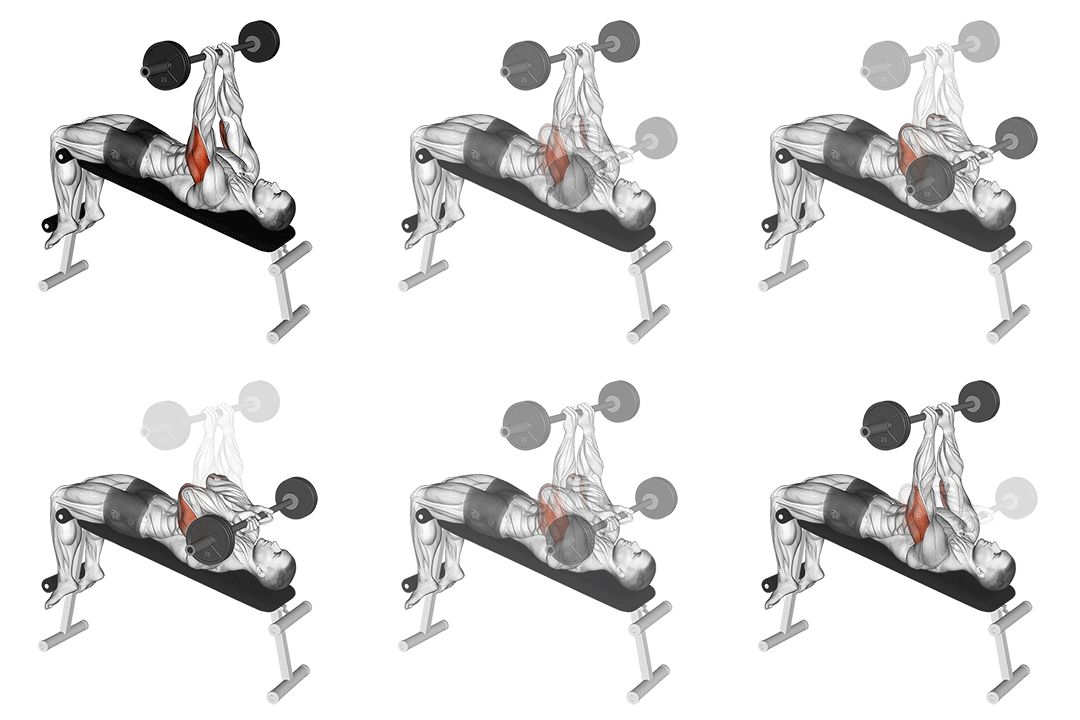
More comparisons with Barbell JM Bench Press
Compare More Exercises
Use our free comparison tool to analyze any two exercises head-to-head.
Compare Exercises