

Barbell Incline Reverse-grip Press vs Barbell Lying Back Of The Head Tricep Extension: Complete Comp
Barbell Incline Reverse-grip Press vs Barbell Lying Back Of The Head Tricep Extension — two barbell moves that both target the triceps but do it with different mechanics. If you want clear guidance on which to use, you’re in the right place. I’ll compare primary and secondary muscle activation, equipment needs, learning curve, injury risk, technique cues (bench angle, grip, elbow path), rep ranges, and program placement. Read on so you can pick the exercise that fits your goal—strength, hypertrophy, rehab-safe training, or a simple home setup.
Exercise Comparison
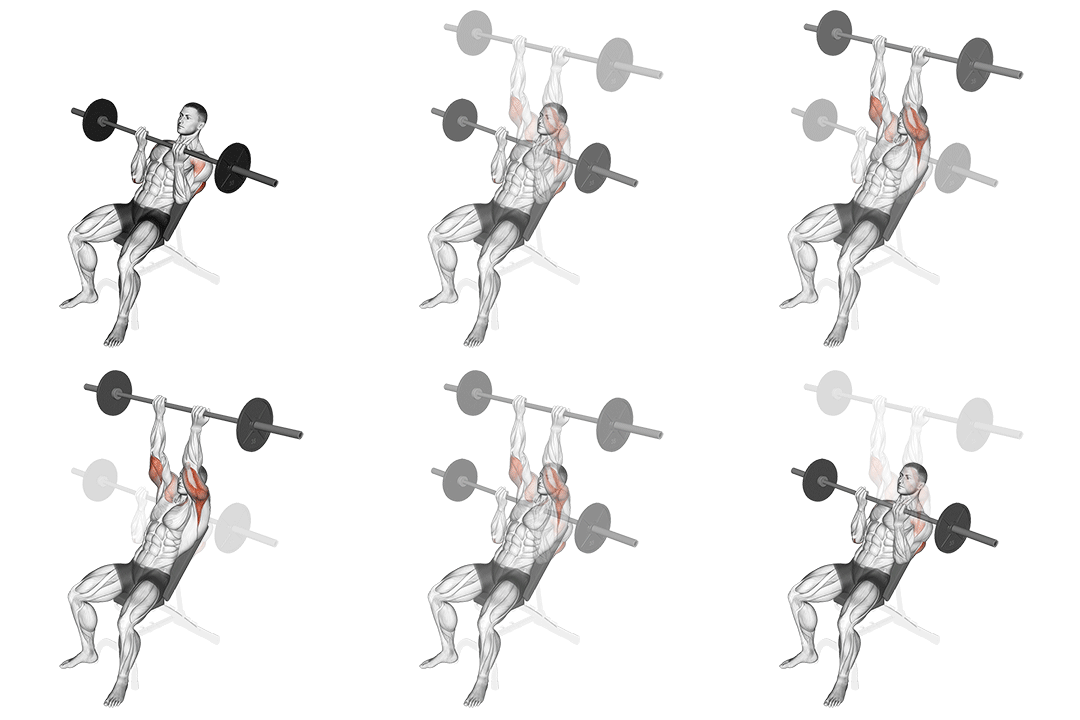
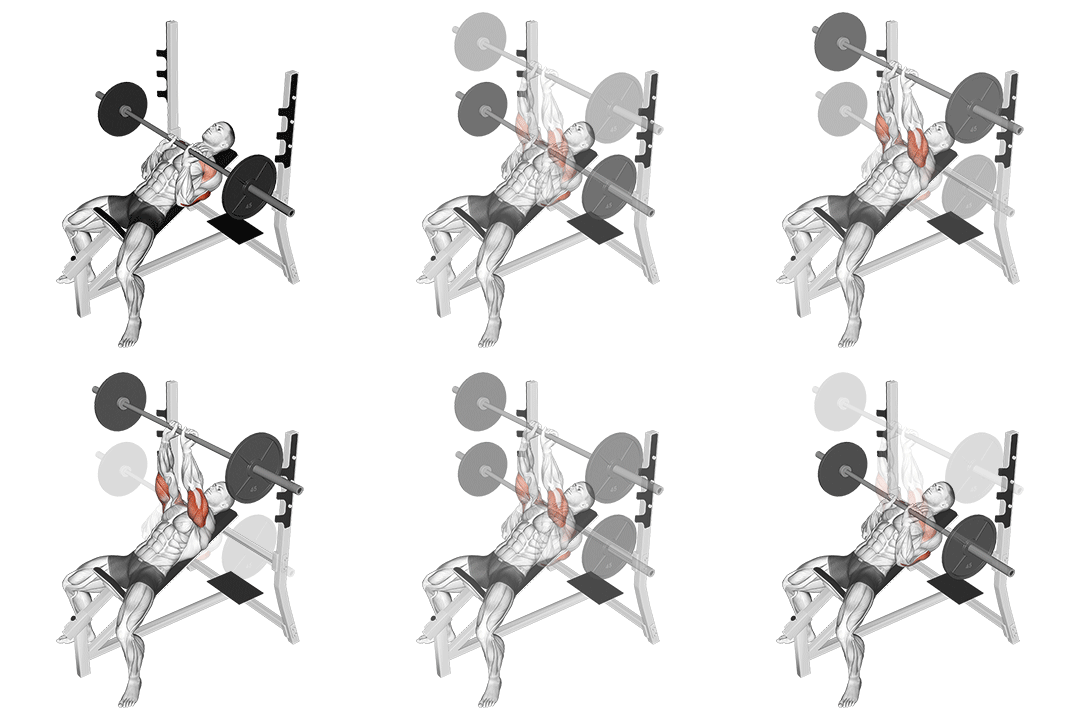
Barbell Incline Reverse-grip Press
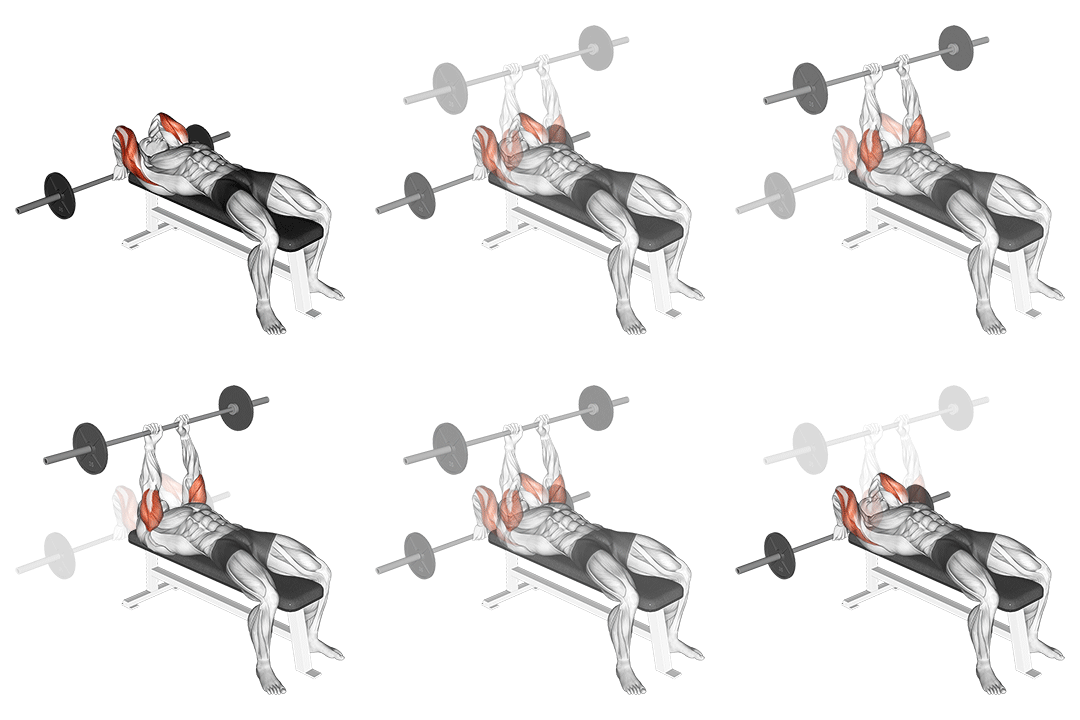
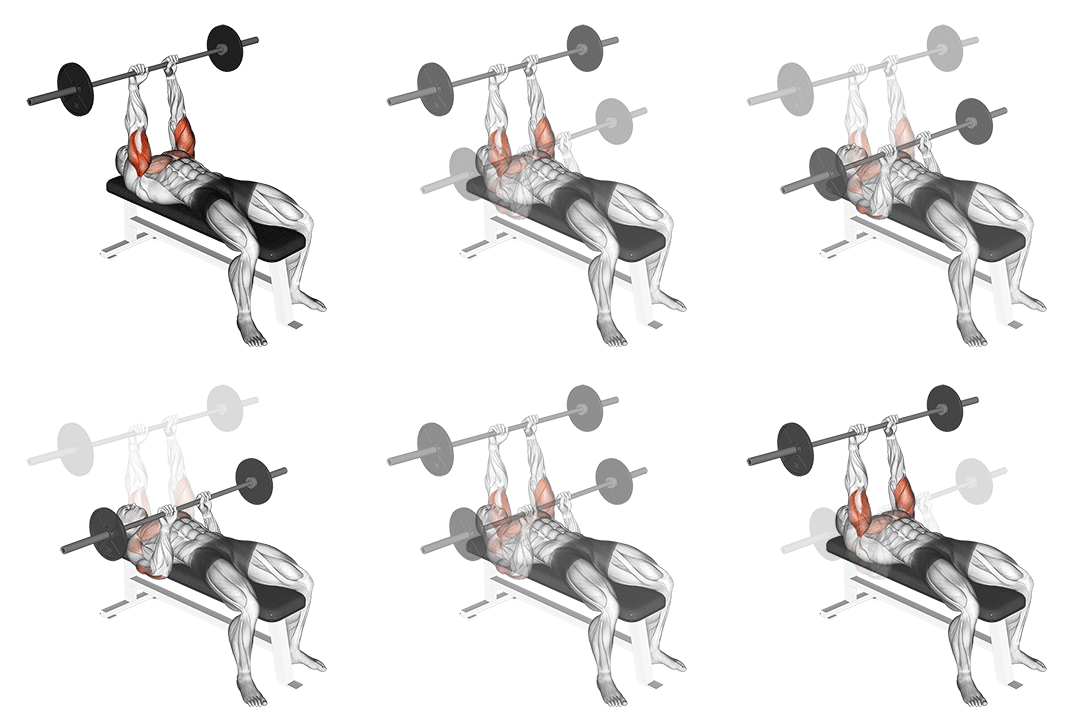
Barbell Lying Back Of The Head Tricep Extension
Head-to-Head Comparison
| Attribute | Barbell Incline Reverse-grip Press | Barbell Lying Back Of The Head Tricep Extension |
|---|---|---|
| Target Muscle |
Triceps
|
Triceps
|
| Body Part |
Upper-arms
|
Upper-arms
|
| Equipment |
Barbell
|
Barbell
|
| Difficulty |
Intermediate
|
Intermediate
|
| Movement Type |
Compound
|
Isolation
|
| Secondary Muscles |
2
|
1
|
Secondary Muscles Activated
Barbell Incline Reverse-grip Press
Barbell Lying Back Of The Head Tricep Extension
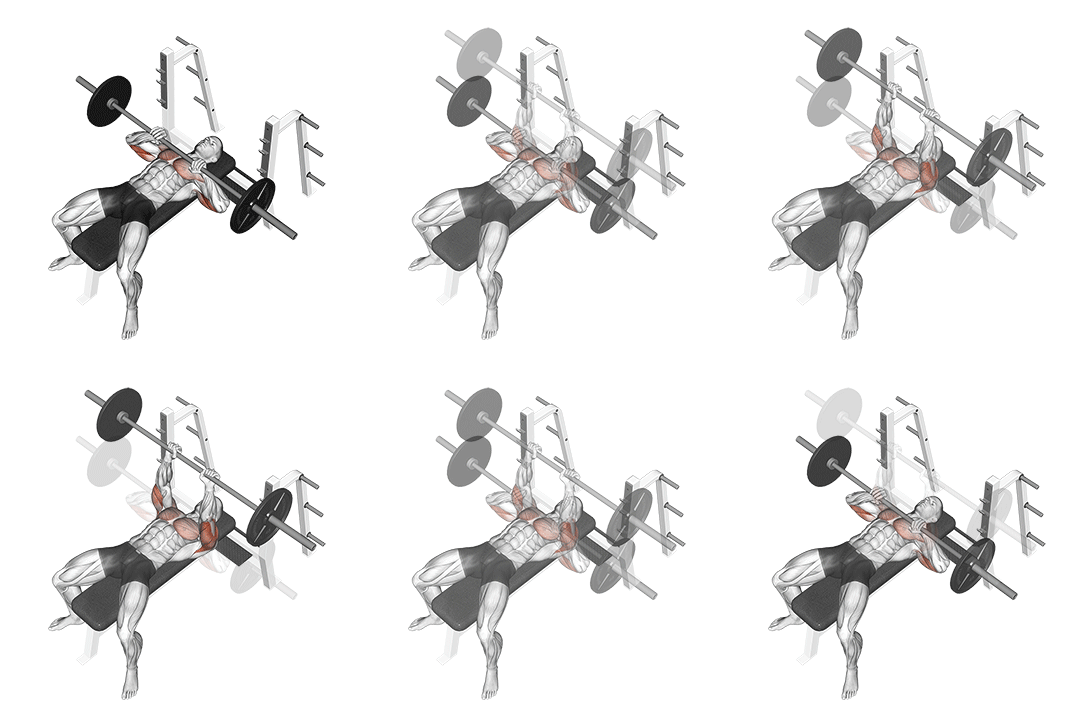
Visual Comparison
Overview
Barbell Incline Reverse-grip Press vs Barbell Lying Back Of The Head Tricep Extension — two barbell moves that both target the triceps but do it with different mechanics. If you want clear guidance on which to use, you’re in the right place. I’ll compare primary and secondary muscle activation, equipment needs, learning curve, injury risk, technique cues (bench angle, grip, elbow path), rep ranges, and program placement. Read on so you can pick the exercise that fits your goal—strength, hypertrophy, rehab-safe training, or a simple home setup.
Key Differences
- Barbell Incline Reverse-grip Press is a compound movement, while Barbell Lying Back Of The Head Tricep Extension is an isolation exercise.
- Both exercises target the Triceps using Barbell. The main differences are in their movement patterns and muscle activation angles.
Pros & Cons
Barbell Incline Reverse-grip Press
+ Pros
- Loads triceps while allowing heavier absolute weight — good for strength and progressive overload
- Compound movement recruits chest and shoulders, giving more overall upper-body stimulus
- Reverse grip shifts force vector toward elbow extension for stronger triceps emphasis than a standard incline
- Versatile rep ranges: 3–6 for strength, 6–10 for triceps-focused work
− Cons
- Requires adjustable bench and careful rack setup
- Supinated grip can cause wrist discomfort if mobility/brace is poor
- More technical: bar path and elbow positioning must be controlled to protect shoulders
Barbell Lying Back Of The Head Tricep Extension
+ Pros
- Direct, high-fidelity triceps isolation — especially the long head when upper arm is behind the head
- Simple setup with a flat bench and barbell
- Easy to target hypertrophy with 8–15 rep ranges and slow eccentrics (2–4 seconds)
- Low chest involvement lets you prioritize triceps volume without systemic fatigue from multi-joint pressing
− Cons
- High localized stress on elbow tendons — can aggravate tendonitis if overloaded
- Limited absolute load compared with compound presses
- Risk of poor control: bar path behind head increases chance of hitting skull or dropping bar without spotter
When Each Exercise Wins
The back-of-head position lengthens the long head and allows focused time under tension (8–15 reps, 2–4s eccentrics). That isolated stretch–shortening and high-volume capacity produces a stronger localized hypertrophy stimulus for the triceps.
As a compound lift it allows heavier loading and better systemic strength transfer. The reverse grip shifts mechanical emphasis to the triceps while still letting you progress absolute load in 3–6 rep ranges for meaningful strength improvements.
It’s easier to teach the elbow-extension pattern and scale intensity with lighter loads. For a novice it provides clear motor learning of elbow extension without complex bench angles or bar-path coordination.
Requires only a flat bench and barbell, so you won’t need an adjustable incline bench. That makes it simpler to program at home while still delivering strong triceps stimulus.
Frequently Asked Questions
Can I do both Barbell Incline Reverse-grip Press and Barbell Lying Back Of The Head Tricep Extension in the same workout?
Yes. Put the incline reverse-grip press early as your compound movement (3–6 or 6–10 reps), then use back-of-head extensions later for 2–4 sets of 8–15 reps to add focused triceps volume. Watch total elbow load and reduce skull crusher volume if you feel tendon pain.
Which exercise is better for beginners?
The lying back-of-head tricep extension is simpler to learn as a single-joint pattern and easier to scale with lighter weight. Beginners should still prioritize safe loading and perfect upper-arm positioning before increasing volume.
How do the muscle activation patterns differ?
The incline reverse-grip press is multi-joint: chest and anterior deltoids supply force early while triceps drive lockout. The skull crusher is single-joint: triceps provide nearly all torque, and the long head sees greater stretch when the upper arm is behind the head, altering length-tension relationships and emphasizing the eccentric phase.
Can Barbell Lying Back Of The Head Tricep Extension replace Barbell Incline Reverse-grip Press?
Not fully. If your goal is maximal upper-body strength and higher absolute loads, the incline reverse-grip press is superior. For targeted triceps hypertrophy you can replace the press with skull crushers, but you’ll lose the compound strength and chest stimulus the press provides.
Expert Verdict
Both exercises have places in a smart program. Use the incline reverse-grip press when you want heavier loading, compound strength work, and efficient upper-body stimulus—set the bench to 30°–45°, keep wrists neutral as possible, tuck elbows slightly, and train 3–6 reps for strength or 6–10 for heavy hypertrophy sets. Use the barbell lying back-of-head tricep extension when you want targeted long-head hypertrophy and controlled volume—keep upper arms stationary, use 8–15 reps, and emphasize a 2–4s eccentric. If you had to pick one: choose the press for strength/compound priority and the skull crusher for focused triceps growth or limited equipment setups. Ideally pair them across a week: presses early, extensions as accessory volume.
Also Compare
More comparisons with Barbell Incline Reverse-grip Press
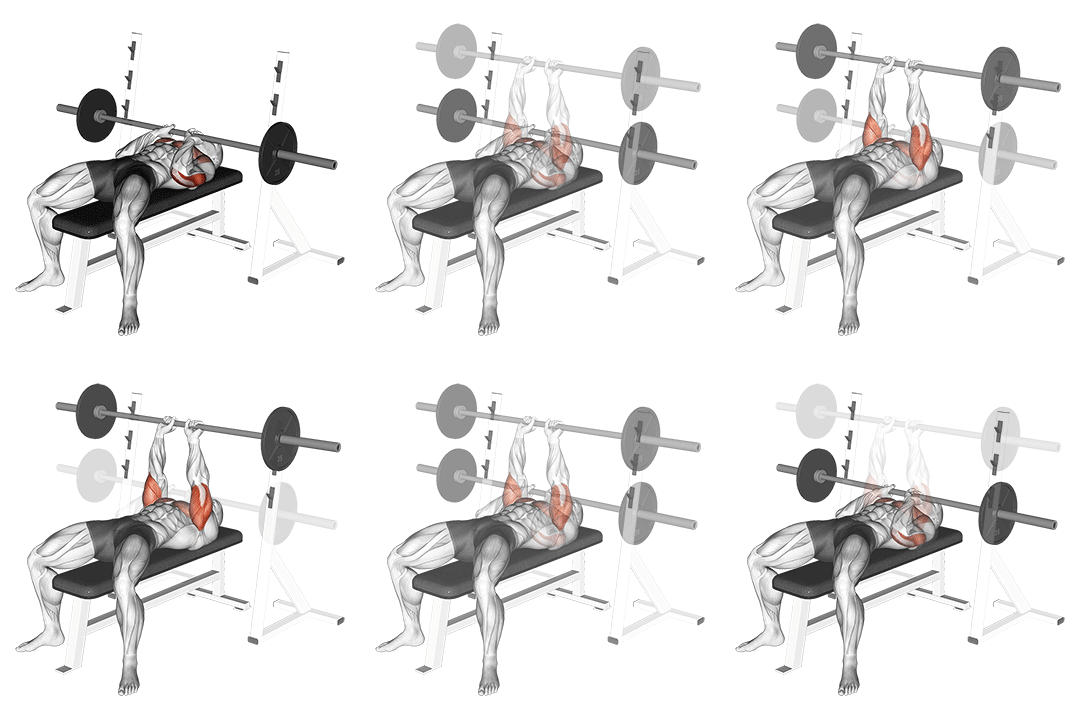
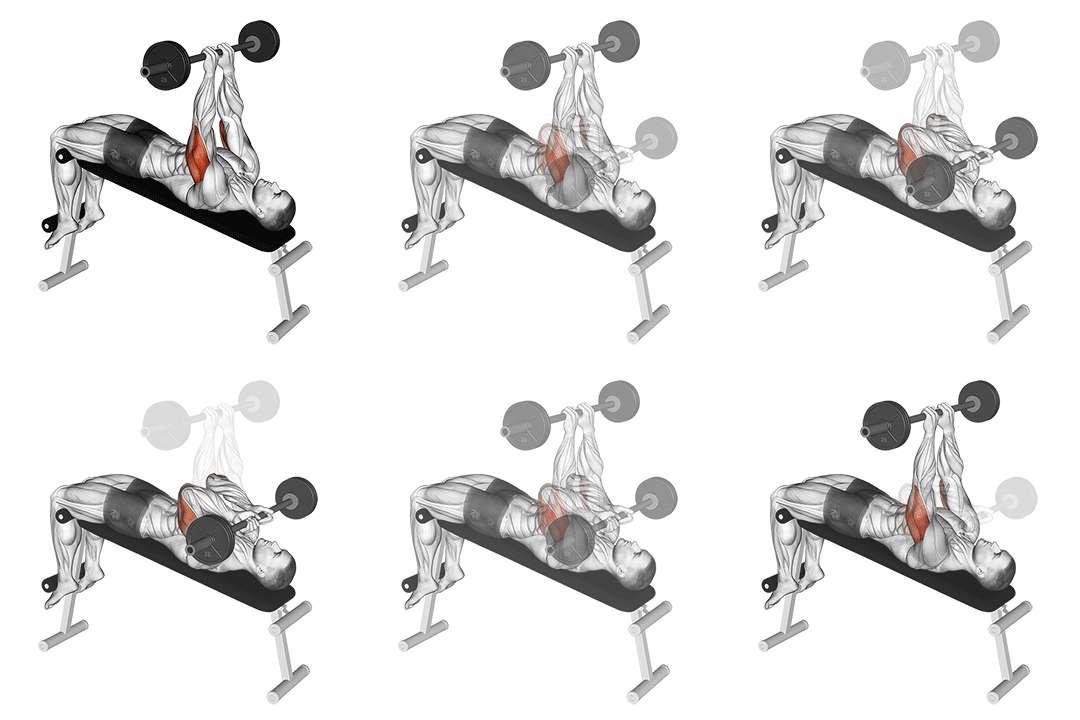
More comparisons with Barbell Lying Back Of The Head Tricep Extension
Compare More Exercises
Use our free comparison tool to analyze any two exercises head-to-head.
Compare Exercises