

Barbell Straight Leg Deadlift vs Good Morning: Complete Comparison Guide
Barbell Straight Leg Deadlift vs Good Morning — two hip-hinge staples for hamstring development and posterior chain strength. If you want clear guidance on which to program, you’re in the right place. I’ll compare primary and secondary muscle activation, biomechanics (length-tension and moment arms), set/rep recommendations, safety cues, and when to pick one over the other based on your goals. Read on and you’ll know exactly how to cue each lift, what to expect for muscle activation, and how to structure progressions.
Exercise Comparison
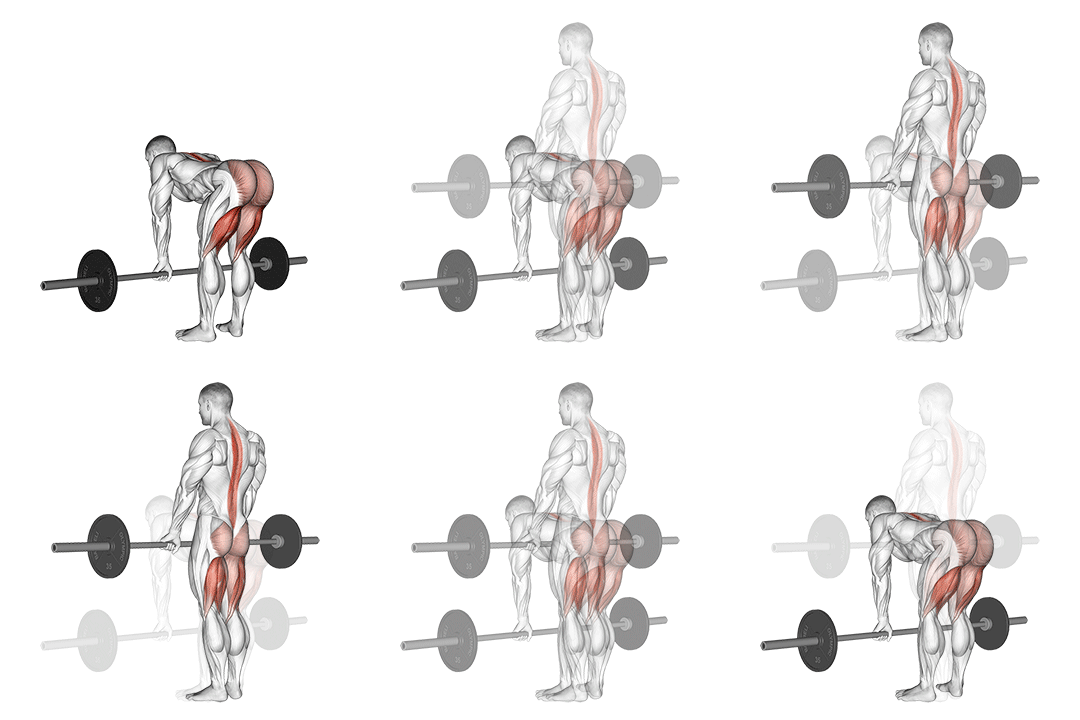
Barbell Straight Leg Deadlift
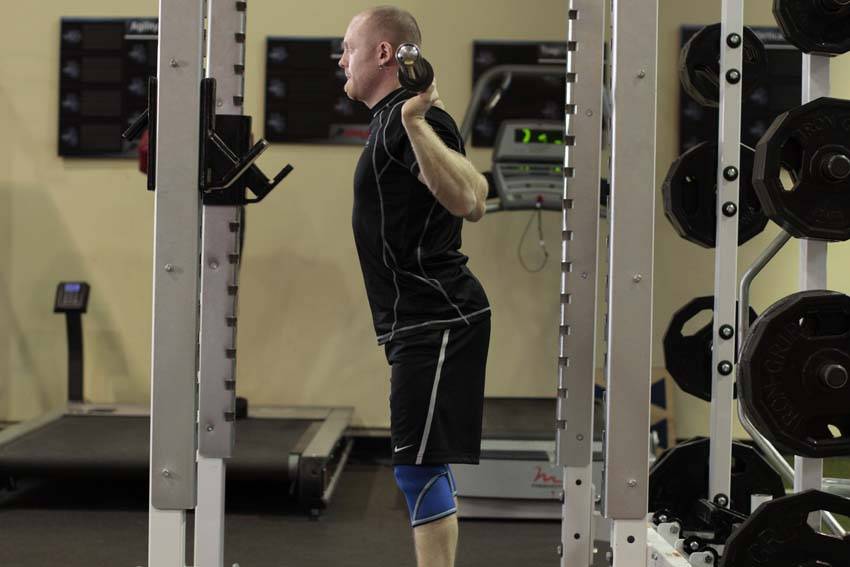
Good Morning
Head-to-Head Comparison
| Attribute | Barbell Straight Leg Deadlift | Good Morning |
|---|---|---|
| Target Muscle |
Hamstrings
|
Hamstrings
|
| Body Part |
Upper-legs
|
Upper-legs
|
| Equipment |
Barbell
|
Barbell
|
| Difficulty |
Intermediate
|
Intermediate
|
| Movement Type |
Compound
|
Compound
|
| Secondary Muscles |
2
|
3
|
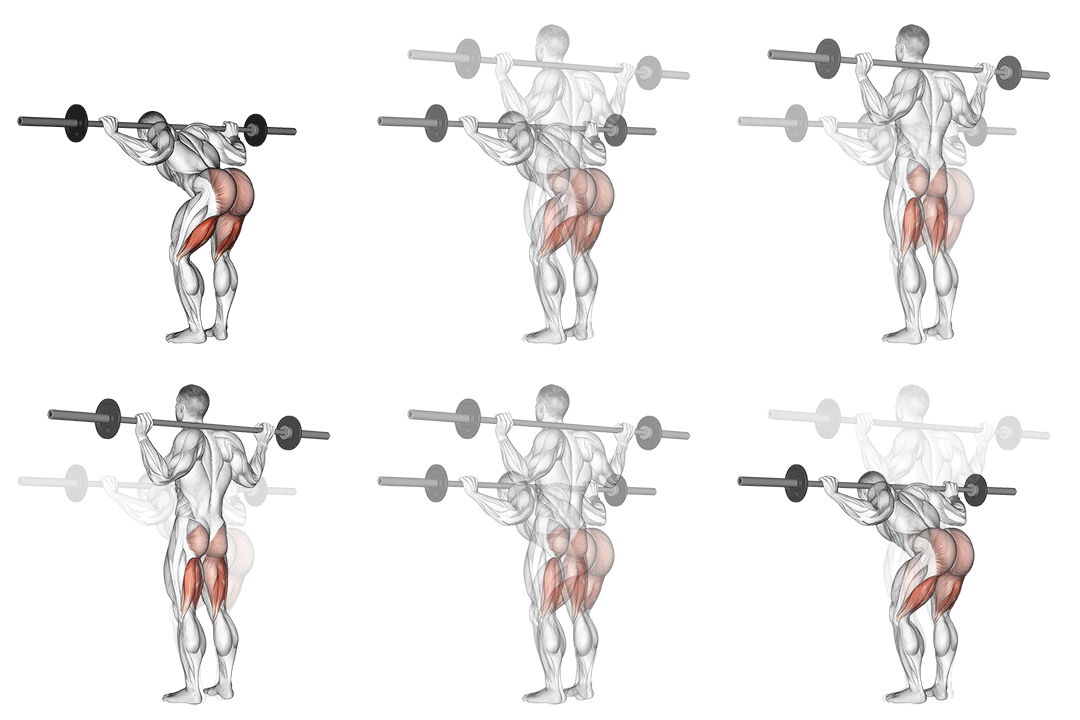
Secondary Muscles Activated
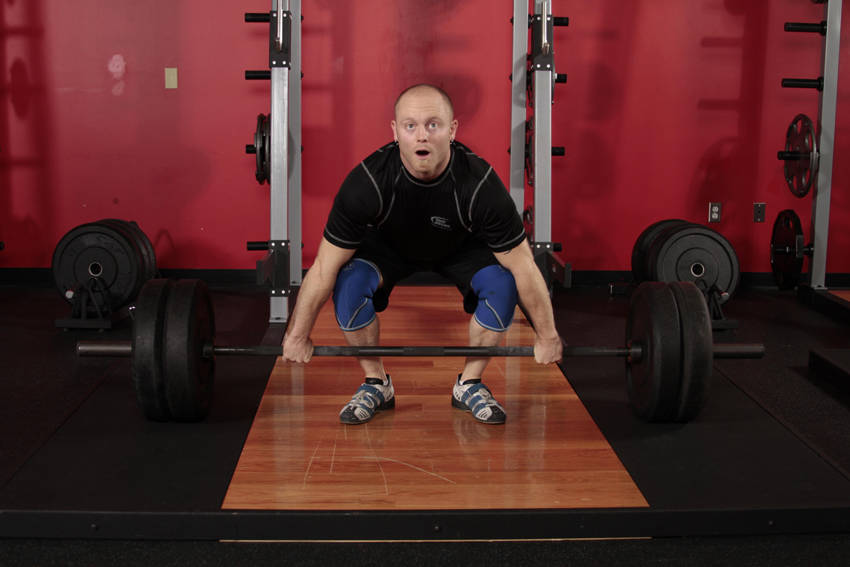
Barbell Straight Leg Deadlift
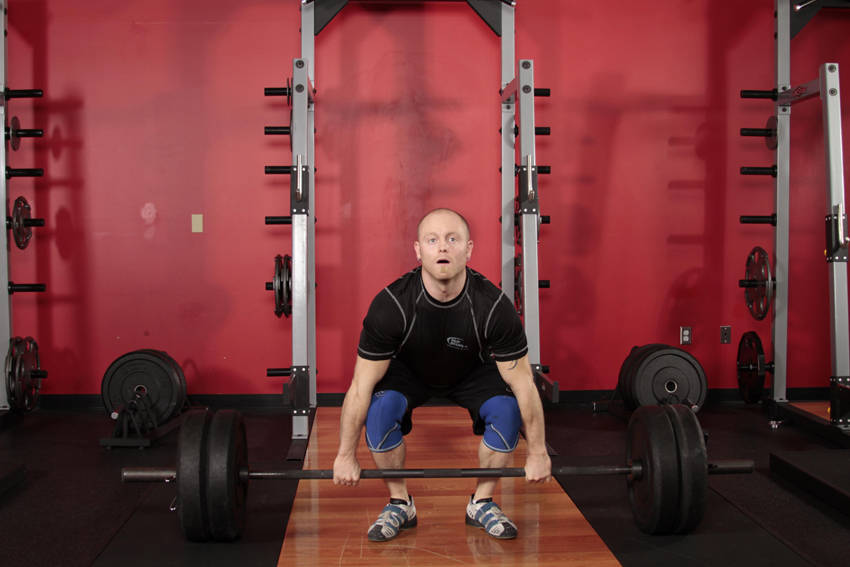
Good Morning
Visual Comparison
Overview
Barbell Straight Leg Deadlift vs Good Morning — two hip-hinge staples for hamstring development and posterior chain strength. If you want clear guidance on which to program, you’re in the right place. I’ll compare primary and secondary muscle activation, biomechanics (length-tension and moment arms), set/rep recommendations, safety cues, and when to pick one over the other based on your goals. Read on and you’ll know exactly how to cue each lift, what to expect for muscle activation, and how to structure progressions.
Key Differences
- Both exercises target the Hamstrings using Barbell. The main differences are in their movement patterns and muscle activation angles.
Pros & Cons
Barbell Straight Leg Deadlift
+ Pros
- Loads hamstrings at long muscle lengths for superior eccentric stimulus
- Easier setup without a rack; adaptable to blocks, deficits, and tempo work
- Good carryover to deadlift variants and posterior chain strengthening
- Easy to manipulate rep ranges (6–20) for strength or hypertrophy
− Cons
- Requires strict hip-hinge and lumbar stability to avoid rounding
- Can overstress passive hamstring tissue if you pursue end-range ROM too aggressively
- Limited spinal erector overload compared with Good Mornings
Good Morning
+ Pros
- High spinal erector and trunk bracing demand improves anti-flexion strength
- Great for teaching stiff hip hinge and transferring to squat/clean positions
- Easily loaded heavily for posterior chain strength (low-rep ranges 3–6)
- Shorter ROM allows focused overload without extreme hamstring strain
− Cons
- Requires a rack for safe unracking and heavier loading
- Higher lumbar shear moment if bracing or technique fails
- More technical; poor setup can quickly shift load off hamstrings and onto spine
When Each Exercise Wins
SLDLs load the hamstrings at longer lengths with sustained eccentric time under tension, making them ideal for hypertrophy (8–15 reps with 2–4 second eccentrics). Use full-range SLDLs or deficits to stretch the hamstrings under load to stimulate muscle growth.
Good Mornings let you overload the posterior chain and spinal erectors with heavier weights and shorter ROM, which is excellent for maximal strength (3–6 reps). They improve bracing and transfer strongly to squat and deadlift strength.
SLDLs have simpler setup and movement cues—hips back, chest up, slight knee bend—so beginners can learn hip-hinge mechanics safely before adding trunk-loaded complexity with Good Mornings.
You can perform SLDLs without a squat rack and modify ROM with plates or blocks, making them more practical at home. Good Mornings usually need a rack for safe loading and heavier work.
Frequently Asked Questions
Can I do both Barbell Straight Leg Deadlift and Good Morning in the same workout?
Yes — but sequence matters. Do the more technical, heavier Good Mornings early if your goal is maximal posterior strength (3–6 reps), then follow with SLDLs for hypertrophy (8–15 reps) using lighter loads and slower eccentrics. Keep total volume reasonable to avoid CNS and lower-back fatigue.
Which exercise is better for beginners?
Barbell Straight Leg Deadlifts are better for most beginners because they reinforce the hip hinge with simpler bracing cues and fewer rack demands. Start with light loads and practice tempo (3–4 second eccentrics) before progressing to Good Mornings.
How do the muscle activation patterns differ?
SLDLs emphasize hamstrings at longer muscle lengths and increase eccentric strain on the distal hamstrings, while Good Mornings shift more load to spinal erectors and require stronger abdominal anti-flexion. The difference stems from trunk angle and hip-knee geometry altering moment arms and force vectors.
Can Good Morning replace Barbell Straight Leg Deadlift?
Not entirely. Good Mornings can substitute as a posterior-chain strength exercise, but they won’t replicate the same long-length hamstring stretch exposure that SLDLs provide. Choose Good Mornings for spinal and hip strength, and SLDLs when you need direct hamstring hypertrophy work.
Expert Verdict
Choose Barbell Straight Leg Deadlifts when your priority is hamstring hypertrophy, long-length eccentric stress, and programming flexibility. Use 6–15 reps with controlled eccentrics and progressive overload to maximize muscle growth. Pick Good Mornings when you need to build raw posterior-chain and spinal erector strength, reinforce trunk bracing, or add heavy, low-ROM overload; program 3–6 reps with strict bracing and a spotter or pins in the rack. Both lifts are intermediate-level tools: start with SLDLs to ingrain the hinge, then add Good Mornings for targeted spinal strength or as an accessory during heavy phases.
Also Compare
More comparisons with Barbell Straight Leg Deadlift
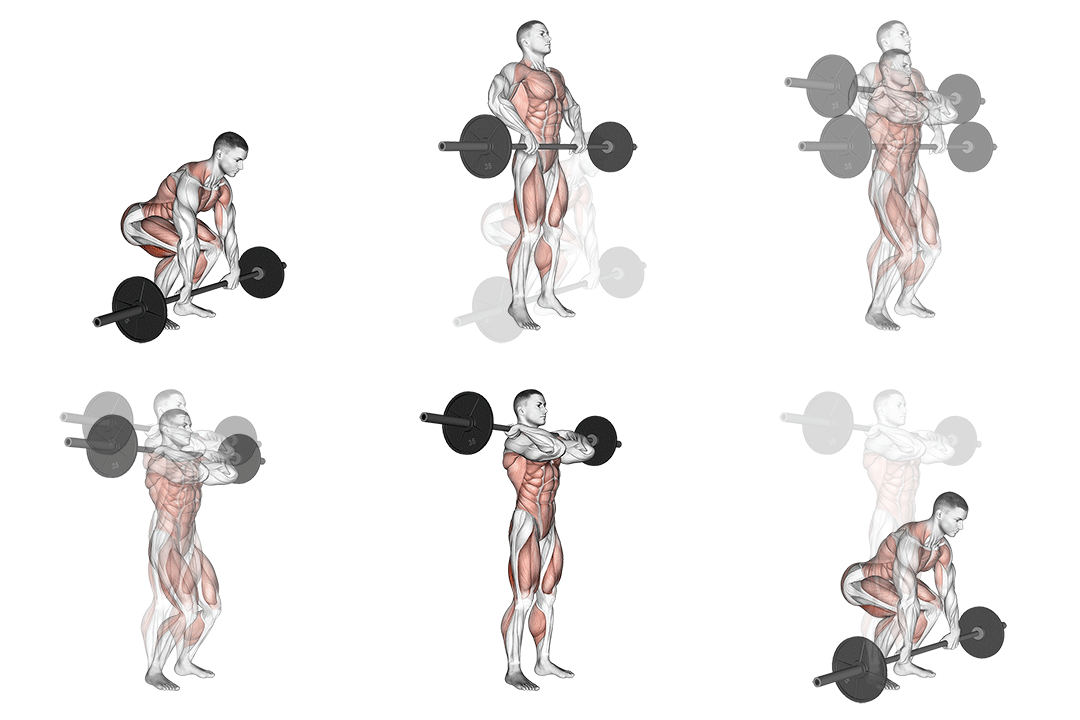
Compare More Exercises
Use our free comparison tool to analyze any two exercises head-to-head.
Compare Exercises