

Basic Toe Touch (male) vs Forward Lunge (male): Complete Comparison Guide
Basic Toe Touch (male) vs Forward Lunge (male) sets up a clear contrast between an isolation glute movement and a compound unilateral leg pattern. You’ll learn how each exercise loads the glutes, which secondary muscles assist, what equipment and movement skill you need, and practical rep and progression recommendations. Read on to see which movement fits your goals—whether you want targeted glute activation, balanced single-leg strength, or a simple home option—and get specific technique cues and biomechanics to help you perform each safely and effectively.
Exercise Comparison
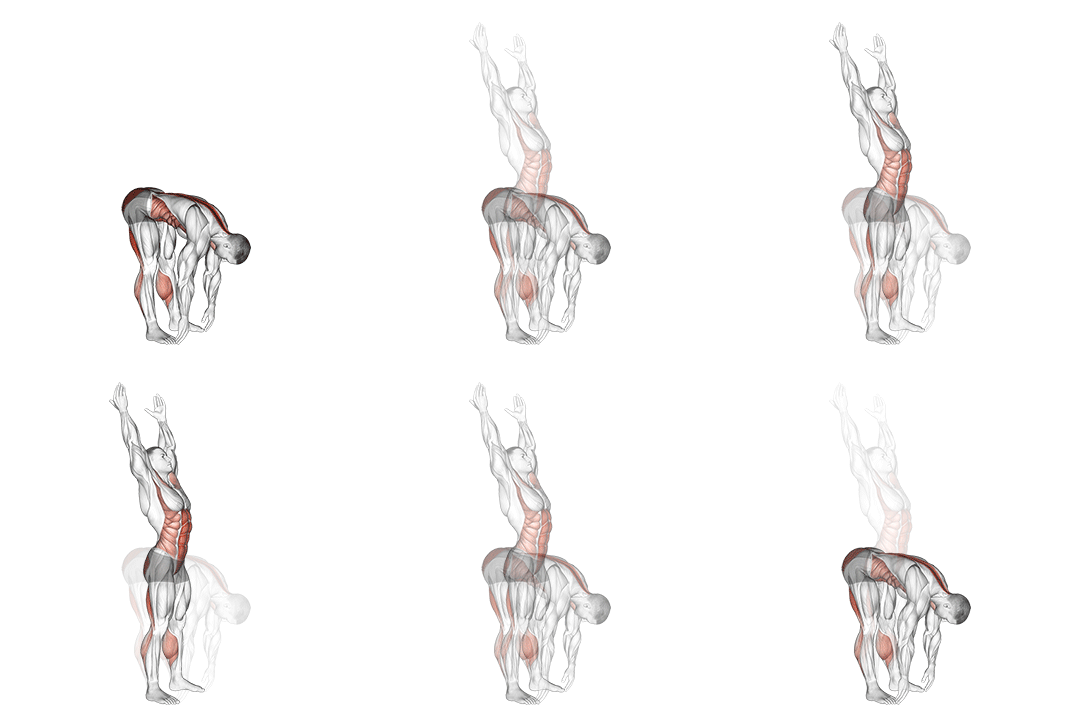
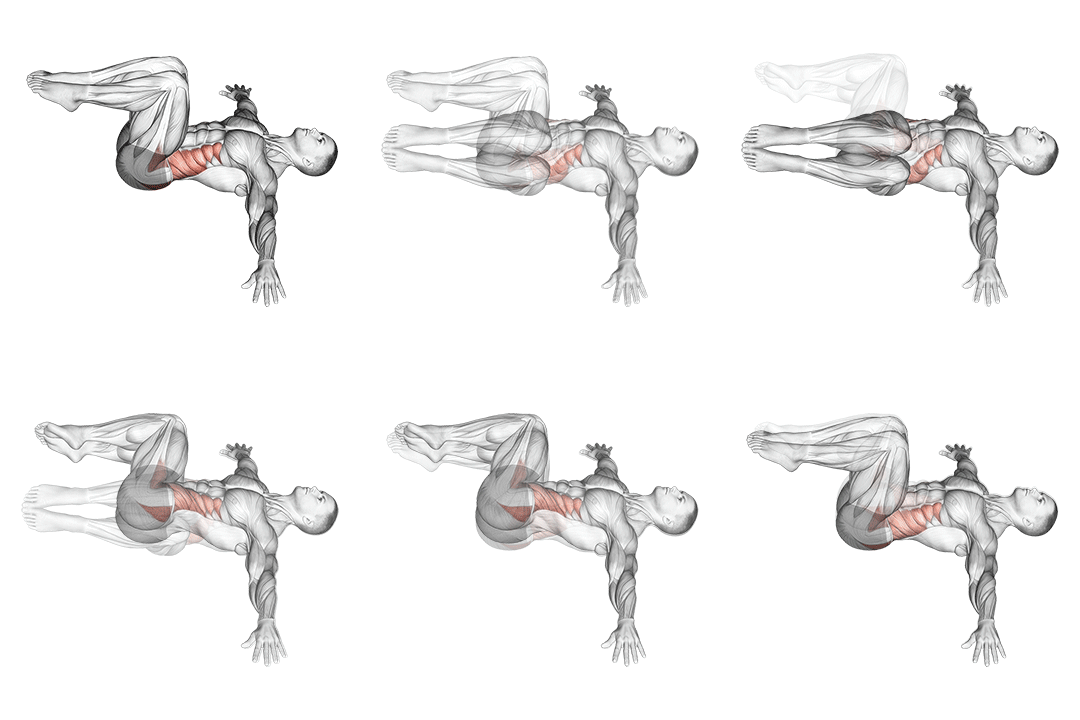
Basic Toe Touch (male)
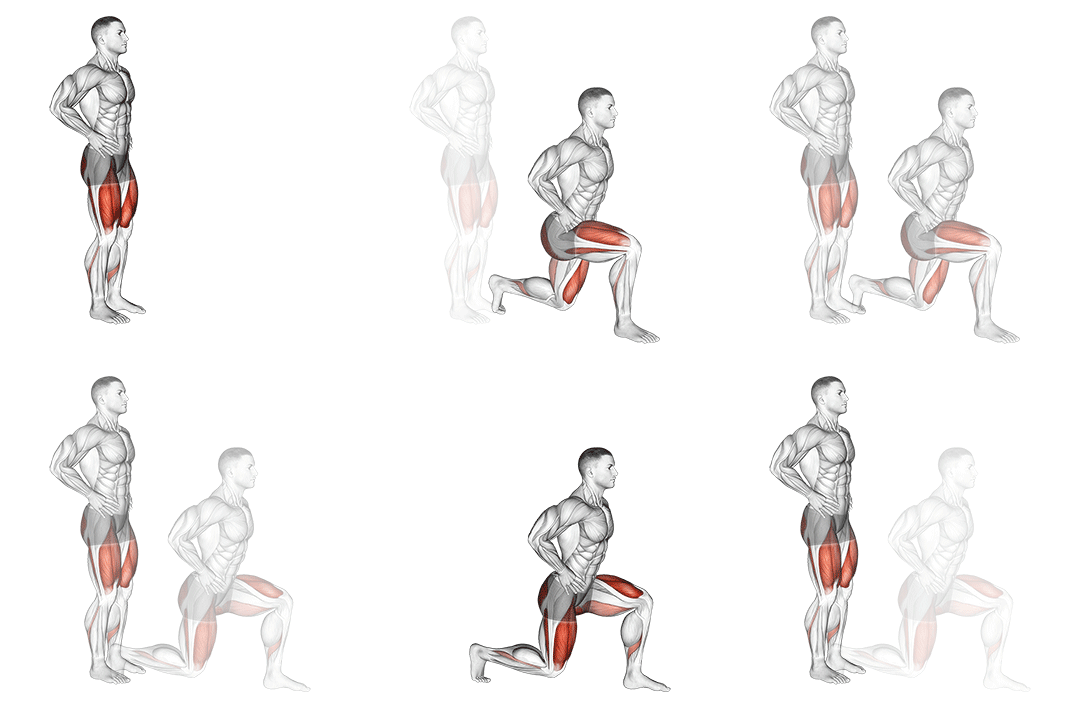
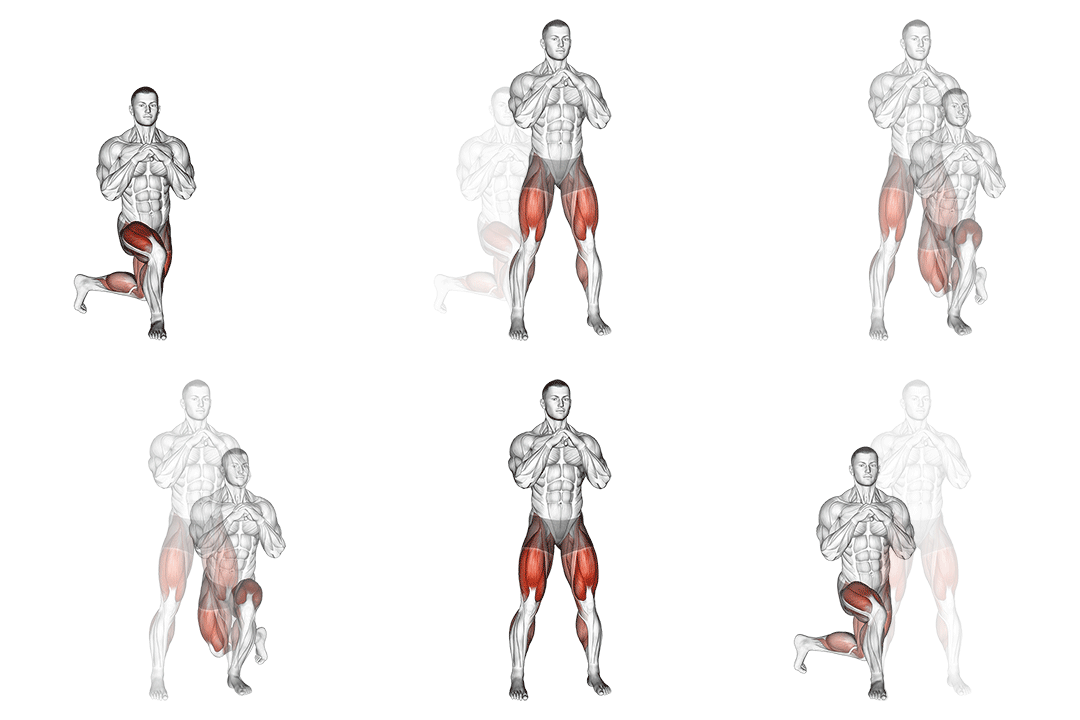
Forward Lunge (male)
Head-to-Head Comparison
| Attribute | Basic Toe Touch (male) | Forward Lunge (male) |
|---|---|---|
| Target Muscle |
Glutes
|
Glutes
|
| Body Part |
Upper-legs
|
Upper-legs
|
| Equipment |
Body-weight
|
Body-weight
|
| Difficulty |
Beginner
|
Beginner
|
| Movement Type |
Isolation
|
Compound
|
| Secondary Muscles |
2
|
3
|
Secondary Muscles Activated
Basic Toe Touch (male)
Forward Lunge (male)
Visual Comparison
Overview
Basic Toe Touch (male) vs Forward Lunge (male) sets up a clear contrast between an isolation glute movement and a compound unilateral leg pattern. You’ll learn how each exercise loads the glutes, which secondary muscles assist, what equipment and movement skill you need, and practical rep and progression recommendations. Read on to see which movement fits your goals—whether you want targeted glute activation, balanced single-leg strength, or a simple home option—and get specific technique cues and biomechanics to help you perform each safely and effectively.
Key Differences
- Basic Toe Touch (male) is an isolation exercise, while Forward Lunge (male) is a compound movement.
- Both exercises target the Glutes using Body-weight. The main differences are in their movement patterns and muscle activation angles.
Pros & Cons
Basic Toe Touch (male)
+ Pros
- Simple hip-hinge that isolates glute contraction and posterior chain tension
- Requires no equipment and little space
- Low coordination demand—good entry-level movement
- Easily used for high-rep endurance or tempo-based glute work
− Cons
- Limited external load options for progressive overload
- Less carryover to multi-joint functional strength compared with lunges
- Can overstretch hamstrings or encourage lumbar rounding if done too aggressively
Forward Lunge (male)
+ Pros
- Compound unilateral move that builds glute strength and balance
- Scales well with added weight for progressive overload
- Improves single-leg stability and functional force transfer
- Engages quadriceps, hamstrings, calves, and core for total leg development
− Cons
- Requires more balance and joint mobility (hip, ankle)
- Higher technical demand increases injury risk if performed poorly
- Needs more space and may require load to be optimal for muscle growth
When Each Exercise Wins
The lunge supports heavier progressive overload and combines hip and knee extension, recruiting a larger muscle mass. Aim for 8-12 reps per leg with controlled 2-3 second eccentrics to maximize time under tension.
Forward lunges allow adding meaningful external load, producing higher ground reaction forces and hip moments required for strength. Use 3-6 reps per leg with heavier loads and full, controlled reps to build maximal strength.
The toe touch has a simpler hinge pattern and lower balance demand, making it easier to teach proper hip extension and motor control. Start with 10-15 reps focusing on hip travel and a firm glute contraction at the top.
Both are bodyweight-friendly, but the toe touch fits tighter spaces and requires minimal coordination or stepping room. Use it for quick posterior-chain sessions or as a warm-up for single-leg work.
Frequently Asked Questions
Can I do both Basic Toe Touch (male) and Forward Lunge (male) in the same workout?
Yes. Use the Basic Toe Touch (male) as a targeted activation or warm-up to prime the glutes, then perform Forward Lunge (male) sets for heavier work. That sequence reinforces motor patterns and improves transfer of activation to loaded, compound movement.
Which exercise is better for beginners?
Basic Toe Touch (male) is better for absolute beginners because it simplifies the hip-hinge and lowers balance demands. Once you can maintain hip control and a neutral spine, add forward lunges to develop single-leg strength and coordination.
How do the muscle activation patterns differ?
The toe touch biases glute and hamstring length-tension through a hip-hinge with strong eccentric control, while the lunge combines hip extension and knee extension, shifting some load to the quadriceps and producing higher concentric force during the drive phase.
Can Forward Lunge (male) replace Basic Toe Touch (male)?
If your goal is strength and hypertrophy, lunges can replace toe touches because they load the glutes and legs more effectively. If you need isolated glute activation, mobility-friendly options, or a simple warm-up, keep the Basic Toe Touch (male) in your program.
Expert Verdict
Use the Basic Toe Touch (male) when you want a low-skill way to target the glutes and posterior chain, especially for warm-ups, high-rep glute endurance, or when space and equipment are limited. Prioritize a controlled hip hinge, neutral spine, and a deliberate glute squeeze at the top. Choose the Forward Lunge (male) when you need multi-joint strength, unilateral balance, and scalable overload for muscle growth or strength. Train lunges for heavier sets (3-6 reps) for strength or 8-12 reps for hypertrophy, and focus on 90° knee angles, knee tracking over toes, and hip drive to protect the joints.
Also Compare
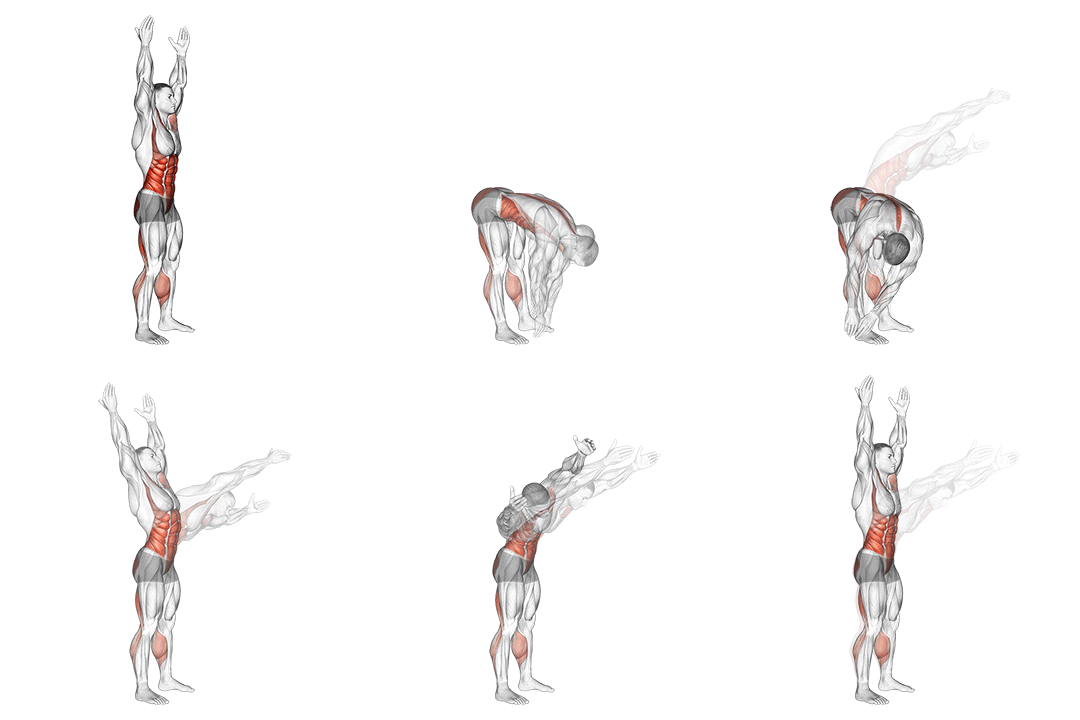
More comparisons with Basic Toe Touch (male)
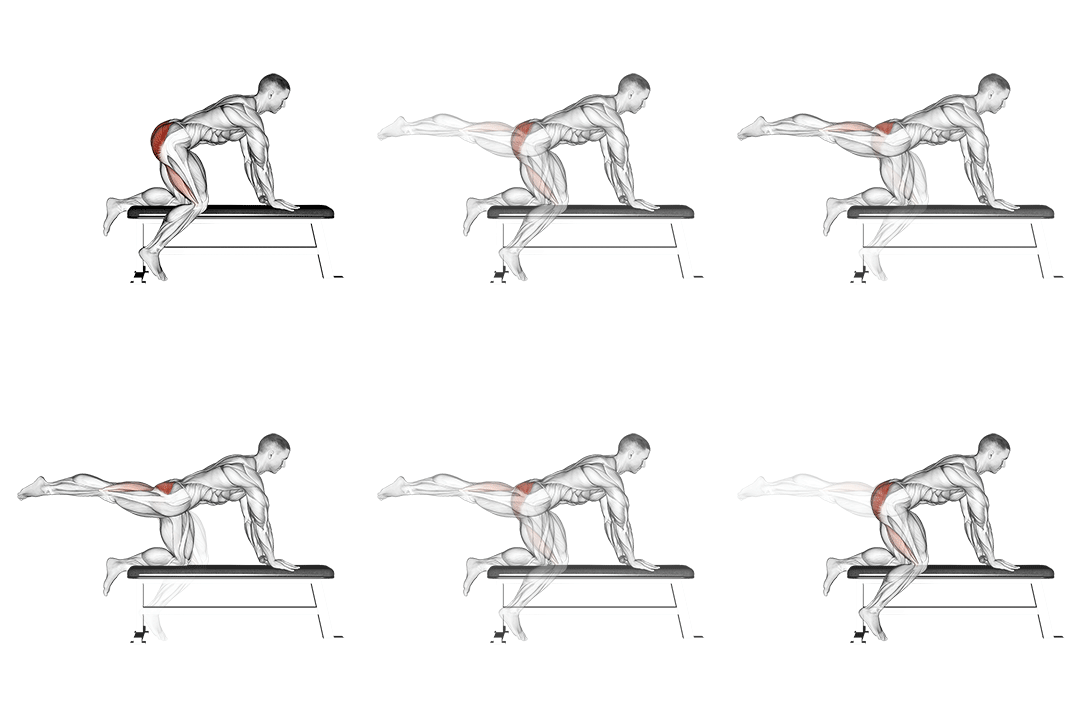
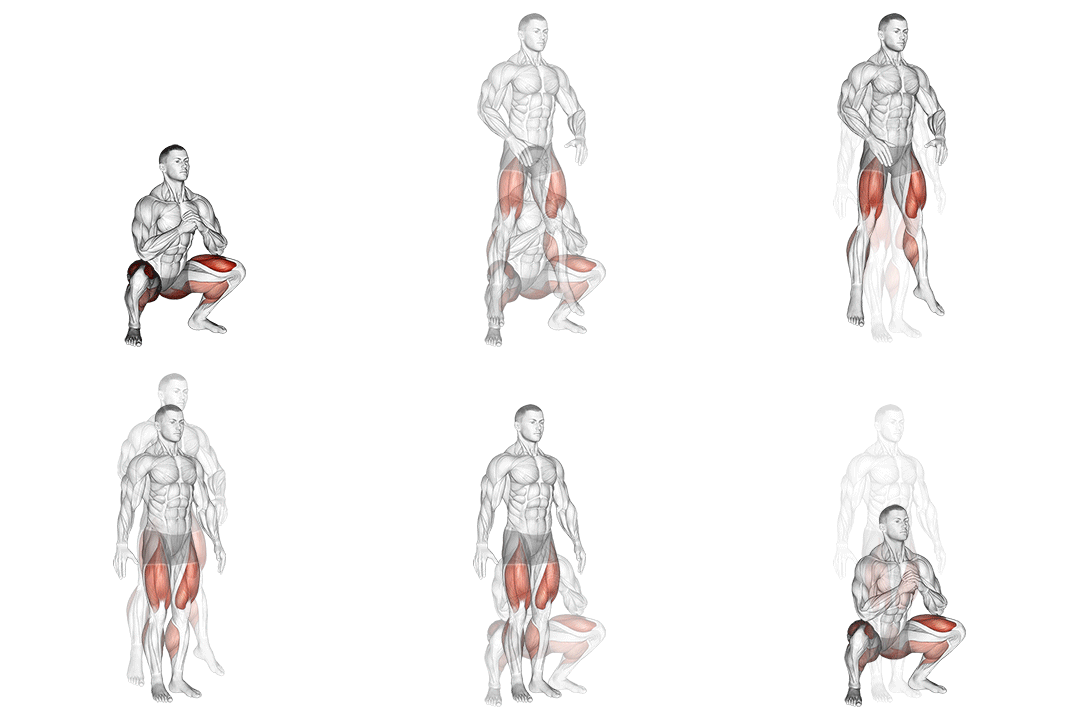
More comparisons with Forward Lunge (male)
Compare More Exercises
Use our free comparison tool to analyze any two exercises head-to-head.
Compare Exercises