

Bench Pull-ups vs L-pull-up: Complete Comparison Guide
Bench Pull-ups vs L-pull-up — which should you add to your routine? You’ll get a clear breakdown of how each move loads the lats, which secondary muscles light up, the equipment and setup you need, and practical programming cues. I’ll compare biomechanics (force vectors, hip angle, length-tension), show technique cues to maximize lat activation, and give decisive recommendations for hypertrophy, strength, beginners, and home workouts so you can pick the right pull variation for your goals.
Exercise Comparison
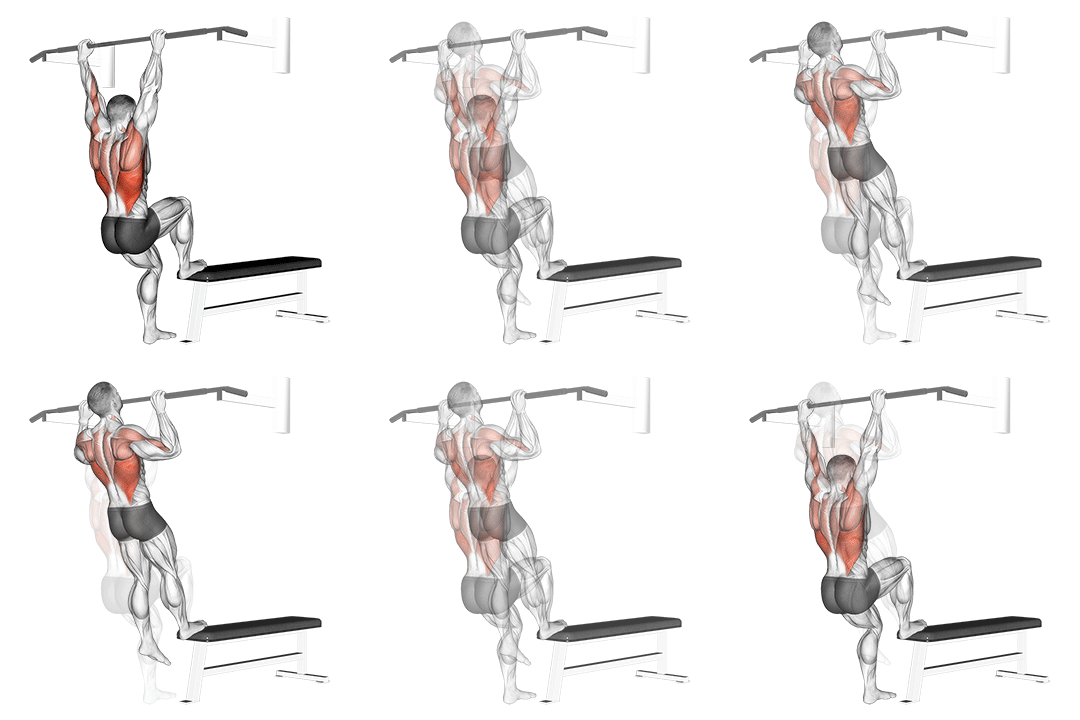
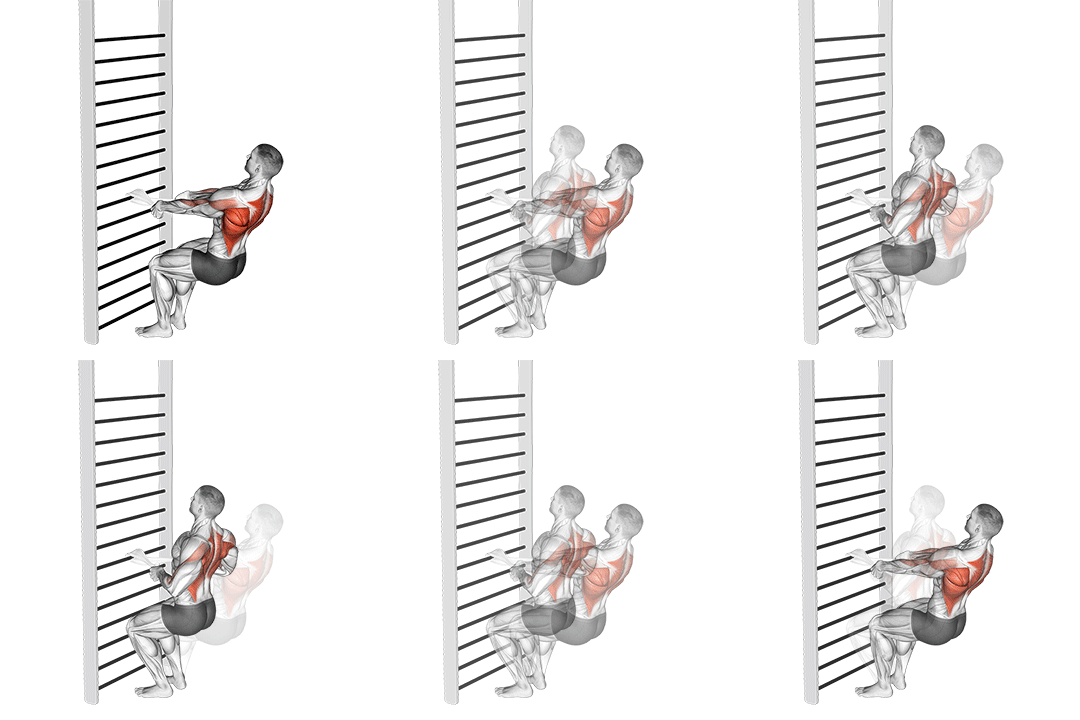
Bench Pull-ups
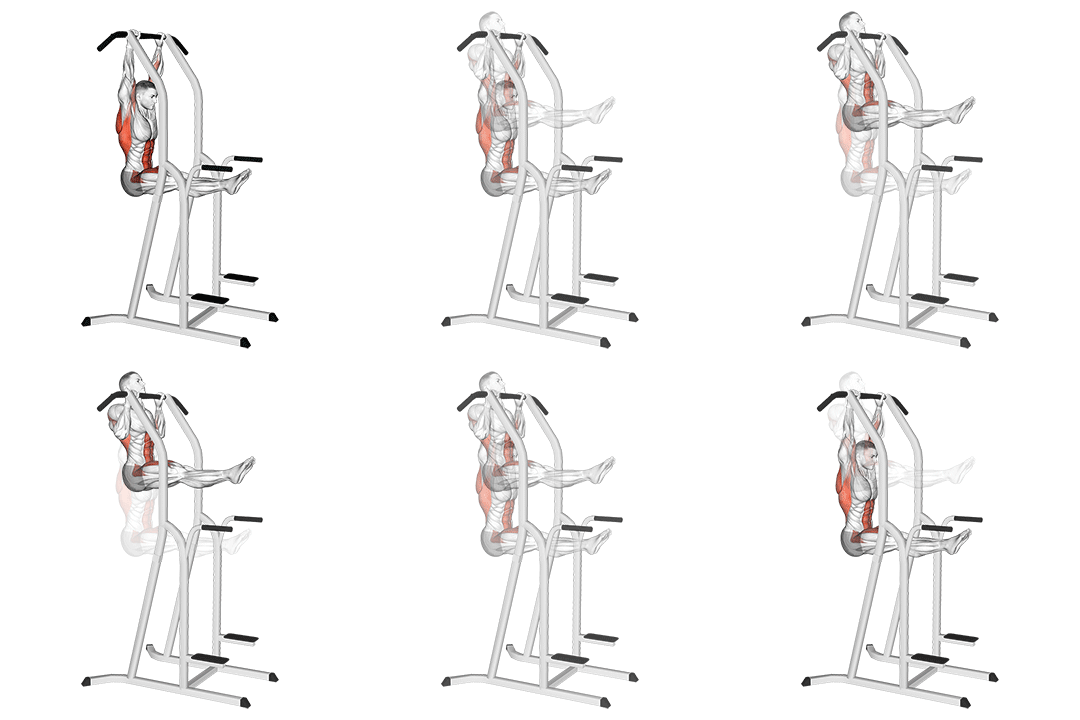
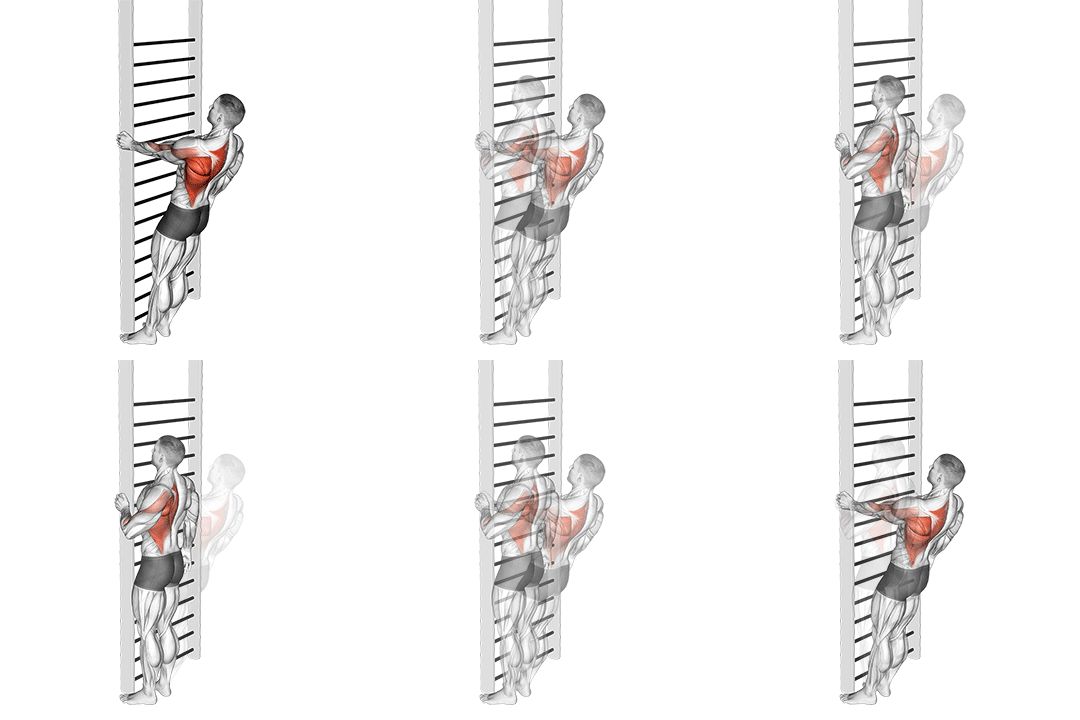
L-pull-up
Head-to-Head Comparison
| Attribute | Bench Pull-ups | L-pull-up |
|---|---|---|
| Target Muscle |
Lats
|
Lats
|
| Body Part |
Back
|
Back
|
| Equipment |
Body-weight
|
Body-weight
|
| Difficulty |
Intermediate
|
Intermediate
|
| Movement Type |
Compound
|
Compound
|
| Secondary Muscles |
2
|
2
|
Secondary Muscles Activated
Bench Pull-ups
L-pull-up
Visual Comparison
Overview
Bench Pull-ups vs L-pull-up — which should you add to your routine? You’ll get a clear breakdown of how each move loads the lats, which secondary muscles light up, the equipment and setup you need, and practical programming cues. I’ll compare biomechanics (force vectors, hip angle, length-tension), show technique cues to maximize lat activation, and give decisive recommendations for hypertrophy, strength, beginners, and home workouts so you can pick the right pull variation for your goals.
Key Differences
- Both exercises target the Lats using Body-weight. The main differences are in their movement patterns and muscle activation angles.
Pros & Cons
Bench Pull-ups
+ Pros
- Easier to scale by changing body angle, letting you hit 6–15 reps for hypertrophy
- Lower absolute vertical load reduces shoulder stress during learning
- Greater posterior deltoid and mid-trap recruitment from a horizontal pull vector
- Simple tempo and angle progressions make it easy to program volume
− Cons
- Requires a low anchor plus bench or platform for proper setup
- Less core demand than L-pull-up, so it won’t develop L-sit strength
- Horizontal vector may transfer less directly to strict vertical pulling strength
L-pull-up
+ Pros
- Stronger carryover to strict vertical pulling strength and weighted pull-ups
- High core and hip-flexor engagement builds anterior chain stability (L-sit hold ~10–30s)
- Easy to add load with weight belts or vests for progressive overload
- Vertical force vector maximizes lat mechanical tension through full ROM
− Cons
- Requires solid core and hamstring flexibility to maintain L position
- Harder to hit high-rep hypertrophy sets initially due to higher intensity
- Greater shoulder and lumbar demand if mobility or technique are poor
When Each Exercise Wins
Bench Pull-ups let you control load by changing torso angle so you can hit the 6–12 rep and 40–70 second time-under-tension ranges needed for hypertrophy. The more horizontal pull also increases posterior deltoid and mid-trap involvement, allowing higher-volume work without overloading the shoulders.
L-pull-ups maintain a vertical force vector and demand an isometric L-sit, which increases total tension on the lats and core. That vertical loading transfers better to weighted pull-ups and 3–6 rep strength phases.
Beginners benefit from the reduced percent bodyweight and adjustable angle of bench pull-ups, which let you build scapular control and work into full vertical pulls without high initial joint stress.
If you have a pull-up bar, L-pull-ups need no extra furniture and deliver high return on time by combining core and back training. Bench setups require extra equipment or creative anchoring that many homes lack.
Frequently Asked Questions
Can I do both Bench Pull-ups and L-pull-up in the same workout?
Yes. Pair them strategically: use bench pull-ups early for volume (3–4 sets of 6–12 with controlled eccentrics) and finish with 2–4 sets of L-pull-ups or L-sit holds for strength and core. This sequencing manages fatigue while training both horizontal and vertical pulling mechanics.
Which exercise is better for beginners?
Bench Pull-ups are better for most beginners because the angled position reduces the percentage of bodyweight you lift and lets you focus on scapular retraction and full-range reps. Progress by reducing the angle as your strength improves before attempting strict L-pull-ups.
How do the muscle activation patterns differ?
Bench Pull-ups shift some load to posterior deltoids and mid-trapezius due to a more horizontal pull vector, while L-pull-ups keep the force vertical and increase lat and anterior core tension. L-pull-ups also add sustained hip-flexor and rectus abdominis activation from the L-sit.
Can L-pull-up replace Bench Pull-ups?
L-pull-ups can replace bench pull-ups for strength-focused phases, but they don’t fully replace the volume and muscle-balance benefits of bench pull-ups. Use L-pull-ups for vertical strength and bench pull-ups for higher-volume lat and posterior shoulder work.
Expert Verdict
Use Bench Pull-ups when your priority is controlled hypertrophy, graduated loading, and a lower-risk learning path. The angled body position moves less of your bodyweight and emphasizes posterior deltoids and mid-traps alongside the lats, making it ideal for higher-volume sets (6–12 reps) and tempo work. Choose L-pull-ups when you want vertical pulling strength, core integration, and a progression toward weighted pull-ups; maintain an L-sit (hips ~90°) and work from tuck to full L to add intensity. Program both if you want complementary benefits: bench pulls for volume and technique, L-pull-ups for strength and core development.
Also Compare
More comparisons with Bench Pull-ups
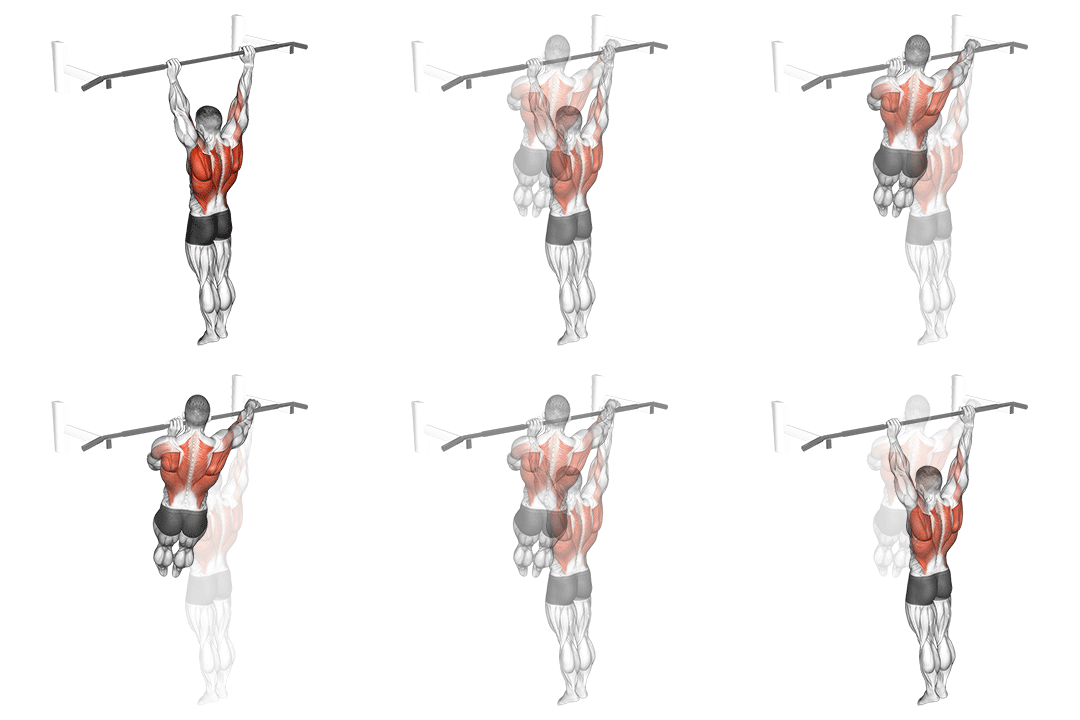
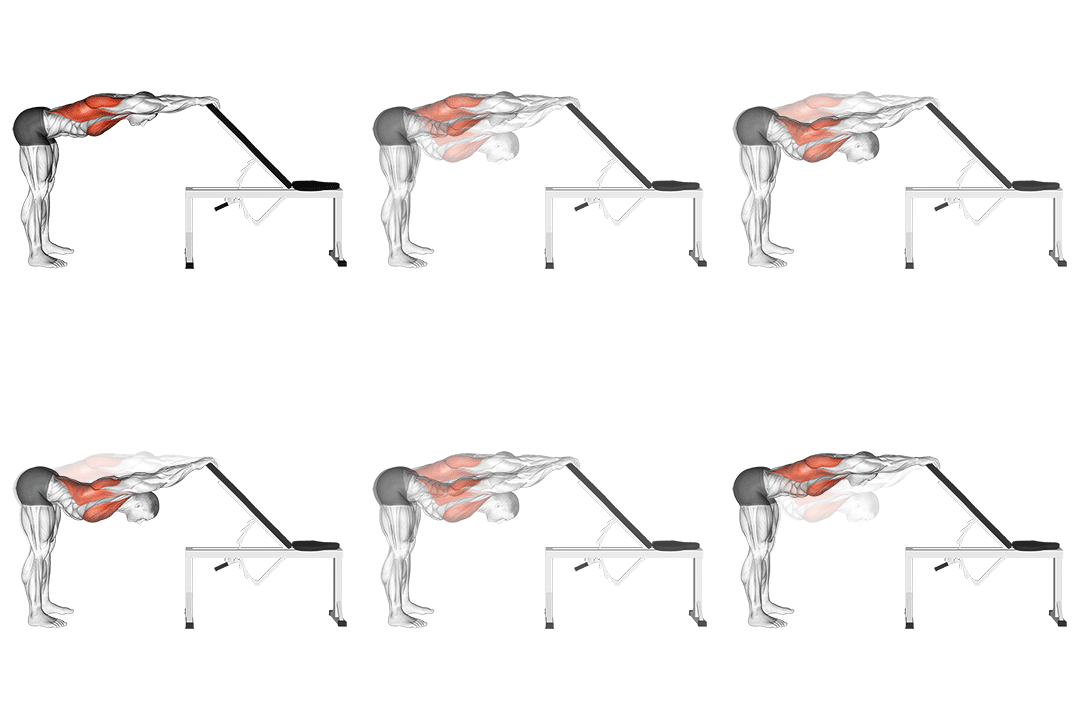

Compare More Exercises
Use our free comparison tool to analyze any two exercises head-to-head.
Compare Exercises