Butterfly vs Leverage Incline Chest Press

Compare target muscles, equipment, difficulty, movement type, and secondary muscles for Butterfly and Leverage Incline Chest Press.

Change comparison Share

Get comparison link

Select the link and use your device's Copy command.

Comparison overview

AI-generated
Butterfly vs Leverage Incline Chest Press — you’re comparing two machine-based chest moves that look similar but load your pecs in different ways. I’ll walk you through muscle activation, biomechanics (force vectors, moment arms, length-tension), technique cues, equipment needs, and which to pick for hypertrophy, strength, or easy progression. You’ll also get concrete rep ranges (6–8, 8–12, 12–20), angle notes (incline ~30–45°), and practical programming tips. Read on to see how {Exercise1} vs {Exercise2} stacks up and which one fits your plan.

Exercise Comparison

Exercise A
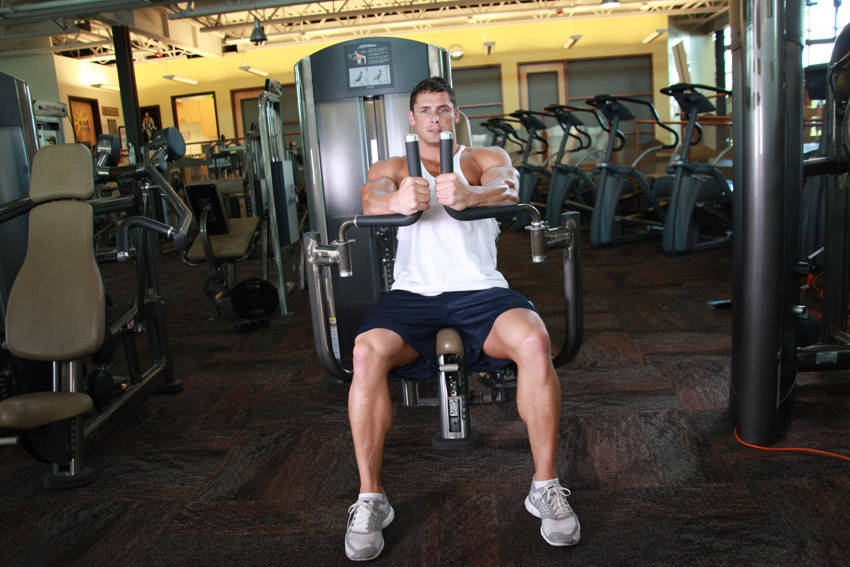
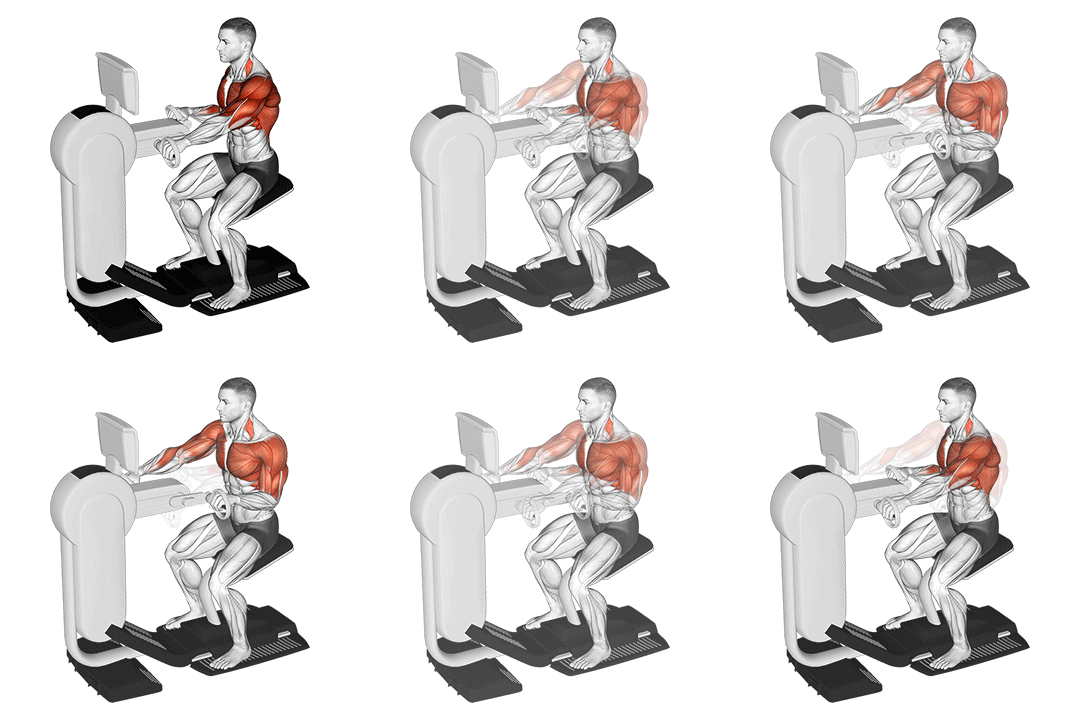
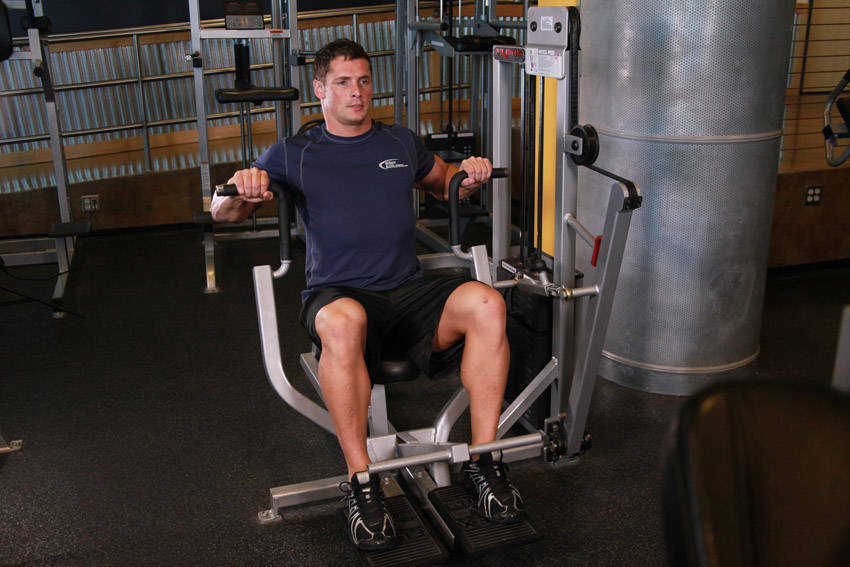
Butterfly demonstration

Butterfly

Target Pectorals
Equipment Machine
Body Part Chest
Difficulty Beginner
Movement Isolation
VS
Exercise B
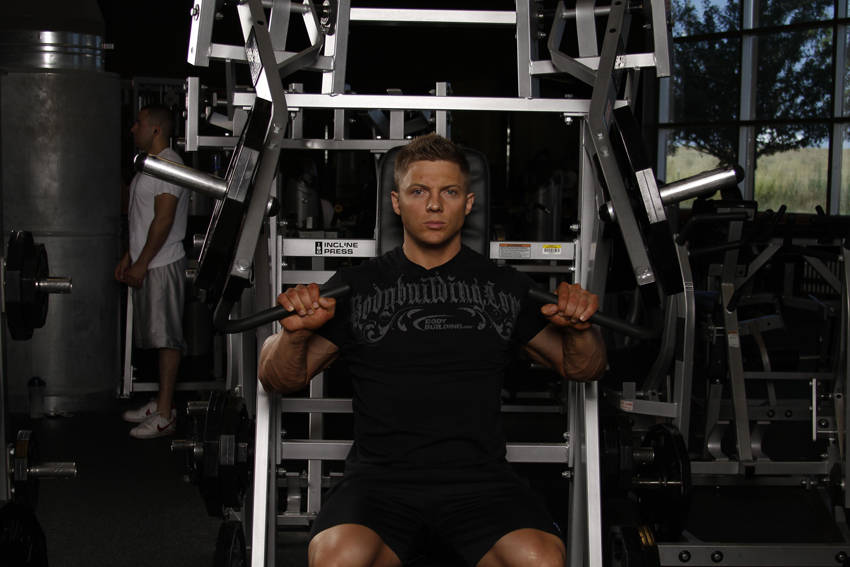
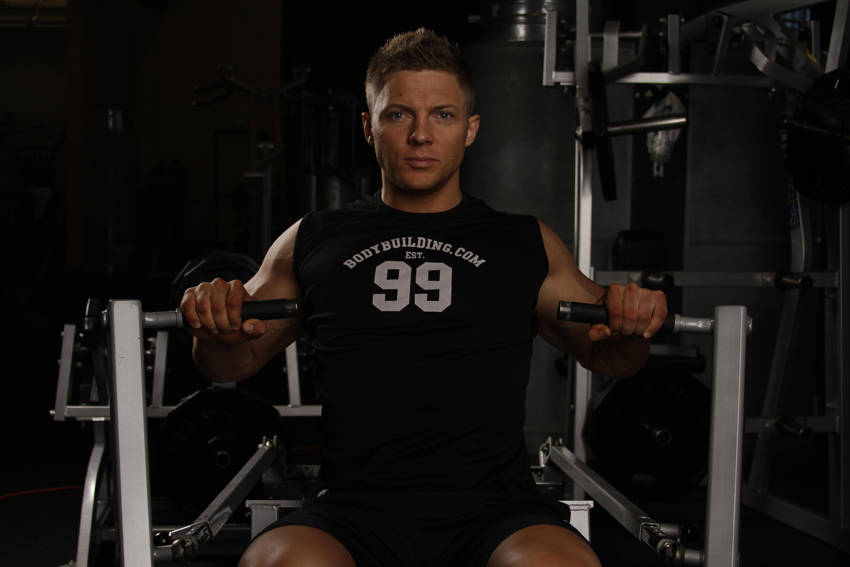
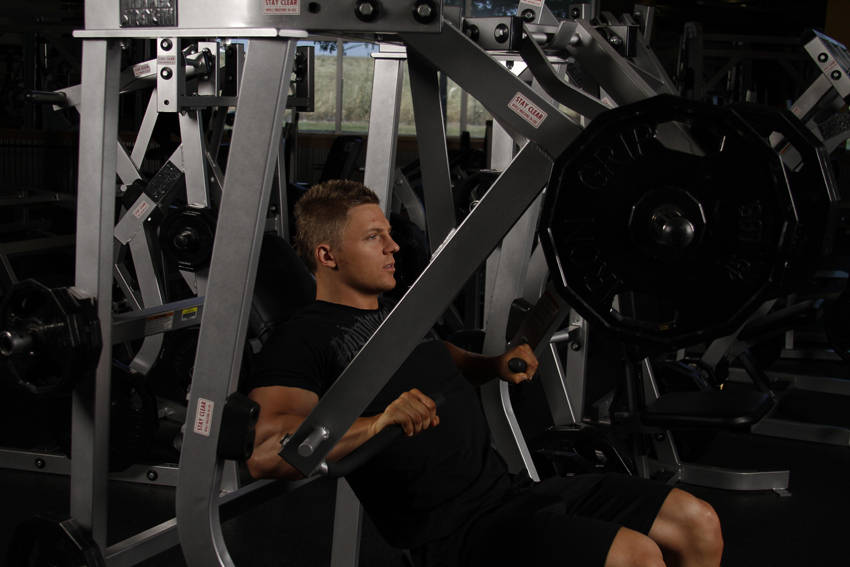
Leverage Incline Chest Press demonstration

Leverage Incline Chest Press

Target Pectorals
Equipment Machine
Body Part Chest
Difficulty Intermediate
Movement Compound
Secondary Muscles
Shoulders Triceps

Head-to-Head Comparison

Different values are marked. These are catalogue attributes, not performance scores.

Muscles used

Listed target and secondary muscles, shown on the body. Locations, not activation or strength scores.

  • Target
  • Secondary
  • Not highlighted

Butterfly

Front
Butterfly: front muscle locationsSolid: listed target. Striped: listed secondary. Grey: not highlighted. Locations, not activation or strength scores. See the muscle names below.
Back
Butterfly: back muscle locationsSolid: listed target. Striped: listed secondary. Grey: not highlighted. Locations, not activation or strength scores. See the muscle names below.
Target
Pectorals
Secondary
None listed

Leverage Incline Chest Press

Front
Leverage Incline Chest Press: front muscle locationsSolid: listed target. Striped: listed secondary. Grey: not highlighted. Locations, not activation or strength scores. See the muscle names below.
Back
Leverage Incline Chest Press: back muscle locationsSolid: listed target. Striped: listed secondary. Grey: not highlighted. Locations, not activation or strength scores. See the muscle names below.
Target
Pectorals
Secondary
Shoulders, Triceps

Not shown on diagram: Shoulders. These labels do not identify a precise region on this map.

Grey does not mean a muscle is unused. The diagrams show only the mapped catalogue labels.

Attribute Butterfly Leverage Incline Chest Press
Target Muscle
Pectorals
Pectorals
Body Part
Chest
Chest
Equipment
Machine
Machine
Difficulty Different
Beginner
Intermediate
Movement Type Different
Isolation
Compound
Secondary Muscles Different
None listed
Shoulders, Triceps

Visual Comparison

An illustrative 1–10 profile derived from catalog difficulty, equipment, and listed-muscle fields—not measured performance or muscle activation.

Key Differences

  • Butterfly is an isolation exercise, while Leverage Incline Chest Press is a compound movement.
  • Difficulty levels differ: Butterfly is beginner, while Leverage Incline Chest Press is intermediate.
  • Both exercises target the Pectorals using Machine. The catalogue does not establish which exercise is better for an individual goal.

Muscle comparison

Shared target muscles

Both moves primarily load the pectoralis major. The Butterfly emphasizes horizontal shoulder adduction and peak contraction of the sternal head when your arms move across the midline. The Leverage Incline Chest Press shifts the force vector upward (about a 30–45° incline), increasing mechanical tension on the clavicular (upper) fibers and changing the moment arm across the shoulder, so both activate the pecs but at different fiber emphases.

Secondary muscle differences

The Butterfly is an isolation movement with minimal triceps and anterior deltoid involvement — you’ll feel little elbow extension torque. The Leverage Incline Chest Press is a compound pattern: shoulders (anterior deltoid) and triceps contribute 20–40% of the work depending on grip and range, so it spreads load across more joints and allows heavier absolute loads.

Muscle involvement analysis

During a Butterfly, the peak EMG-like activity happens near full horizontal adduction as the pecs shorten under tension, leveraging length-tension to maximize peak contraction. The Leverage Incline produces higher activity in the clavicular head through the concentric pressing arc; as you press up, the force vector aligns more with the clavicular fibers, increasing mechanical stress over a longer portion of the ROM.

Equipment and setup

Butterfly: setup

Butterfly requires a chest fly machine with independent arms or a pec-deck; stable seat height and adjustable pads help position the glenohumeral joint for clean horizontal adduction.

Leverage Incline Chest Press: setup

Leverage Incline Chest Press requires a leverage plate-loaded or selectorized incline press with a 30–45° backrest and handles that track the pressing arc; sturdy machine frame and adjustable seat are important for safe shoulder alignment.

Access and practicality

Butterfly — more gyms have a pec-deck and the machine is often smaller and simpler to use. You can also mimic it with cables or resistance bands at home, making it more accessible overall.

Learning and progression

Learning the movements

Butterfly is easier to learn: set seat so handles sit at chest height, keep a slight bend at the elbows, and squeeze pecs together. Leverage Incline has a steeper learning curve because you must set seat height and back angle correctly to avoid shoulder impingement while coordinating press timing.

Progression considerations

Leverage Incline offers greater long-term progression: you can increase load in larger increments and overload the pecs, shoulders, and triceps together for strength and size. Butterfly is better for adding volume and improving peak contraction but has limited heavy-loading potential.

Limitations and precautions

Relative risk is higher on the Leverage Incline due to pressing with heavier loads and greater shoulder involvement; poor setup can load the anterior cuff and labrum. Butterfly can risk shoulder strain if you let the humerus hyperextend behind the torso or flare the elbows excessively.

Pros & Cons

Butterfly

+ Pros

  • Isolates the pectorals for focused contraction and mind–muscle connection
  • Easy to set up and learn for beginners
  • Works well as a finisher to pump pecs at 8–20 reps
  • Can be closely replicated with cables or bands for home use

Cons

  • Limited ability to progressively overload with heavy absolute loads
  • Poor setup or excessive ROM can stress anterior shoulder structures
  • Minimal carryover to multi-joint pressing strength

Leverage Incline Chest Press

+ Pros

  • Loads pecs, shoulders, and triceps allowing heavier progressive overload
  • Better for increasing pressing strength and upper-chest thickness
  • Stable machine path reduces need for spotter compared to free barbell incline
  • Adjustable seat and handles allow varied grip and range for targeting

Cons

  • Requires correct seat/back angle to avoid shoulder impingement
  • More technical setup and higher injury risk if overloaded
  • Less pure isolation of the chest — shoulders and triceps share much of the work

When Each Exercise Wins

1
For muscle hypertrophy: Leverage Incline Chest Press

Leverage incline lets you use heavier loads and longer time under tension across the clavicular and sternal heads, which drives greater mechanical tension — the primary hypertrophy driver. Use 6–12 reps for compound sets and finish with Butterfly sets at 10–15 reps for peak contraction.

2
For strength gains: Leverage Incline Chest Press

Strength requires progressive overload and multi-joint effort; the Leverage Incline supports larger absolute loads and a stronger neural stimulus through shoulder and triceps recruitment, making it the stronger choice for pressing strength.

3
For beginners: Butterfly

Butterfly is simpler to learn and isolates the chest so you can develop a mind–muscle connection and movement confidence. Start with 3–4 sets of 10–15 reps focusing on controlled tempo and scapular stability.

4
For home workouts: Butterfly

While both are machine-based, the Butterfly movement is easy to replicate with resistance bands or a cable fly setup at home. The Leverage Incline requires a bulky machine that most home gyms don’t have.

Frequently Asked Questions

Can I do both Butterfly and Leverage Incline Chest Press in the same workout?

Yes — press compound first (Leverage Incline) for 3–5 sets to build tension and strength, then use Butterfly as a finisher for 2–4 sets of higher reps to target peak contraction and metabolic stress. That sequencing optimizes force production early and isolation later.

Which exercise is better for beginners?

Butterfly is better for beginners because it isolates the pecs and has a predictable machine path, making setup and technique easier. Start light and focus on a controlled tempo and scapular stability before progressing to compound presses.

How do the muscle activation patterns differ?

Butterfly emphasizes horizontal adduction, producing peak pec activation near midline as fibers shorten. Leverage Incline shifts the force vector up, increasing activation of the clavicular head and recruiting anterior deltoid and triceps through greater elbow extension torque and a longer concentric range.

Can Leverage Incline Chest Press replace Butterfly?

It can replace Butterfly if your goal is overall chest mass and pressing strength because it loads more muscle groups and allows heavier weights. If you need targeted isolation or a corrective/mind–muscle tool, keep Butterfly in the program as a complement.

Comparison Summary

Use the Leverage Incline Chest Press when your priority is heavy progressive overload, upper-chest thickness, and increasing pressing strength — program it for 3–6 sets of 4–8 reps or 3–5 sets of 6–12 for hypertrophy, with the backrest at roughly 30–45°. Use the Butterfly when you want focused isolation, a strong peak contraction, or an easy-to-learn finisher at 8–20 reps. Pair them: prioritize the Leverage Incline early in a session to build load capacity, then finish with Butterfly flyes to maximize fiber recruitment and metabolic tension for muscle growth.

Exercise instructions

Steps from the exercise catalogue. Read the full sequence before starting.

Butterfly

  1. Sit on the machine with your back flat on the pad.
  2. Take hold of the handles. Tip: Your upper arms should be positioned parallel to the floor; adjust the machine accordingly. This will be your starting position.
  3. Push the handles together slowly as you squeeze your chest in the middle. Breathe out during this part of the motion and hold the contraction for a second.
Read remaining steps for Butterfly
  1. Return back to the starting position slowly as you inhale until your chest muscles are fully stretched.
  2. Repeat for the recommended amount of repetitions.

Leverage Incline Chest Press

  1. Load an appropriate weight onto the pins and adjust the seat for your height. The handles should be near the top of the pectorals at the beginning of the motion. Your chest and head should be up and your shoulder blades retracted. This will be your starting position.
  2. Press the handles forward by extending through the elbow.
  3. After a brief pause at the top, return the weight just above the start position, keeping tension on the muscles by not returning the weight to the stops until the set is complete.

Also Compare

Compare another pair

Choose two exercises to see their differences side by side.

Compare Exercises