Butterfly vs Smith Machine Bench Press

Compare target muscles, equipment, difficulty, movement type, and secondary muscles for Butterfly and Smith Machine Bench Press.

Change comparison Share

Get comparison link

Select the link and use your device's Copy command.

Comparison overview

AI-generated
Butterfly vs Smith Machine Bench Press is the matchup that reveals whether isolation or a guided compound press better serves your chest goals. You’ll get clear, science-backed differences in muscle activation, joint mechanics, equipment needs, and programming. I’ll cover primary and secondary muscle recruitment, concrete technique cues (seat height, elbow angle, bar path), rep ranges for hypertrophy and strength, and when to pick one over the other depending on your experience and training space. Read this to decide which exercise to prioritize in your chest workouts and how to use both effectively.

Exercise Comparison

Exercise A
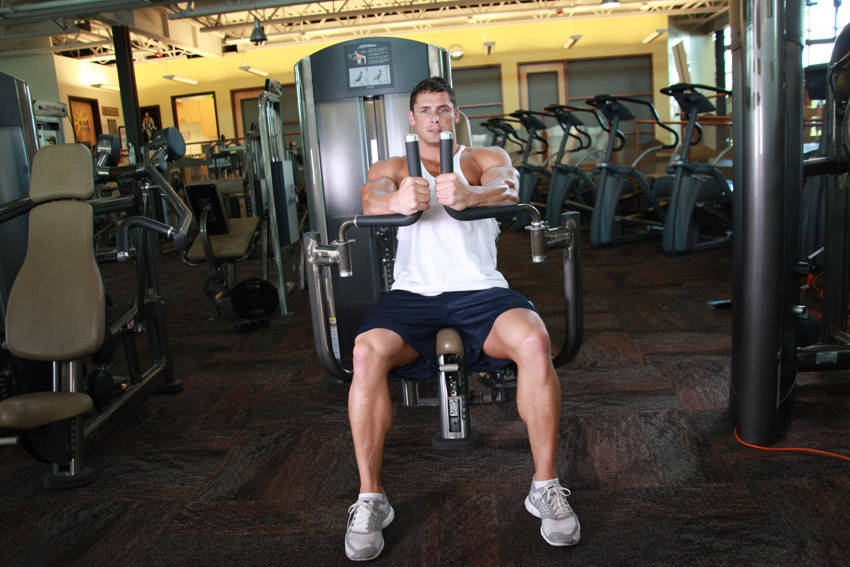
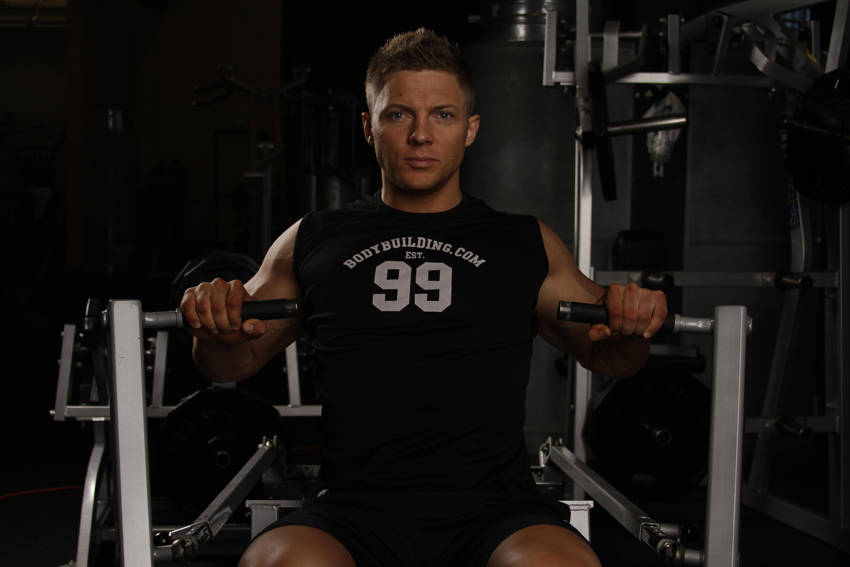
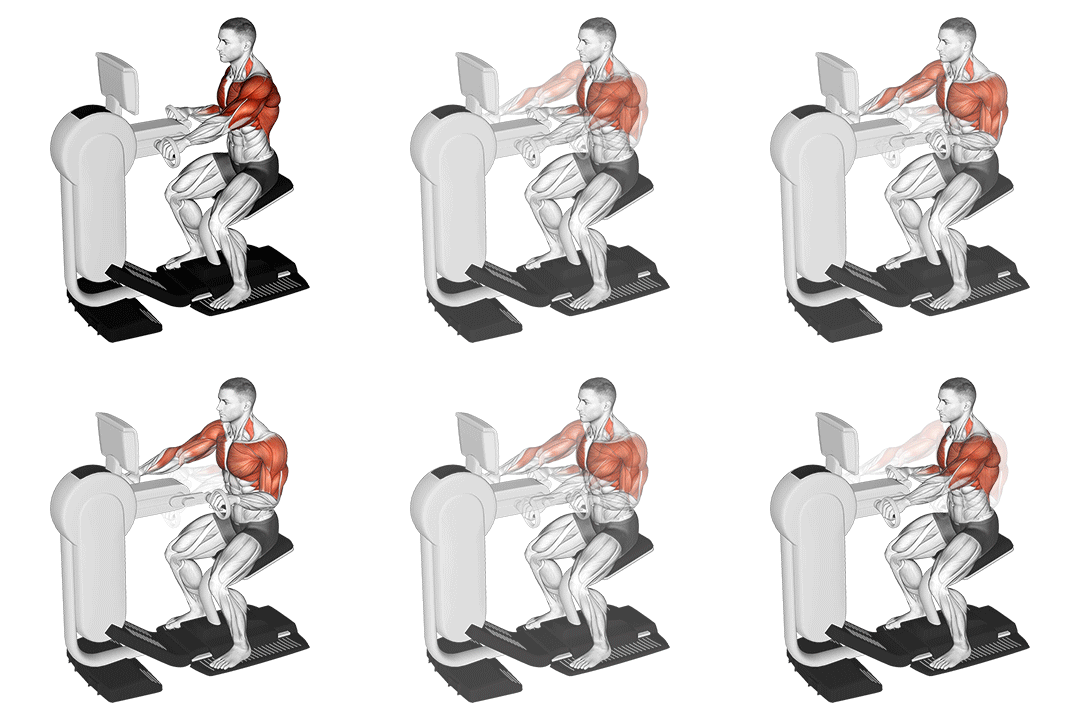
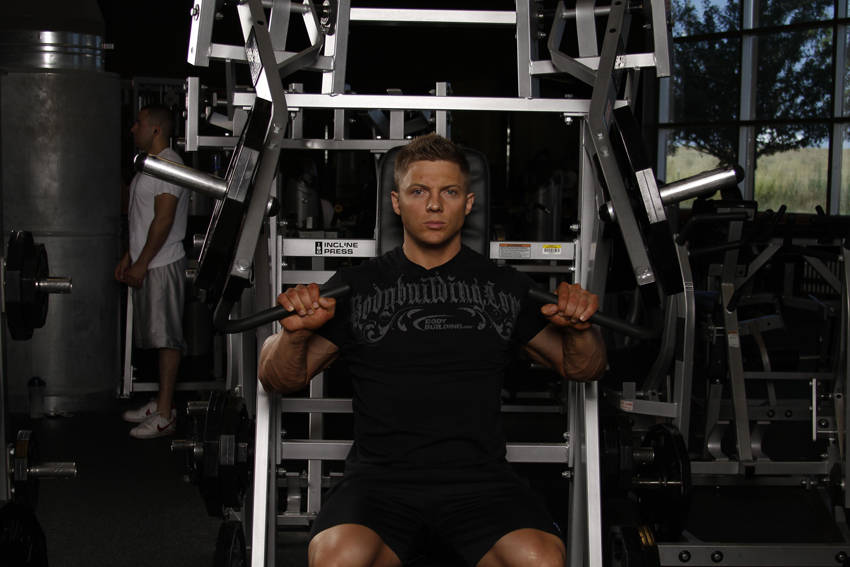
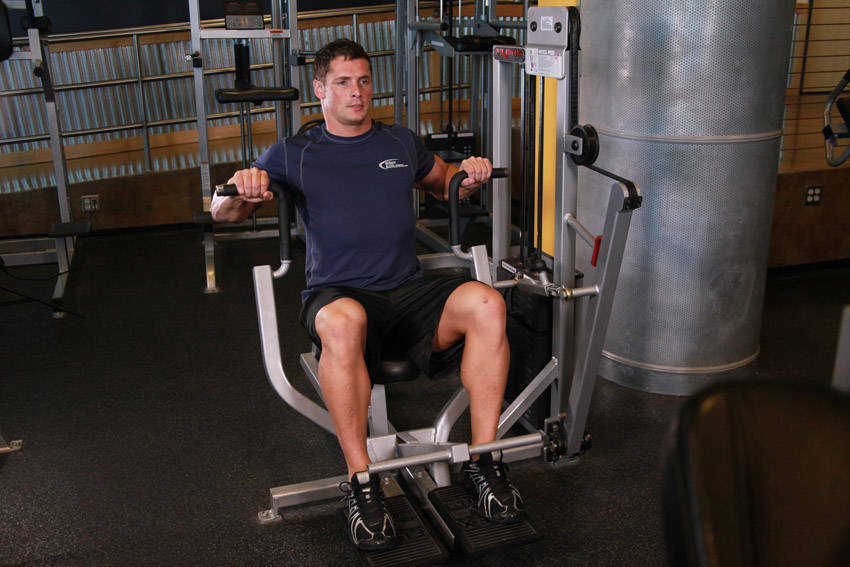
Butterfly demonstration

Butterfly

Target Pectorals
Equipment Machine
Body Part Chest
Difficulty Beginner
Movement Isolation
VS
Exercise B
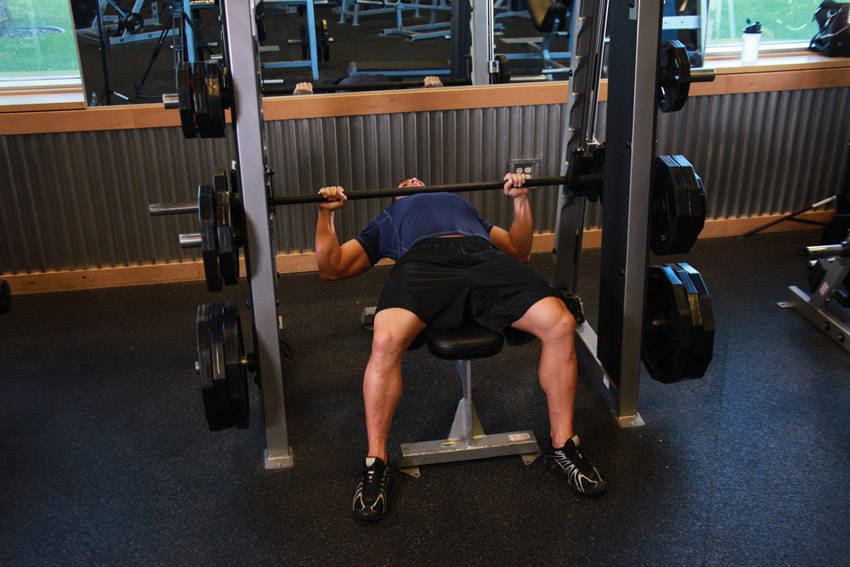
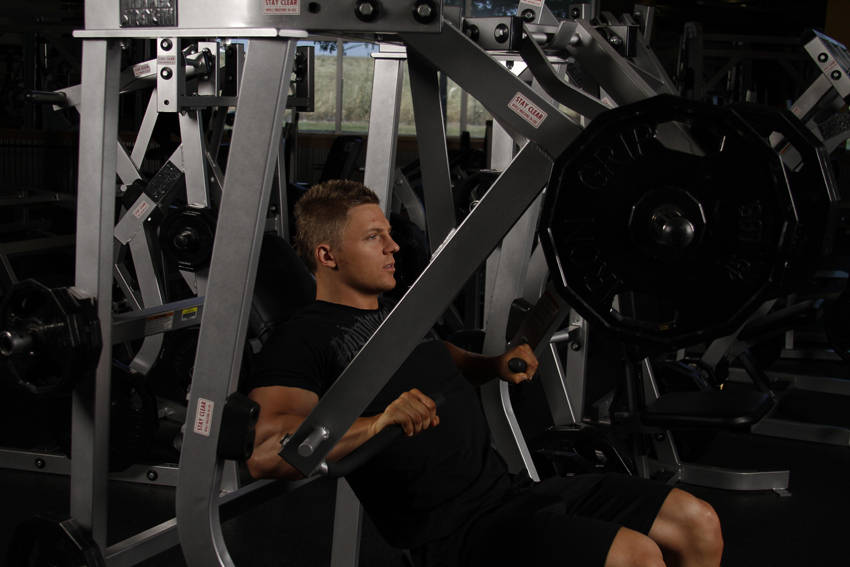
Smith Machine Bench Press demonstration

Smith Machine Bench Press

Target Pectorals
Equipment Machine
Body Part Chest
Difficulty Intermediate
Movement Compound
Secondary Muscles
Shoulders Triceps

Head-to-Head Comparison

Different values are marked. These are catalogue attributes, not performance scores.

Muscles used

Listed target and secondary muscles, shown on the body. Locations, not activation or strength scores.

  • Target
  • Secondary
  • Not highlighted

Butterfly

Front
Butterfly: front muscle locationsSolid: listed target. Striped: listed secondary. Grey: not highlighted. Locations, not activation or strength scores. See the muscle names below.
Back
Butterfly: back muscle locationsSolid: listed target. Striped: listed secondary. Grey: not highlighted. Locations, not activation or strength scores. See the muscle names below.
Target
Pectorals
Secondary
None listed

Smith Machine Bench Press

Front
Smith Machine Bench Press: front muscle locationsSolid: listed target. Striped: listed secondary. Grey: not highlighted. Locations, not activation or strength scores. See the muscle names below.
Back
Smith Machine Bench Press: back muscle locationsSolid: listed target. Striped: listed secondary. Grey: not highlighted. Locations, not activation or strength scores. See the muscle names below.
Target
Pectorals
Secondary
Shoulders, Triceps

Not shown on diagram: Shoulders. These labels do not identify a precise region on this map.

Grey does not mean a muscle is unused. The diagrams show only the mapped catalogue labels.

Attribute Butterfly Smith Machine Bench Press
Target Muscle
Pectorals
Pectorals
Body Part
Chest
Chest
Equipment
Machine
Machine
Difficulty Different
Beginner
Intermediate
Movement Type Different
Isolation
Compound
Secondary Muscles Different
None listed
Shoulders, Triceps

Visual Comparison

An illustrative 1–10 profile derived from catalog difficulty, equipment, and listed-muscle fields—not measured performance or muscle activation.

Key Differences

  • Butterfly is an isolation exercise, while Smith Machine Bench Press is a compound movement.
  • Difficulty levels differ: Butterfly is beginner, while Smith Machine Bench Press is intermediate.
  • Both exercises target the Pectorals using Machine. The catalogue does not establish which exercise is better for an individual goal.

Muscle comparison

Shared target muscles

Both moves target the pectoralis major through horizontal adduction of the humerus. The Butterfly (pec deck) emphasizes pure horizontal adduction and peak contraction of the sternal and sternocostal fibers across the mid-range to end-range of motion. The Smith Machine Bench Press drives pectoral force through a pressing pattern that combines horizontal adduction with shoulder flexion and elbow extension, so both activate the pecs but via different force vectors.

Secondary muscle differences

Smith Machine Bench Press recruits the anterior deltoids and triceps substantially because the movement requires elbow extension under load; expect 15–30% more triceps and deltoid involvement than a Butterfly. The Butterfly minimizes elbow extension torque, reducing triceps demand and stabilizer activation; that makes it more pectoral-isolated. Scapular stabilizers are more engaged during the Smith press if you intentionally retract and depress the scapula, while the pec deck forces a fixed arc that reduces scapular movement.

Muscle involvement analysis

Butterfly produces peak pectoral tension near mid-contraction and at end-range due to high horizontal adduction torque and muscle lengthening at the stretch point, leveraging the length–tension curve for a strong peak contraction. Smith Machine Bench Press has more constant external load through the concentric press; force vectors are more vertical which increases compressive joint loading and allows higher external loads but reduces the need for lateral stabilizers. Overall, Butterfly yields higher relative isolation of pec fibers; Smith allows greater absolute load and concentric force production.

Equipment and setup

Butterfly: setup

Butterfly requires a pec deck / butterfly machine with an adjustable seat to align handles with mid-chest, a weight stack or plates, and comfortable back support.

Smith Machine Bench Press: setup

Smith Machine Bench Press needs a Smith rack with an adjustable bench (flat or incline), safety stops, and sufficient plate storage for progressive loading.

Access and practicality

Smith Machine Bench Press — most commercial gyms have a Smith or guided press station and you can safely load heavier weights with built-in safety catches, making it easier for many lifters to program progressive overload.

Learning and progression

Learning the movements

Butterfly is easier to learn: set the seat so handles align with the mid-chest, keep a 15–20° bend in the elbow, squeeze the pecs while avoiding overstretching at the rear position. The Smith press requires bench setup, bar height management, and attention to a fixed vertical bar path, so it takes more instruction to press safely under load.

Progression considerations

Smith Machine Bench Press offers broader progression: you can increase load in small increments, manipulate tempo, pause at the chest, or change bench angle to shift emphasis. Butterfly progression is typically limited to weight-stack increments, higher rep ranges, or slower eccentrics for time under tension.

Limitations and precautions

Relative injury risk is higher on the Smith press if you force a vertical bar path that conflicts with your natural shoulder arc — this can stress the anterior shoulder and sternoclavicular joint. Butterfly carries lower axial load but increases risk of pec or anterior shoulder overstretch if seat is too low or you allow the elbows to drop past a safe range.

Pros & Cons

Butterfly

+ Pros

  • Strong pectoral isolation and peak contraction
  • Beginner-friendly setup and low axial load
  • Compact single-plane movement with clear range of motion
  • Easy to use for high-rep hypertrophy (8–15 reps) and drop sets

Cons

  • Limited progression if weight-stack increments are large
  • Minimal triceps and anterior deltoid development
  • Risk of overstretching the pecs and stressing the anterior shoulder

Smith Machine Bench Press

+ Pros

  • Permits higher absolute loads for strength and progressive overload
  • Recruits pecs plus shoulders and triceps for total pressing strength
  • Built-in safety catches make heavy lifting safer for solo training
  • Versatile bench angles let you shift emphasis between clavicular and sternal fibers

Cons

  • Fixed vertical bar path can force an unnatural joint arc for some lifters
  • Less isolation — more stabilizer involvement may dilute pec focus
  • Requires more space and heavier equipment setup

When Each Exercise Wins

1
For muscle hypertrophy: Smith Machine Bench Press

Smith allows heavier absolute loads and systematic progression, which drives mechanical tension — the primary hypertrophy driver. Use 6–12 reps with controlled eccentrics and occasional pause reps to overload the pecs while also building shoulder and triceps mass.

2
For strength gains: Smith Machine Bench Press

Strength depends on lifting heavy with progressive overload; the Smith machine lets you safely handle near-max loads and practice heavy triples or singles (3–6 reps) while reducing spotter dependence. The vertical force vector concentrates load, improving force production under heavy resistance.

3
For beginners: Butterfly

Butterfly offers a simple setup, clear range of motion, and minimal technique demands — you can immediately feel the chest working and learn to control horizontal adduction. Start with 8–15 reps and focus on slow eccentrics to build motor control before adding compound presses.

4
For home workouts: Butterfly

A compact pec-deck or a pair of adjustable cable attachments takes less space and cost than a Smith rack. If you have limited room, a chest fly alternative (cables or adjustable bench with bands) provides similar isolation without the footprint of a full Smith system.

Frequently Asked Questions

Can I do both Butterfly and Smith Machine Bench Press in the same workout?

Yes. Use the Smith Machine Bench Press early as your heavy compound movement (3–6 or 6–10 reps) to build overall pressing strength, then finish with Butterfly sets (8–15 reps) to target the pecs with isolation and extra time under tension. That sequencing maximizes mechanical tension first, then metabolic stress for muscle growth.

Which exercise is better for beginners?

Butterfly is better for beginners because it has a predictable arc and isolates the chest, making it easier to learn muscle activation and control. Once you build motor control and shoulder stability, add guided or free-weight presses for strength progression.

How do the muscle activation patterns differ?

The Butterfly emphasizes horizontal adduction and creates peak pectoral tension at mid-range and end-range due to the length–tension relationship. The Smith press applies a vertical force vector that spreads load across pecs, anterior deltoids, and triceps, producing more concentric force and greater absolute loading potential.

Can Smith Machine Bench Press replace Butterfly?

It can replace Butterfly for overall chest development if you prioritize progressive overload, but you’ll lose some isolation and peak contraction. For balanced chest development, use both: heavy Smith presses for load and Butterfly for isolation and finishing work.

Comparison Summary

Choose the Butterfly when your goal is targeted pectoral shaping, higher-rep hypertrophy, or when you want low axial load and an easy learning curve—set the seat so handles align with the mid-chest and keep a 15–20° elbow bend, working in 8–15 rep ranges. Choose the Smith Machine Bench Press when your priority is progressive overload, strength, and heavier lifting — program 3–6 reps for strength or 6–12 for size, control the tempo, and watch bar path alignment to protect the shoulder. For best results, pair them: use Smith presses for heavy compound loading and end sessions with Butterfly sets to isolate the pecs and increase time under tension.

Exercise instructions

Steps from the exercise catalogue. Read the full sequence before starting.

Butterfly

  1. Sit on the machine with your back flat on the pad.
  2. Take hold of the handles. Tip: Your upper arms should be positioned parallel to the floor; adjust the machine accordingly. This will be your starting position.
  3. Push the handles together slowly as you squeeze your chest in the middle. Breathe out during this part of the motion and hold the contraction for a second.
Read remaining steps for Butterfly
  1. Return back to the starting position slowly as you inhale until your chest muscles are fully stretched.
  2. Repeat for the recommended amount of repetitions.

Smith Machine Bench Press

  1. Place a flat bench underneath the smith machine. Now place the barbell at a height that you can reach when lying down and your arms are almost fully extended. Once the weight you need is selected, lie down on the flat bench. Using a pronated grip that is wider than shoulder width, unlock the bar from the rack and hold it straight over you with your arms locked. This will be your starting position.
  2. As you breathe in, come down slowly until you feel the bar on your middle chest.
  3. After a second pause, bring the bar back to the starting position as you breathe out and push the bar using your chest muscles. Lock your arms in the contracted position, hold for a second and then start coming down slowly again. Tip: It should take at least twice as long to go down than to come up.
Read remaining steps for Smith Machine Bench Press
  1. Repeat the movement for the prescribed amount of repetitions.
  2. When you are done, lock the bar back in the rack.

Also Compare

Compare another pair

Choose two exercises to see their differences side by side.

Compare Exercises