

Chest Dip On Straight Bar vs Pushups: Complete Comparison Guide
Chest Dip On Straight Bar vs Pushups pits a vertical open-chain press against a horizontal closed-chain press. You’ll learn how each exercise hits the pectorals, how secondary muscles like triceps and shoulders respond, which is safer for beginners, and which suits hypertrophy versus strength phases. I’ll give concrete technique cues (body angle, range of motion, hand width), biomechanics notes (force vectors, length-tension), recommended rep ranges, and progression options so you can choose the best chest tool for your goals.
Exercise Comparison
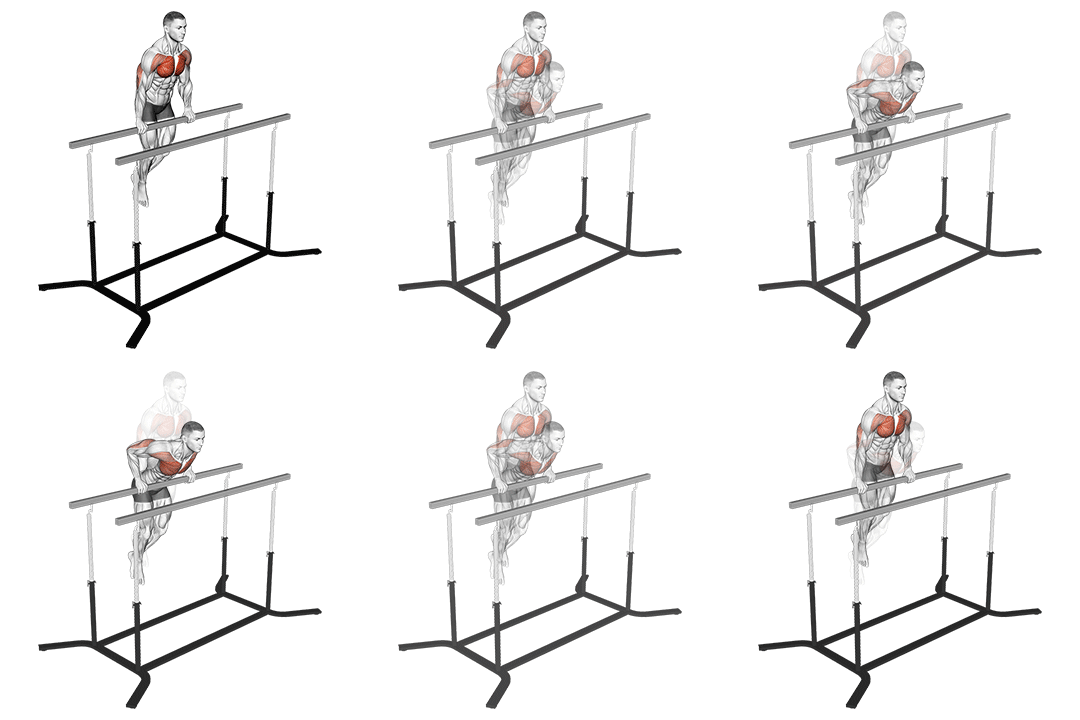
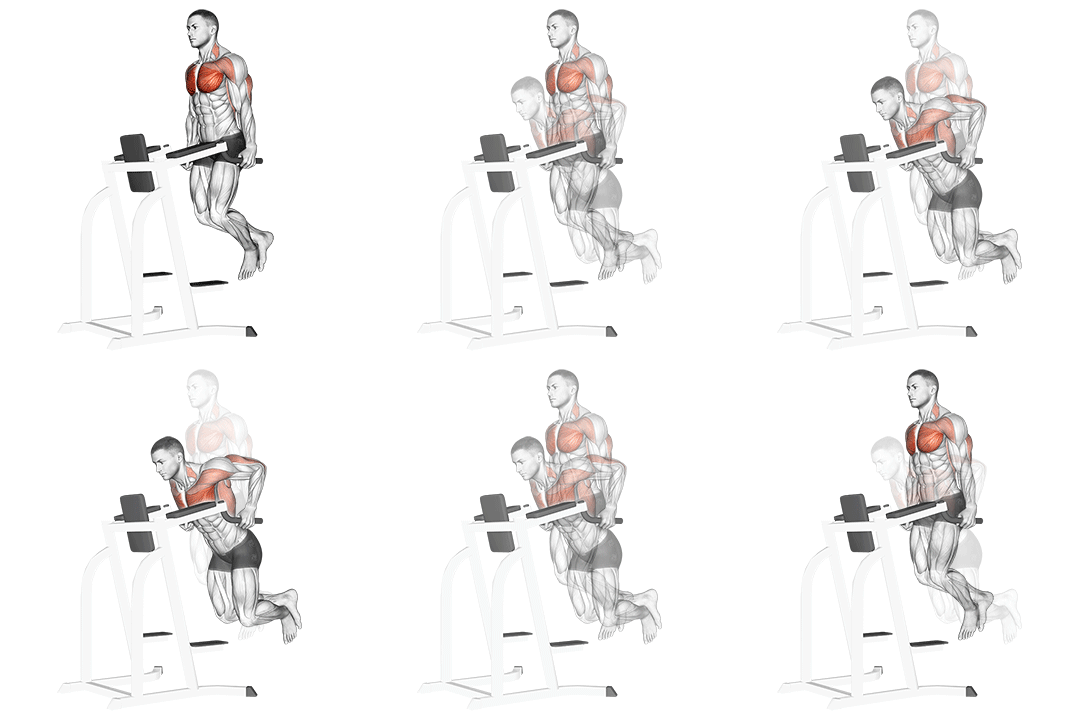
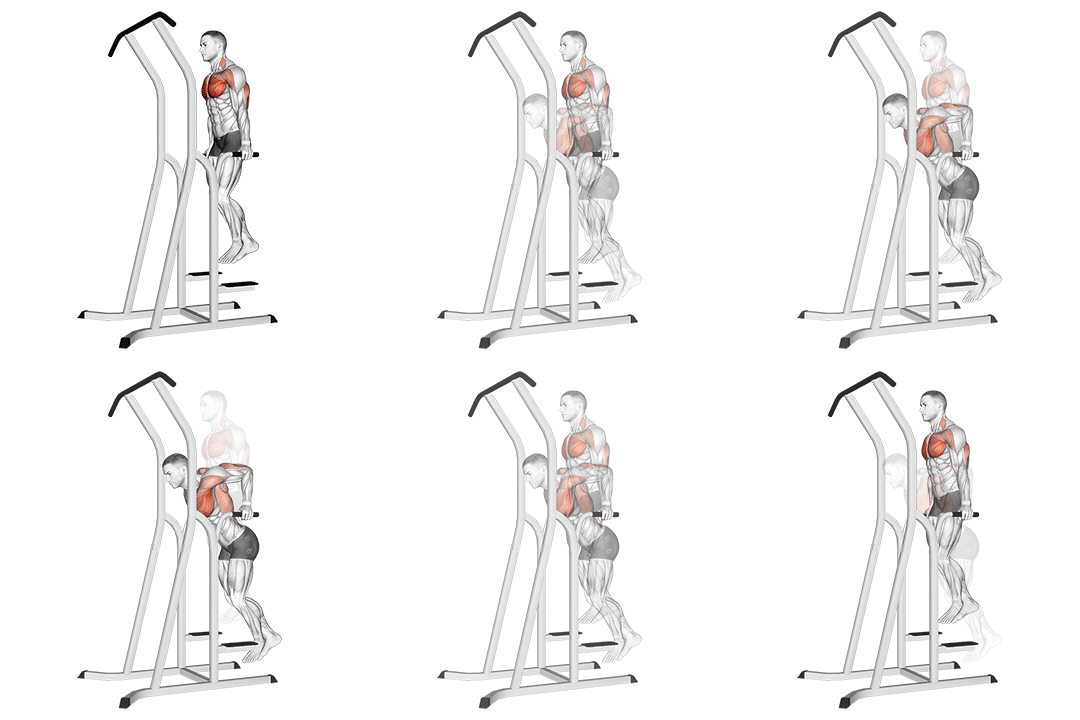
Chest Dip On Straight Bar
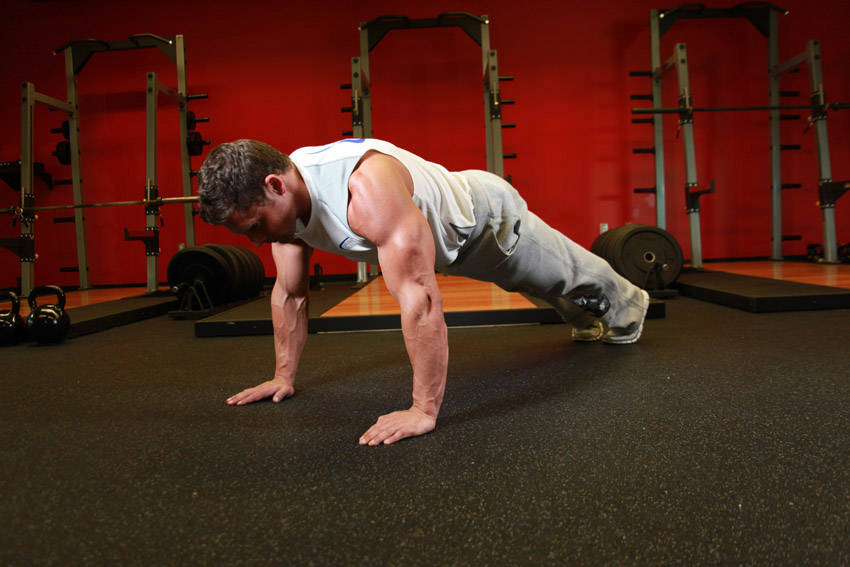
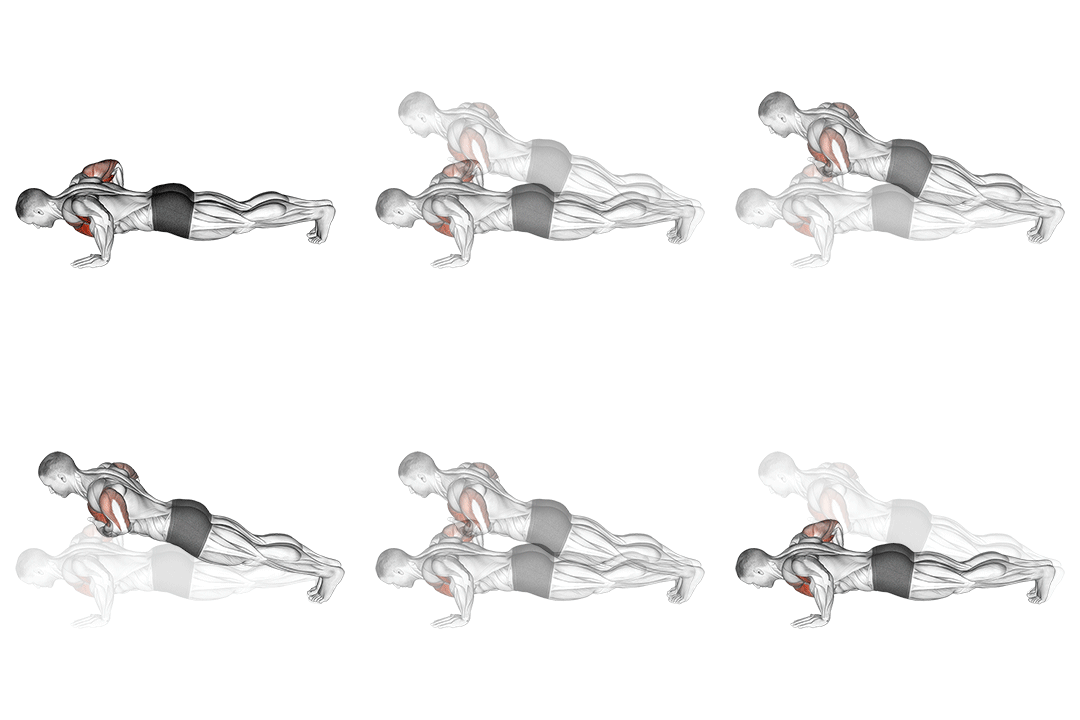
Pushups
Head-to-Head Comparison
| Attribute | Chest Dip On Straight Bar | Pushups |
|---|---|---|
| Target Muscle |
Pectorals
|
Pectorals
|
| Body Part |
Chest
|
Chest
|
| Equipment |
Body-weight
|
Body-weight
|
| Difficulty |
Intermediate
|
Beginner
|
| Movement Type |
Compound
|
Compound
|
| Secondary Muscles |
2
|
2
|
Secondary Muscles Activated
Chest Dip On Straight Bar
Pushups
Visual Comparison
Overview
Chest Dip On Straight Bar vs Pushups pits a vertical open-chain press against a horizontal closed-chain press. You’ll learn how each exercise hits the pectorals, how secondary muscles like triceps and shoulders respond, which is safer for beginners, and which suits hypertrophy versus strength phases. I’ll give concrete technique cues (body angle, range of motion, hand width), biomechanics notes (force vectors, length-tension), recommended rep ranges, and progression options so you can choose the best chest tool for your goals.
Key Differences
- Difficulty levels differ: Chest Dip On Straight Bar is intermediate, while Pushups is beginner.
- Both exercises target the Pectorals using Body-weight. The main differences are in their movement patterns and muscle activation angles.
Pros & Cons
Chest Dip On Straight Bar
+ Pros
- Greater mechanical overload potential — easy to add weight for progressive overload
- Deeper range of motion increases stretch-mediated hypertrophy of lower pec fibers
- Strong transfer to vertical pushing strength and real-world pressing
- Efficient compound movement recruiting triceps and anterior deltoids
− Cons
- Higher demand on shoulder mobility and scapular control — risk if mobility is limited
- Requires access to a bar setup or parallel bars
- Harder to scale down for true beginners without assistance or bands
Pushups
+ Pros
- Extremely accessible — no equipment and many regressions available
- Lower shoulder injury risk when performed with proper scapular control
- Easy to program volume for endurance and hypertrophy (8–20+ reps)
- Versatile: hand placement and elevation change muscle emphasis quickly
− Cons
- Limited absolute overload without external weight — may require high reps or weighted vest
- Harder to preferentially target lower pec fibers compared with dips
- Progressions can plateau unless you add equipment or advanced variations
When Each Exercise Wins
Dips allow greater mechanical tension through a deeper ROM and easy addition of external load, which supports 6–12 rep ranges for hypertrophy and stretch-mediated muscle growth. The increased length-tension stimulus at the bottom of the dip preferentially stresses lower pec fibers.
Because you can progressively add weight and manipulate torso angle, dips let you increase peak force and overload the prime movers in lower repetition ranges (3–6 reps). That external loading makes dips superior for maximal pressing strength.
Pushups scale easily from wall to incline to floor and promote closed-chain scapular stability with lower shoulder stress, making them safer and quicker to learn for most beginners. You can build baseline pressing strength and core stability before attempting dips.
Pushups require zero equipment and can be varied with household items or body angle; dips need sturdy bars or a stable setup, which many home exercisers lack. Pushups let you train chest effectively at home with minimal setup.
Frequently Asked Questions
Can I do both Chest Dip On Straight Bar and Pushups in the same workout?
Yes. Pairing them works well: use pushups as a volume primer (3–4 sets of 8–15 reps) to pre-fatigue and follow with weighted or bodyweight dips for heavy sets (3–5 sets of 4–8 reps). Sequence depends on goals — do the movement you prioritize first.
Which exercise is better for beginners?
Pushups are better for beginners because they scale from wall to floor with low shoulder stress and build scapular stability. Start with incline or knee pushups and progress to full pushups before attempting unassisted dips.
How do the muscle activation patterns differ?
Dips lengthen the pecs more at the bottom and create higher vertical load, producing higher stretch-mediated tension in the lower pec fibers and greater triceps torque. Pushups keep a more horizontal force vector and favor even mid-pec activation with increased scapular stabilization demand.
Can Pushups replace Chest Dip On Straight Bar?
Pushups can substitute for dips when equipment or shoulder tolerance is limited, especially for volume and endurance goals. For maximal hypertrophy or heavy strength adaptation, dips are superior due to easier external loading and longer ROM, so replace only if those priorities are secondary.
Expert Verdict
Choose Chest Dip On Straight Bar when your goal is targeted hypertrophy or raw pressing strength and you have healthy shoulders and access to bars or added weight. Use a 30–45° torso lean, control the descent to roughly 90°–110° of shoulder extension, and progress with added load in 2.5–5 kg increments. Choose Pushups if you need accessibility, lower injury risk, or are a beginner — start with incline or band-assisted versions and work toward 8–20 rep sets before adding weight. Both belong in a balanced program: use pushups for volume and durability, dips for heavy, low-rep stimulus and increased stretch tension.
Also Compare
More comparisons with Chest Dip On Straight Bar
Compare More Exercises
Use our free comparison tool to analyze any two exercises head-to-head.
Compare Exercises