

Clean vs Clean Deadlift: Complete Comparison Guide
Clean vs Clean Deadlift — you’re comparing two barbell moves that both target the hamstrings but deliver very different training effects. This guide breaks down muscle activation, biomechanics, technique cues, equipment needs, learning curve, and programming so you can pick the right lift for your goals. I’ll show which exercise drives explosive power, which lets you load the posterior chain heavier, how to progress each safely, and practical rep ranges (1–5 for power, 4–12 for strength/hypertrophy) so you can apply these lifts in your sessions.
Exercise Comparison
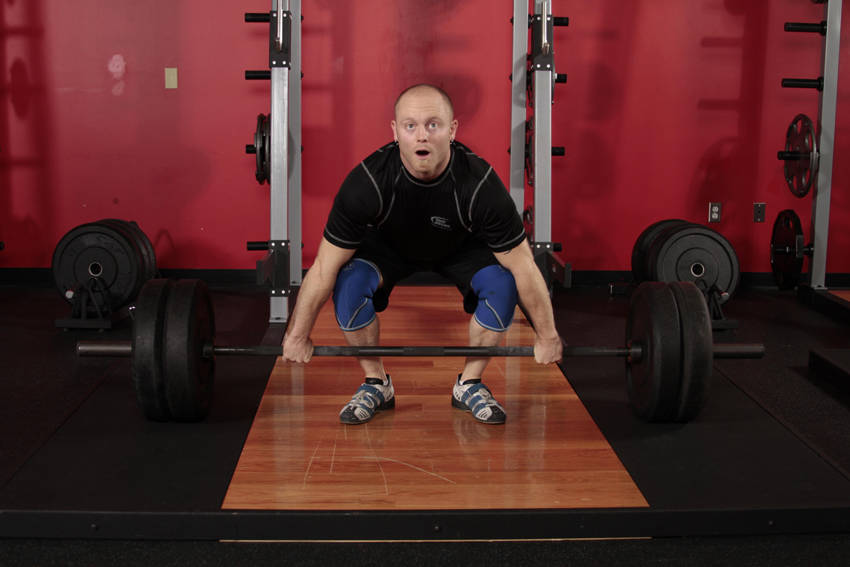
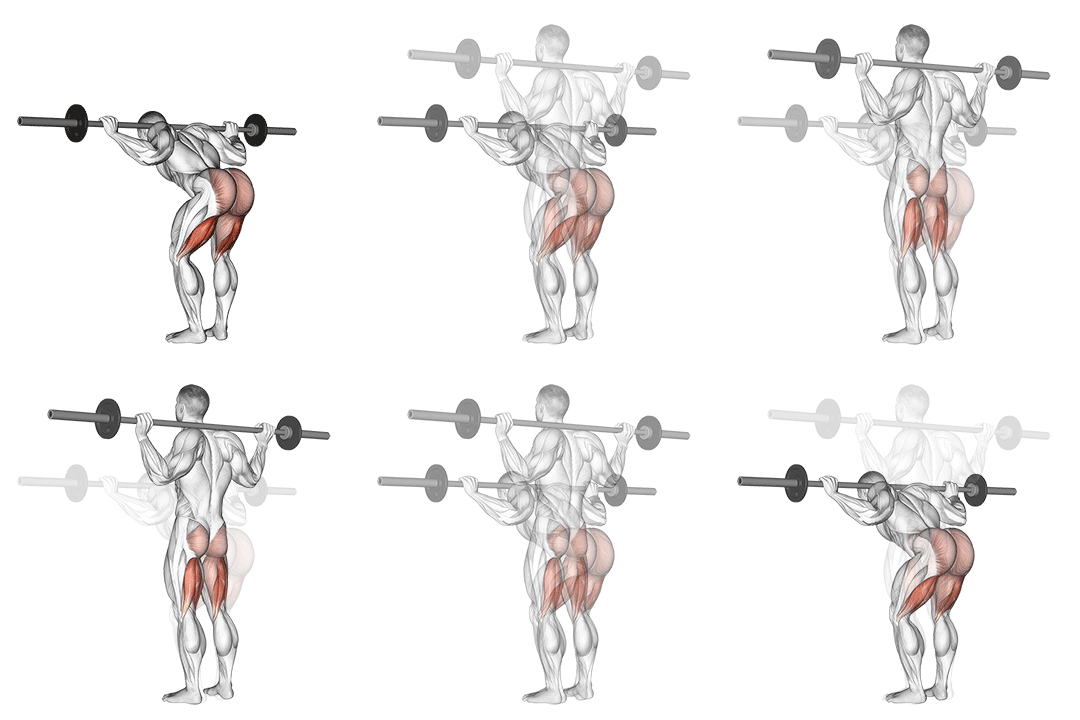
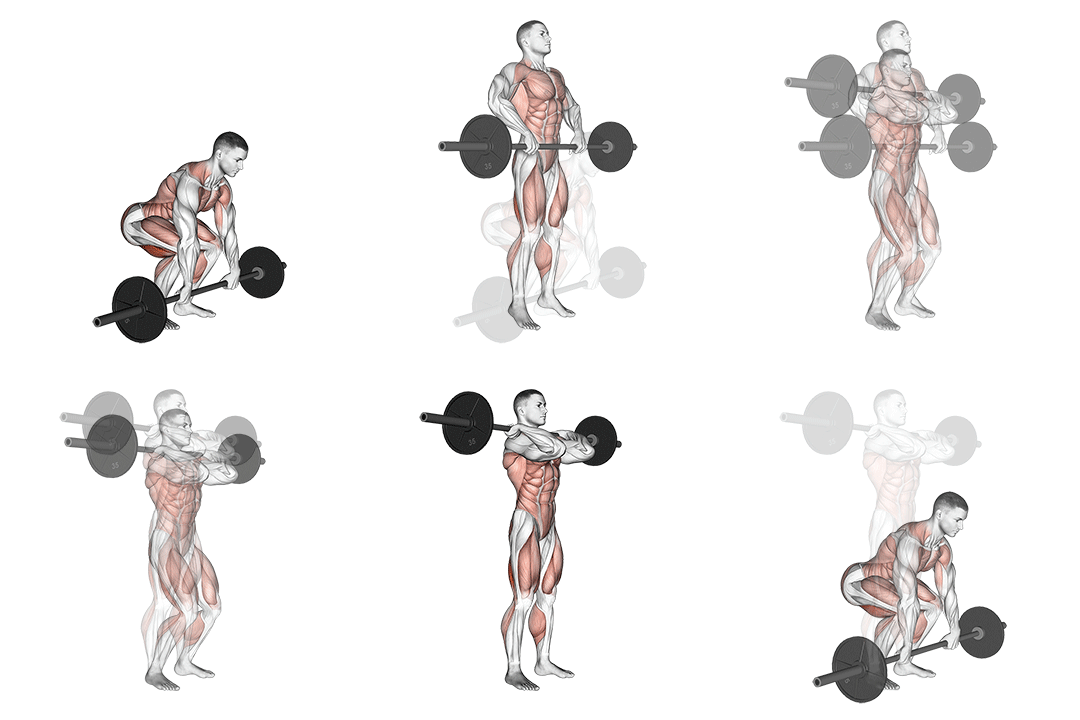
Clean
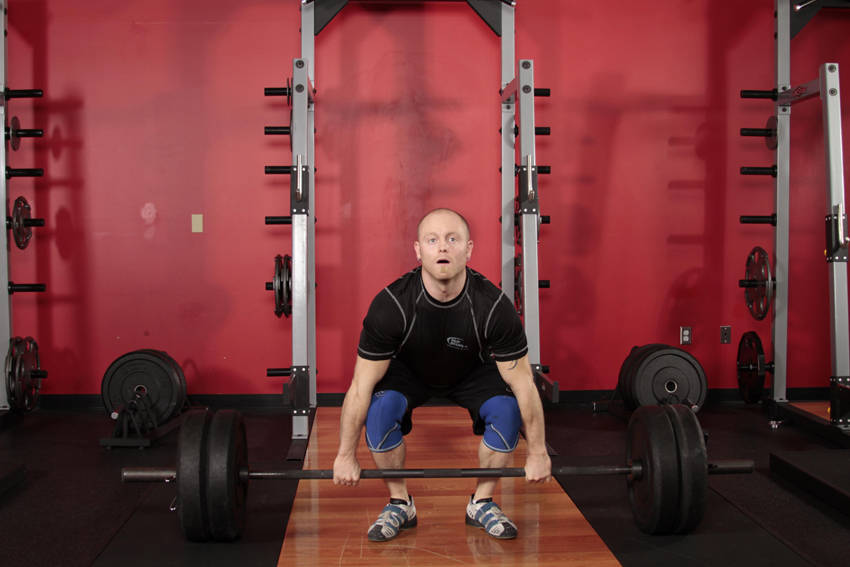
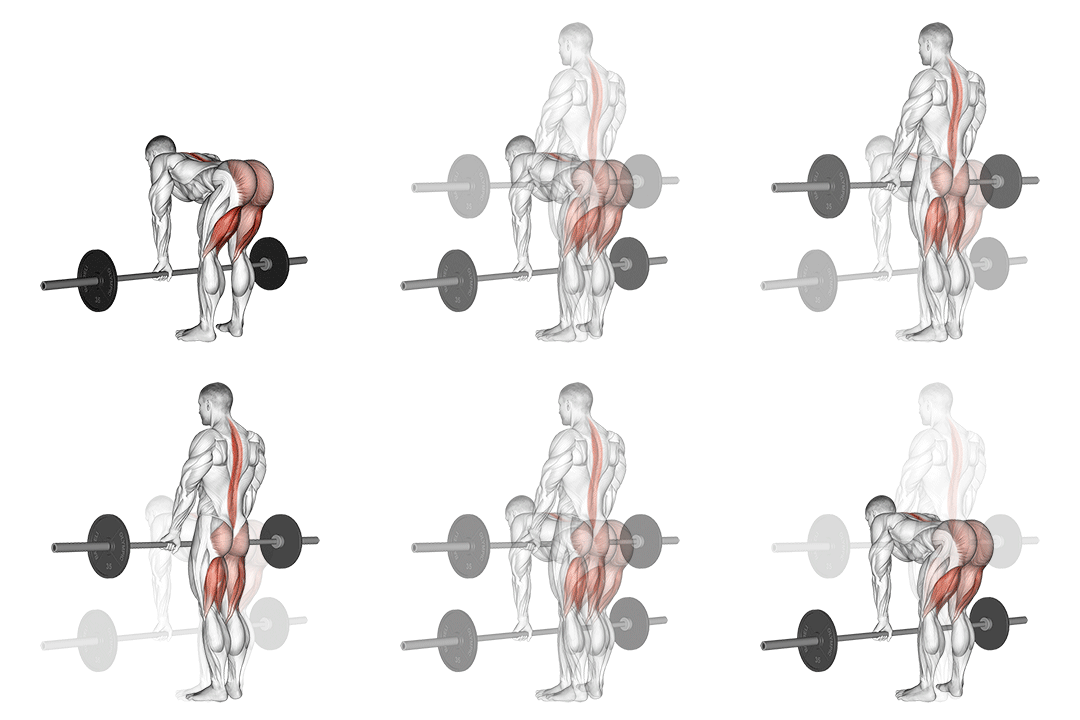
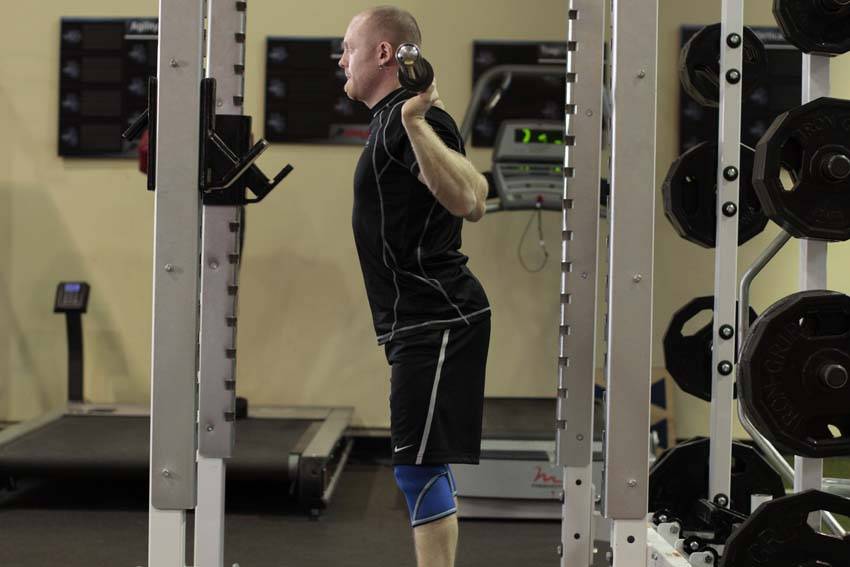
Clean Deadlift
Head-to-Head Comparison
| Attribute | Clean | Clean Deadlift |
|---|---|---|
| Target Muscle |
Hamstrings
|
Hamstrings
|
| Body Part |
Upper-legs
|
Upper-legs
|
| Equipment |
Barbell
|
Barbell
|
| Difficulty |
Advanced
|
Intermediate
|
| Movement Type |
Compound
|
Compound
|
| Secondary Muscles |
7
|
6
|
Secondary Muscles Activated
Clean
Clean Deadlift
Visual Comparison
Overview
Clean vs Clean Deadlift — you’re comparing two barbell moves that both target the hamstrings but deliver very different training effects. This guide breaks down muscle activation, biomechanics, technique cues, equipment needs, learning curve, and programming so you can pick the right lift for your goals. I’ll show which exercise drives explosive power, which lets you load the posterior chain heavier, how to progress each safely, and practical rep ranges (1–5 for power, 4–12 for strength/hypertrophy) so you can apply these lifts in your sessions.
Key Differences
- Difficulty levels differ: Clean is advanced, while Clean Deadlift is intermediate.
- Both exercises target the Hamstrings using Barbell. The main differences are in their movement patterns and muscle activation angles.
Pros & Cons
Clean
+ Pros
- Develops explosive hip extension and power via rapid triple extension
- High trap and shoulder recruitment improves upper-back strength and shrug timing
- Excellent for athletic transfer and rate-of-force development (1–3 rep sets)
- Teaches coordination and timing across multiple joints
− Cons
- Complex technique with a steep learning curve
- Requires bumper plates and safe drop space for full effort
- Higher acute injury risk if mobility or timing is poor
Clean Deadlift
+ Pros
- Loads the posterior chain heavily with simpler mechanics
- Easier to teach and scale; good for strength and hypertrophy (4–12 reps)
- Requires less specialized equipment and space
- Allows heavier absolute loads (often 15–25% more than a full Clean)
− Cons
- Less carryover to explosive athletic performance than the Clean
- Lower trap and shoulder development compared with the Clean
- Can encourage lower-back dominance if hamstring activation is insufficient
When Each Exercise Wins
The Clean Deadlift lets you control tempo and accumulate mechanical tension with higher rep ranges (6–12) and heavier absolute loads, targeting hamstrings, glutes and lower back more consistently for muscle growth.
Because you can train with heavier loads and progressive overload (increase weight by 2.5–10%), the Clean Deadlift yields clearer improvements in posterior chain maximal strength and transfer to heavy deadlift variants.
It has simpler motor demands and lower technical complexity, letting you learn hip-hinge mechanics, bar path, and posterior-chain bracing before progressing to the explosive timing of a Clean.
You don’t need bumper plates or a large drop area, and the Clean Deadlift tolerates standard plates — making it safer and more practical for limited-space or home setups.
Frequently Asked Questions
Can I do both Clean and Clean Deadlift in the same workout?
Yes — sequence matters: perform Cleans early when you’re fresh (power work: 1–3 reps) and follow with Clean Deadlifts for strength or volume (3–6 sets of 3–8). Keep total weekly volume appropriate to recovery and monitor lower‑back fatigue.
Which exercise is better for beginners?
The Clean Deadlift is better for beginners because it teaches core hip‑hinge mechanics with lower technical demand. Once your mobility, timing, and front‑rack position improve, progress toward the Clean for power work.
How do the muscle activation patterns differ?
The Clean creates a fast stretch‑shortening cycle in the hamstrings with high peak power and increased trap/shoulder activation during the pull and catch. The Clean Deadlift produces longer time‑under‑tension in the hamstrings and greater sustained loading of the lower/middle back and glutes.
Can Clean Deadlift replace Clean?
For strength and hypertrophy goals, yes — the Clean Deadlift can replace Cleans effectively. For power, athletic transfer, or Olympic lifting practice, the Clean cannot be fully replaced because of its unique timing and high‑velocity triple extension.
Expert Verdict
Choose the Clean when your primary goal is developing explosive power, athleticism, and rapid rate-of-force development. Program Cleans in short, high-quality sets (1–3 reps, emphasis on speed) and prioritize mobility, front-rack position, and a confident catch. Choose the Clean Deadlift when you want posterior-chain strength, hypertrophy, or simple, scalable load progression — use 3–8 heavy sets for strength or 6–12 reps for hypertrophy, focus on tight hip hinge technique, bar path close to shin, and controlled eccentrics. If you must pick one, the Clean Deadlift is the more versatile and accessible pick; add Cleans when you need power development and have the equipment and coaching to do them safely.
Also Compare
More comparisons with Clean
Compare More Exercises
Use our free comparison tool to analyze any two exercises head-to-head.
Compare Exercises