

Clean vs Sumo Deadlift: Complete Comparison Guide
Clean vs Sumo Deadlift — two advanced barbell moves that both load your hamstrings but do it in very different ways. You’ll get a clear breakdown of primary and secondary muscle activation, equipment needs, technical cues, learning curve, and when to use each lift for strength, hypertrophy, or power. Read on and you’ll know which lift to prioritize in your program, how to cue the movement (foot placement, hip hinge, bar path), and practical rep ranges to use for specific goals.
Exercise Comparison
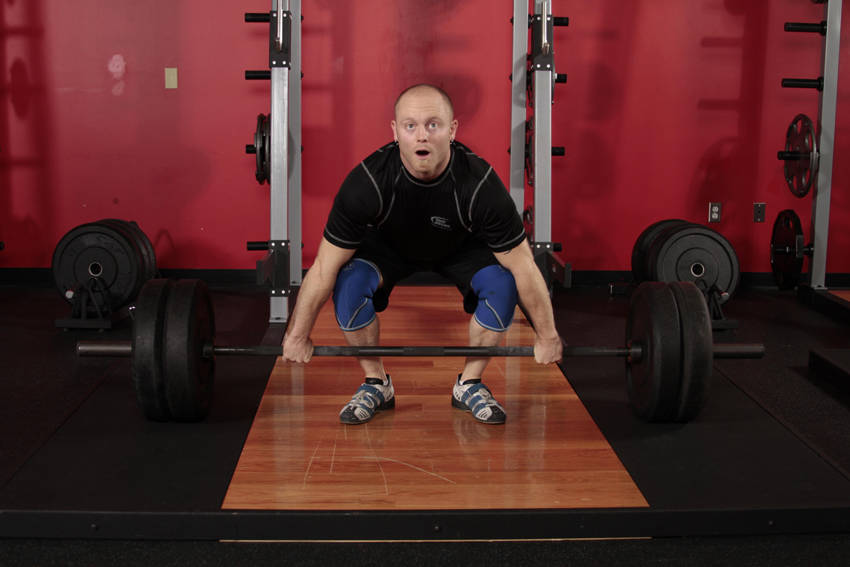
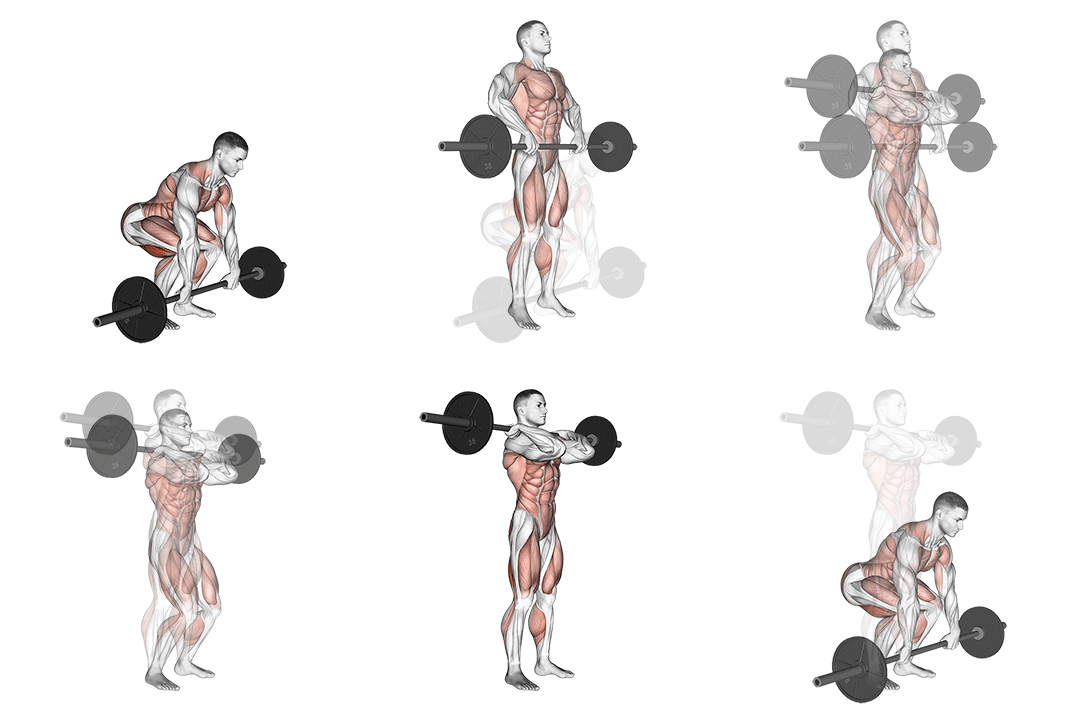
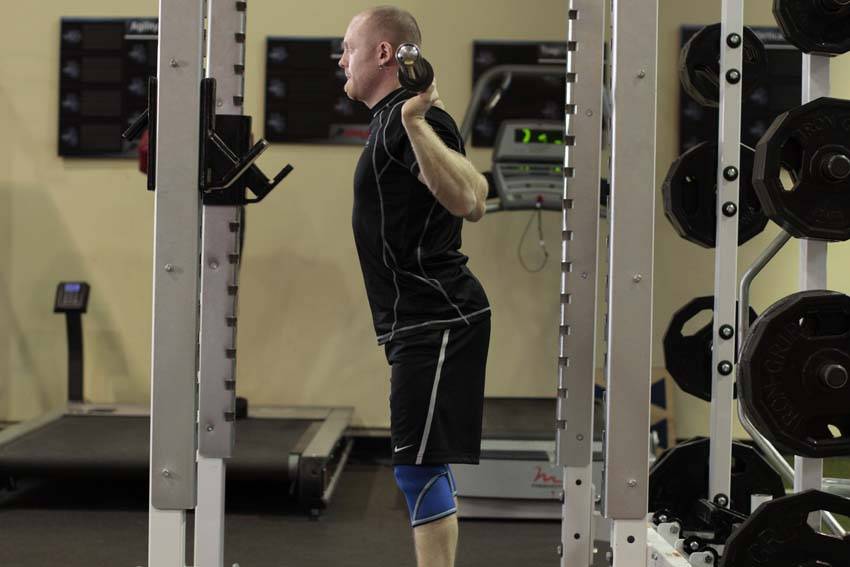
Clean
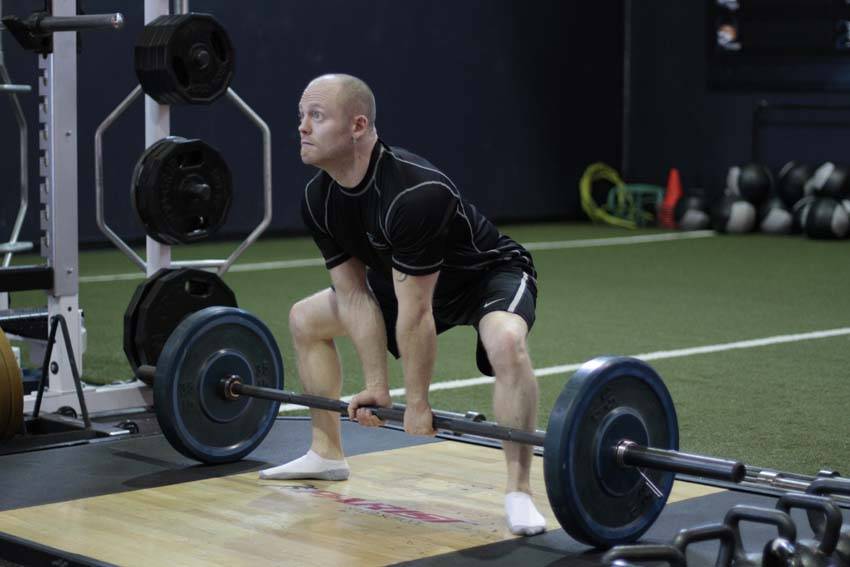
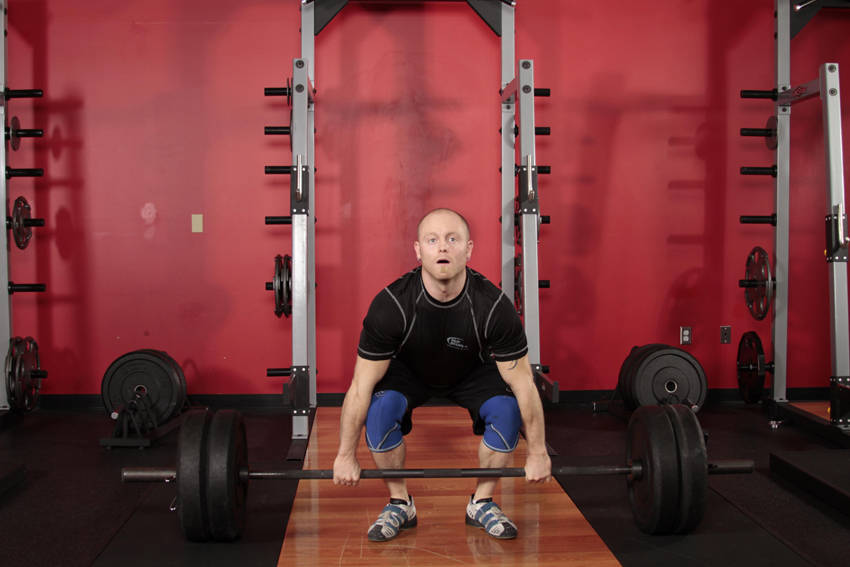
Sumo Deadlift
Head-to-Head Comparison
| Attribute | Clean | Sumo Deadlift |
|---|---|---|
| Target Muscle |
Hamstrings
|
Hamstrings
|
| Body Part |
Upper-legs
|
Upper-legs
|
| Equipment |
Barbell
|
Barbell
|
| Difficulty |
Advanced
|
Advanced
|
| Movement Type |
Compound
|
Compound
|
| Secondary Muscles |
7
|
7
|
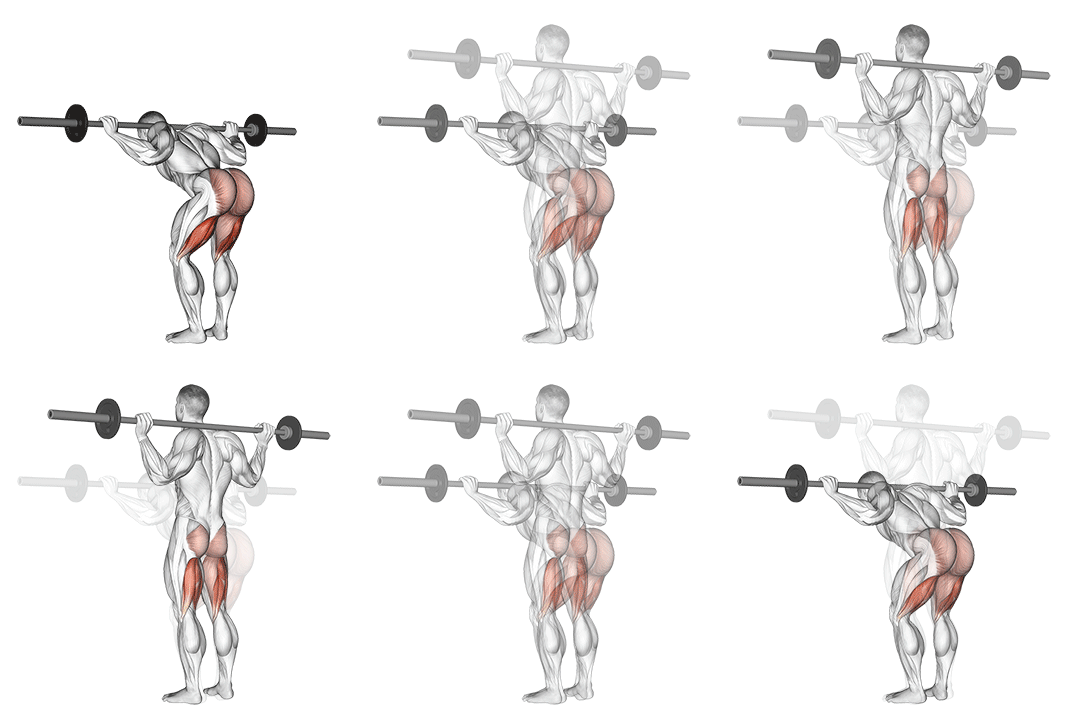
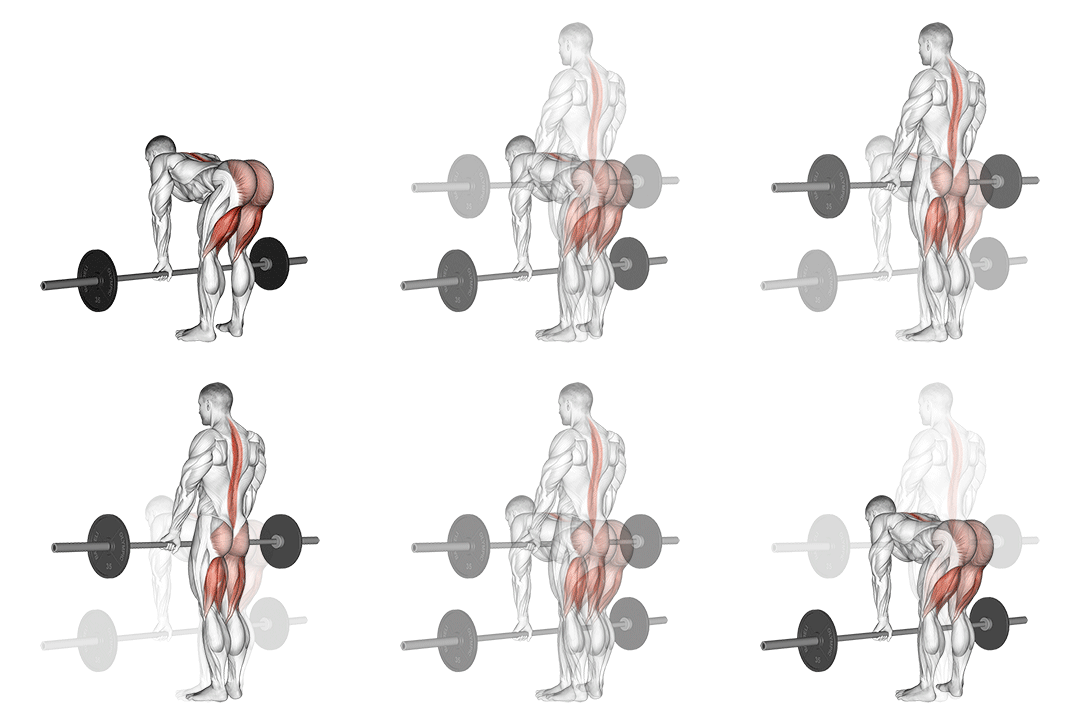
Secondary Muscles Activated
Clean
Sumo Deadlift
Visual Comparison
Overview
Clean vs Sumo Deadlift — two advanced barbell moves that both load your hamstrings but do it in very different ways. You’ll get a clear breakdown of primary and secondary muscle activation, equipment needs, technical cues, learning curve, and when to use each lift for strength, hypertrophy, or power. Read on and you’ll know which lift to prioritize in your program, how to cue the movement (foot placement, hip hinge, bar path), and practical rep ranges to use for specific goals.
Key Differences
- Both exercises target the Hamstrings using Barbell. The main differences are in their movement patterns and muscle activation angles.
Pros & Cons
Clean
+ Pros
- Builds explosive power via triple extension and high rate of force development
- Greater trap and shoulder activation for upper-back development
- Transfers well to athletic movements (jumping, sprinting) and Olympic lift progressions
- Develops coordination, timing, and fast motor unit recruitment
− Cons
- Steep technical learning curve; requires coached progressions
- Needs bumper plates, space, and front-rack mobility to practice safely
- Higher risk of technical failure at speed (missed catches, wrist/shoulder strain)
Sumo Deadlift
+ Pros
- Allows larger absolute loads for maximal strength development
- More accessible setup—only a barbell and plates required
- Shorter bar travel reduces fatigue and can protect the lower back if performed upright
- Stronger adductor and medial quad stimulus useful for balanced leg development
− Cons
- Requires good hip mobility and adductor strength for proper setup
- Less carryover to high-velocity athletic power compared with the Clean
- Can place high loads on knees and hips if positioning or mobility is poor
When Each Exercise Wins
Sumo lets you handle heavier absolute loads and increase time under tension, which supports more mechanical tension for hypertrophy. Using 6–12 rep sets with controlled tempo and a slightly longer eccentrics targets quads, adductors, and hamstrings effectively.
Sumo typically allows higher maximal loads and a more favorable lever system for many lifters, making it better for low-rep (1–5) strength cycles and improving raw pulling strength and lockout capacity.
Sumo has a simpler motor pattern and shorter bar travel, so beginners can learn hip hinge, bracing, and heavy pulling sooner. It still requires coaching on stance and hip mobility but is less technically demanding than the Clean.
Sumo needs only a barbell and plates and doesn’t require bumper plates, a large drop area, or front-rack mobility. It’s the safer, space-efficient choice for heavy work at home.
Frequently Asked Questions
Can I do both Clean and Sumo Deadlift in the same workout?
Yes, but structure matters. Do Cleans first while fresh (low reps, focus on speed), then use Sumo for heavier strength sets, or separate them by at least 48 hours to avoid technical fatigue and reduce injury risk.
Which exercise is better for beginners?
Sumo Deadlift is generally better for beginners because it’s a simpler pulling pattern and doesn’t require the front-rack catch or high-velocity coordination of the Clean. Teach a solid hip hinge and bracing before progressing load.
How do the muscle activation patterns differ?
Cleans produce high rate of force development with rapid stretch–shortening of the posterior chain and higher trapezius/shoulder activation; Sumo produces sustained high torque via hip and knee extensors with increased adductor and medial quad involvement and a more isometric spinal position.
Can Sumo Deadlift replace Clean?
For pure strength and hypertrophy, Sumo can replace Cleans because it allows heavier loads. For developing explosive power, coordination, and transfer to athletic tasks, Cleans are unique and shouldn't be replaced if those are your priorities.
Expert Verdict
Use the Clean when you want to train power, speed, and athletic coordination—program it with low reps (1–5), emphasis on bar speed, and accessory work for traps, shoulders, and posterior chain. Prioritize technical coaching and bumper plates. Choose the Sumo Deadlift when your goal is maximal strength or hypertrophy: it allows heavier loads, a shorter bar path, and a stronger adductor/quadriceps stimulus. Program Sumo with heavy singles/doubles for strength or 6–12 rep sets for hypertrophy. For most lifters focused on strength or limited equipment, start with Sumo; add Cleans selectively to build explosive power.
Also Compare
More comparisons with Clean
Compare More Exercises
Use our free comparison tool to analyze any two exercises head-to-head.
Compare Exercises