

Dumbbell Floor Press vs Dumbbell Forward Lunge Triceps Extension: Complete Comparison Guide
Dumbbell Floor Press vs Dumbbell Forward Lunge Triceps Extension — two compound dumbbell moves that both hit the triceps but deliver very different loading patterns. If you want clear guidance on which to pick, this comparison walks you through primary and secondary muscle recruitment, biomechanics (length–tension and force vectors), equipment needs, learning curve, and programming cues. You’ll get specific technique tips, rep-range recommendations (6–12 for hypertrophy, 3–6 for strength emphasis), and situations where one exercise outperforms the other so you can choose the right tool for your goals.
Exercise Comparison
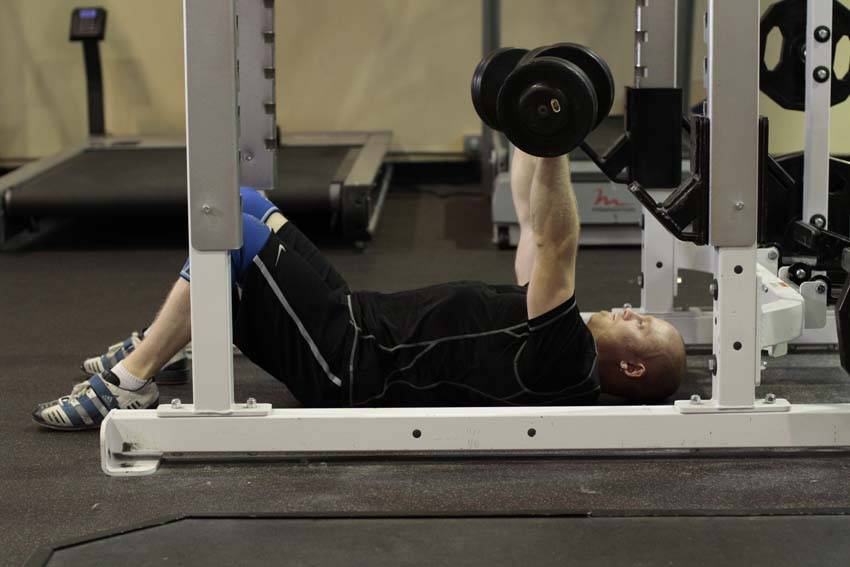
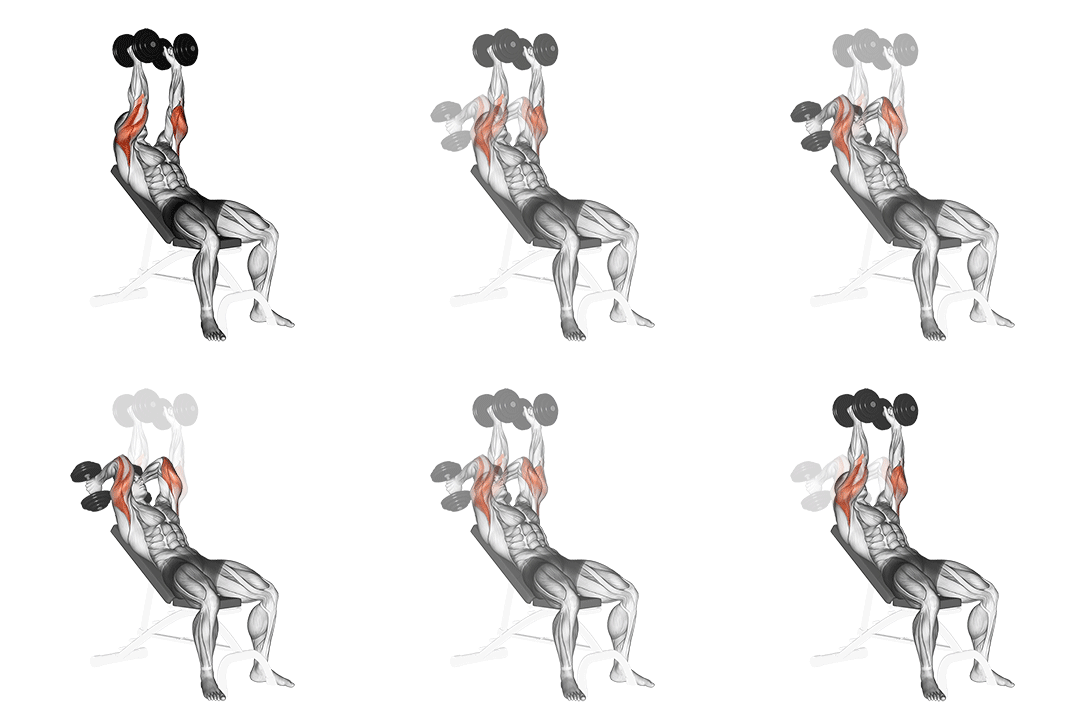
Dumbbell Floor Press
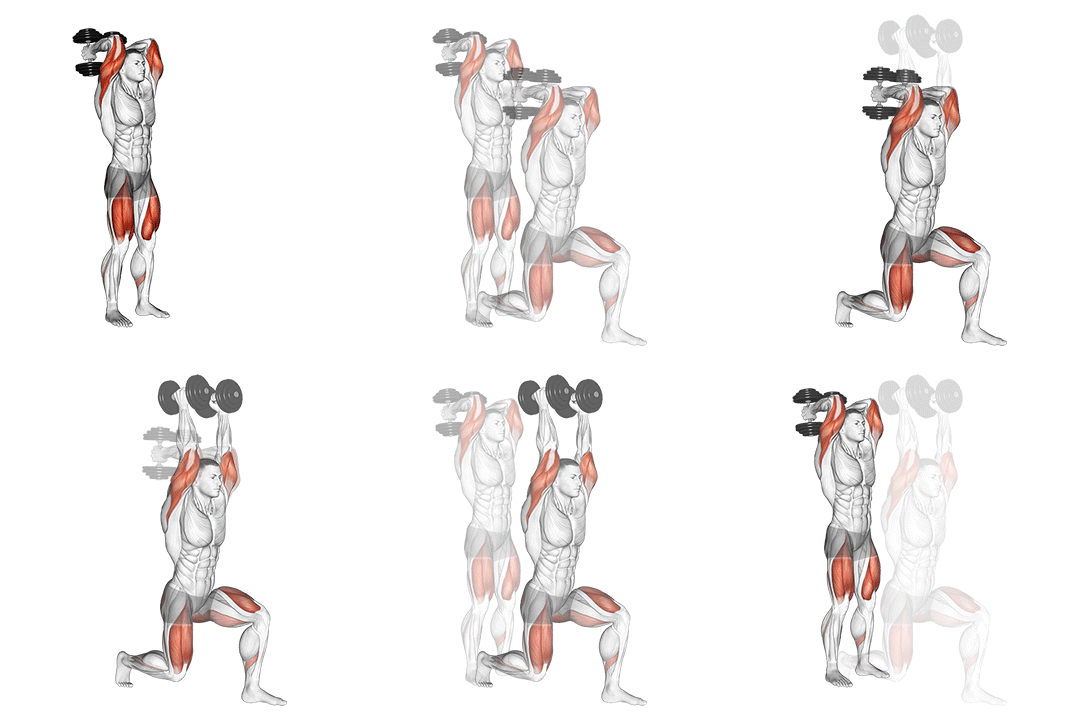
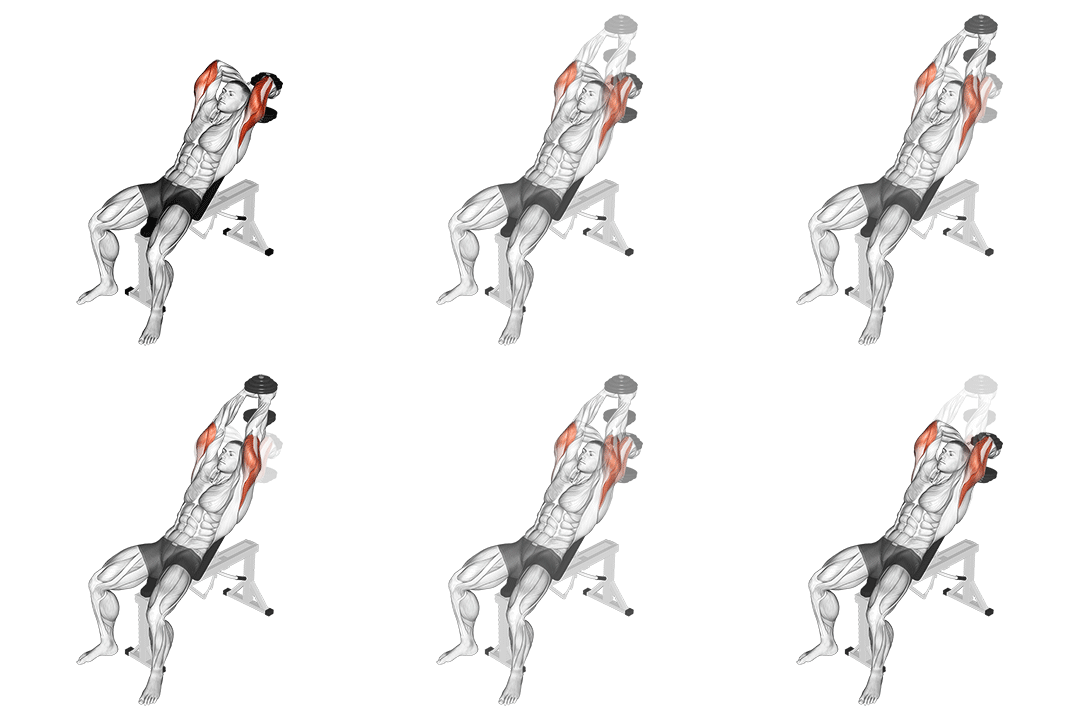
Dumbbell Forward Lunge Triceps Extension
Head-to-Head Comparison
| Attribute | Dumbbell Floor Press | Dumbbell Forward Lunge Triceps Extension |
|---|---|---|
| Target Muscle |
Triceps
|
Triceps
|
| Body Part |
Upper-arms
|
Upper-arms
|
| Equipment |
Dumbbell
|
Dumbbell
|
| Difficulty |
Intermediate
|
Intermediate
|
| Movement Type |
Compound
|
Compound
|
| Secondary Muscles |
2
|
2
|
Secondary Muscles Activated
Dumbbell Floor Press
Dumbbell Forward Lunge Triceps Extension
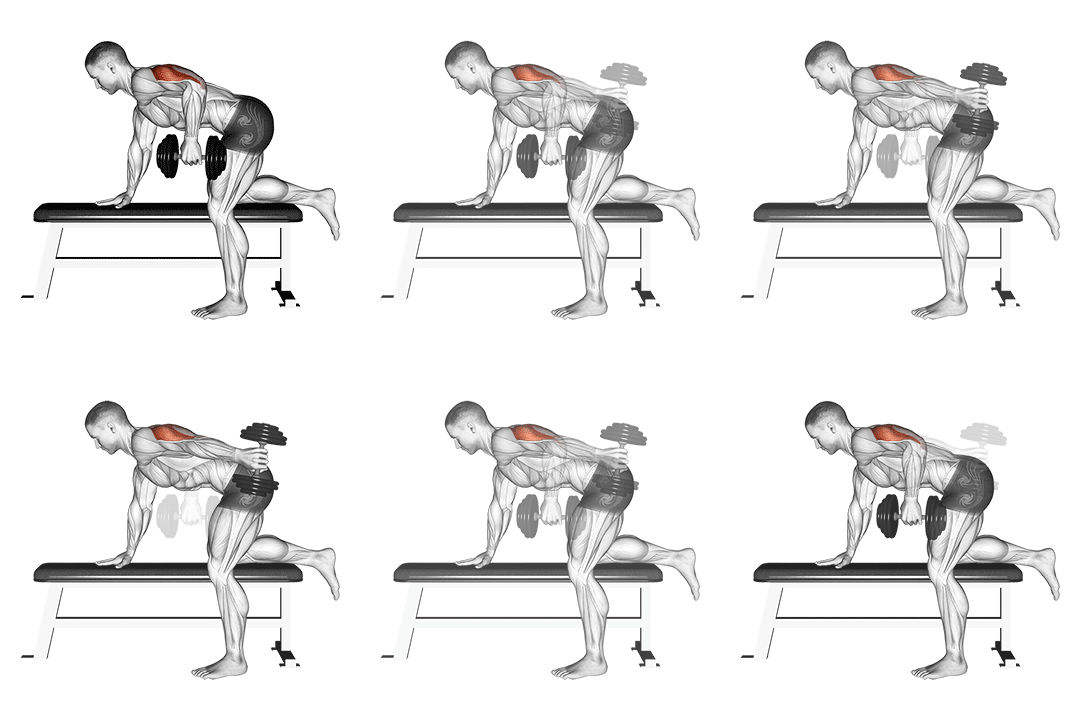
Visual Comparison
Overview
Dumbbell Floor Press vs Dumbbell Forward Lunge Triceps Extension — two compound dumbbell moves that both hit the triceps but deliver very different loading patterns. If you want clear guidance on which to pick, this comparison walks you through primary and secondary muscle recruitment, biomechanics (length–tension and force vectors), equipment needs, learning curve, and programming cues. You’ll get specific technique tips, rep-range recommendations (6–12 for hypertrophy, 3–6 for strength emphasis), and situations where one exercise outperforms the other so you can choose the right tool for your goals.
Key Differences
- Both exercises target the Triceps using Dumbbell. The main differences are in their movement patterns and muscle activation angles.
Pros & Cons
Dumbbell Floor Press
+ Pros
- Direct heavy loading of triceps and lockout strength—excellent for building pressing power.
- Lower shoulder strain because range-of-motion ends at the floor, protecting the glenohumeral joint.
- Simple setup: needs only dumbbells and floor space; easy to add more weight for progressive overload.
- Good transfer to bench press and improves top-end pressing strength due to lockout emphasis.
− Cons
- Limited range of motion reduces chest stretch and may limit full-long-head triceps development.
- Less core and unilateral stability challenge—fewer carryover benefits for balance.
- Wrist and elbow discomfort at high loads if grip or forearm position isn’t managed.
Dumbbell Forward Lunge Triceps Extension
+ Pros
- Longer triceps time under tension through fuller elbow ROM, benefiting muscle growth of the long head.
- Develops unilateral leg and core stability, giving added functional and athletic carryover.
- Improves coordination and balance while training upper-arm strength in a compound pattern.
- Can be programmed with moderate weights and higher reps (8–15) for hypertrophy and conditioning.
− Cons
- Higher technical demand—poor lunge mechanics can stress knees and lower back.
- Harder to load maximally for pure strength due to balance and stability limits.
- Requires more space and coordination, making it less ideal for crowded gyms or limited home setups.
When Each Exercise Wins
The lunge-extension provides longer time under tension and a fuller elbow ROM that stretches the long head of the triceps, promoting greater hypertrophy when performed in 8–15 rep ranges with controlled tempo.
Floor press allows heavier loading and focus on lockout strength with safer shoulder mechanics; use 3–6 reps and progressive overload to increase maximal pressing force.
The floor press has a lower technical learning curve and fewer balance demands, letting beginners safely develop pressing strength and triceps control before adding complex unilateral patterns.
It needs minimal space and equipment—just dumbbells and a floor—so you can progressively overload without requiring room for lunges or extra gear.
Frequently Asked Questions
Can I do both Dumbbell Floor Press and Dumbbell Forward Lunge Triceps Extension in the same workout?
Yes—pair them strategically. Start with the floor press for heavy sets (3–6 or 6–8 reps) to prioritize strength, then use the lunge-extension as a secondary hypertrophy or conditioning exercise in higher reps (8–15) to add time under tension and unilateral work.
Which exercise is better for beginners?
Dumbbell Floor Press is better for most beginners because it has a simpler movement path and lower balance demands. It lets you build pressing mechanics and triceps strength before layering in the coordination needed for the lunge-extension.
How do the muscle activation patterns differ?
The floor press creates a strong concentric peak near lockout with higher relative chest and short-head triceps involvement at shorter muscle lengths; the lunge-extension produces continuous triceps activation across a longer ROM while recruiting core and stabilizing muscles due to unilateral stance and lunge mechanics.
Can Dumbbell Forward Lunge Triceps Extension replace Dumbbell Floor Press?
Not wholly—replaceability depends on goals. If you need maximal load and lockout strength, the floor press is superior. If your goal is hypertrophy, unilateral control, or conditioning, the lunge-extension can substitute or complement the floor press in your program.
Expert Verdict
Use the Dumbbell Floor Press when your priority is building pressing strength, protecting the shoulder joint, or when you need a simple, heavy-loading triceps movement that transfers to bench-style strength. Favor sets of 3–6 for strength or 6–12 for hypertrophy, and press from the floor to emphasize lockout torque. Choose the Dumbbell Forward Lunge Triceps Extension when you want long-head triceps development, unilateral stability, and core carryover—program 8–15 reps, focus on controlled descent and a 90° knee bend in the lunge. Both have value: pick floor press for load and strength, lunge-extension for muscle growth and functional stability.
Also Compare
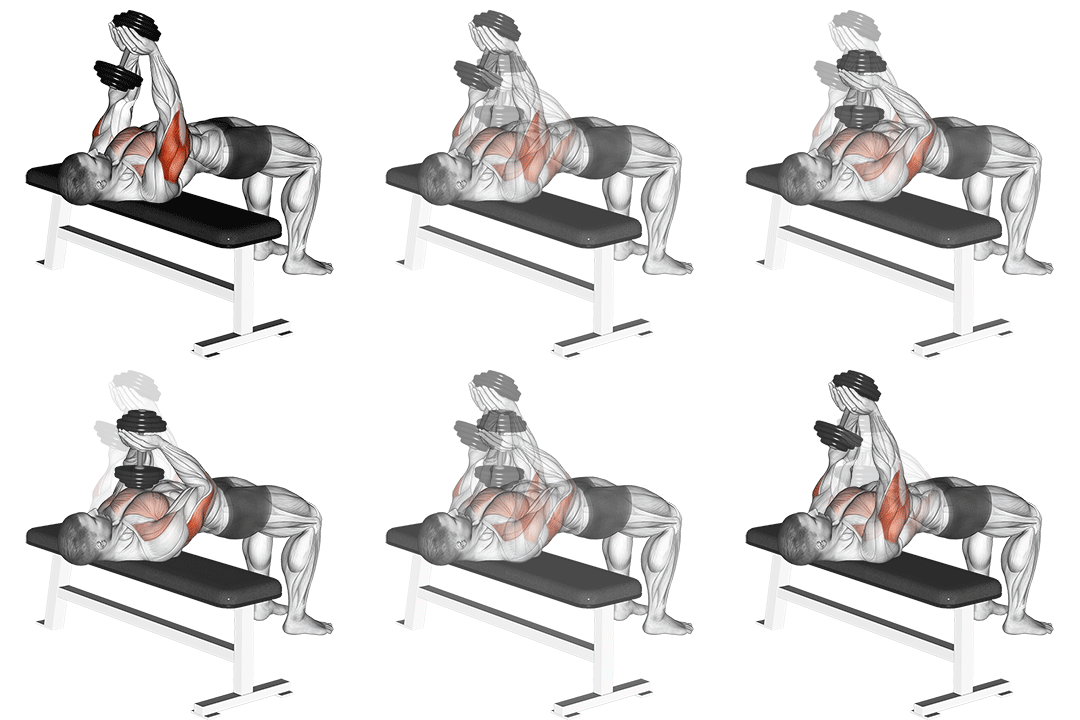
More comparisons with Dumbbell Floor Press
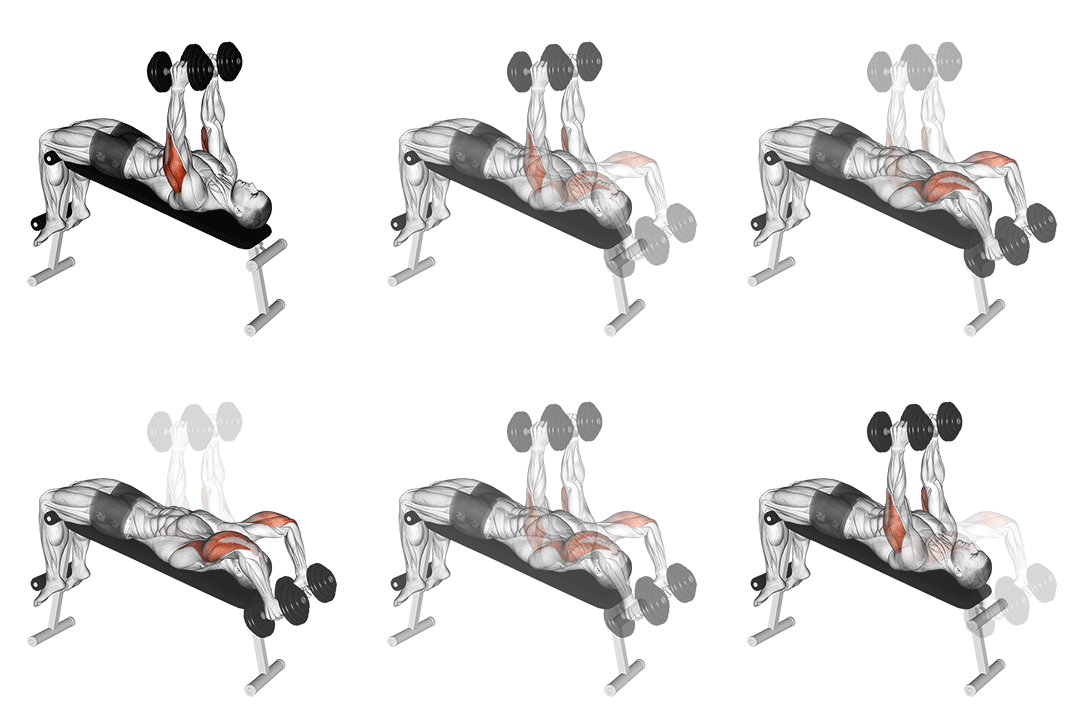
More comparisons with Dumbbell Forward Lunge Triceps Extension
Compare More Exercises
Use our free comparison tool to analyze any two exercises head-to-head.
Compare Exercises