

Elbow Circles vs Handstand Push-up: Complete Comparison Guide
Elbow Circles vs Handstand Push-up — two bodyweight shoulder drills that look similar on paper but serve very different roles in your program. You’ll get a clear breakdown of how each movement loads the delts, which secondary muscles fire, the equipment and skill needed, and specific technique cues to perform them safely. I’ll show you when to use the isolation pattern of elbow circles for warm-ups and rehab, and when the compound, high-load handstand push-up belongs in a strength or muscle growth block.
Exercise Comparison
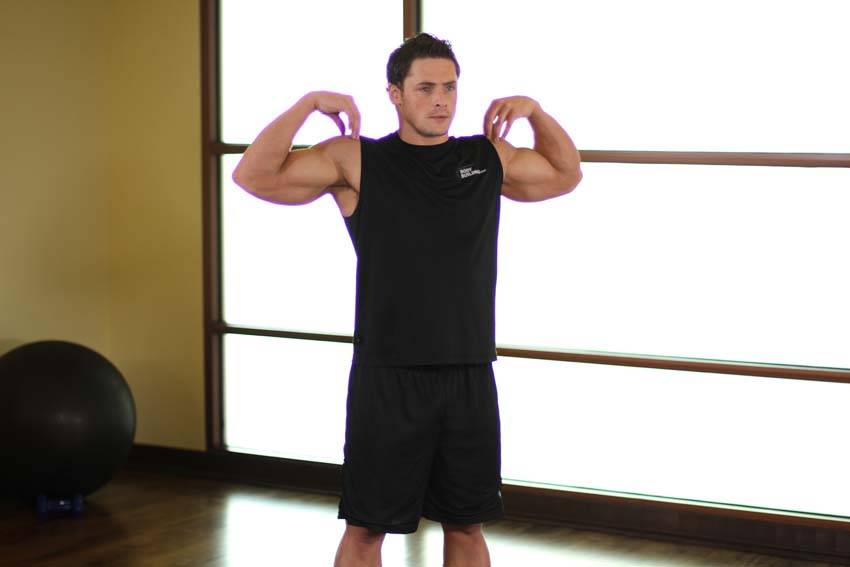
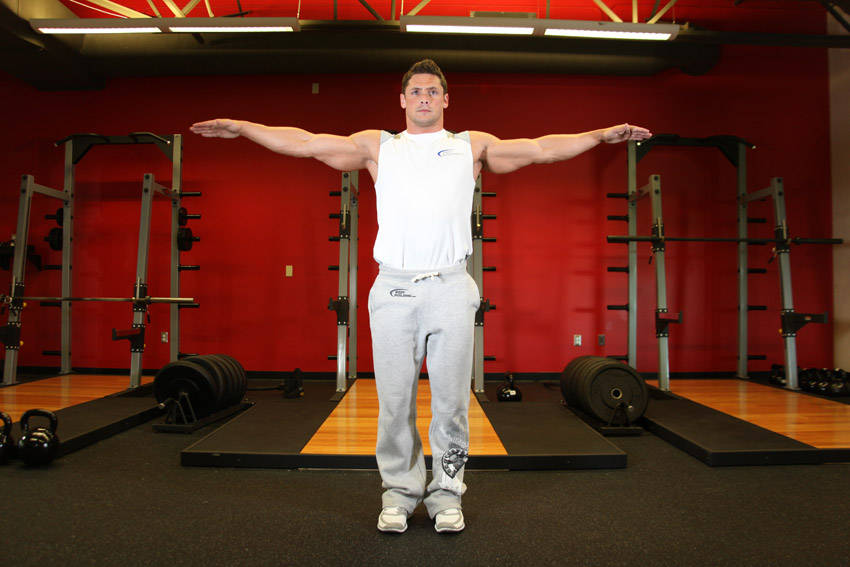
Elbow Circles
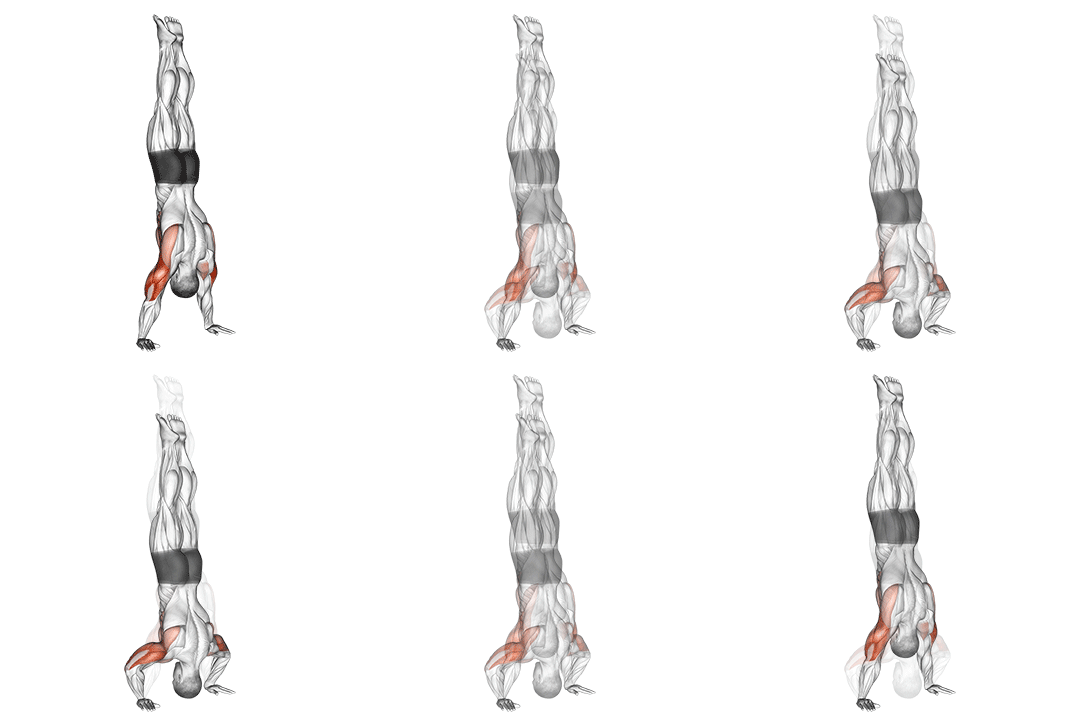
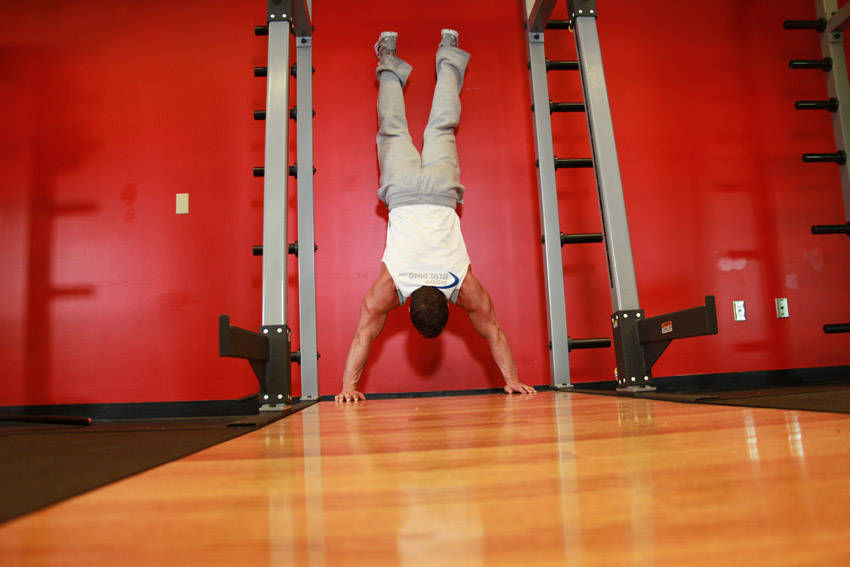
Handstand Push-up
Head-to-Head Comparison
| Attribute | Elbow Circles | Handstand Push-up |
|---|---|---|
| Target Muscle |
Delts
|
Delts
|
| Body Part |
Shoulders
|
Shoulders
|
| Equipment |
Body-weight
|
Body-weight
|
| Difficulty |
Beginner
|
Advanced
|
| Movement Type |
Isolation
|
Compound
|
| Secondary Muscles |
1
|
3
|
Secondary Muscles Activated
Elbow Circles
Handstand Push-up
Visual Comparison
Overview
Elbow Circles vs Handstand Push-up — two bodyweight shoulder drills that look similar on paper but serve very different roles in your program. You’ll get a clear breakdown of how each movement loads the delts, which secondary muscles fire, the equipment and skill needed, and specific technique cues to perform them safely. I’ll show you when to use the isolation pattern of elbow circles for warm-ups and rehab, and when the compound, high-load handstand push-up belongs in a strength or muscle growth block.
Key Differences
- Elbow Circles is an isolation exercise, while Handstand Push-up is a compound movement.
- Difficulty levels differ: Elbow Circles is beginner, while Handstand Push-up is advanced.
- Both exercises target the Delts using Body-weight. The main differences are in their movement patterns and muscle activation angles.
Pros & Cons
Elbow Circles
+ Pros
- Minimal equipment—do anywhere
- Low joint load suitable for rehab and warm-ups
- Improves scapular rhythm and motor control
- Easy to scale with reps and tempo (10–40 reps)
− Cons
- Limited capacity for progressive overload
- Low stimulus for significant muscle growth
- Doesn’t build pressing strength or trunk stability
Handstand Push-up
+ Pros
- High mechanical load for delts—drives strength and hypertrophy
- Trains full-body anti-extension and balance
- Large ROM under axial load improves force production
- Multiple progressions (assisted, deficit, weighted)
− Cons
- Steep technical and strength requirements
- Higher injury risk if scapular control is poor
- Requires space, a wall or spotter to learn safely
When Each Exercise Wins
Handstand push-ups place a higher mechanical tension on the deltoids and recruit more total muscle mass per rep, producing a stronger hypertrophic stimulus when you can perform sets in the 4–12 rep range or add progressive overload.
The vertical pressing force vector creates greater joint torque and neuromuscular demand; working heavy sets (3–6 reps) or deficit partials drives maximal strength improvements in overhead pressing patterns.
Elbow circles require minimal strength, reinforce scapular control and rotator cuff coordination, and let you build endurance and motor patterns safely before attempting loaded vertical presses.
They need no equipment, no spotter, and low space. Use them for warm-ups, mobility, or high-rep finishers when you don’t have safe options for handstands.
Frequently Asked Questions
Can I do both Elbow Circles and Handstand Push-up in the same workout?
Yes. Use elbow circles as a pre-activation or warm-up (10–20 reps with slow tempo) to improve scapular rhythm, then perform handstand push-up progressions when your shoulders are primed. Keep technique clean—do not push to failure on skill work.
Which exercise is better for beginners?
Elbow circles are better for beginners because they teach scapular control and place minimal joint stress. Master those control patterns before attempting wall-supported handstand holds and assisted presses.
How do the muscle activation patterns differ?
Elbow circles produce continuous low-amplitude activation focused on the delts and upper traps for stabilization, emphasizing control over load. Handstand push-ups generate high phasic activation in anterior and medial deltoids, triceps and chest during eccentric and concentric phases due to a vertical force vector and larger joint torques.
Can Handstand Push-up replace Elbow Circles?
Not completely. Handstand push-ups can replace elbow circles for strength and hypertrophy, but they don’t provide the same low-load motor control and scapular rhythm needed for rehab and prehab. Keep elbow circles in your warm-up toolbox even if you train handstand presses.
Expert Verdict
Choose Elbow Circles when your goal is shoulder health, motor control, or you’re returning from injury; they give low-load, high-control stimulus for scapular rhythm and rotator cuff engagement. Prioritize Handstand Push-ups when you want overhead pressing strength or deltoid hypertrophy and you have the requisite stability, wall assistance, or coaching. Program them together: use elbow circles as a prep and activation drill (10–20 reps, tempo control) and slot handstand push-up progressions into strength blocks (3–5 sets of 3–8 reps or 6–12 for hypertrophy) once you demonstrate solid scapular upward rotation and core bracing.
Also Compare
More comparisons with Elbow Circles
Compare More Exercises
Use our free comparison tool to analyze any two exercises head-to-head.
Compare Exercises