

Elbow Circles vs Handstand Push-Ups: Complete Comparison Guide
Elbow Circles vs Handstand Push-Ups puts a beginner isolation shoulder movement against an advanced compound vertical press. You’ll get clear comparisons of muscle activation, biomechanics, equipment needs, difficulty, and which to pick for hypertrophy, strength, or mobility goals. I’ll show technique cues (joint angles, trunk position, scapular control), recommended rep ranges (8–15 for endurance/hypertrophy, 3–6 or weighted sets for strength), and progressions so you can decide exactly when to use each exercise in your plan.
Exercise Comparison
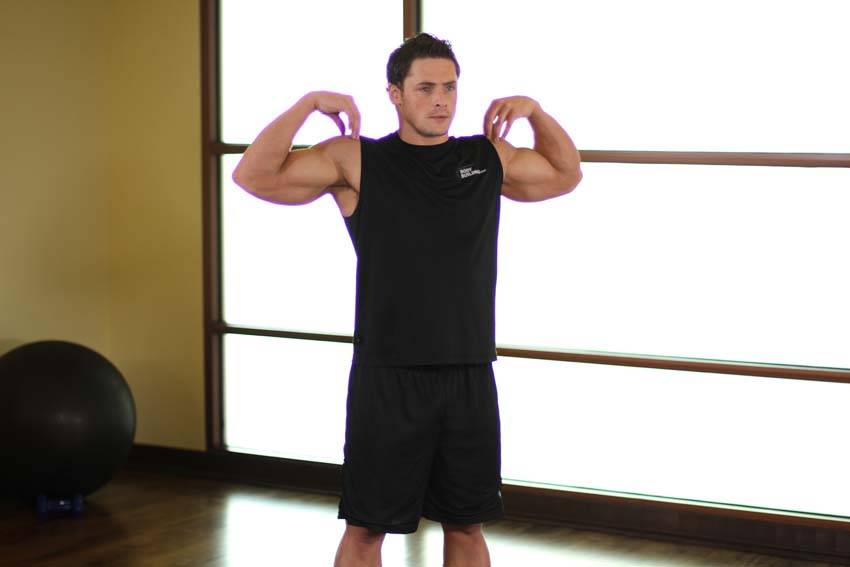
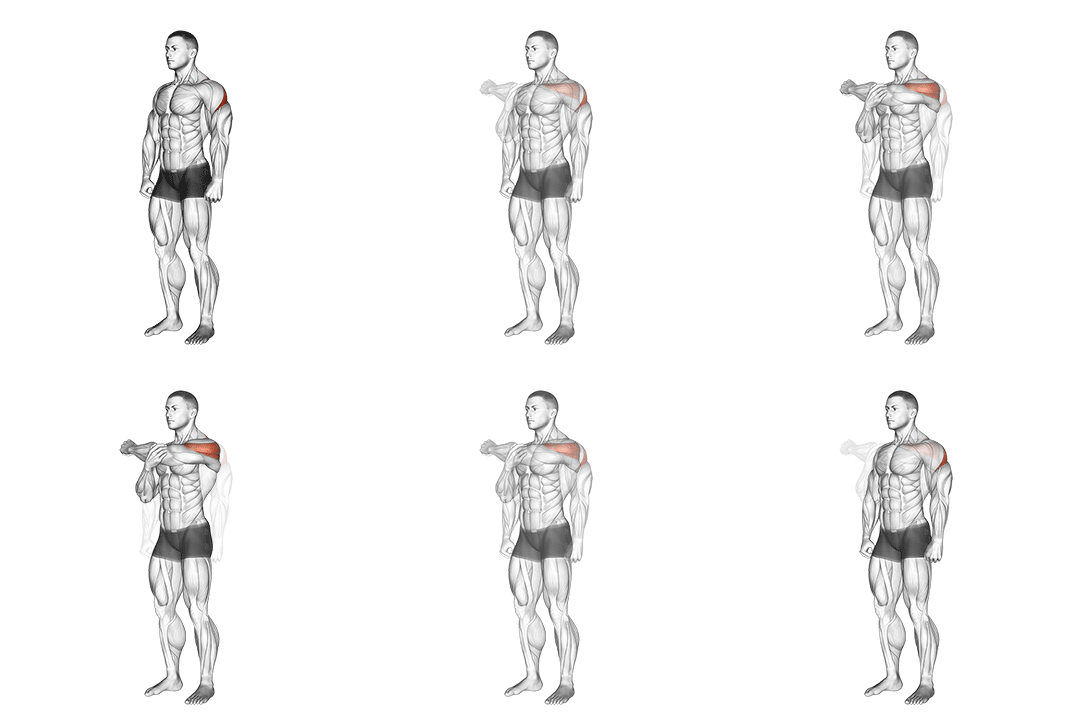
Elbow Circles
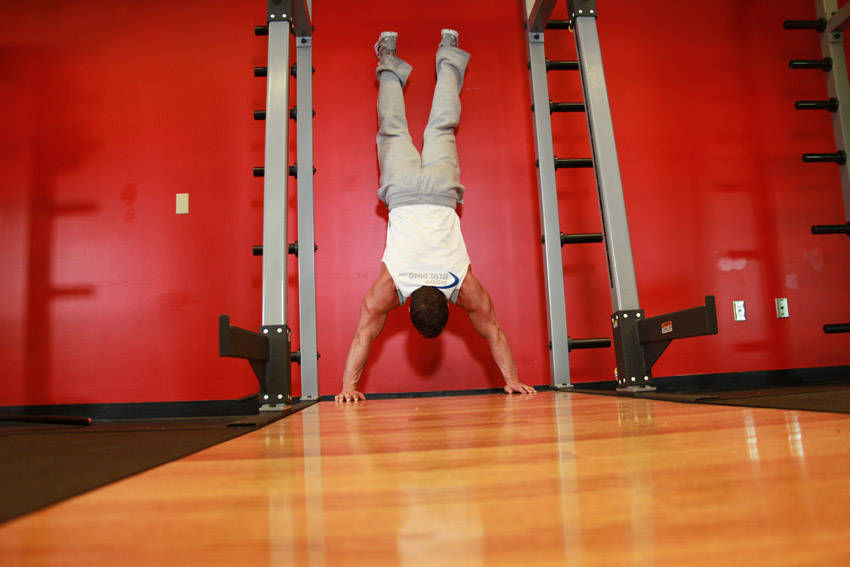
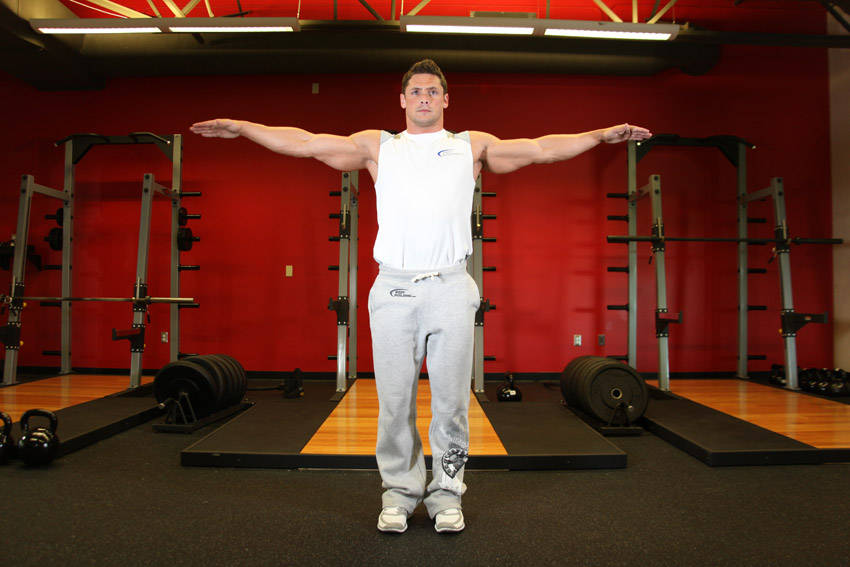
Handstand Push-ups
Head-to-Head Comparison
| Attribute | Elbow Circles | Handstand Push-ups |
|---|---|---|
| Target Muscle |
Delts
|
Delts
|
| Body Part |
Shoulders
|
Shoulders
|
| Equipment |
Body-weight
|
Body-weight
|
| Difficulty |
Beginner
|
Advanced
|
| Movement Type |
Isolation
|
Compound
|
| Secondary Muscles |
1
|
1
|
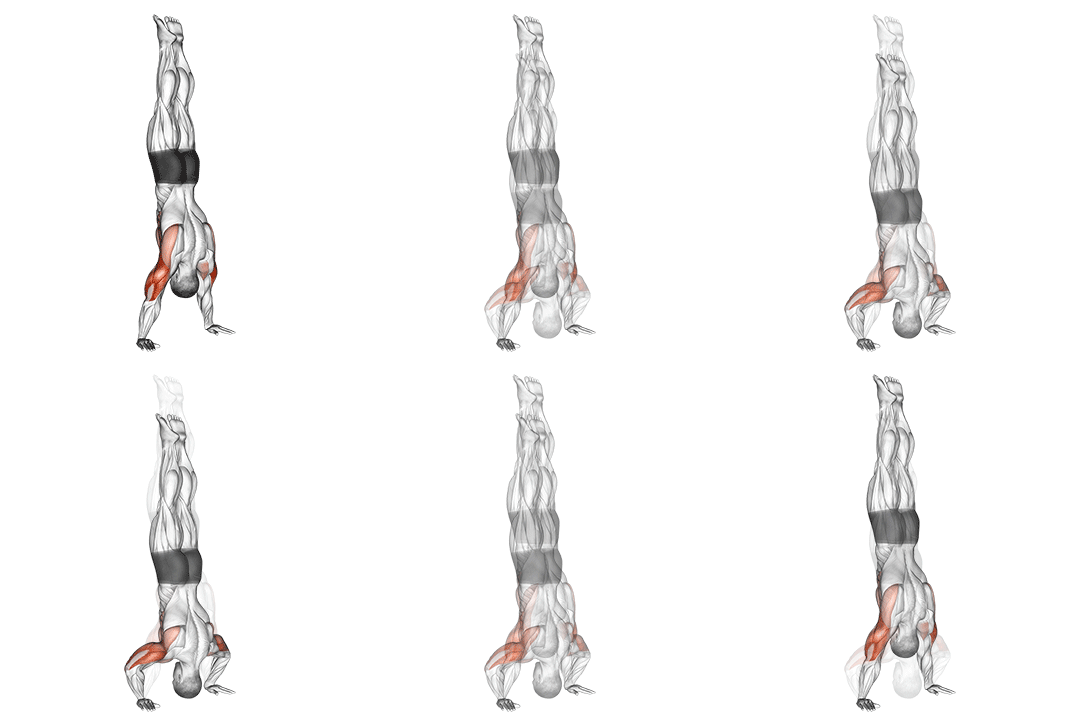
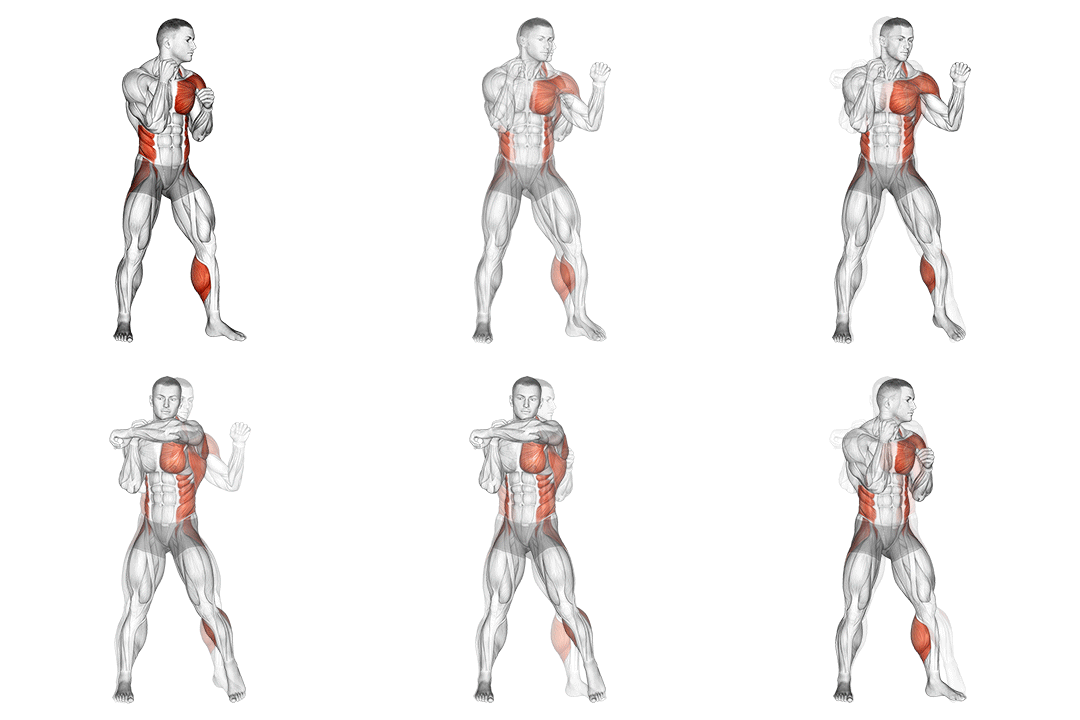
Secondary Muscles Activated
Elbow Circles
Handstand Push-ups
Visual Comparison
Overview
Elbow Circles vs Handstand Push-Ups puts a beginner isolation shoulder movement against an advanced compound vertical press. You’ll get clear comparisons of muscle activation, biomechanics, equipment needs, difficulty, and which to pick for hypertrophy, strength, or mobility goals. I’ll show technique cues (joint angles, trunk position, scapular control), recommended rep ranges (8–15 for endurance/hypertrophy, 3–6 or weighted sets for strength), and progressions so you can decide exactly when to use each exercise in your plan.
Key Differences
- Elbow Circles is an isolation exercise, while Handstand Push-ups is a compound movement.
- Difficulty levels differ: Elbow Circles is beginner, while Handstand Push-ups is advanced.
- Both exercises target the Delts using Body-weight. The main differences are in their movement patterns and muscle activation angles.
Pros & Cons
Elbow Circles
+ Pros
- Zero equipment and minimal space required
- Very low injury risk when performed with good posture
- Great for shoulder warm-up, mobility, and deltoid endurance
- Easy to coach and scale (tempo, band resistance, reps)
− Cons
- Limited ability to provide high mechanical overload for strength
- Small range of motion limits hypertrophy stimulus compared with compound presses
- Can become monotonous and less effective for long-term progressive overload
Handstand Push-ups
+ Pros
- High mechanical overload for deltoid strength and muscle growth
- Builds shoulder stability, triceps strength, and proprioception under load
- Multiple clear progressions (deficit, weighted, one-arm)
- Transfers well to athletic vertical pushing and balance skills
− Cons
- Requires significant balance and shoulder strength to learn
- Higher risk to wrists, neck, and shoulders without proper technique
- Needs safe environment (wall/spotter) and more coaching
When Each Exercise Wins
Handstand Push-Ups place a much higher absolute load on the deltoids and allow progressive overload (weighted vests, deficits). Use 6–12 reps for hypertrophy and emphasize full ROM and controlled eccentrics for muscle growth.
The vertical force vector and larger joint moments in handstand push-ups produce greater peak torque at the shoulder; train with 3–6 heavy reps or weighted sets to maximize strength adaptations.
Elbow Circles teach scapular control, low-load deltoid activation, and safe movement patterns without balance demands. Start with 2–3 sets of 12–20 slow reps to build endurance and motor control.
Elbow Circles need no equipment, minimal space, and suit short sessions or warm-ups. Handstand Push-Ups are possible at home but require a wall, more space, and progressive training to be safe.
Frequently Asked Questions
Can I do both Elbow Circles and Handstand Push-Ups in the same workout?
Yes. Use Elbow Circles as a specific warm-up and motor-control drill (2–3 sets of 12–20) before heavy handstand push-up work to prime the delts and scapula. That order reduces injury risk and improves activation for your main vertical pressing sets.
Which exercise is better for beginners?
Elbow Circles are better for beginners because they require minimal balance and teach scapular control and deltoid activation. Start with 3 sets of 12–20 reps and progress to loading or pike variations before attempting handstand work.
How do the muscle activation patterns differ?
Elbow Circles create continuous low-level deltoid activation over a mid-range length-tension zone, emphasizing endurance and scapular stabilizers. Handstand Push-Ups produce peak deltoid and triceps activation under high axial load, with maximal force at the top of the concentric and high eccentric demand at ~90° elbow flexion.
Can Handstand Push-Ups replace Elbow Circles?
Not entirely. Handstand Push-Ups can replace Elbow Circles for overload and strength, but they don’t replicate the low-load scapular mobility and endurance benefits. Keep Elbow Circles in your program for warm-up, rehab, and maintenance even if you train handstand push-ups.
Expert Verdict
Use Elbow Circles when your priority is shoulder health, mobility, and low-risk deltoid endurance — they’re ideal for warm-ups, rehab, and beginners who need 30–90° control of humeral elevation and scapular rhythm. Choose Handstand Push-Ups when you need high mechanical tension, vertical pressing strength, and a clear progression path for muscle growth; program 3–6 heavy sets for strength or 6–12 reps for hypertrophy and focus on scapular upward rotation and strict elbow mechanics. Pair both intelligently: Elbow Circles for prep and maintenance, Handstand Push-Ups for overload and progression.
Also Compare
More comparisons with Elbow Circles
Compare More Exercises
Use our free comparison tool to analyze any two exercises head-to-head.
Compare Exercises