

Ez Barbell Curl vs Ez Barbell Seated Curls: Complete Comparison Guide
Ez Barbell Curl vs Ez Barbell Seated Curls — if you want bigger, stronger biceps you need to pick the right tool and technique. I’ll break down how each exercise loads the biceps, how the forearms and shoulder position change recruitment, and which one fits your goal: hypertrophy, strength, or learning the movement. You’ll get clear cues for setup, elbow and wrist position, recommended rep ranges (6–8 for strength, 8–12 for hypertrophy, 12–20 for endurance), and simple progressions so you can choose the best curl for your program.
Exercise Comparison
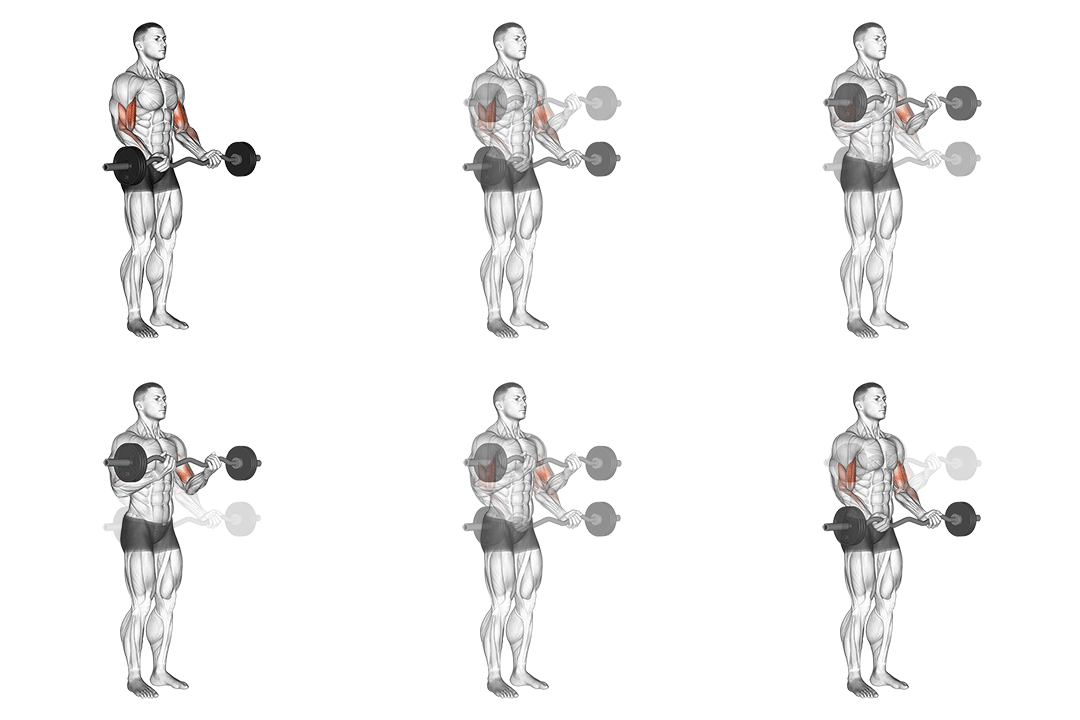
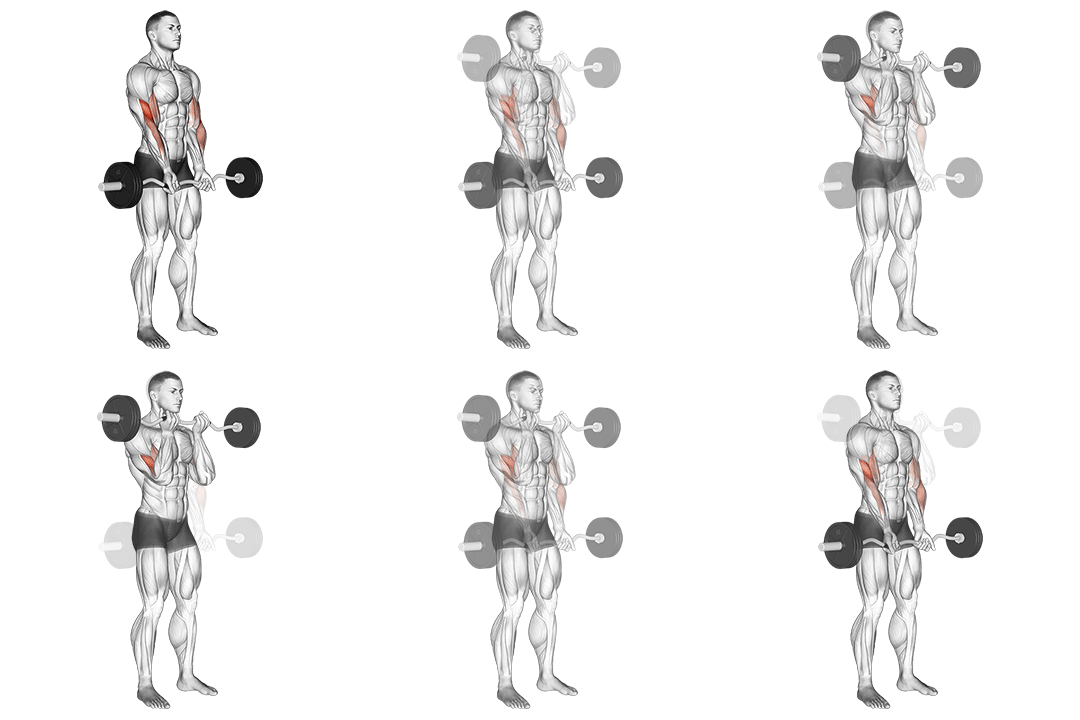
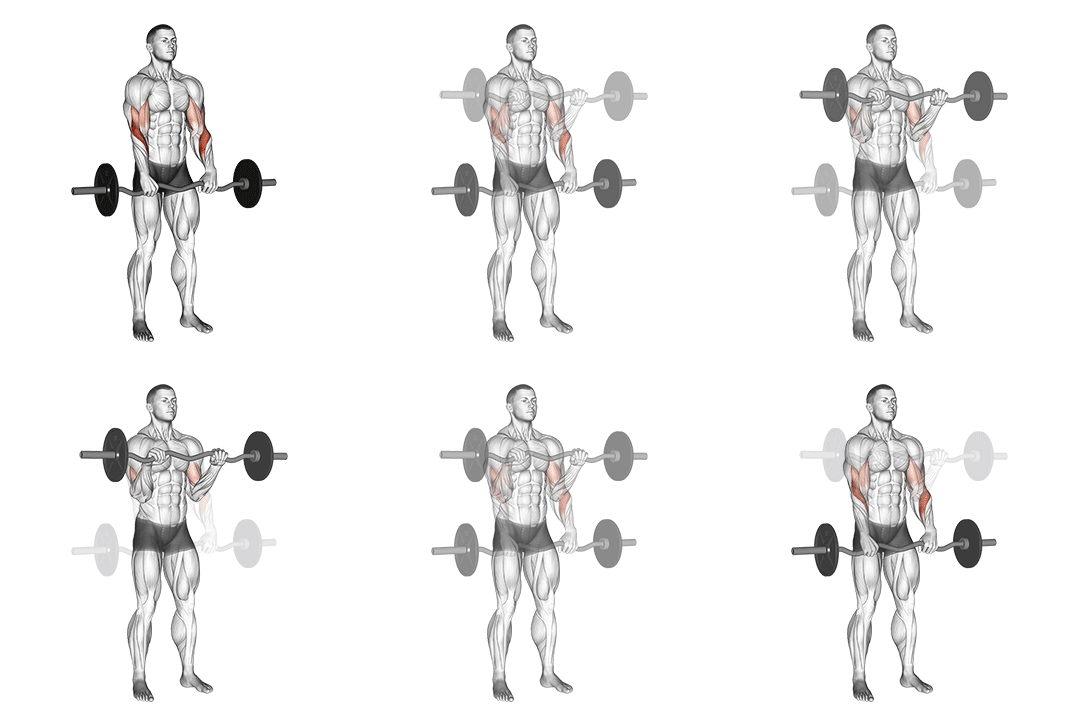
EZ Barbell Curl
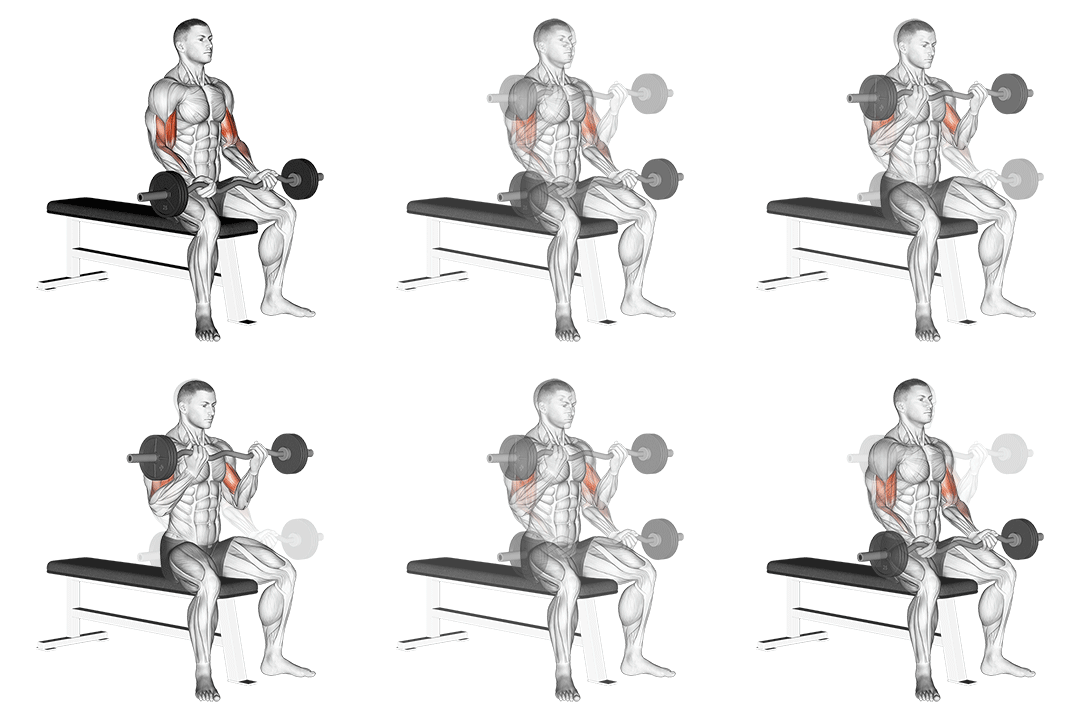
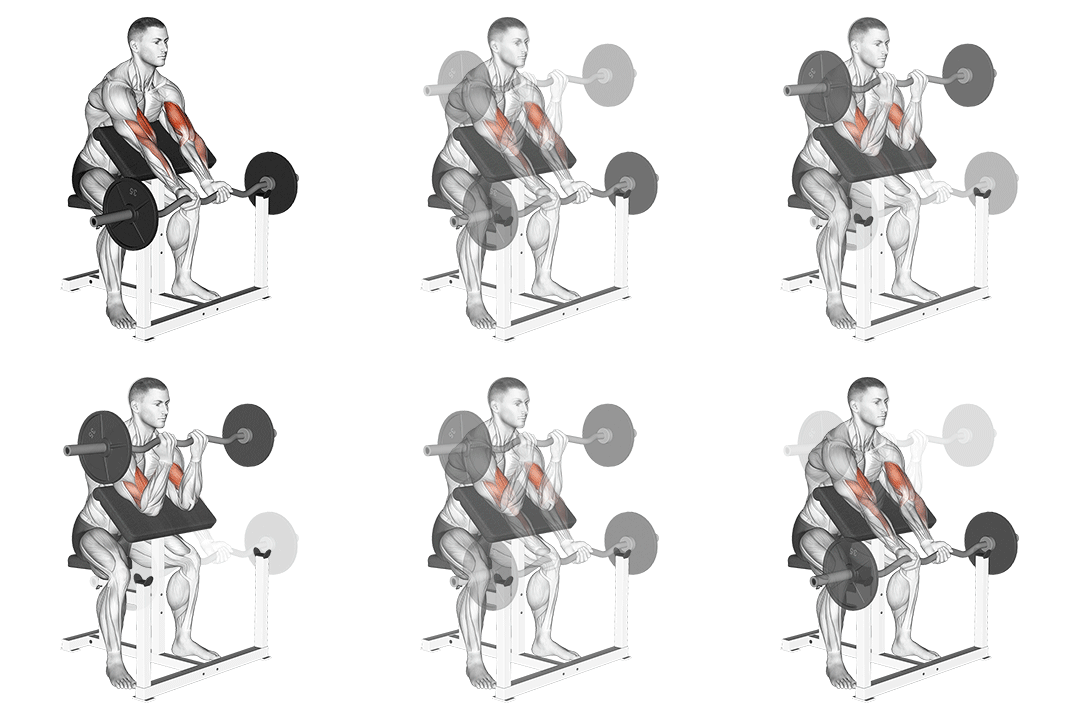
EZ Barbell Seated Curls
Head-to-Head Comparison
| Attribute | EZ Barbell Curl | EZ Barbell Seated Curls |
|---|---|---|
| Target Muscle |
Biceps
|
Biceps
|
| Body Part |
Upper-arms
|
Upper-arms
|
| Equipment |
Ez-barbell
|
Ez-barbell
|
| Difficulty |
Intermediate
|
Beginner
|
| Movement Type |
Isolation
|
Isolation
|
| Secondary Muscles |
1
|
1
|
Secondary Muscles Activated
EZ Barbell Curl
EZ Barbell Seated Curls
Visual Comparison
Overview
Ez Barbell Curl vs Ez Barbell Seated Curls — if you want bigger, stronger biceps you need to pick the right tool and technique. I’ll break down how each exercise loads the biceps, how the forearms and shoulder position change recruitment, and which one fits your goal: hypertrophy, strength, or learning the movement. You’ll get clear cues for setup, elbow and wrist position, recommended rep ranges (6–8 for strength, 8–12 for hypertrophy, 12–20 for endurance), and simple progressions so you can choose the best curl for your program.
Key Differences
- Difficulty levels differ: EZ Barbell Curl is intermediate, while EZ Barbell Seated Curls is beginner.
- Both exercises target the Biceps using Ez-barbell. The main differences are in their movement patterns and muscle activation angles.
Pros & Cons
EZ Barbell Curl
+ Pros
- Allows heavier loading for strength progression
- More progression options (tempo, partials, weighted variations)
- Engages stabilizers for a more functional movement pattern
- Easier to perform anywhere without a bench
− Cons
- Higher tendency to use momentum/cheat, reducing strict biceps tension
- Greater lower-back and spinal loading if form breaks down
- Can increase stress on the biceps tendon and wrists with heavy loads
EZ Barbell Seated Curls
+ Pros
- Strict isolation with reduced torso drive for better time under tension
- Beginner-friendly setup that enforces elbow stability
- Lower spinal load and safer for those with back issues
- Better for strict rep cadence and hypertrophy-focused sets
− Cons
- Limited absolute loading compared to standing version
- Requires a bench, reducing accessibility in minimal-equipment settings
- May under-stimulate stabilizer muscles needed for functional strength
When Each Exercise Wins
Seated curls minimize torso momentum and keep constant tension on the biceps throughout the 0°–135° elbow arc, which increases time under tension in the mid-range (60°–90°). That strict profile and ability to control tempo (2–3 sec eccentrics) make seated curls better for focused hypertrophy work.
Standing curls let you progressively overload with heavier loads and variations, enabling higher absolute force production. That makes them superior for building maximal elbow flexor strength when paired with low-rep sets (4–6) and heavier loads.
Seated curls restrict compensatory movement and teach strict elbow flexion mechanics, which helps beginners learn the movement pattern and protect the lower back. Use 8–12 rep sets with slow tempo to build motor control.
Most home setups have limited furniture, and standing curls require only an EZ-bar and plates. That makes them easier to program at home compared with seated curls that need a bench.
Frequently Asked Questions
Can I do both Ez Barbell Curl and Ez Barbell Seated Curls in the same workout?
Yes. Start with the heavier standing variation for 3–4 sets of 4–8 reps to tax strength, then follow with seated curls for 2–3 sets of 8–12 reps to increase time under tension and metabolic stimulus. Keep total weekly volume in check to avoid tendon overload.
Which exercise is better for beginners?
Ez Barbell Seated Curls are better for beginners because the bench stabilizes the torso and enforces strict elbow flexion, which builds proper motor patterns. Start light and focus on controlled tempo and full range of motion.
How do the muscle activation patterns differ?
Seated curls produce steadier activation with higher continuous biceps tension and less stabilizer recruitment; standing curls allow more dynamic activation and can shift peak torque via torso and shoulder contributions. Both hit the mid-range (60°–90°) hardest, but standing can increase long-head stretch when the shoulder extends.
Can Ez Barbell Seated Curls replace Ez Barbell Curl?
They can replace standing curls if your priority is isolation, hypertrophy, or reducing spinal load. For long-term strength progression and maximal loading you’ll still want to include standing variations at times.
Expert Verdict
Choose seated Ez bar curls when you want strict isolation, safer mechanics, and maximum time under tension for hypertrophy or when you’re learning form. Use 8–12 reps with controlled eccentrics (2–3 seconds) and keep elbows pinned. Choose standing Ez bar curls when your goal is to increase absolute elbow flexor strength or you need an option that requires no bench—progress with heavier loads and low-rep blocks (4–6) while policing torso drive. Both belong in a well-rounded program: cycle seated blocks for focused size and standing blocks for load-focused strength progressions.
Also Compare
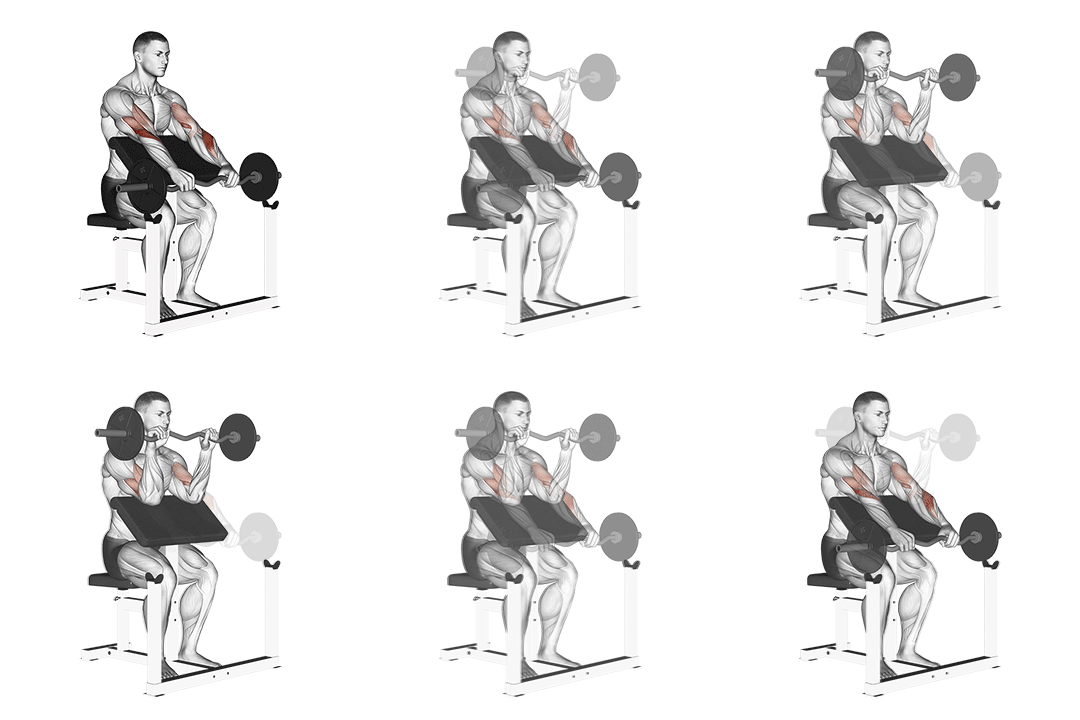
More comparisons with EZ Barbell Curl
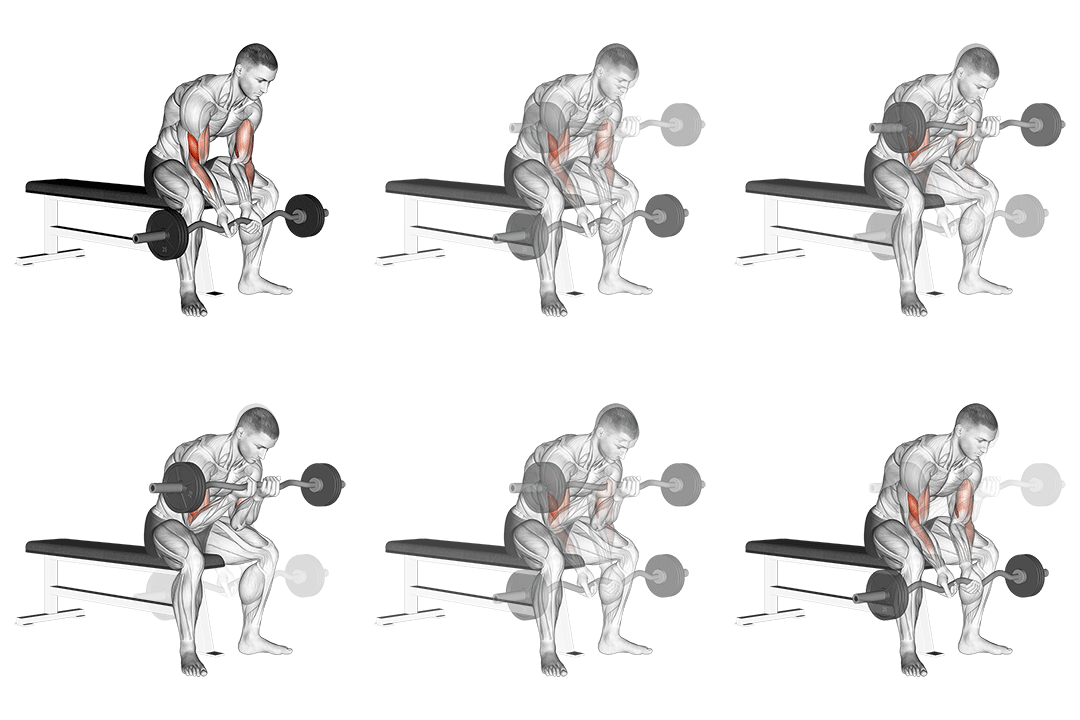
More comparisons with EZ Barbell Seated Curls
Compare More Exercises
Use our free comparison tool to analyze any two exercises head-to-head.
Compare Exercises