

Handstand Push-up vs Seated Front Deltoid: Complete Comparison Guide
Handstand Push-up vs Seated Front Deltoid — if you want stronger, thicker shoulders you need to pick the right tool. This head-to-head looks at primary muscle activation, secondary recruitment, equipment and technique cues, difficulty and progression, and clear programming recommendations. You’ll get biomechanics-based explanations (force vectors, length-tension, scapular mechanics), specific rep ranges, and step-by-step cues so you can choose the exercise that fits your goals and current ability.
Exercise Comparison
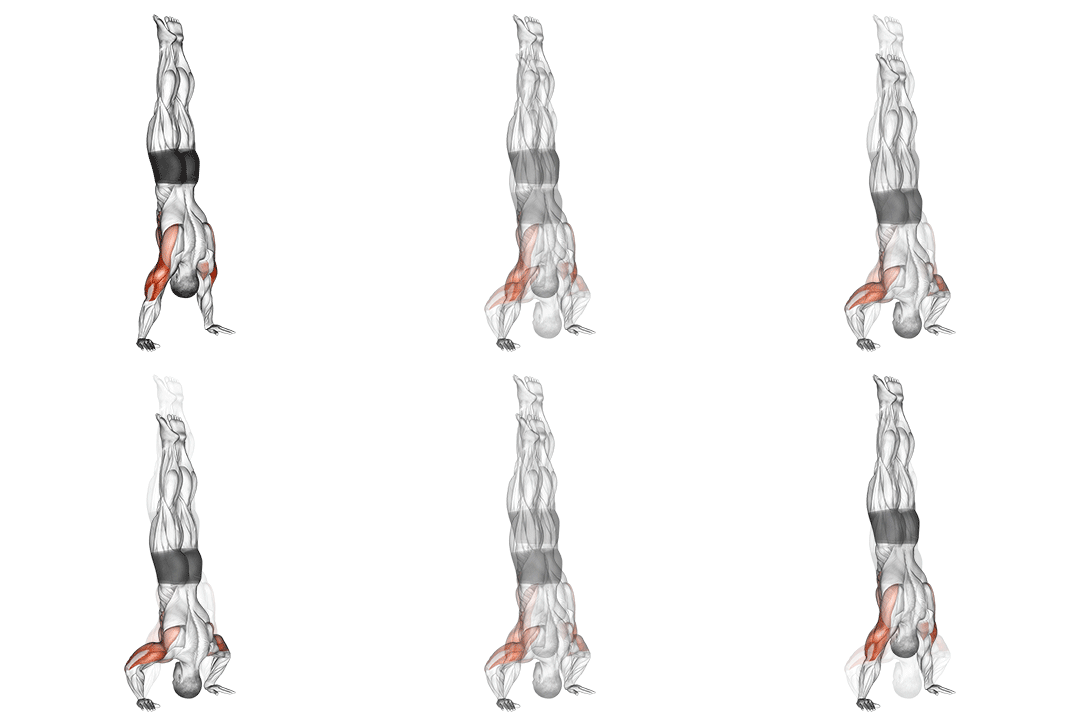
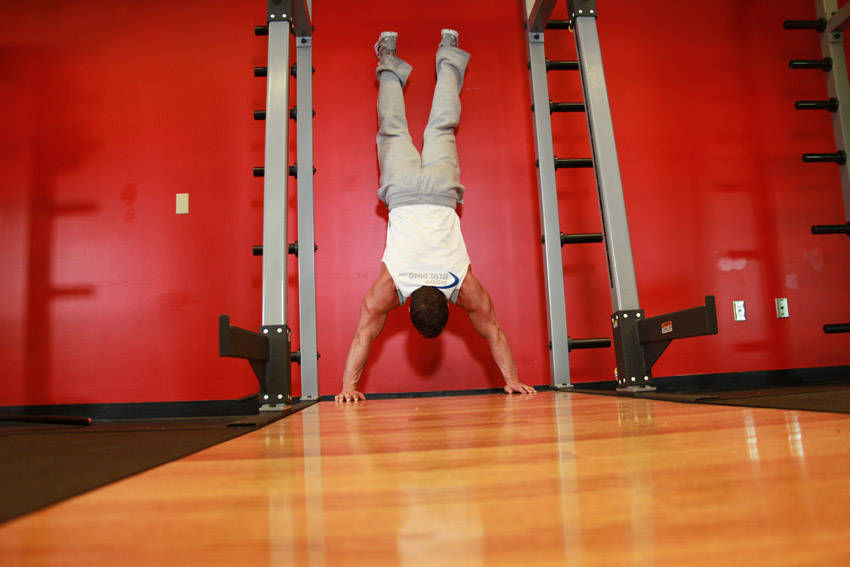
Handstand Push-up
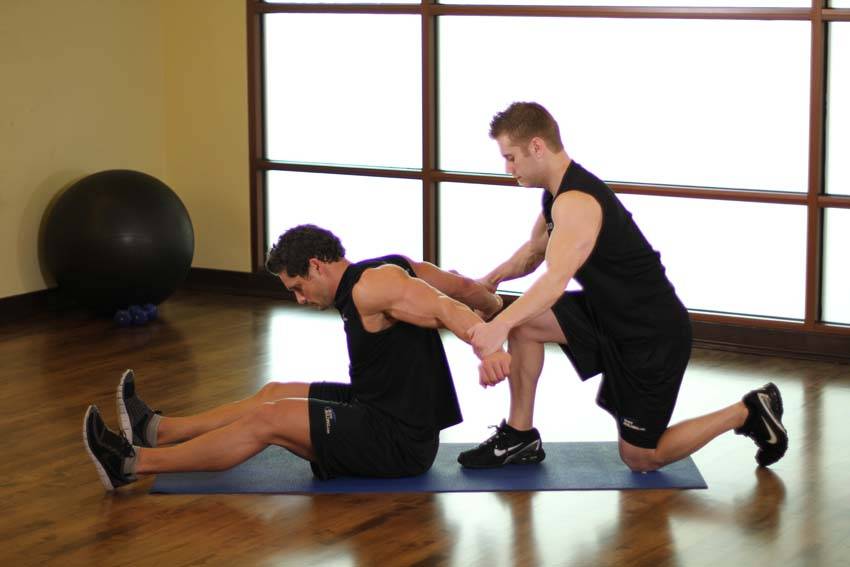
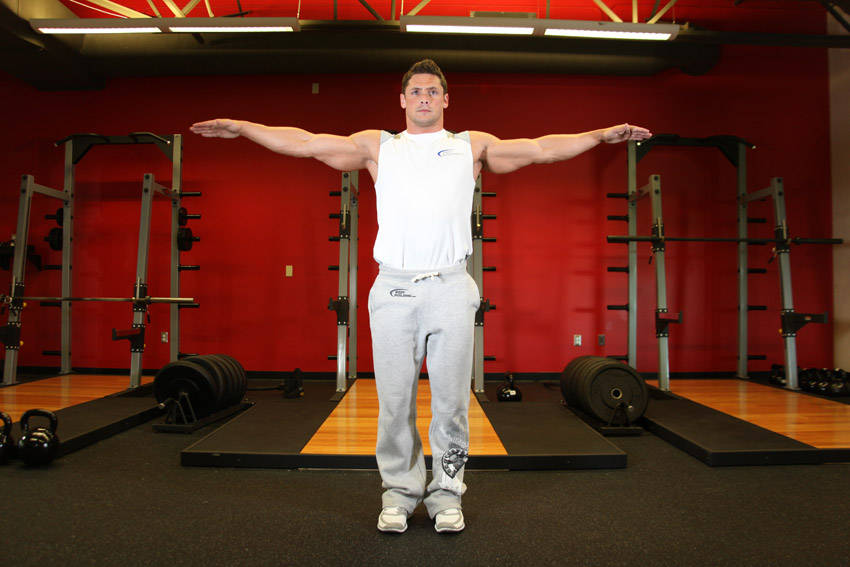
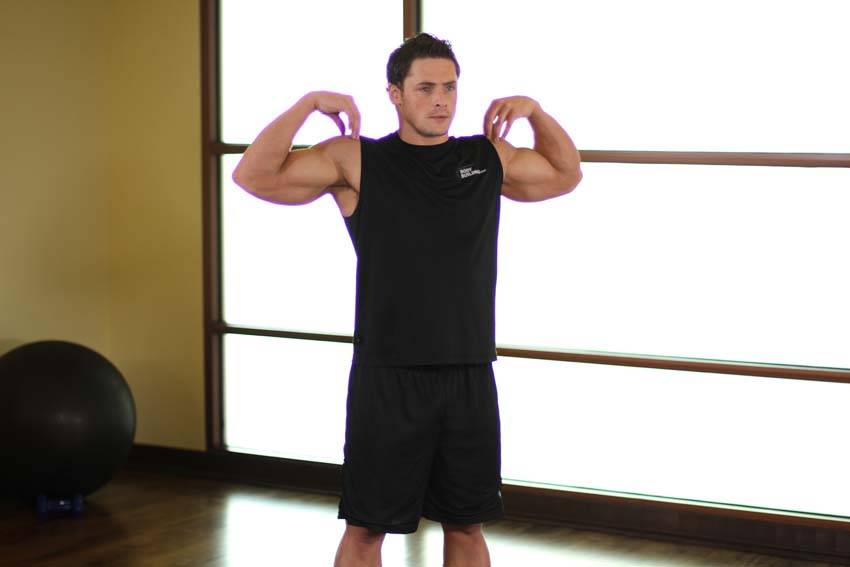
Seated Front Deltoid
Head-to-Head Comparison
| Attribute | Handstand Push-up | Seated Front Deltoid |
|---|---|---|
| Target Muscle |
Delts
|
Delts
|
| Body Part |
Shoulders
|
Shoulders
|
| Equipment |
Body-weight
|
Body-weight
|
| Difficulty |
Advanced
|
Beginner
|
| Movement Type |
Compound
|
Isolation
|
| Secondary Muscles |
3
|
1
|
Secondary Muscles Activated
Handstand Push-up
Seated Front Deltoid
Visual Comparison
Overview
Handstand Push-up vs Seated Front Deltoid — if you want stronger, thicker shoulders you need to pick the right tool. This head-to-head looks at primary muscle activation, secondary recruitment, equipment and technique cues, difficulty and progression, and clear programming recommendations. You’ll get biomechanics-based explanations (force vectors, length-tension, scapular mechanics), specific rep ranges, and step-by-step cues so you can choose the exercise that fits your goals and current ability.
Key Differences
- Handstand Push-up is a compound movement, while Seated Front Deltoid is an isolation exercise.
- Difficulty levels differ: Handstand Push-up is advanced, while Seated Front Deltoid is beginner.
- Both exercises target the Delts using Body-weight. The main differences are in their movement patterns and muscle activation angles.
Pros & Cons
Handstand Push-up
+ Pros
- Builds vertical pressing strength and shoulder power across full-body tension
- High core and scapular stabilization carryover—improves balance and proprioception
- Scales to heavy overload via deficits, weighted vests, and plyometric variations
- Efficient compound stimulus: delts, chest and core under a single movement
− Cons
- Steep learning curve requiring weeks of skill practice
- Greater wrist, neck and shoulder stress if mobility or technique is poor
- Needs clear space/wall and more coaching to perform safely
Seated Front Deltoid
+ Pros
- Easy to learn and control—ideal for precise anterior delt targeting
- Low balance and core demand reduces technical failure and lets you focus on time under tension
- Suited to higher-volume hypertrophy work (8–20 rep ranges) with clean eccentric control
- Very accessible for home or gym settings; minimal setup
− Cons
- Limited ability to add heavy overload without external resistance
- Lower carryover to whole-body pressing strength and balance
- Can under-load stabilizer muscles, offering less functional transfer
When Each Exercise Wins
Seated Front Deltoid lets you control tempo, emphasize eccentric lengthening and accumulate volume in the 8–20 rep range for muscle growth. Isolation reduces compensatory recruitment so you can place more consistent mechanical tension on the anterior deltoid across sets.
Handstand Push-ups load the shoulder under a vertical force vector and challenge stabilizers, making them superior for raw pressing strength and carryover to overhead tasks. Progressions (weighted vests, deficits) permit low-rep strength work in the 3–6 rep range.
Seated Front Deltoid requires minimal balance and mobility and teaches clean shoulder flexion with reduced injury risk, so beginners can build hypertrophy and prepare the joint for more complex moves. It provides immediate, trainable stimulus with simple posture cues.
Seated Front Deltoid needs only a chair and small space, while Handstand Push-ups require wall space, wrist adaptation and a safe floor surface. For consistent, low-equipment sessions the seated variation is more practical.
Frequently Asked Questions
Can I do both Handstand Push-up and Seated Front Deltoid in the same workout?
Yes. Start with the more demanding Handstand Push-up sets while you’re fresh to train strength and motor control (3–6 reps), then follow with Seated Front Deltoid for 2–4 sets of 8–15 reps to increase time under tension and hypertrophy.
Which exercise is better for beginners?
Seated Front Deltoid is better for beginners because it minimizes balance and core demands and allows you to learn shoulder mechanics safely. Use it to build volume and scapular control before attempting handstand progressions.
How do the muscle activation patterns differ?
Handstand Push-ups show high, broad deltoid activation plus substantial core and scapular stabilizer recruitment due to the vertical load and closed kinetic chain. Seated Front Deltoid yields more localized anterior delt activation with a steady mid-range peak and less trunk involvement, making it ideal for focused tension.
Can Seated Front Deltoid replace Handstand Push-up?
Seated Front Deltoid can substitute when you need isolated hypertrophy or lack the skill/space for handstands, but it won’t replace the balance, vertical strength and core carryover of Handstand Push-ups. For full development, use seated isolation to prepare and handstands to build functional overhead strength.
Expert Verdict
If your primary goal is pure anterior delt hypertrophy or you’re new to shoulder training, prioritize Seated Front Deltoid work with 3–4 sets of 8–20 reps, controlled 2–3 second eccentrics and stable scapular positioning. If you want maximal bodyweight strength, overhead power and improved core integration, prioritize Handstand Push-ups and follow a progressive path: wall holds → pike push-ups → negatives → strict reps, training in the 3–8 rep range for strength and skill. When possible combine both: use seated isolation for high-volume growth and handstand work for strength and stability once your mobility and shoulder health are robust.
Also Compare
More comparisons with Handstand Push-up
Compare More Exercises
Use our free comparison tool to analyze any two exercises head-to-head.
Compare Exercises