

Rear Deltoid Stretch vs Seated Front Deltoid: Complete Comparison Guide
Rear Deltoid Stretch vs Seated Front Deltoid — which should you use in your shoulder routine? You’ll get clear, practical guidance here: what muscles each move hits, exact technique cues, mobility and loading recommendations, and when to pick one over the other based on hypertrophy, strength, or mobility goals. Read on and you’ll know how to perform each safely, what rep ranges and hold times to use, and how biomechanics like force vectors and length-tension relationships make one better for targeting the posterior versus anterior deltoid.
Exercise Comparison
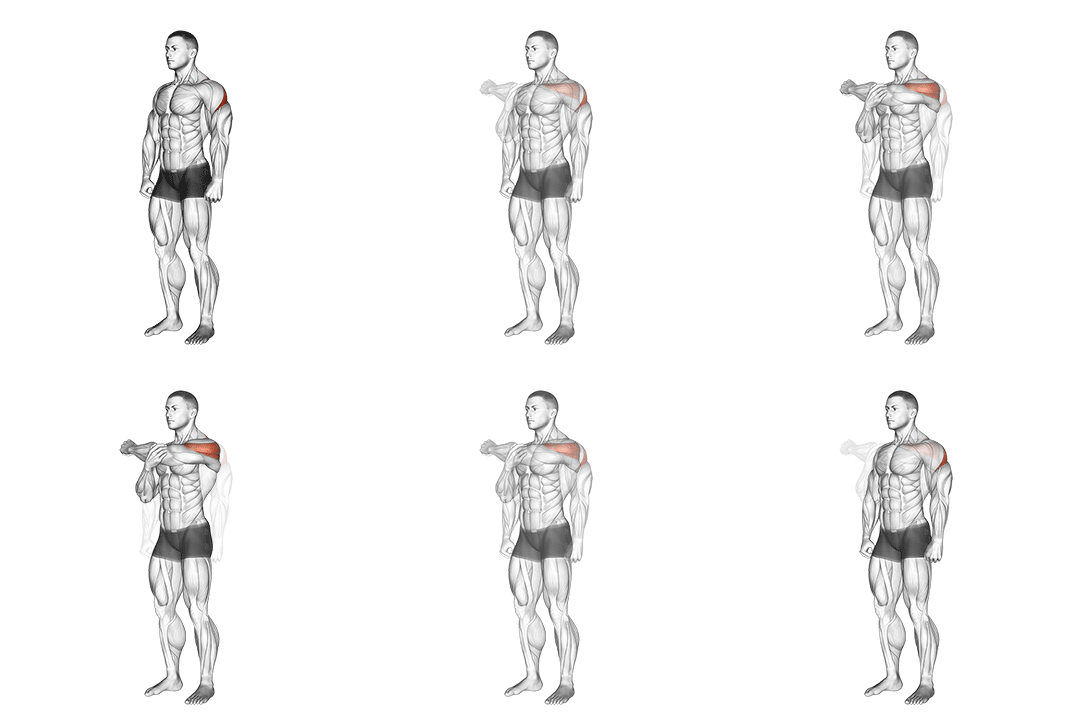
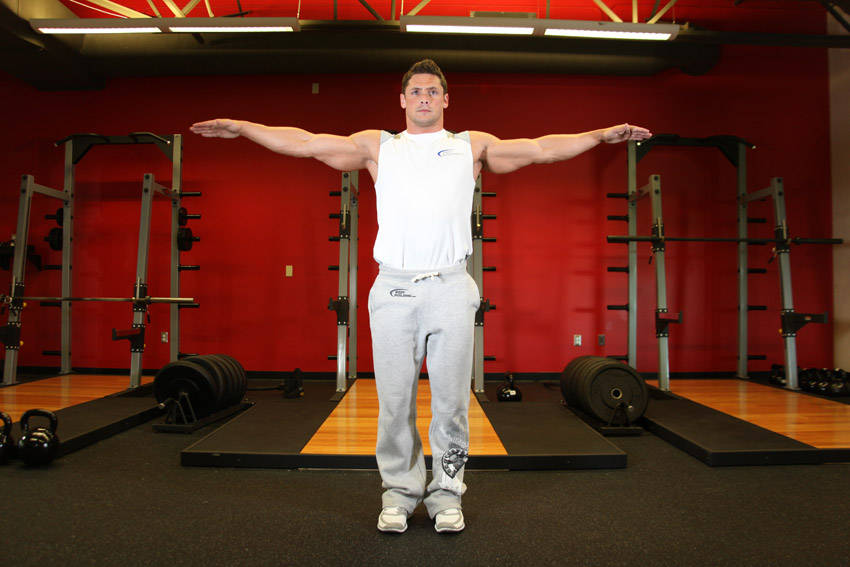
Rear Deltoid Stretch
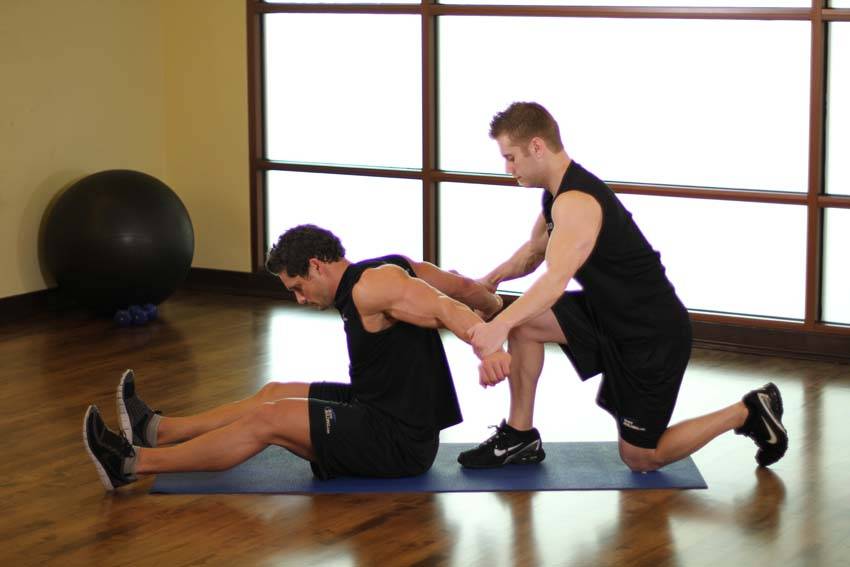
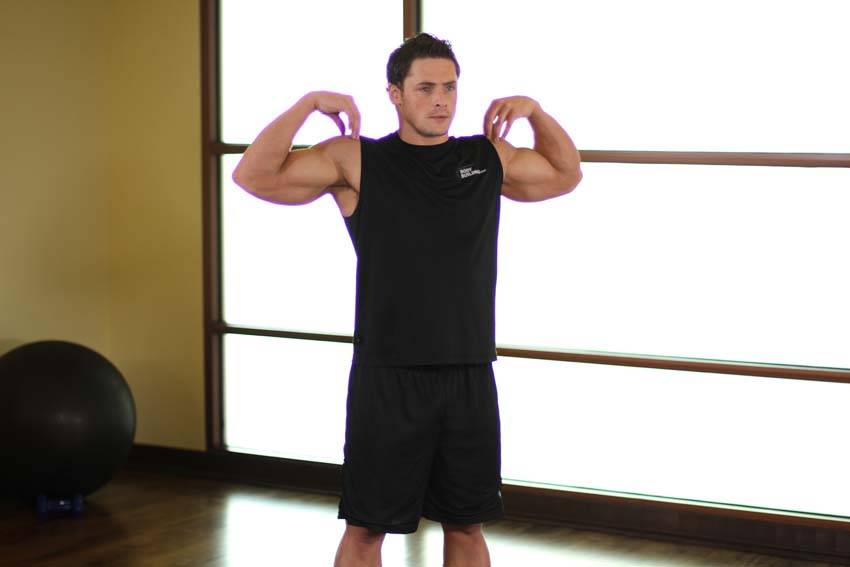
Seated Front Deltoid
Head-to-Head Comparison
| Attribute | Rear Deltoid Stretch | Seated Front Deltoid |
|---|---|---|
| Target Muscle |
Delts
|
Delts
|
| Body Part |
Shoulders
|
Shoulders
|
| Equipment |
Body-weight
|
Body-weight
|
| Difficulty |
Beginner
|
Beginner
|
| Movement Type |
Isolation
|
Isolation
|
| Secondary Muscles |
2
|
1
|
Secondary Muscles Activated
Rear Deltoid Stretch
Seated Front Deltoid
Visual Comparison
Overview
Rear Deltoid Stretch vs Seated Front Deltoid — which should you use in your shoulder routine? You’ll get clear, practical guidance here: what muscles each move hits, exact technique cues, mobility and loading recommendations, and when to pick one over the other based on hypertrophy, strength, or mobility goals. Read on and you’ll know how to perform each safely, what rep ranges and hold times to use, and how biomechanics like force vectors and length-tension relationships make one better for targeting the posterior versus anterior deltoid.
Key Differences
- Both exercises target the Delts using Body-weight. The main differences are in their movement patterns and muscle activation angles.
Pros & Cons
Rear Deltoid Stretch
+ Pros
- Zero equipment and instant accessibility
- Improves posterior deltoid length-tension and shoulder mobility
- Engages scapular retractors (trapezius, rhomboids) for posture
- Low learning curve and low fatigue, great for warm-ups or rehab
− Cons
- Limited ability to progressively overload for hypertrophy
- Primarily a stretch/activation, not ideal for strength gains
- Can be uncomfortable if you have anterior shoulder capsule stiffness
Seated Front Deltoid
+ Pros
- Direct concentric-eccentric loading of the anterior deltoid
- Easy to progress with added weight, tempo, or reps
- Effective for hypertrophy and strength within 6–20 rep ranges
- Can be performed seated to reduce cheating and torso swing
− Cons
- Requires a stable seat and more coaching to isolate the deltoid
- Higher risk of anterior shoulder strain or impingement if done poorly
- May unintentionally recruit chest if elbow position or ROM is incorrect
When Each Exercise Wins
Seated Front Deltoid produces higher active tension in the anterior deltoid across the mid-range where the muscle’s moment arm is greatest. You can progressively overload with added weight and use 8–15 reps per set or 12–20 reps for higher time under tension to drive muscle growth.
Strength requires progressive loading and concentric force production; the seated front raise allows incremental loading and tempo control. Work in lower rep ranges (4–8) with heavier external resistance to increase force capacity.
Beginners benefit from easy-to-learn, low-risk movements that teach scapular control and posterior deltoid awareness. Hold the stretch 20–40 seconds and combine with activation drills before loaded shoulder work.
No equipment, no setup, and immediate mobility benefits make the rear deltoid stretch ideal at home. It’s useful for daily posture work and can be combined with bodyweight shoulder raises for a simple routine.
Frequently Asked Questions
Can I do both Rear Deltoid Stretch and Seated Front Deltoid in the same workout?
Yes. Start with the Rear Deltoid Stretch as a warm-up and activation (20–40 second holds) to improve scapular mechanics, then perform Seated Front Deltoid sets for strength or hypertrophy. That order leverages improved range-of-motion and motor control before loaded work.
Which exercise is better for beginners?
For absolute beginners the Rear Deltoid Stretch is better to establish scapular control and posterior deltoid awareness. Once basic control is established, add Seated Front Deltoid raises with light load to teach concentric-eccentric control.
How do the muscle activation patterns differ?
The Rear Deltoid Stretch biases the posterior deltoid under passive/end-range tension and engages scapular retractors, while the Seated Front Deltoid produces active concentric–eccentric contractions of the anterior deltoid in the mid-range where force output is higher.
Can Seated Front Deltoid replace Rear Deltoid Stretch?
Not completely. Seated Front Deltoid replaces the need for anterior loading but won’t restore posterior shoulder length or scapular retractor activation. If your goal includes posture or posterior activation, keep the Rear Deltoid Stretch in your routine.
Expert Verdict
Use the Rear Deltoid Stretch when your priority is mobility, scapular control, and posterior deltoid activation — it’s perfect for warm-ups, posture correction, and rehab work with 20–60 second holds. Choose the Seated Front Deltoid when you want to build anterior deltoid size or strength; load progressively, keep the effective ROM to roughly 0°–60° of shoulder flexion, and target 6–15 reps or slower tempos for more time under tension. If you train for full shoulder development, pair both: use the Rear Deltoid Stretch for activation and daily mobility, then include loaded Seated Front Deltoid sets 1–3 times weekly for hypertrophy or strength.
Also Compare
More comparisons with Rear Deltoid Stretch
Compare More Exercises
Use our free comparison tool to analyze any two exercises head-to-head.
Compare Exercises