

Left Hook. Boxing vs Seated Front Deltoid: Complete Comparison Guide
Left Hook. Boxing vs Seated Front Deltoid — if you want stronger, better-shaped shoulders you need to pick movements that match your goals. I’ll walk you through how each movement loads the delts, which secondary muscles light up, and the biomechanics behind force vectors, length-tension, and joint torques. You’ll get specific technique cues (elbow angle, torso rotation, scapular position), rep ranges for muscle growth vs power, and clear recommendations so you can choose the one that fits your training plan.
Exercise Comparison
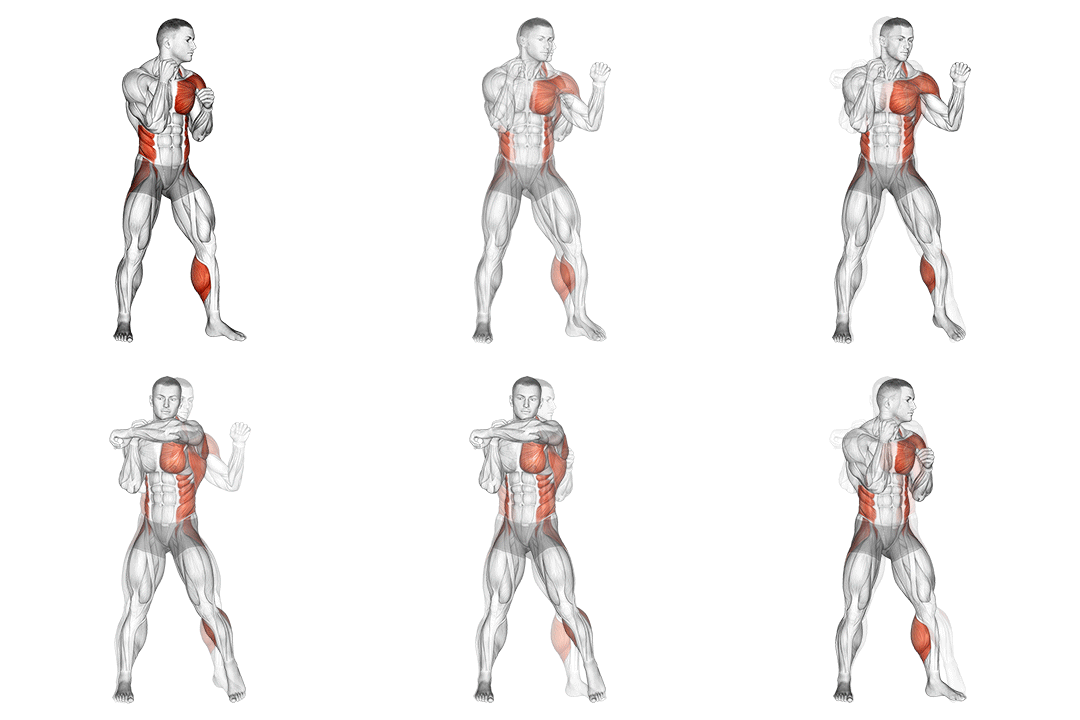
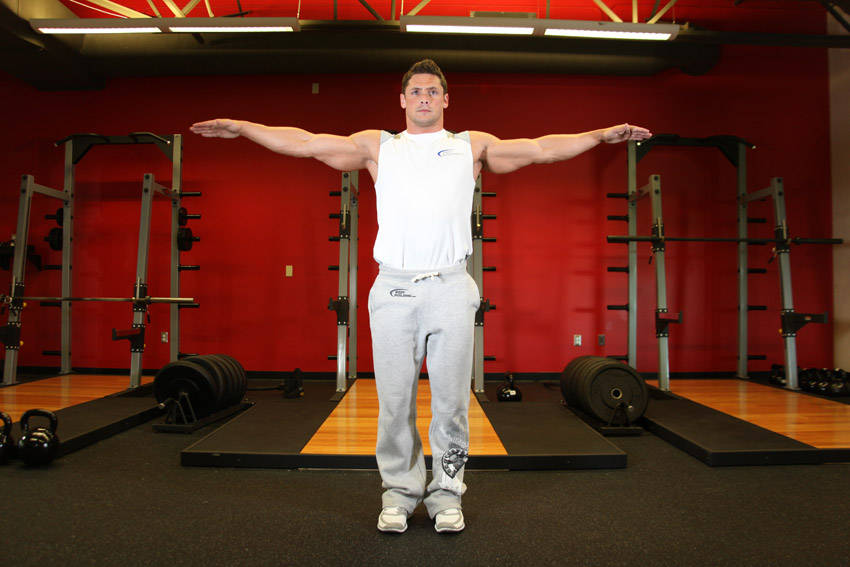
Left Hook. Boxing
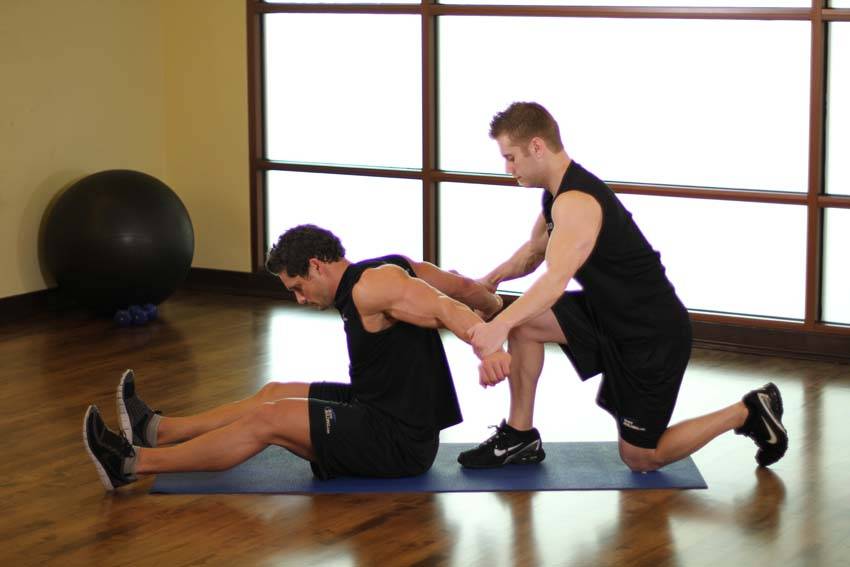
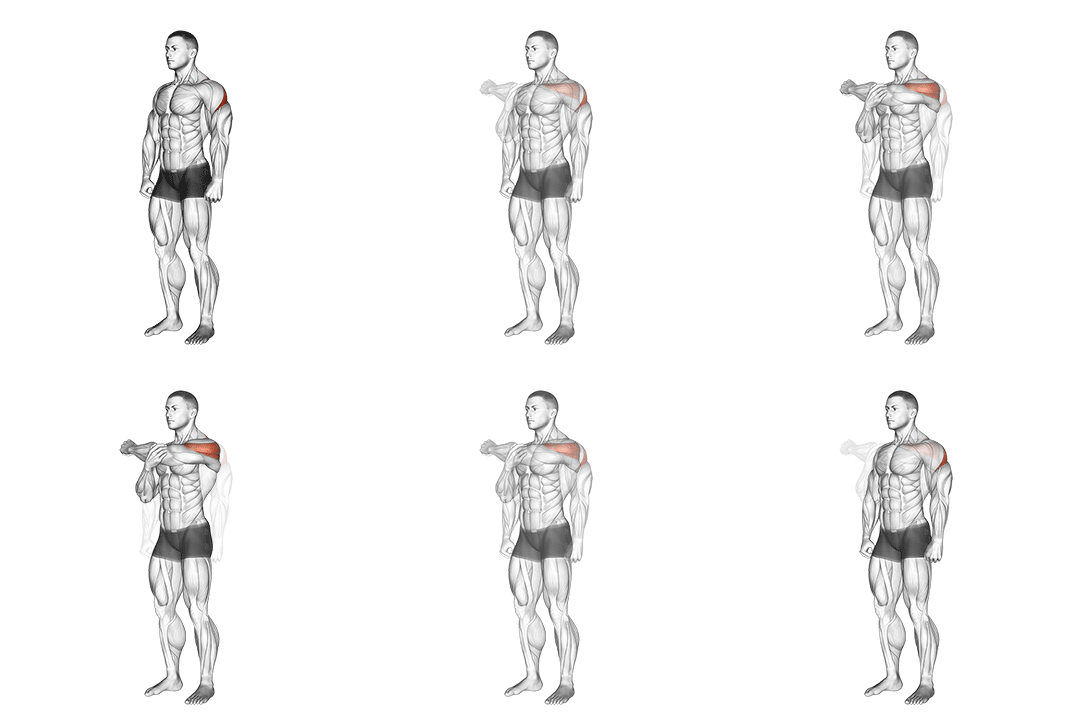
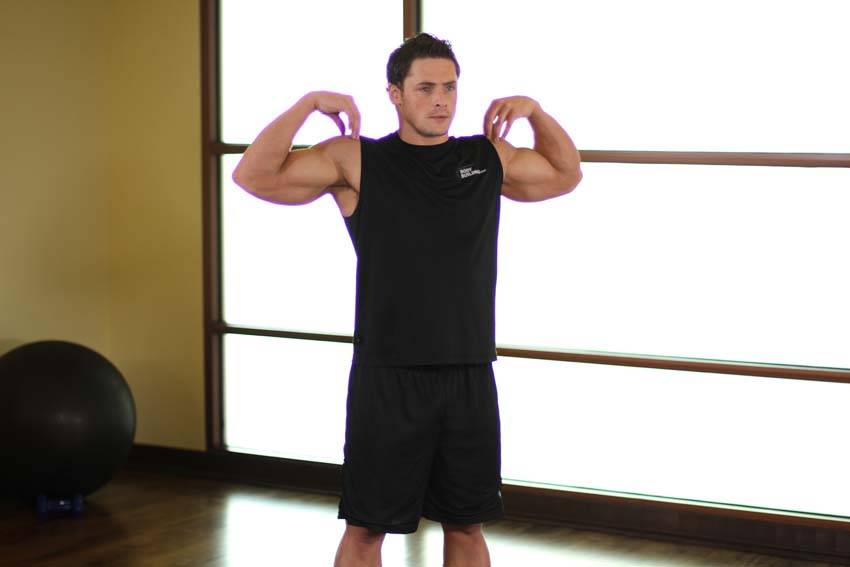
Seated Front Deltoid
Head-to-Head Comparison
| Attribute | Left Hook. Boxing | Seated Front Deltoid |
|---|---|---|
| Target Muscle |
Delts
|
Delts
|
| Body Part |
Shoulders
|
Shoulders
|
| Equipment |
Body-weight
|
Body-weight
|
| Difficulty |
Intermediate
|
Beginner
|
| Movement Type |
Compound
|
Isolation
|
| Secondary Muscles |
3
|
1
|
Secondary Muscles Activated
Left Hook. Boxing
Seated Front Deltoid
Visual Comparison
Overview
Left Hook. Boxing vs Seated Front Deltoid — if you want stronger, better-shaped shoulders you need to pick movements that match your goals. I’ll walk you through how each movement loads the delts, which secondary muscles light up, and the biomechanics behind force vectors, length-tension, and joint torques. You’ll get specific technique cues (elbow angle, torso rotation, scapular position), rep ranges for muscle growth vs power, and clear recommendations so you can choose the one that fits your training plan.
Key Differences
- Left Hook. Boxing is a compound movement, while Seated Front Deltoid is an isolation exercise.
- Difficulty levels differ: Left Hook. Boxing is intermediate, while Seated Front Deltoid is beginner.
- Both exercises target the Delts using Body-weight. The main differences are in their movement patterns and muscle activation angles.
Pros & Cons
Left Hook. Boxing
+ Pros
- Develops rotational power and rate of force development across the kinetic chain
- Integrates core, hips, and lower body for real-world force transfer
- Requires no equipment and improves conditioning and coordination
- Trains shoulder stability under dynamic, high-velocity loads
− Cons
- Lower isolated anterior deltoid hypertrophy per repetition
- Higher technical demand and longer learning curve
- Greater risk of shoulder or lower back stress if performed with poor mechanics
Seated Front Deltoid
+ Pros
- High anterior deltoid isolation for targeted muscle growth
- Easy to teach and quantify (load, sets, reps, tempo)
- Lower overall systemic fatigue — good for focused shoulder work
- Clear progression path with added weight or tempo changes
− Cons
- Limited carryover to explosive, rotational power
- Can stress anterior shoulder if scapular control is poor
- Less core and lower-body engagement, so less total-body conditioning
When Each Exercise Wins
Seated Front Deltoid lets you place sustained load on the anterior deltoid (work in 8–15 rep ranges, 3–5 sets) and progressively increase external resistance. The vertical force vector and controlled eccentrics exploit length-tension for muscle growth better than short, high-velocity hooks.
For measurable shoulder strength (1–5RM or heavy sets of 4–6), the seated front deltoid permits safe, progressive overload and stable joint alignment. It’s easier to increment load and track strength progress compared with a technical punch movement.
Beginners learn scapular stability and strict shoulder flexion with lower injury risk. The movement is simple to cue (neutral spine, 10° elbow bend, lift to ~90°) and scales with light weights or bodyweight before adding complexity.
Left Hook. Boxing requires no bench or external load and gives cardio, coordination, and shoulder conditioning in minimal space. You can scale intensity by bag work or tempo without buying weights.
Frequently Asked Questions
Can I do both Left Hook. Boxing and Seated Front Deltoid in the same workout?
Yes — pairing them works well. Do seated front deltoid sets first if your goal is hypertrophy (3–4 sets of 8–12), then use left hook rounds for power and conditioning to avoid fatigue-driven technique breakdown.
Which exercise is better for beginners?
Seated Front Deltoid is better for beginners because it isolates the shoulder with simple cues and lower technical demand. It builds baseline strength and scapular control before introducing rotational punches.
How do the muscle activation patterns differ?
Left Hook. Boxing fires muscles in a proximal-to-distal sequence with high-velocity, short-duration activation across core, hips, scapula, and shoulder. Seated Front Deltoid produces sustained anterior deltoid activation under a vertical force vector, emphasizing time under tension and eccentric control.
Can Seated Front Deltoid replace Left Hook. Boxing?
Not fully — Seated Front Deltoid can replace the shoulder-strength component but won’t develop rotational power, timing, or core-to-limb force transfer. If sport-specific punching power matters, keep hooks in the program alongside seated work.
Expert Verdict
Use Seated Front Deltoid when your priority is targeted anterior deltoid development, measurable strength increases, and safe progressive overload — aim for 8–15 reps for hypertrophy and lower reps at higher load for strength. Choose Left Hook. Boxing when you want to train power, rate of force development, and whole-body coordination; emphasize 30–60 second rounds or sets of controlled explosive reps with hip rotation of about 30–45° and a 90° elbow angle. Combine both across a program: isolate with seated work 1–2 times per week for muscle growth, and add boxing drills 1–2 times per week for power and functional shoulder durability.
Also Compare
More comparisons with Left Hook. Boxing
Compare More Exercises
Use our free comparison tool to analyze any two exercises head-to-head.
Compare Exercises