

Handstand Push-Ups vs Seated Front Deltoid: Complete Comparison Guide
Handstand Push-Ups vs Seated Front Deltoid — this head-to-head will help you choose the shoulder move that matches your goals. I’ll walk you through muscle activation, biomechanics, equipment needs, and who should prioritize each exercise. You’ll get clear technique cues (body angle, elbow position, rep ranges), sample progressions, and a decisive recommendation for hypertrophy, strength, beginners, and home workouts. Read on so you can pick the exercise that best builds anterior deltoid size, shoulder pressing strength, and movement competency.
Exercise Comparison
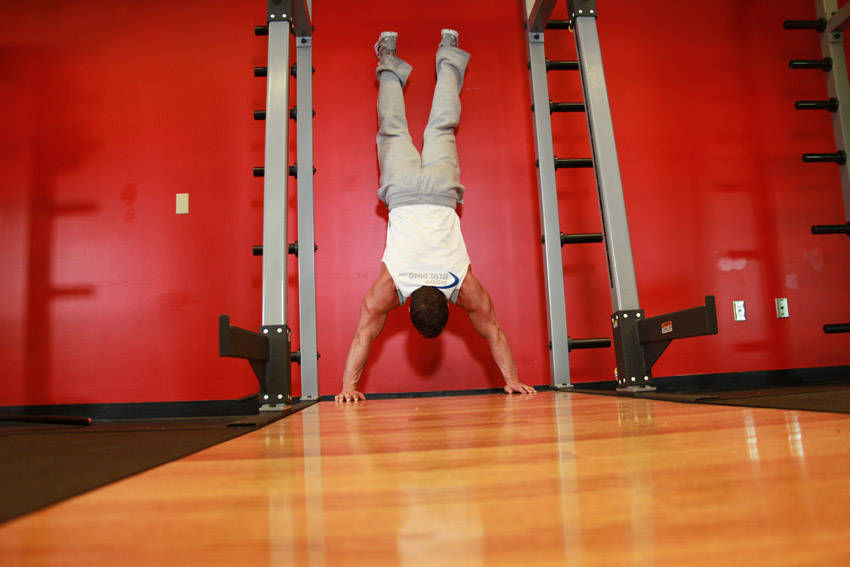
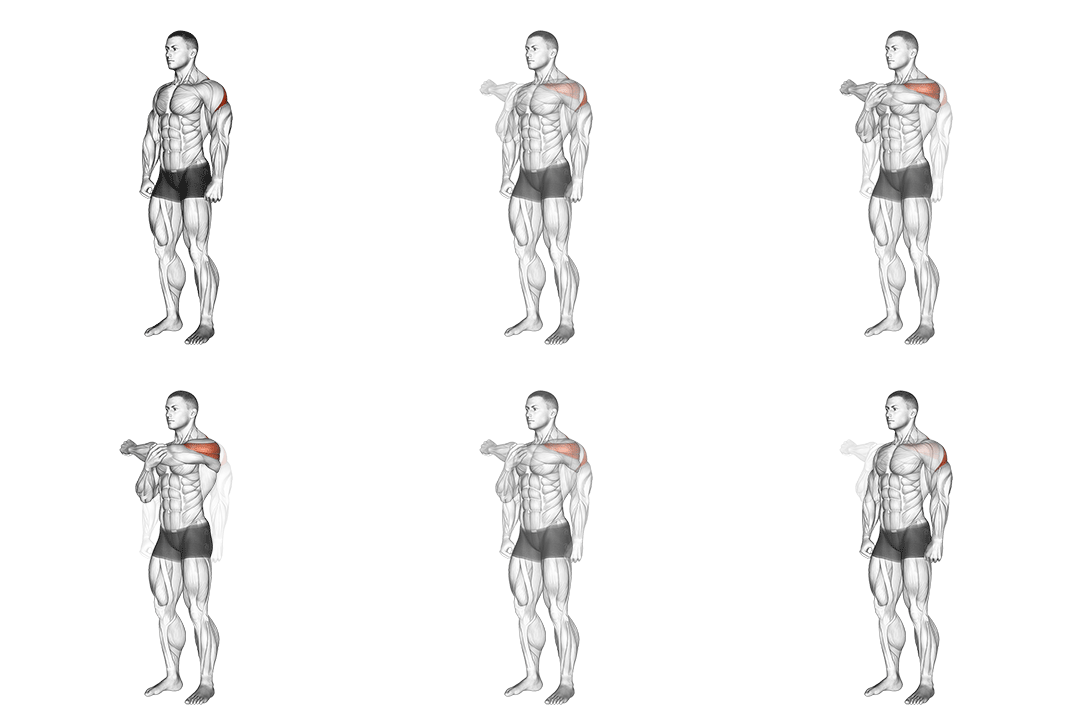
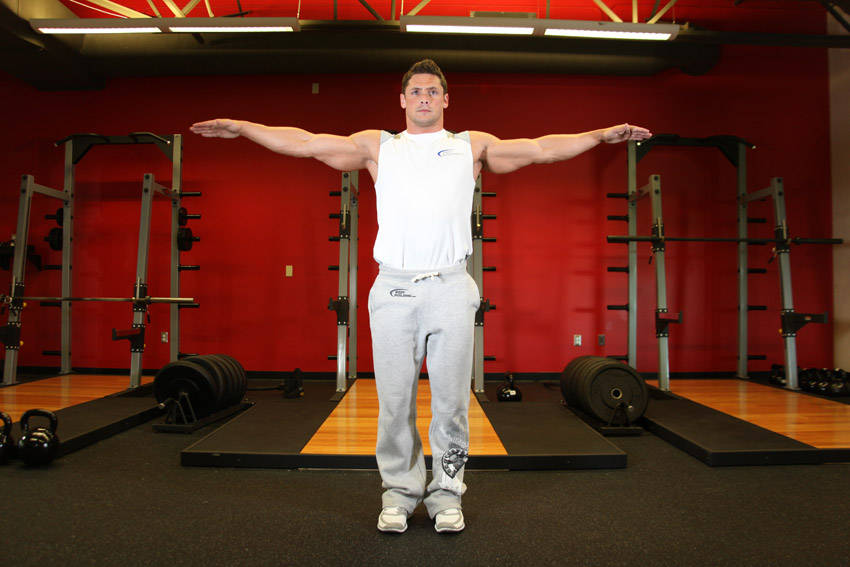
Handstand Push-ups
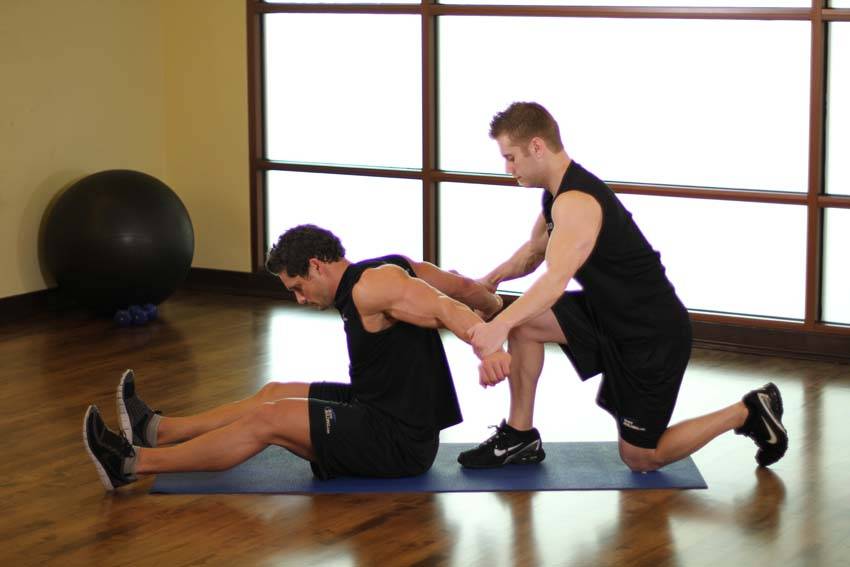
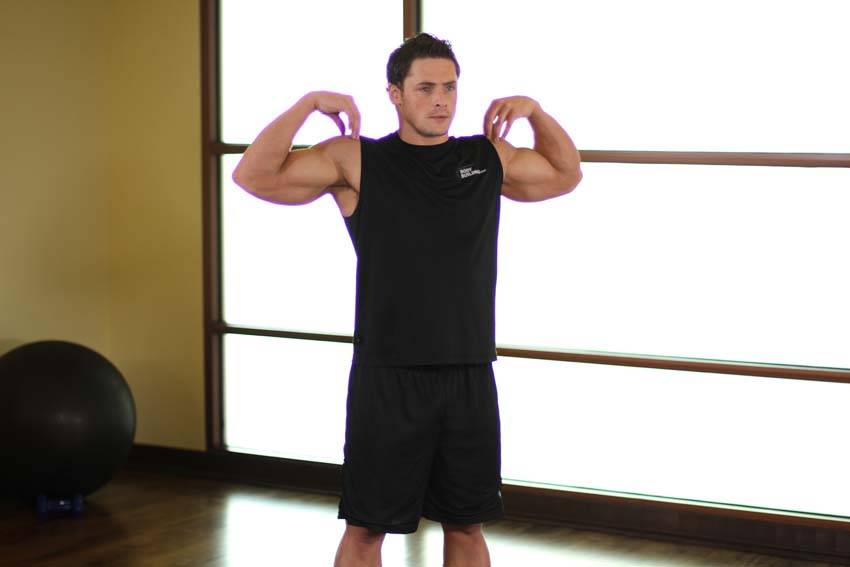
Seated Front Deltoid
Head-to-Head Comparison
| Attribute | Handstand Push-ups | Seated Front Deltoid |
|---|---|---|
| Target Muscle |
Delts
|
Delts
|
| Body Part |
Shoulders
|
Shoulders
|
| Equipment |
Body-weight
|
Body-weight
|
| Difficulty |
Advanced
|
Beginner
|
| Movement Type |
Compound
|
Isolation
|
| Secondary Muscles |
1
|
1
|
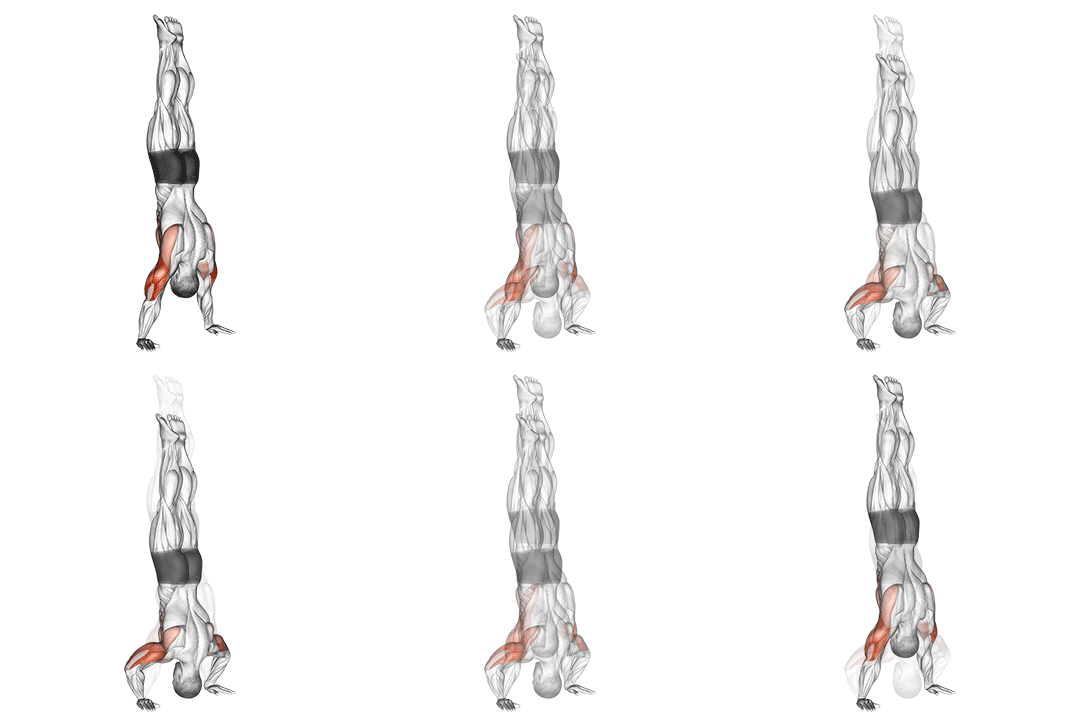
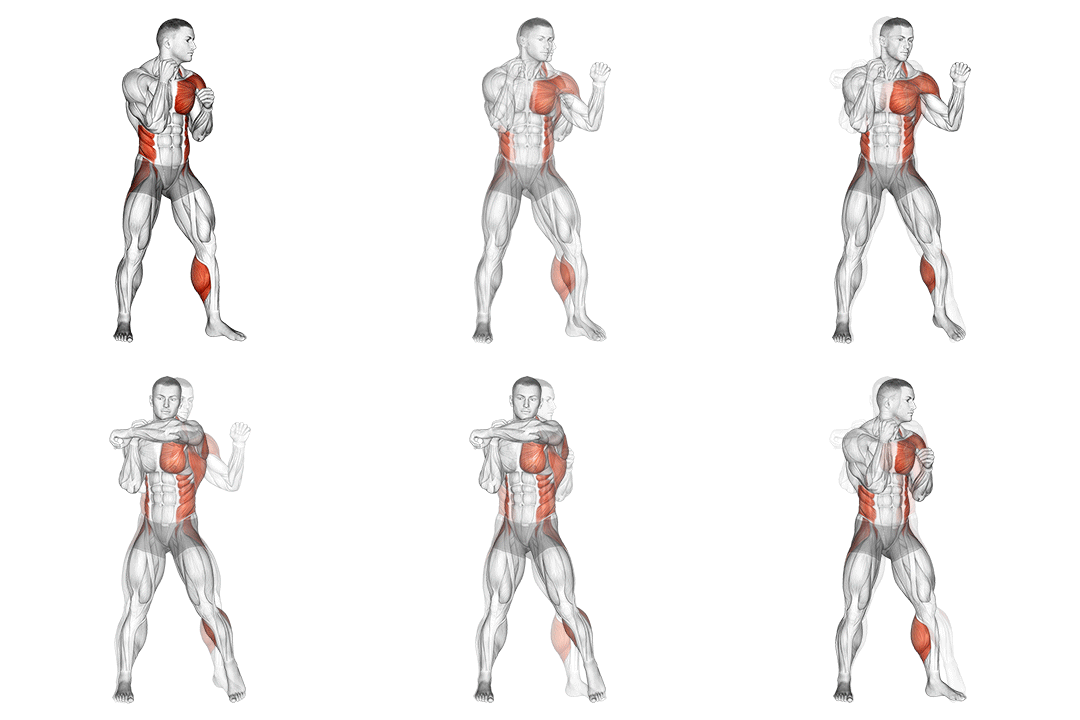
Secondary Muscles Activated
Handstand Push-ups
Seated Front Deltoid
Visual Comparison
Overview
Handstand Push-Ups vs Seated Front Deltoid — this head-to-head will help you choose the shoulder move that matches your goals. I’ll walk you through muscle activation, biomechanics, equipment needs, and who should prioritize each exercise. You’ll get clear technique cues (body angle, elbow position, rep ranges), sample progressions, and a decisive recommendation for hypertrophy, strength, beginners, and home workouts. Read on so you can pick the exercise that best builds anterior deltoid size, shoulder pressing strength, and movement competency.
Key Differences
- Handstand Push-ups is a compound movement, while Seated Front Deltoid is an isolation exercise.
- Difficulty levels differ: Handstand Push-ups is advanced, while Seated Front Deltoid is beginner.
- Both exercises target the Delts using Body-weight. The main differences are in their movement patterns and muscle activation angles.
Pros & Cons
Handstand Push-ups
+ Pros
- High total-shoulder and triceps activation for strength and functional overhead pressing
- Easy to scale intensity via deficit, tempo, or weighted vest for long-term progression
- Improves balance, scapular stability, and overhead control
- Creates large mechanical tension across multiple deltoid heads due to vertical force vector
− Cons
- Advanced skill and balance required; steep learning curve
- Higher risk of wrist and neck strain without proper mechanics
- Requires vertical space and a wall or spotter for safe practice
Seated Front Deltoid
+ Pros
- Beginner-friendly and easy to learn with low equipment needs
- Isolates anterior deltoid for targeted hypertrophy work
- Lower injury risk when performed with neutral scapular position
- Convenient for short sessions and accessory work after compound lifts
− Cons
- Limited overload potential for maximal pressing strength
- May under-recruit triceps and lateral deltoid compared to compound presses
- Can plateau quickly without added external resistance or variation
When Each Exercise Wins
Seated Front Deltoid isolates the anterior deltoid and lets you accumulate higher time under tension (8–20 reps, 3–5 sets) with precise tempo control. Use 2–4 second eccentrics and short rests to maximize metabolic stress and muscle fiber recruitment for hypertrophy.
Handstand Push-Ups produce greater mechanical tension across multiple shoulder muscles and triceps, allowing low-rep (3–6) strength-focused sets and progressive overload via deficit or added load. The vertical force vector transfers well to overhead pressing strength.
Seated Front Deltoid requires minimal balance and mobility, so beginners can use proper scapular positioning and consistent rep ranges (10–20) right away, reducing risk while teaching shoulder flexion control.
Seated Front Deltoid fits into tight spaces and needs only a chair; it avoids the vertical clearance and wall support that Handstand Push-Ups demand, making it the simpler home choice.
Frequently Asked Questions
Can I do both Handstand Push-Ups and Seated Front Deltoid in the same workout?
Yes. Use Handstand Push-Ups early when fresh for 3–6 heavy sets to prioritize strength, then add Seated Front Deltoid as 3–4 accessory sets at higher reps (8–15) to increase time under tension and target the anterior deltoid.
Which exercise is better for beginners?
Seated Front Deltoid. It requires minimal balance and allows you to learn scapular control and shoulder flexion patterning without the skill and mobility demands of handstand training.
How do the muscle activation patterns differ?
Handstand Push-Ups produce multi-joint activation with high triceps and upper trapezius recruitment and varying deltoid fiber use across the ROM; Seated Front Deltoid keeps the load focused on anterior fibers with a consistent sagittal-plane moment arm and less elbow torque.
Can Seated Front Deltoid replace Handstand Push-Ups?
Not fully. Seated Front Deltoid can replace Handstand Push-Ups for anterior deltoid hypertrophy and as a low-risk option, but it won’t match the multi-joint strength, balance, and triceps development that handstand pressing provides.
Expert Verdict
Choose Handstand Push-Ups when your goal is to build overhead pressing strength, scapular stability, and multi-joint shoulder power—aim for 3–6 reps per set, and progress through pike push-ups, wall-assisted holds, and deficits. Pick Seated Front Deltoid when you want focused anterior deltoid hypertrophy, lower injury risk, and an easy-to-learn accessory movement—use higher volume (8–20 reps, 3–5 sets) and slow eccentrics. If you can, program both: use Handstand Push-Ups as a compound strength driver and Seated Front Deltoid as targeted accessory work to increase time under tension and correct imbalances.
Also Compare
More comparisons with Handstand Push-ups
Compare More Exercises
Use our free comparison tool to analyze any two exercises head-to-head.
Compare Exercises