

Incline Dumbbell Press vs Smith Machine Incline Bench Press
Compare target muscles, equipment, difficulty, movement type, and secondary muscles for Incline Dumbbell Press and Smith Machine Incline Bench Press.
Get comparison link
Select the link and use your device's Copy command.
Comparison overview
AI-generatedExercise Comparison
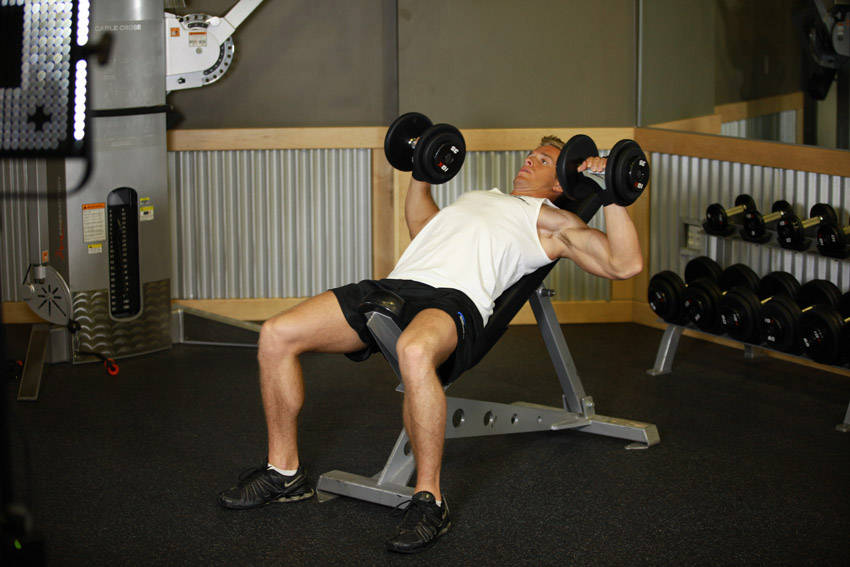
Incline Dumbbell Press
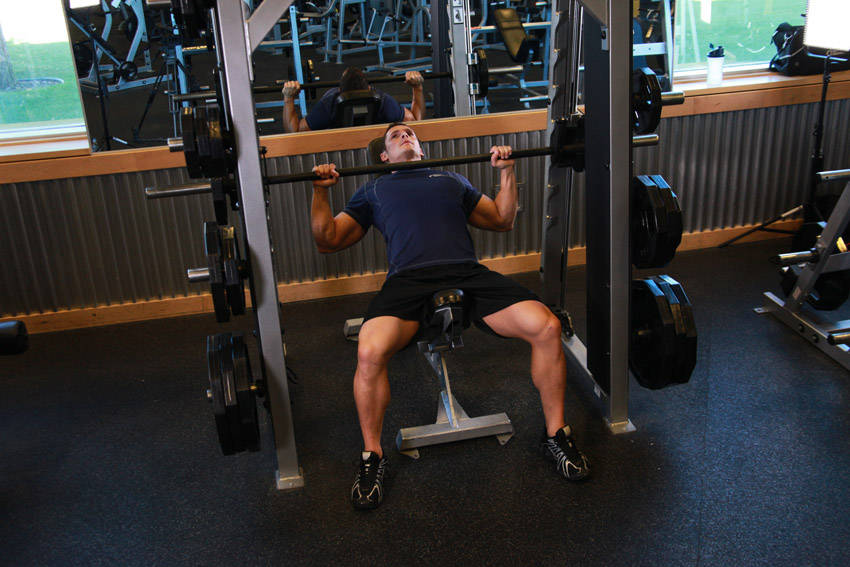
Smith Machine Incline Bench Press
Head-to-Head Comparison
Different values are marked. These are catalogue attributes, not performance scores.
Muscles used
Listed target and secondary muscles, shown on the body. Locations, not activation or strength scores.
- Target
- Secondary
- Not highlighted
Incline Dumbbell Press
- Target
- Pectorals
- Secondary
- Shoulders, Triceps
Not shown on diagram: Shoulders. These labels do not identify a precise region on this map.
Smith Machine Incline Bench Press
- Target
- Pectorals
- Secondary
- Shoulders, Triceps
Not shown on diagram: Shoulders. These labels do not identify a precise region on this map.
Grey does not mean a muscle is unused. The diagrams show only the mapped catalogue labels.
| Attribute | Incline Dumbbell Press | Smith Machine Incline Bench Press |
|---|---|---|
| Target Muscle | Pectorals |
Pectorals |
| Body Part | Chest |
Chest |
| Equipment Different | Dumbbell |
Machine |
| Difficulty | Intermediate |
Intermediate |
| Movement Type | Compound |
Compound |
| Secondary Muscles | Shoulders, Triceps |
Shoulders, Triceps |
Visual Comparison
An illustrative 1–10 profile derived from catalog difficulty, equipment, and listed-muscle fields—not measured performance or muscle activation.
Key Differences
- Equipment differs: Incline Dumbbell Press uses Dumbbell, while Smith Machine Incline Bench Press requires Machine.
Muscle comparison
Shared target muscles
Secondary muscle differences
Muscle involvement analysis
Equipment and setup
Incline Dumbbell Press: setup
Smith Machine Incline Bench Press: setup
Access and practicality
Learning and progression
Learning the movements
Progression considerations
Limitations and precautions
Pros & Cons
Incline Dumbbell Press
+ Pros
- Greater range of motion and deeper stretch of the pecs
- Unilateral control corrects left-right strength imbalances
- Natural shoulder and wrist alignment reduces chronic joint stress
- Multiple progression options (tempo, single-arm, pauses)
− Cons
- Requires better stabilization and technique mastery
- Harder to overload safely for very heavy singles
- Needs more equipment variety or heavier dumbbells for long-term progression
Smith Machine Incline Bench Press
+ Pros
- Safer to push heavy loads due to fixed bar path and catches
- Easier to learn and coach for beginners
- Consistent bar path helps overload prime movers
- Efficient for straight sets and heavy clusters
− Cons
- Fixed trajectory can stress the shoulder or limit natural scapular movement
- Less stabilizer and rotator cuff recruitment, reducing accessory development
- Machine availability is gym-dependent and limits home use
When Each Exercise Wins
Dumbbells allow a greater stretch and independent limb control, increasing time under tension and balanced fiber recruitment. Aim for 6–12 reps at 65–80% 1RM with a 2–3 second eccentric to maximize hypertrophy.
The Smith machine lets you safely overload with higher absolute loads and low-rep sets (3–6 reps, 85%+ of 1RM). The fixed path reduces stabilizer failure, letting you focus on moving heavier weight.
Beginners benefit from the machine’s guided bar path and safety stops, which simplify technique and reduce risk while they build pressing strength and motor pattern familiarity.
A single adjustable bench and set of dumbbells will cover this movement, and dumbbells provide versatile progression options without the need for a full Smith machine.
Frequently Asked Questions
Can I do both Incline Dumbbell Press and Smith Machine Incline Bench Press in the same workout?
Which exercise is better for beginners?
How do the muscle activation patterns differ?
Can Smith Machine Incline Bench Press replace Incline Dumbbell Press?
Comparison Summary
Exercise instructions
Steps from the exercise catalogue. Read the full sequence before starting.
Incline Dumbbell Press
- Lie back on an incline bench with a dumbbell in each hand atop your thighs. The palms of your hands will be facing each other.
- Then, using your thighs to help push the dumbbells up, lift the dumbbells one at a time so that you can hold them at shoulder width.
- Once you have the dumbbells raised to shoulder width, rotate your wrists forward so that the palms of your hands are facing away from you. This will be your starting position.
Read remaining steps for Incline Dumbbell Press
- Be sure to keep full control of the dumbbells at all times. Then breathe out and push the dumbbells up with your chest.
- Lock your arms at the top, hold for a second, and then start slowly lowering the weight. Tip Ideally, lowering the weights should take about twice as long as raising them.
- Repeat the movement for the prescribed amount of repetitions.
- When you are done, place the dumbbells back on your thighs and then on the floor. This is the safest manner to release the dumbbells.
Smith Machine Incline Bench Press
- Place an incline bench underneath the smith machine. Place the barbell at a height that you can reach when lying down and your arms are almost fully extended. Once the weight you need is selected, lie down on the incline bench and make sure your upper chest is aligned with the barbell. Using a pronated grip (palms facing forward) that is wider than shoulder width, unlock the bar from the rack and hold it straight over you with your arms locked. This will be your starting position.
- As you breathe in, come down slowly until you feel the bar on your upper chest.
- After a second pause, bring the bar back to the starting position as you breathe out and push the bar using your chest muscles. Lock your arms in the contracted position, hold for a second and then start coming down slowly again. Tip: It should take at least twice as long to go down than to come up.
Read remaining steps for Smith Machine Incline Bench Press
- Repeat the movement for the prescribed amount of repetitions.
- When you are done, place the bar back in the rack.
Also Compare
More comparisons with Incline Dumbbell Press
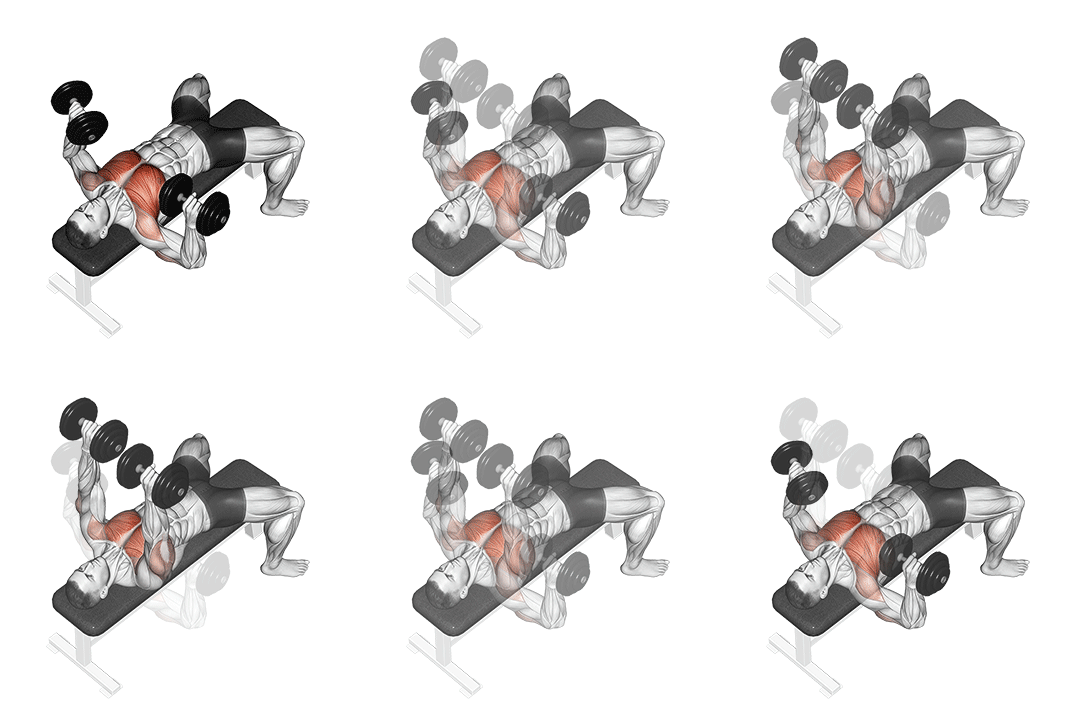
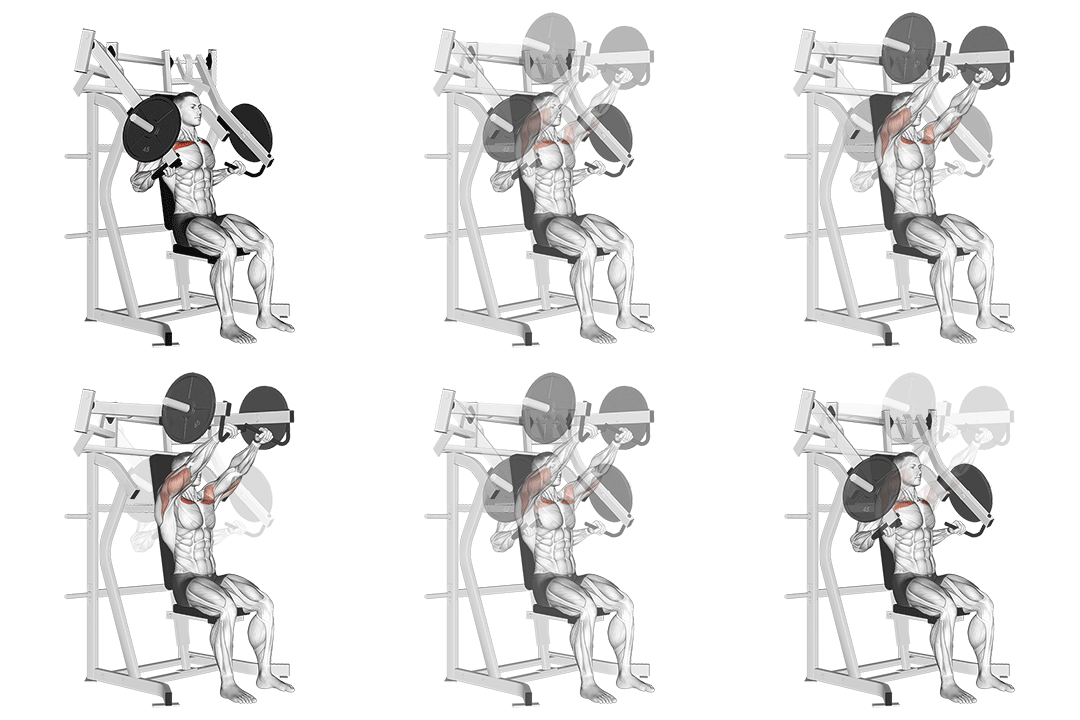
More comparisons with Smith Machine Incline Bench Press
Compare another pair
Choose two exercises to see their differences side by side.