

Left Hook. Boxing vs Rear Deltoid Stretch: Complete Comparison Guide
Left Hook. Boxing vs Rear Deltoid Stretch — you’re comparing a dynamic, compound shoulder strike with a static shoulder isolation stretch. If you want to train shoulder power, movement coordination, or improve posterior shoulder mobility, this guide helps you pick and program either move. I’ll cover primary and secondary muscle action, movement mechanics, equipment needs, progression options, injury risk, and clear programming cues (reps, sets, hold times). Read on so you know when to practice hooks for force production and when to prioritize the rear deltoid stretch for length-tension and scapular mobility.
Exercise Comparison
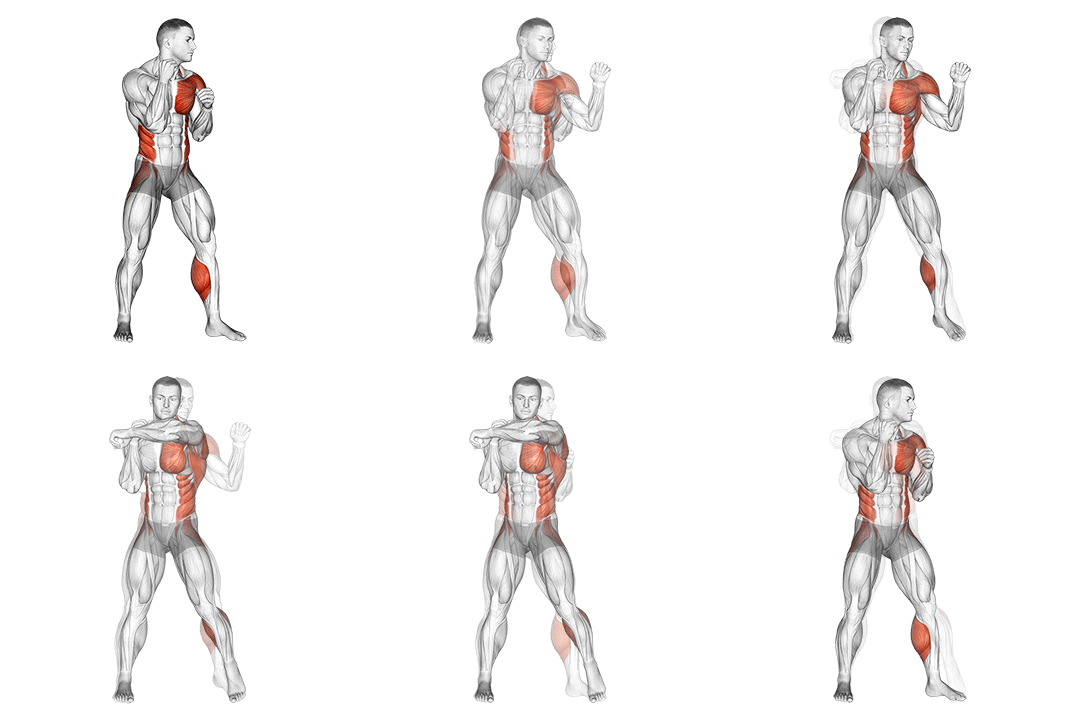
Left Hook. Boxing
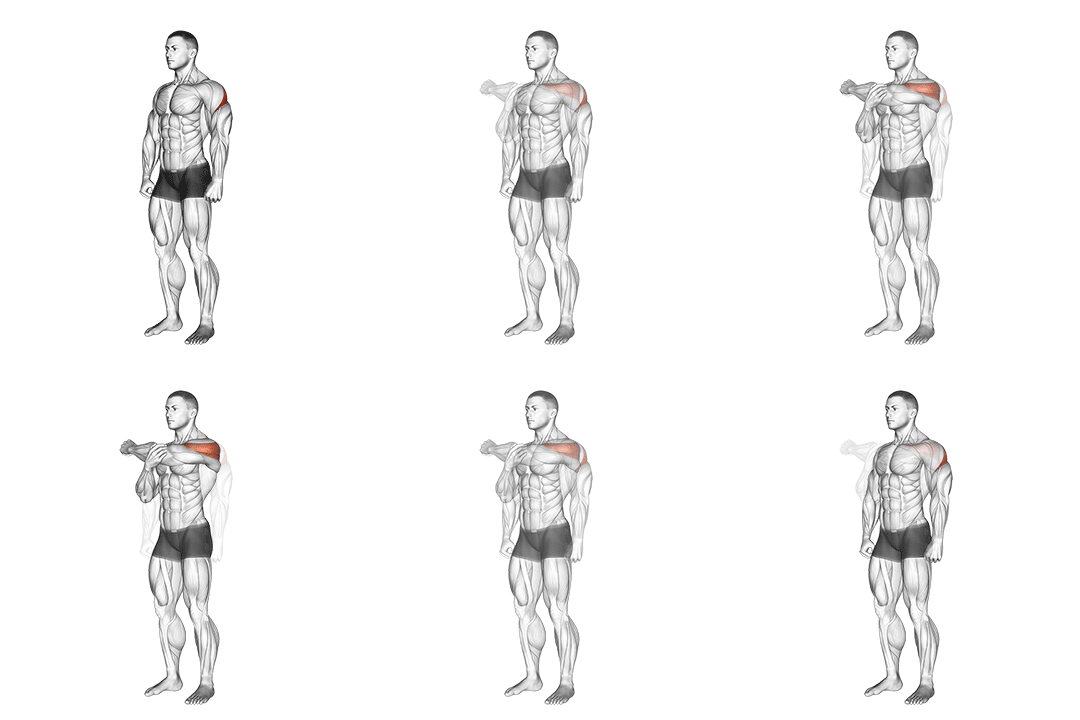
Rear Deltoid Stretch
Head-to-Head Comparison
| Attribute | Left Hook. Boxing | Rear Deltoid Stretch |
|---|---|---|
| Target Muscle |
Delts
|
Delts
|
| Body Part |
Shoulders
|
Shoulders
|
| Equipment |
Body-weight
|
Body-weight
|
| Difficulty |
Intermediate
|
Beginner
|
| Movement Type |
Compound
|
Isolation
|
| Secondary Muscles |
3
|
2
|
Secondary Muscles Activated
Left Hook. Boxing
Rear Deltoid Stretch
Visual Comparison
Overview
Left Hook. Boxing vs Rear Deltoid Stretch — you’re comparing a dynamic, compound shoulder strike with a static shoulder isolation stretch. If you want to train shoulder power, movement coordination, or improve posterior shoulder mobility, this guide helps you pick and program either move. I’ll cover primary and secondary muscle action, movement mechanics, equipment needs, progression options, injury risk, and clear programming cues (reps, sets, hold times). Read on so you know when to practice hooks for force production and when to prioritize the rear deltoid stretch for length-tension and scapular mobility.
Key Differences
- Left Hook. Boxing is a compound movement, while Rear Deltoid Stretch is an isolation exercise.
- Difficulty levels differ: Left Hook. Boxing is intermediate, while Rear Deltoid Stretch is beginner.
- Both exercises target the Delts using Body-weight. The main differences are in their movement patterns and muscle activation angles.
Pros & Cons
Left Hook. Boxing
+ Pros
- Builds concentric shoulder power and real-world force transfer
- Recruits multiple muscles—delts, triceps, biceps, forearms, core
- High progression options: bag weight, resistive bands, speed work
- Improves coordination, timing, and scapulothoracic rhythm
− Cons
- Requires technical coaching to avoid shoulder or neck strain
- Higher acute injury risk with poor mechanics
- Less effective for isolating posterior deltoid length or mobility
Rear Deltoid Stretch
+ Pros
- Highly accessible and low-impact for shoulder mobility
- Targets posterior deltoid length-tension and scapular retraction
- Safe for beginners when done with controlled range
- Useful as a prehab/recovery tool to reduce posterior tightness
− Cons
- Minimal concentric strength or power development
- Limited progression for overload training
- Can be ineffective if performed without proper scapular positioning
When Each Exercise Wins
Left Hook allows repeated concentric loading and higher time under tension when performed into a heavy bag or with resistance bands; program 6–12 controlled reps per side for 3–4 sets to stimulate deltoid hypertrophy.
The compound, multi-joint nature transfers force through the kinetic chain, enabling higher torque and overload. Use 3–6 explosive reps with heavier implements or resisted rotations to build shoulder strength and power.
It's easier to learn and safer: short instruction lets you achieve posterior deltoid lengthening and scapular retraction without high rotational torque. Hold 20–40 seconds, 2–3 sets.
No space or equipment required and low skill demand make the stretch ideal at home. Use it for daily mobility or pair with bodyweight shoulder drills for balanced programming.
Frequently Asked Questions
Can I do both Left Hook. Boxing and Rear Deltoid Stretch in the same workout?
Yes. Do the stretch as a mobility or recovery tool either before a light warm-up to improve range or after training to reduce posterior tension. If you need maximal power output, perform technical hook work before long stretch holds to preserve neuromuscular readiness.
Which exercise is better for beginners?
Rear Deltoid Stretch is better for absolute beginners because it’s low-skill and low-load. Begin with 20–40s holds and basic scapular control drills before progressing to dynamic hooks after you build core and scapular stability.
How do the muscle activation patterns differ?
Left Hook uses rapid concentric activation of anterior/lateral deltoid and triceps with coordinated hip and trunk torque, creating high short-duration EMG bursts. The Rear Deltoid Stretch produces passive lengthening and low voluntary activation, shifting the deltoid along its length-tension curve to reduce stiffness.
Can Rear Deltoid Stretch replace Left Hook. Boxing?
No—if your goal is strength or power, the stretch cannot replace the dynamic loading and kinetic-chain demands of hooks. Use the stretch to complement hooks for mobility and recovery, not as a primary substitute for force development.
Expert Verdict
Use Left Hook. Boxing when your goal is concentric shoulder development, power, and integrating shoulder function into whole-body movement. Program it with progressive overload: 3–6 reps for power, 6–12 for hypertrophy, 2–4 sets, and add a heavy bag or resistance bands as you progress. Use the Rear Deltoid Stretch when you need posterior shoulder lengthening, scapular mobility, or rehab/prehab work: hold 20–60s for 2–3 sets and emphasize scapular retraction. Pair both sensibly: prioritize the hook for strength and the stretch for recovery and range-of-motion gains.
Also Compare
More comparisons with Left Hook. Boxing
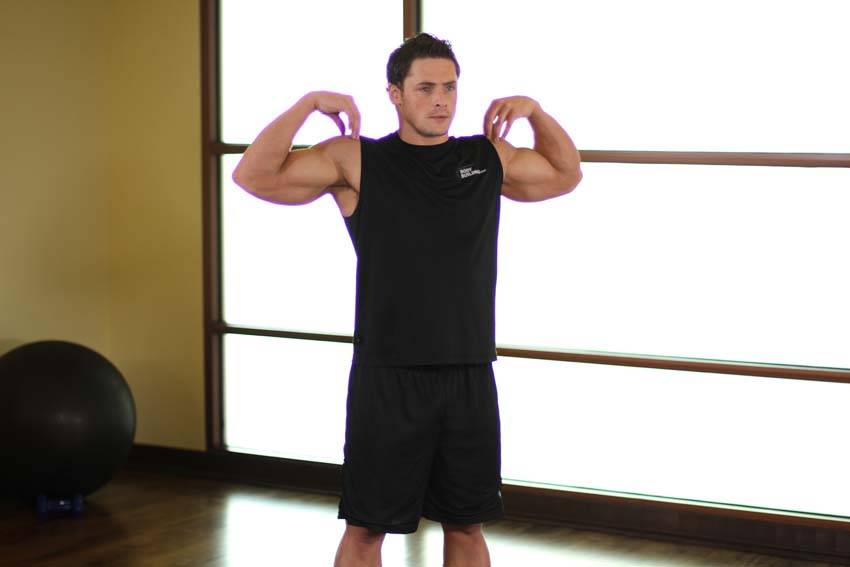
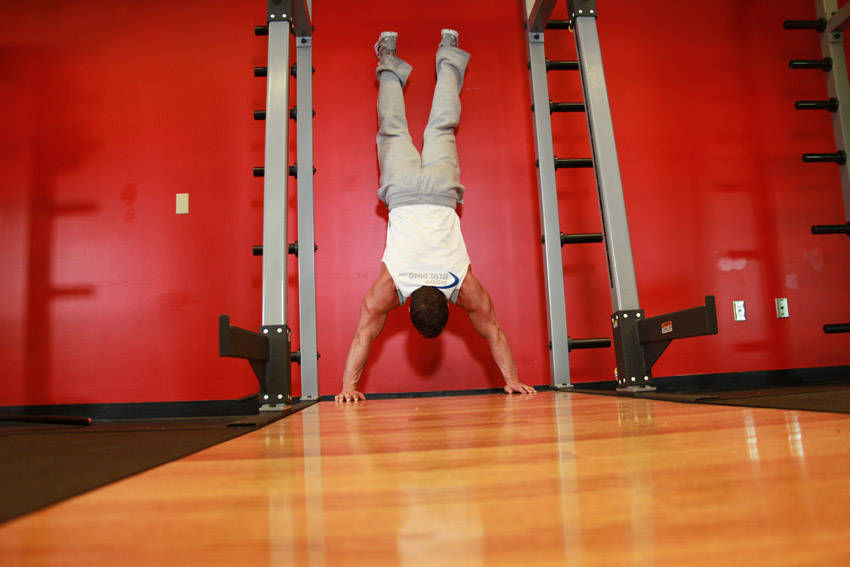
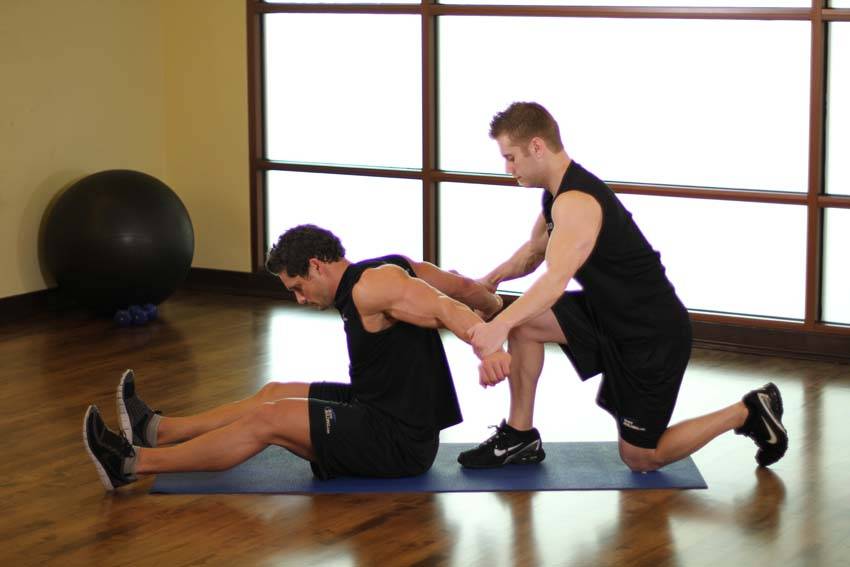
Compare More Exercises
Use our free comparison tool to analyze any two exercises head-to-head.
Compare Exercises