Leverage Chest Press vs Leverage Decline Chest Press

Compare target muscles, equipment, difficulty, movement type, and secondary muscles for Leverage Chest Press and Leverage Decline Chest Press.

Change comparison Share

Get comparison link

Select the link and use your device's Copy command.

Comparison overview

AI-generated
Leverage Chest Press vs Leverage Decline Chest Press is the comparison you need if you want to choose the right machine press for your program. I'll walk you through who each movement favors, how the force vectors and muscle length-tension change (the decline is typically set ~15–25°), equipment and setup cues, and which press to pick for hypertrophy, strength, or beginner programming. You’ll get specific technique tips—seat height, hand path, ROM limits—and clear recommendations so you can pick the press that matches your goals and reduces injury risk.

Exercise Comparison

Exercise A
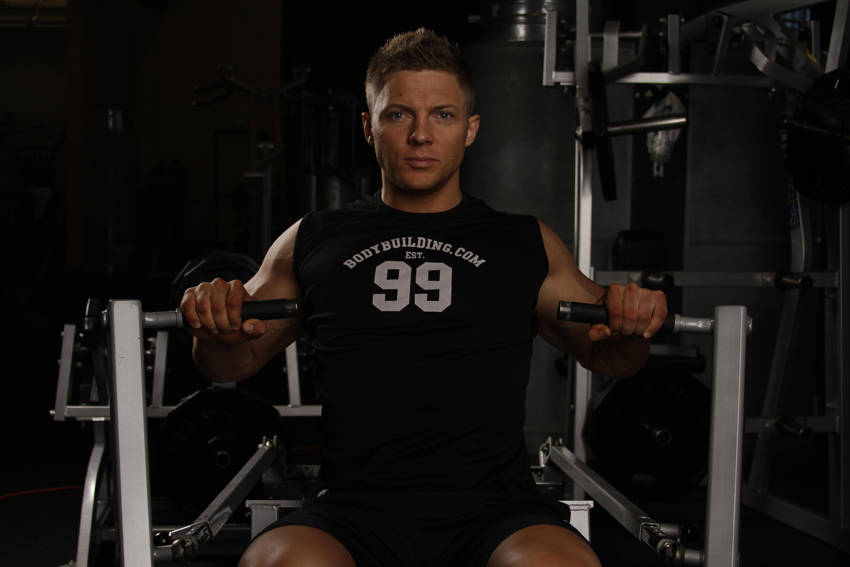
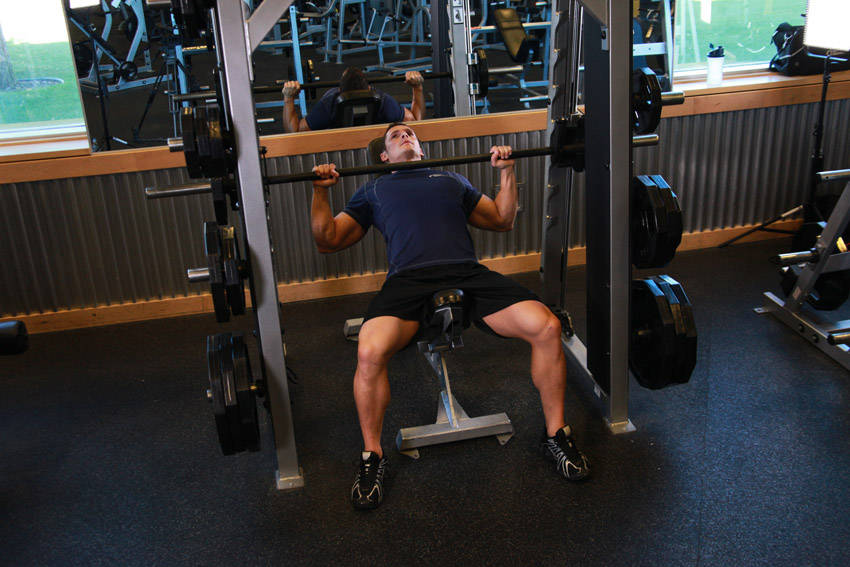
Leverage Chest Press demonstration

Leverage Chest Press

Target Pectorals
Equipment Machine
Body Part Chest
Difficulty Beginner
Movement Compound
Secondary Muscles
Shoulders Triceps
VS
Exercise B
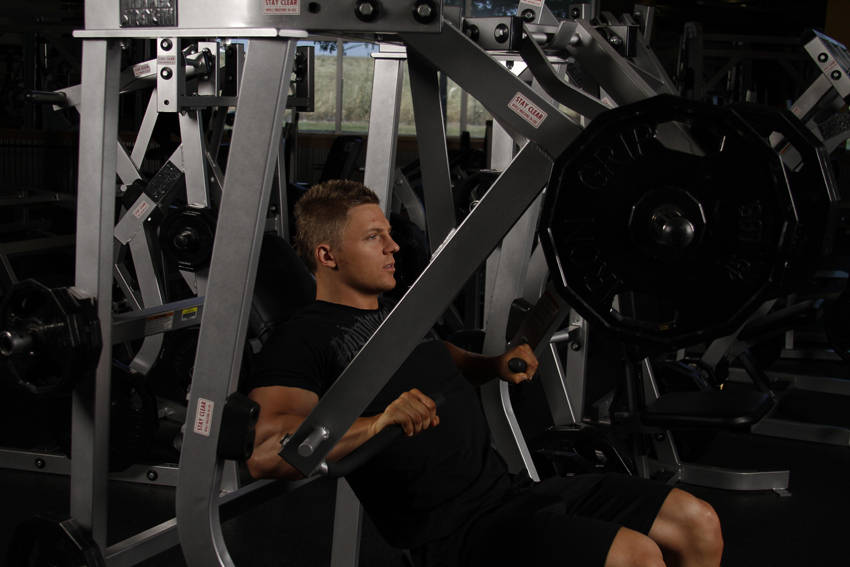
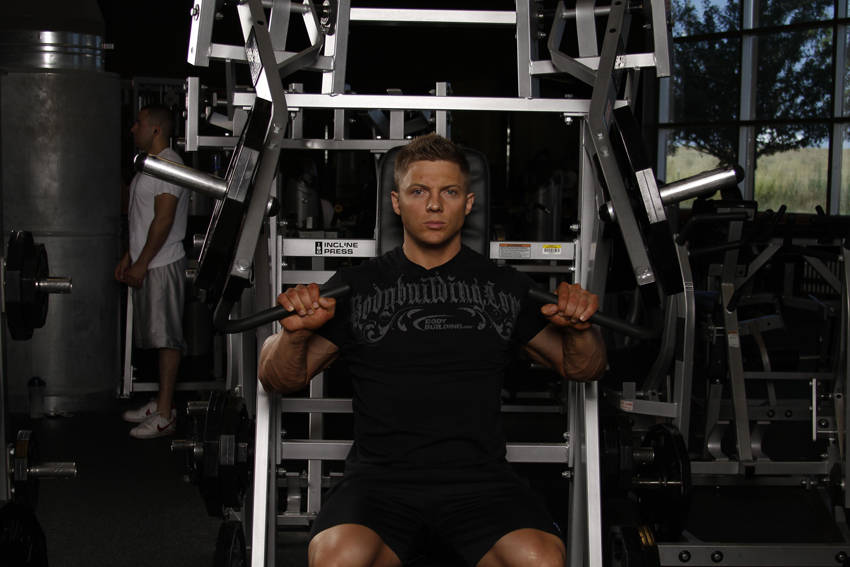
Leverage Decline Chest Press demonstration

Leverage Decline Chest Press

Target Pectorals
Equipment Machine
Body Part Chest
Difficulty Beginner
Movement Compound
Secondary Muscles
Shoulders Triceps

Head-to-Head Comparison

Different values are marked. These are catalogue attributes, not performance scores.

Muscles used

Listed target and secondary muscles, shown on the body. Locations, not activation or strength scores.

  • Target
  • Secondary
  • Not highlighted

Leverage Chest Press

Front
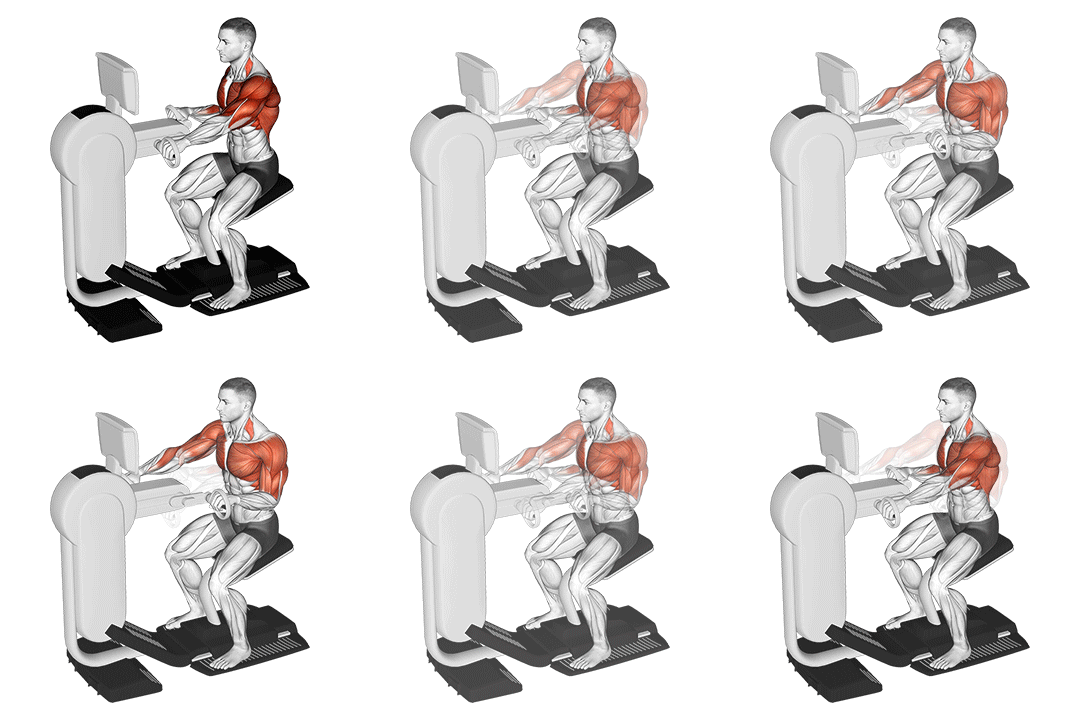
Leverage Chest Press: front muscle locationsSolid: listed target. Striped: listed secondary. Grey: not highlighted. Locations, not activation or strength scores. See the muscle names below.
Back
Leverage Chest Press: back muscle locationsSolid: listed target. Striped: listed secondary. Grey: not highlighted. Locations, not activation or strength scores. See the muscle names below.
Target
Pectorals
Secondary
Shoulders, Triceps

Not shown on diagram: Shoulders. These labels do not identify a precise region on this map.

Leverage Decline Chest Press

Front
Leverage Decline Chest Press: front muscle locationsSolid: listed target. Striped: listed secondary. Grey: not highlighted. Locations, not activation or strength scores. See the muscle names below.
Back
Leverage Decline Chest Press: back muscle locationsSolid: listed target. Striped: listed secondary. Grey: not highlighted. Locations, not activation or strength scores. See the muscle names below.
Target
Pectorals
Secondary
Shoulders, Triceps

Not shown on diagram: Shoulders. These labels do not identify a precise region on this map.

Grey does not mean a muscle is unused. The diagrams show only the mapped catalogue labels.

Attribute Leverage Chest Press Leverage Decline Chest Press
Target Muscle
Pectorals
Pectorals
Body Part
Chest
Chest
Equipment
Machine
Machine
Difficulty
Beginner
Beginner
Movement Type
Compound
Compound
Secondary Muscles
Shoulders, Triceps
Shoulders, Triceps

Visual Comparison

An illustrative 1–10 profile derived from catalog difficulty, equipment, and listed-muscle fields—not measured performance or muscle activation.

Key Differences

  • Both exercises target the Pectorals using Machine. The catalogue does not establish which exercise is better for an individual goal.

Muscle comparison

Shared target muscles

Both exercises primarily target the pectoralis major (sternal and clavicular heads) by producing horizontal shoulder adduction and internal rotation. The Leverage Chest Press on a neutral/flat plane creates a balanced stimulus across the mid-belly of the pecs, while the decline angle slightly biases the sternocostal (lower) fibers. Overall peak activation of the pectorals is similar between the two when load and ROM are matched, so both are effective for chest development.

Secondary muscle differences

Secondary recruitment shifts with angle: the Leverage Chest Press (flat) places more demand on the anterior deltoid because the force vector has a higher vertical component at the shoulder, whereas the Leverage Decline Chest Press reduces shoulder flexion and therefore lessens anterior deltoid involvement. Triceps work remains substantial in both but may feel slightly greater on the decline because the shoulder contributes less, shifting more net torque to the elbow extensors.

Muscle involvement analysis

Biomechanically, changing the bench angle alters the line of pull and muscle length-tension. A ~20° decline shortens the pecs at lockout and places peak tension earlier in the concentric phase, while a flat press spends more time in the mid-range where length-tension is favorable for force production. Force vectors on the decline align more with the sternum, increasing mechanical advantage for lower-pec fibers; the flat press produces a more even distribution across clavicular and sternocostal fibers.

Equipment and setup

Leverage Chest Press: setup

Leverage Chest Press requires a horizontal/flat leverage machine or press machine with adjustable seat height and a fixed path handle. You need a machine that allows secure back support, foot placement, and either single or dual handle grips.

Leverage Decline Chest Press: setup

Leverage Decline Chest Press requires a leverage machine built to offset the back pad into a decline position (commonly 15–30°). The machine must allow secure foot/leg bracing or a harness to prevent sliding and a similar seat/handle adjustment range as the flat machine.

Access and practicality

Leverage Chest Press — flat leverage machines are more common in commercial gyms and easier to set up because you don’t need leg bracing or a specific decline machine. That makes the flat leverage press the more accessible choice for most lifters.

Learning and progression

Learning the movements

Both are beginner-friendly because the guided path reduces stabilizer demand. The Leverage Chest Press has a slightly easier learning curve: seat height and hand placement are the main cues. The decline requires attention to leg positioning and body security to avoid sliding.

Progression considerations

Both offer solid progression via load increments, tempo changes, and rep schemes. The Leverage Chest Press is marginally better for progressive overload transfer to flat barbell pressing, while the decline allows heavier absolute loads due to improved mechanical advantage—use 6–12 reps for hypertrophy and 3–6 reps for strength phases.

Limitations and precautions

Injury risks are comparable but different: the flat press can stress the anterior deltoid and AC joint when using excessive range, while the decline increases pec shortening and may raise risk of pec strain if you overstretch at the bottom or ego-load. Controlled ROM, proper seat setup, and avoiding extreme negative ranges reduce both risks.

Pros & Cons

Leverage Chest Press

+ Pros

  • Balanced activation across the pectorals—good for overall chest development
  • Easier setup and more common in gyms
  • Gentler on lower back compared with free-weight presses due to back support
  • Better transfer to flat barbell bench press and general pressing strength

Cons

  • Slightly more anterior deltoid involvement compared with decline variations
  • Less emphasis on lower-pec fibers if that’s a specific goal
  • Fixed path may reduce stabilizer development compared with free weights

Leverage Decline Chest Press

+ Pros

  • Biases lower/sternal pec fibers—useful for targeting chest shape
  • Often allows heavier loads thanks to a favorable mechanical angle
  • Reduced shoulder flexion can be easier on inflamed anterior deltoids
  • Shorter concentric range can improve lockout strength

Cons

  • Requires decline-capable equipment and secure leg bracing
  • Increases pec shortening and potential strain if performed with poor control
  • Less carryover to flat-barbell bench press for some lifters

When Each Exercise Wins

1
For muscle hypertrophy: Leverage Chest Press

The flat leverage press produces a broader, more even pectoral stimulus across the mid-belly and upper fibers, making it better for balanced hypertrophy. Use 6–12 reps, full but controlled ROM, and vary angles across sessions to maximize growth.

2
For strength gains: Leverage Decline Chest Press

The decline position improves mechanical advantage and often lets you handle heavier absolute loads, benefiting raw pressing strength and lockout. Train in the 3–6 rep range and focus on slow eccentrics to build force production.

3
For beginners: Leverage Chest Press

The flat leverage press is simpler to set up, requires fewer body position adjustments, and teaches horizontal pressing mechanics with lower risk of sliding or instability. Start with lighter loads to groove technique and 8–12 reps per set.

4
For home workouts: Leverage Chest Press

Home-friendly leverage or multi-press machines more commonly offer a flat press option and require less specialized hardware than a decline station. If you have space for only one machine, the flat leverage press provides broader utility.

Frequently Asked Questions

Can I do both Leverage Chest Press and Leverage Decline Chest Press in the same workout?

Yes. Pairing them works well: use the Leverage Chest Press as your heavy compound (3–5 sets of 4–6 or 6–8 reps) and follow with 2–3 lighter decline sets (8–12 reps) to emphasize lower-pec fibers and increase time under tension. Keep total volume in check to avoid overtraining the pecs in a single session.

Which exercise is better for beginners?

Leverage Chest Press is better for beginners because it's simpler to set up and teaches horizontal pressing without complex body positioning. Start with controlled 8–12 rep sets, check seat height so handles contact mid-chest, and prioritize smooth tempo.

How do the muscle activation patterns differ?

The decline shifts the force vector and shortens pec length at lockout, biasing sternocostal fibers and slightly reducing anterior deltoid involvement. The flat press spends more time in the mid-range length-tension sweet spot, producing a broader activation across clavicular and sternal portions.

Can Leverage Decline Chest Press replace Leverage Chest Press?

It can replace it if your goal is lower-pec emphasis or heavier lockout training, but it won’t provide the same balanced mid-chest activation as the flat press. For complete chest development, rotate both or use the flat press as your primary movement and the decline as a supplemental variation.

Comparison Summary

Use the Leverage Chest Press when you want a reliable, beginner-friendly movement that delivers even pectoral activation, easy setup, and solid transfer to standard bench pressing. Favor 6–12 reps for hypertrophy and focus on seat height so the handles track across mid-chest. Choose the Leverage Decline Chest Press when you want to emphasize lower-sternal fibers or handle heavier loads for strength—set the decline around 15–25° and ensure secure leg bracing. For most lifters, start with the flat leverage press for balanced development and add decline sets (2–4 sets of 6–10 reps) to fill in lower-pec detail or boost lockout strength.

Exercise instructions

Steps from the exercise catalogue. Read the full sequence before starting.

Leverage Chest Press

  1. Load an appropriate weight onto the pins and adjust the seat for your height. The handles should be near the bottom or middle of the pectorals at the beginning of the motion.
  2. Your chest and head should be up and your shoulder blades retracted. This will be your starting position.
  3. Press the handles forward by extending through the elbow.
Read remaining steps for Leverage Chest Press
  1. After a brief pause at the top, return the weight just above the start position, keeping tension on the muscles by not returning the weight to the stops until the set is complete.

Leverage Decline Chest Press

  1. Load an appropriate weight onto the pins and adjust the seat for your height. The handles should be near the bottom of the pectorals at the beginning of the motion. Your chest and head should be up and your shoulder blades retracted. This will be your starting position.
  2. Press the handles forward by extending through the elbow.
  3. After a brief pause at the top, return the weight just above the start position, keeping tension on the muscles by not returning the weight to the stops until the set is complete.

Also Compare

Compare another pair

Choose two exercises to see their differences side by side.

Compare Exercises