Hands Bike vs Leverage Chest Press

Compare target muscles, equipment, difficulty, movement type, and secondary muscles for Hands Bike and Leverage Chest Press.

Change comparison Share

Get comparison link

Select the link and use your device's Copy command.

Comparison overview

AI-generated
Hands Bike vs Leverage Chest Press — you’re deciding between two machine-based chest options. I’ll walk you through how each targets the pectorals, how much the shoulders and triceps contribute, and which fits your training goals. You’ll get technique cues (seat height, elbow path, tempo), rep ranges (6–12 for compound strength, 10–20 for isolation work), and clear recommendations for hypertrophy, strength, beginners, and home setups. Read on to see which exercise gives you better mechanical tension, safer joint paths, and simpler progression for the results you want.

Exercise Comparison

Exercise A
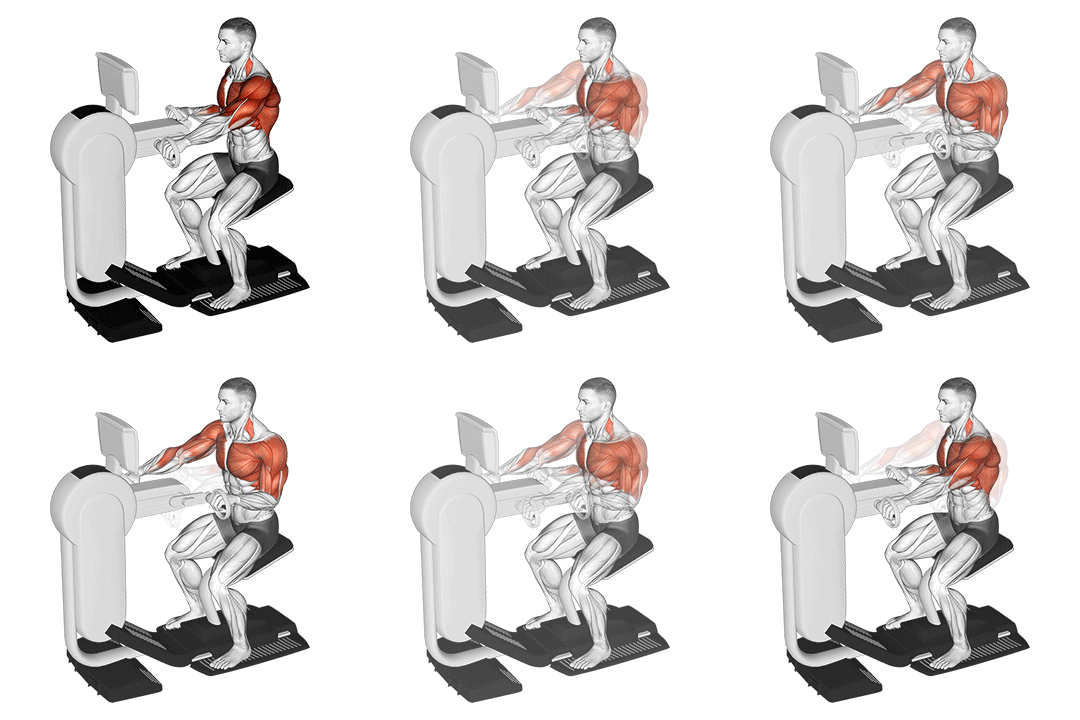
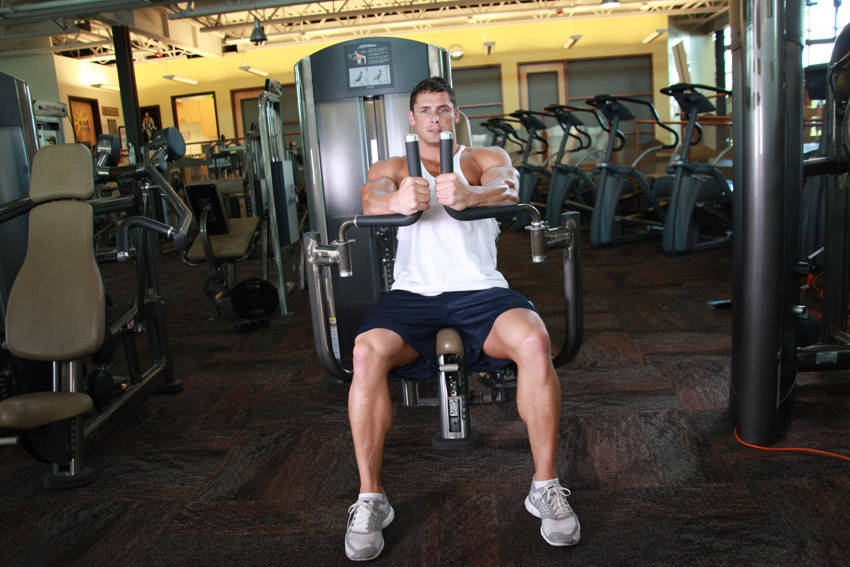
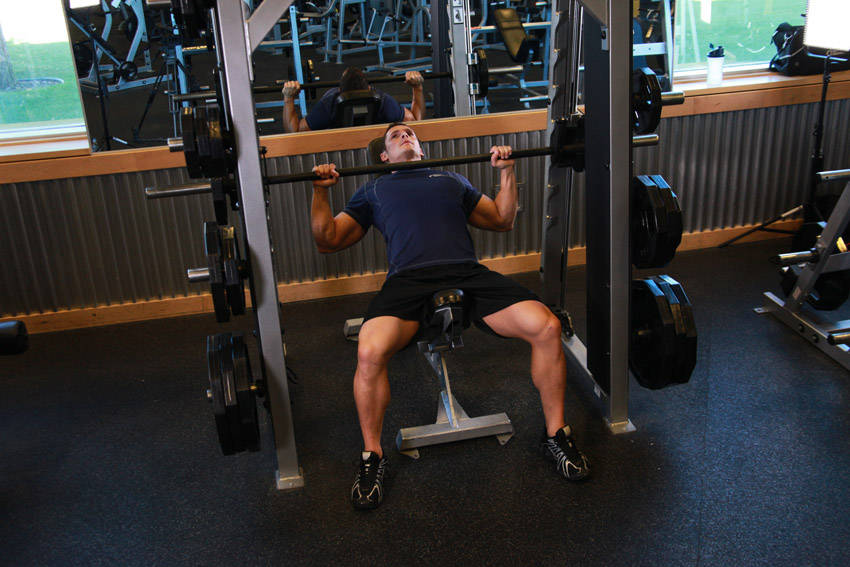
Hands Bike demonstration

Hands Bike

Target Pectorals
Equipment Machine
Body Part Chest
Difficulty Beginner
Movement Isolation
Secondary Muscles
Triceps Shoulders
VS
Exercise B
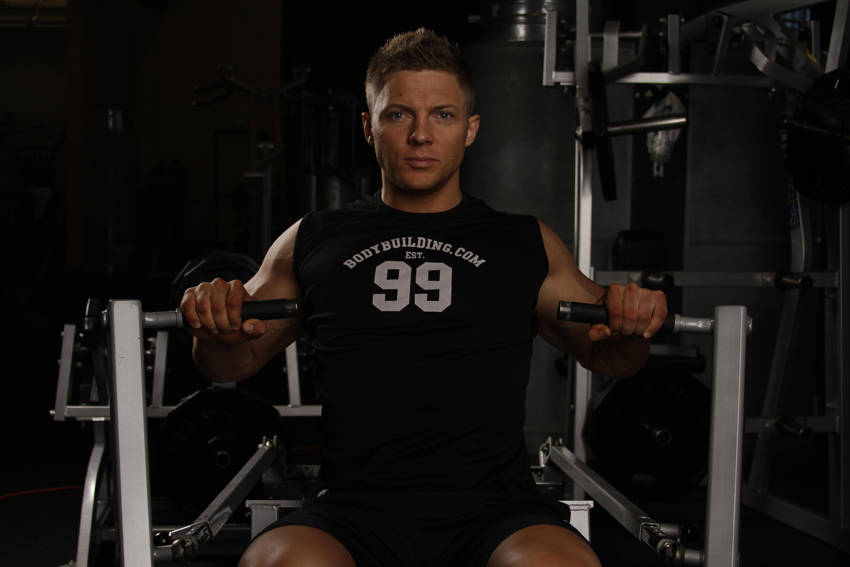
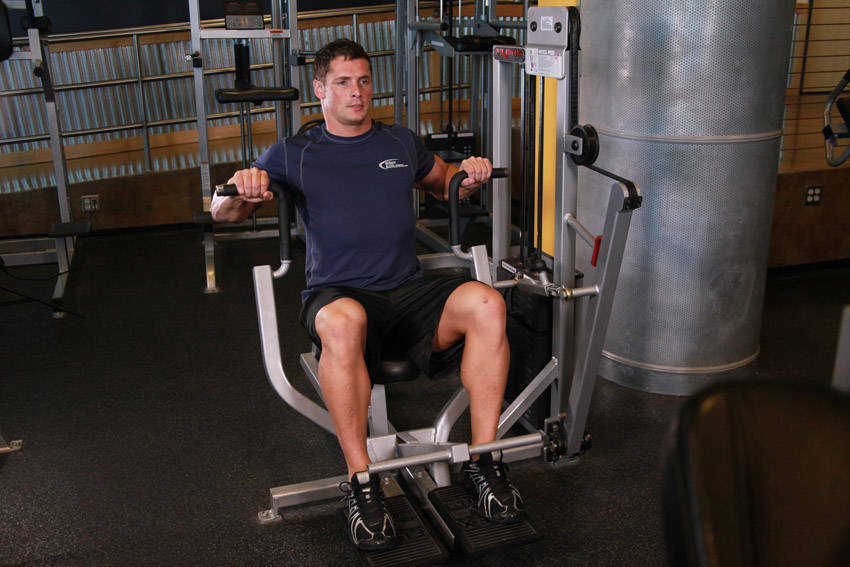
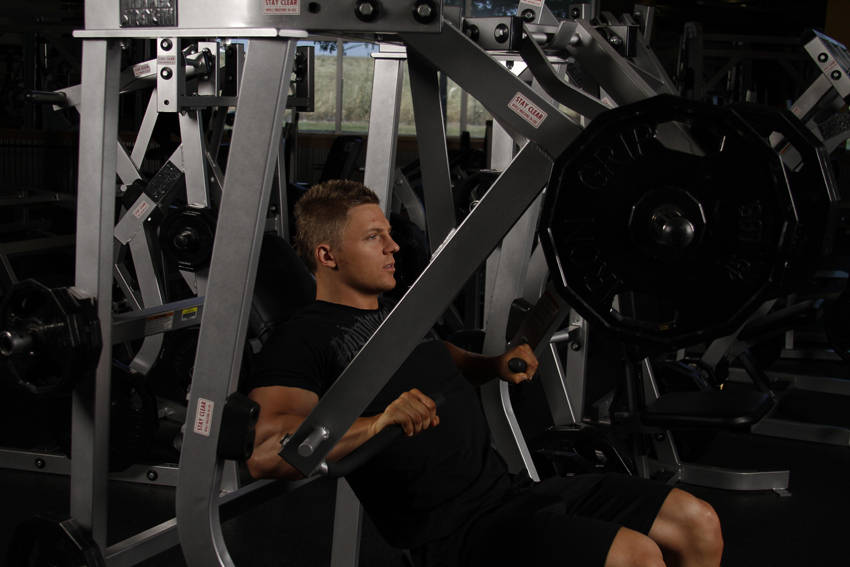
Leverage Chest Press demonstration

Leverage Chest Press

Target Pectorals
Equipment Machine
Body Part Chest
Difficulty Beginner
Movement Compound
Secondary Muscles
Shoulders Triceps

Head-to-Head Comparison

Different values are marked. These are catalogue attributes, not performance scores.

Muscles used

Listed target and secondary muscles, shown on the body. Locations, not activation or strength scores.

  • Target
  • Secondary
  • Not highlighted

Hands Bike

Front
Hands Bike: front muscle locationsSolid: listed target. Striped: listed secondary. Grey: not highlighted. Locations, not activation or strength scores. See the muscle names below.
Back
Hands Bike: back muscle locationsSolid: listed target. Striped: listed secondary. Grey: not highlighted. Locations, not activation or strength scores. See the muscle names below.
Target
Pectorals
Secondary
Triceps, Shoulders

Not shown on diagram: Shoulders. These labels do not identify a precise region on this map.

Leverage Chest Press

Front
Leverage Chest Press: front muscle locationsSolid: listed target. Striped: listed secondary. Grey: not highlighted. Locations, not activation or strength scores. See the muscle names below.
Back
Leverage Chest Press: back muscle locationsSolid: listed target. Striped: listed secondary. Grey: not highlighted. Locations, not activation or strength scores. See the muscle names below.
Target
Pectorals
Secondary
Shoulders, Triceps

Not shown on diagram: Shoulders. These labels do not identify a precise region on this map.

Grey does not mean a muscle is unused. The diagrams show only the mapped catalogue labels.

Attribute Hands Bike Leverage Chest Press
Target Muscle
Pectorals
Pectorals
Body Part
Chest
Chest
Equipment
Machine
Machine
Difficulty
Beginner
Beginner
Movement Type Different
Isolation
Compound
Secondary Muscles
Triceps, Shoulders
Shoulders, Triceps

Visual Comparison

An illustrative 1–10 profile derived from catalog difficulty, equipment, and listed-muscle fields—not measured performance or muscle activation.

Key Differences

  • Hands Bike is an isolation exercise, while Leverage Chest Press is a compound movement.
  • Both exercises target the Pectorals using Machine. The catalogue does not establish which exercise is better for an individual goal.

Muscle comparison

Shared target muscles

Both movements primarily load the pectoralis major through horizontal adduction and shoulder flexion. The Hands Bike isolates the pecs by restricting torso and scapular movement, concentrating load around the mid-range (roughly 30–70 degrees of humeral horizontal adduction). The Leverage Chest Press produces higher overall mechanical tension across a larger range of motion, letting you handle heavier external loads and therefore recruit more pectoral motor units across the entire ROM.

Secondary muscle differences

Secondary recruitment differs because of force vectors and joint involvement. The Hands Bike minimizes shoulder extension and scapular stabilization, so triceps and anterior deltoids act less as prime movers — they assist but stay secondary. The Leverage Chest Press places a larger compressive load through the shoulder joint and elbow, increasing triceps and anterior deltoid recruitment by ~10–30% relative to an isolation machine, since those muscles help finish the press under higher resistance.

Muscle involvement analysis

Hands Bike centers activation in the mid-range concentric peak where the pecs operate near optimal length-tension; you’ll feel a strong concentric squeeze with less stretch at the bottom. Leverage Chest Press produces a longer time under tension and a more pronounced eccentric stretch as the humerus moves posteriorly, shifting activation toward both sternal and clavicular fibers across the eccentric-to-concentric transition. Force vector shifts (more horizontal on Hands Bike, more posterior-anterior on leverage) change moment arms and recruitment timing.

Equipment and setup

Hands Bike: setup

Hands Bike requires a dedicated isolation chest machine with handles that move primarily in a horizontal adduction plane, an adjustable seat, and typical pin-loaded or selectorized resistance.

Leverage Chest Press: setup

Leverage Chest Press needs a lever-style press machine with an adjustable seat and back pad, foot placement or stabilizing pads, and a weight stack or plate loading capability to increase resistance.

Access and practicality

Leverage Chest Press — more commercial gyms carry a lever press or plate-loaded press, making it easier to find and progressive overload with heavier weights. Hands Bike machines are less common outside specialized facilities.

Learning and progression

Learning the movements

Hands Bike is easier to learn: fixed path and isolation reduce the need for torso or scapular control, so beginners can set seat height, retract the scapula, and press. Leverage Chest Press requires attention to seat height and elbow path to avoid shoulder impingement, so it has a slightly steeper setup learning curve.

Progression considerations

Leverage Chest Press offers superior progression potential because you can increase load substantially (use 70–90% of your machine 1RM for strength work) and adjust grip/seat to shift emphasis. Hands Bike progression is usually limited to smaller weight increments and tempo/volume changes, best for finishing sets and targeted hypertrophy.

Limitations and precautions

Overall injury risk is lower with Hands Bike due to a controlled arc and reduced stabilization demand, decreasing shear at the glenohumeral joint. Leverage Chest Press can increase shoulder compressive forces if seat/handle alignment is poor; improper setup raises impingement risk, especially when pressing heavy near full extension.

Pros & Cons

Hands Bike

+ Pros

  • Strong mid-range pectoral isolation for focused activation
  • Lower coordination and stabilization demands — beginner friendly
  • Controlled joint path reduces shear and injury risk
  • Great finisher for high-rep hypertrophy (10–20 reps, 2–4 sets)

Cons

  • Limited absolute load — smaller progression steps
  • Less carryover to free-weight pressing strength
  • Machine availability can be limited outside commercial gyms

Leverage Chest Press

+ Pros

  • Allows heavier loads for greater mechanical tension and strength
  • Broad range of motion recruits more pectoral fibers
  • Multiple grip/seat adjustments shift emphasis to clavicular or sternal fibers
  • Common in gyms — easier progressive overload (plate stacks/plates)

Cons

  • Higher coordination/setup demands (seat/handle alignment)
  • Greater shoulder compressive forces if misaligned
  • Can over-recruit triceps and deltoids, reducing pure pec isolation

When Each Exercise Wins

1
For muscle hypertrophy: Leverage Chest Press

Leverage Chest Press wins because it supports heavier loads and longer time under tension (6–12 rep ranges at 65–85% 1RM) which drive mechanical tension across more pectoral fibers. Use Hands Bike as a high-rep finisher to accentuate peak contraction and fatigue specific fibers.

2
For strength gains: Leverage Chest Press

Strength requires progressive overload and heavier absolute resistance; the leverage machine allows you to load higher (70–90% 1RM equivalents), producing greater neural drive and intermuscular coordination needed for pressing strength.

3
For beginners: Hands Bike

Hands Bike is simpler to set up and limits stabilization demands, letting beginners learn scapular retraction, elbow path (roughly 45–70° from the torso), and tempo (2–3s eccentrics) safely while still stressing the pecs.

4
For home workouts: Hands Bike

Home setups rarely include full lever presses; compact isolation machines or small pec-deck style units that mimic the Hands Bike motion are easier to accommodate. Hands Bike-style motions also translate well to single-arm cable or resistance-band variations at home.

Frequently Asked Questions

Can I do both Hands Bike and Leverage Chest Press in the same workout?

Yes. Start with the Leverage Chest Press for heavier sets (3–5 working sets at 6–12 reps) to build mechanical tension, then use Hands Bike for 2–4 higher-rep sets (10–20 reps) to target peak contraction and metabolic stress. Sequence like this optimizes strength first, then isolation for hypertrophy.

Which exercise is better for beginners?

Hands Bike is generally better for beginners because it enforces a fixed path and reduces stabilization demands, letting you learn scapular retraction, elbow alignment, and tempo safely. Progress to Leverage Chest Press once you can control form and need heavier loads.

How do the muscle activation patterns differ?

Hands Bike produces a mid-range concentric emphasis with high peak contraction and less eccentric stretch, favoring isolated pec activation. Leverage Chest Press produces a longer eccentric-to-concentric transition, recruits more triceps and anterior deltoid, and exposes the pecs to higher mechanical tension across a larger ROM.

Can Leverage Chest Press replace Hands Bike?

Leverage Chest Press can replace Hands Bike for most strength and hypertrophy goals, but you may lose some targeted mid-range peak contraction and low-stabilization isolation. If your program needs targeted pec finishing work, keep Hands Bike or a similar isolation movement in rotation.

Comparison Summary

Use the Leverage Chest Press when your priority is progressive overload and maximizing overall pectoral recruitment — it lets you handle heavier loads, adjust force vectors with seat and grip, and develop pressing strength (aim 6–12 reps for hypertrophy, 4–6+ for strength phases). Choose the Hands Bike when you want a safe, low-skill option to isolate the mid-pec, control the arc, and finish with higher rep ranges (10–20 reps) to target peak contraction and metabolic stress. For most trainees, pair both: leverage presses early in a session for mechanical tension, then Hands Bike as a controlled finisher to fatigue remaining fibers and polish the pec peak.

Exercise instructions

Steps from the exercise catalogue. Read the full sequence before starting.

Hands Bike

  1. Adjust the seat height and handlebar position to a comfortable level.
  2. Sit on the ergometer with your back straight and feet on the pedals.
  3. Grasp the handles with your hands and position your arms at a 90-degree angle.
Read remaining steps for Hands Bike
  1. Start pedaling with your hands, pushing and pulling the handles in a controlled motion.
  2. Continue pedaling for the desired duration or number of repetitions.

Leverage Chest Press

  1. Load an appropriate weight onto the pins and adjust the seat for your height. The handles should be near the bottom or middle of the pectorals at the beginning of the motion.
  2. Your chest and head should be up and your shoulder blades retracted. This will be your starting position.
  3. Press the handles forward by extending through the elbow.
Read remaining steps for Leverage Chest Press
  1. After a brief pause at the top, return the weight just above the start position, keeping tension on the muscles by not returning the weight to the stops until the set is complete.

Also Compare

Compare another pair

Choose two exercises to see their differences side by side.

Compare Exercises