

10 Best Assisted Standing Pull-up Alternatives for Building Lats
The Assisted Standing Pull-up is done standing with a lever machine. Ranked closest by our scoring: the Assisted Standing Chin-up, the Assisted Pull-up and the Straight-arm Pulldown. A harder version, the Lever Pullover, is listed below as a progression rather than a swap.
Updated Ranked by our 12-factor similarity model How it works
Original Exercise: Assisted Standing Pull-up
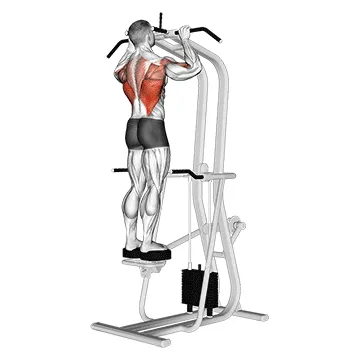
- Primary muscle
- Lats
- Equipment
- Lever
- Difficulty
- Beginner
- Type
- Compound
Secondary muscles: Biceps, Forearms
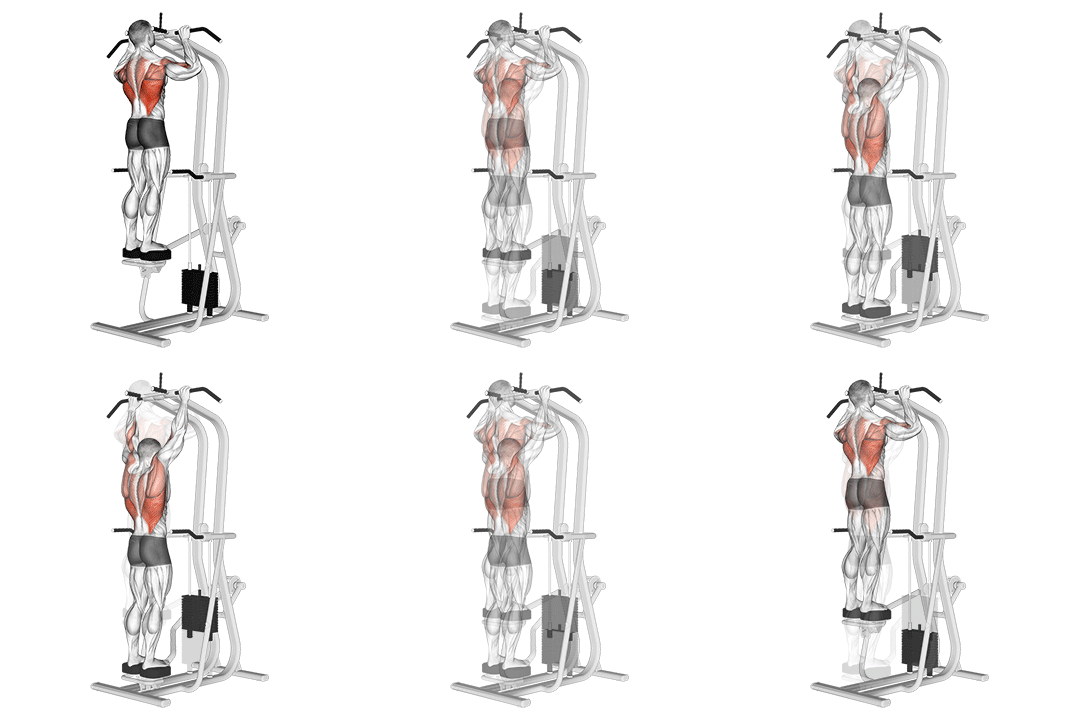
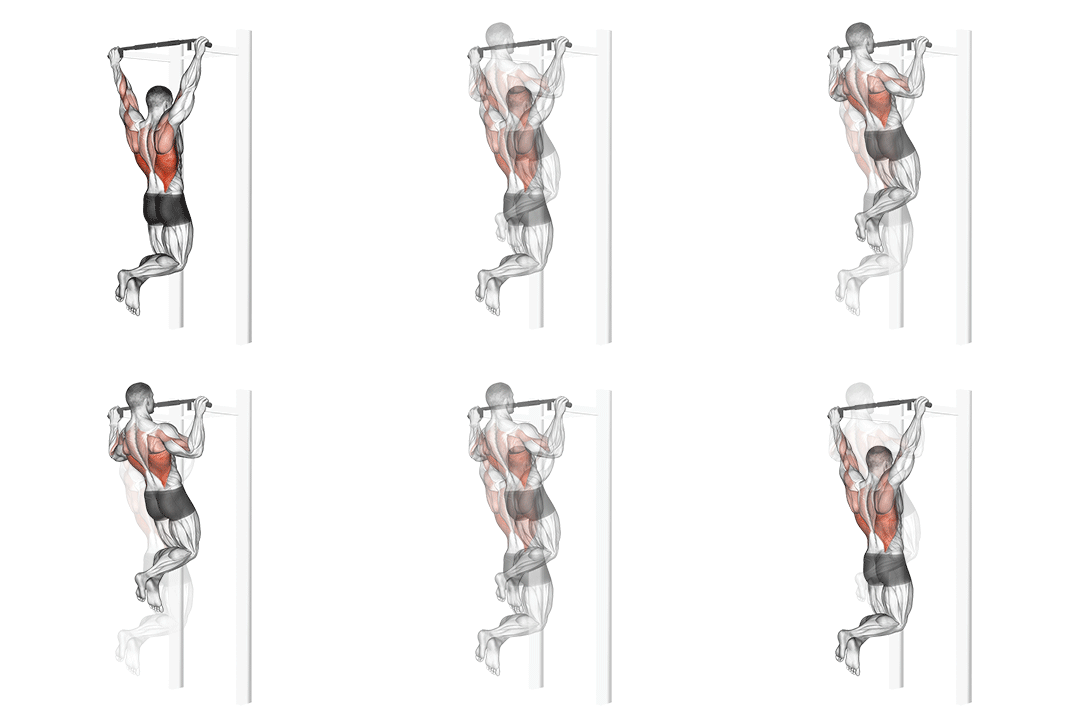
How to perform Assisted Standing Pull-up
- Adjust the machine to your desired weight and height settings.
- Stand facing the machine with your feet shoulder-width apart.
- Grasp the handles with an overhand grip, slightly wider than shoulder-width apart.
- Engage your lats and biceps, and pull yourself up towards the handles.
- Pause for a moment at the top, squeezing your back muscles.
- Slowly lower yourself back down to the starting position.
- Repeat for the desired number of repetitions.
Ranked Assisted Standing Pull-up Alternatives
10 substitutes, ranked by how closely each one matches the Assisted Standing Pull-up on movement pattern, muscles worked, equipment and body position. The higher the score, the less you change. Open "How to perform this exercise" on a card for the steps; every card title links to that exercise's own alternatives page. Harder versions are tagged as progressions and kept out of the top spot even when they score higher.
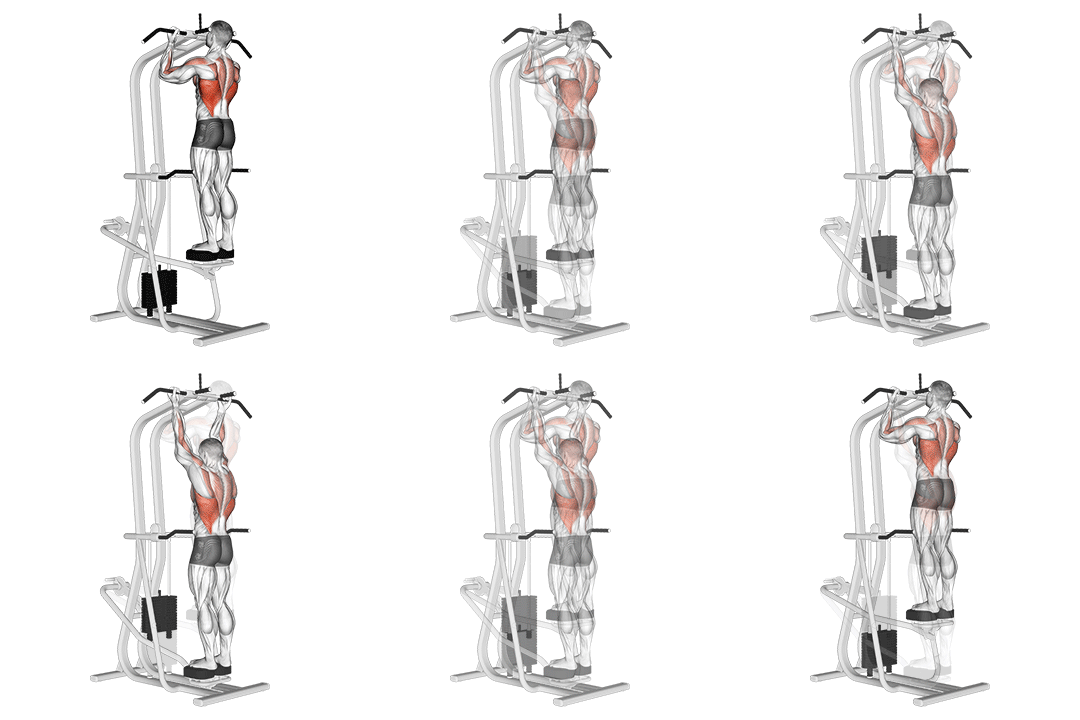
Best match 1. Assisted Standing Chin-up
86% match- Lats
- Lever
- Beginner
- Compound
It uses the same equipment and still works the lats.
How to perform this exercise
- Adjust the machine to your desired assistance level.
- Stand on the foot platform and grip the handles with an overhand grip, slightly wider than shoulder-width apart.
- Keep your chest up and shoulders back, engage your core, and slightly bend your knees.
- Pull your body up by flexing your elbows and driving your elbows down towards your sides.
- Continue pulling until your chin is above the bar.
- Pause for a moment at the top, then slowly lower your body back down to the starting position.
- Repeat for the desired number of repetitions.
Sets and reps: 3 or 4 sets of 6 to 10 reps.
Why this matches
- Primary muscle: lats, the same as the Assisted Standing Pull-up
- Equipment: a machine, the same as the Assisted Standing Pull-up
- Body position: standing, the same as the Assisted Standing Pull-up
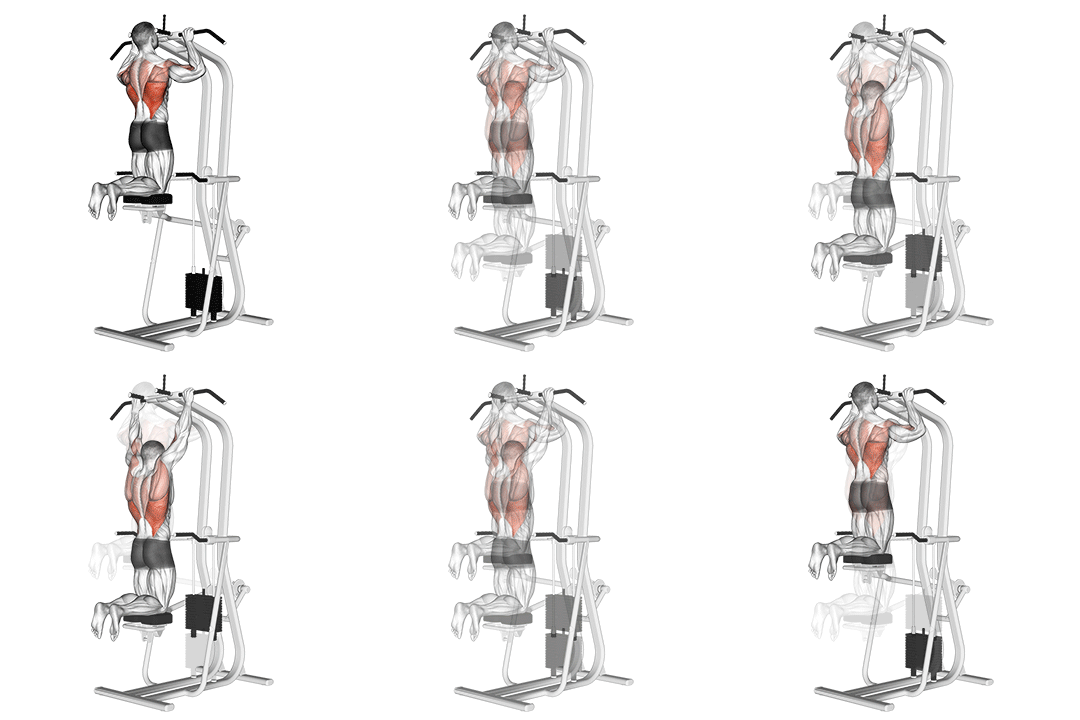
2. Assisted Pull-up
84% match- Lats
- Lever
- Beginner
- Compound
The same equipment, done hanging instead.
How to perform this exercise
- Adjust the machine to your desired weight and height settings.
- Grasp the handles with an overhand grip, slightly wider than shoulder-width apart.
- Hang with your arms fully extended and your feet off the ground.
- Engage your back muscles and pull your body up towards the handles, keeping your elbows close to your body.
- Continue pulling until your chin is above the handles.
- Pause for a moment at the top, then slowly lower your body back down to the starting position.
- Repeat for the desired number of repetitions.
Sets and reps: 3 or 4 sets of 6 to 10 reps.
Why this matches
- Movement: pull-up, the same as the Assisted Standing Pull-up
- Primary muscle: lats, the same as the Assisted Standing Pull-up
- Equipment: a machine, the same as the Assisted Standing Pull-up
- Body position: hanging, not standing
Progression
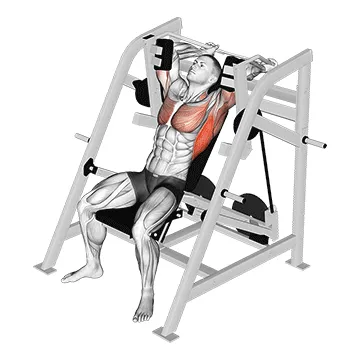
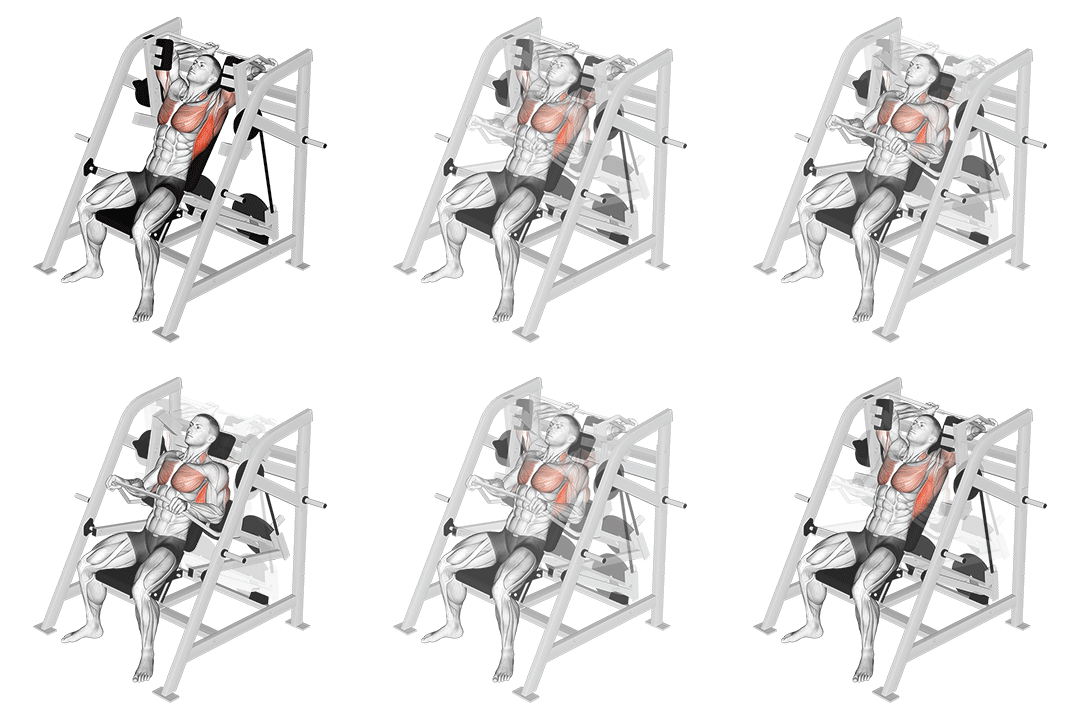
3. Lever Pullover
81% match- Lats
- Lever
- Intermediate
- Compound
Pick this when you want a harder version that still works the lats.
How to perform this exercise
- Adjust the seat and handles of the leverage machine to a comfortable position.
- Sit on the machine with your back against the pad and grasp the handles with an overhand grip.
- Keep your arms slightly bent and your core engaged.
- Slowly pull the handles towards your chest, squeezing your lats.
- Pause for a moment at the peak contraction, then slowly return to the starting position.
- Repeat for the desired number of repetitions.
Sets and reps: 3 or 4 sets of 6 to 10 reps.
Why this matches
- Primary muscle: lats, the same as the Assisted Standing Pull-up
- Equipment: a machine, the same as the Assisted Standing Pull-up
- Body position: seated, not standing
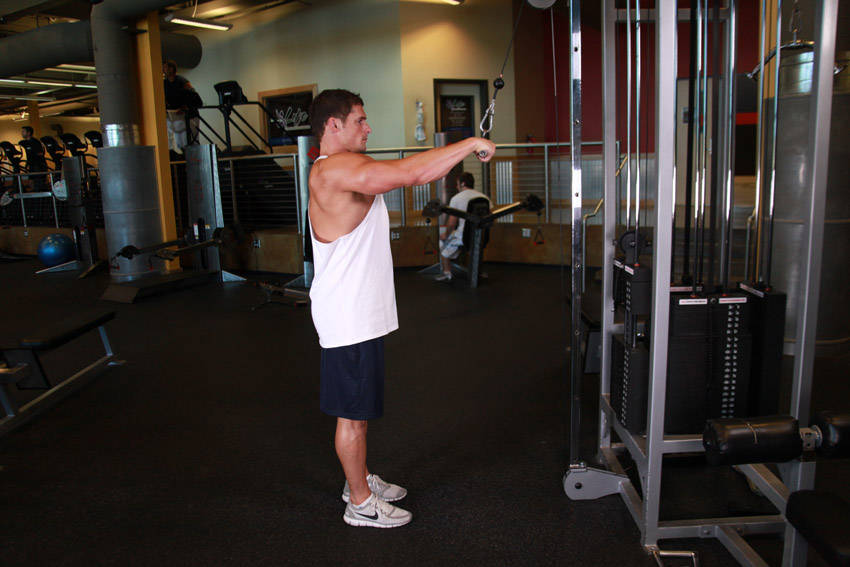
4. Straight-arm Pulldown
80% match- Lats
- Cable
- Intermediate
- Compound
A good swap when you have a cable machine to work with, and it still works the lats.
How to perform this exercise
- You will start by grabbing the wide bar from the top pulley of a pulldown machine and using a wider than shoulder-width pronated (palms down) grip. Step backwards two feet or so.
- Bend your torso forward at the waist by around 30-degrees with your arms fully extended in front of you and a slight bend at the elbows. If your arms are not fully extended then you need to step a bit more backwards until they are. Once your arms are fully extended and your torso is slightly bent at the waist, tighten the lats and then you are ready to begin.
- While keeping the arms straight, pull the bar down by contracting the lats until your hands are next to the side of the thighs. Breathe out as you perform this step.
- While keeping the arms straight, go back to the starting position while breathing in.
- Repeat for the recommended amount of repetitions.
Sets and reps: 3 or 4 sets of 6 to 10 reps.
Why this matches
- Primary muscle: lats, the same as the Assisted Standing Pull-up
- Equipment: a cable, not a machine
- Body position: standing, the same as the Assisted Standing Pull-up
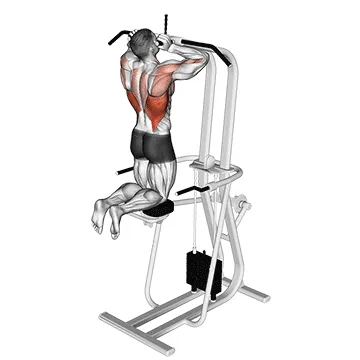
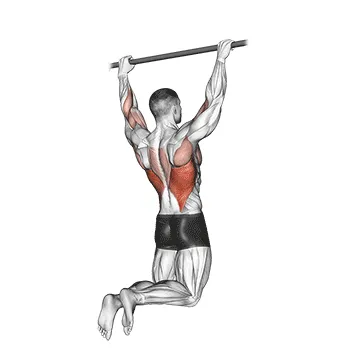
- Lats
- Lever
- Beginner
- Compound
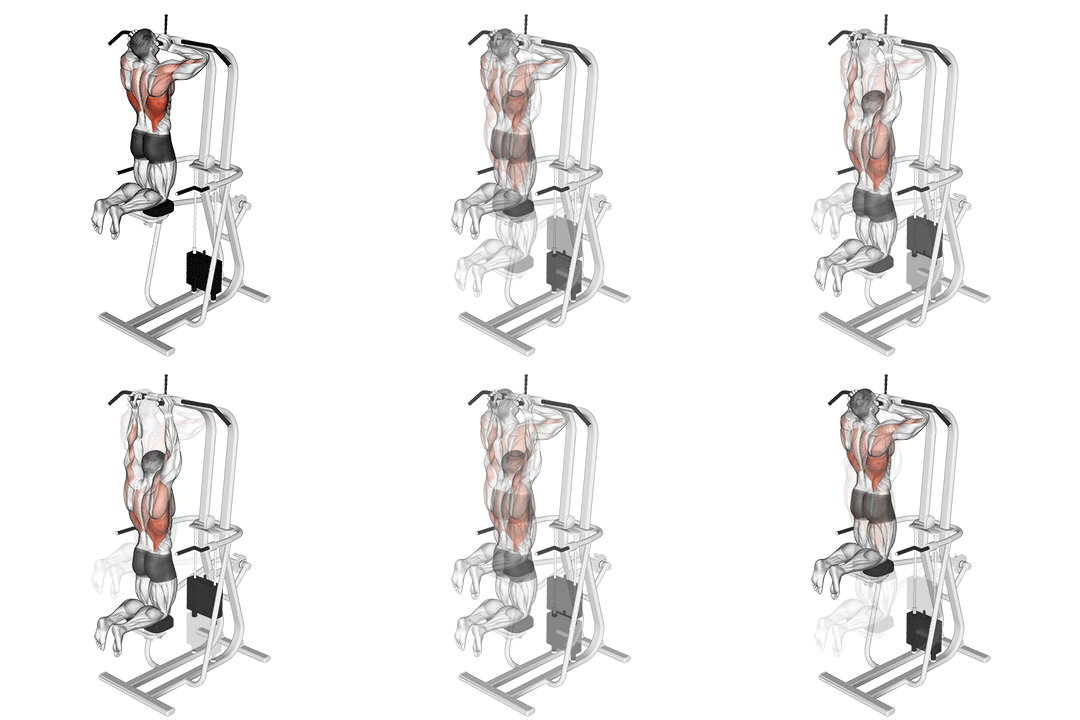
How to perform this exercise
- Adjust the machine to your desired weight and height.
- Place your hands on the parallel bars with a close grip, palms facing each other.
- Hang from the bars with your arms fully extended and your feet off the ground.
- Engage your back muscles and pull your body up towards the bars, keeping your elbows close to your body.
- Continue pulling until your chin is above the bars.
- Pause for a moment at the top, then slowly lower your body back down to the starting position.
- Repeat for the desired number of repetitions.
Sets and reps: 3 or 4 sets of 6 to 10 reps.
Why this matches
- Movement: pull-up, the same as the Assisted Standing Pull-up
- Primary muscle: lats, the same as the Assisted Standing Pull-up
- Equipment: a machine, the same as the Assisted Standing Pull-up
- Body position: hanging, not standing
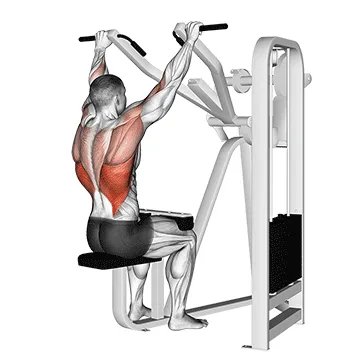
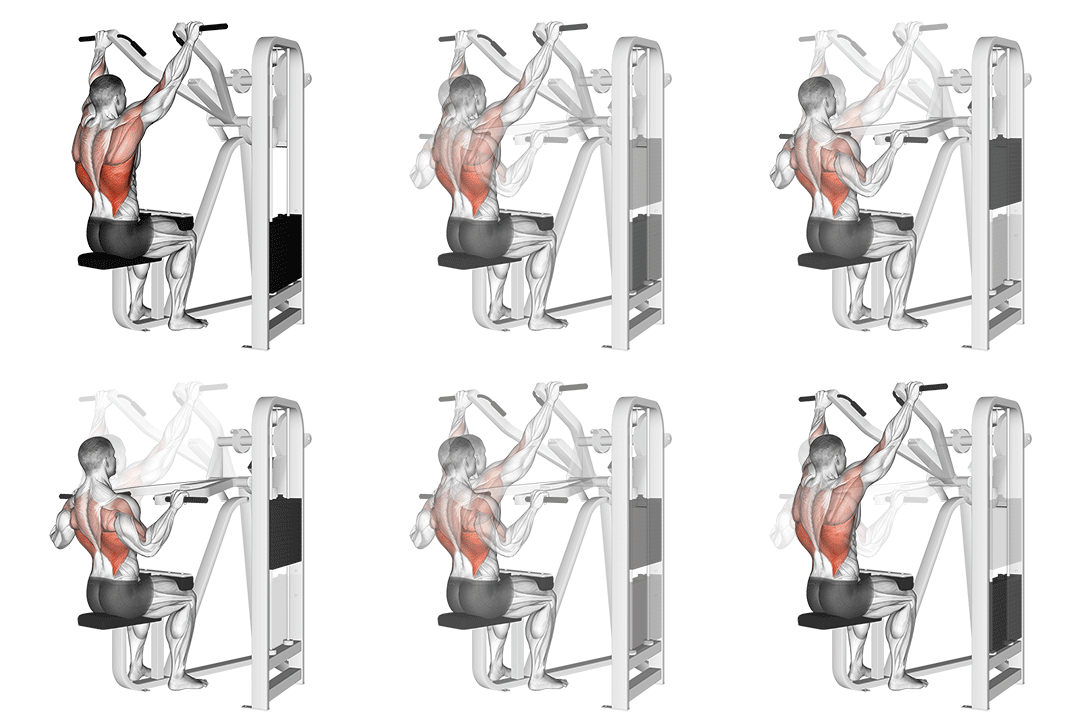
6. Lever Front Pulldown
79% match- Lats
- Lever
- Beginner
- Compound
The same equipment, done seated instead.
How to perform this exercise
- Adjust the seat height and position yourself on the machine with your knees under the pads and your feet flat on the ground.
- Grasp the handles with an overhand grip, slightly wider than shoulder-width apart.
- Sit upright with your chest lifted and your shoulders back, maintaining a slight arch in your lower back.
- Engage your lats and pull the handles down towards your chest, squeezing your shoulder blades together.
- Pause for a moment at the bottom of the movement, then slowly release the handles back to the starting position.
- Repeat for the desired number of repetitions.
Sets and reps: 3 or 4 sets of 6 to 10 reps.
Why this matches
- Primary muscle: lats, the same as the Assisted Standing Pull-up
- Equipment: a machine, the same as the Assisted Standing Pull-up
- Body position: seated, not standing
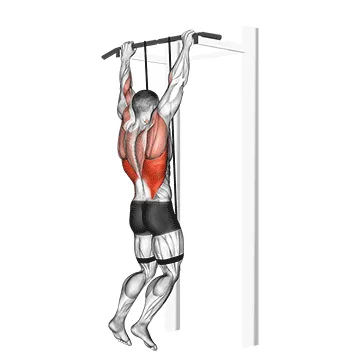
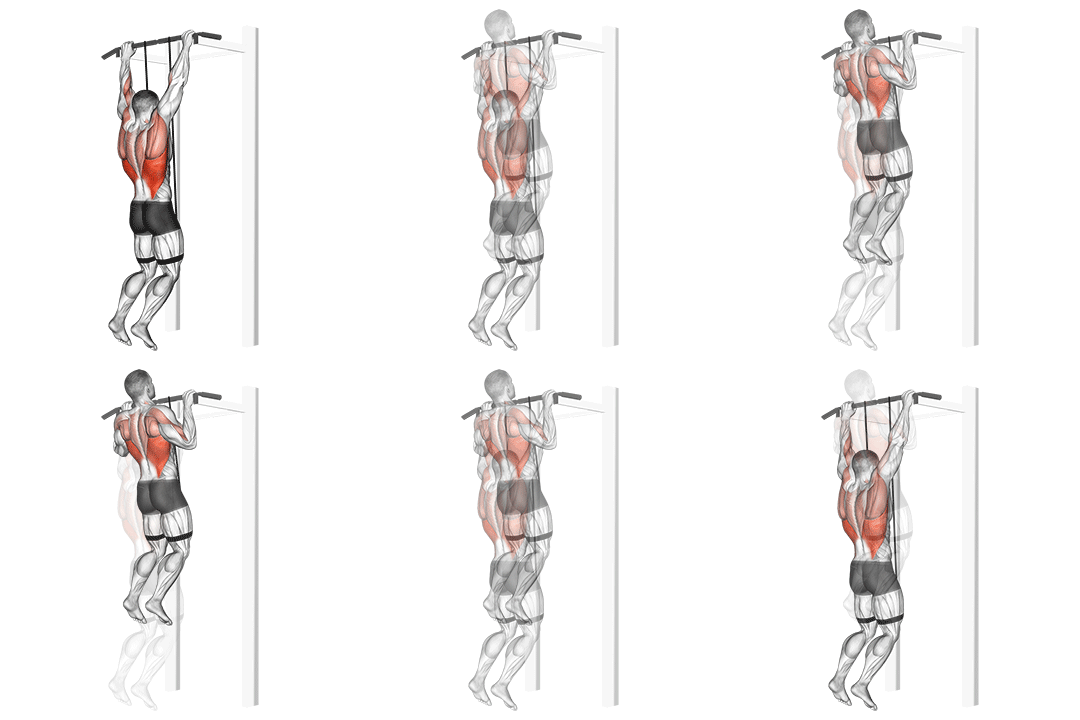
7. Band Assisted Pull-up
78% match- Lats
- Band
- Beginner
- Compound
A good swap when you have a band to work with, and it still works the lats.
How to perform this exercise
- Attach the band to a pull-up bar or sturdy anchor point.
- Step onto the band and grip the bar with your palms facing away from you, hands slightly wider than shoulder-width apart.
- Hang with your arms fully extended, keeping your core engaged and your shoulders down and back.
- Pull your body up towards the bar by squeezing your shoulder blades together and driving your elbows down towards your hips.
- Continue pulling until your chin is above the bar, then slowly lower yourself back down to the starting position.
- Repeat for the desired number of repetitions.
Sets and reps: 3 or 4 sets of 6 to 10 reps.
Why this matches
- Movement: pull-up, the same as the Assisted Standing Pull-up
- Primary muscle: lats, the same as the Assisted Standing Pull-up
- Equipment: a band, not a machine
- Body position: hanging, not standing
- Balance: harder to stay steady on than the Assisted Standing Pull-up
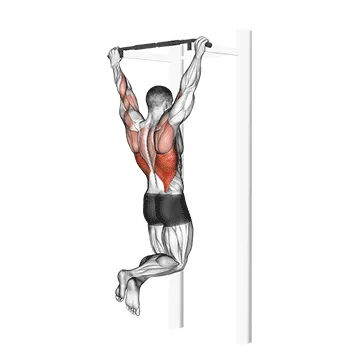
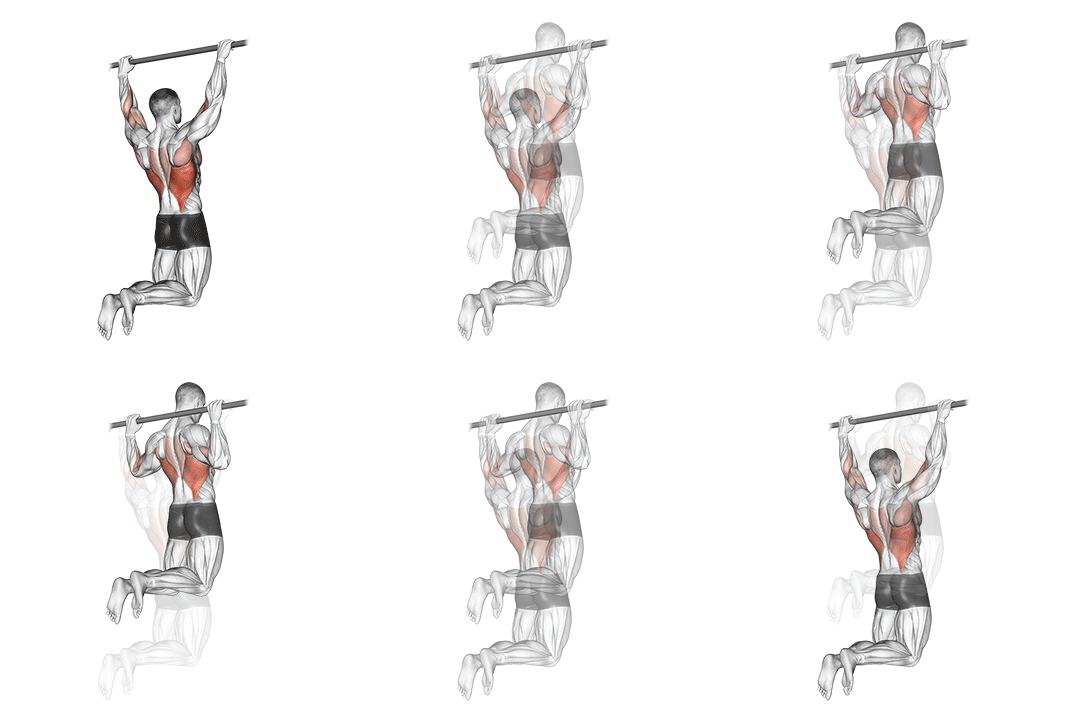
8. Rear Pull-up
78% match- Lats
- Bodyweight
- Intermediate
- Compound
How to perform this exercise
- Grab the pull-up bar with an overhand grip, slightly wider than shoulder-width apart.
- Hang from the bar with your arms fully extended and your body straight.
- Engage your back muscles and pull your body up towards the bar, keeping your elbows close to your body.
- Continue pulling until your chin is above the bar.
- Pause for a moment at the top, then slowly lower your body back down to the starting position.
- Repeat for the desired number of repetitions.
Sets and reps: 3 or 4 sets of 6 to 10 reps.
Why this matches
- Movement: pull-up, the same as the Assisted Standing Pull-up
- Primary muscle: lats, the same as the Assisted Standing Pull-up
- Equipment: bodyweight only, not a machine
- Body position: hanging, not standing
- Balance: harder to stay steady on than the Assisted Standing Pull-up
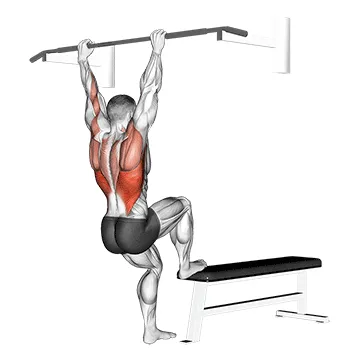
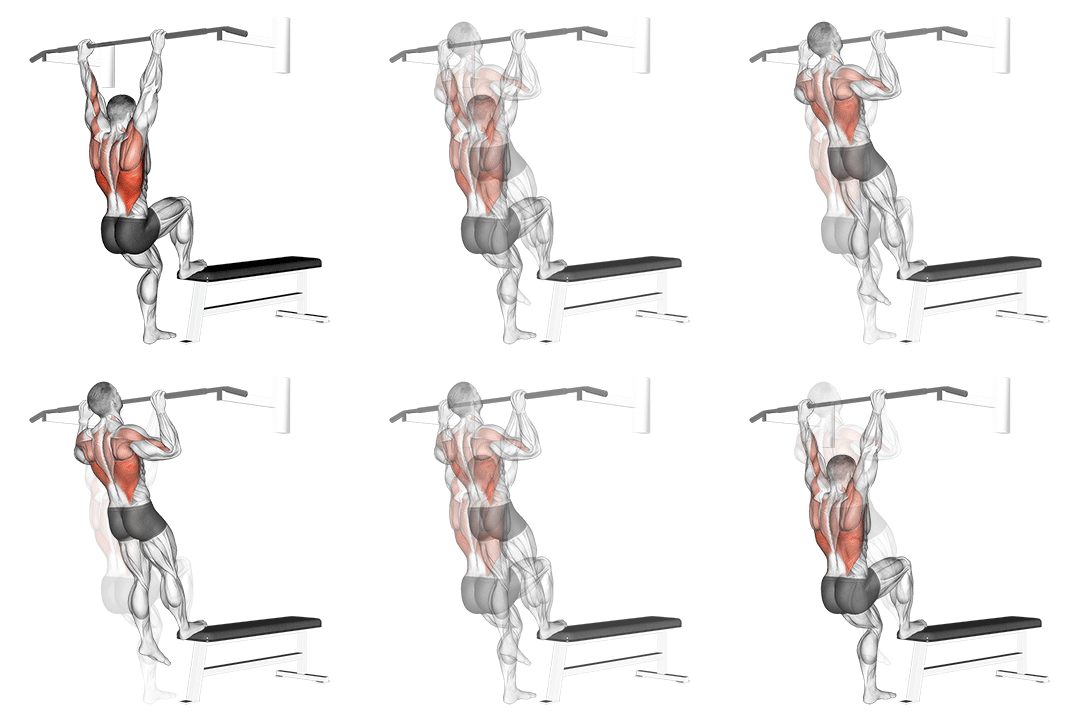
9. Bench Pull-ups
77% match- Lats
- Bodyweight
- Intermediate
- Compound
How to perform this exercise
- Position yourself under a bar or a sturdy horizontal surface that is at chest height.
- Grab the bar or surface with an overhand grip, slightly wider than shoulder-width apart.
- Hang with your arms fully extended and your body straight.
- Pull your chest towards the bar or surface by squeezing your shoulder blades together and bending your elbows.
- Continue pulling until your chin is above the bar or surface.
- Lower yourself back down to the starting position with control.
- Repeat for the desired number of repetitions.
Sets and reps: 3 or 4 sets of 6 to 10 reps.
Why this matches
- Movement: pull-up, the same as the Assisted Standing Pull-up
- Primary muscle: lats, the same as the Assisted Standing Pull-up
- Equipment: bodyweight only, not a machine
- Body position: hanging, not standing
- Balance: harder to stay steady on than the Assisted Standing Pull-up
10. Pull-up
77% match- Lats
- Bodyweight
- Advanced
- Compound
How to perform this exercise
- Hang from a pull-up bar with your palms facing away from you and your arms fully extended.
- Engage your core and squeeze your shoulder blades together.
- Pull your body up towards the bar by bending your elbows and bringing your chest towards the bar.
- Pause at the top of the movement, then slowly lower your body back down to the starting position.
- Repeat for the desired number of repetitions.
Sets and reps: 3 or 4 sets of 6 to 10 reps.
Why this matches
- Movement: pull-up, the same as the Assisted Standing Pull-up
- Primary muscle: lats, the same as the Assisted Standing Pull-up
- Equipment: bodyweight only, not a machine
- Body position: hanging, not standing
- Balance: harder to stay steady on than the Assisted Standing Pull-up
Why You Might Need an Assisted Standing Pull-up Alternative
You may substitute Assisted Standing Pull-ups for several reasons: limited access to a lever, shoulder pain with the lever path, or the need for more progressive overload options. Replacements let you manage the moment arm and load while preserving the lat’s role in humeral extension and adduction. For example, a lat pulldown shortens the lever and lets you adjust load incrementally, while a chest-supported row reduces spinal shear and isolates the lats by minimizing lower-back involvement. Use a technique cue, initiate each rep by drawing the scapula down and back before elbow flexion, to keep tension on the lats and limit biceps takeover.
How to Choose the Right Assisted Standing Pull-up Substitute
Choose a substitute based on equipment, movement pattern, and the specific deficit you need to train. If you lack a pull-up bar, pick lat pulldowns or single-arm dumbbell rows to maintain vertical or unilateral pulling mechanics. If pain or instability is the issue, prefer chest-supported rows to reduce lumbar loading and control scapular motion. For strength carryover, select exercises that replicate the joint actions: prioritize humeral adduction and extension (cue: lead with the elbow, not the hand). Also consider progressive options, bands for assistance, machines for incremental loading, and unilateral work to address side-to-side imbalances.
Assisted Standing Pull-up FAQ
What muscles does Assisted Standing Pull-up work?
The exercise primarily targets the latissimus dorsi through humeral extension and adduction, while also engaging the teres major and posterior deltoid. Scapular retractors and the biceps assist during elbow flexion and stabilization.
Can I build muscle without doing Assisted Standing Pull-up?
Yes. You can hypertrophy the lats using lat pulldowns, single-arm dumbbell rows, and chest-supported rows by ensuring progressive overload and full range of motion. Focus on slow eccentrics, controlled scapular movement, and increasing load or reps over time.
Find Alternatives for Any Exercise
Search the exercise database and filter the ranked substitutes by the equipment you own.
Similarity scores compare exercise metadata such as movement pattern, muscles, equipment and body position. They are not a safety rating or a check that you own the equipment. Learn about our methodology