

10 Best Band Kneeling One Arm Pulldown Alternatives for Home and Gym
If you can’t do the Band Kneeling One Arm Pulldown, use standing single-arm lat pulldowns, single-arm bent-over rows, chest-supported rows, assisted pull-ups, or straight-arm cable/band pulldowns. Cue a long spine and lead the movement with your elbow to prioritize lat engagement and minimize biceps dominance.
Original Exercise: Band Kneeling One Arm Pulldown
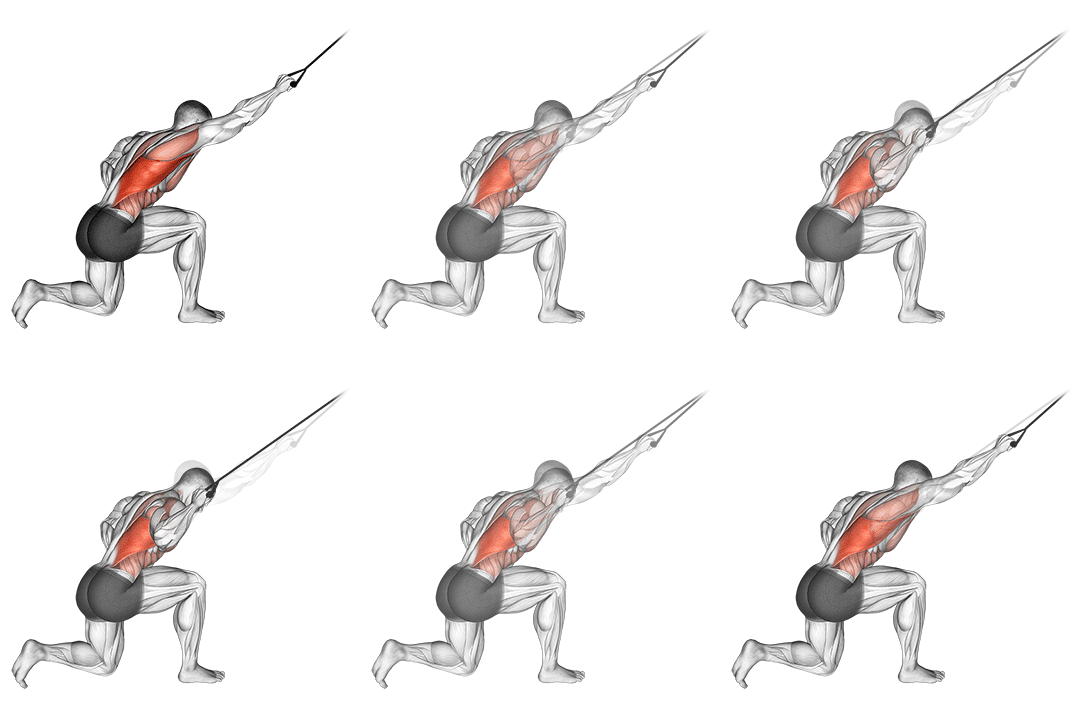
How to Perform Band Kneeling One Arm Pulldown
- Attach the band to a sturdy anchor point above your head.
- Kneel down and hold the band with one hand, palm facing down.
- Extend your arm fully overhead, keeping your elbow slightly bent.
- Engage your lat muscles and pull the band down towards your side, bringing your elbow towards your ribcage.
- Pause for a moment at the bottom, then slowly release the tension and return to the starting position.
- Repeat for the desired number of repetitions, then switch sides.
Best Band Kneeling One Arm Pulldown Alternatives
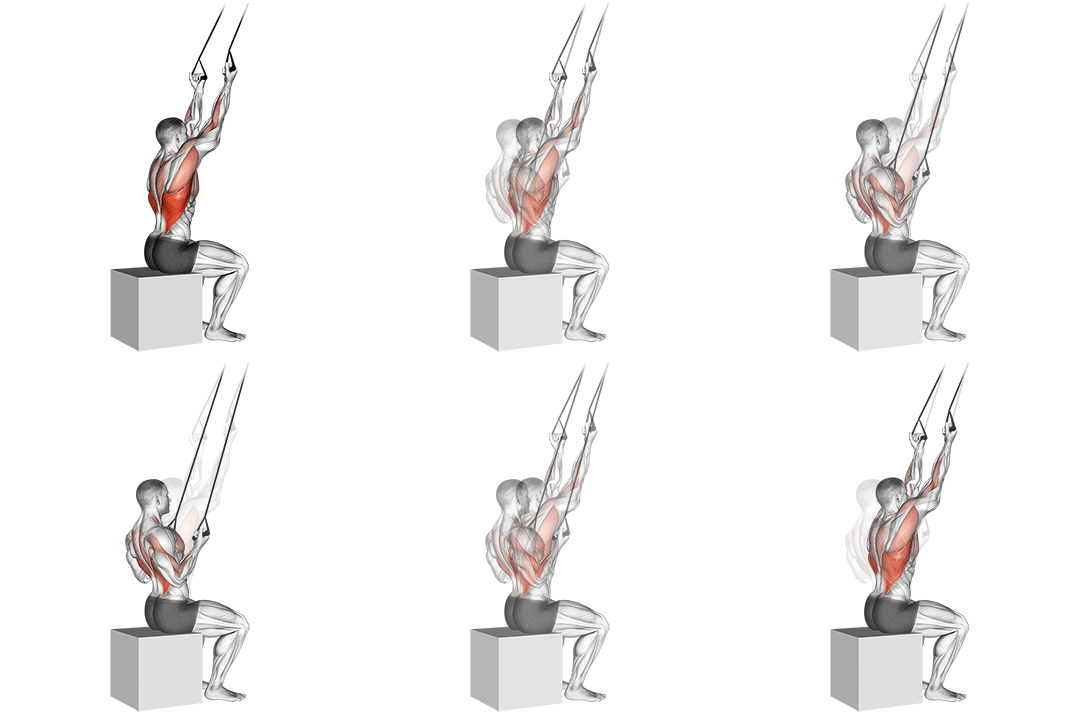
1. Band Underhand Pulldown
85.6% MatchHow to perform this exercise
- Attach the band to a high anchor point, such as a pull-up bar or sturdy beam.
- Stand facing the anchor point with your feet shoulder-width apart.
- Grasp the band with an underhand grip, hands slightly wider than shoulder-width apart.
- Extend your arms fully overhead, keeping your elbows slightly bent.
- Engage your lats and pull the band down towards your chest, squeezing your shoulder blades together.
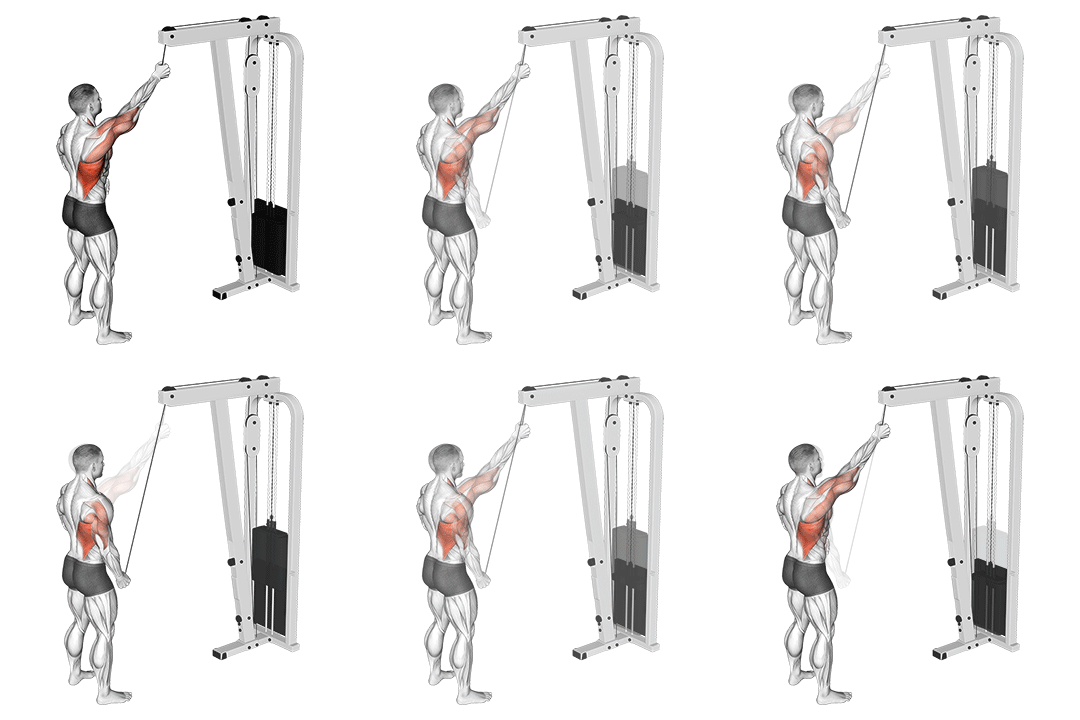
2. Cable One Arm Pulldown
78.6% MatchHow to perform this exercise
- Attach a single handle to a high pulley cable machine.
- Stand facing the machine with your feet shoulder-width apart.
- Grasp the handle with an overhand grip and extend your arm fully.
- Keep your back straight and your core engaged.
- Pull the handle down towards your side while keeping your elbow close to your body.
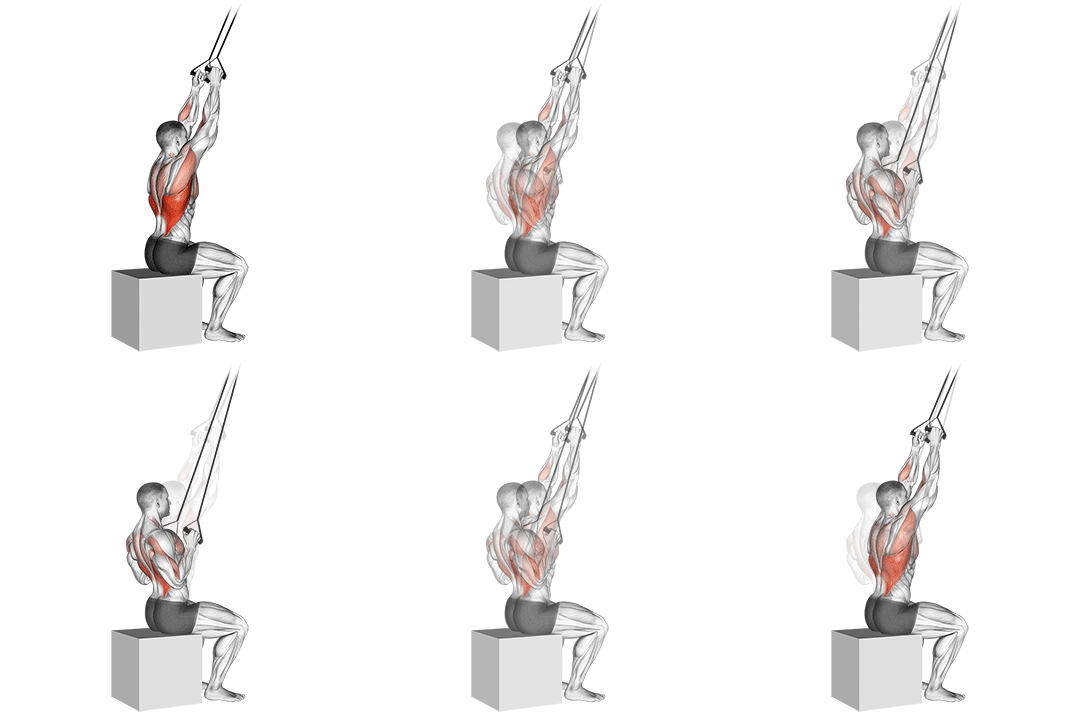
3. Band Close-grip Pulldown
78.3% MatchHow to perform this exercise
- Attach the band to a high anchor point, such as a pull-up bar or sturdy beam.
- Stand facing the anchor point and grab the band with an underhand grip, hands shoulder-width apart.
- Step back to create tension in the band, keeping your feet hip-width apart.
- Engage your core and keep your back straight as you pull the band down towards your chest, squeezing your shoulder blades together.
- Pause for a moment at the bottom of the movement, then slowly release the band back to the starting position.
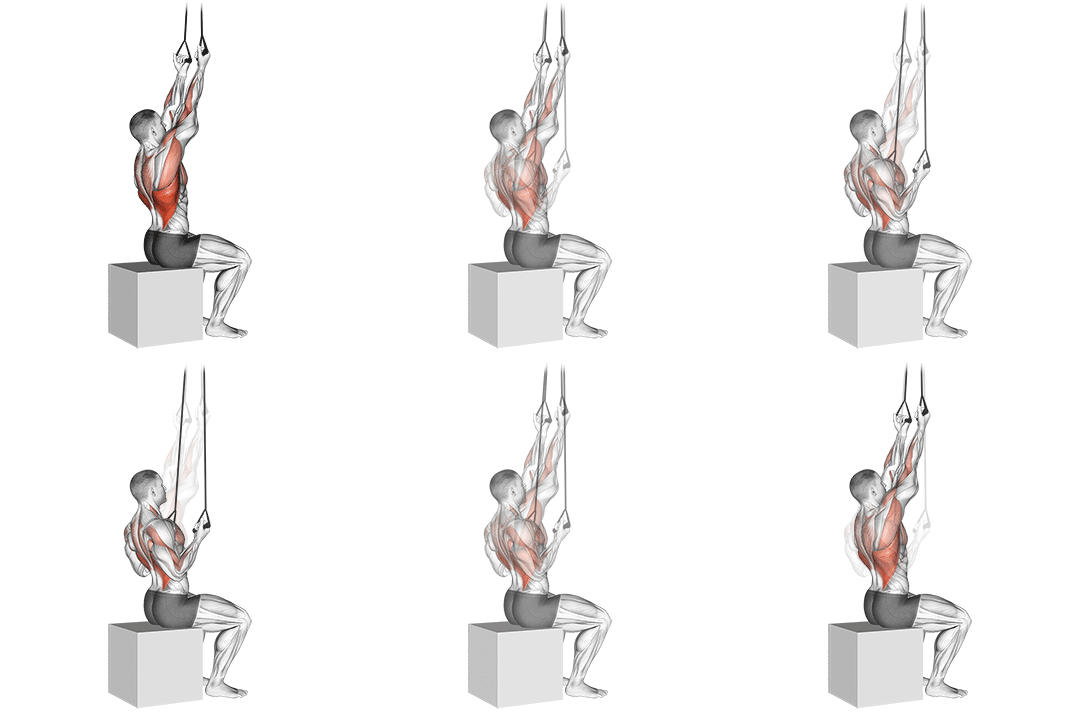
4. Band Fixed Back Underhand Pulldown
77% MatchHow to perform this exercise
- Attach the band to a sturdy anchor point above your head.
- Stand facing the anchor point with your feet shoulder-width apart.
- Grasp the band with an underhand grip, hands slightly wider than shoulder-width apart.
- Step back to create tension in the band, keeping your arms fully extended.
- Engage your core and squeeze your shoulder blades together.
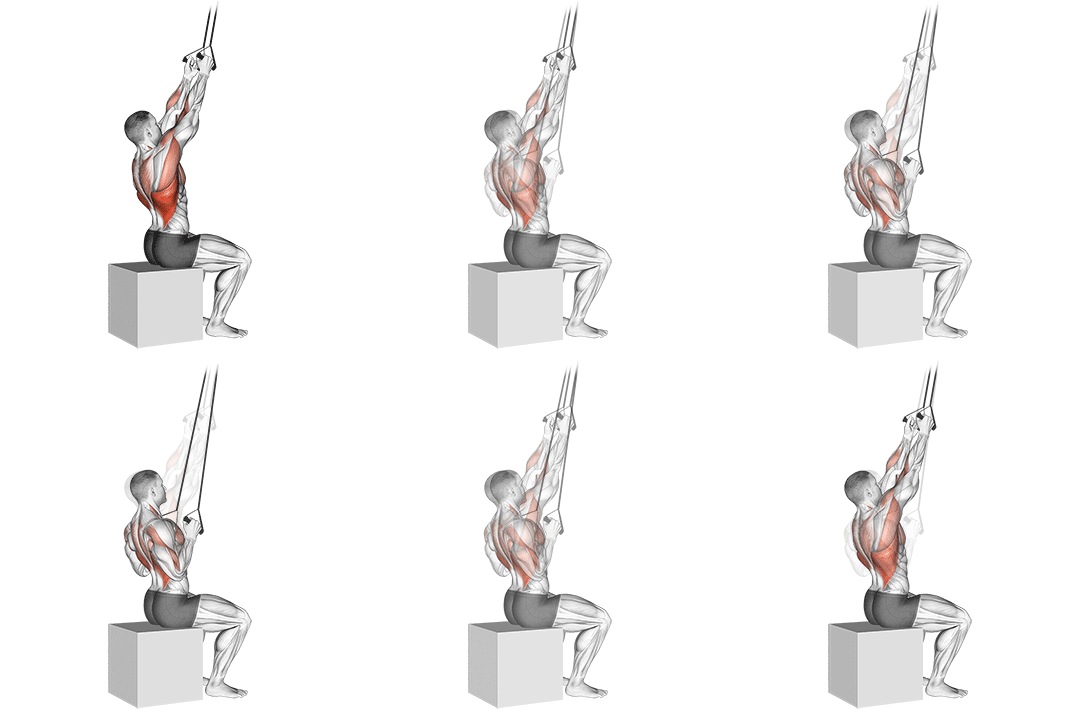
5. Band Fixed Back Close Grip Pulldown
77% MatchHow to perform this exercise
- Attach the band to a fixed point above you, such as a pull-up bar or sturdy beam.
- Sit down on a bench or chair facing the band, with your feet flat on the ground and your knees bent.
- Grasp the band with a close grip, palms facing towards you.
- Keep your back straight and engage your core.
- Pull the band down towards your chest, squeezing your shoulder blades together.
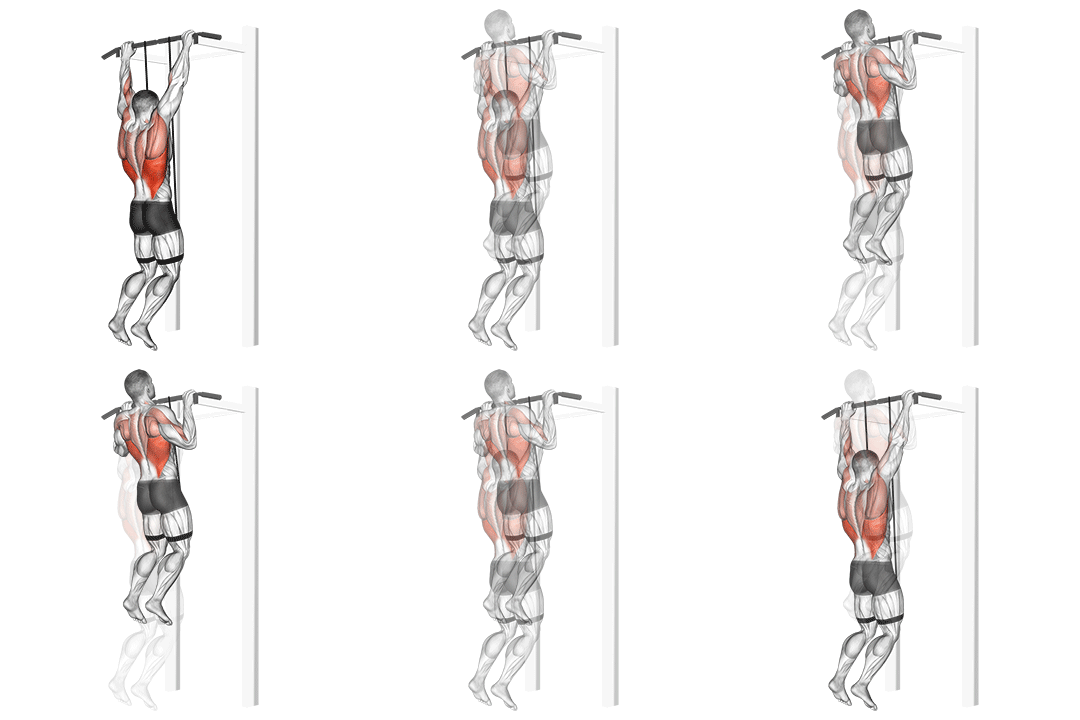
6. Band Assisted Pull-up
74.4% MatchHow to perform this exercise
- Attach the band to a pull-up bar or sturdy anchor point.
- Step onto the band and grip the bar with your palms facing away from you, hands slightly wider than shoulder-width apart.
- Hang with your arms fully extended, keeping your core engaged and your shoulders down and back.
- Pull your body up towards the bar by squeezing your shoulder blades together and driving your elbows down towards your hips.
- Continue pulling until your chin is above the bar, then slowly lower yourself back down to the starting position.
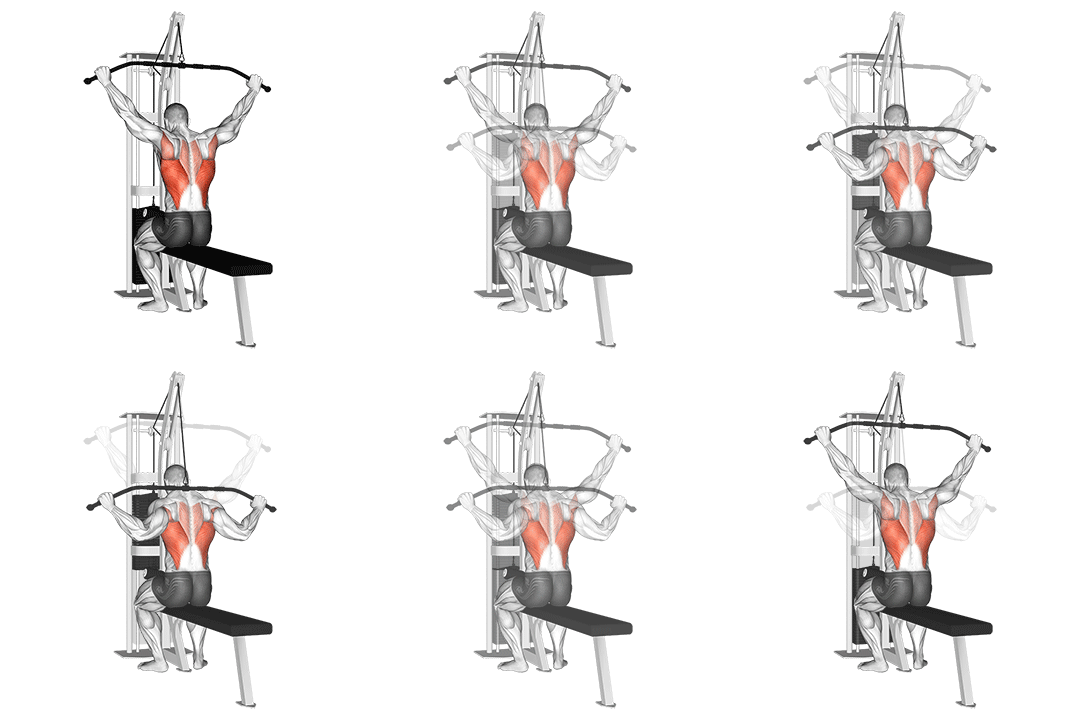
7. Cable Wide Grip Rear Pulldown Behind Neck
70.1% MatchHow to perform this exercise
- Adjust the cable machine so that the pulldown bar is at a height above your head.
- Sit down on the seat and grab the pulldown bar with a wide overhand grip.
- Keep your back straight and your chest up as you lean back slightly.
- Pull the bar down towards your upper chest, squeezing your shoulder blades together.
- Pause for a moment at the bottom of the movement, then slowly release the bar back up to the starting position.
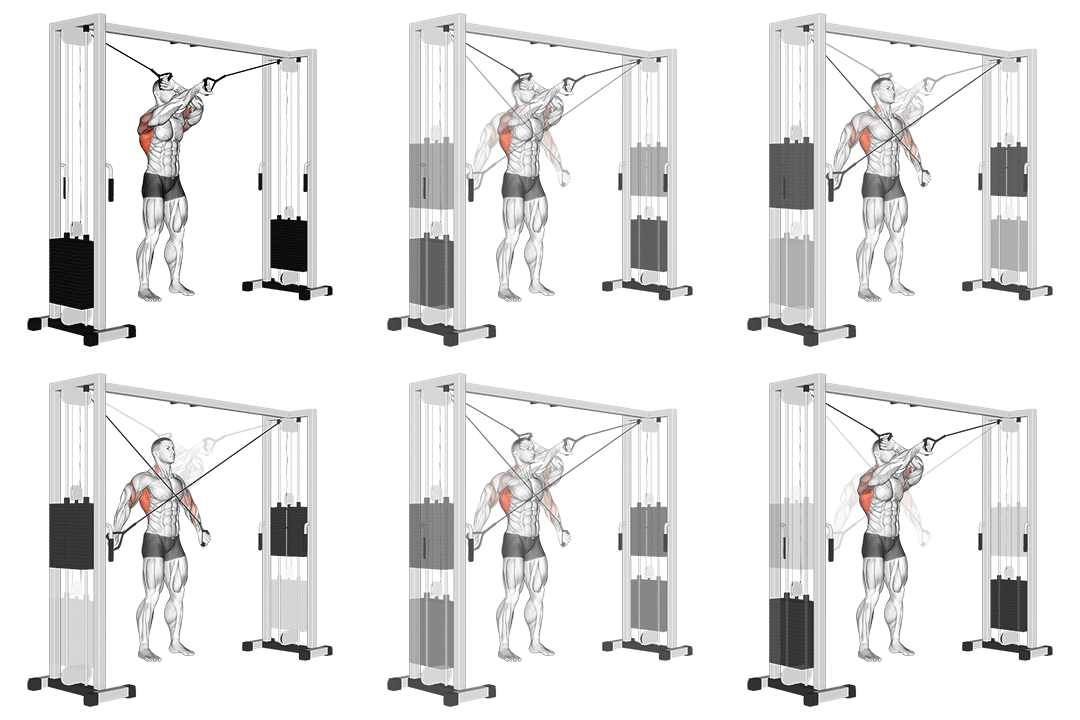
8. Cable Lat Pulldown Full Range Of Motion
69.6% MatchHow to perform this exercise
- Sit on the lat pulldown machine with your knees positioned under the pads.
- Grasp the cable bar with an overhand grip, slightly wider than shoulder-width apart.
- Lean back slightly and keep your chest up, maintaining a slight arch in your lower back.
- Pull the bar down towards your upper chest, squeezing your shoulder blades together.
- Pause for a moment at the bottom of the movement, then slowly release the bar back to the starting position.
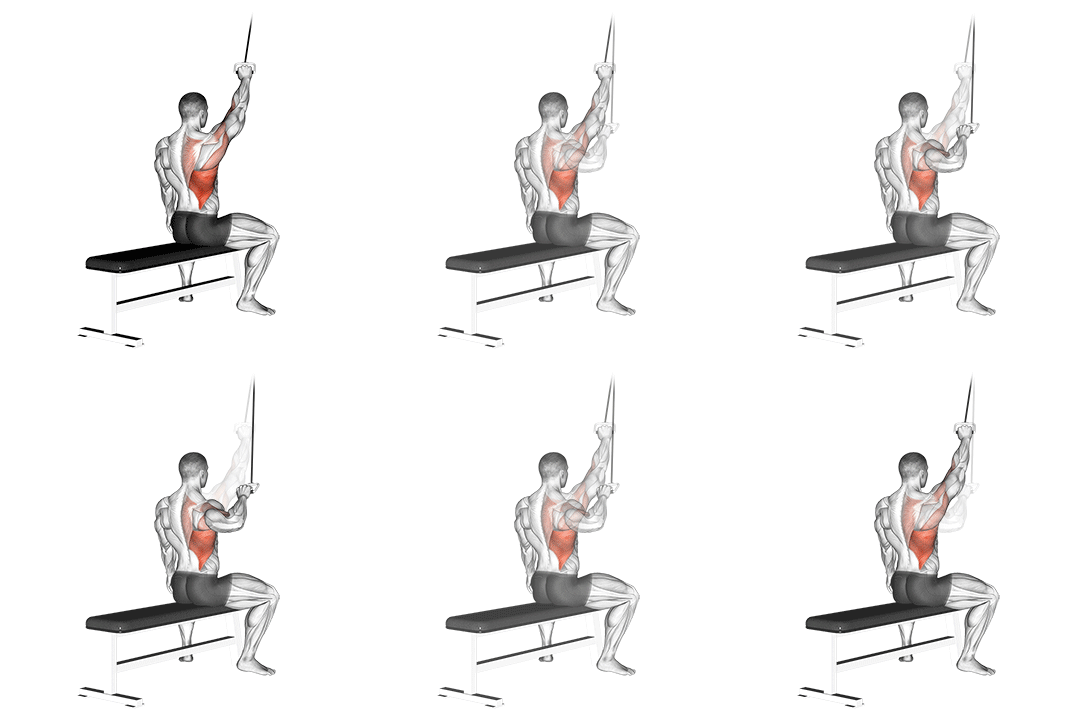
9. Alternate Lateral Pulldown
69% MatchHow to perform this exercise
- Sit on the cable machine with your back straight and feet flat on the ground.
- Grasp the handles with an overhand grip, slightly wider than shoulder-width apart.
- Lean back slightly and pull the handles towards your chest, squeezing your shoulder blades together.
- Pause for a moment at the peak of the movement, then slowly release the handles back to the starting position.
- Repeat for the desired number of repetitions.
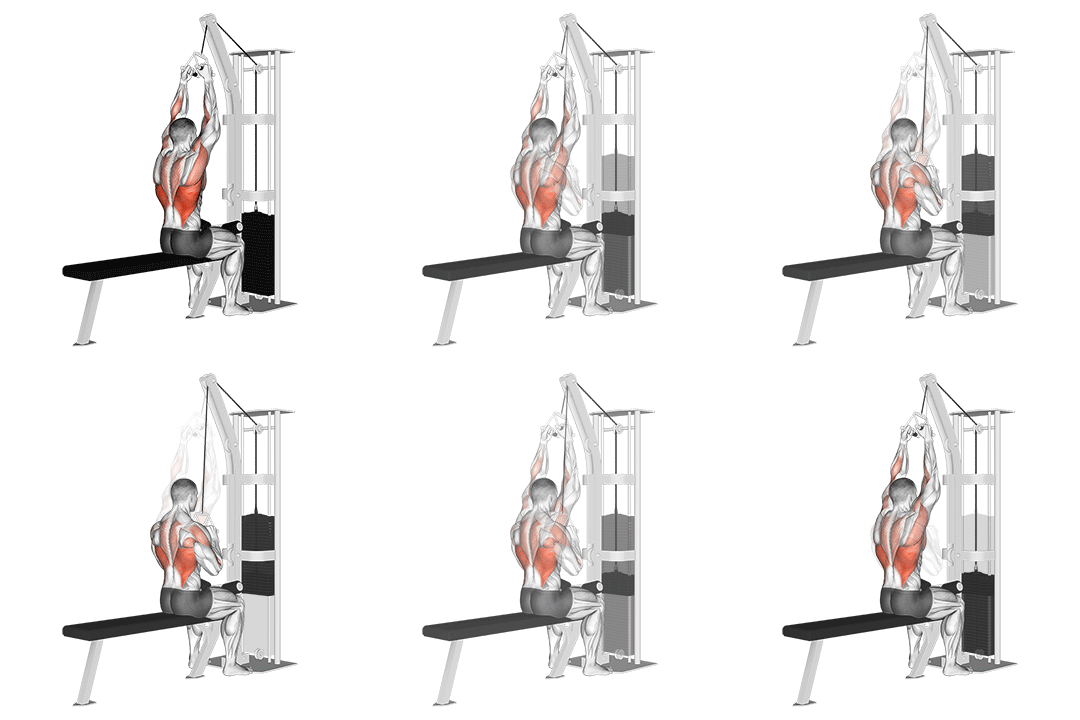
10. Cable Lateral Pulldown With V-bar
67.6% MatchHow to perform this exercise
- Sit down on the cable pulldown machine and grab the v-bar attachment with an overhand grip.
- Adjust the knee pad so that your thighs are secured under it.
- Keep your back straight and lean back slightly.
- Pull the v-bar down towards your upper chest while keeping your elbows close to your body.
- Squeeze your back muscles at the bottom of the movement.
Why You Might Need a Band Kneeling One Arm Pulldown Alternative
You might substitute the band kneeling one-arm pulldown for injury management, limited band or anchor setups, or to vary loading and movement pattern. Shoulder pain, wrist limitations, or a weak core can impair the kneeling position; choosing a supported row or a standing pulldown reduces shear on the spine and shoulder. Each replacement can shift emphasis across the lat’s fiber directions: straight-arm pulldowns bias the lower lat and scapular depression, while single-arm rows emphasize mid-lat retraction. Use technique cues like “pin the scapula down, pull the elbow to your hip” to preserve lat activation and protect the shoulder joint.
How to Choose the Right Substitute
Select a substitute based on equipment, injury status, and the specific lat region you want to target. If you lack an anchor, choose bent-over rows or chest-supported rows to maintain horizontal pull mechanics; cue a neutral spine and hinge at the hips. For shoulder irritation, prefer straight-arm pulldowns or assisted pull-ups to reduce glenohumeral loading and focus on scapular depression. If unilateral strength or core stability is the goal, use single-arm standing lat pulldowns and emphasize pulling with the elbow while resisting trunk rotation. Track range of motion and muscle tension rather than just load to match lat activation.
Frequently Asked Questions
What muscles does Band Kneeling One Arm Pulldown work?
It primarily targets the latissimus dorsi, with secondary activation of the teres major, posterior deltoid, and scapular retractors. You also recruit the obliques and erectors for kneeling stability; cue scapular depression and elbow-driven pulling to maximize lat involvement.
What is the best bodyweight alternative to Band Kneeling One Arm Pulldown?
An assisted single-arm pull-up or a single-arm inverted row is the best bodyweight option; both preserve vertical or horizontal pulling mechanics. For the inverted row, cue a straight line from head to heels and pull the elbow to your hip to emphasize the lats.
Can I build muscle without doing Band Kneeling One Arm Pulldown?
Yes. You can build your lats using weighted rows, pull-ups, straight-arm pulldowns, and single-arm variations as long as you progressively overload and maintain lat-specific cues. Focus on full range of motion, tension on the eccentric, and elbow-driven pulling to ensure consistent muscle activation.
More Exercise Alternatives
Find Alternatives for Any Exercise
Use our free tool to discover the best substitute exercises based on your available equipment and goals.
Try the Exercise Substitution Finder →