

10 Best One Handed Hang Alternatives for Grip Limitations
The One Handed Hang is done hanging. Ranked closest by our scoring: the Muscle Up, the Kipping Muscle Up and the Weighted Muscle Up (On Bar).
Updated Ranked by our 12-factor similarity model How it works
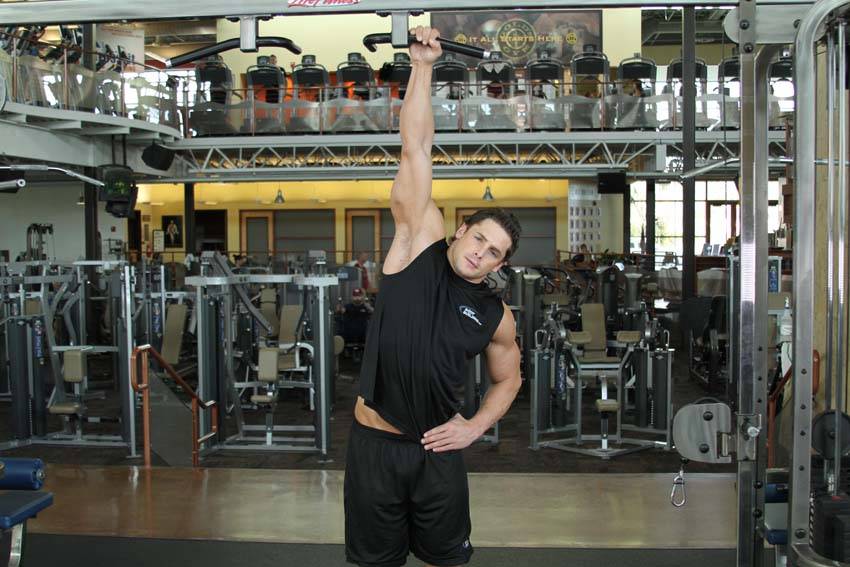
Original Exercise: One Handed Hang
- Primary muscle
- Lats
- Equipment
- Other
- Difficulty
- Advanced
- Type
- Compound
Secondary muscles: Biceps
How to perform One Handed Hang
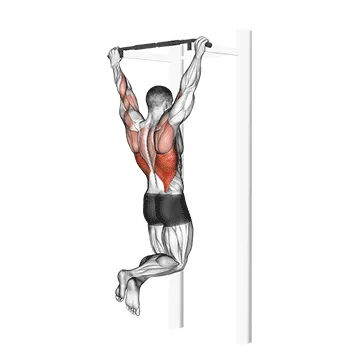
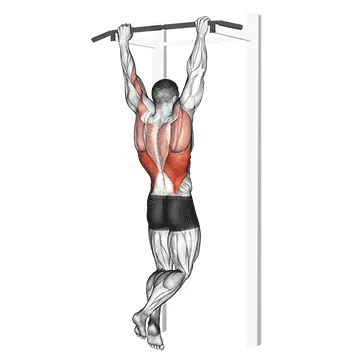
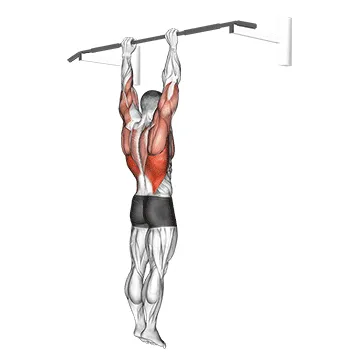
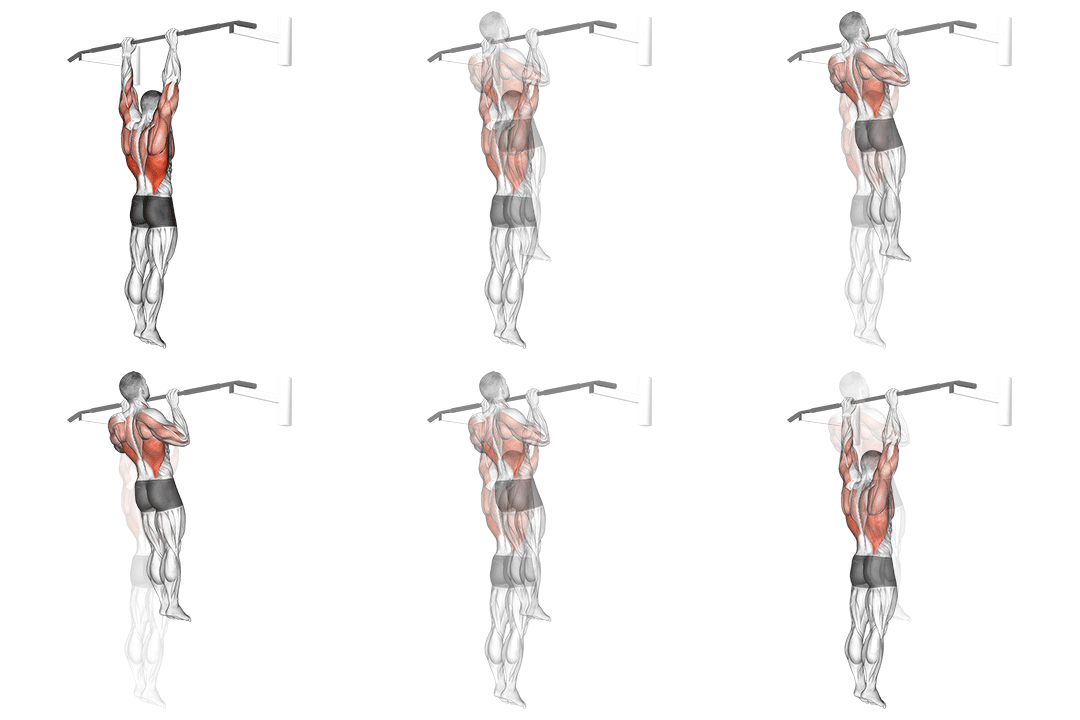
- Grab onto a chinup bar with one hand, using a pronated grip. Keep your feet on the floor or a step. Allow the majority of your weight to hang from that hand, while keeping your feet on the ground. Hold for 10-20 seconds and switch sides.
Ranked One Handed Hang Alternatives
10 substitutes, ranked by how closely each one matches the One Handed Hang on movement pattern, muscles worked, equipment and body position. The higher the score, the less you change. Open "How to perform this exercise" on a card for the steps; every card title links to that exercise's own alternatives page.
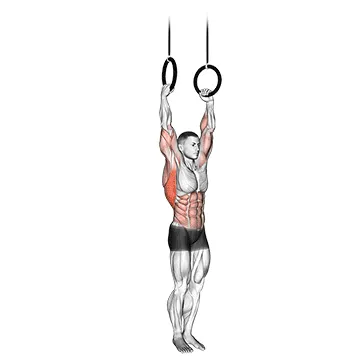
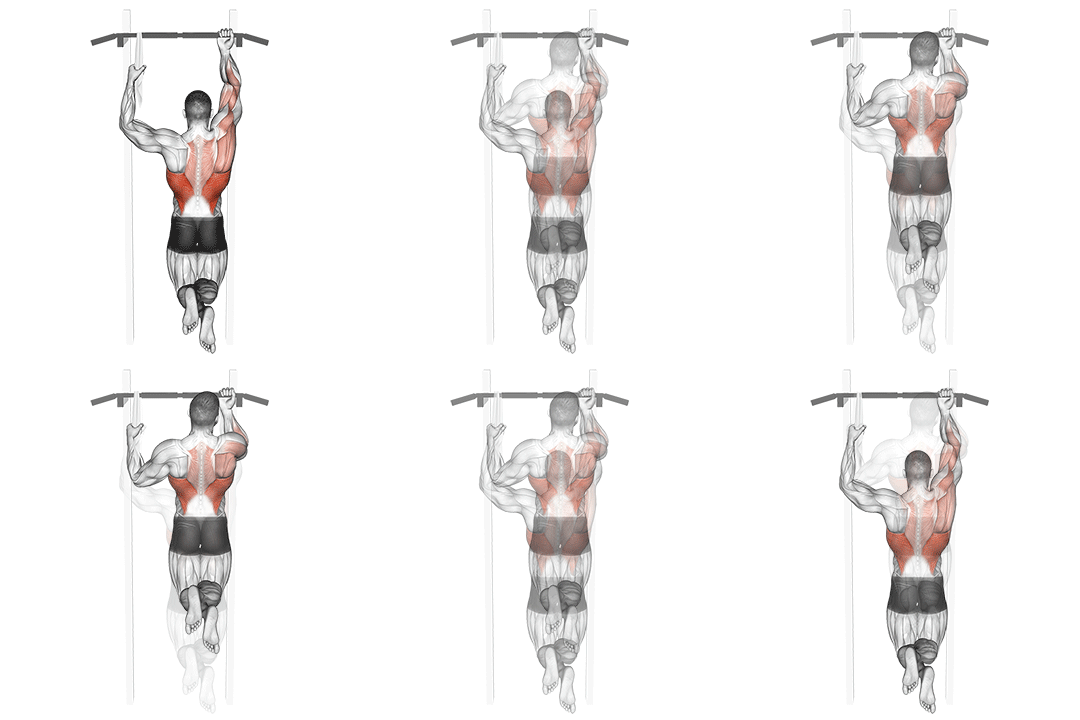
Best match 1. Muscle Up
87% match- Lats
- Bodyweight
- Advanced
- Compound
A straight swap when you want to keep working the lats.
How to perform this exercise
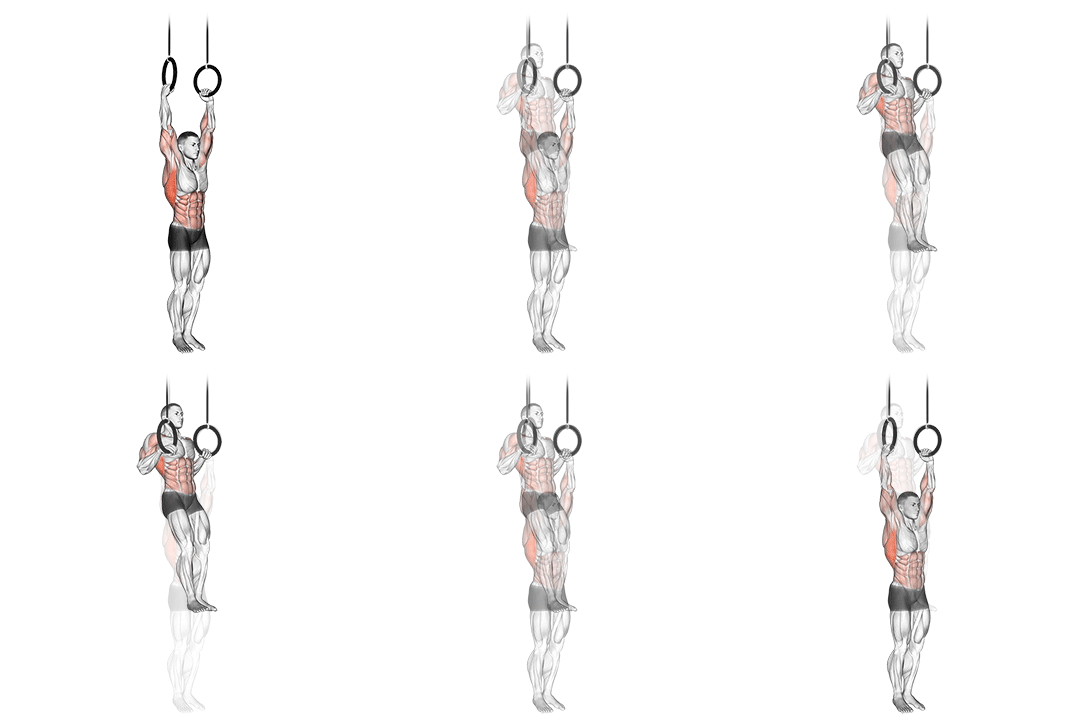
- Start by hanging from a pull-up bar with your palms facing away from you and your arms fully extended.
- Engage your core and pull your body up towards the bar, leading with your chest.
- As you reach the top of the movement, transition your grip so that your palms are facing towards you.
- Continue pulling yourself up until your chest is above the bar and your arms are fully flexed.
- Reverse the movement by slowly lowering yourself back down to the starting position.
- Repeat for the desired number of repetitions.
Sets and reps: 3 or 4 sets of 6 to 10 reps.
Why this matches
- Primary muscle: lats, the same as the One Handed Hang
- Equipment: bodyweight only, the same as the One Handed Hang
- Body position: hanging, the same as the One Handed Hang
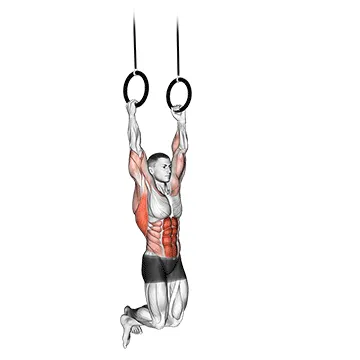
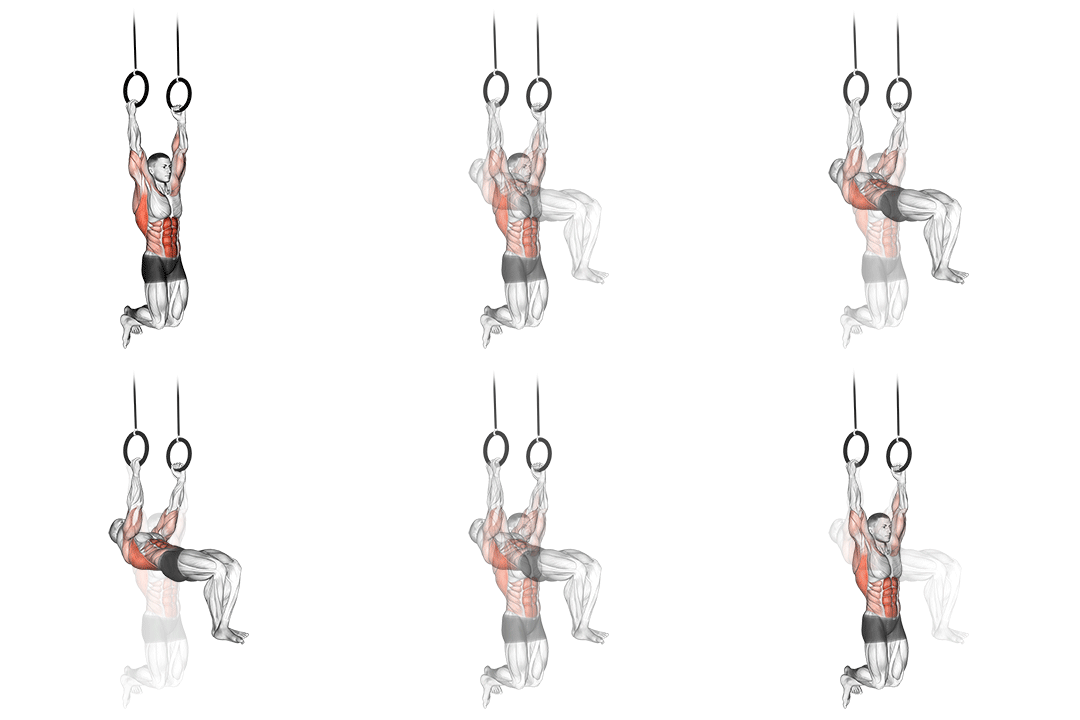
2. Kipping Muscle Up
83% match- Lats
- Bodyweight
- Advanced
- Compound
How to perform this exercise
- Start by hanging from a pull-up bar with an overhand grip, hands slightly wider than shoulder-width apart.
- Engage your core and use a swinging motion to generate momentum.
- As you swing forward, pull your chest towards the bar, using your lats and biceps to initiate the movement.
- Continue the upward motion until your chest reaches the bar, then transition into a dip position by pushing down on the bar and extending your arms.
- Lower yourself back down to the starting position by bending your arms and controlling the descent.
- Repeat for the desired number of repetitions.
Sets and reps: 3 or 4 sets of 6 to 10 reps.
Why this matches
- Primary muscle: lats, the same as the One Handed Hang
- Equipment: bodyweight only, the same as the One Handed Hang
- Body position: hanging, the same as the One Handed Hang
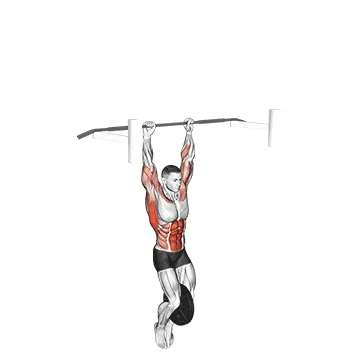
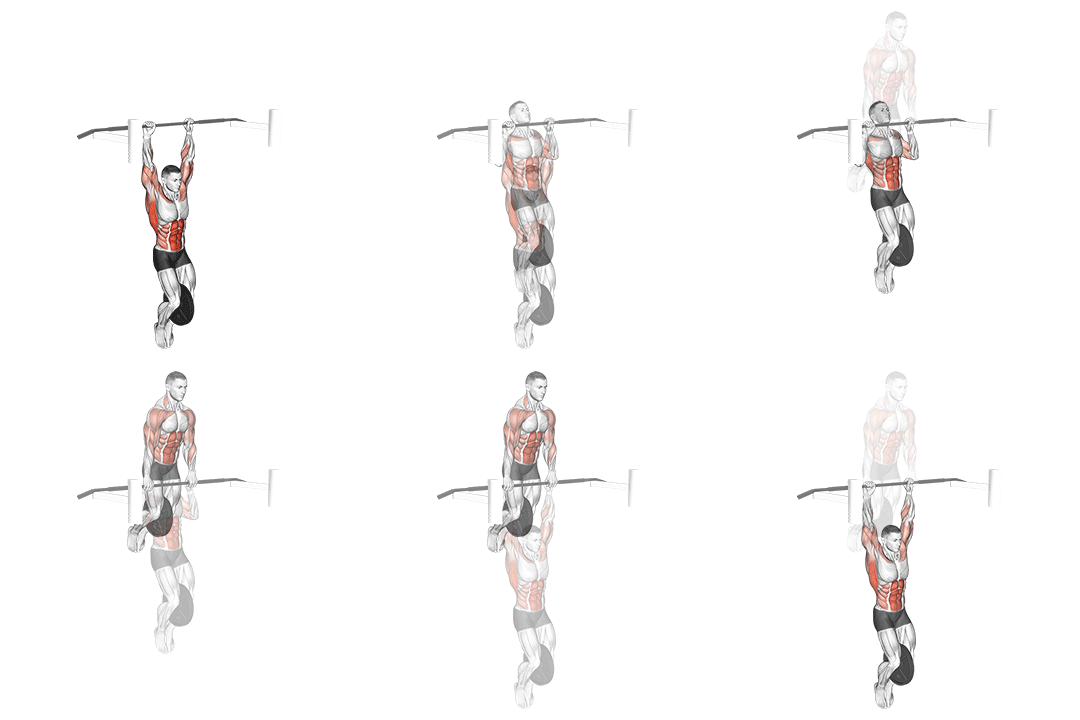
3. Weighted Muscle Up (On Bar)
78% match- Lats
- Weighted
- Advanced
- Compound
How to perform this exercise
- Start by hanging from a pull-up bar with your palms facing away from you and your hands slightly wider than shoulder-width apart.
- Engage your core and pull your shoulder blades down and back.
- Bend your elbows and pull your chest towards the bar, keeping your body straight.
- Once your chest reaches the bar, push down with your hands and drive your elbows back, lifting your body above the bar.
- Pause at the top of the movement, then slowly lower yourself back down to the starting position.
- Repeat for the desired number of repetitions.
Sets and reps: 3 to 5 sets of 5 to 8 reps.
Why this matches
- Primary muscle: lats, the same as the One Handed Hang
- Equipment: free weights, not bodyweight only
- Body position: hanging, the same as the One Handed Hang
4. One Arm Chin-up
75% match- Lats
- Bodyweight
- Advanced
- Compound
It still works the lats, through a different movement.
How to perform this exercise
- Stand facing a pull-up bar with your feet shoulder-width apart.
- Reach up and grab the bar with an underhand grip, with one hand gripping the bar and the other hand holding your wrist for support.
- Hang from the bar with your arm fully extended, keeping your body straight and your core engaged.
- Pull yourself up towards the bar by bending your elbow and squeezing your back muscles.
- Continue pulling until your chin is above the bar, then slowly lower yourself back down to the starting position.
- Repeat for the desired number of repetitions, then switch arms and repeat.
Sets and reps: 3 or 4 sets of 6 to 10 reps on each side.
Why this matches
- Primary muscle: lats, the same as the One Handed Hang
- Equipment: bodyweight only, the same as the One Handed Hang
- Body position: hanging, the same as the One Handed Hang
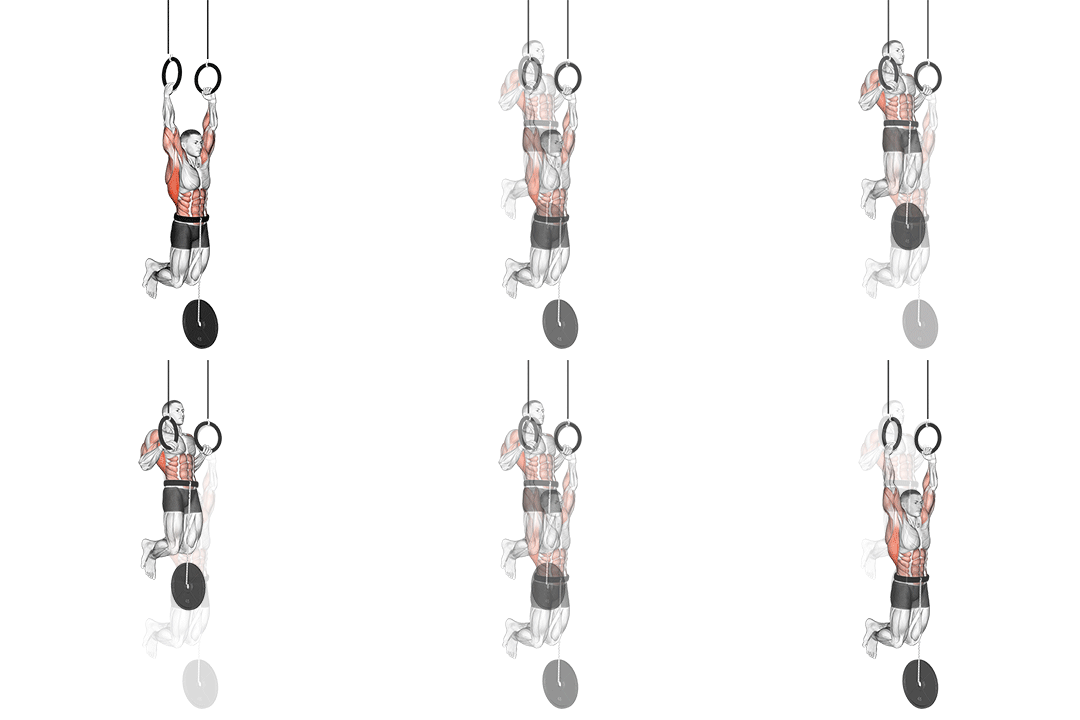
5. Weighted Muscle Up
73% match- Lats
- Weighted
- Advanced
- Compound
How to perform this exercise
- Start by hanging from a pull-up bar with your palms facing away from you and your hands slightly wider than shoulder-width apart.
- Engage your core and pull your body up towards the bar, leading with your chest.
- As you reach the top of the movement, transition your grip so that your palms are facing towards you.
- Continue pulling yourself up until your chest reaches the bar, then pause for a moment.
- Slowly lower yourself back down to the starting position, maintaining control throughout the movement.
- Repeat for the desired number of repetitions.
Sets and reps: 3 to 5 sets of 5 to 8 reps.
Why this matches
- Primary muscle: lats, the same as the One Handed Hang
- Equipment: free weights, not bodyweight only
- Body position: hanging, the same as the One Handed Hang
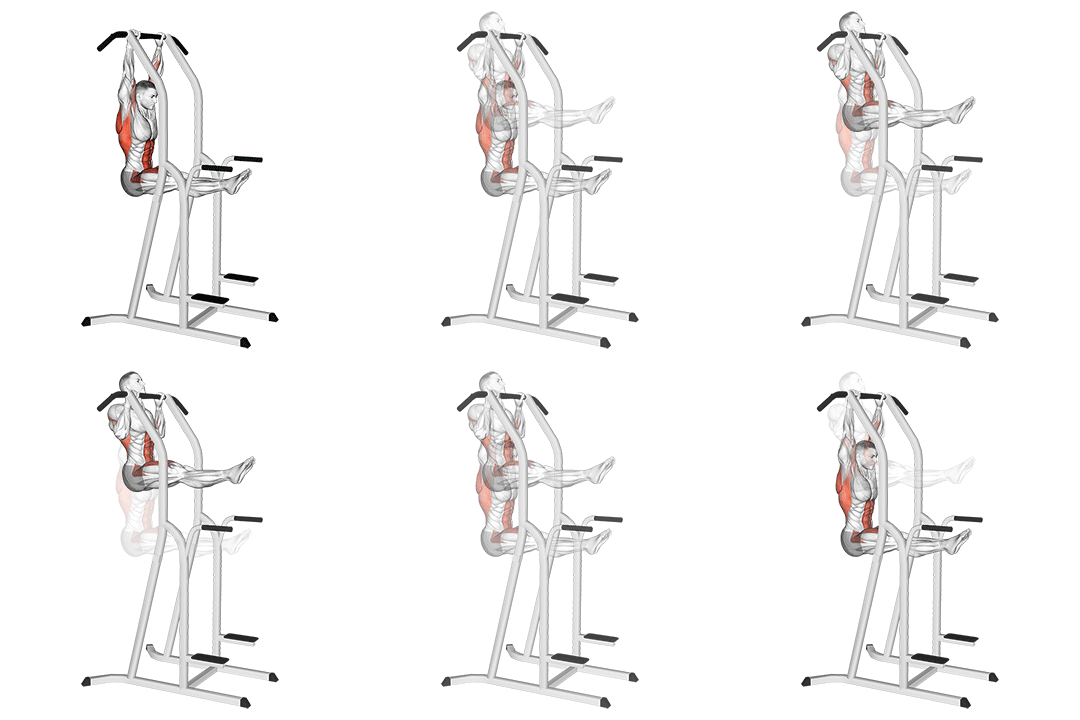
6. L-pull-up
73% match- Lats
- Bodyweight
- Intermediate
- Compound
How to perform this exercise
- Grab the pull-up bar with an overhand grip, slightly wider than shoulder-width apart.
- Hang with your arms fully extended and your body straight.
- Engage your lats and biceps to pull your body up towards the bar, keeping your elbows close to your body.
- Continue pulling until your chin is above the bar.
- Pause for a moment at the top, then slowly lower your body back down to the starting position.
- Repeat for the desired number of repetitions.
Sets and reps: 3 or 4 sets of 6 to 10 reps.
Why this matches
- Primary muscle: lats, the same as the One Handed Hang
- Equipment: bodyweight only, the same as the One Handed Hang
- Body position: hanging, the same as the One Handed Hang
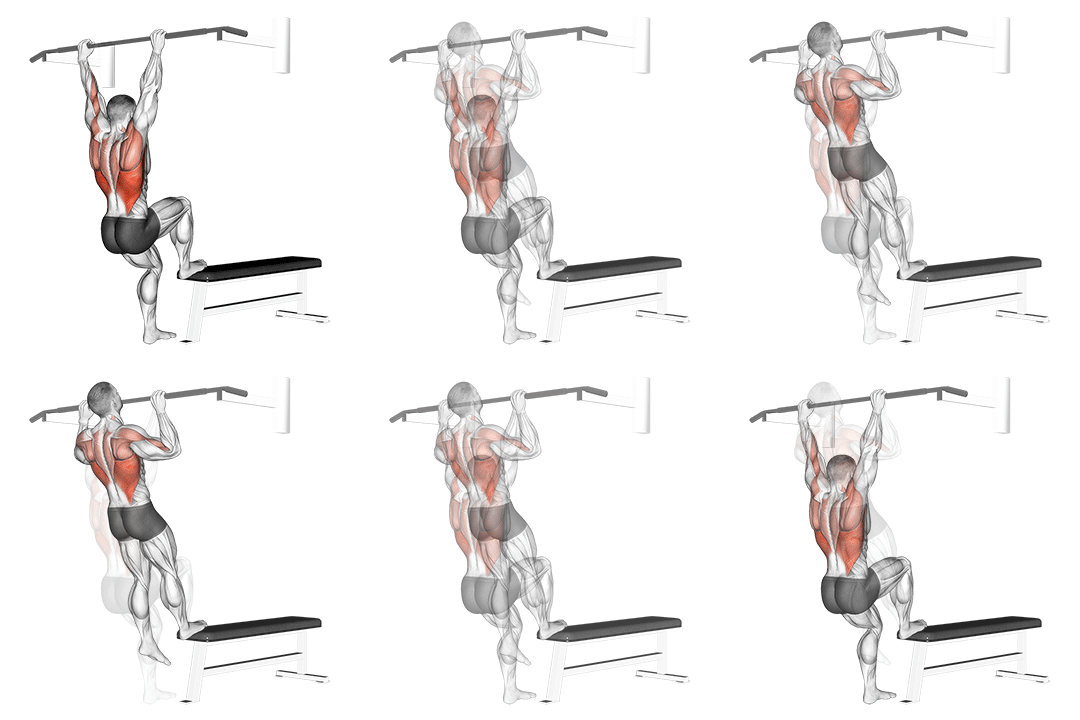
7. Bench Pull-ups
72% match- Lats
- Bodyweight
- Intermediate
- Compound
How to perform this exercise
- Position yourself under a bar or a sturdy horizontal surface that is at chest height.
- Grab the bar or surface with an overhand grip, slightly wider than shoulder-width apart.
- Hang with your arms fully extended and your body straight.
- Pull your chest towards the bar or surface by squeezing your shoulder blades together and bending your elbows.
- Continue pulling until your chin is above the bar or surface.
- Lower yourself back down to the starting position with control.
- Repeat for the desired number of repetitions.
Sets and reps: 3 or 4 sets of 6 to 10 reps.
Why this matches
- Primary muscle: lats, the same as the One Handed Hang
- Equipment: bodyweight only, the same as the One Handed Hang
- Body position: hanging, the same as the One Handed Hang
- Balance: easier to stay steady on than the One Handed Hang
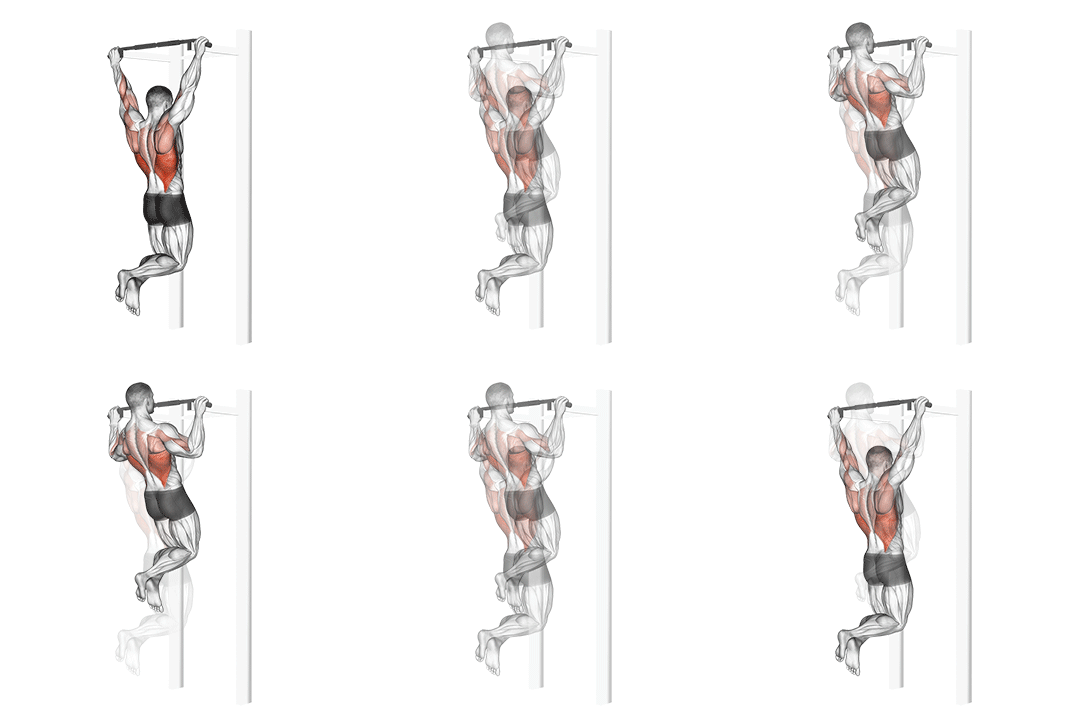
8. Pull-up
72% match- Lats
- Bodyweight
- Advanced
- Compound
How to perform this exercise
- Hang from a pull-up bar with your palms facing away from you and your arms fully extended.
- Engage your core and squeeze your shoulder blades together.
- Pull your body up towards the bar by bending your elbows and bringing your chest towards the bar.
- Pause at the top of the movement, then slowly lower your body back down to the starting position.
- Repeat for the desired number of repetitions.
Sets and reps: 3 or 4 sets of 6 to 10 reps.
Why this matches
- Primary muscle: lats, the same as the One Handed Hang
- Equipment: bodyweight only, the same as the One Handed Hang
- Body position: hanging, the same as the One Handed Hang
- Balance: easier to stay steady on than the One Handed Hang
9. Rocky Pull-up Pulldown
72% match- Lats
- Bodyweight
- Advanced
- Compound
How to perform this exercise
- Stand in front of a pull-up bar with your feet shoulder-width apart.
- Reach up and grab the bar with an overhand grip, slightly wider than shoulder-width apart.
- Hang from the bar with your arms fully extended and your body straight.
- Engage your back muscles and pull your body up towards the bar, leading with your chest.
- Pause for a moment at the top, then slowly lower your body back down to the starting position.
- Repeat for the desired number of repetitions.
Sets and reps: 3 or 4 sets of 6 to 10 reps.
Why this matches
- Primary muscle: lats, the same as the One Handed Hang
- Equipment: bodyweight only, the same as the One Handed Hang
- Body position: hanging, the same as the One Handed Hang
- Balance: easier to stay steady on than the One Handed Hang
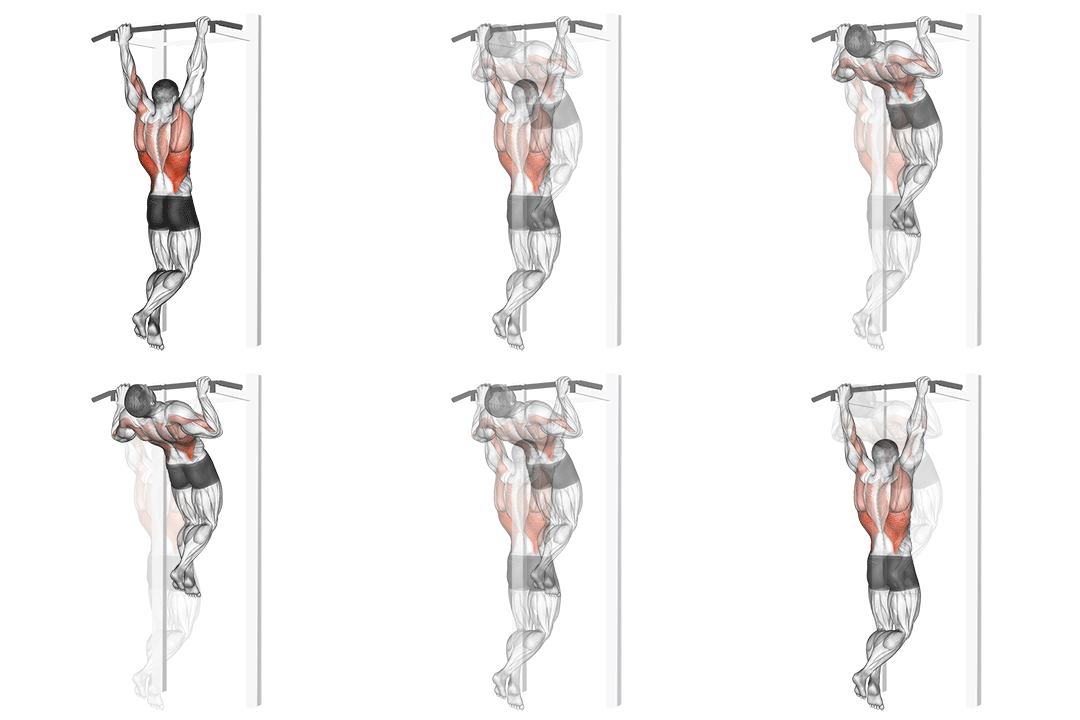
10. Shoulder Grip Pull-up
72% match- Lats
- Bodyweight
- Advanced
- Compound
How to perform this exercise
- Grab the pull-up bar with a shoulder-width grip, palms facing away from you.
- Hang freely with your arms fully extended.
- Engage your back muscles and pull your body up towards the bar until your chin is above the bar.
- Pause for a moment at the top, then slowly lower your body back down to the starting position.
- Repeat for the desired number of repetitions.
Sets and reps: 3 or 4 sets of 6 to 10 reps.
Why this matches
- Primary muscle: lats, the same as the One Handed Hang
- Equipment: bodyweight only, the same as the One Handed Hang
- Body position: hanging, the same as the One Handed Hang
- Balance: easier to stay steady on than the One Handed Hang
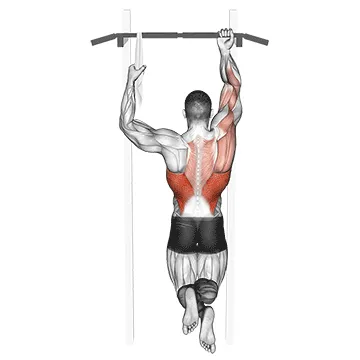
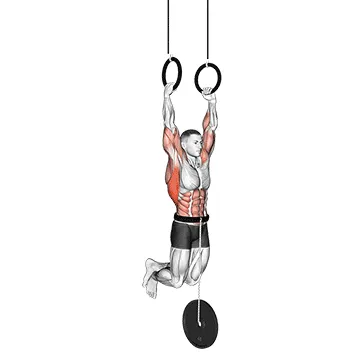
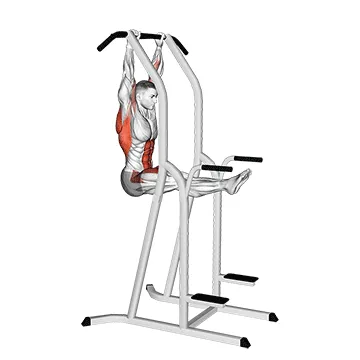
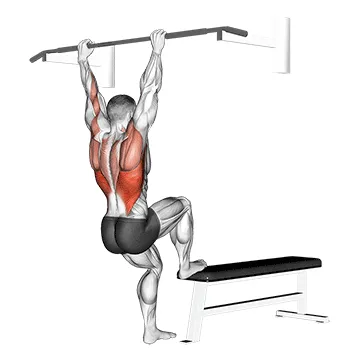
Why You Might Need a One Handed Hang Alternative
You may need alternatives because of weak grip, shoulder irritation, lack of a suitable bar, or programming choices that favor controlled loading. The one-handed hang demands high rotator-cuff stability and strong finger flexors; that creates excessive torque for some athletes. Substitutes let you load the latissimus dorsi without the same passive hanging stress. Choose band-assisted hangs to reduce axial load, single-arm pulldowns to isolate the lat under controlled tension, or horizontal rows to reduce shoulder shear. Cue each rep to start with a scapular depression and then drive the elbow down toward the hip to maximize lat fiber recruitment and minimize upper-trap dominance.
How to Choose the Right One Handed Hang Substitute
Choose a substitute by matching movement pattern, load capacity, and joint tolerance. If your priority is vertical pulling strength, pick single-arm pulldowns or assisted single-arm hangs; maintain scapular control and pull the elbow straight down. If you need lower shoulder stress, pick horizontal rowing variations like single-arm ring rows or DB rows and pull with the elbow toward the hip. Consider grip demands: use neutral handles or straps if finger strength limits you. Progress by increasing range-of-motion, adding load, or reducing assistance while monitoring scapular mechanics and core stiffness.
One Handed Hang FAQ
What muscles does One Handed Hang work?
The one-handed hang primarily targets the latissimus dorsi and teres major while stressing scapular stabilizers and forearm flexors for grip. During a hang, focus on scapular depression and lat tension, pulling the elbow down engages the lats and reduces passive shoulder strain.
What is the best bodyweight alternative to One Handed Hang?
A progressive single-arm ring row is the best bodyweight alternative because it lets you control load and torso angle. Set the rings low, brace your core, retract the scapula, and pull the elbow to the hip to emphasize lat activation while keeping shoulder torque low.
Can I build muscle without doing One Handed Hang?
Yes. You can build the lats with single-arm pulldowns, weighted single-arm rows, ring rows, and towel pull-ups using progressive overload. Focus each rep on full lat contraction, initiate with scapular depression and drive the elbow down and back to maximize mechanical tension.
Find Alternatives for Any Exercise
Search the exercise database and filter the ranked substitutes by the equipment you own.
Similarity scores compare exercise metadata such as movement pattern, muscles, equipment and body position. They are not a safety rating or a check that you own the equipment. Learn about our methodology