

10 Best Band Squat Row Alternatives for Home or Gym
If you can’t perform the Band Squat Row, use exercises that combine hip extension and a horizontal pull. Top swaps include goblet squat with single-arm row, Bulgarian split squat row, single-leg Romanian deadlift to row, barbell hip thrust plus bent-over row, and kettlebell goblet row. Cue: brace your core and hinge at the hips to load the glutes and retract the scapula on the row.
Original Exercise: Band Squat Row
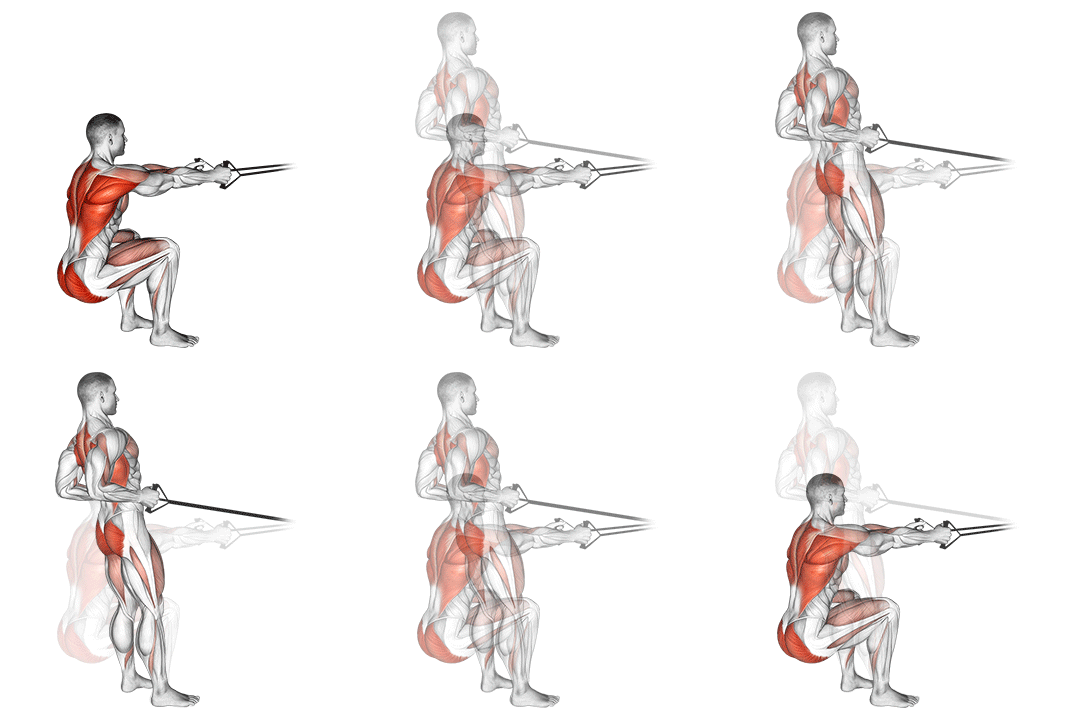
How to Perform Band Squat Row
- Attach the band to a sturdy anchor point at waist height.
- Stand facing the anchor point with your feet shoulder-width apart.
- Hold the band handles with your palms facing each other and your arms extended in front of you.
- Bend your knees and lower into a squat position, keeping your back straight and chest lifted.
- From the squat position, pull the band handles towards your body, squeezing your shoulder blades together.
- Pause for a moment at the top, then slowly release the tension and return to the starting position.
- Repeat for the desired number of repetitions.
Best Band Squat Row Alternatives
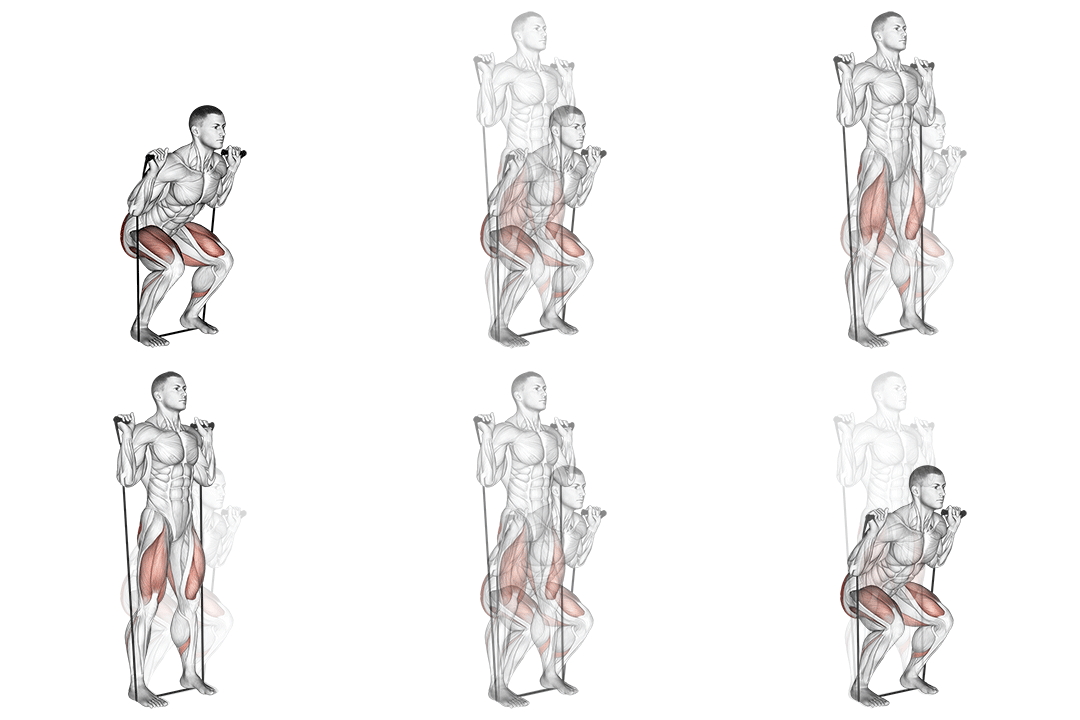
1. Band Squat
98.7% MatchHow to perform this exercise
- Stand with your feet shoulder-width apart, with the band placed just above your knees.
- Keeping your chest up and core engaged, push your hips back and bend your knees to lower into a squat position.
- Make sure your knees are tracking over your toes and your weight is in your heels.
- Pause for a moment at the bottom, then push through your heels to return to the starting position.
- Repeat for the desired number of repetitions.
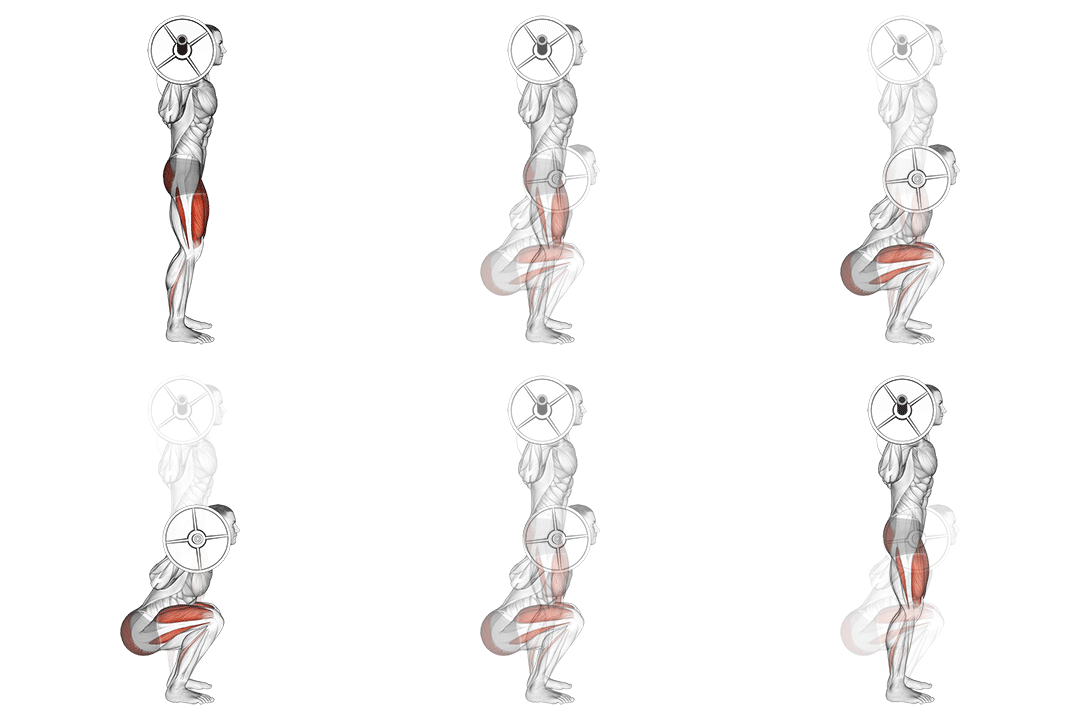
2. Barbell Full Squat (side Pov)
86% MatchHow to perform this exercise
- Stand with your feet shoulder-width apart, toes slightly turned out.
- Hold the barbell across your upper back, resting it on your traps or rear delts.
- Engage your core and keep your chest up as you begin to lower your body down.
- Bend at the knees and hips, pushing your hips back and down as if sitting into a chair.
- Lower your body until your thighs are parallel to the ground or slightly below.
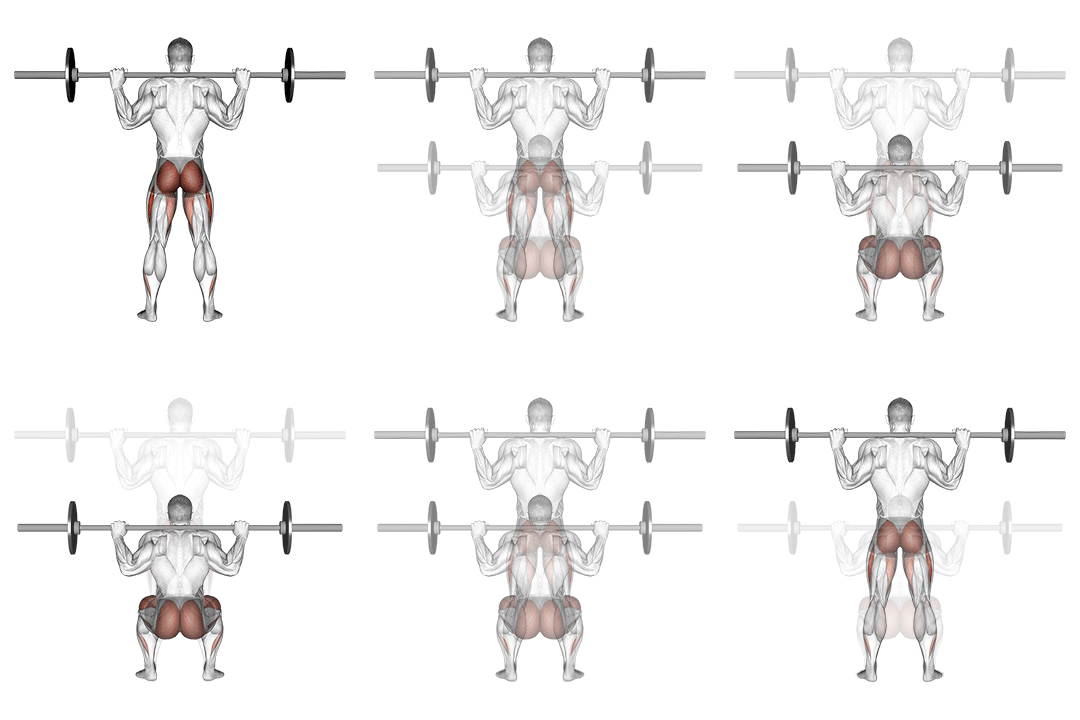
3. Barbell Full Squat (back Pov)
86% MatchHow to perform this exercise
- Stand with your feet shoulder-width apart, toes slightly turned out.
- Hold the barbell across your upper back, resting it on your traps or rear delts.
- Engage your core and keep your chest up as you begin to lower your body down.
- Bend at the knees and hips, pushing your hips back and down as if sitting into a chair.
- Lower your body until your thighs are parallel to the ground or slightly below.
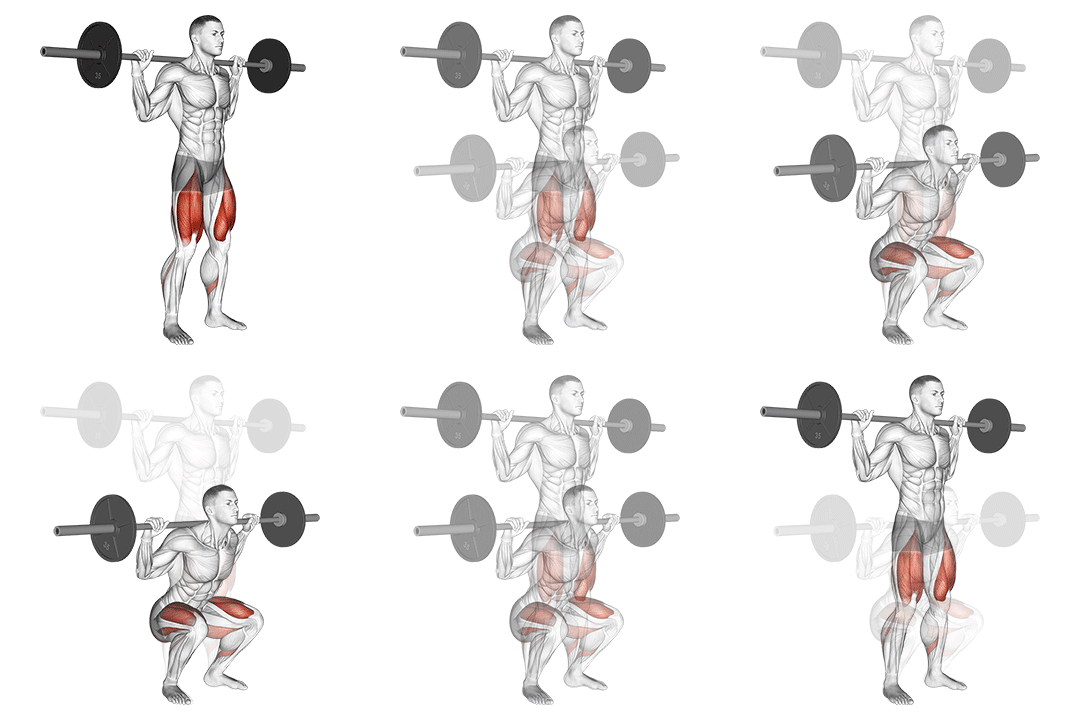
4. Barbell High Bar Squat
86% MatchHow to perform this exercise
- Stand with your feet shoulder-width apart, toes slightly turned out.
- Place the barbell on your upper back, resting it on your traps.
- Engage your core and keep your chest up as you begin to squat down, pushing your hips back and bending your knees.
- Lower yourself until your thighs are parallel to the ground, or as low as you can comfortably go.
- Drive through your heels to stand back up, extending your hips and knees.
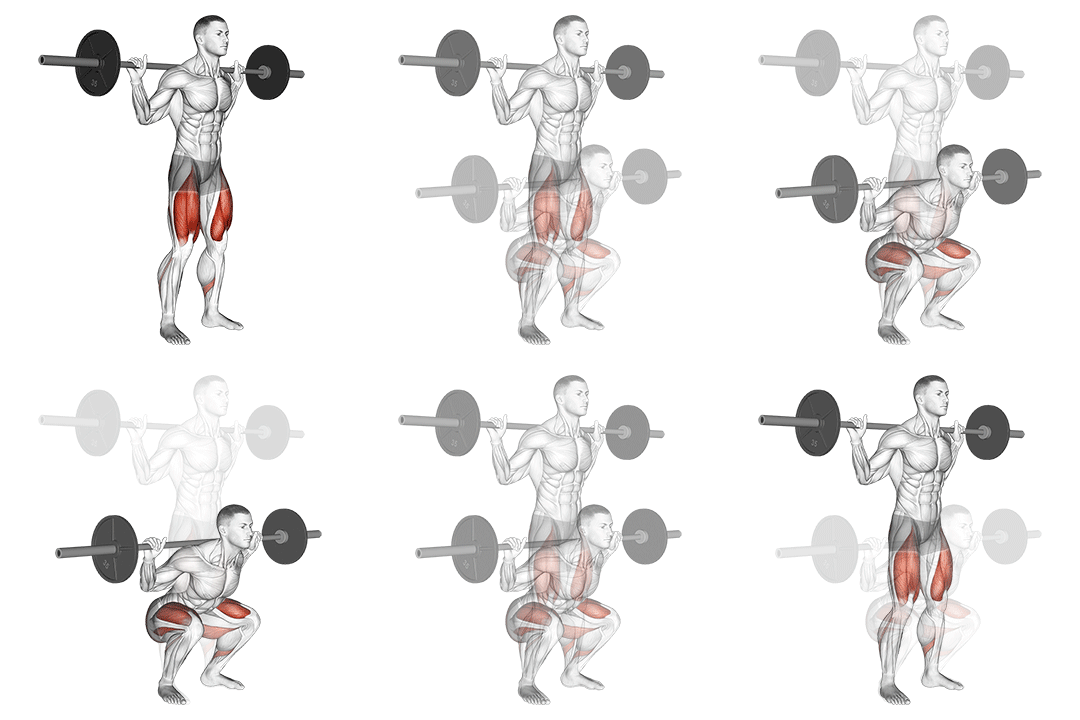
5. Barbell Low Bar Squat
85.4% MatchHow to perform this exercise
- Stand with your feet shoulder-width apart and the barbell resting on your upper back.
- Keeping your chest up and core engaged, slowly lower your body by bending your knees and pushing your hips back.
- Continue lowering until your thighs are parallel to the ground or slightly below.
- Pause for a moment, then push through your heels to return to the starting position.
- Repeat for the desired number of repetitions.
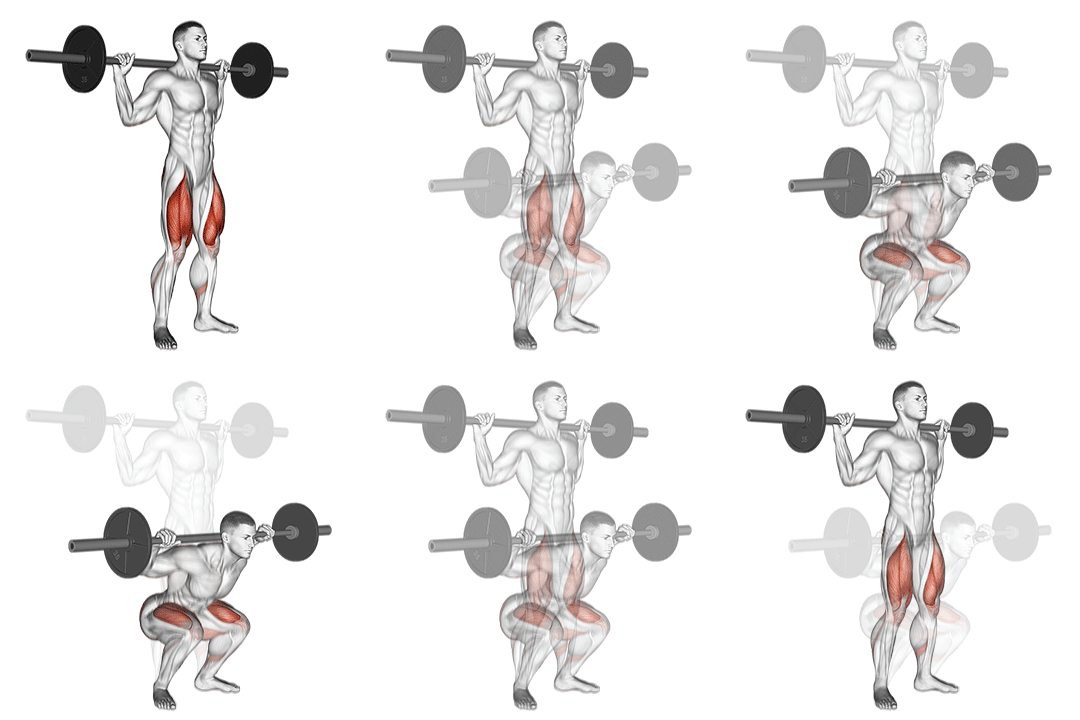
6. Barbell Speed Squat
84.7% MatchHow to perform this exercise
- Stand with your feet shoulder-width apart, toes slightly turned out.
- Hold the barbell across your upper back, resting it on your traps or rear delts.
- Engage your core and keep your chest up as you lower your hips back and down, as if sitting into a chair.
- Lower until your thighs are parallel to the ground, or as low as you can comfortably go.
- Drive through your heels to stand back up, squeezing your glutes at the top.
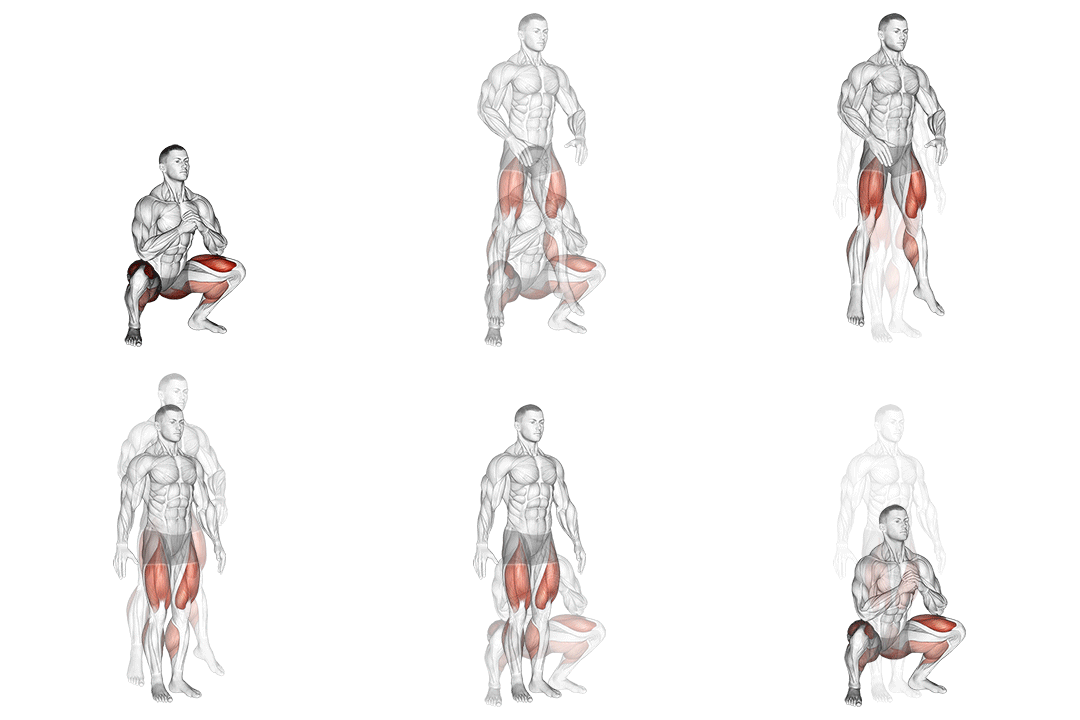
7. Bodyweight Drop Jump Squat
83.9% MatchHow to perform this exercise
- Stand with your feet shoulder-width apart.
- Lower your body into a squat position by bending your knees and pushing your hips back.
- Jump up explosively, extending your hips, knees, and ankles.
- While in mid-air, quickly bring your feet together.
- Land softly on the balls of your feet and immediately drop back into a squat position.
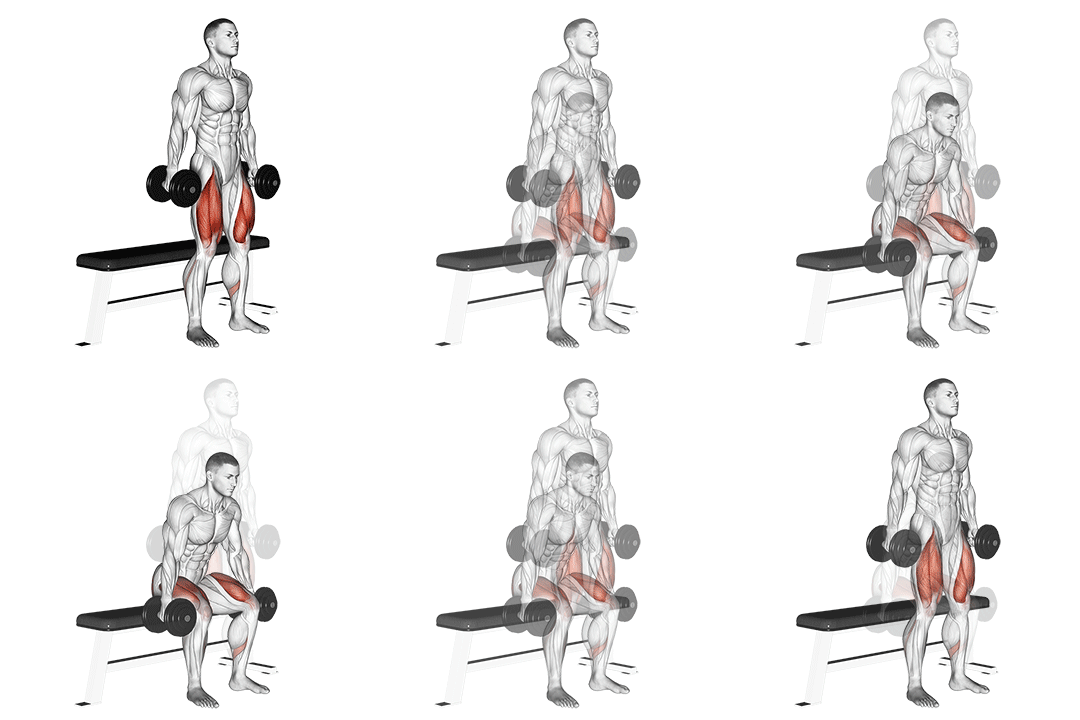
8. Dumbbell Bench Squat
83.7% MatchHow to perform this exercise
- Place a dumbbell on the ground in front of a bench.
- Stand facing away from the bench with your feet shoulder-width apart.
- Bend at the knees and hips to lower yourself down towards the bench, keeping your chest up and back straight.
- Once your glutes touch the bench, push through your heels to stand back up to the starting position.
- Repeat for the desired number of repetitions.
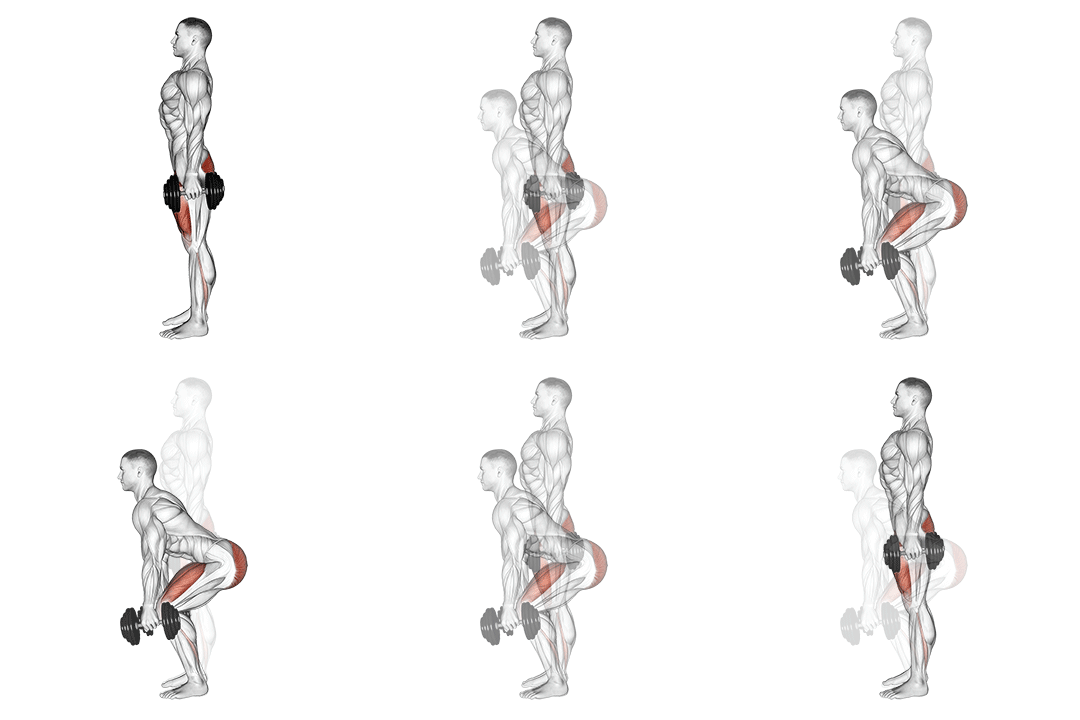
9. Dumbbell Squat
83.7% MatchHow to perform this exercise
- Stand with your feet shoulder-width apart, holding a dumbbell in each hand at your sides.
- Keeping your chest up and core engaged, lower your body down by bending at the knees and hips, as if sitting back into a chair.
- Continue lowering until your thighs are parallel to the ground, or as low as you can comfortably go.
- Pause for a moment at the bottom, then push through your heels to return to the starting position.
- Repeat for the desired number of repetitions.
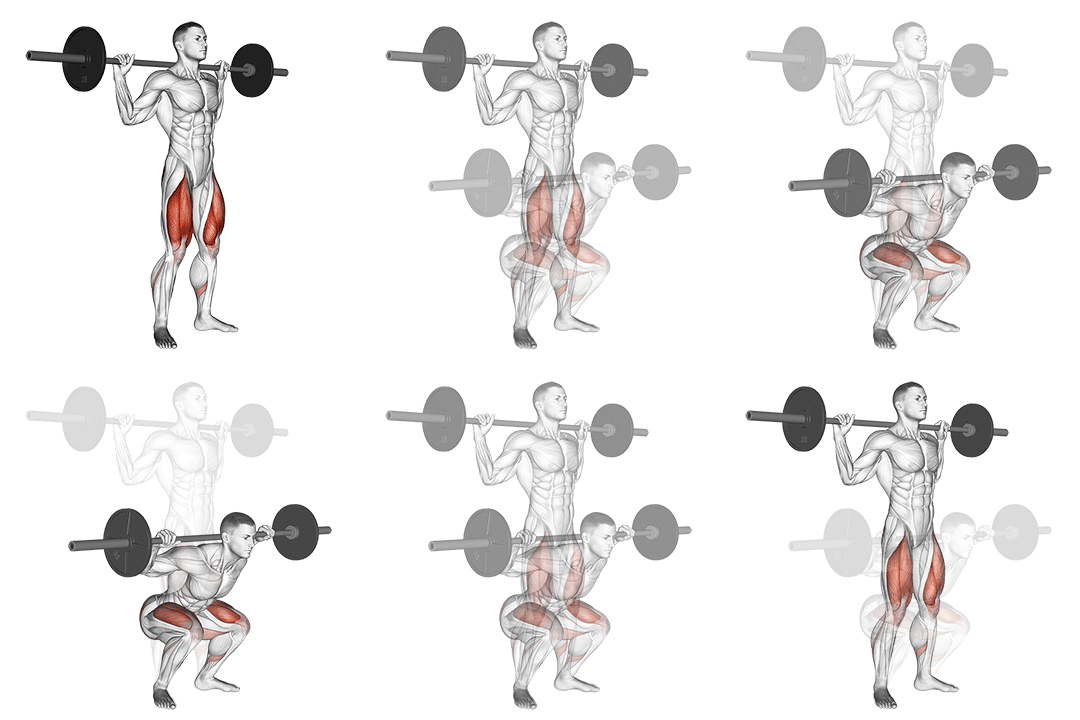
10. Barbell Full Squat
81% MatchHow to perform this exercise
- Stand with your feet shoulder-width apart, toes slightly turned out.
- Hold the barbell across your upper back, resting it on your traps or rear delts.
- Engage your core and keep your chest up as you begin to lower your body down.
- Bend at the knees and hips, pushing your hips back and down as if sitting into a chair.
- Lower yourself until your thighs are parallel to the ground or slightly below.
Why You Might Need a Band Squat Row Alternative
You might substitute the Band Squat Row because of limited band options, shoulder or low-back pain, or a need for heavier progressive overload. Alternatives let you separate the hip-extension and pulling demands so you can load the glutes more effectively or regress the row to protect the shoulder. Use unilateral patterns to fix left-right imbalances and bilateral lifts to build maximal strength. Technique cue: keep a neutral spine, drive through the heels for hip extension, and pull the elbow back to engage lats and rhomboids during the row.
How to Choose the Right Substitute
Pick a substitute based on equipment, goals, and movement pattern match. If you train at home with one weight, choose goblet squat + single-arm row to preserve the squat-row torque; cue chest up and drive hips forward to emphasize glutes. For pure glute emphasis choose hip thrusts paired with a bent-over row and focus on full hip extension and posterior chain tension. If you need balance work, use single-leg RDL + single-arm row to train hip hinge mechanics and core stability. Prioritize exercises that replicate hip extension and horizontal pulling to maintain similar muscle activation.
Frequently Asked Questions
What muscles does Band Squat Row work?
The Band Squat Row combines hip extension and horizontal pulling, targeting the glutes, quads, hamstrings, lats, and rhomboids. You generate force through the hips while the row requires scapular retraction and elbow extension to load the posterior shoulder and upper back.
What is the best bodyweight alternative to Band Squat Row?
A bodyweight-friendly option is split-squat bodyweight rows using a suspension trainer or table row plus reverse lunges. Cue a straight torso, push through the front heel on the lunge to activate the glute, and pull the shoulder blades together on each row to engage the back.
Can I build muscle without doing Band Squat Row?
Yes. You can build glute and upper-leg muscle with other compound patterns that provide progressive overload, like hip thrusts, Bulgarian split squats, and loaded rows. Focus on full range of motion, controlled tempo, and increasing resistance or reps to drive hypertrophy while cueing hip drive and scapular retraction.
More Exercise Alternatives
Find Alternatives for Any Exercise
Use our free tool to discover the best substitute exercises based on your available equipment and goals.
Try the Exercise Substitution Finder →