

10 Best Barbell Full Squat Alternatives for When You Can't Squat
The Barbell Full Squat is done standing with a barbell. Ranked closest by our scoring: the Barbell Hack Squat, the Barbell Narrow Stance Squat and the Barbell Full Squat. Four harder versions, among them the Barbell Jefferson Squat and the Barbell Jump Squat, are listed below as progressions rather than swaps.
Updated Ranked by our 12-factor similarity model How it works
Original Exercise: Barbell Full Squat
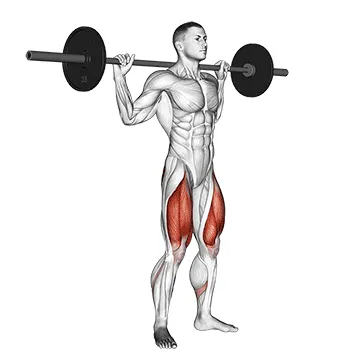
- Primary muscle
- Glutes
- Equipment
- Barbell
- Difficulty
- Intermediate
- Type
- Compound
Secondary muscles: Quadriceps, Hamstrings, Calves, Core
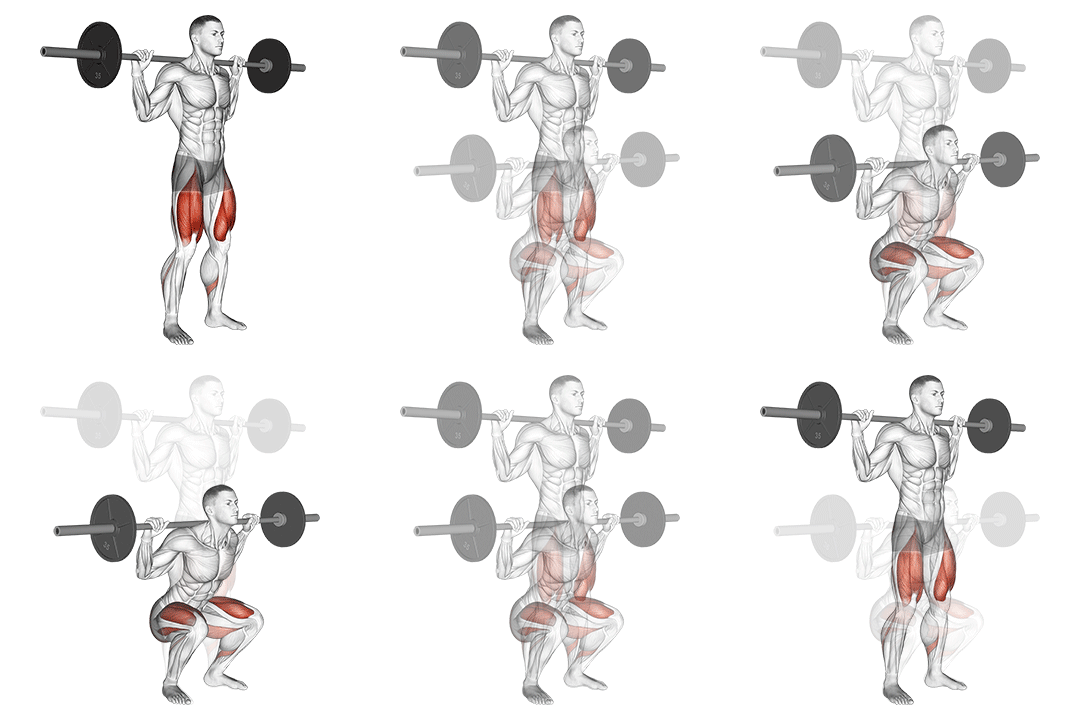
How to perform Barbell Full Squat
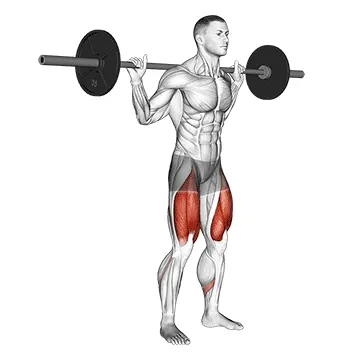
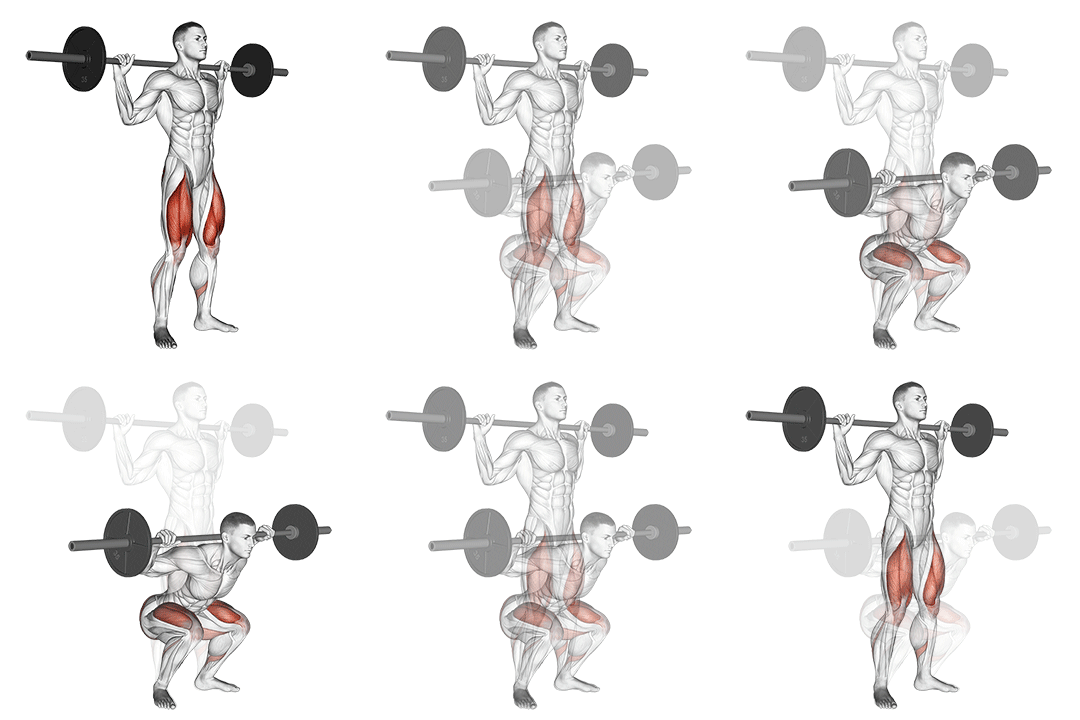
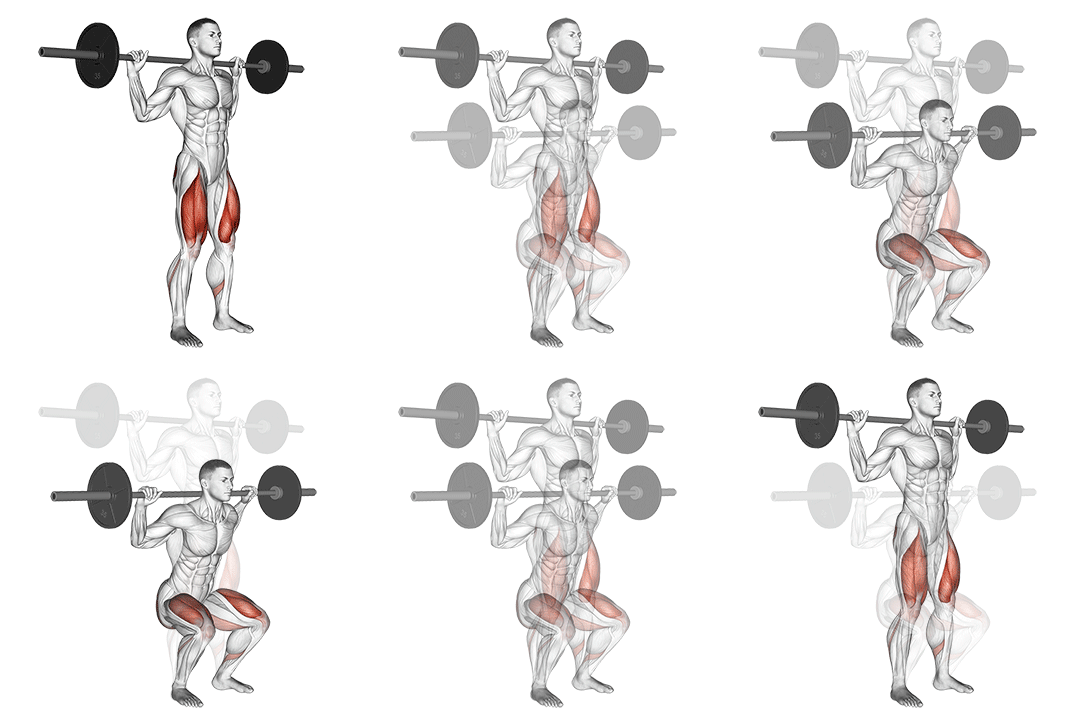
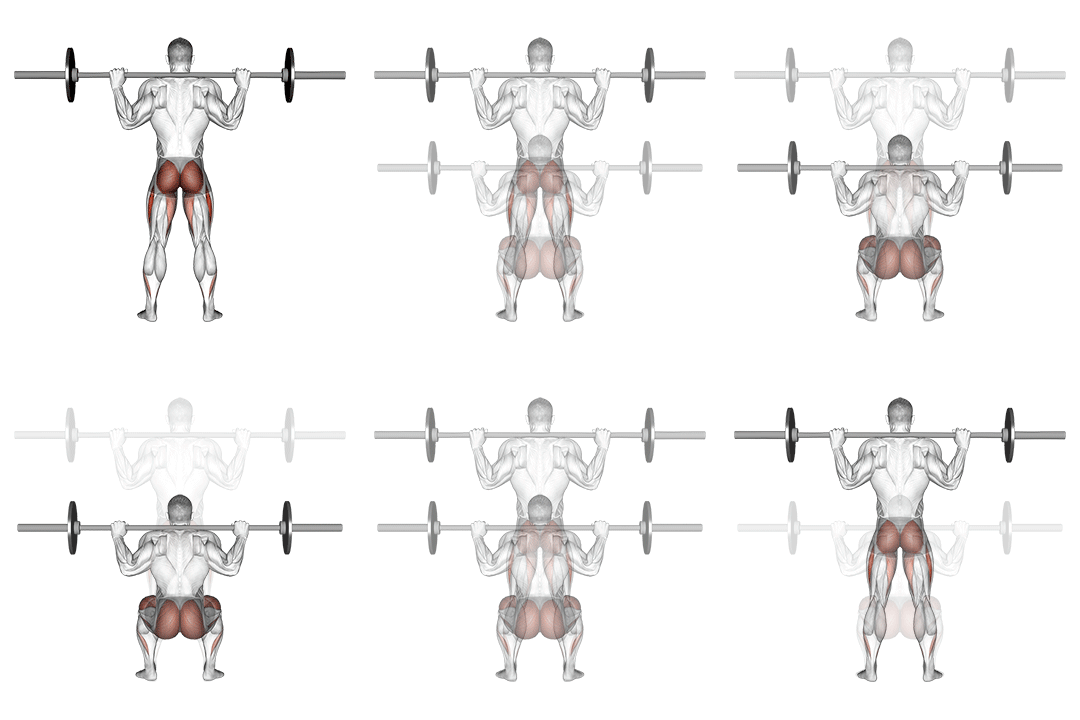
- Stand with your feet shoulder-width apart, toes slightly turned out.
- Hold the barbell across your upper back, resting it on your traps or rear delts.
- Engage your core and keep your chest up as you begin to lower your body down.
- Bend at the knees and hips, pushing your hips back and down as if sitting into a chair.
- Lower yourself until your thighs are parallel to the ground or slightly below.
- Keep your knees in line with your toes and your weight in your heels.
- Drive through your heels to stand back up, extending your hips and knees.
- Repeat for the desired number of repetitions.
Ranked Barbell Full Squat Alternatives
10 substitutes, ranked by how closely each one matches the Barbell Full Squat on movement pattern, muscles worked, equipment and body position. The higher the score, the less you change. Open "How to perform this exercise" on a card for the steps; every card title links to that exercise's own alternatives page. Harder versions are tagged as progressions and kept out of the top spot even when they score higher.
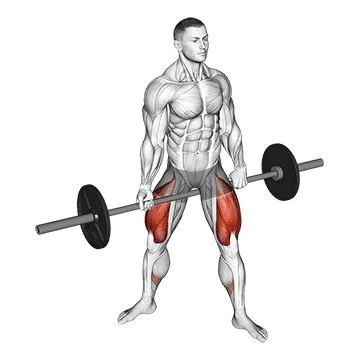
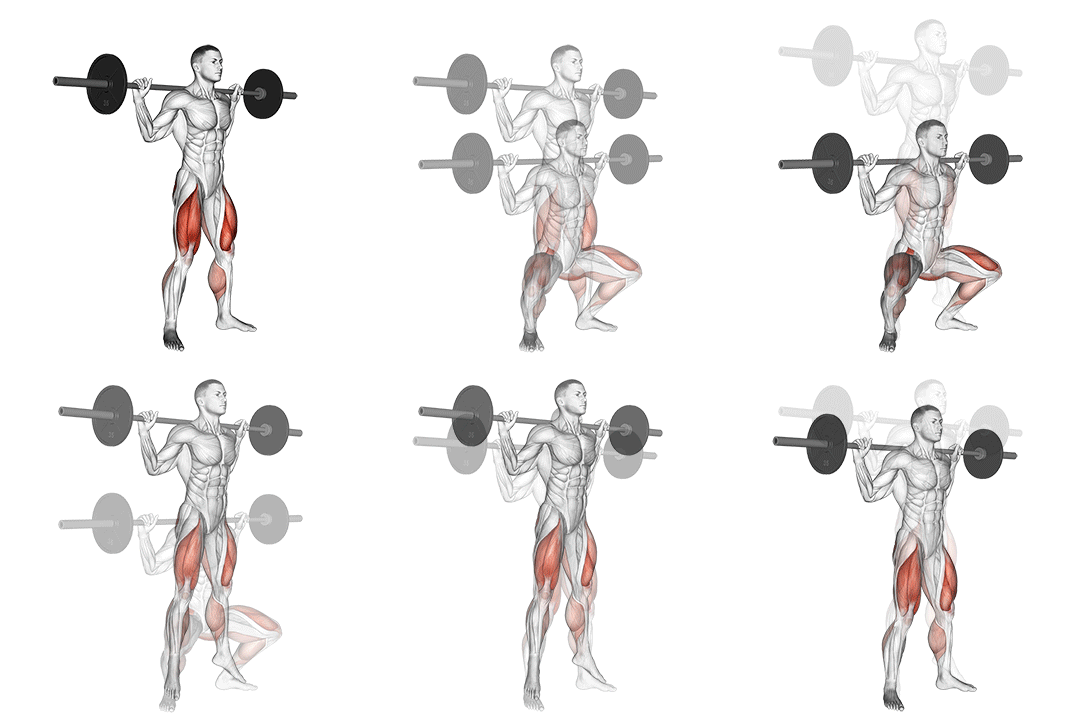
Best match 1. Barbell Hack Squat
99% match- Glutes
- Barbell
- Intermediate
- Compound
It uses the same equipment and still works the glutes.
How to perform this exercise
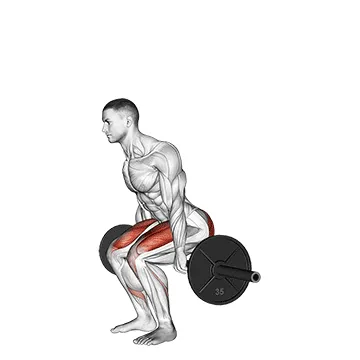
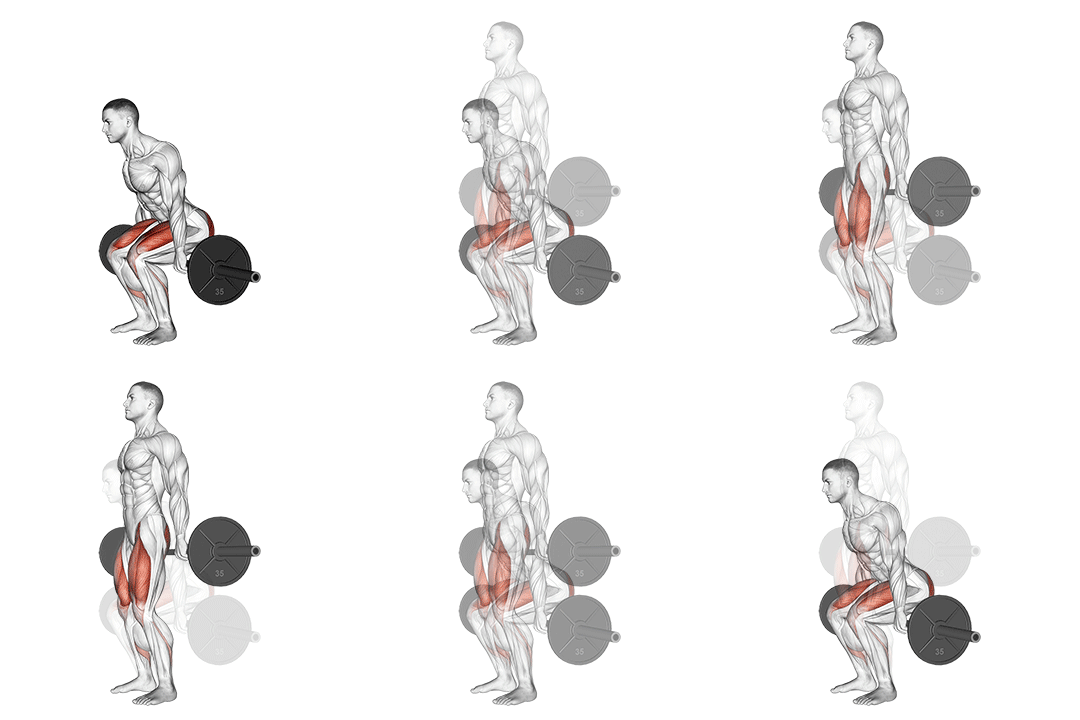
- Start by standing with your feet shoulder-width apart and your toes slightly turned out.
- Hold the barbell behind your legs, resting it on your upper thighs.
- Lower your body by bending at the knees and hips, keeping your back straight and your chest up.
- Continue lowering until your thighs are parallel to the ground, or as low as you can comfortably go.
- Pause for a moment, then push through your heels to return to the starting position.
- Repeat for the desired number of repetitions.
Sets and reps: 3 to 5 sets of 5 to 8 reps.
Why this matches
- Movement: two-legged squat, the same as the Barbell Full Squat
- Primary muscle: glutes, the same as the Barbell Full Squat
- Equipment: free weights, the same as the Barbell Full Squat
- Body position: standing, the same as the Barbell Full Squat
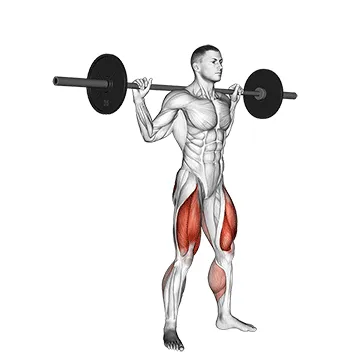
2. Barbell Narrow Stance Squat
99% match- Glutes
- Barbell
- Intermediate
- Compound
Pick this when you want an easier version that still works the glutes.
How to perform this exercise
- Stand with your feet shoulder-width apart and toes pointing slightly outward.
- Hold the barbell across your upper back, resting it on your traps or rear delts.
- Engage your core and keep your chest up as you slowly lower your body by bending your knees and pushing your hips back.
- Continue lowering until your thighs are parallel to the ground or slightly below.
- Pause for a moment, then push through your heels to return to the starting position.
- Repeat for the desired number of repetitions.
Sets and reps: 3 or 4 sets of 6 to 10 reps.
Why this matches
- Movement: two-legged squat, the same as the Barbell Full Squat
- Primary muscle: glutes, the same as the Barbell Full Squat
- Equipment: free weights, the same as the Barbell Full Squat
- Body position: standing, the same as the Barbell Full Squat
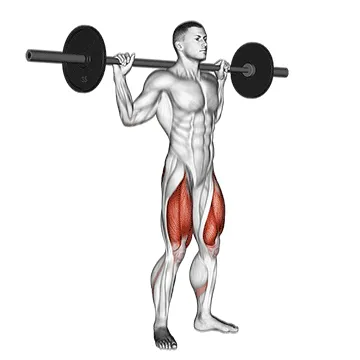
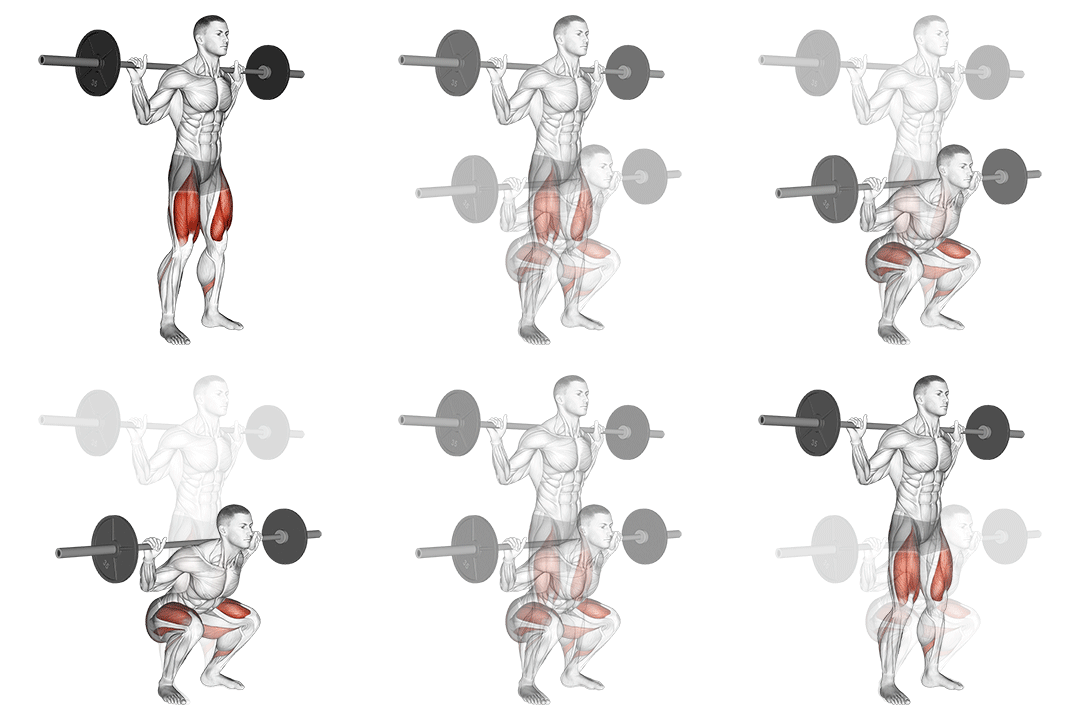
3. Barbell Full Squat
95% match- Glutes
- Barbell
- Intermediate
- Compound
How to perform this exercise
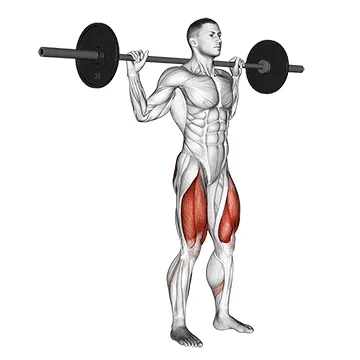
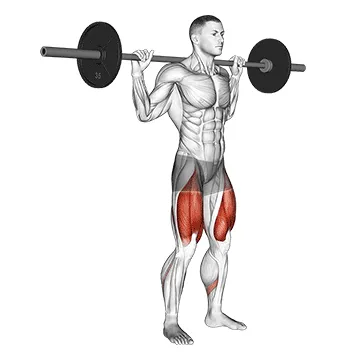
- Stand with your feet shoulder-width apart, toes slightly turned out.
- Hold the barbell across your upper back, resting it on your traps or rear delts.
- Engage your core and keep your chest up as you begin to lower your body down.
- Bend at the knees and hips, pushing your hips back and down as if sitting into a chair.
- Lower your body until your thighs are parallel to the ground or slightly below.
- Keep your knees in line with your toes and your weight in your heels.
- Drive through your heels to stand back up, extending your hips and knees.
- Repeat for the desired number of repetitions.
Sets and reps: 3 or 4 sets of 6 to 10 reps.
Why this matches
- Movement: two-legged squat, the same as the Barbell Full Squat
- Primary muscle: glutes, the same as the Barbell Full Squat
- Equipment: free weights, the same as the Barbell Full Squat
- Body position: standing, the same as the Barbell Full Squat
Progression
4. Barbell Jefferson Squat
95% match- Glutes
- Barbell
- Advanced
- Compound
Pick this when you want a harder version that still works the glutes.
How to perform this exercise
- Stand with your feet shoulder-width apart and toes slightly turned out.
- Hold the barbell with an overhand grip, resting it on the front of your body, just below your waist.
- Step your left foot forward and your right foot back, keeping your feet shoulder-width apart.
- Bend your knees and lower your body down into a squat position, keeping your back straight and chest up.
- Push through your heels to stand back up to the starting position.
- Repeat the movement, alternating your forward and back foot with each repetition.
Sets and reps: 3 to 5 sets of 5 to 8 reps.
Why this matches
- Movement: two-legged squat, the same as the Barbell Full Squat
- Primary muscle: glutes, the same as the Barbell Full Squat
- Equipment: free weights, the same as the Barbell Full Squat
- Body position: standing, the same as the Barbell Full Squat
Progression
5. Barbell Jump Squat
95% match- Glutes
- Barbell
- Advanced
- Compound
How to perform this exercise
- Start by standing with your feet shoulder-width apart, holding a barbell across your upper back.
- Lower your body into a squat position by bending your knees and pushing your hips back.
- Once you reach the bottom of the squat, explode upwards by jumping off the ground.
- As you jump, extend your hips, knees, and ankles, pushing through your toes.
- Land softly back into the squat position and immediately repeat the movement for the desired number of repetitions.
Sets and reps: 3 to 5 sets of 5 to 8 reps.
Why this matches
- Movement: two-legged squat, the same as the Barbell Full Squat
- Primary muscle: glutes, the same as the Barbell Full Squat
- Equipment: free weights, the same as the Barbell Full Squat
- Body position: standing, the same as the Barbell Full Squat
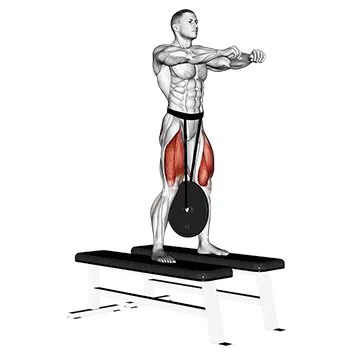
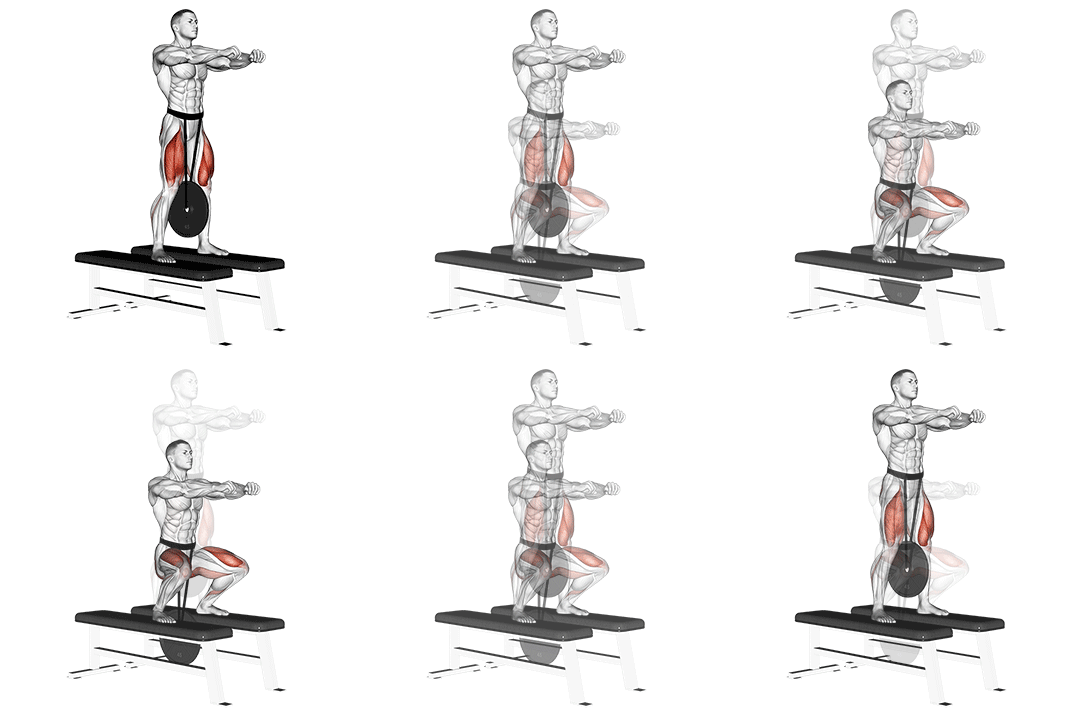
6. Weighted Squat
94% match- Glutes
- Weighted
- Intermediate
- Compound
A straight swap when you want to keep working the glutes.
How to perform this exercise
- Stand with your feet shoulder-width apart, toes pointing slightly outward.
- Hold a weight in front of your chest or on your shoulders.
- Engage your core and keep your chest up as you lower your hips down and back, as if sitting into a chair.
- Lower until your thighs are parallel to the ground, or as low as you can comfortably go.
- Push through your heels to stand back up, squeezing your glutes at the top.
- Repeat for the desired number of repetitions.
Sets and reps: 3 or 4 sets of 6 to 10 reps.
Why this matches
- Movement: two-legged squat, the same as the Barbell Full Squat
- Primary muscle: glutes, the same as the Barbell Full Squat
- Equipment: free weights, the same as the Barbell Full Squat
- Body position: standing, the same as the Barbell Full Squat
7. Barbell Speed Squat
94% match- Glutes
- Barbell
- Intermediate
- Compound
How to perform this exercise
- Stand with your feet shoulder-width apart, toes slightly turned out.
- Hold the barbell across your upper back, resting it on your traps or rear delts.
- Engage your core and keep your chest up as you lower your hips back and down, as if sitting into a chair.
- Lower until your thighs are parallel to the ground, or as low as you can comfortably go.
- Drive through your heels to stand back up, squeezing your glutes at the top.
- Repeat for the desired number of repetitions.
Sets and reps: 3 to 5 sets of 5 to 8 reps.
Why this matches
- Movement: two-legged squat, the same as the Barbell Full Squat
- Primary muscle: glutes, the same as the Barbell Full Squat
- Equipment: free weights, the same as the Barbell Full Squat
- Body position: standing, the same as the Barbell Full Squat
Progression
8. Barbell Low Bar Squat
92% match- Glutes
- Barbell
- Advanced
- Compound
How to perform this exercise
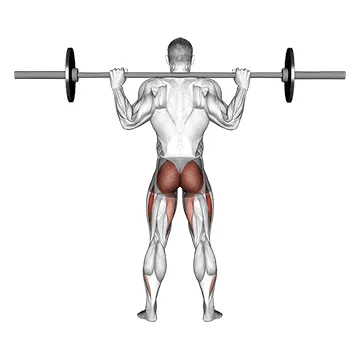
- Stand with your feet shoulder-width apart and the barbell resting on your upper back.
- Keeping your chest up and core engaged, slowly lower your body by bending your knees and pushing your hips back.
- Continue lowering until your thighs are parallel to the ground or slightly below.
- Pause for a moment, then push through your heels to return to the starting position.
- Repeat for the desired number of repetitions.
Sets and reps: 3 to 5 sets of 5 to 8 reps.
Why this matches
- Movement: two-legged squat, the same as the Barbell Full Squat
- Primary muscle: glutes, the same as the Barbell Full Squat
- Equipment: free weights, the same as the Barbell Full Squat
- Body position: standing, the same as the Barbell Full Squat
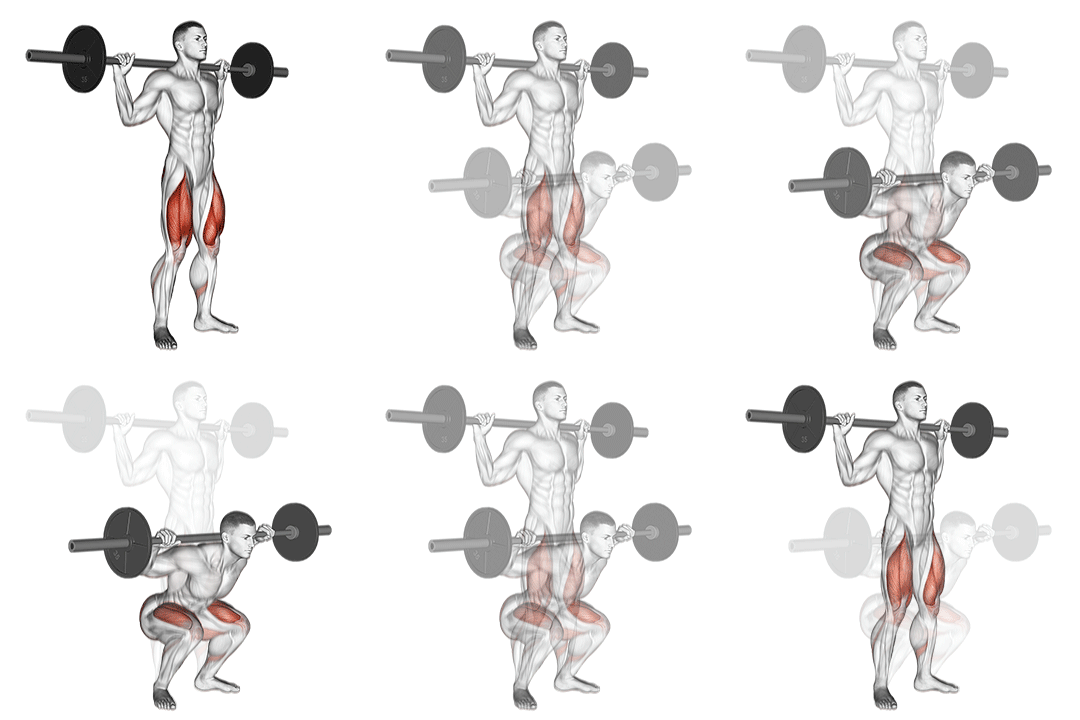
9. Barbell High Bar Squat
91% match- Glutes
- Barbell
- Intermediate
- Compound
How to perform this exercise
- Stand with your feet shoulder-width apart, toes slightly turned out.
- Place the barbell on your upper back, resting it on your traps.
- Engage your core and keep your chest up as you begin to squat down, pushing your hips back and bending your knees.
- Lower yourself until your thighs are parallel to the ground, or as low as you can comfortably go.
- Drive through your heels to stand back up, extending your hips and knees.
- Repeat for the desired number of repetitions.
Sets and reps: 3 or 4 sets of 6 to 10 reps.
Why this matches
- Movement: two-legged squat, the same as the Barbell Full Squat
- Primary muscle: glutes, the same as the Barbell Full Squat
- Equipment: free weights, the same as the Barbell Full Squat
- Body position: standing, the same as the Barbell Full Squat
Progression
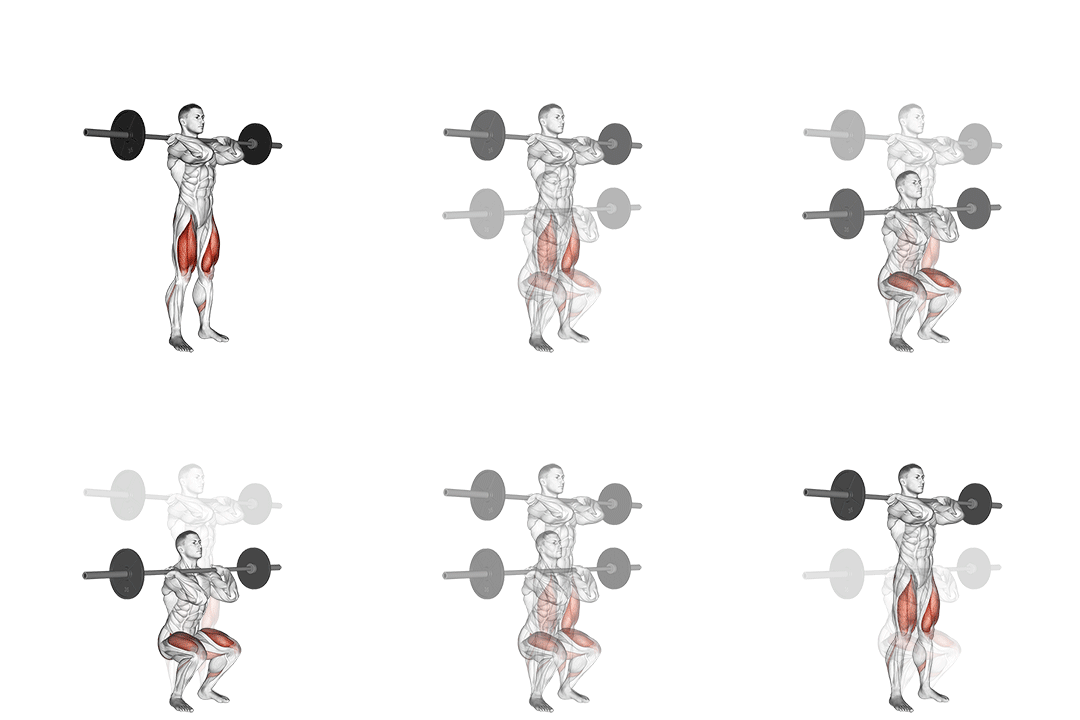
10. Barbell Clean-grip Front Squat
89% match- Glutes
- Barbell
- Advanced
- Compound
How to perform this exercise
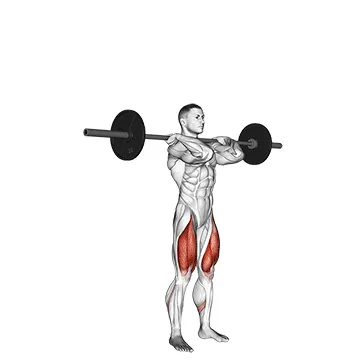
- Start by standing with your feet shoulder-width apart and the barbell resting on your upper chest, with your elbows pointing forward.
- Lower your body by bending your knees and pushing your hips back, as if you are sitting back into a chair.
- Keep your chest up and your back straight as you lower down, making sure your knees do not go past your toes.
- Continue lowering until your thighs are parallel to the ground, or as low as you can comfortably go.
- Pause for a moment at the bottom, then push through your heels to stand back up, extending your hips and knees.
- Repeat for the desired number of repetitions.
Sets and reps: 3 to 5 sets of 5 to 8 reps.
Why this matches
- Primary muscle: glutes, the same as the Barbell Full Squat
- Equipment: free weights, the same as the Barbell Full Squat
- Body position: standing, the same as the Barbell Full Squat
Why You Might Need a Barbell Full Squat Alternative
You might substitute the Barbell Full Squat for several valid reasons: pain or joint irritation, limited mobility, lack of a squat rack, or coaching and safety concerns. Injuries to the lower back, knees, or shoulders often require removing spinal compression or bar placement. Equipment constraints (no barbell or rack) force you to choose dumbbell, kettlebell, or machine options. Personal preferences such as wanting more unilateral work or minimizing knee torque also drive substitutions. Each alternative preserves the primary movement pattern, hip and knee extension, while shifting load distribution and muscle activation to accommodate your limitations and goals.
Barbell Full Squat FAQ
What muscles does Barbell Full Squat work?
The barbell full squat primarily targets the glutes, quadriceps, and hamstrings through coordinated hip and knee extension. It also engages the erector spinae, core, and adductors for trunk stability and load control.
What is the best bodyweight alternative to Barbell Full Squat?
The Bulgarian split squat is the best scalable bodyweight alternative because it replicates hip and knee extension while increasing glute activation and reducing spinal load. You can progress by adding reps, tempo changes, or elevating the rear foot to increase intensity.
Work Up or Down From This Exercise
Easier progressions
Find Alternatives for Any Exercise
Search the exercise database and filter the ranked substitutes by the equipment you own.
Similarity scores compare exercise metadata such as movement pattern, muscles, equipment and body position. They are not a safety rating or a check that you own the equipment. Learn about our methodology