

10 Best Band Standing Crunch Alternatives for Limited Equipment
If you can’t do the Band Standing Crunch, use five effective swaps: cable woodchop, Pallof press, hanging knee raise, dead bug, and landmine twist. Each preserves core tension and trains rectus abdominis and obliques; brace your abs, exhale on the concentric, and avoid excessive lumbar flexion to protect the spine.
Original Exercise: Band Standing Crunch
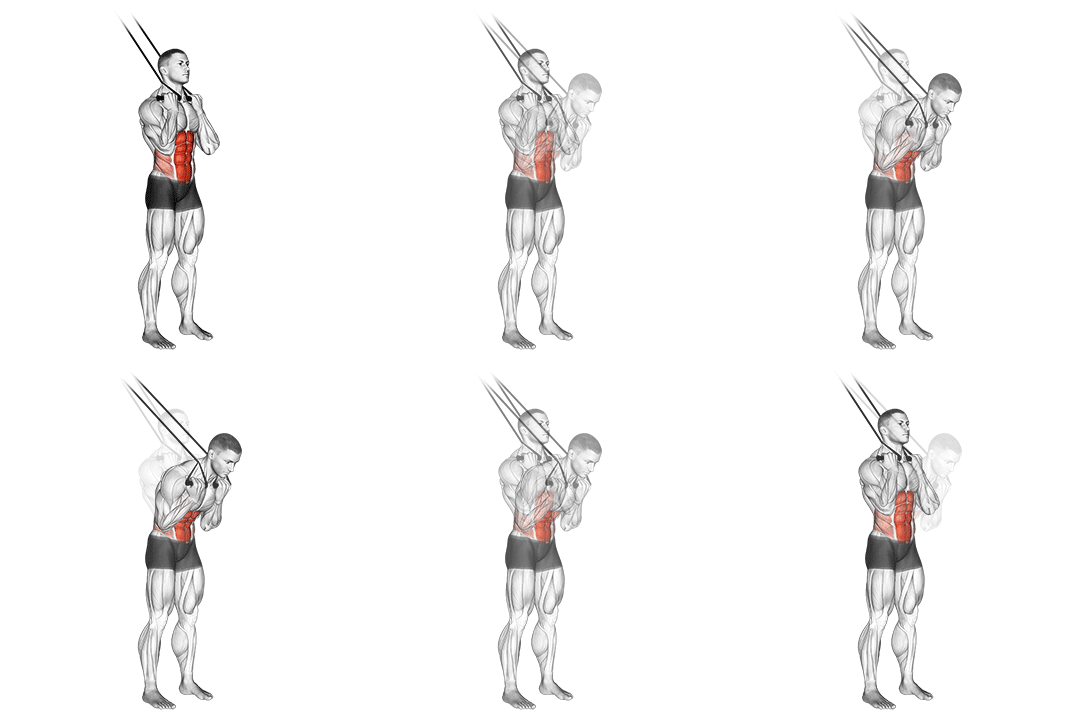
How to Perform Band Standing Crunch
- Attach the band to a sturdy anchor point at waist height.
- Stand facing away from the anchor point with your feet shoulder-width apart.
- Hold the band with both hands and bring it up to your chest, keeping your elbows bent and close to your body.
- Engage your abs and slowly crunch forward, bringing your chest towards your knees.
- Pause for a moment at the top of the crunch, then slowly return to the starting position.
- Repeat for the desired number of repetitions.
Best Band Standing Crunch Alternatives
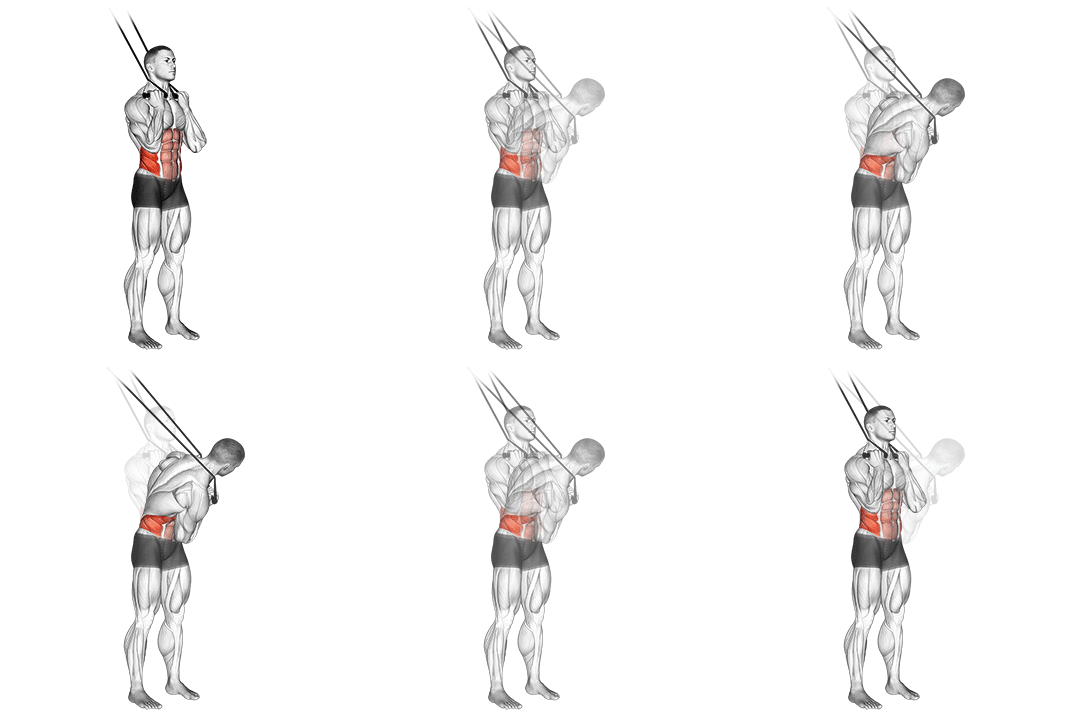
1. Band Standing Twisting Crunch
95% MatchHow to perform this exercise
- Stand with your feet shoulder-width apart and place the band around your upper back, crossing it in front of your chest.
- Hold the ends of the band with your hands, keeping your elbows bent and close to your sides.
- Engage your abs and twist your torso to one side, bringing your elbow towards the opposite knee.
- Pause for a moment, then return to the starting position.
- Repeat on the other side.
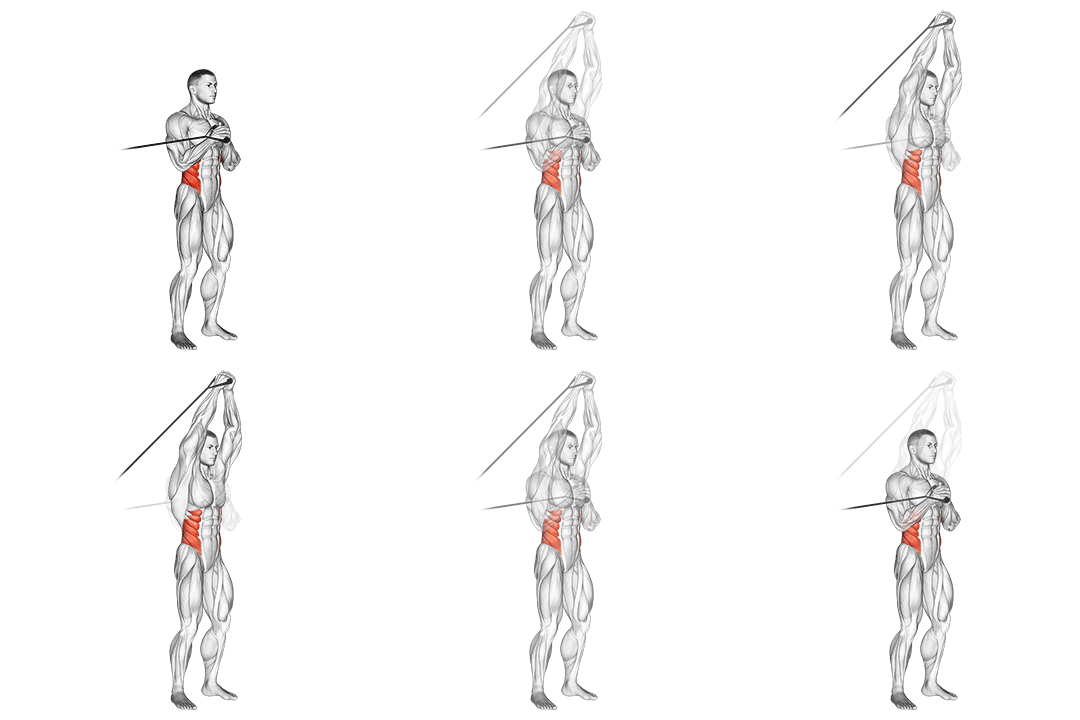
2. Band Vertical Pallof Press
89.7% MatchHow to perform this exercise
- Stand with your feet shoulder-width apart and wrap the band around a sturdy object at chest height.
- Hold the band with both hands and step away from the anchor point, creating tension in the band.
- Position yourself perpendicular to the anchor point, with your side facing the band.
- Extend your arms straight out in front of you, keeping your hands at chest height.
- Engage your core and press the band away from your chest, fully extending your arms.
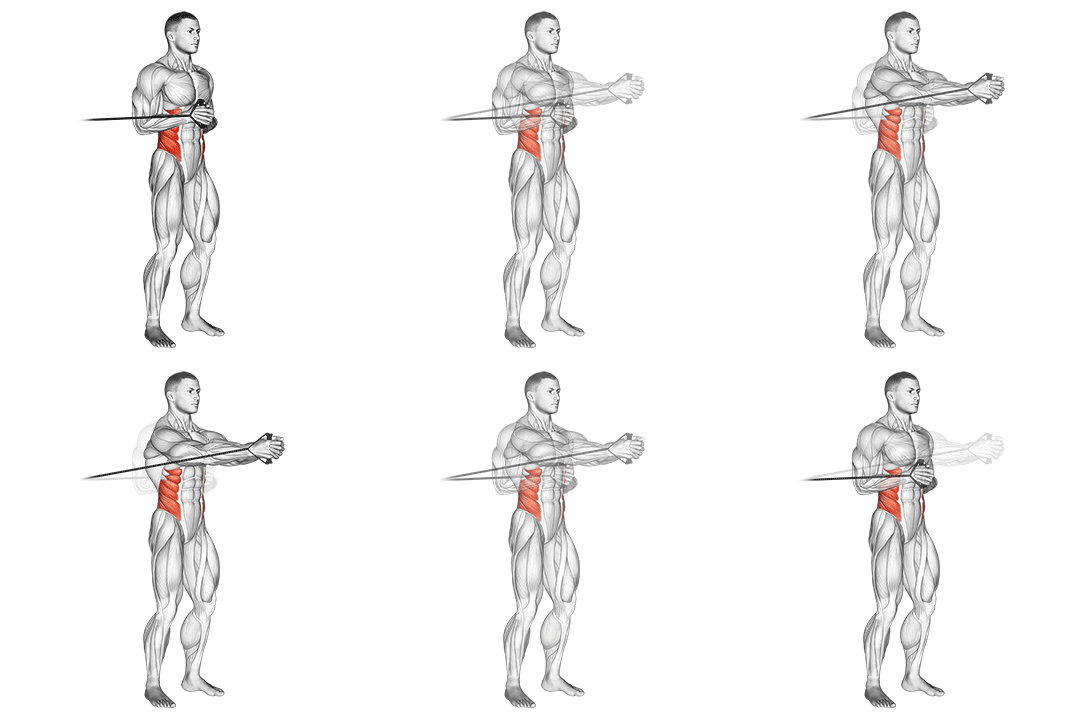
3. Band Horizontal Pallof Press
89.7% MatchHow to perform this exercise
- Attach the band to a sturdy anchor point at waist height.
- Stand perpendicular to the anchor point with your feet shoulder-width apart.
- Grasp the band handle with both hands and step away from the anchor point to create tension in the band.
- Bring your hands to your chest, keeping your elbows bent and close to your body.
- Engage your core and maintain a stable stance.
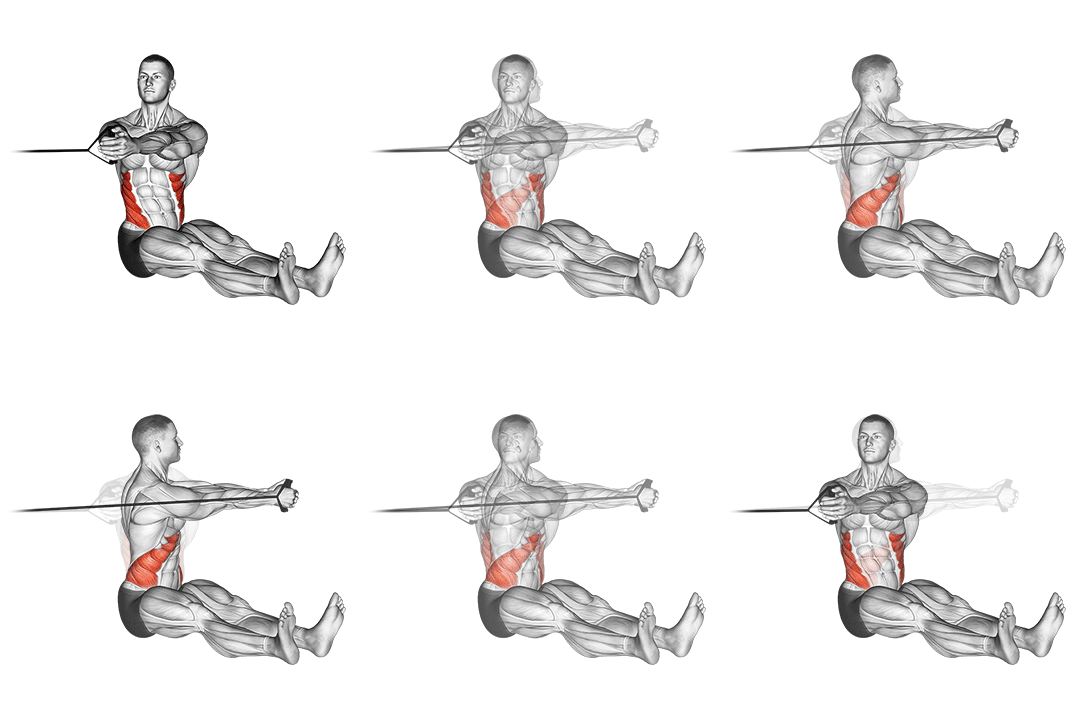
4. Band Seated Twist
84.9% MatchHow to perform this exercise
- Sit on the ground with your legs extended in front of you and your back straight.
- Wrap the band around your waist and hold the ends with both hands.
- Engage your abs and slowly twist your torso to one side, keeping your back straight and your feet on the ground.
- Pause for a moment at the end of the twist, then slowly return to the starting position.
- Repeat the twist to the other side.
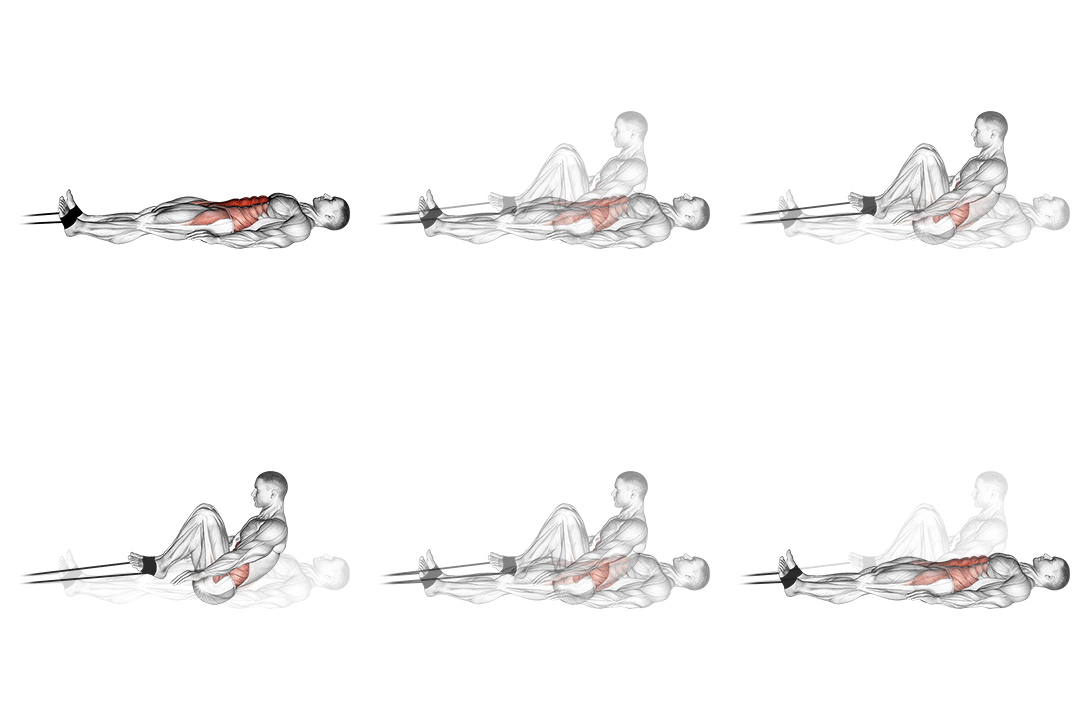
5. Band Jack Knife Sit-up
80.7% MatchHow to perform this exercise
- Lie flat on your back with your legs straight and your arms extended overhead, holding the band.
- Engage your abs and lift your legs and upper body simultaneously, bringing your hands towards your feet.
- Pause for a moment at the top, then slowly lower your legs and upper body back down to the starting position.
- Repeat for the desired number of repetitions.
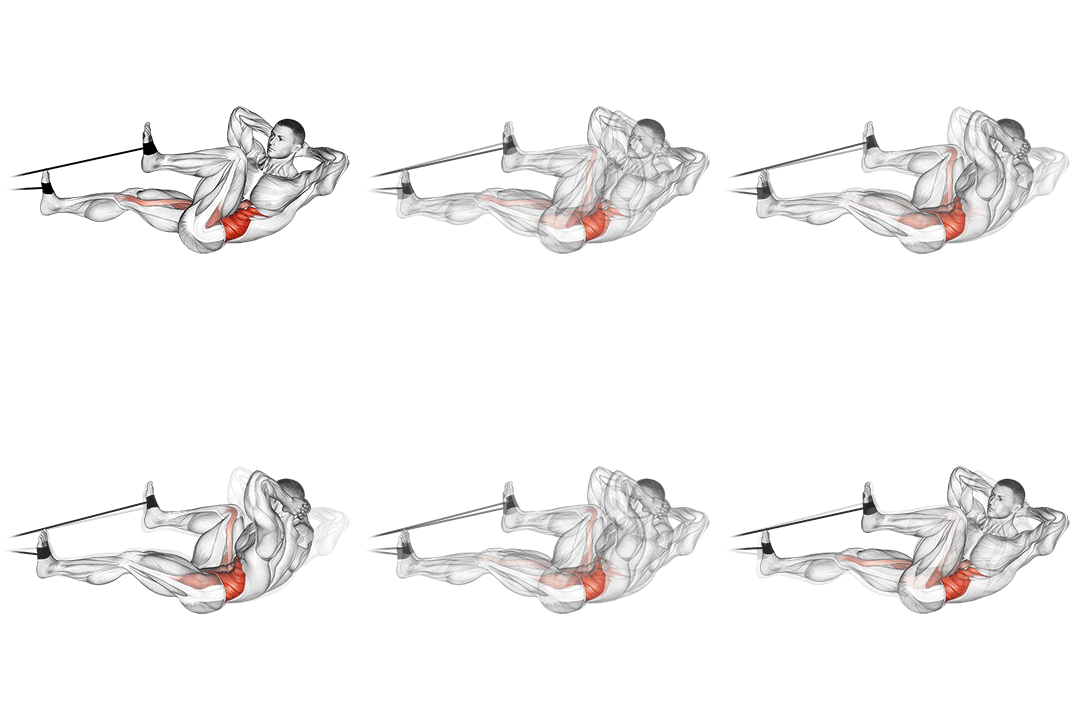
6. Band Bicycle Crunch
79.2% MatchHow to perform this exercise
- Lie flat on your back with your hands behind your head and your knees bent.
- Lift your feet off the ground and bring your right knee towards your chest while simultaneously twisting your torso to bring your left elbow towards your right knee.
- Straighten your right leg while bringing your left knee towards your chest and twisting your torso to bring your right elbow towards your left knee.
- Continue alternating the twisting motion, as if you are pedaling a bicycle, while keeping your core engaged throughout the movement.
- Repeat for the desired number of repetitions.
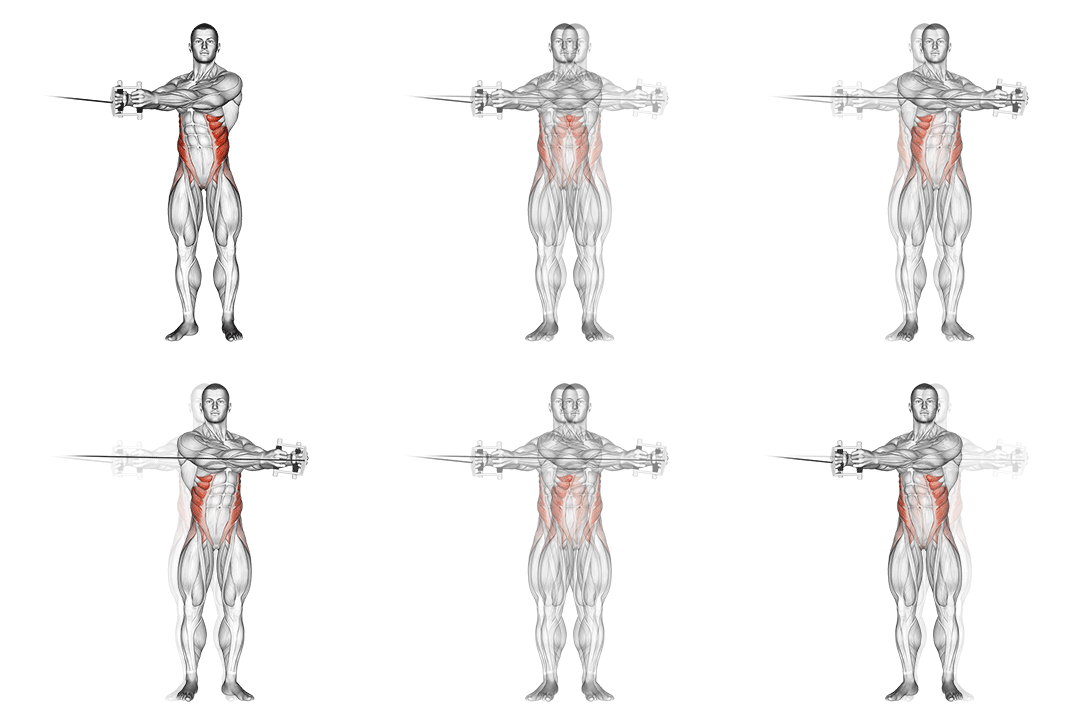
7. Cable Twist
76.2% MatchHow to perform this exercise
- Stand with your feet shoulder-width apart, facing the cable machine.
- Hold the cable handle with both hands in front of your chest, keeping your arms slightly bent.
- Engage your core and twist your torso to the right, pulling the cable across your body.
- Pause for a moment at the end of the movement, feeling the contraction in your abs and obliques.
- Slowly return to the starting position, resisting the cable's pull.
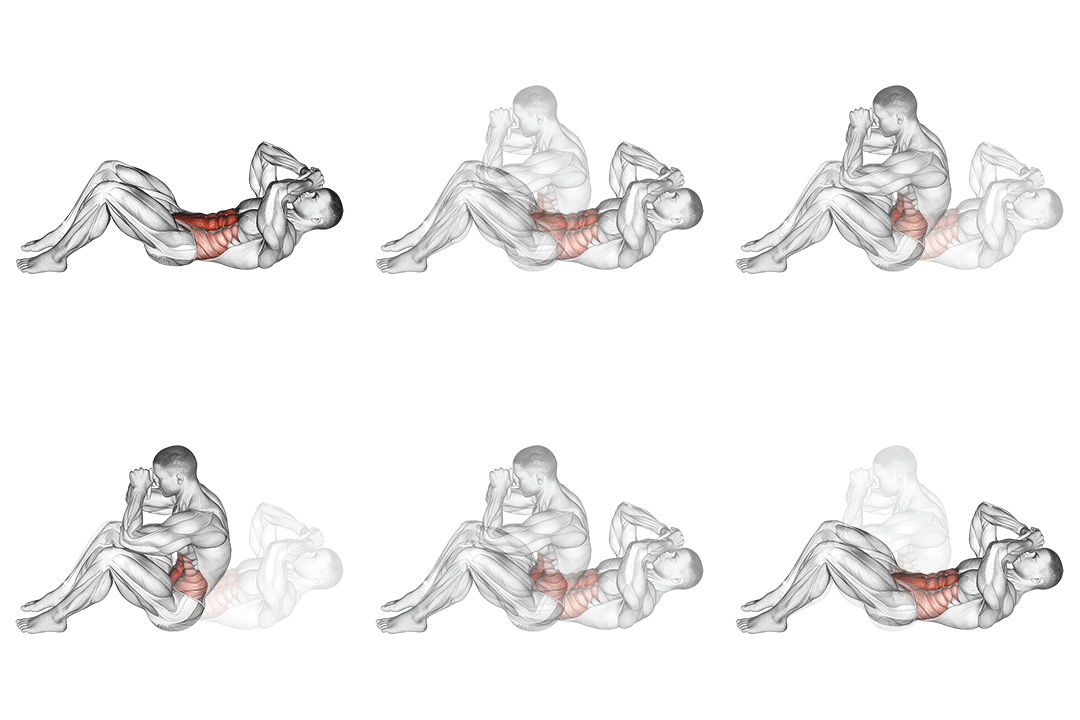
8. 3/4 Sit-up
75.9% MatchHow to perform this exercise
- Lie flat on your back with your knees bent and feet flat on the ground.
- Place your hands behind your head with your elbows pointing outwards.
- Engaging your abs, slowly lift your upper body off the ground, curling forward until your torso is at a 45-degree angle.
- Pause for a moment at the top, then slowly lower your upper body back down to the starting position.
- Repeat for the desired number of repetitions.
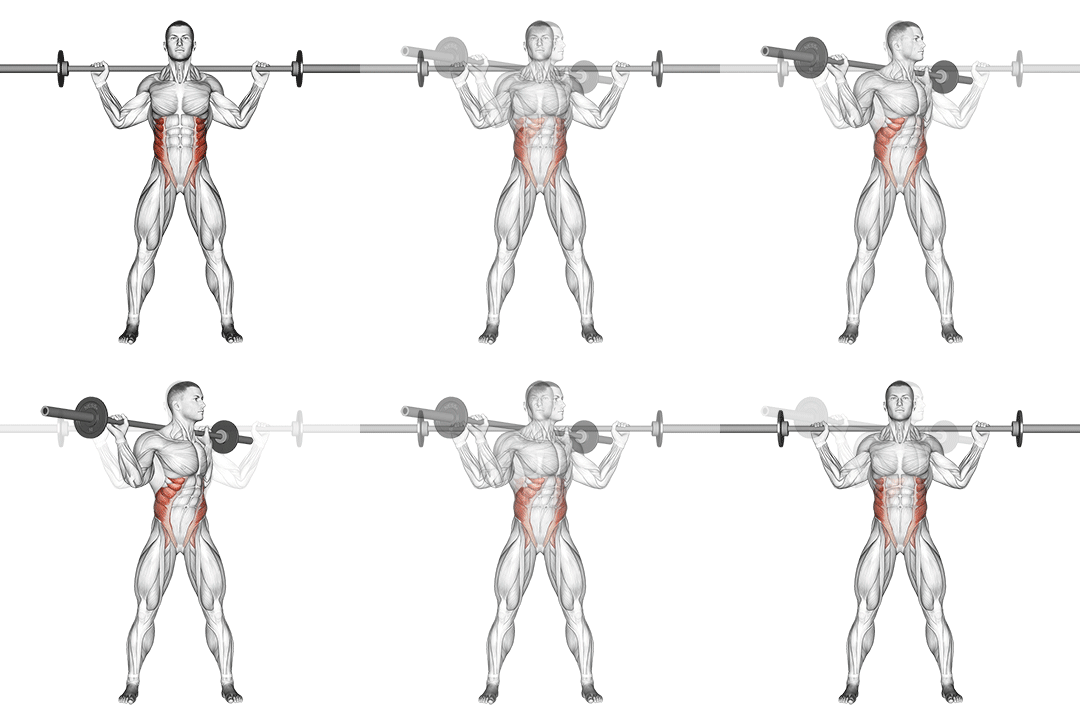
9. Barbell Standing Twist
75.7% MatchHow to perform this exercise
- Stand with your feet shoulder-width apart and hold a barbell in front of your chest with both hands, palms facing down.
- Engage your core and keep your back straight throughout the exercise.
- Slowly twist your torso to the right, pivoting on your feet and hips, while keeping your lower body stable.
- Pause for a moment at the end of the twist, then slowly return to the starting position.
- Repeat the twist to the left side.
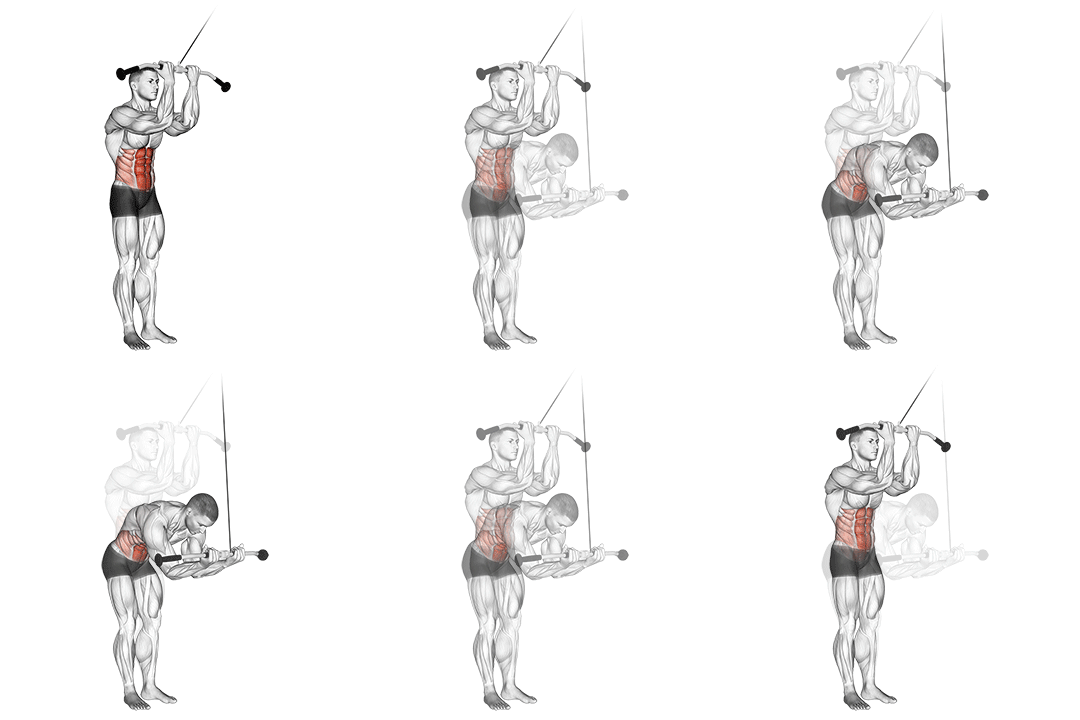
10. Cable Standing Crunch
75.2% MatchHow to perform this exercise
- Attach a cable handle to a high pulley and stand facing away from the machine.
- Hold the handle with both hands and place it behind your head, keeping your elbows bent.
- Stand with your feet shoulder-width apart and your knees slightly bent.
- Keeping your abs engaged, exhale and crunch your torso down towards your knees, bringing your elbows towards your thighs.
- Pause for a moment at the bottom of the movement, then slowly return to the starting position.
Why You Might Need a Band Standing Crunch Alternative
You might substitute the Band Standing Crunch for several reasons: shoulder or low‑back pain when standing under tension, lack of a band or anchor point, or a need for a different movement pattern (anti‑rotation vs. flexion). Choose an alternative if the original causes lumbar rounding under load; instead pick exercises that maintain a neutral spine and load the same muscles. For example, the Pallof press provides anti‑rotation activation of the obliques while minimizing spinal flexion—cue a full breath, brace the transverse abdominis by drawing the navel toward the spine, and hold a slight knee bend to reduce hip strain.
How to Choose the Right Substitute
Select a substitute by matching the primary movement pattern and desired muscle activation. If you want sagittal flexion similar to the band crunch, choose hanging knee raises or weighted crunches and cue posterior pelvic tilt to prioritize rectus abdominis. For anti‑rotation and oblique emphasis, pick the Pallof press or landmine twist; keep the ribs down and rotate through the torso, not the hips. Consider loadability (can you progressively add resistance?), spinal position (neutral vs. flexed), and stability demands—pick exercises that let you maintain a braced core and proper breathing while progressively increasing intensity.
Frequently Asked Questions
What muscles does Band Standing Crunch work?
The Band Standing Crunch primarily targets the rectus abdominis with secondary activation of the obliques for stabilization. It also engages the transverse abdominis when you brace—cue drawing the navel to the spine to maximize deep core recruitment.
What is the best bodyweight alternative to Band Standing Crunch?
The dead bug is an excellent bodyweight substitute that trains anti‑extension and controlled abdominal flexion. Lie on your back, press your lower back into the floor, draw the navel in, and lower opposite arm and leg slowly to feel transverse abdominis engagement.
Can I build muscle without doing Band Standing Crunch?
Yes. You can hypertrophy the abs and obliques using progressive overload with other movements like weighted hanging knee raises, cable woodchops, and landmine twists. Focus on increasing time under tension, using strict technique (neutral spine, controlled eccentric, strong exhale on concentric) to maximize muscle activation.
More Exercise Alternatives
Find Alternatives for Any Exercise
Use our free tool to discover the best substitute exercises based on your available equipment and goals.
Try the Exercise Substitution Finder →