

10 Best Seated Overhead Stretch Alternatives for No-Equipment Core Work
The Seated Overhead Stretch is done seated. Ranked closest by our scoring: the Overhead Stretch, the Child's Pose and the Stomach Vacuum.
Updated Ranked by our 12-factor similarity model How it works
Original Exercise: Seated Overhead Stretch
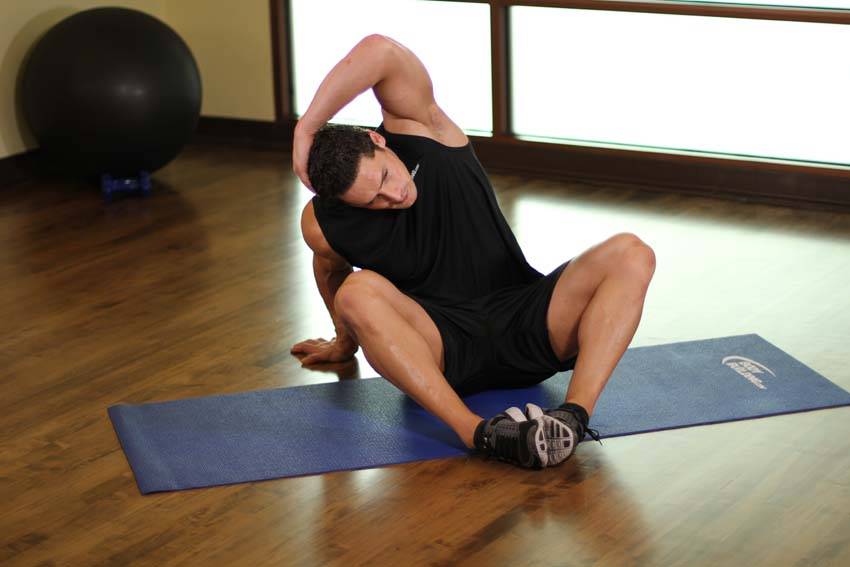
- Primary muscle
- Abs
- Equipment
- Bodyweight
- Difficulty
- Beginner
- Type
- Isolation
How to perform Seated Overhead Stretch
- Sit up straight on an exercise mat.
- Touch the soles of your feet together with your feet six to eight inches in front of your hips.
- Place one hand on the floor beside you and your other hand behind your head.
- Lift your elbow to the ceiling as you incline your torso to the other side. Hold for 10 to 20 seconds, then switch sides.
Ranked Seated Overhead Stretch Alternatives
10 substitutes, ranked by how closely each one matches the Seated Overhead Stretch on movement pattern, muscles worked, equipment and body position. The higher the score, the less you change. Open "How to perform this exercise" on a card for the steps; every card title links to that exercise's own alternatives page.
Best match 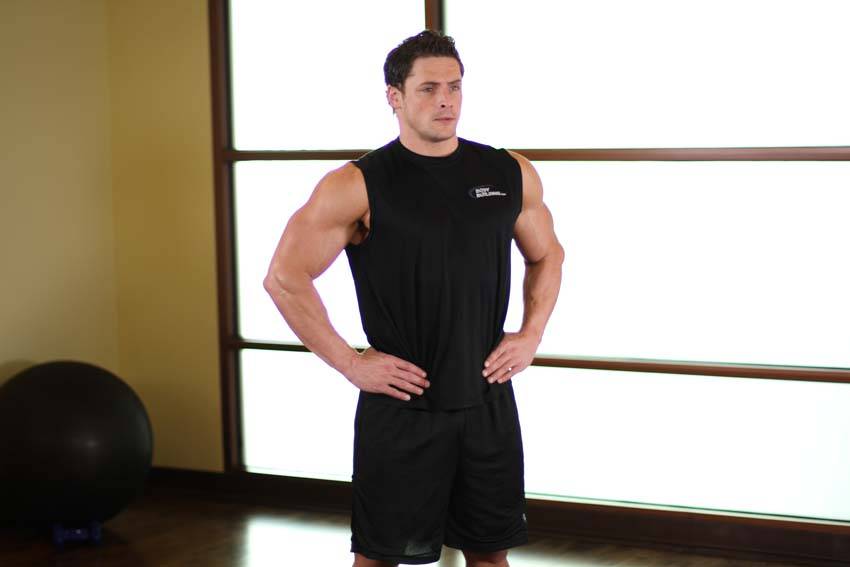
1. Overhead Stretch
87% match- Abs
- Bodyweight
- Beginner
- Isolation
The same equipment, done standing instead.
How to perform this exercise
- Standing straight up, lace your fingers together and open your palms to the ceiling. Keep your shoulders down as you extend your arms up.
- To create a full torso stretch, pull your tailbone down and stabilize your torso as you do this. Stretch the muscles on both the front and the back of the torso.
Sets and reps: Hold for 30 to 60 seconds and repeat 2 or 3 times.
Why this matches
- Movement: static stretch, the same as the Seated Overhead Stretch
- Primary muscle: abs, the same as the Seated Overhead Stretch
- Equipment: bodyweight only, the same as the Seated Overhead Stretch
- Body position: standing, not seated
2. Child's Pose
73% match- Abs
- Bodyweight
- Beginner
- Isolation
It still works the abs, through a different movement.
How to perform this exercise
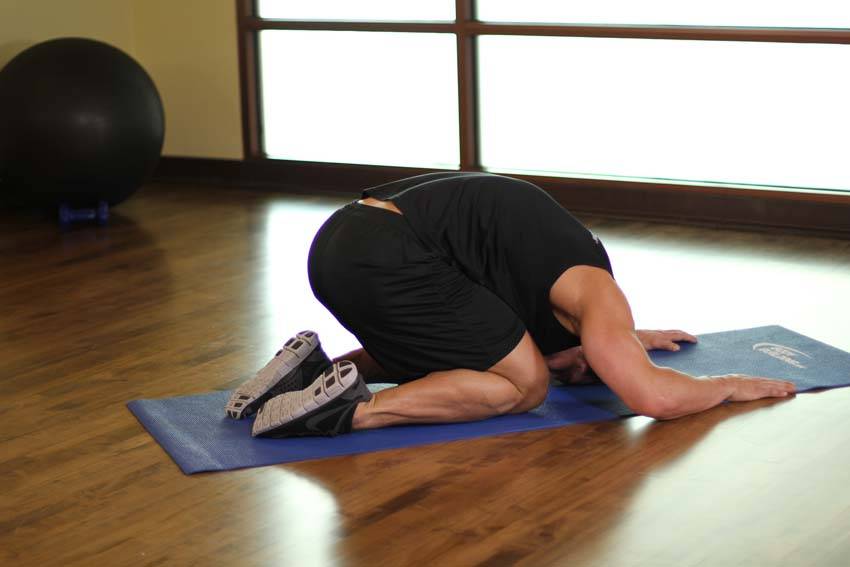
- Get on your hands and knees, walk your hands in front of you.
- Lower your buttocks down to sit on your heels. Let your arms drag along the floor as you sit back to stretch your entire spine.
- Once you settle onto your heels, bring your hands next to your feet and relax. "breathe" into your back. Rest your forehead on the floor. Avoid this position if you have knee problems.
Sets and reps: 3 sets of 8 to 12 reps, and add reps before you add load.
Why this matches
- Primary muscle: abs, the same as the Seated Overhead Stretch
- Equipment: bodyweight only, the same as the Seated Overhead Stretch
- Body position: kneeling, not seated
3. Dancer's Stretch
64% match- Quadriceps
- Bodyweight
- Beginner
- Isolation
A looser match: it uses the same equipment, but it works the quadriceps rather than the abs.
How to perform this exercise
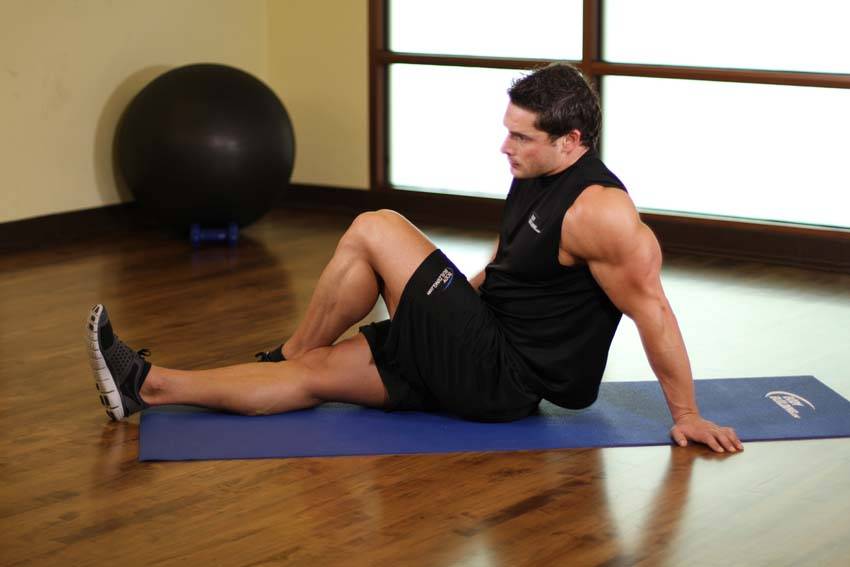
- Sit up on the floor.
- Cross your right leg over your left, keeping the knee bent. Your left leg is straight and down on the floor.
- Place your left arm on your right leg and your right hand on the floor.
- Rotate your upper body to the right, and hold for 10-20 seconds. Switch sides.
Sets and reps: Hold for 20 to 30 seconds on each side, 3 sets.
Why this matches
- Movement: static stretch, the same as the Seated Overhead Stretch
- Primary muscle: quadriceps, not abs
- Equipment: bodyweight only, the same as the Seated Overhead Stretch
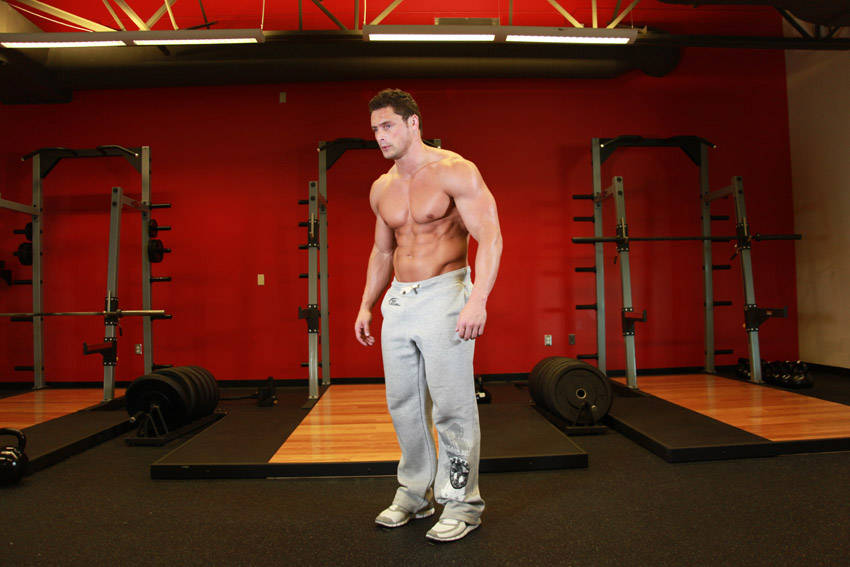
4. Stomach Vacuum
61% match- Abs
- Bodyweight
- Beginner
- Isolation
How to perform this exercise
- To begin, stand straight with your feet shoulder width apart from each other. Place your hands on your hips. This is the starting position.
- Now slowly inhale as much air as possible and then start to exhale as much as possible while bringing your stomach in as much as possible and hold this position. Try to visualize your navel touching your backbone.
- One isometric contraction is around 20 seconds. During the 20 second hold, try to breathe normally. Then inhale and bring your stomach back to the starting position.
- Once you have practiced this exercise, try to perform this exercise for longer than 20 seconds. Tip: You can work your way up to 40-60 seconds.
- Repeat for the recommended amount of sets.
Sets and reps: Hold for 20 to 30 seconds, 3 sets.
Why this matches
- Movement: anti-rotation hold, not static stretch
- Primary muscle: abs, the same as the Seated Overhead Stretch
- Equipment: bodyweight only, the same as the Seated Overhead Stretch
- Body position: standing, not seated
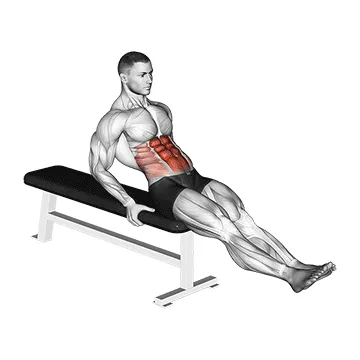
5. Seated Leg Raise
58% match- Abs
- Bodyweight
- Intermediate
- Isolation
How to perform this exercise
- Sit on a flat bench with your back straight and your feet flat on the ground.
- Place your hands on the sides of the bench for support.
- Keeping your legs straight, slowly raise them up in front of you until they are parallel to the ground.
- Pause for a moment at the top, then slowly lower your legs back down to the starting position.
- Repeat for the desired number of repetitions.
Sets and reps: 3 sets of 10 to 15 reps.
Why this matches
- Primary muscle: abs, the same as the Seated Overhead Stretch
- Equipment: bodyweight only, the same as the Seated Overhead Stretch
- Body position: seated, the same as the Seated Overhead Stretch
- Balance: harder to stay steady on than the Seated Overhead Stretch
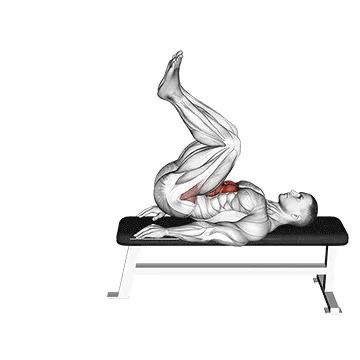
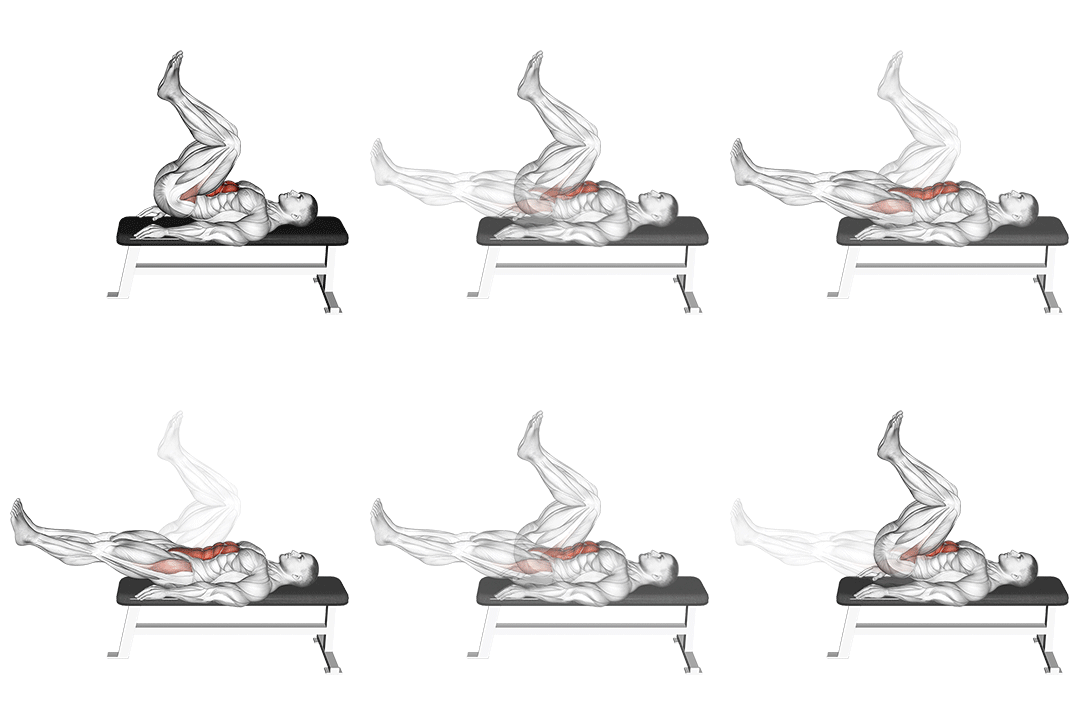
6. Leg Pull In Flat Bench
58% match- Abs
- Bodyweight
- Intermediate
- Isolation
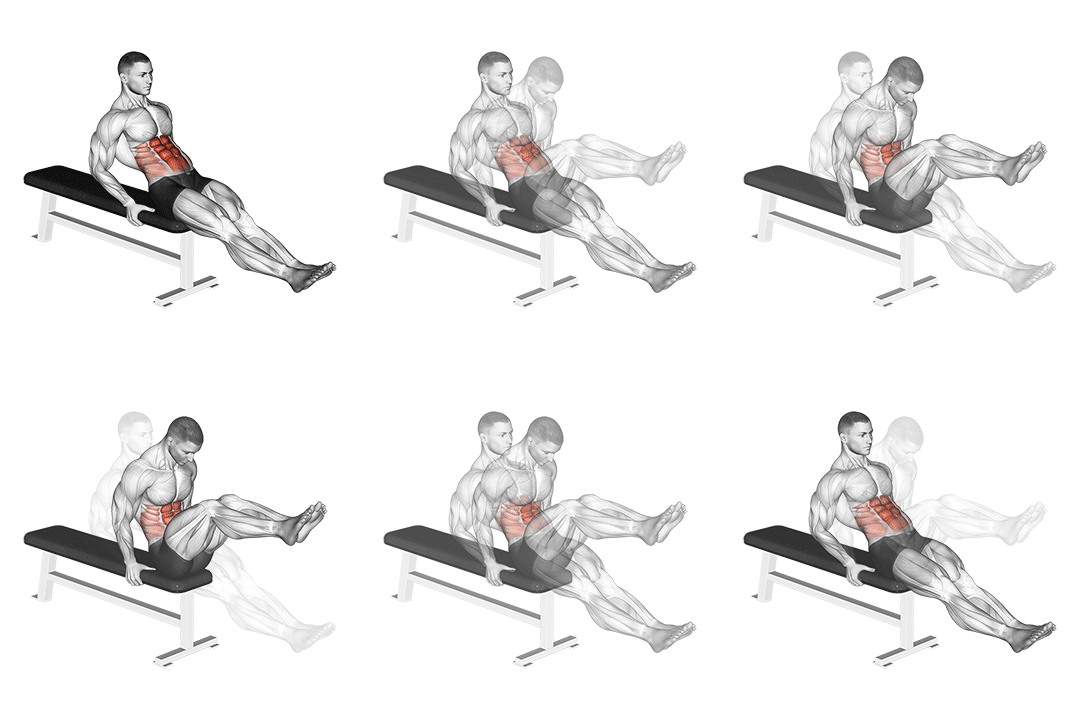
How to perform this exercise
- Sit on a flat bench with your legs extended straight out in front of you.
- Place your hands on the bench beside your hips for support.
- Engage your abs and lift your legs off the ground, bringing your knees towards your chest.
- Pause for a moment at the top, then slowly lower your legs back down to the starting position.
- Repeat for the desired number of repetitions.
Sets and reps: 3 sets of 10 to 15 reps.
Why this matches
- Primary muscle: abs, the same as the Seated Overhead Stretch
- Equipment: bodyweight only, the same as the Seated Overhead Stretch
- Body position: seated, the same as the Seated Overhead Stretch
- Balance: harder to stay steady on than the Seated Overhead Stretch
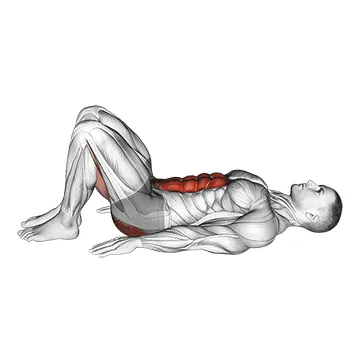
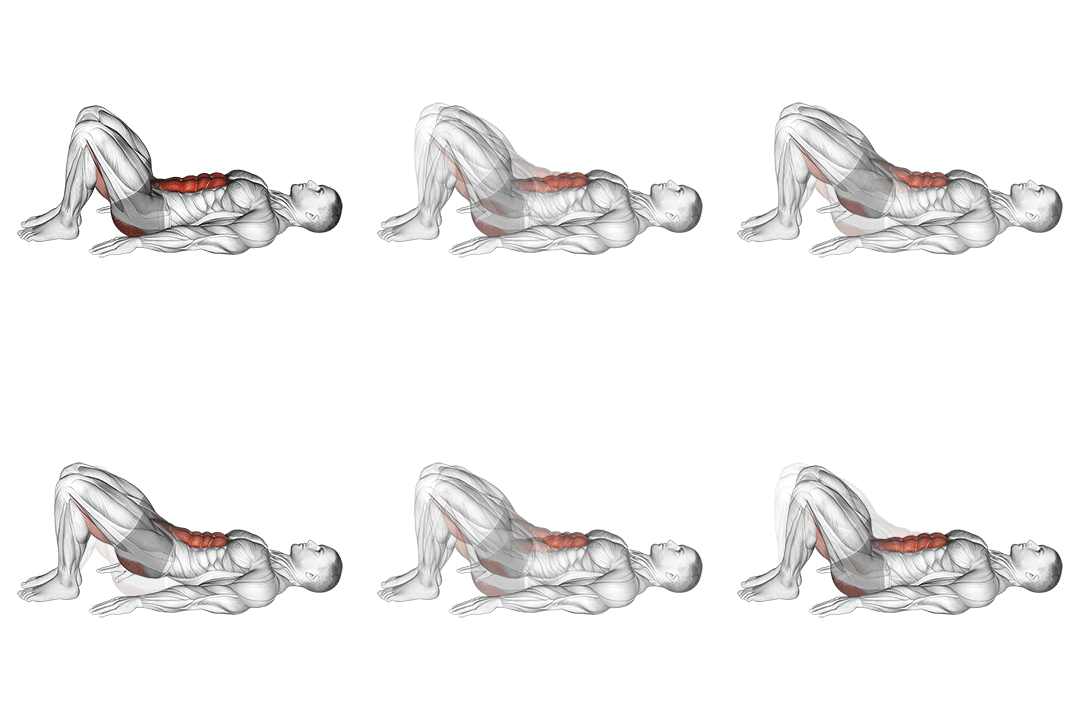
7. Pelvic Tilt
56% match- Abs
- Bodyweight
- Beginner
- Isolation
How to perform this exercise
- Lie flat on your back with your knees bent and feet flat on the ground.
- Place your hands by your sides.
- Engage your abs and tilt your pelvis upward, pressing your lower back into the ground.
- Hold this position for a few seconds, focusing on contracting your abs.
- Release the tilt and return to the starting position.
- Repeat for the desired number of repetitions.
Sets and reps: 3 sets of 8 to 12 reps, and add reps before you add load.
Why this matches
- Primary muscle: abs, the same as the Seated Overhead Stretch
- Equipment: bodyweight only, the same as the Seated Overhead Stretch
- Body position: lying on your back, not seated
8. Butt-ups
55% match- Abs
- Bodyweight
- Beginner
- Isolation
How to perform this exercise
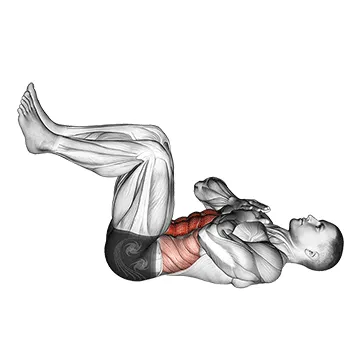
- Lie flat on your back with your knees bent and feet flat on the ground.
- Place your hands by your sides, palms facing down.
- Engaging your abs, lift your legs off the ground, bringing your knees towards your chest.
- At the top of the movement, squeeze your abs and pause for a moment.
- Slowly lower your legs back down to the starting position.
- Repeat for the desired number of repetitions.
Sets and reps: 3 sets of 8 to 12 reps, and add reps before you add load.
Why this matches
- Primary muscle: abs, the same as the Seated Overhead Stretch
- Equipment: bodyweight only, the same as the Seated Overhead Stretch
- Body position: lying on your back, not seated
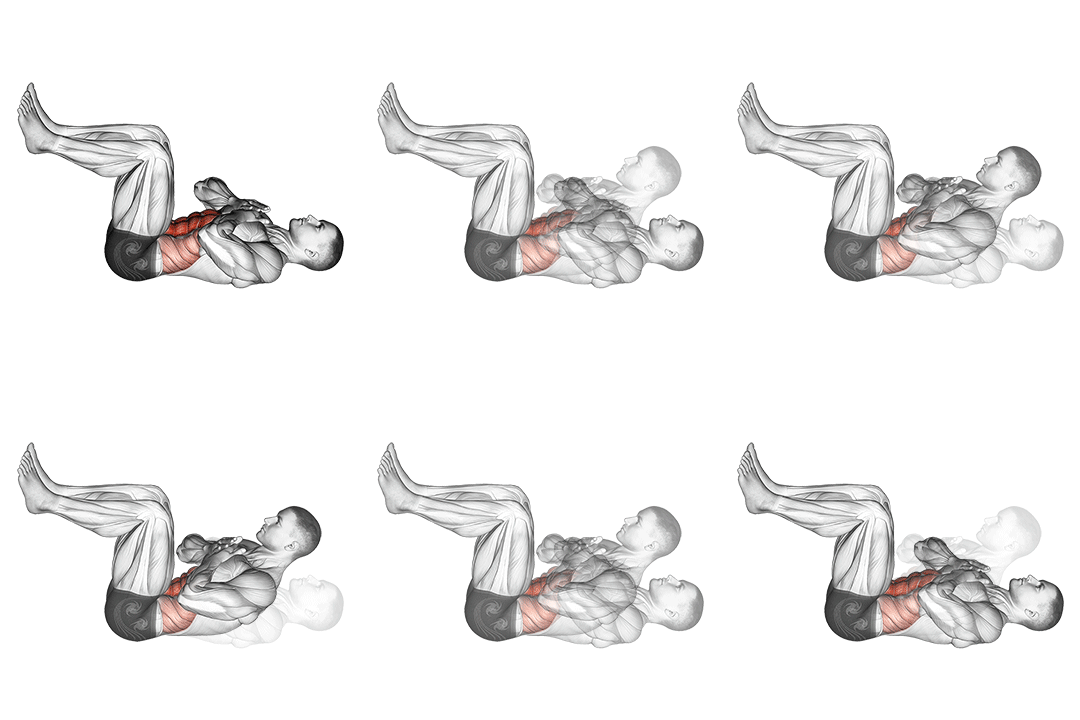
9. Tuck Crunch
55% match- Abs
- Bodyweight
- Beginner
- Isolation
How to perform this exercise
- Lie flat on your back with your knees bent and feet flat on the ground.
- Place your hands behind your head with your elbows pointing outwards.
- Engaging your abs, lift your shoulder blades off the ground and bring your knees towards your chest, simultaneously curling your upper body towards your knees.
- Pause for a moment at the top, then slowly lower your shoulder blades and extend your legs back to the starting position.
- Repeat for the desired number of repetitions.
Sets and reps: 3 sets of 8 to 12 reps, and add reps before you add load.
Why this matches
- Primary muscle: abs, the same as the Seated Overhead Stretch
- Equipment: bodyweight only, the same as the Seated Overhead Stretch
- Body position: lying on your back, not seated
10. Negative Crunch
55% match- Abs
- Bodyweight
- Intermediate
- Isolation
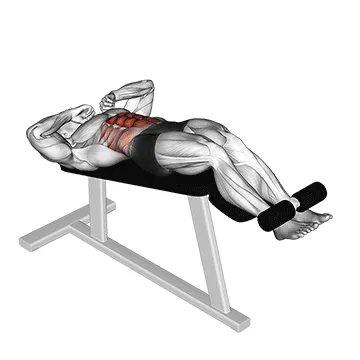
How to perform this exercise
- Lie flat on your back with your knees bent and feet flat on the ground.
- Place your hands behind your head with your elbows pointing outwards.
- Engaging your abs, slowly lift your upper body off the ground, curling forward until your torso is at a 45-degree angle.
- Pause for a moment at the top, then slowly lower your upper body back down to the starting position.
- Repeat for the desired number of repetitions.
Sets and reps: 3 sets of 10 to 15 reps.
Why this matches
- Primary muscle: abs, the same as the Seated Overhead Stretch
- Equipment: bodyweight only, the same as the Seated Overhead Stretch
- Body position: lying on your back, not seated
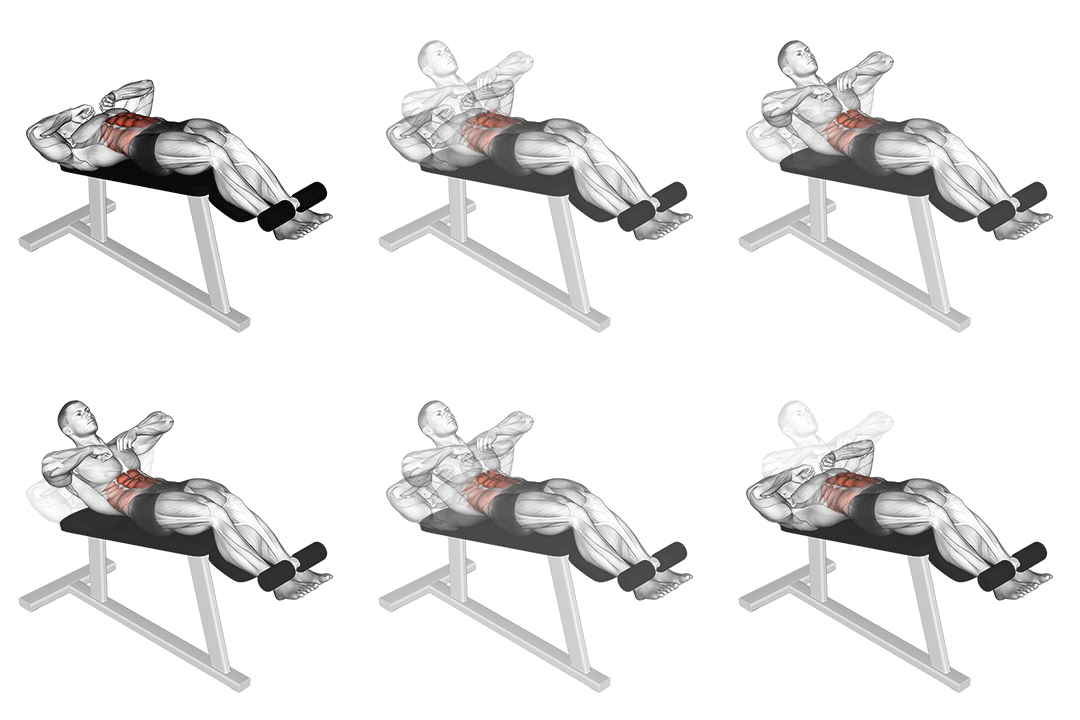
Why You Might Need a Seated Overhead Stretch Alternative
You might substitute the Seated Overhead Stretch for several reasons: shoulder or thoracic mobility limits, lower-back pain from end-range lumbar extension, or a desire for stronger anti-extension core work. Overhead reaching can drive lumbar lordosis if you lack thoracic mobility; alternatives keep ribs stacked over the pelvis and load the abs and obliques without excessive lumbar extension. Use exercises that emphasize core bracing and controlled breathing to isolate the rectus abdominis and obliques while protecting spinal segments. Cue: exhale as you reach or resist, maintain a neutral pelvis, and avoid flaring the ribs.
Seated Overhead Stretch FAQ
What muscles does Seated Overhead Stretch work?
The Seated Overhead Stretch primarily affects the lateral waist and abdominal region by lengthening the obliques and engaging the rectus abdominis for spinal support. Mechanically it promotes thoracic extension and lateral flexion while the core must eccentrically control lumbar position; cue a gentle brace and avoid lower-back arching.
Find Alternatives for Any Exercise
Search the exercise database and filter the ranked substitutes by the equipment you own.
Similarity scores compare exercise metadata such as movement pattern, muscles, equipment and body position. They are not a safety rating or a check that you own the equipment. Learn about our methodology