

10 Best Barbell Hip Thrust Alternatives for Home & Gym
If you can’t do the barbell hip thrust, choose movements that reproduce loaded hip extension and the glute peak contraction. Effective alternatives include weighted glute bridges, single‑leg Romanian deadlifts, cable pull‑throughs, Bulgarian split squats, and banded hip thrusts—each transfers load to the glutes while fitting different equipment and pain limitations.
Original Exercise: Barbell Hip Thrust
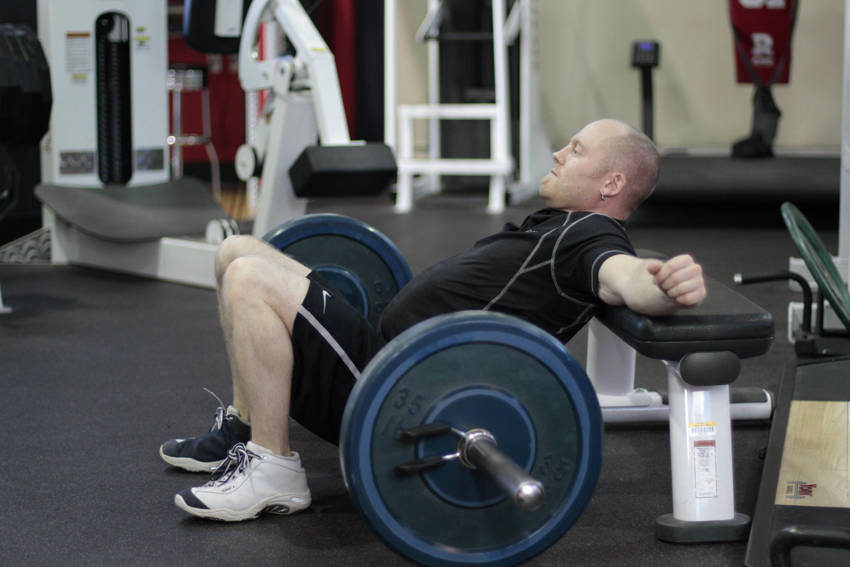
How to Perform Barbell Hip Thrust
- Begin seated on the ground with a bench directly behind you. Have a loaded barbell over your legs. Using a fat bar or having a pad on the bar can greatly reduce the discomfort caused by this exercise.
- Roll the bar so that it is directly above your hips, and lean back against the bench so that your shoulder blades are near the top of it.
- Begin the movement by driving through your feet, extending your hips vertically through the bar. Your weight should be supported by your shoulder blades and your feet. Extend as far as possible, then reverse the motion to return to the starting position.
Pro Tips
- Category: Powerlifting
- Force: Push
- Movement type: Compound
Best Barbell Hip Thrust Alternatives
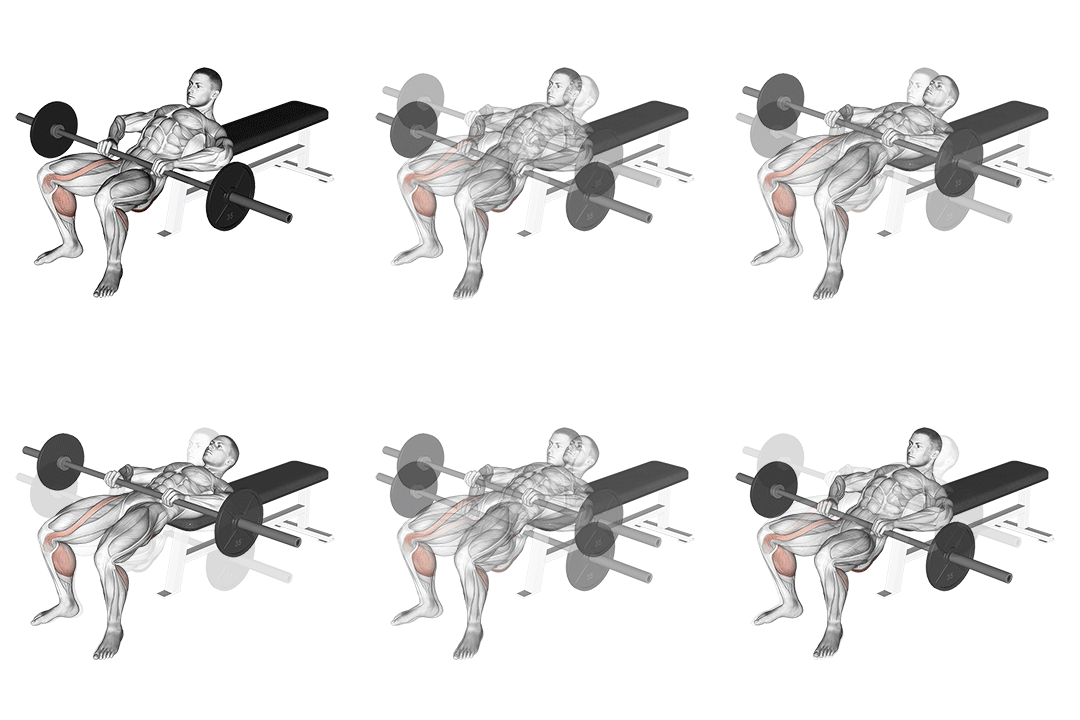
1. Barbell Lying Lifting (on Hip)
85% MatchHow to perform this exercise
- Lie flat on your back on a bench with your feet flat on the ground and your knees bent.
- Hold the barbell with an overhand grip and position it on your hips.
- Engaging your glutes, lift your hips off the bench until your body forms a straight line from your knees to your shoulders.
- Pause for a moment at the top, then slowly lower your hips back down to the starting position.
- Repeat for the desired number of repetitions.
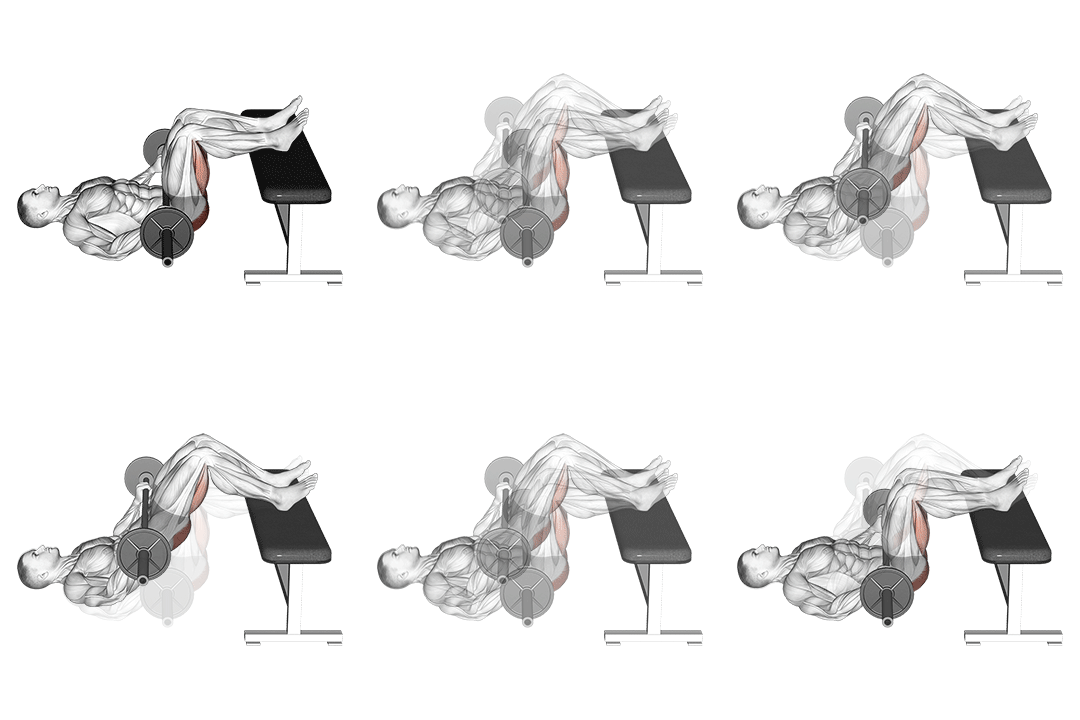
2. Barbell Glute Bridge Two Legs On Bench (male)
85% MatchHow to perform this exercise
- Start by sitting on the edge of a bench with your upper back resting against it and your feet flat on the ground, hip-width apart.
- Place a barbell across your hips, holding it securely with both hands.
- Engage your glutes and core muscles, then press through your heels to lift your hips off the bench, creating a straight line from your knees to your shoulders.
- Pause for a moment at the top, squeezing your glutes.
- Slowly lower your hips back down to the starting position.
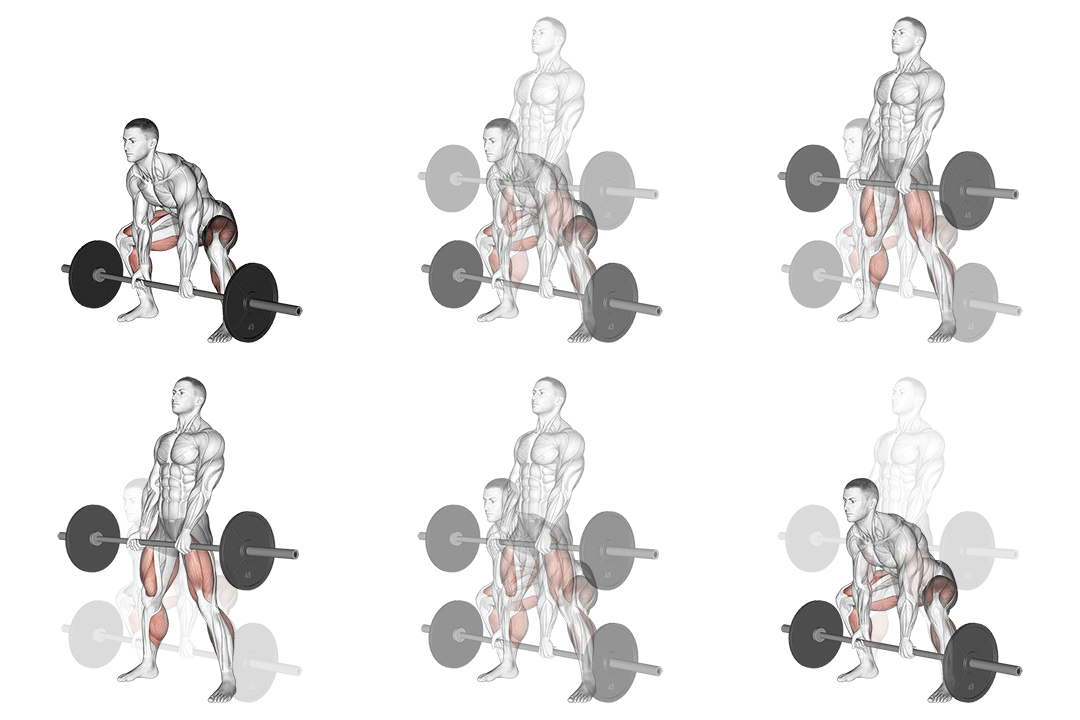
3. Barbell Sumo Deadlift
81.7% MatchHow to perform this exercise
- Stand with your feet wider than shoulder-width apart, toes pointing outwards.
- Place a barbell on the ground in front of you, centered between your feet.
- Bend your knees and lower your hips, keeping your back straight and chest up, to grip the barbell with an overhand grip.
- Engage your core and drive through your heels to lift the barbell off the ground, extending your hips and knees simultaneously.
- As you lift, keep your chest up and back straight, and push your hips forward to fully engage your glutes.
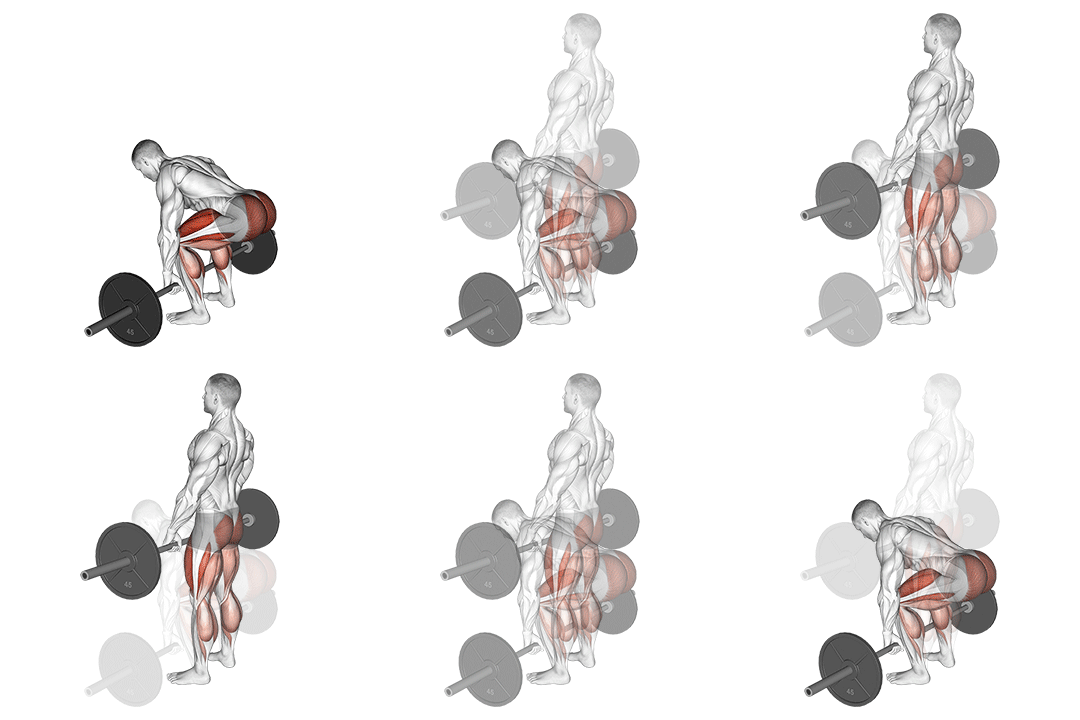
4. Barbell Deadlift
81.1% MatchHow to perform this exercise
- Stand with your feet shoulder-width apart and the barbell on the ground in front of you.
- Bend your knees and hinge at the hips to lower your torso and grip the barbell with an overhand grip, hands slightly wider than shoulder-width apart.
- Keep your back straight and chest lifted as you drive through your heels to lift the barbell off the ground, extending your hips and knees.
- As you stand up straight, squeeze your glutes and keep your core engaged.
- Lower the barbell back down to the ground by bending at the hips and knees, keeping your back straight.
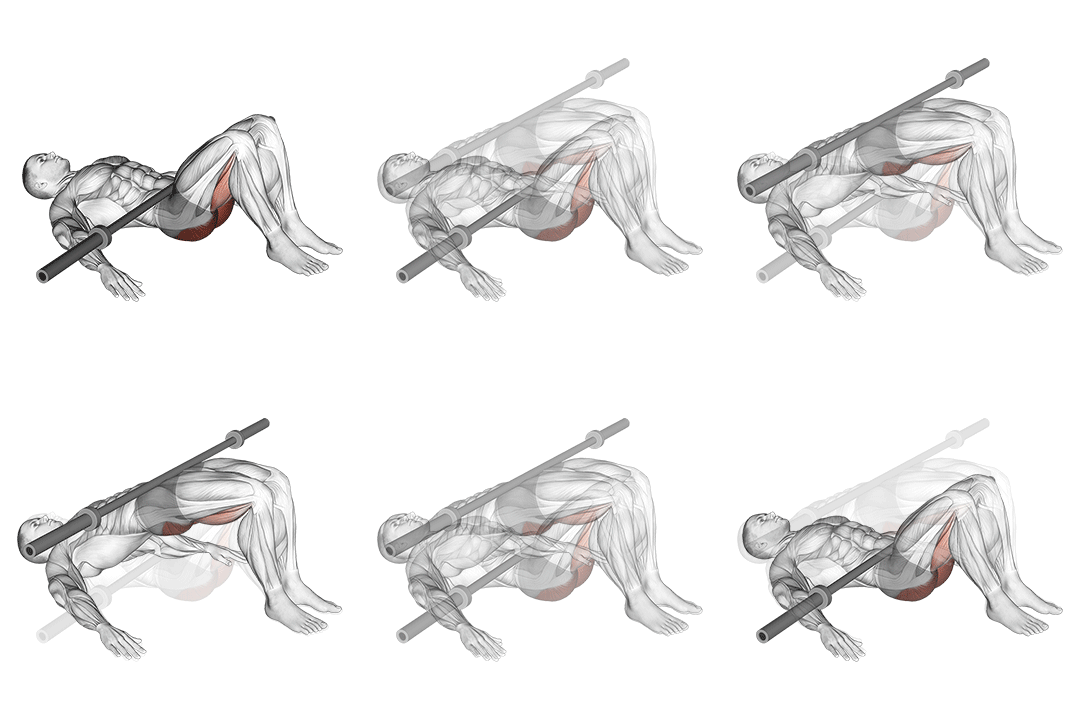
5. Barbell Glute Bridge
80.2% MatchHow to perform this exercise
- Start by lying flat on your back on the ground with your knees bent and feet flat on the floor.
- Place a barbell across your hips, holding it securely with both hands.
- Engage your glutes and core muscles, then lift your hips off the ground until your body forms a straight line from your knees to your shoulders.
- Pause for a moment at the top, squeezing your glutes.
- Slowly lower your hips back down to the starting position.
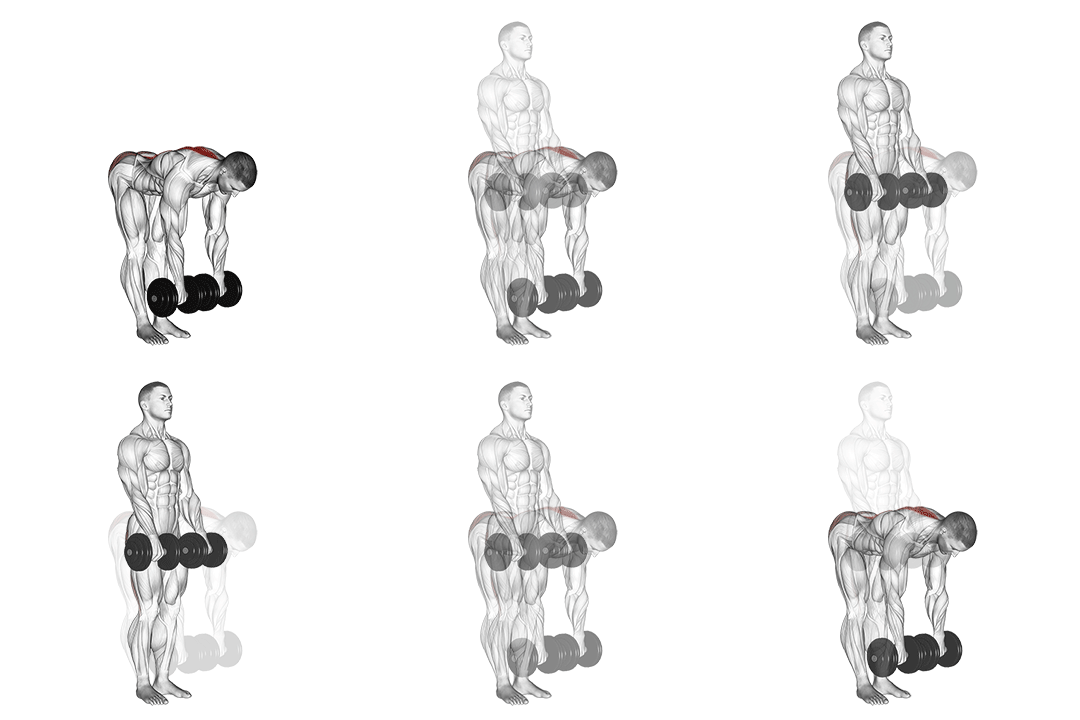
6. Dumbbell Straight Leg Deadlift
78.7% MatchHow to perform this exercise
- Stand with your feet shoulder-width apart, holding a dumbbell in each hand with an overhand grip.
- Keeping your back straight and your core engaged, hinge at the hips and lower the dumbbells towards the ground, allowing your torso to lean forward.
- Continue lowering the dumbbells until you feel a stretch in your hamstrings, keeping your knees slightly bent.
- Pause for a moment at the bottom, then engage your glutes and hamstrings to lift your torso back up to the starting position.
- Repeat for the desired number of repetitions.
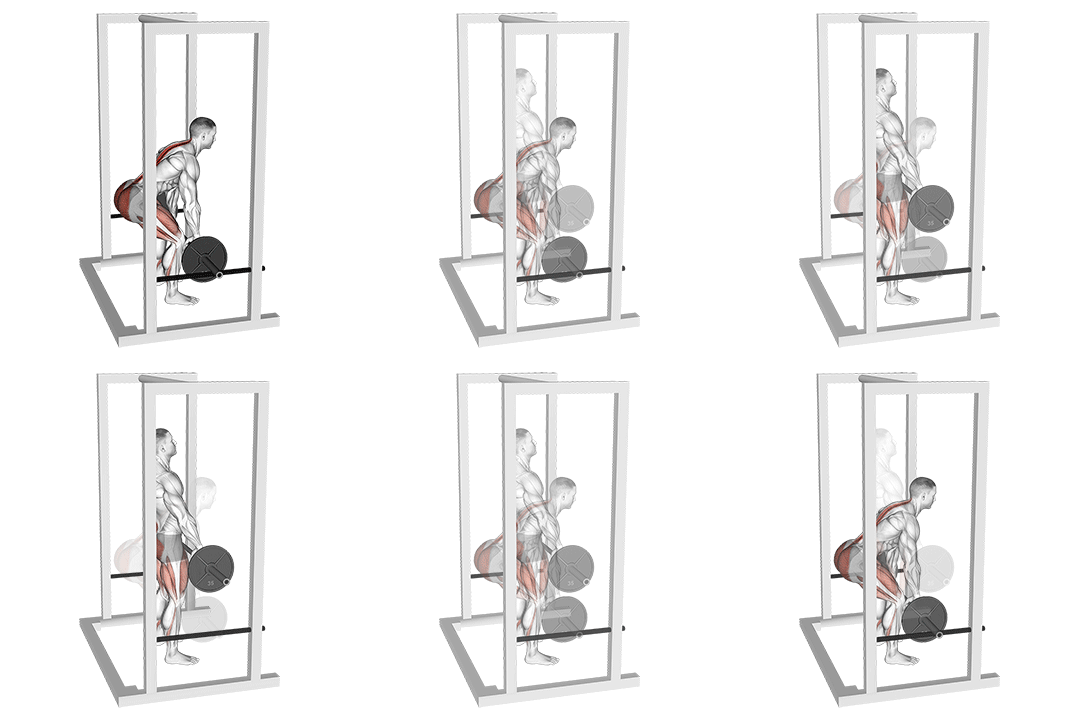
7. Barbell Rack Pull
77.7% MatchHow to perform this exercise
- Set up a barbell on a rack at knee height.
- Stand with your feet shoulder-width apart, toes pointing slightly outwards.
- Bend at the hips and knees to lower yourself down and grip the barbell with an overhand grip, hands shoulder-width apart.
- Engage your core and lift the barbell by extending your hips and knees, pulling your shoulders back and squeezing your glutes at the top.
- Lower the barbell back down to the starting position by bending at the hips and knees.
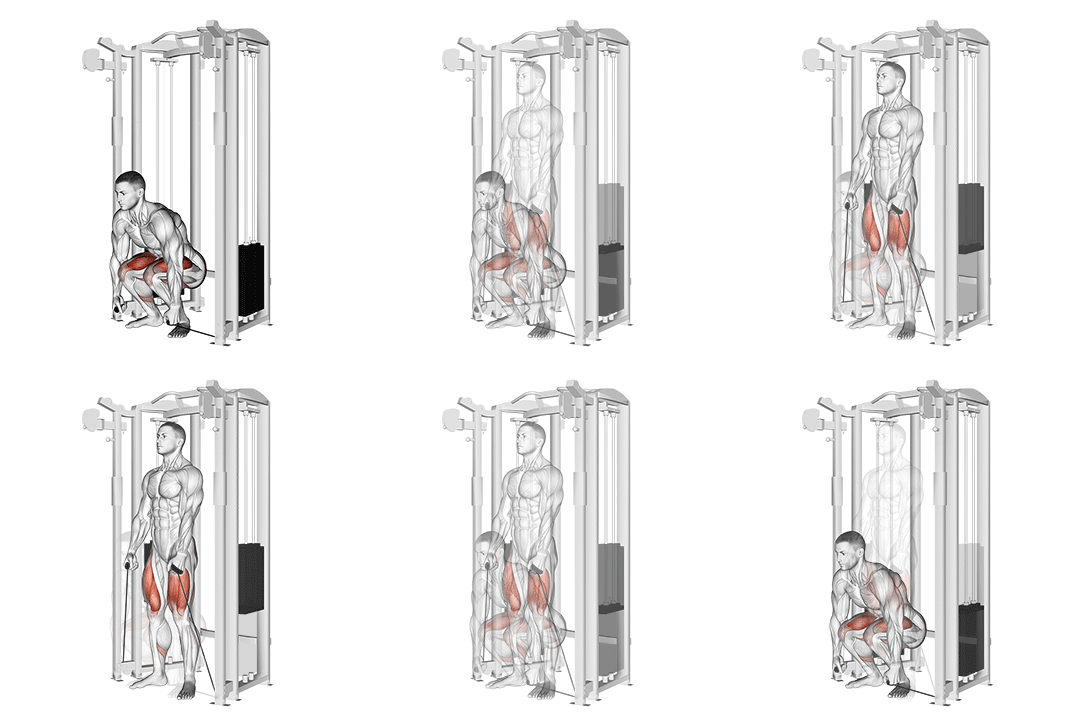
8. Cable Deadlift
77% MatchHow to perform this exercise
- Stand facing the cable machine with your feet shoulder-width apart.
- Bend at the hips and knees, lowering your torso until your back is parallel to the ground.
- Grasp the cable handles with an overhand grip, keeping your arms straight and your shoulders back.
- Engage your glutes and hamstrings to lift the cable handles, extending your hips and standing up straight.
- Pause for a moment at the top, then slowly lower the cable handles back down to the starting position.
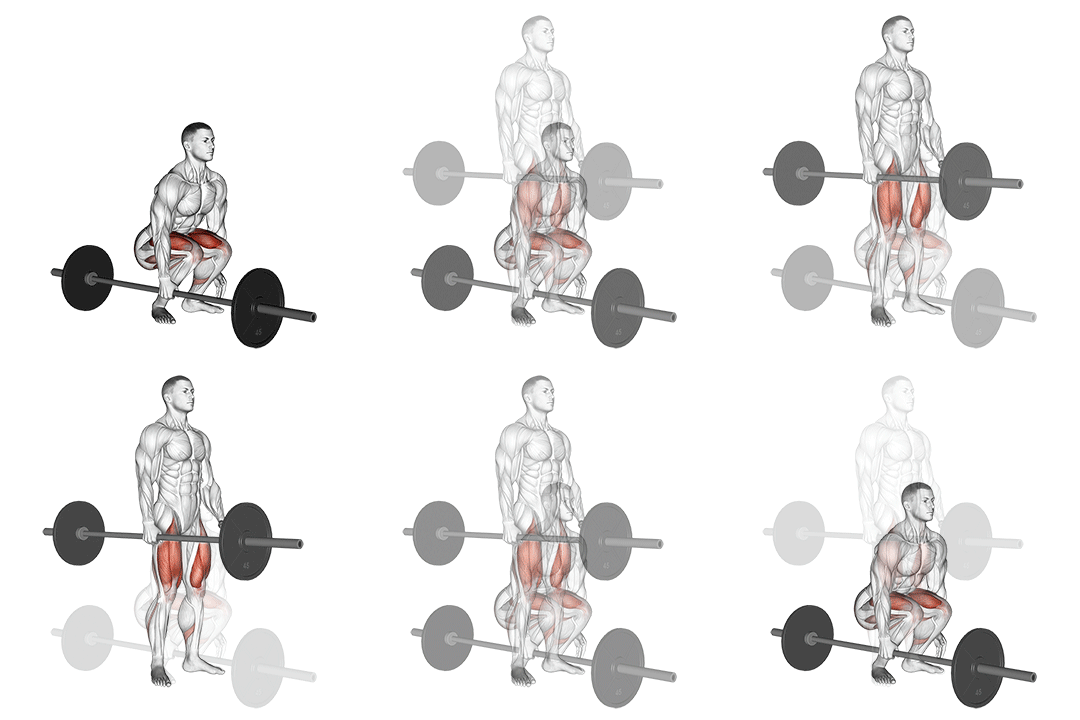
9. Barbell One Arm Side Deadlift
76.6% MatchHow to perform this exercise
- Stand with your feet shoulder-width apart, holding a barbell in one hand with an overhand grip.
- Keep your back straight and your core engaged.
- Bend at the hips and lower the barbell towards the outside of your leg, keeping your arm straight and your chest up.
- Lower the barbell as far as you can while maintaining good form.
- Pause for a moment, then slowly return to the starting position.
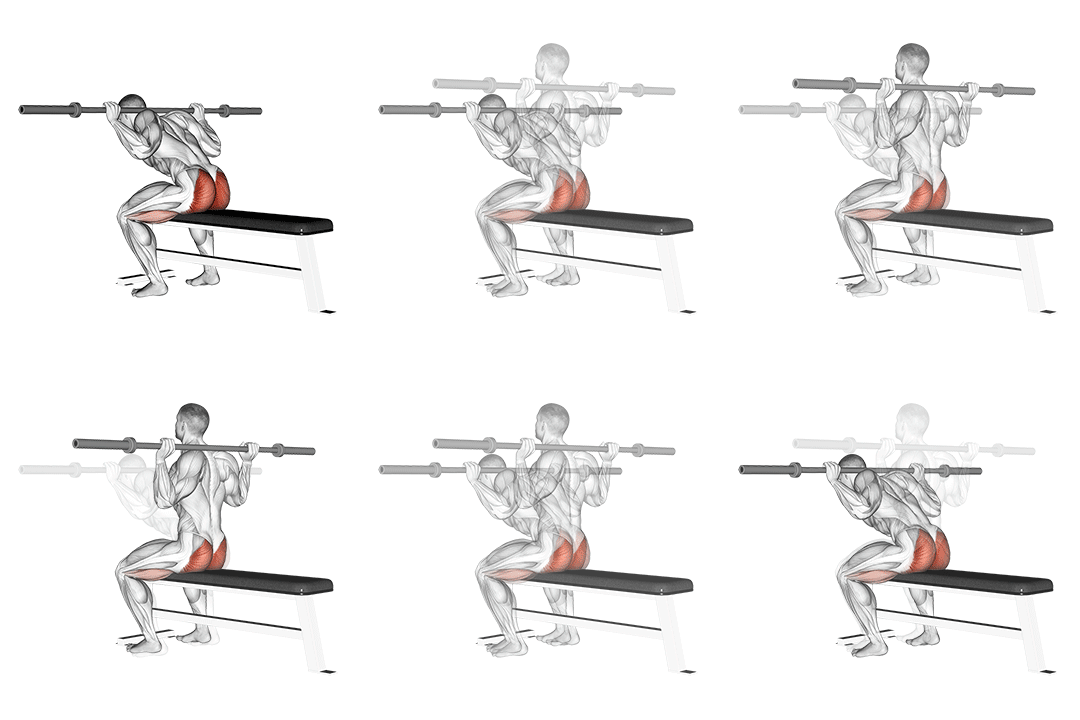
10. Barbell Seated Good Morning
76.4% MatchHow to perform this exercise
- Sit on a bench with your feet flat on the ground and a barbell resting on your upper back.
- Keep your back straight and your chest up.
- Slowly hinge forward at the hips, lowering your torso towards the ground.
- Pause for a moment at the bottom, then push through your heels to return to the starting position.
- Repeat for the desired number of repetitions.
Why You Might Need a Barbell Hip Thrust Alternative
You might substitute the barbell hip thrust for several reasons: lack of equipment, bar path discomfort, pelvic or lower‑back pain, coach preference, or the need for unilateral work. Some lifters hit a technical ceiling with barbell placement or rack availability; others need variations that reduce lumbar shear or address glute imbalances. Alternatives let you preserve the hip‑extension movement pattern and glute activation while adjusting load distribution, range of motion, and stabilization demands. Choosing targeted substitutes maintains progressive overload and hypertrophy stimulus without reintroducing pain or compromising form.
How to Choose the Right Substitute
Select a substitute by matching movement pattern, equipment, and training goal. Prioritize exercises that emphasize hip extension and terminal glute contraction if your goal is glute hypertrophy or strength. If you lack a barbell, use dumbbells, kettlebells, cables, or resistance bands that allow progressive overload. For pain or imbalance, choose unilateral or less lumbar‑loading options (single‑leg RDLs, banded bridges). Consider load capacity, ability to progressively add resistance, and technical complexity; pick an exercise you can perform with consistent high quality and measurable progression.
Frequently Asked Questions
What muscles does Barbell Hip Thrust work?
The barbell hip thrust primarily targets the gluteus maximus through hip extension. It also recruits the hamstrings and adductors as synergists and requires the erector spinae and core to stabilize the torso during load.
What is the best bodyweight alternative to Barbell Hip Thrust?
The single‑leg glute bridge is the best bodyweight substitute because it increases glute demand and reduces reliance on lumbar extension. It provides unilateral overload to correct imbalances and lets you progress by increasing tempo, range, or adding a paused top contraction.
Can I build muscle without doing Barbell Hip Thrust?
Yes. You can build glute muscle with any exercise that provides progressive overload and targets hip extension or end‑range glute contraction. Use heavy RDLs, Bulgarian split squats, cable pull‑throughs, or weighted bridges and apply volume, load progression, and sufficient time under tension.
More Exercise Alternatives
Find Alternatives for Any Exercise
Use our free tool to discover the best substitute exercises based on your available equipment and goals.
Try the Exercise Substitution Finder →