

10 Best Barbell Incline Reverse-grip Press Alternatives for Home Gyms
If you can't perform the Barbell Incline Reverse-grip Press, use close-grip incline dumbbell presses, incline triceps dips, decline skull crushers, cable incline extensions, or close-grip push-ups. Cue: keep elbows tucked 10–15 degrees and press through the forearms to emphasize elbow extension and load the triceps while reducing anterior shoulder stress.
Original Exercise: Barbell Incline Reverse-grip Press
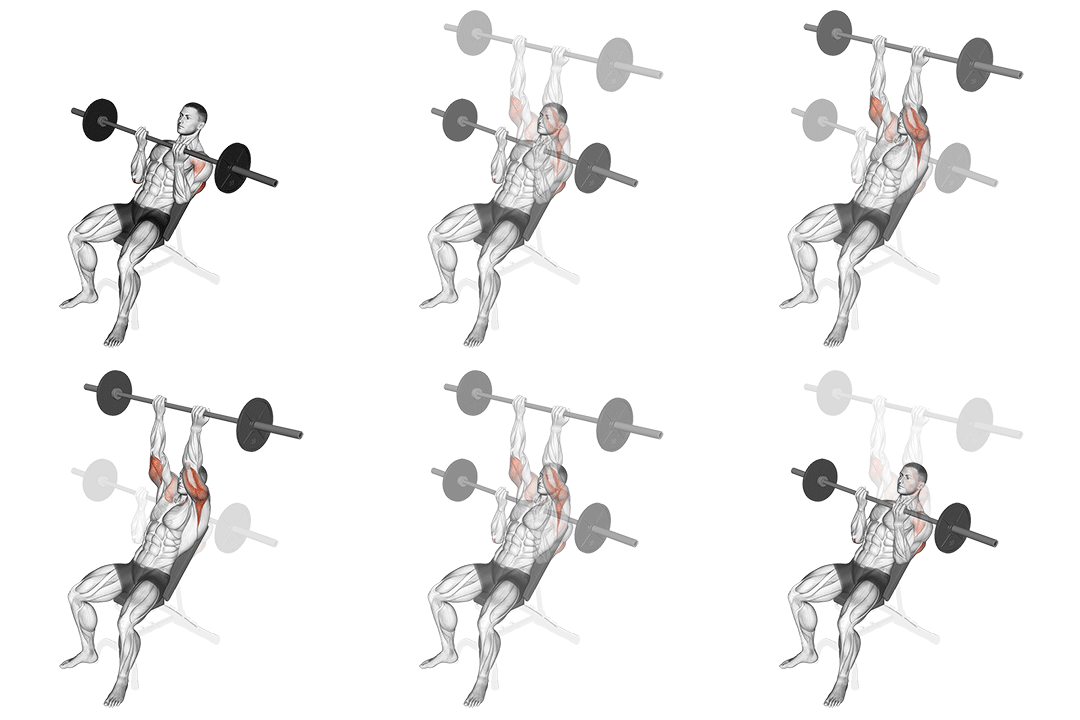
How to Perform Barbell Incline Reverse-grip Press
- Set up an incline bench at a 45-degree angle.
- Lie back on the bench and grasp the barbell with a reverse grip, hands slightly wider than shoulder-width apart.
- Unrack the barbell and lower it towards your upper chest, keeping your elbows tucked in.
- Pause for a moment at the bottom, then push the barbell back up to the starting position.
- Repeat for the desired number of repetitions.
Best Barbell Incline Reverse-grip Press Alternatives
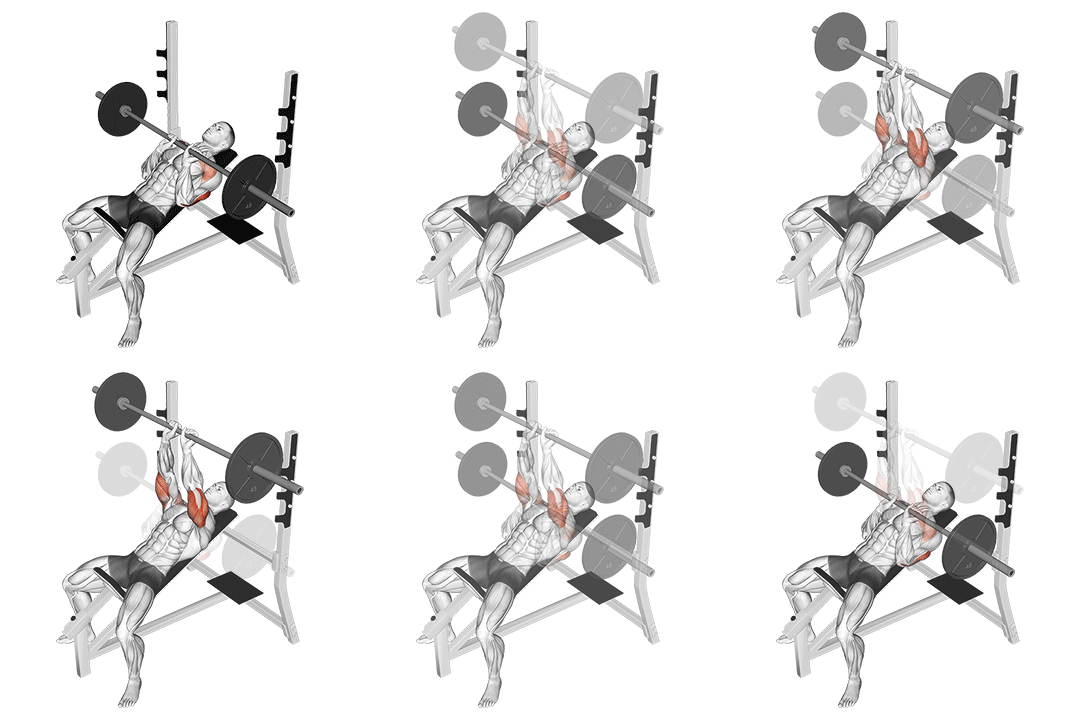
1. Barbell Incline Close Grip Bench Press
92.7% MatchHow to perform this exercise
- Set up an incline bench at a 45-degree angle.
- Lie down on the bench with your feet flat on the ground.
- Grasp the barbell with a close grip, slightly narrower than shoulder-width apart.
- Unrack the barbell and lower it slowly towards your chest, keeping your elbows close to your body.
- Pause for a moment when the barbell touches your chest.
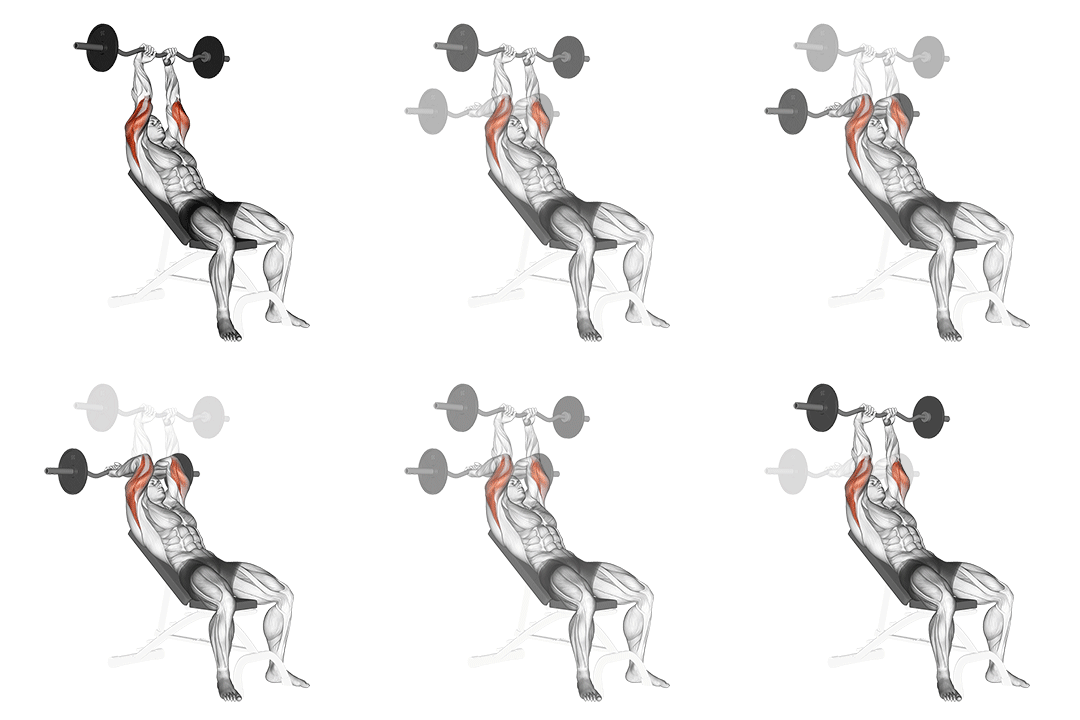
2. Ez Barbell Incline Triceps Extension
85.9% MatchHow to perform this exercise
- Set up an incline bench at a 45-degree angle.
- Sit on the bench with your back against the pad and hold the ez barbell with an overhand grip.
- Extend your arms fully overhead, keeping your elbows close to your head.
- Lower the barbell behind your head by bending your elbows, keeping your upper arms stationary.
- Pause for a moment, then extend your arms back to the starting position.
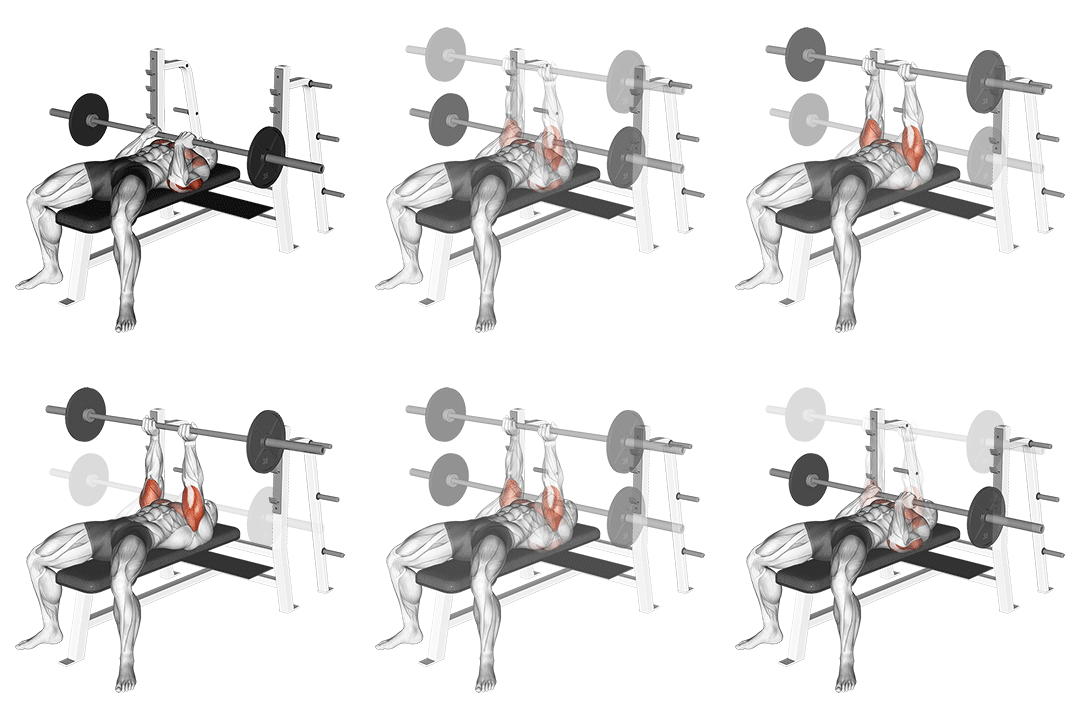
3. Barbell Reverse Close-grip Bench Press
85.2% MatchHow to perform this exercise
- Lie flat on a bench with your feet flat on the ground and your back pressed against the bench.
- Grasp the barbell with a reverse grip, hands shoulder-width apart.
- Lift the barbell off the rack and hold it directly above your chest with your arms fully extended.
- Slowly lower the barbell down towards your chest, keeping your elbows close to your body.
- Pause for a moment when the barbell is just above your chest.
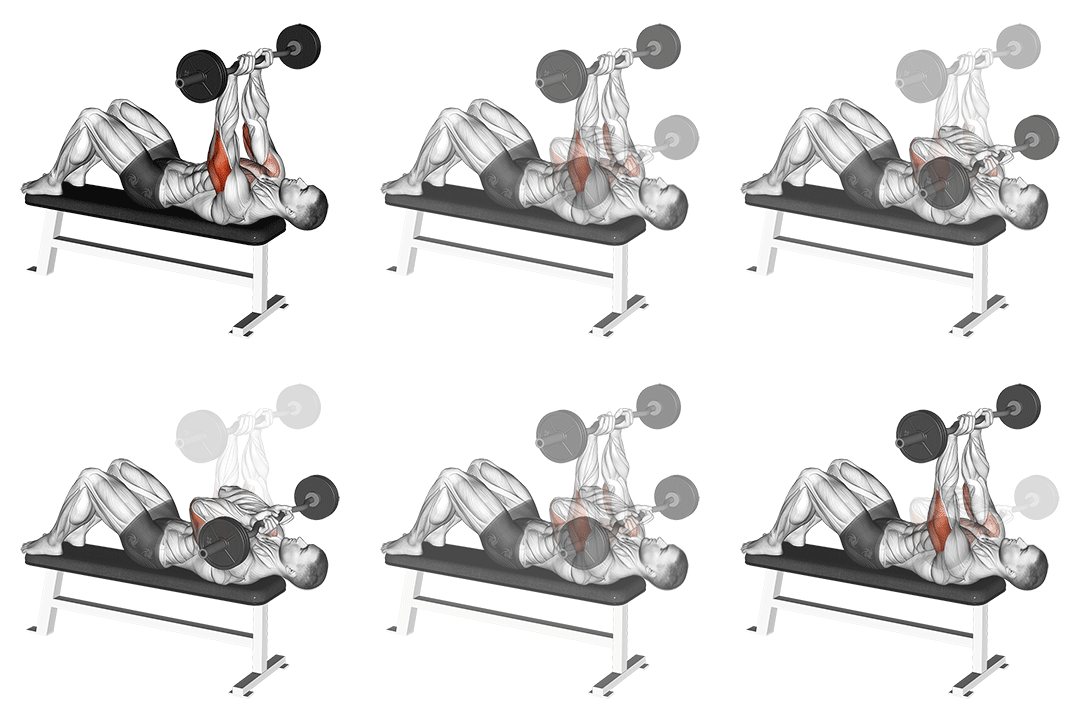
4. Ez Barbell Jm Bench Press
84% MatchHow to perform this exercise
- Lie flat on a bench with your feet flat on the ground and your back pressed against the bench.
- Grasp the ez barbell with an overhand grip, slightly wider than shoulder-width apart.
- Lower the barbell to your chest, keeping your elbows tucked in close to your body.
- Push the barbell back up to the starting position, fully extending your arms.
- Repeat for the desired number of repetitions.
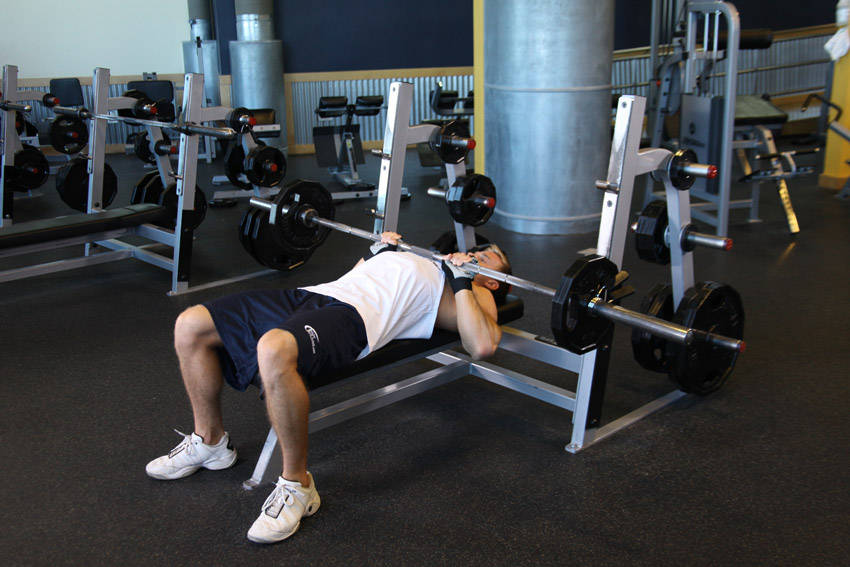
5. Close-Grip Barbell Bench Press
83.4% MatchHow to perform this exercise
- Lie back on a flat bench. Using a close grip (around shoulder width), lift the bar from the rack and hold it straight over you with your arms locked. This will be your starting position.
- As you breathe in, come down slowly until you feel the bar on your middle chest. Tip: Make sure that - as opposed to a regular bench press - you keep the elbows close to the torso at all times in order to maximize triceps involvement.
- After a second pause, bring the bar back to the starting position as you breathe out and push the bar using your triceps muscles. Lock your arms in the contracted position, hold for a second and then start coming down slowly again. Tip: It should take at least twice as long to go down than to come up.
- Repeat the movement for the prescribed amount of repetitions.
- When you are done, place the bar back in the rack.
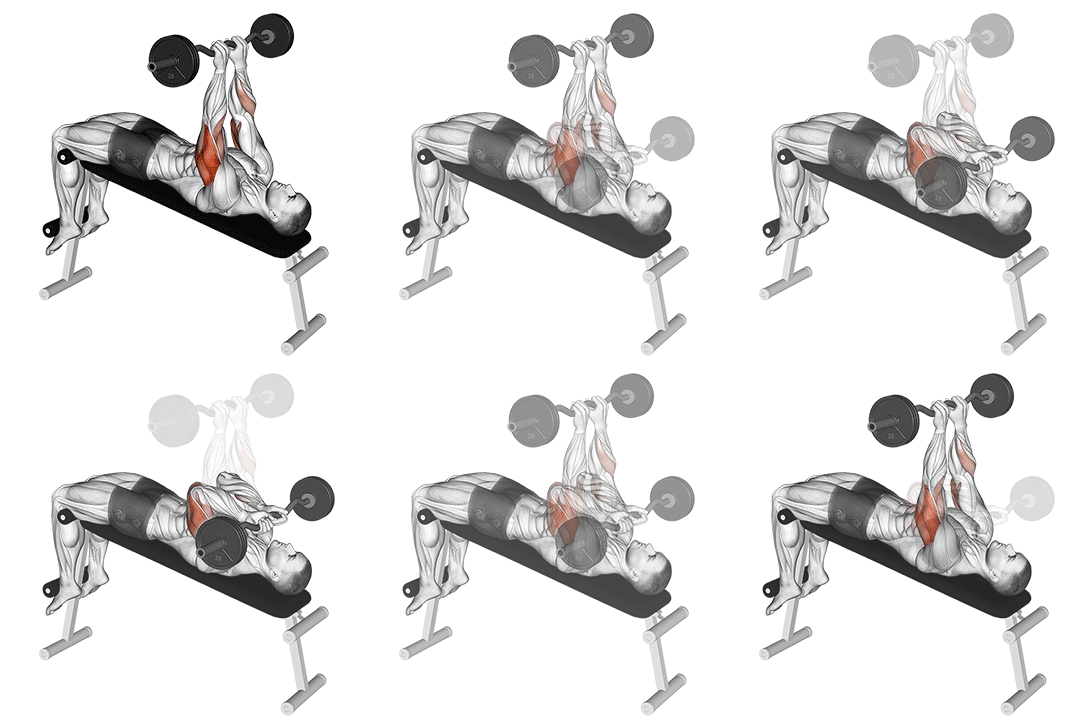
6. Ez Barbell Decline Close Grip Face Press
83.4% MatchHow to perform this exercise
- Lie on a decline bench with your head lower than your feet.
- Grasp the ez barbell with a close grip, palms facing each other.
- Extend your arms straight up above your chest, keeping your elbows close to your body.
- Lower the barbell towards your forehead by bending your elbows.
- Pause for a moment, then press the barbell back up to the starting position.
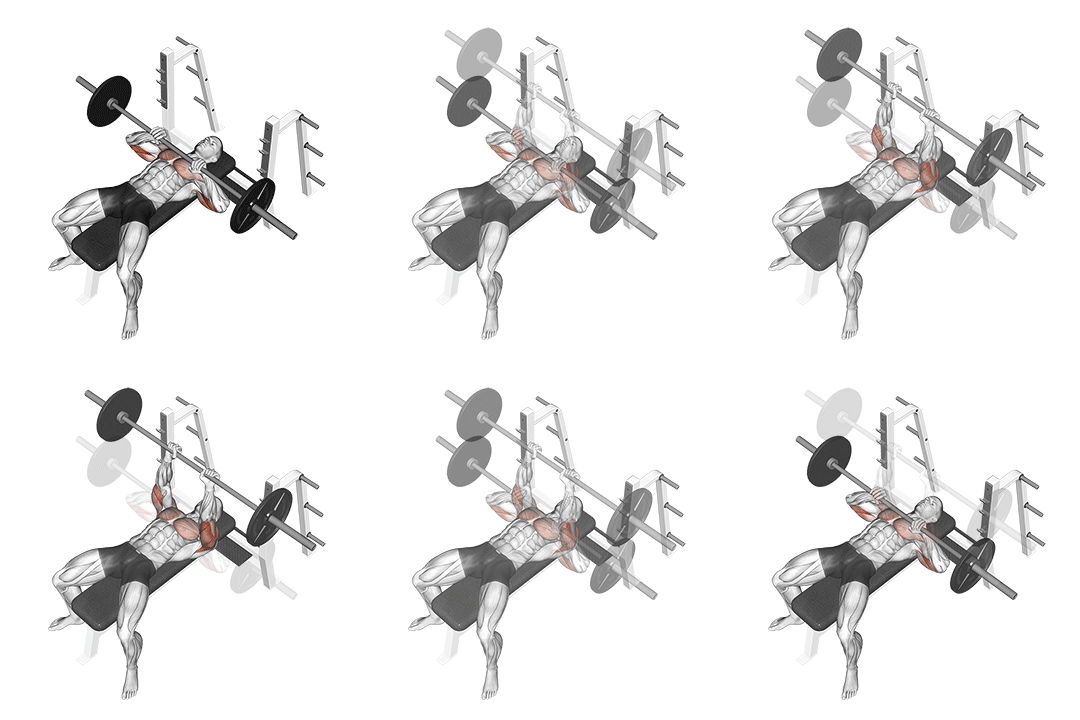
7. Barbell Lying Close-grip Press
83.4% MatchHow to perform this exercise
- Lie flat on a bench with your feet flat on the ground and your back pressed against the bench.
- Grasp the barbell with a close grip, hands shoulder-width apart, palms facing towards your feet.
- Lift the barbell off the rack and hold it directly above your chest with your arms fully extended.
- Slowly lower the barbell towards your chest, keeping your elbows close to your body.
- Pause for a moment when the barbell touches your chest, then push it back up to the starting position.
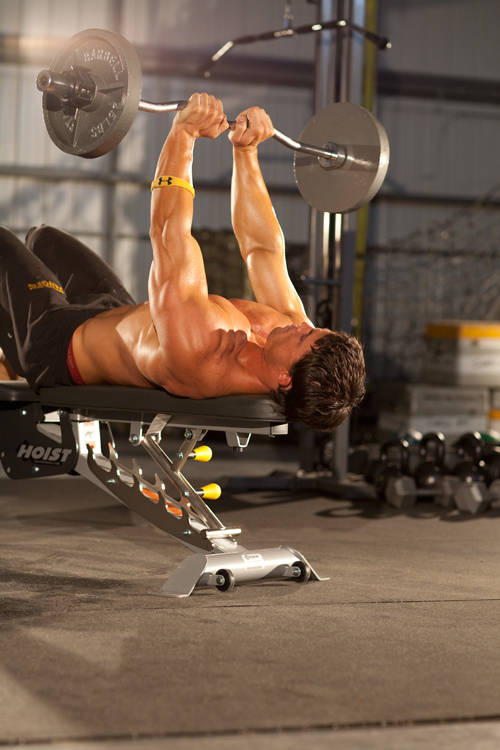
8. Close-Grip EZ-Bar Press
82.7% MatchHow to perform this exercise
- Lie on a flat bench with an EZ bar loaded to an appropriate weight.
- Using a narrow grip lift the bar and hold it straight over your torso with your elbows in. The arms should be perpendicular to the floor. This will be your starting position.
- Now lower the bar down to your lower chest as you breathe in. Keep the elbows in as you perform this movement.
- Using the triceps to push the bar back up, press it back to the starting position by extending the elbows as you exhale.
- Repeat.
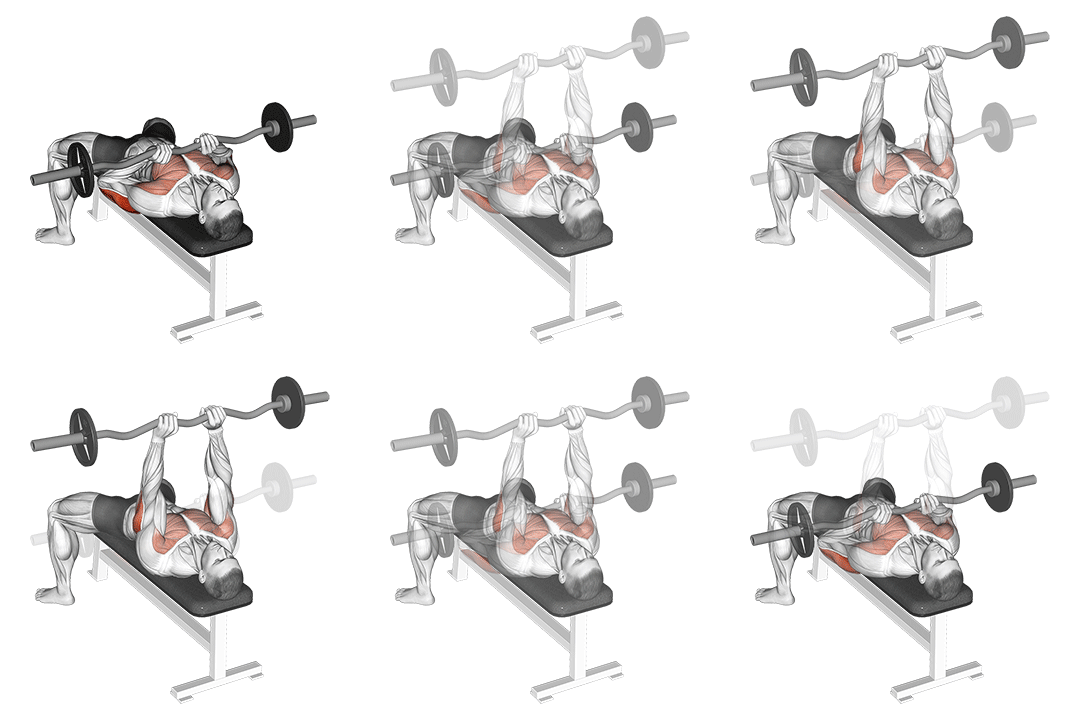
9. Ez-bar Close-grip Bench Press
82.7% MatchHow to perform this exercise
- Lie flat on a bench with your feet flat on the ground and your back pressed against the bench.
- Grasp the ez barbell with a close grip, hands shoulder-width apart, palms facing forward.
- Lift the barbell off the rack and hold it directly above your chest with your arms fully extended.
- Slowly lower the barbell towards your chest, keeping your elbows close to your body.
- Pause for a moment when the barbell touches your chest.
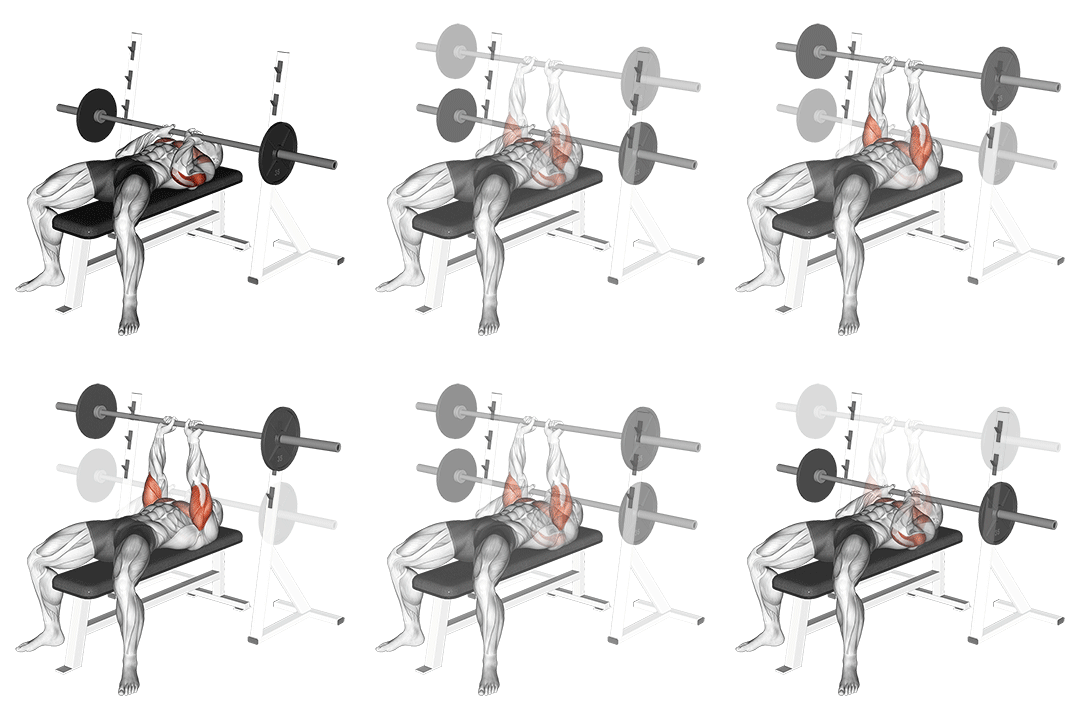
10. Barbell Close-grip Bench Press
82.7% MatchHow to perform this exercise
- Lie flat on a bench with your feet flat on the ground and your back pressed against the bench.
- Grasp the barbell with a close grip, slightly narrower than shoulder-width apart.
- Unrack the barbell and lower it slowly towards your chest, keeping your elbows close to your body.
- Pause for a moment when the barbell touches your chest.
- Push the barbell back up to the starting position, fully extending your arms.
Why You Might Need a Barbell Incline Reverse-grip Press Alternative
You might substitute this lift for wrist or shoulder pain from the supinated bar grip, lack of an incline bench or barbell, or a desire to shift emphasis between triceps heads. The reverse grip increases elbow-extension torque and stresses forearm supinators; that biomechanical change can aggravate wrists or biceps tendons. Equipment limitations push you toward dumbbells, cables, or bodyweight variants that preserve the incline pressing vector but permit neutral or rotated grips. Training goals also matter: compound presses maintain pressing strength, while skull crushers or cable extensions isolate the long head through a greater shoulder extension range. Cue: prioritize scapular stability and avoid flaring elbows to keep triceps dominant activation.
How to Choose the Right Substitute
Match the substitute to the original movement pattern, loading method, and joint comfort. If you want the same compound elbow-extension pattern, choose a close-grip incline dumbbell press or cable incline triceps extension; cue: align wrists over elbows and drive to full elbow extension to target medial and lateral triceps heads. Pick skull crushers or cable pushdowns for isolation and controlled eccentrics. Consider equipment—dumbbells allow wrist rotation, cables maintain constant tension, and bodyweight demands scapular control. Also ensure progressive overload is possible (add weight, reps, or time under tension) while maintaining joint-friendly technique.
Frequently Asked Questions
What muscles does Barbell Incline Reverse-grip Press work?
The primary mover is the triceps (long and lateral heads), with secondary loading of the clavicular chest and anterior deltoids. The reverse grip increases elbow-extension torque and shifts load toward the triceps via forearm supination—cue: keep elbows tucked to emphasize triceps over chest.
What is the best bodyweight alternative to Barbell Incline Reverse-grip Press?
Decline close-grip push-ups (feet elevated) or parallel-bar dips are the best bodyweight options to replicate the inclined pressing vector and triceps emphasis. Cue: keep elbows close to the ribs, lower until elbows reach ~90°, then drive through the palms to full elbow extension to maximize triceps activation.
Can I build muscle without doing Barbell Incline Reverse-grip Press?
Yes. Combine compound pressing (close-grip incline dumbbells or dips) with isolation work (skull crushers, cable pushdowns) and apply progressive overload. Focus on full-range reps with controlled eccentrics and a brief peak contraction—cue: stop short of elbow lockout only when intentionally limiting range for variation.
More Exercise Alternatives
Find Alternatives for Any Exercise
Use our free tool to discover the best substitute exercises based on your available equipment and goals.
Try the Exercise Substitution Finder →