

Top 10 Alternatives to the Barbell Reverse Grip Bent Over Row
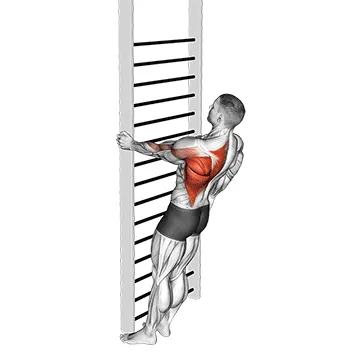
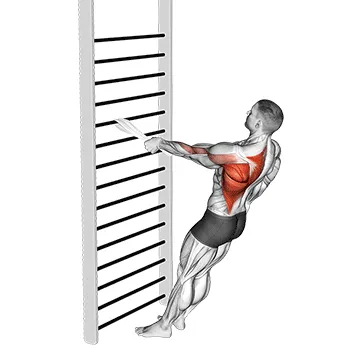
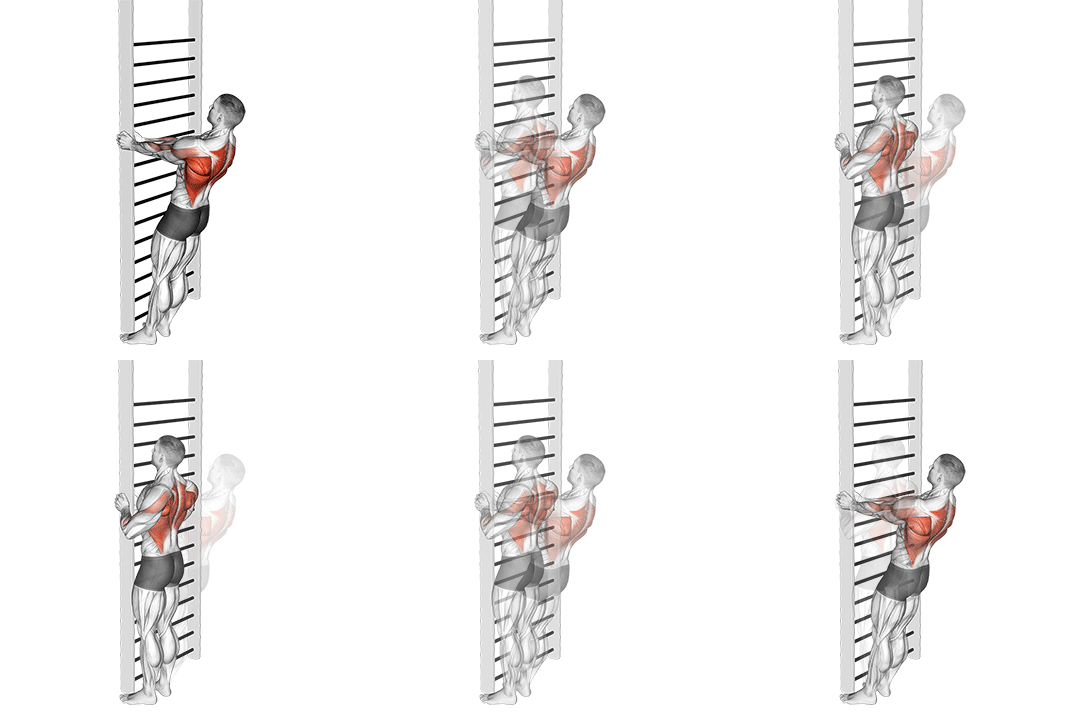
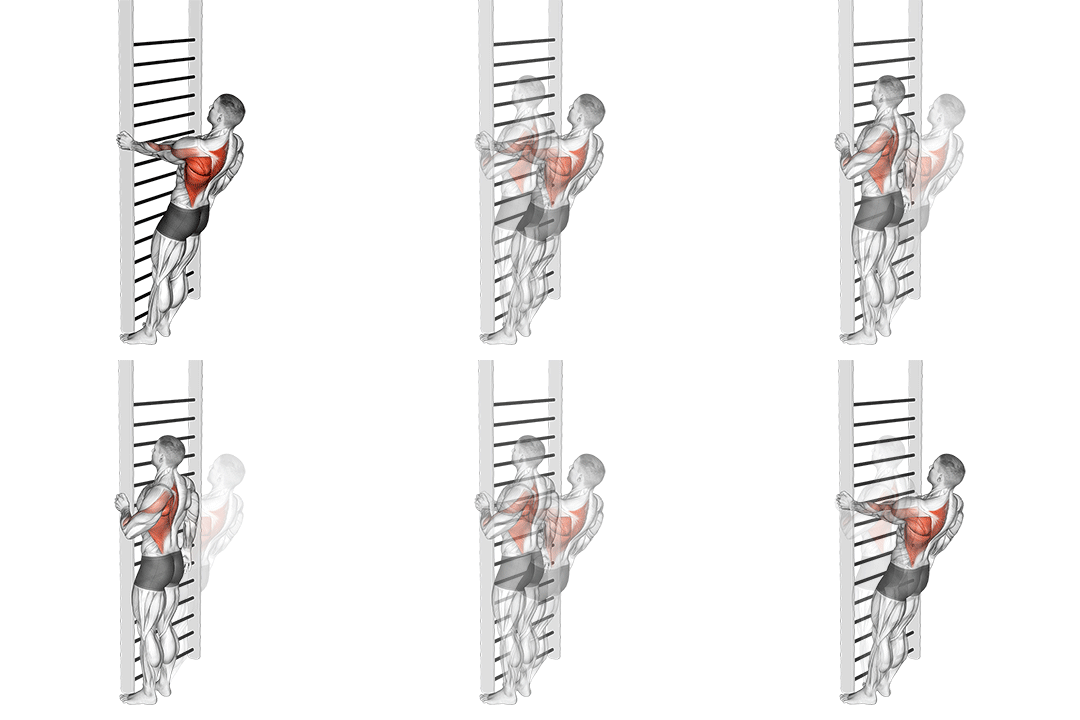
The Barbell Reverse Grip Bent Over Row is done standing with a barbell. Ranked closest by our scoring: the Bodyweight Standing Close-grip Row, the Bodyweight Standing Row and the Bodyweight Standing Row (With Towel).
Updated Ranked by our 12-factor similarity model How it works
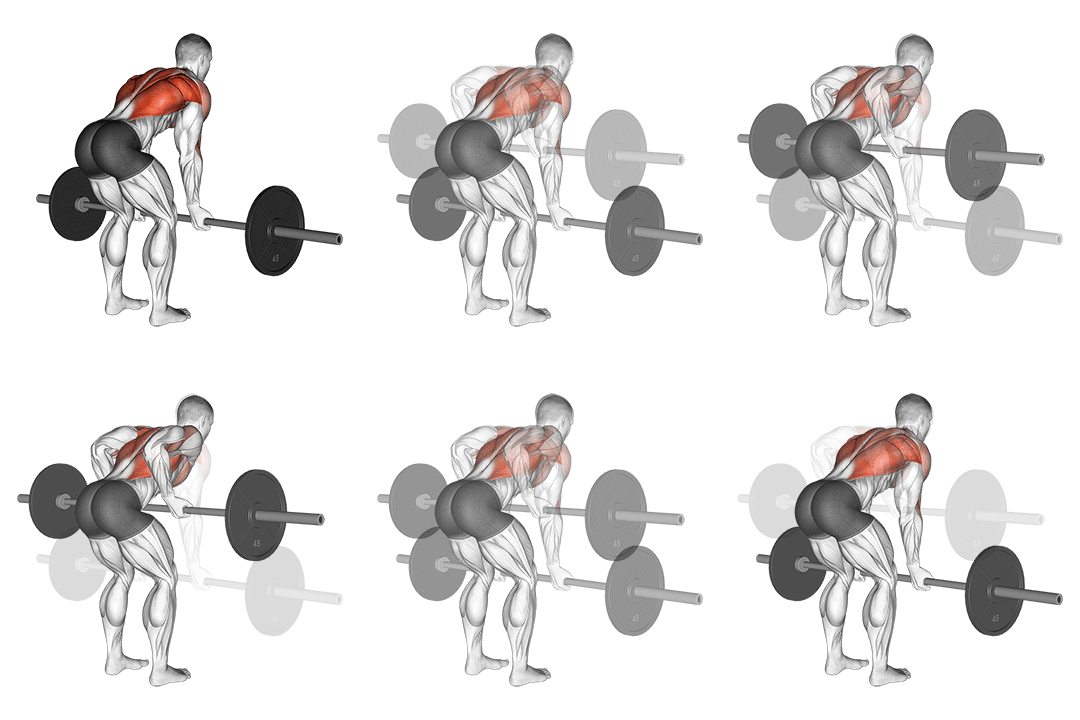
Original Exercise: Barbell Reverse Grip Bent Over Row
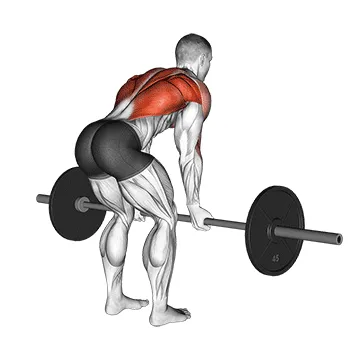
- Primary muscle
- Lats
- Equipment
- Barbell
- Difficulty
- Intermediate
- Type
- Compound
Secondary muscles: Biceps, Forearms
How to perform Barbell Reverse Grip Bent Over Row
- Stand with your feet shoulder-width apart and knees slightly bent.
- Hold a barbell with an overhand grip, palms facing down, and hands slightly wider than shoulder-width apart.
- Bend forward at the hips, keeping your back straight and chest up, until your torso is almost parallel to the floor.
- Pull the barbell towards your lower chest, squeezing your shoulder blades together.
- Pause for a moment at the top, then slowly lower the barbell back to the starting position.
- Repeat for the desired number of repetitions.
Ranked Barbell Reverse Grip Bent Over Row Alternatives
10 substitutes, ranked by how closely each one matches the Barbell Reverse Grip Bent Over Row on movement pattern, muscles worked, equipment and body position. The higher the score, the less you change. Open "How to perform this exercise" on a card for the steps; every card title links to that exercise's own alternatives page.
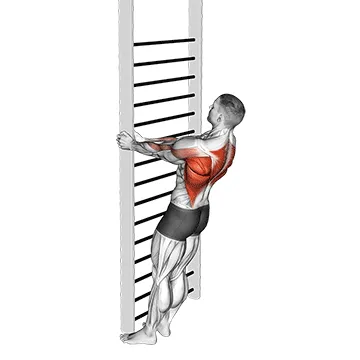
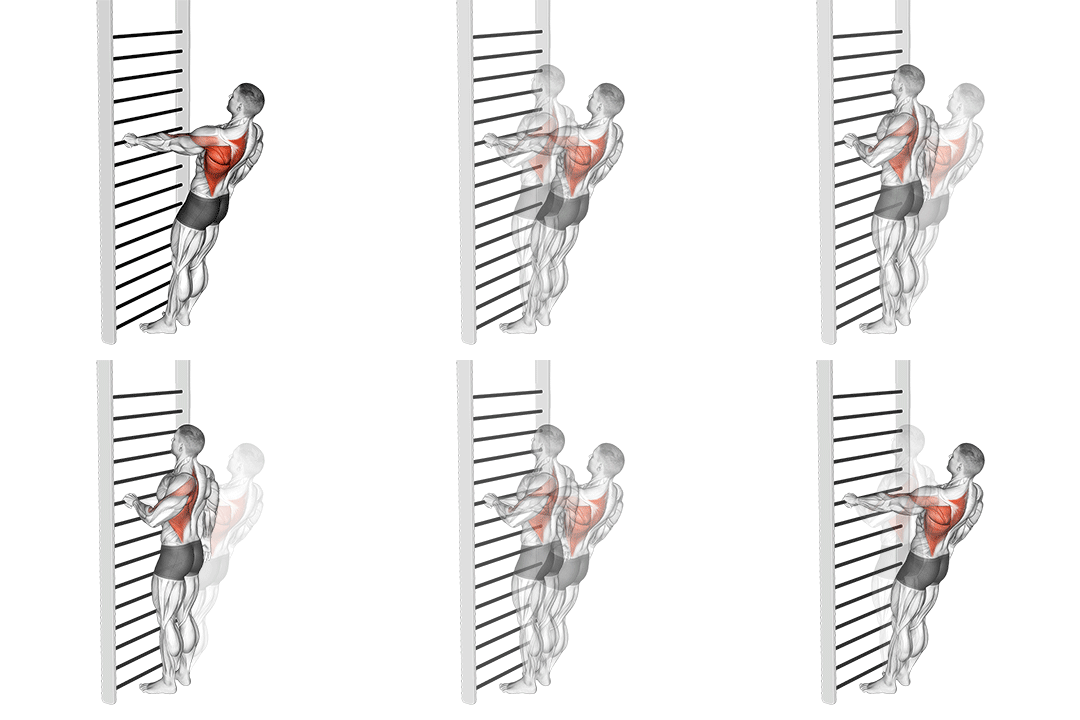
Best match - Lats
- Bodyweight
- Beginner
- Compound
Use this when you have nothing to train with, because it works the lats with bodyweight alone.
How to perform this exercise
- Stand with your feet shoulder-width apart and knees slightly bent.
- Bend forward at the waist, keeping your back straight and your core engaged.
- Extend your arms straight in front of you, gripping the bar or handles with a close grip.
- Pull the bar or handles towards your body, squeezing your shoulder blades together.
- Pause for a moment at the top of the movement, then slowly release and return to the starting position.
- Repeat for the desired number of repetitions.
Sets and reps: 3 sets of 8 to 12 reps, and add reps before you add load.
Why this matches
- Primary muscle: lats, the same as the Barbell Reverse Grip Bent Over Row
- Equipment: bodyweight only, not free weights
- Body position: standing, the same as the Barbell Reverse Grip Bent Over Row
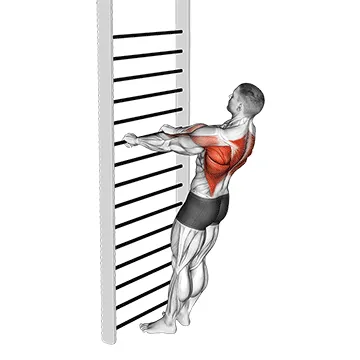
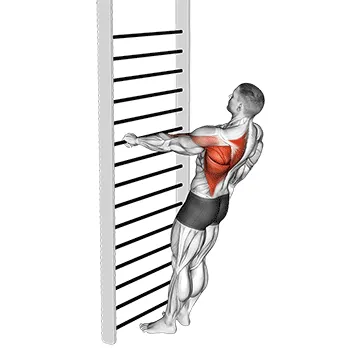
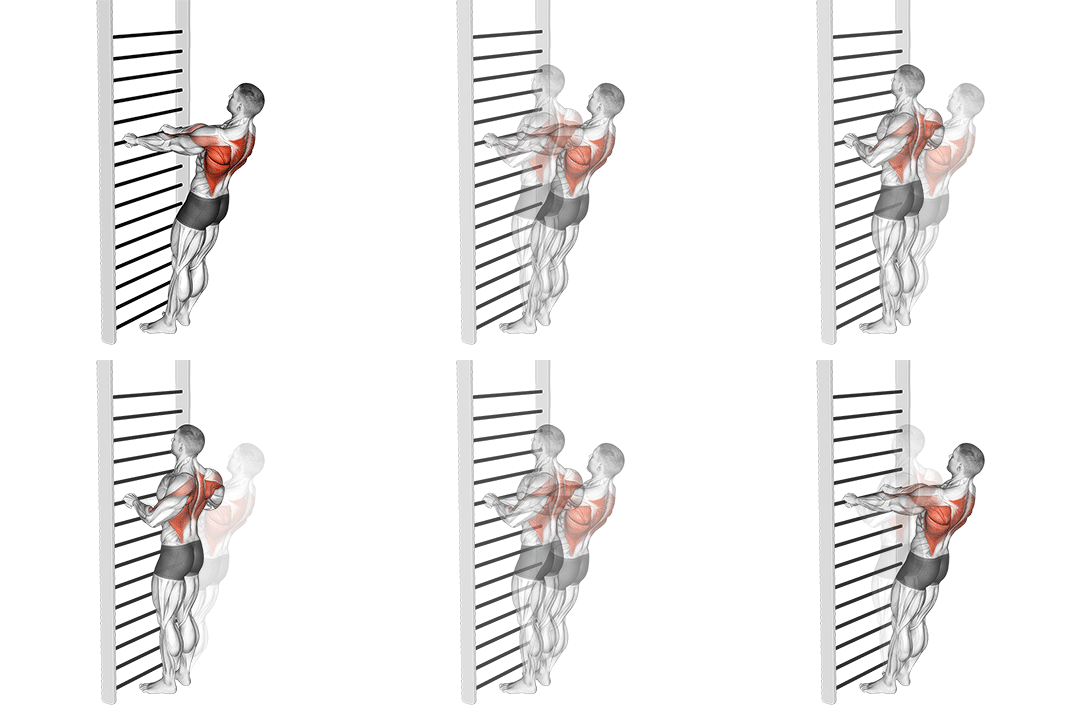
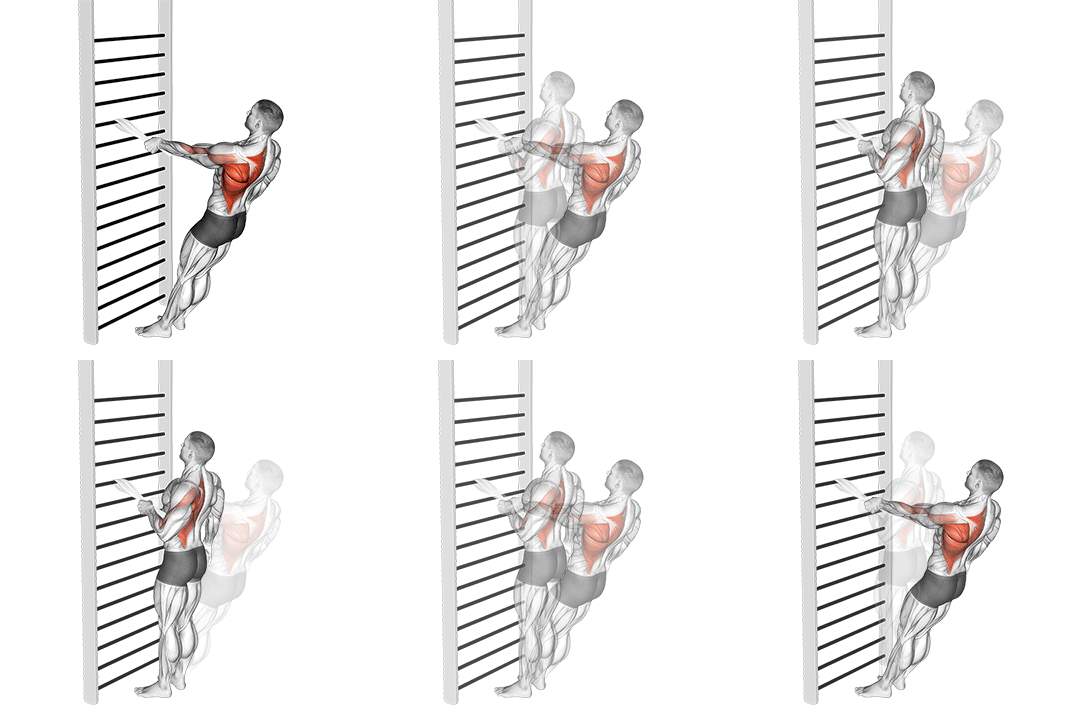
2. Bodyweight Standing Row
85% match- Lats
- Bodyweight
- Beginner
- Compound
How to perform this exercise
- Stand with your feet shoulder-width apart and knees slightly bent.
- Grasp a bar or handles with an overhand grip, palms facing down.
- Keep your back straight and core engaged.
- Pull the bar or handles towards your body, squeezing your shoulder blades together.
- Pause for a moment at the top of the movement.
- Slowly release and extend your arms back to the starting position.
- Repeat for the desired number of repetitions.
Sets and reps: 3 sets of 8 to 12 reps, and add reps before you add load.
Why this matches
- Primary muscle: lats, the same as the Barbell Reverse Grip Bent Over Row
- Equipment: bodyweight only, not free weights
- Body position: standing, the same as the Barbell Reverse Grip Bent Over Row
- Lats
- Bodyweight
- Intermediate
- Compound
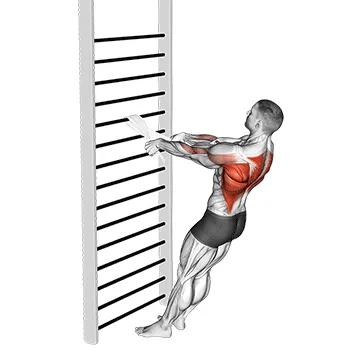
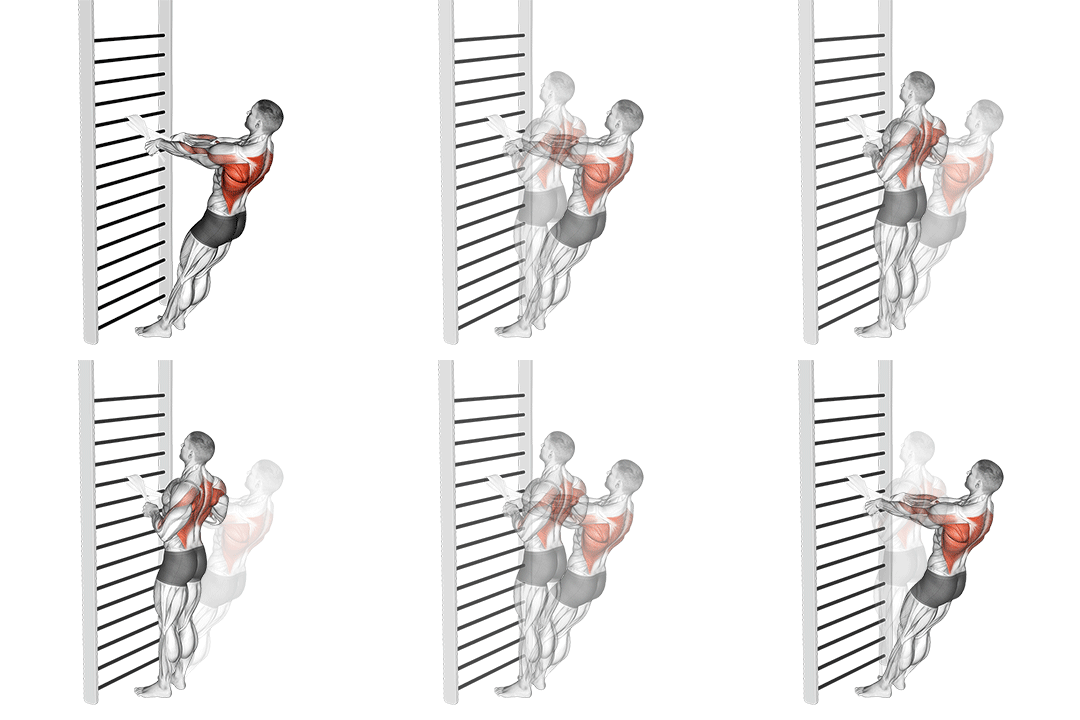
How to perform this exercise
- Stand with your feet shoulder-width apart and hold a towel in front of you with both hands.
- Bend your knees slightly and hinge forward at the hips, keeping your back straight.
- Pull the towel towards your chest, squeezing your shoulder blades together.
- Pause for a moment at the top, then slowly release the tension and return to the starting position.
- Repeat for the desired number of repetitions.
Sets and reps: 3 or 4 sets of 6 to 10 reps.
Why this matches
- Primary muscle: lats, the same as the Barbell Reverse Grip Bent Over Row
- Equipment: bodyweight only, not free weights
- Body position: standing, the same as the Barbell Reverse Grip Bent Over Row
- Balance: harder to stay steady on than the Barbell Reverse Grip Bent Over Row
- Lats
- Bodyweight
- Intermediate
- Compound
Pick this when you want to work the lats one side at a time.
How to perform this exercise
- Stand with your feet shoulder-width apart, knees slightly bent, and hold a dumbbell in one hand with a neutral grip.
- Bend forward at the hips, keeping your back straight and your core engaged.
- Pull the dumbbell up towards your chest, keeping your elbow close to your body and squeezing your shoulder blades together.
- Pause for a moment at the top, then slowly lower the dumbbell back down to the starting position.
- Repeat for the desired number of repetitions, then switch sides.
Sets and reps: 3 or 4 sets of 6 to 10 reps on each side.
Why this matches
- Primary muscle: lats, the same as the Barbell Reverse Grip Bent Over Row
- Equipment: bodyweight only, not free weights
- Body position: standing, the same as the Barbell Reverse Grip Bent Over Row
- Balance: harder to stay steady on than the Barbell Reverse Grip Bent Over Row
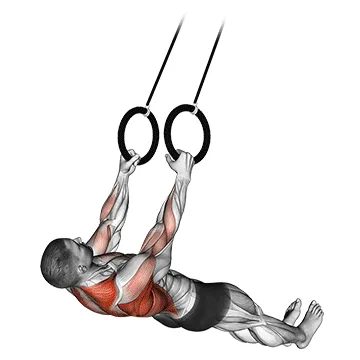
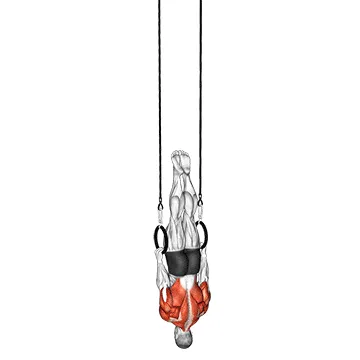
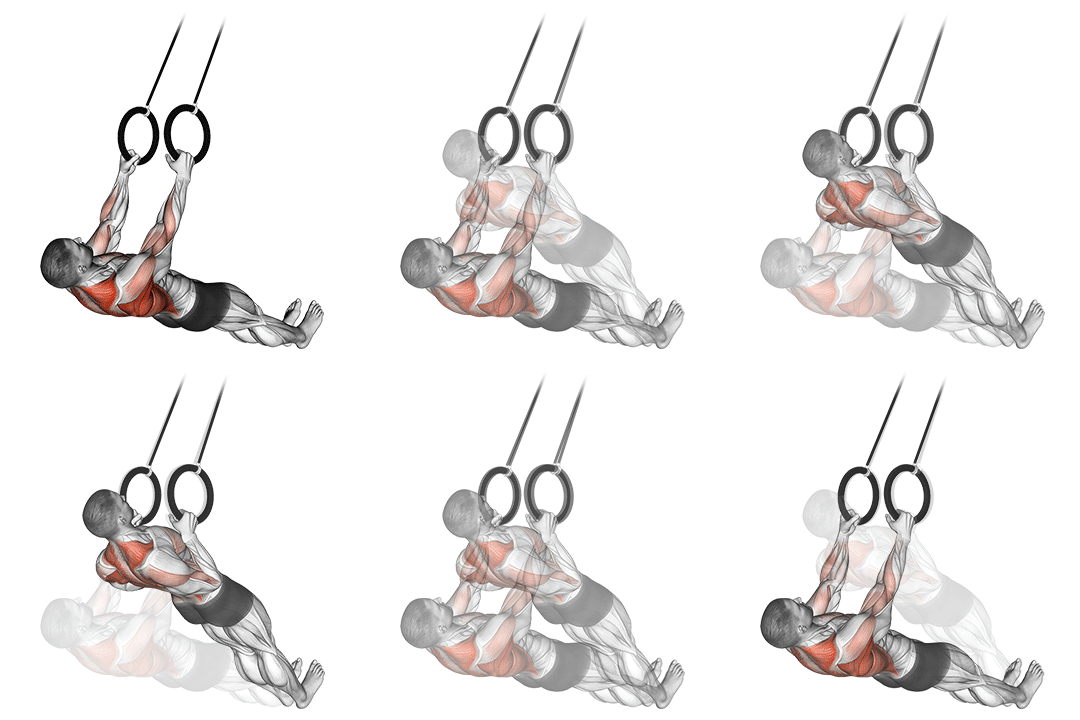
5. Suspended Row
77% match- Lats
- Bodyweight
- Intermediate
- Compound
How to perform this exercise
- Set up a suspension trainer at an appropriate height.
- Stand facing the anchor point with your feet shoulder-width apart.
- Hold the handles with an overhand grip, palms facing each other.
- Lean back, keeping your body straight and your heels on the ground.
- Pull your chest towards the handles, squeezing your shoulder blades together.
- Pause for a moment at the top, then slowly lower yourself back to the starting position.
- Repeat for the desired number of repetitions.
Sets and reps: 3 or 4 sets of 6 to 10 reps.
Why this matches
- Primary muscle: lats, the same as the Barbell Reverse Grip Bent Over Row
- Equipment: a suspension trainer, not free weights
- Body position: hanging, not standing
6. Bodyweight Standing One Arm Row
77% match- Lats
- Bodyweight
- Intermediate
- Compound
How to perform this exercise
- Stand with your feet shoulder-width apart, knees slightly bent, and hold a dumbbell in one hand.
- Bend forward at the hips, keeping your back straight and your core engaged.
- Let the dumbbell hang straight down in front of you, with your arm fully extended.
- Pull the dumbbell up towards your chest, keeping your elbow close to your body.
- Squeeze your shoulder blades together at the top of the movement.
- Lower the dumbbell back down to the starting position.
- Repeat for the desired number of repetitions, then switch sides.
Sets and reps: 3 or 4 sets of 6 to 10 reps on each side.
Why this matches
- Primary muscle: lats, the same as the Barbell Reverse Grip Bent Over Row
- Equipment: bodyweight only, not free weights
- Body position: standing, the same as the Barbell Reverse Grip Bent Over Row
- Balance: harder to stay steady on than the Barbell Reverse Grip Bent Over Row
- Lats
- Bodyweight
- Intermediate
- Compound
How to perform this exercise
- Stand with your feet shoulder-width apart, knees slightly bent, and hold a towel with one hand.
- Bend forward at the hips, keeping your back straight and your core engaged.
- Pull the towel towards your chest, squeezing your shoulder blades together.
- Pause for a moment at the top, then slowly lower the towel back to the starting position.
- Repeat for the desired number of repetitions, then switch to the other arm.
Sets and reps: 3 or 4 sets of 6 to 10 reps on each side.
Why this matches
- Primary muscle: lats, the same as the Barbell Reverse Grip Bent Over Row
- Equipment: bodyweight only, not free weights
- Body position: standing, the same as the Barbell Reverse Grip Bent Over Row
- Balance: harder to stay steady on than the Barbell Reverse Grip Bent Over Row
8. Elevator
70% match- Upper Back
- Bodyweight
- Intermediate
- Compound
How to perform this exercise
- Stand with your feet shoulder-width apart and your knees slightly bent.
- Place your hands on your hips or cross them in front of your chest.
- Keeping your back straight, slowly bend forward at the waist, lowering your upper body towards the ground.
- Pause for a moment at the bottom, then slowly raise your upper body back up to the starting position.
- Repeat for the desired number of repetitions.
Sets and reps: 3 or 4 sets of 6 to 10 reps.
Why this matches
- Primary muscle: upper back, not lats
- Equipment: bodyweight only, not free weights
- Body position: standing, the same as the Barbell Reverse Grip Bent Over Row
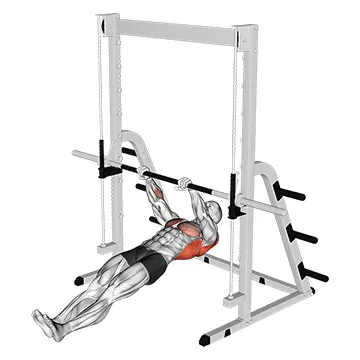
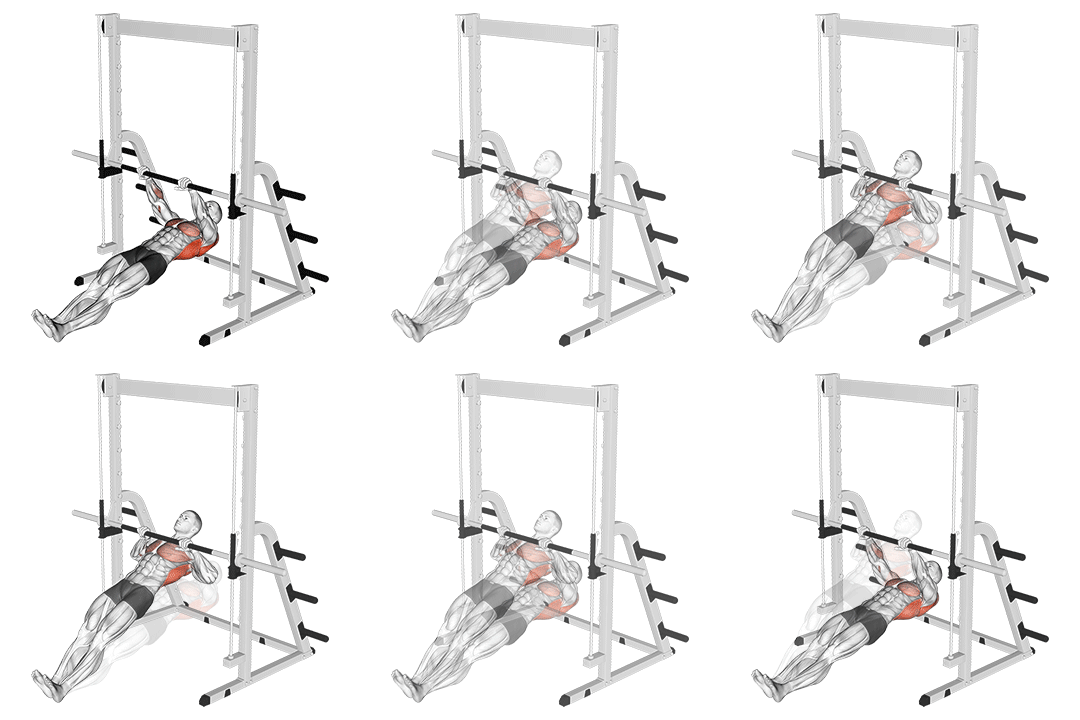
9. Inverted Row
67% match- Lats
- Bodyweight
- Intermediate
- Compound
How to perform this exercise
- Set up a bar at waist height or use a suspension trainer.
- Stand facing the bar or suspension trainer, with your feet shoulder-width apart.
- Grab the bar or handles with an overhand grip, slightly wider than shoulder-width apart.
- Lean back, keeping your body straight and your heels on the ground.
- Pull your chest towards the bar or handles, squeezing your shoulder blades together.
- Pause for a moment at the top, then slowly lower yourself back to the starting position.
- Repeat for the desired number of repetitions.
Sets and reps: 3 or 4 sets of 6 to 10 reps.
Why this matches
- Primary muscle: lats, the same as the Barbell Reverse Grip Bent Over Row
- Equipment: bodyweight only, not free weights
- Body position: hanging, not standing
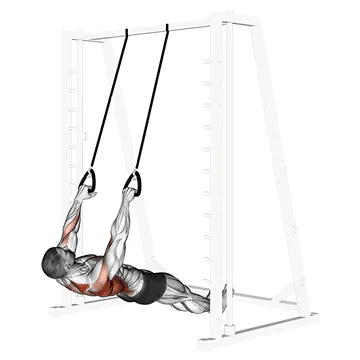
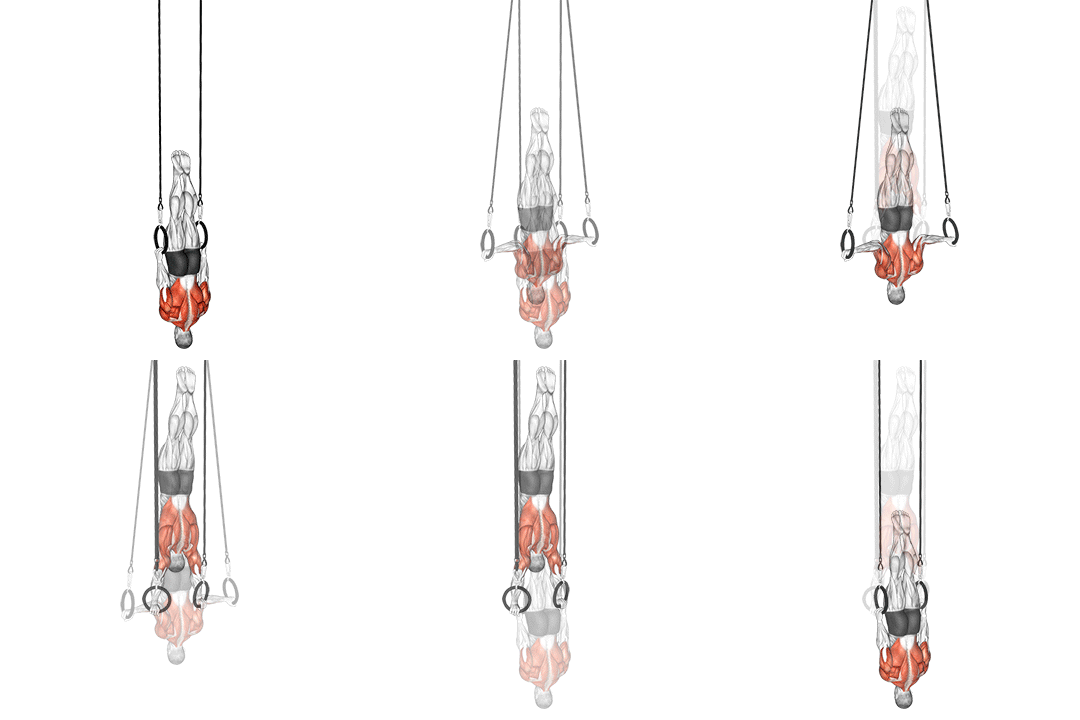
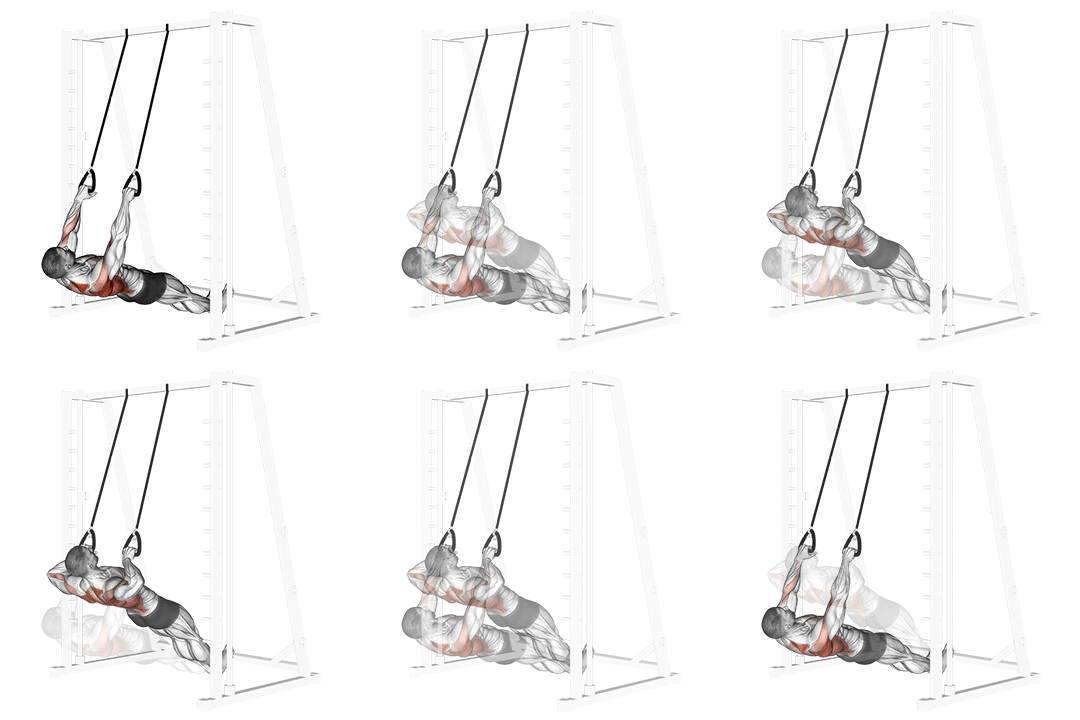
10. Inverted Row With Straps
67% match- Lats
- Bodyweight
- Intermediate
- Compound
How to perform this exercise
- Set up a suspension trainer or straps at chest height.
- Stand facing the anchor point and grab the handles with an overhand grip.
- Walk your feet forward, leaning back until your body is at an angle.
- Keep your body straight and engage your core.
- Pull your chest towards the handles, squeezing your shoulder blades together.
- Pause for a moment at the top, then slowly lower yourself back to the starting position.
- Repeat for the desired number of repetitions.
Sets and reps: 3 or 4 sets of 6 to 10 reps.
Why this matches
- Primary muscle: lats, the same as the Barbell Reverse Grip Bent Over Row
- Equipment: a suspension trainer, not free weights
- Body position: hanging, not standing
Why You Might Need a Barbell Reverse Grip Bent Over Row Alternative
You might substitute the reverse-grip barbell row for several reasons: wrist or forearm pain from the underhand grip, excess low-back loading from the bent-over posture, lack of a barbell, or a need to correct left-right strength imbalances. The reverse grip increases biceps contribution and shifts some demand away from pure lat-driven humeral extension. Choosing a neutral-grip or supported row reduces wrist supination and spinal erector stress while preserving lat activation. Technique cue: keep scapula retracted and drive the elbow back to emphasize lat-driven extension rather than pulling with the hands or shoulders.
Barbell Reverse Grip Bent Over Row FAQ
What muscles does Barbell Reverse Grip Bent Over Row work?
The exercise targets the lats, rhomboids, posterior deltoids, biceps, and spinal erectors. The underhand grip increases biceps activation and shifts some load off pure lat extension, so cue a high-elbow pull toward the hip to prioritize lat contraction.
Find Alternatives for Any Exercise
Search the exercise database and filter the ranked substitutes by the equipment you own.
Similarity scores compare exercise metadata such as movement pattern, muscles, equipment and body position. They are not a safety rating or a check that you own the equipment. Learn about our methodology