

10 Best Elevator Alternatives for Limited Equipment
The Elevator is done standing. Ranked closest by our scoring: the Barbell Bent Over Row, the Barbell Pendlay Row and the One Arm Towel Row.
Updated Ranked by our 12-factor similarity model How it works
Original Exercise: Elevator
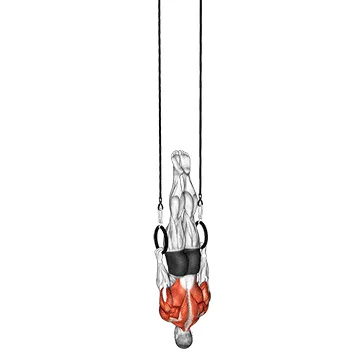
- Primary muscle
- Upper Back
- Equipment
- Bodyweight
- Difficulty
- Intermediate
- Type
- Compound
Secondary muscles: Shoulders, Trapezius
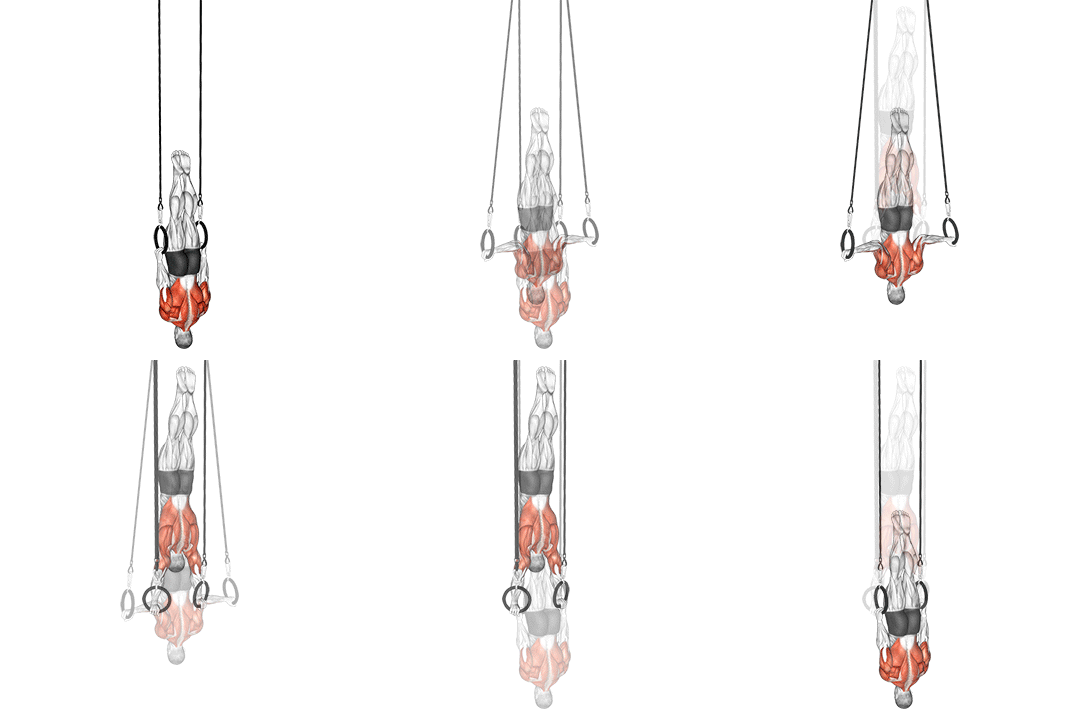
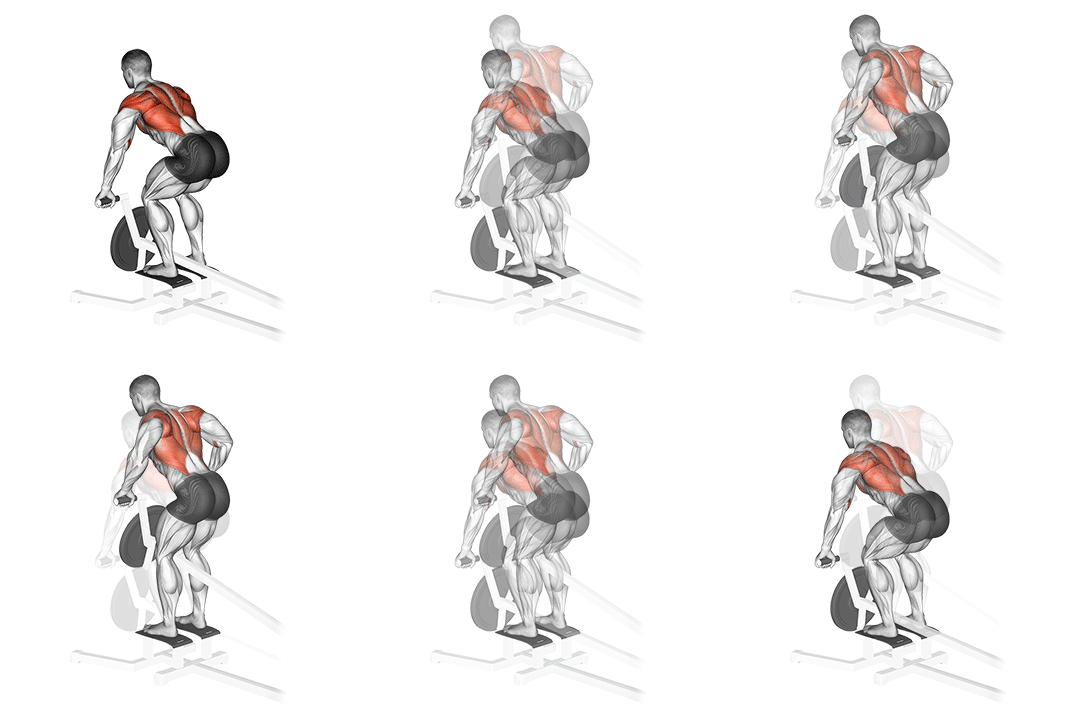
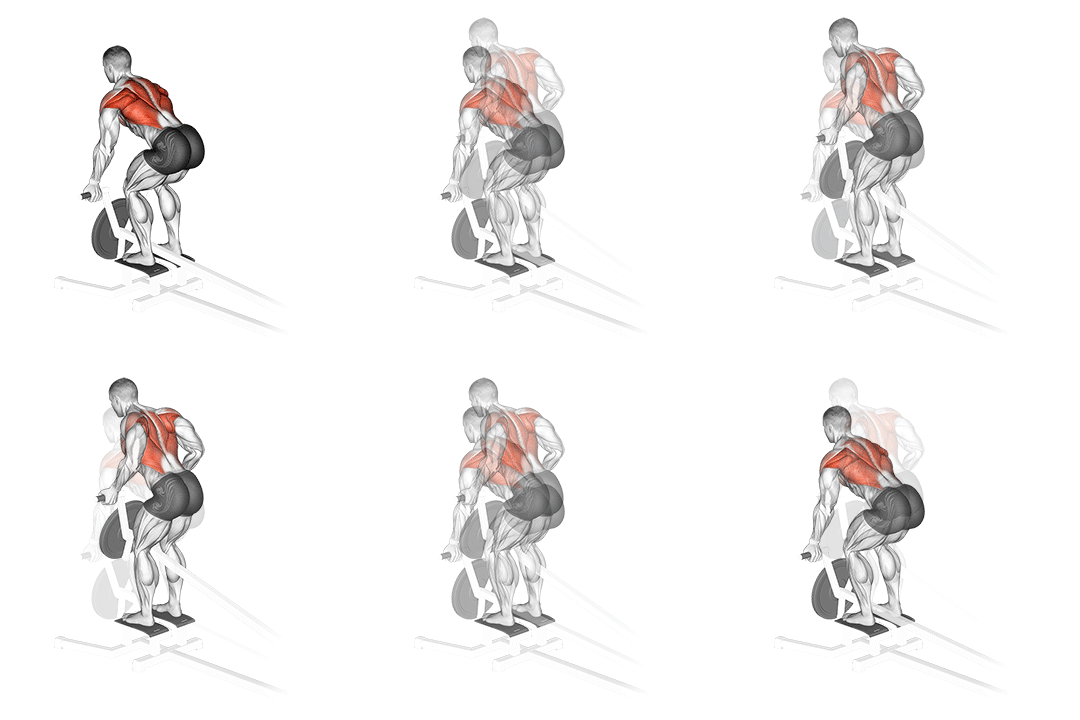
How to perform Elevator
- Stand with your feet shoulder-width apart and your knees slightly bent.
- Place your hands on your hips or cross them in front of your chest.
- Keeping your back straight, slowly bend forward at the waist, lowering your upper body towards the ground.
- Pause for a moment at the bottom, then slowly raise your upper body back up to the starting position.
- Repeat for the desired number of repetitions.
Ranked Elevator Alternatives
10 substitutes, ranked by how closely each one matches the Elevator on movement pattern, muscles worked, equipment and body position. The higher the score, the less you change. Open "How to perform this exercise" on a card for the steps; every card title links to that exercise's own alternatives page.
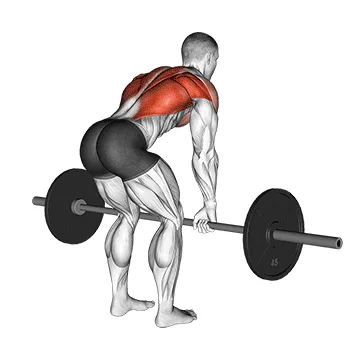
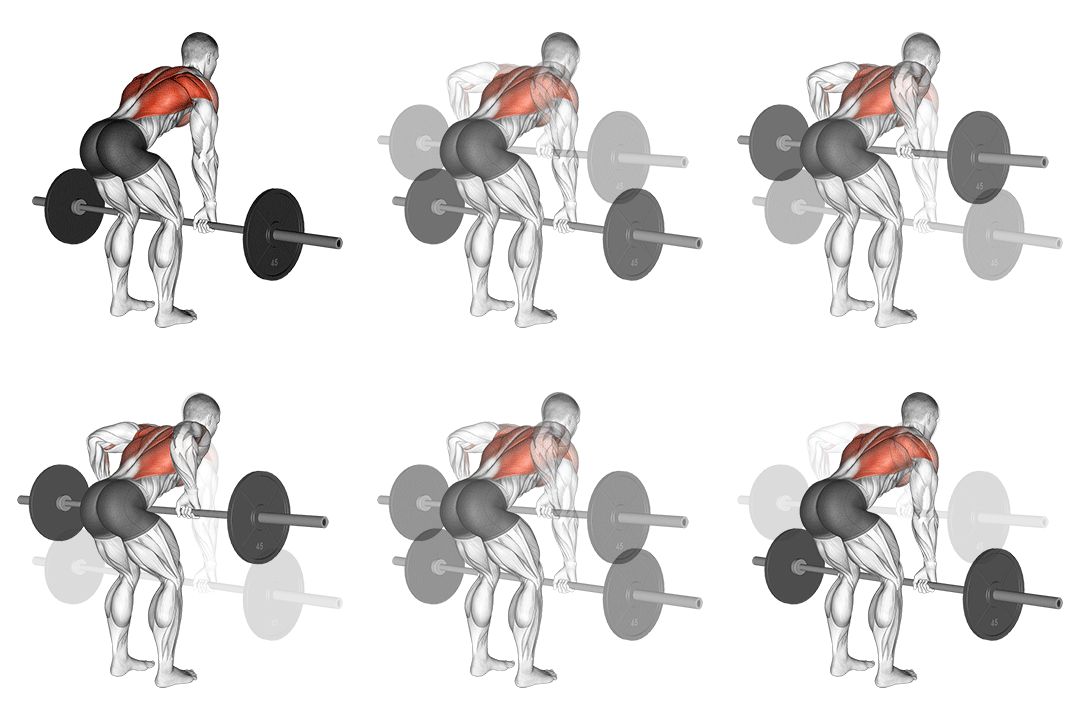
Best match 1. Barbell Bent Over Row
89% match- Upper Back
- Barbell
- Intermediate
- Compound
A good swap when you have a barbell to work with, and it still works the upper back.
How to perform this exercise
- Stand with your feet shoulder-width apart and knees slightly bent.
- Bend forward at the hips while keeping your back straight and chest up.
- Grasp the barbell with an overhand grip, hands slightly wider than shoulder-width apart.
- Pull the barbell towards your lower chest by retracting your shoulder blades and squeezing your back muscles.
- Pause for a moment at the top, then slowly lower the barbell back to the starting position.
- Repeat for the desired number of repetitions.
Sets and reps: 3 to 5 sets of 5 to 8 reps.
Why this matches
- Primary muscle: upper back, the same as the Elevator
- Equipment: free weights, not bodyweight only
- Body position: standing, the same as the Elevator
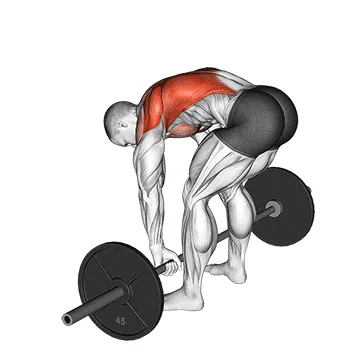
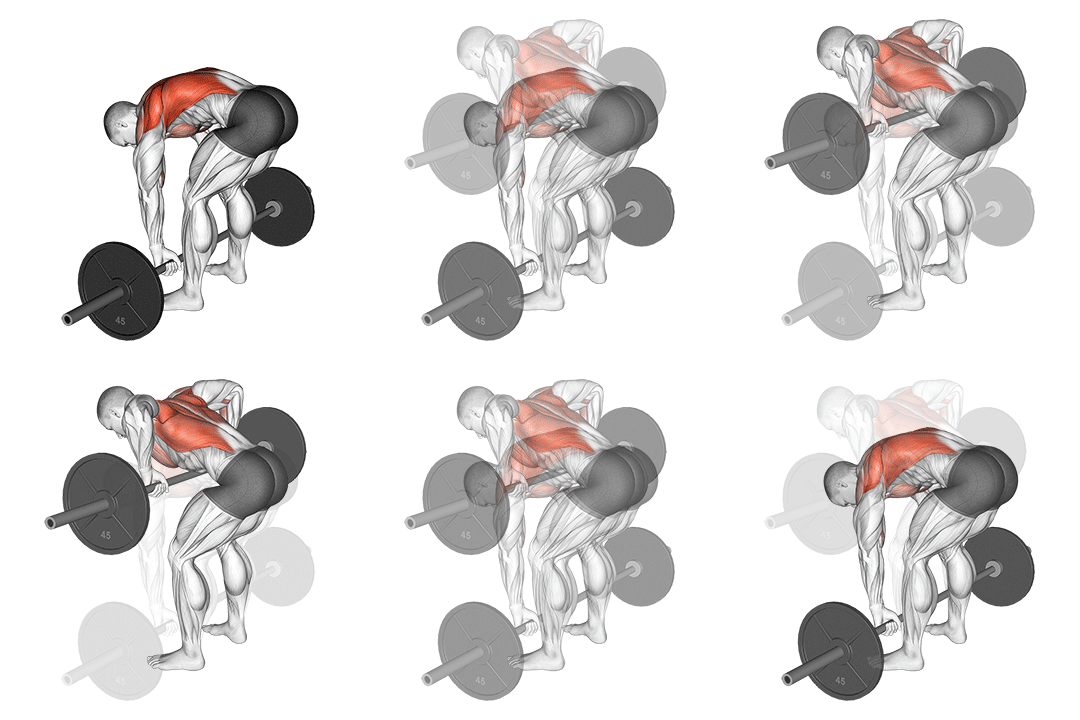
2. Barbell Pendlay Row
89% match- Upper Back
- Barbell
- Advanced
- Compound
How to perform this exercise
- Stand with your feet shoulder-width apart and your knees slightly bent.
- Bend forward at the hips, keeping your back straight and your chest up.
- Grasp the barbell with an overhand grip, slightly wider than shoulder-width apart.
- Pull the barbell towards your upper abdomen, squeezing your shoulder blades together.
- Lower the barbell back down to the starting position.
- Repeat for the desired number of repetitions.
Sets and reps: 3 to 5 sets of 5 to 8 reps.
Why this matches
- Primary muscle: upper back, the same as the Elevator
- Equipment: free weights, not bodyweight only
- Body position: standing, the same as the Elevator
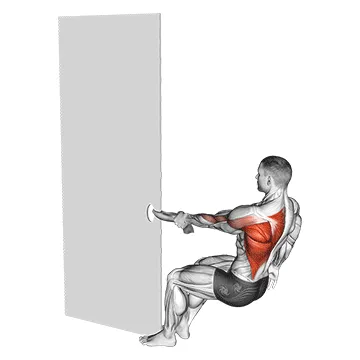
3. One Arm Towel Row
87% match- Upper Back
- Bodyweight
- Intermediate
- Compound
Pick this when you want to work the upper back one side at a time.
How to perform this exercise
- Stand with your feet shoulder-width apart, knees slightly bent, and hold a towel with one hand.
- Bend forward at the waist, keeping your back straight and your core engaged.
- Extend your arm fully, allowing the towel to hang in front of you.
- Pull the towel towards your chest, squeezing your shoulder blades together.
- Pause for a moment at the top, then slowly lower the towel back to the starting position.
- Repeat for the desired number of repetitions, then switch arms.
Sets and reps: 3 or 4 sets of 6 to 10 reps on each side.
Why this matches
- Primary muscle: upper back, the same as the Elevator
- Equipment: bodyweight only, the same as the Elevator
- Body position: standing, the same as the Elevator
- Balance: harder to stay steady on than the Elevator
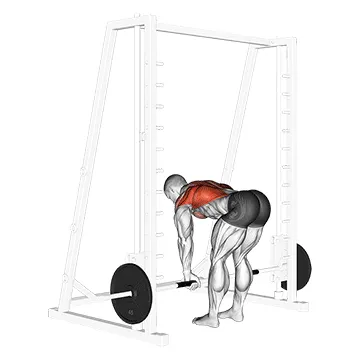
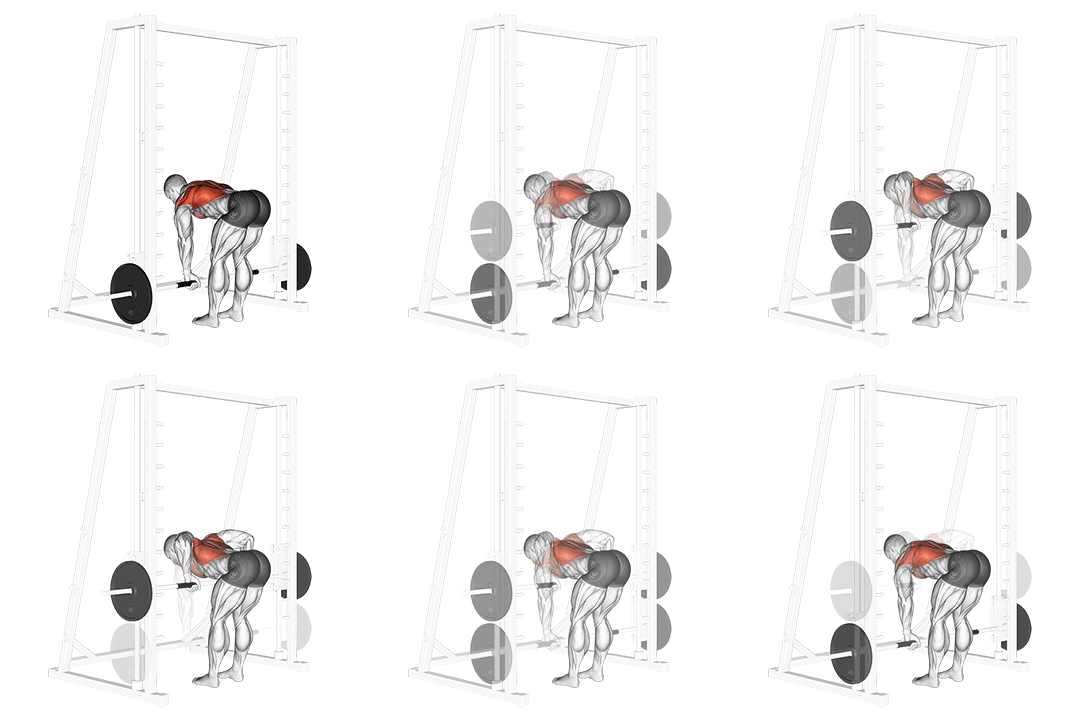
4. Smith Bent Over Row
86% match- Upper Back
- Smith-machine
- Intermediate
- Compound
A good swap when you have a Smith machine to work with, and it still works the upper back.
How to perform this exercise
- Set up the smith machine with the bar at hip height.
- Stand facing the bar with your feet shoulder-width apart.
- Bend your knees slightly and hinge forward at the hips, keeping your back straight.
- Grasp the bar with an overhand grip, hands slightly wider than shoulder-width apart.
- Pull the bar towards your lower chest, squeezing your shoulder blades together.
- Pause for a moment at the top, then slowly lower the bar back down to the starting position.
- Repeat for the desired number of repetitions.
Sets and reps: 3 or 4 sets of 6 to 10 reps.
Why this matches
- Primary muscle: upper back, the same as the Elevator
- Equipment: a machine, not bodyweight only
- Body position: standing, the same as the Elevator
- Balance: easier to stay steady on than the Elevator
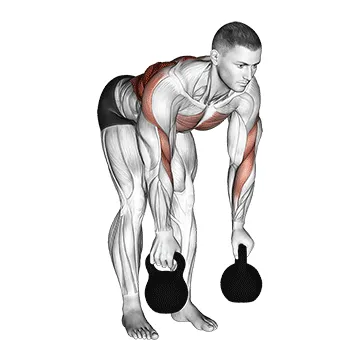
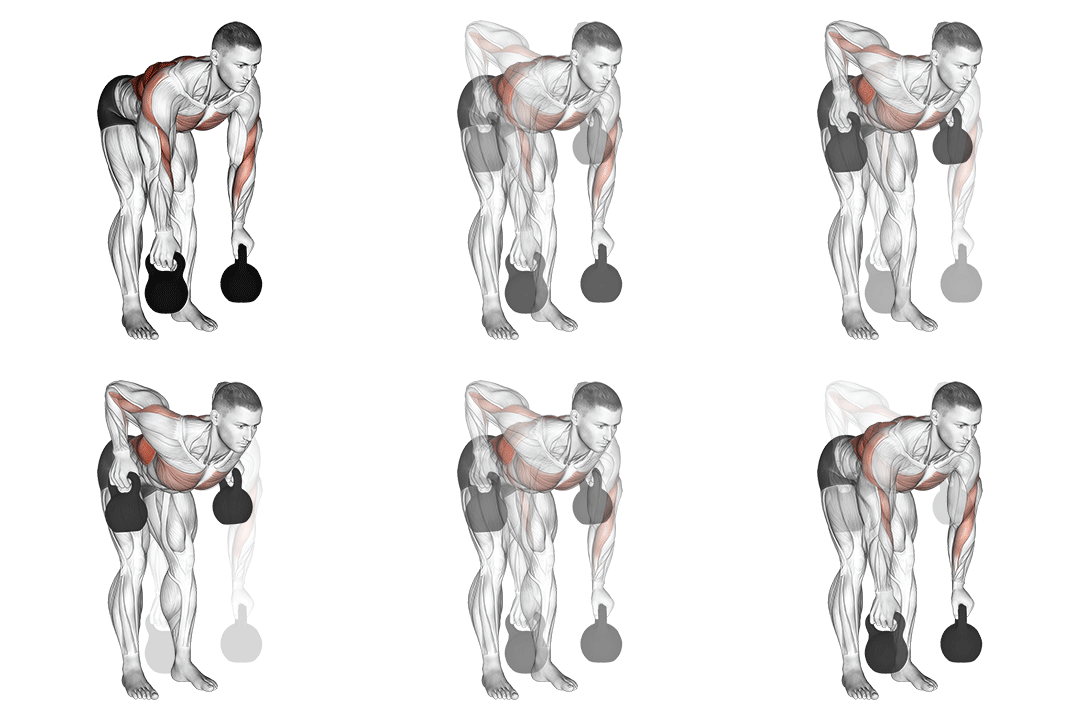
5. Kettlebell Two Arm Row
86% match- Upper Back
- Kettlebell
- Intermediate
- Compound
A good swap when you have a kettlebell to work with, and it still works the upper back.
How to perform this exercise
- Stand with your feet shoulder-width apart, knees slightly bent, and hold a kettlebell in each hand with your palms facing your body.
- Bend forward at the hips, keeping your back straight and your core engaged.
- Pull the kettlebells up towards your chest, squeezing your shoulder blades together.
- Pause for a moment at the top, then slowly lower the kettlebells back down to the starting position.
- Repeat for the desired number of repetitions.
Sets and reps: 3 or 4 sets of 6 to 10 reps.
Why this matches
- Primary muscle: upper back, the same as the Elevator
- Equipment: free weights, not bodyweight only
- Body position: standing, the same as the Elevator
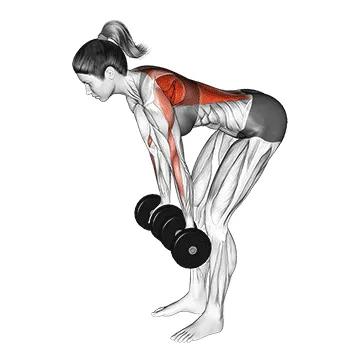
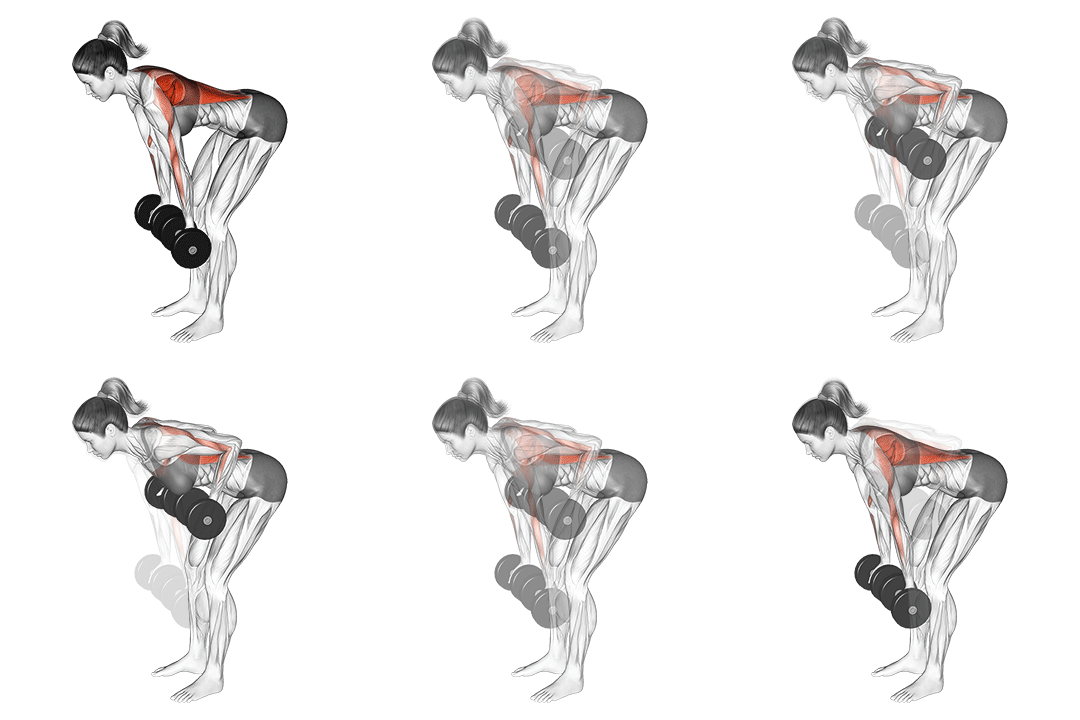
6. Dumbbell Reverse Grip Row
85% match- Upper Back
- Dumbbell
- Intermediate
- Compound
A good swap when you have dumbbells to work with, and it still works the upper back.
How to perform this exercise
- Stand with your feet shoulder-width apart and knees slightly bent.
- Hold a dumbbell in each hand with an overhand grip, palms facing your body.
- Bend forward at the waist, keeping your back straight and your core engaged.
- Let your arms hang straight down, fully extended, with a slight bend in your elbows.
- Pull the dumbbells up towards your chest, squeezing your shoulder blades together.
- Pause for a moment at the top, then slowly lower the dumbbells back down to the starting position.
- Repeat for the desired number of repetitions.
Sets and reps: 3 or 4 sets of 6 to 10 reps.
Why this matches
- Primary muscle: upper back, the same as the Elevator
- Equipment: free weights, not bodyweight only
- Body position: standing, the same as the Elevator
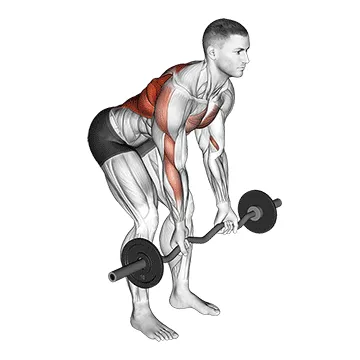
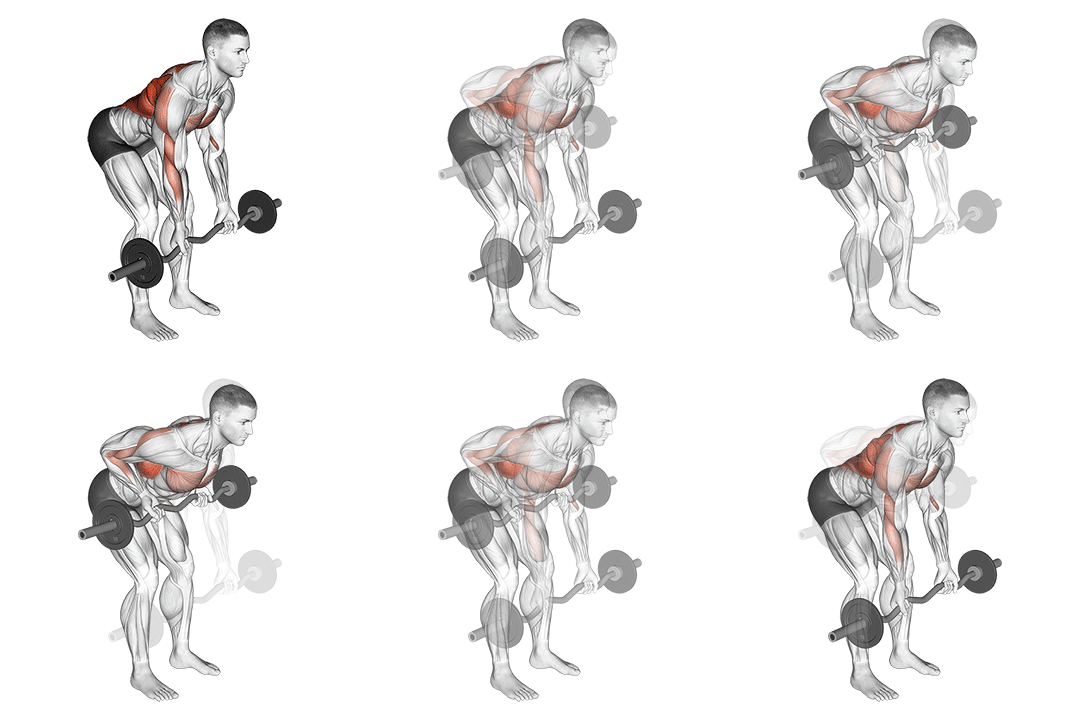
7. EZ Bar Reverse Grip Bent Over Row
85% match- Upper Back
- Ez-barbell
- Intermediate
- Compound
A good swap when you have an EZ bar to work with, and it still works the upper back.
How to perform this exercise
- Stand with your feet shoulder-width apart and knees slightly bent.
- Hold the ez barbell with an underhand grip, palms facing up, and hands shoulder-width apart.
- Bend forward at the hips, keeping your back straight and chest up, until your torso is almost parallel to the floor.
- Pull the ez barbell towards your lower chest, squeezing your shoulder blades together.
- Pause for a moment at the top, then slowly lower the ez barbell back to the starting position.
- Repeat for the desired number of repetitions.
Sets and reps: 3 or 4 sets of 6 to 10 reps.
Why this matches
- Primary muscle: upper back, the same as the Elevator
- Equipment: free weights, not bodyweight only
- Body position: standing, the same as the Elevator
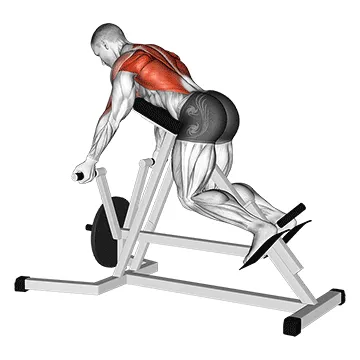
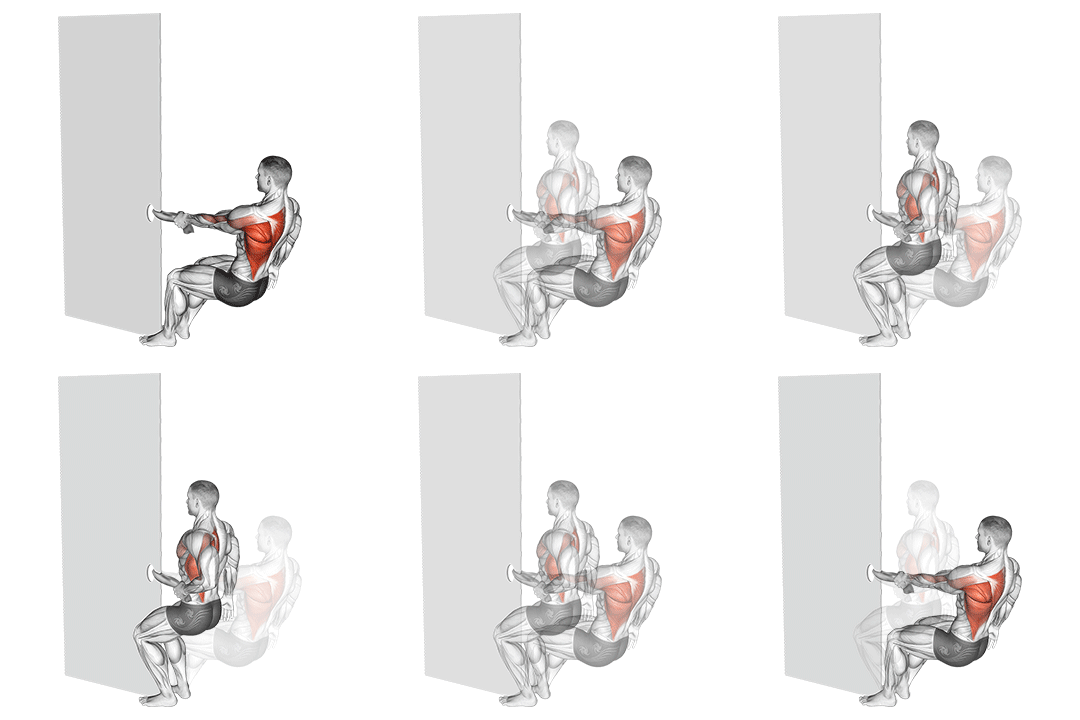
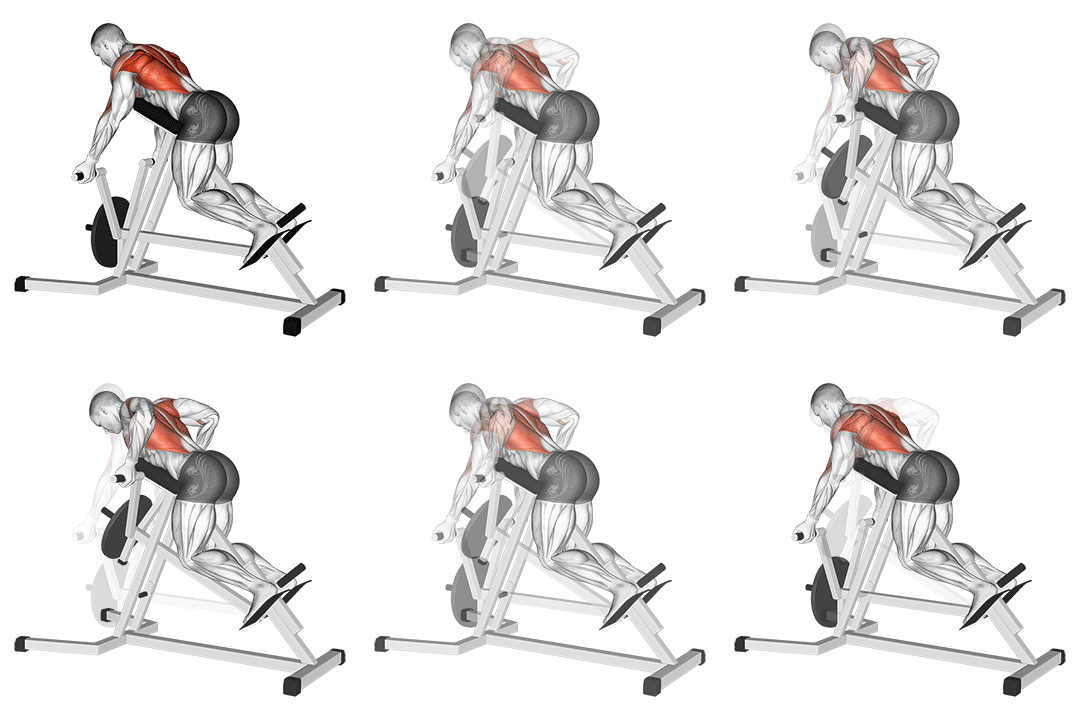
8. Lever Reverse T-Bar Row
84% match- Upper Back
- Lever
- Intermediate
- Compound
How to perform this exercise
- Adjust the seat height and footplate position on the leverage machine.
- Sit on the machine with your chest against the pad and your feet flat on the footplate.
- Grasp the handles with an overhand grip, slightly wider than shoulder-width apart.
- Keep your back straight and engage your core.
- Pull the handles towards your chest, squeezing your shoulder blades together.
- Pause for a moment at the top of the movement, then slowly release and extend your arms back to the starting position.
- Repeat for the desired number of repetitions.
Sets and reps: 3 or 4 sets of 6 to 10 reps.
Why this matches
- Primary muscle: upper back, the same as the Elevator
- Equipment: a machine, not bodyweight only
- Body position: standing, the same as the Elevator
- Balance: easier to stay steady on than the Elevator
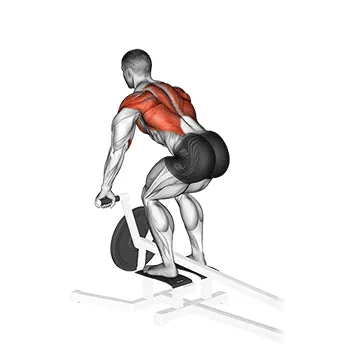
9. Lever T Bar Row
84% match- Upper Back
- Lever
- Intermediate
- Compound
How to perform this exercise
- Adjust the seat height and footplate position to ensure proper alignment.
- Sit on the machine with your chest against the pad and your feet flat on the footplate.
- Grasp the handles with an overhand grip, slightly wider than shoulder-width apart.
- Keep your back straight and engage your core.
- Pull the handles towards your torso, squeezing your shoulder blades together.
- Pause for a moment at the peak contraction, then slowly release the handles back to the starting position.
- Repeat for the desired number of repetitions.
Sets and reps: 3 or 4 sets of 6 to 10 reps.
Why this matches
- Primary muscle: upper back, the same as the Elevator
- Equipment: a machine, not bodyweight only
- Body position: standing, the same as the Elevator
- Balance: easier to stay steady on than the Elevator
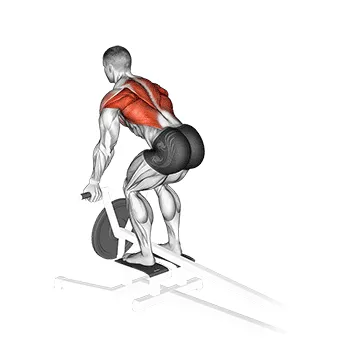
10. Lever T-Bar Reverse Grip Row
84% match- Upper Back
- Lever
- Intermediate
- Compound
How to perform this exercise
- Adjust the seat height and position yourself on the machine with your chest against the pad and your feet flat on the floor.
- Grasp the handles with an overhand grip, slightly wider than shoulder-width apart.
- Keep your back straight and engage your core.
- Pull the handles towards your chest, squeezing your shoulder blades together.
- Pause for a moment at the top of the movement, then slowly release and extend your arms back to the starting position.
- Repeat for the desired number of repetitions.
Sets and reps: 3 or 4 sets of 6 to 10 reps.
Why this matches
- Primary muscle: upper back, the same as the Elevator
- Equipment: a machine, not bodyweight only
- Balance: easier to stay steady on than the Elevator
Elevator FAQ
What muscles does Elevator work?
The Elevator primarily activates the rhomboids, middle and lower trapezius, and posterior deltoids through scapular retraction and thoracic extension. Cue to target those muscles: retract and depress the shoulder blades and hold the squeeze briefly at peak contraction to engage the mid-traps and rhomboids.
Find Alternatives for Any Exercise
Search the exercise database and filter the ranked substitutes by the equipment you own.
Similarity scores compare exercise metadata such as movement pattern, muscles, equipment and body position. They are not a safety rating or a check that you own the equipment. Learn about our methodology