

10 Best Bodyweight Kneaping Triceps Extension Alternatives for Home Workouts
If you need an alternative to the Bodyweight Kneeling Triceps Extension, use exercises that keep the elbow-extension pattern and stress the triceps. Top choices: diamond push-ups (82%), close-grip push-ups (81%), parallel‑bar triceps dips (81%), bench dips (80%), and incline bodyweight triceps extensions (80%). Keep elbows tucked and extend fully.
Original Exercise: Bodyweight Kneeling Triceps Extension
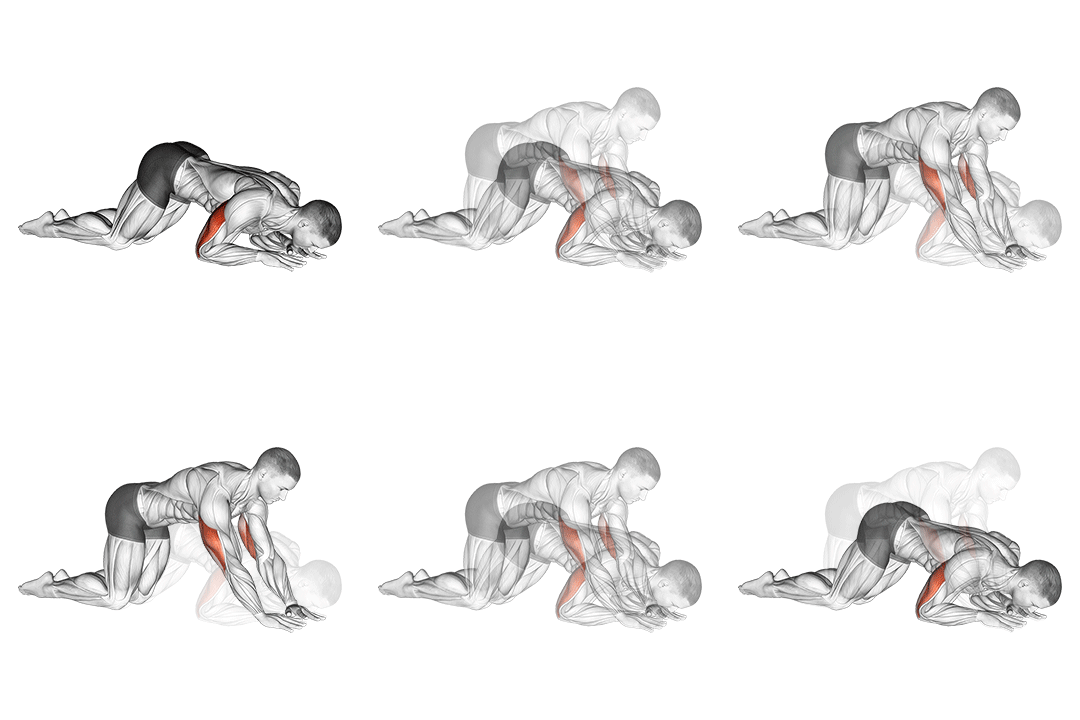
How to Perform Bodyweight Kneeling Triceps Extension
- Kneel down on the ground with your knees hip-width apart.
- Place your hands on the ground in front of you, shoulder-width apart, fingers pointing forward.
- Extend your legs straight behind you, balancing on your toes and hands, forming a straight line from head to heels.
- Bend your elbows and lower your upper body towards the ground, keeping your elbows close to your sides.
- Pause for a moment at the bottom, then push through your hands to straighten your arms and return to the starting position.
- Repeat for the desired number of repetitions.
Best Bodyweight Kneeling Triceps Extension Alternatives
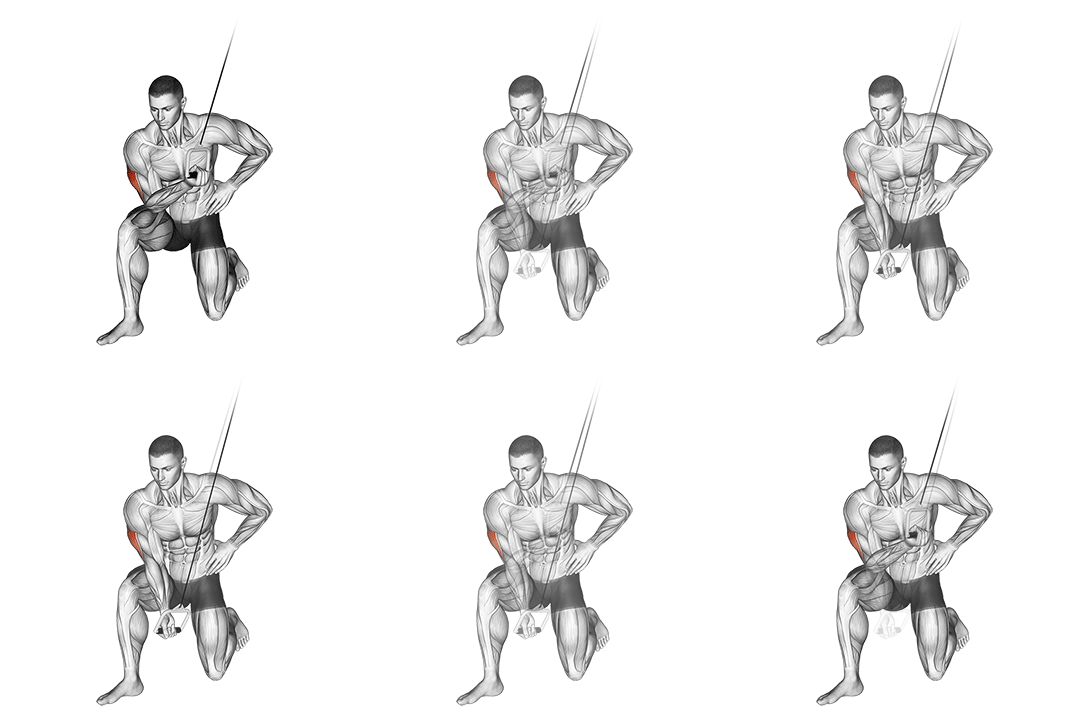
1. Cable Concentration Extension (on Knee)
81.7% MatchHow to perform this exercise
- Sit on a bench or chair with your knees bent and feet flat on the ground.
- Hold the cable handle with your right hand and place your elbow on the inside of your right knee.
- Extend your arm fully, keeping your elbow stationary and close to your knee.
- Pause for a moment at the top, then slowly lower your arm back to the starting position.
- Repeat for the desired number of repetitions, then switch sides.
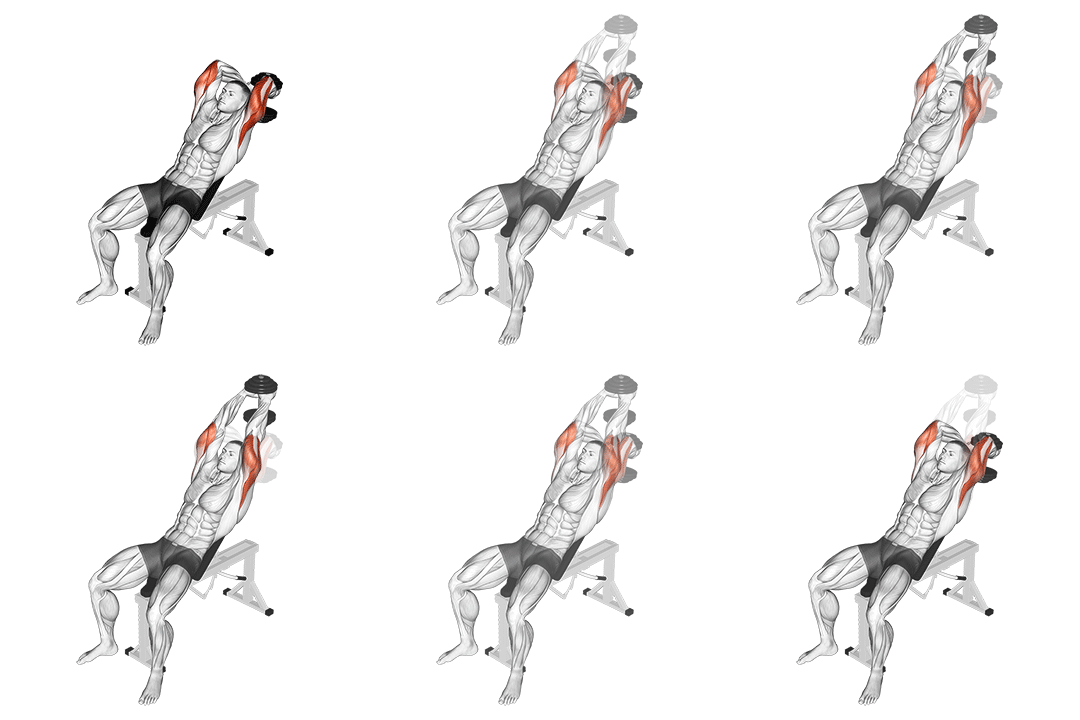
2. Dumbbell Incline Two Arm Extension
80.9% MatchHow to perform this exercise
- Sit on an incline bench with a dumbbell in each hand, resting on your thighs.
- Slowly lie back on the bench, keeping the dumbbells close to your chest.
- Once you are fully lying down, extend your arms straight up towards the ceiling, keeping your elbows slightly bent.
- Pause for a moment at the top, then slowly lower the dumbbells back down to the starting position.
- Repeat for the desired number of repetitions.
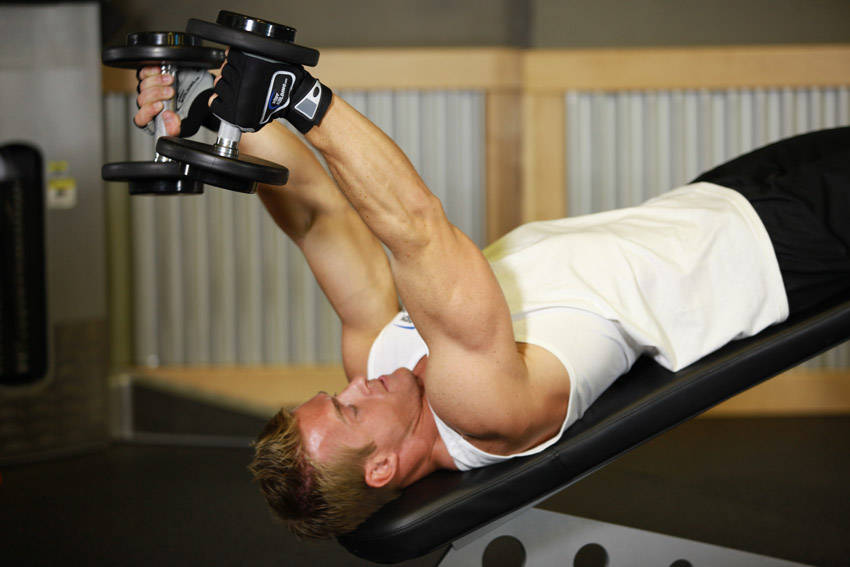
3. Decline Dumbbell Triceps Extension
80.7% MatchHow to perform this exercise
- Secure your legs at the end of the decline bench and lie down with a dumbbell on each hand on top of your thighs. The palms of your hand will be facing each other.
- Once you are laying down, move the dumbbells in front of you at shoulder width. The palms of the hands should be facing each other and the arms should be perpendicular to the floor and fully extended. This will be your starting position.
- As you breathe in and you keep the upper arms stationary (and elbows in), bring the dumbbells down slowly by moving your forearms in a semicircular motion towards you until your thumbs are next to your ears. Breathe in as you perform this portion of the movement.
- Lift the dumbbells back to the starting position by contracting the triceps and exhaling.
- Repeat for the recommended amount of repetitions.
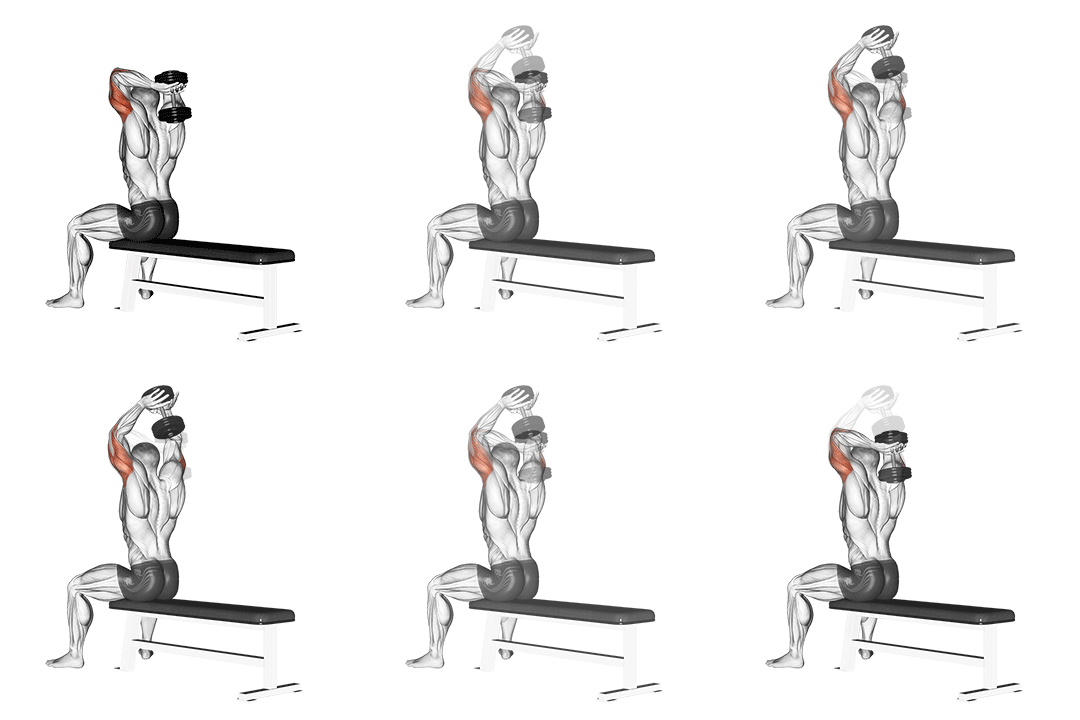
4. Dumbbell Seated Bench Extension
80.4% MatchHow to perform this exercise
- Sit on a bench with your back straight and feet flat on the ground.
- Hold a dumbbell with both hands and extend your arms straight up above your head.
- Slowly lower the dumbbell behind your head, keeping your elbows close to your ears.
- Pause for a moment, then raise the dumbbell back up to the starting position.
- Repeat for the desired number of repetitions.
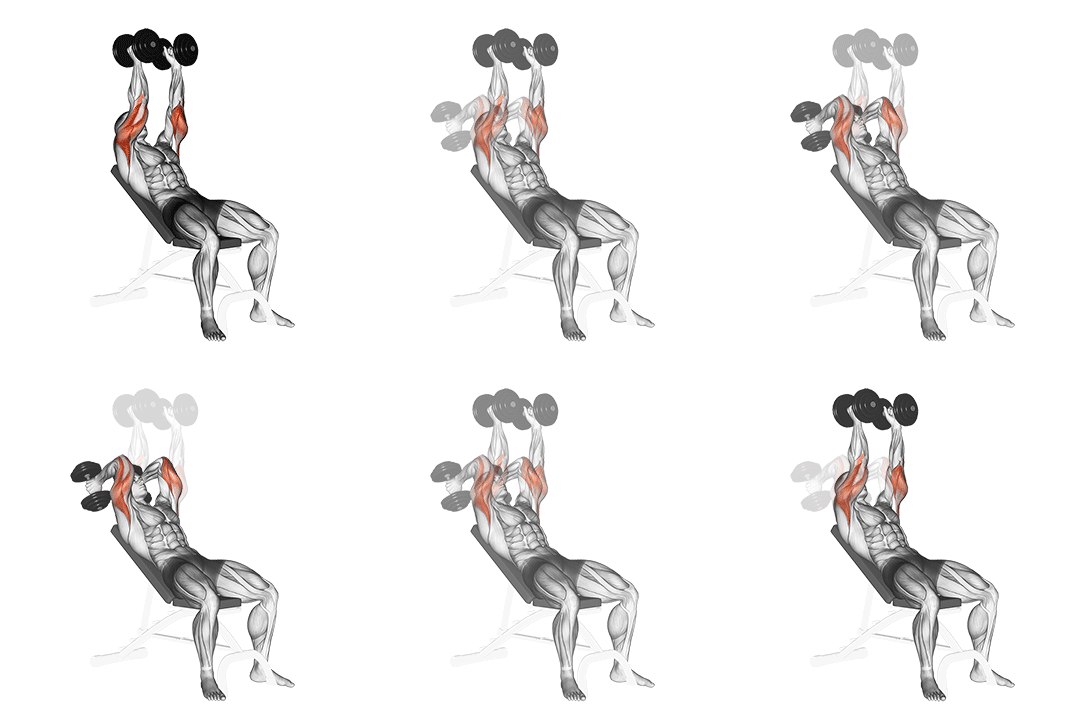
5. Dumbbell Incline Triceps Extension
79.9% MatchHow to perform this exercise
- Sit on an incline bench with a dumbbell in each hand, palms facing inwards.
- Extend your arms fully overhead, keeping your elbows close to your head.
- Lower the dumbbells behind your head by bending your elbows, keeping your upper arms stationary.
- Pause for a moment, then raise the dumbbells back to the starting position by extending your arms.
- Repeat for the desired number of repetitions.
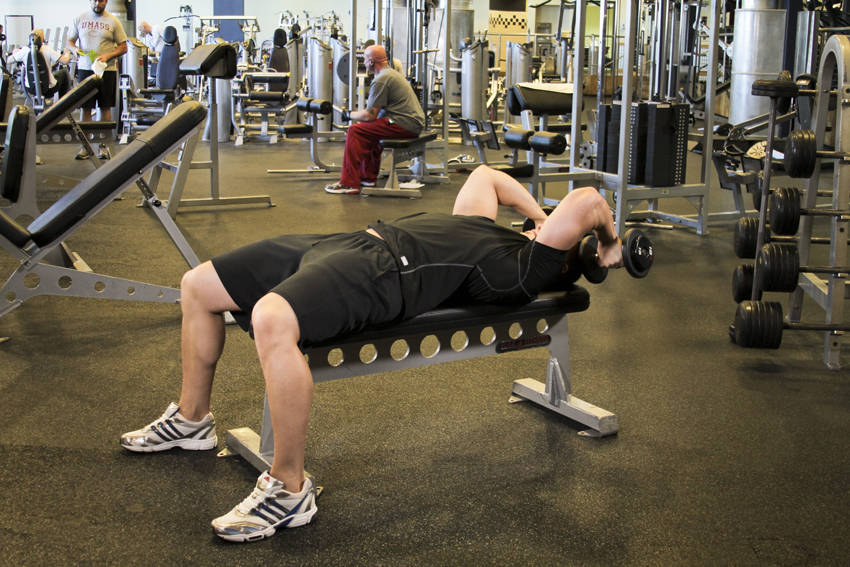
6. Dumbbell Tricep Extension -Pronated Grip
77.4% MatchHow to perform this exercise
- Lie down on a flat bench holding two dumbbells directly above your shoulders. Your arms should be fully extended and form a 90 degree angle from your torso and the floor.
- The palms of your hands should be facing forward, and your elbows should be tucked in. This will be your starting position.
- Now, inhale and slowly lower the dumbbells until they are near your ears. Be sure to keep your upper arms stationary and your elbows tucked in.
- Then, exhale and use your triceps to return the weight to the starting position.
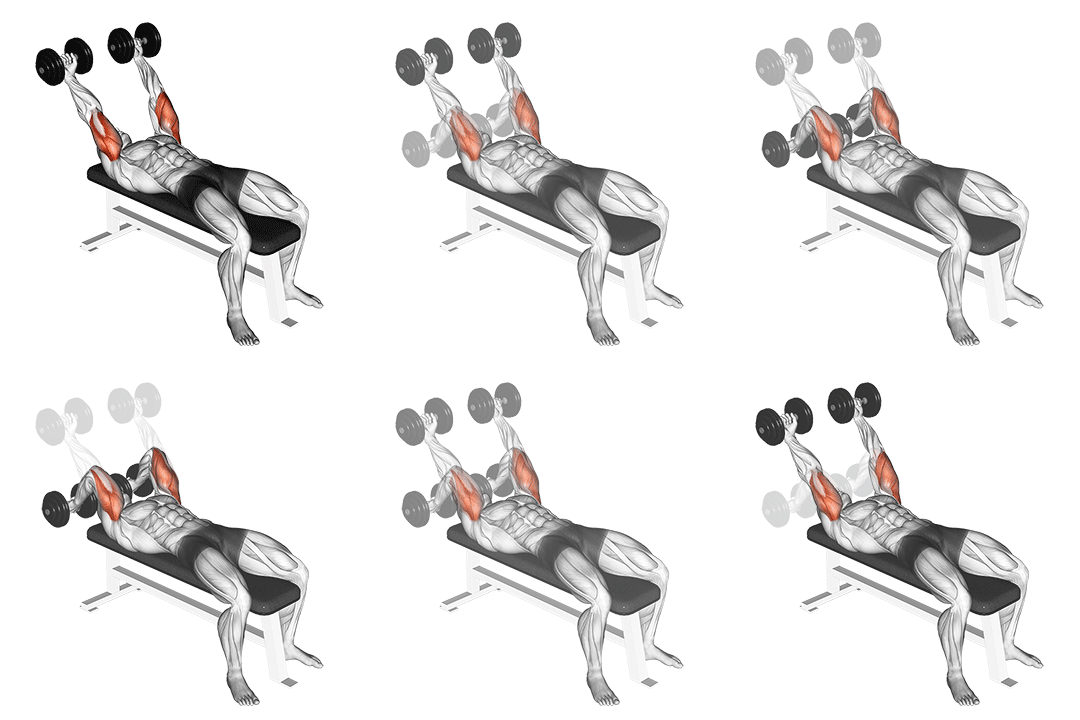
7. Dumbbell Pronate-grip Triceps Extension
77.4% MatchHow to perform this exercise
- Sit on a bench or chair with your back straight and feet flat on the ground.
- Hold a dumbbell with both hands, palms facing down, and extend your arms straight up overhead.
- Keeping your upper arms close to your head and elbows pointing forward, slowly lower the dumbbell behind your head by bending your elbows.
- Pause for a moment, then extend your arms back up to the starting position.
- Repeat for the desired number of repetitions.
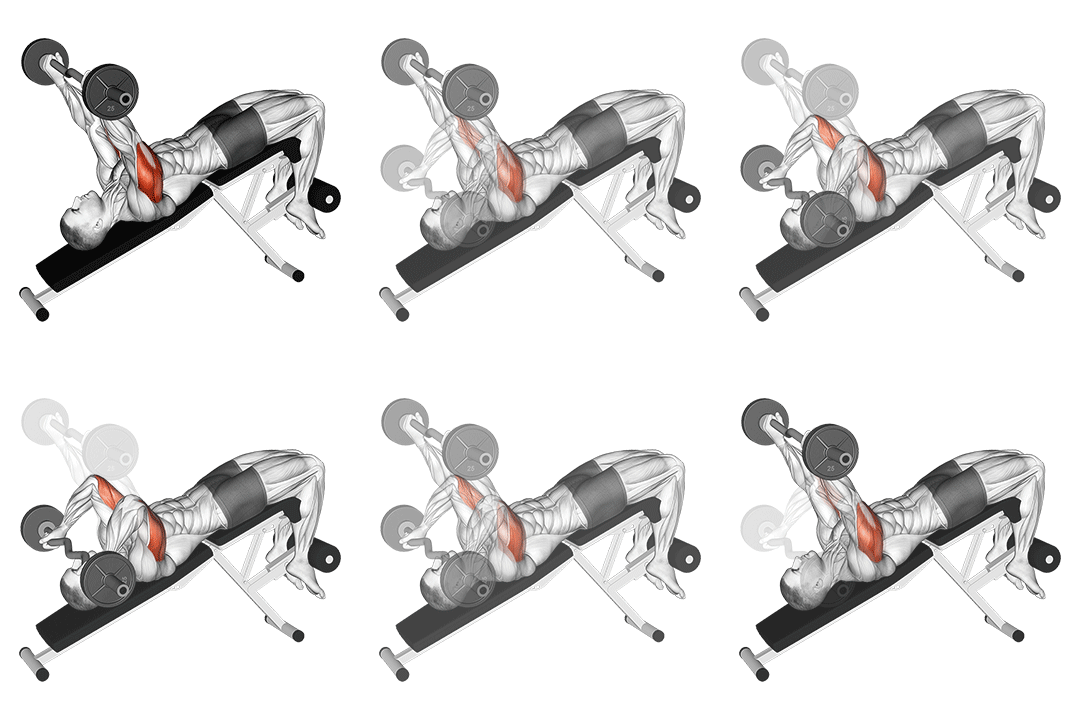
8. Ez Barbell Decline Triceps Extension
76.9% MatchHow to perform this exercise
- Lie on a decline bench with your head lower than your feet and your feet secured.
- Hold the ez barbell with an overhand grip, hands shoulder-width apart.
- Extend your arms fully, keeping your elbows close to your head.
- Lower the barbell slowly towards your forehead, bending your elbows.
- Pause for a moment, then extend your arms back to the starting position.
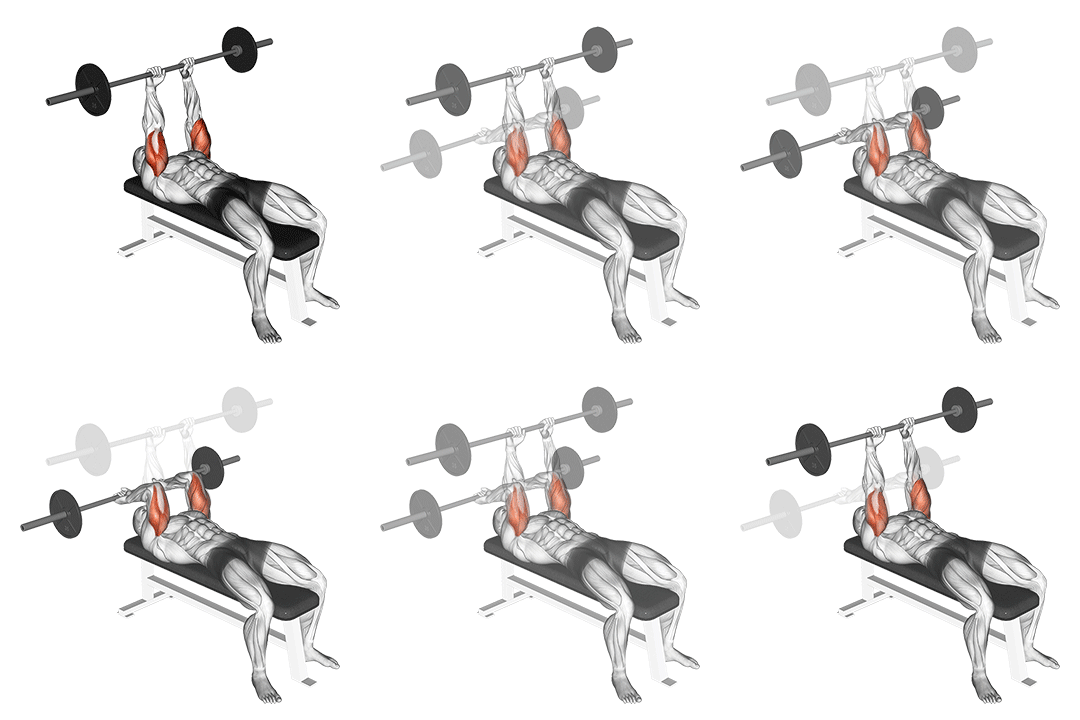
9. Barbell Lying Triceps Extension
76.7% MatchHow to perform this exercise
- Lie flat on a bench with your feet flat on the ground and your head at the end of the bench.
- Hold the barbell with an overhand grip, hands shoulder-width apart, and extend your arms straight up over your chest.
- Keeping your upper arms stationary, slowly lower the barbell towards your forehead by bending your elbows.
- Pause for a moment at the bottom, then extend your arms back up to the starting position.
- Repeat for the desired number of repetitions.
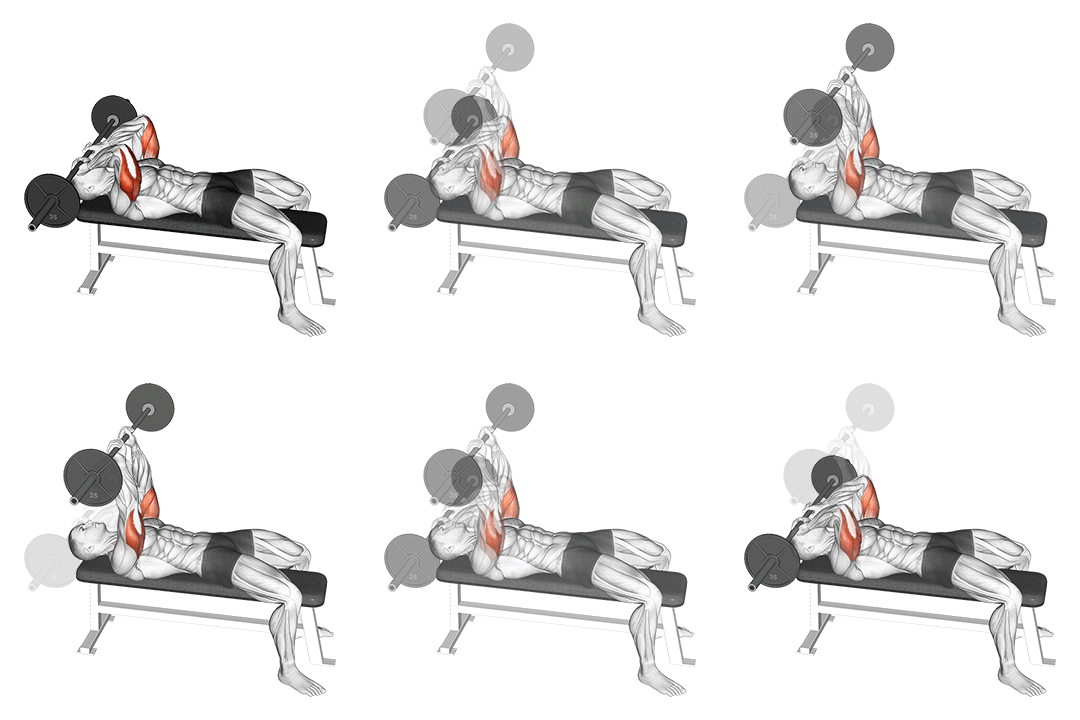
10. Barbell Lying Triceps Extension Skull Crusher
76.7% MatchHow to perform this exercise
- Lie flat on a bench with your feet flat on the ground and your head at the end of the bench.
- Hold the barbell with an overhand grip, hands shoulder-width apart, and extend your arms straight up over your chest.
- Keeping your upper arms stationary, slowly lower the barbell towards your forehead by bending your elbows.
- Pause for a moment when the barbell is just above your forehead, then extend your arms back up to the starting position.
- Repeat for the desired number of repetitions.
Why You Might Need a Bodyweight Kneeling Triceps Extension Alternative
You might substitute the kneeling extension because of wrist or elbow pain, limited range of motion, lack of a stable surface, or to vary stimulus. Replacing the move lets you manipulate leverage, load, and scapular position to protect joints while preserving elbow-extension torque. For example, diamond push-ups reduce shoulder extension and increase triceps activation—cue: keep hands under sternum, drive elbows toward the ribs. Dips change torso angle to shift emphasis between the lateral and long heads. Choose based on comfort and desired muscle emphasis.
How to Choose the Right Substitute
Pick a substitute based on equipment, pain history, and the movement pattern you need to train. Prioritize exercises that maintain elbow extension under load—cue: lower under control to 90° elbow flexion, then extend explosively. If you have wrist issues, use paralleI bars or fists to keep a neutral wrist. For long-head emphasis use dips with a slight forward lean; for lateral-head bias keep the torso more vertical and use close-grip or diamond push-ups. Progress by changing leverage, reps, or tempo.
Frequently Asked Questions
What muscles does Bodyweight Kneeling Triceps Extension work?
It primarily targets the triceps brachii via elbow extension, emphasizing the lateral and long heads depending on arm angle. The anterior deltoid and pectoralis minor assist to stabilize the shoulder girdle during the motion.
What is the best bodyweight alternative to Bodyweight Kneeling Triceps Extension?
Diamond push-ups are the most direct bodyweight alternative because they preserve the elbow-extension pattern and increase triceps loading (82% match). Cue: form a diamond with thumbs and index fingers, keep elbows close to ribs, lower to 90° and press to full elbow extension.
Can I build muscle without doing Bodyweight Kneeling Triceps Extension?
Yes. You can build triceps mass with progressive overload using diamond or close-grip push-ups, parallel‑bar dips, and bench dips by manipulating reps, tempo, and leverage. Ensure full range of motion and controlled eccentric phases to maximize muscle tension and growth.
More Exercise Alternatives
Find Alternatives for Any Exercise
Use our free tool to discover the best substitute exercises based on your available equipment and goals.
Try the Exercise Substitution Finder →